标签: Saint Kitts and Nevis

圣基茨和尼维斯

  • St. Kitts and Nevis’ Preventative Crime Strategy Gains Regional Attention as CARICOM–UN Partnership Advances

    St. Kitts and Nevis’ Preventative Crime Strategy Gains Regional Attention as CARICOM–UN Partnership Advances

    BASSETERRE, St. Kitts – May 21, 2026 – A community-centered, prevention-first approach to cutting crime and violence developed by St. Kitts and Nevis is gaining traction across the Caribbean, as regional and global leaders launch a new coordinated framework to advance evidence-based security policy. The official rollout of the CARICOM-UNDP Diagnostic Document and CARICOM-UN Action Framework this week placed a spotlight on the Federation’s pioneering model, which reframes public safety beyond traditional law enforcement tactics.

    Speaking to an audience of regional delegates, United Nations officials, security stakeholders and domestic partners, Prime Minister Dr. Terrance Drew, who also serves as Minister of National Security, explained the core philosophy behind his country’s strategy. Drew, a former medical doctor, says his clinical background shaped his view that crime, like a public health crisis, is best addressed by targeting root causes rather than only responding to its end-stage harms.

    “By the time law enforcement and the judicial system intervene, a person has already been pushed down a long path toward criminal activity,” Drew noted in his address. “Traditional security measures remain critical pillars of public safety, but they cannot deliver long-term change on their own. Right now, the prevention angle remains vastly under-explored across the Caribbean.”

    Drew’s administration has built its national crime reduction strategy around this principle, bringing together a cross-sector coalition of stakeholders that extends far beyond police and judicial bodies. Health practitioners, school leaders, social development agencies, community groups, political organizations, private sector leaders and security institutions all collaborate under a unified national framework to tackle the social, psychological and environmental conditions that drive criminal activity before it occurs.

    This integrated model is already operational through existing national initiatives, including the Citizen Security Secretariat (CSS), an entity focused on strengthening cross-sector partnerships and rolling out data-driven interventions to cut violence and strengthen community cohesion. All government-led public safety programs increasingly prioritize prevention, early intervention for at-risk groups and local community engagement as core pillars of the country’s broader citizen security strategy.

    The results of this approach have been dramatic, Drew reported. “After we put these preventative methods into practice, we recorded a widespread drop in crime and violence across all categories, not just major offenses. Major crime alone has fallen between 75 and 80 percent,” he said.

    These measurable outcomes have drawn growing interest from neighboring Caribbean nations, many of which have begun reaching out to St. Kitts and Nevis to study the model and adapt its core elements for their own national contexts, Drew added.

    The Prime Minister praised the new CARICOM-UN partnership, framing the launch of the new diagnostic document and regional action framework as a landmark step toward embedding preventative, evidence-based security policy across the entire Caribbean. He emphasized that coordinated regional action will amplify the impact of individual national efforts and deliver safer communities for coming generations.

    “To see CARICOM now align behind this approach, and to see the United Nations commit to such a significant, substantive partnership, gives me enormous hope,” Drew said. “I can confidently say that the next decade for Caribbean security will be far better than the last, thanks to this coordinated shift toward prevention.”

  • Wanted Jamaicans deported after being found hiding in Federation

    Wanted Jamaicans deported after being found hiding in Federation

    BASSETERRE, St. Kitts — A cross-security force cooperation in the Federation of St. Kitts and Nevis has taken two high-profile Jamaican fugitives off the region’s streets, with the pair now back in Jamaica to answer for serious violent criminal charges they face at home.

    The Royal St. Christopher and Nevis Police Force (RSCNPF) confirmed the successful operation in an official media release distributed Wednesday evening, noting that law enforcement officers worked alongside the St. Kitts-Nevis Defence Force (SKNDF) to track and apprehend the two men, who had been hiding in the federation for an undisclosed period. The fugitives have been identified as Kemar Matthews and Clevone Harris.

    The joint law enforcement team captured the two suspects in two separate targeted operations carried out on May 18 and May 20, 2026, respectively. Jamaican law enforcement agencies have been actively searching for the pair, who are wanted on charges of murder and intentional wounding, according to official filings.

    In an update just 24 hours after the release of the operation announcement, police confirmed that both men completed the repatriation process and were back in Jamaican custody by 1:00 p.m. local time on May 21. At the time of publication, authorities have not released any further information about the specifics of the deportation process or additional operational details surrounding the arrest operations.

  • NDMD Partners with International Universities for Fire Simulation (THURSDAY, 21ST AT 2;00 PM)

    NDMD Partners with International Universities for Fire Simulation (THURSDAY, 21ST AT 2;00 PM)

    On May 21, 2026, the Nevis Disaster Management Department (NDMD) launched a large-scale, multi-partner fire emergency simulation exercise at Fort Charles, Nevis, codenamed “Caught by Surprise: Fire Outbreak During Camp Siesta”. The drill, held as a core hands-on component of a two-week international study abroad program focused on disaster risk reduction and emergency management, brings together local government agencies, international academic institutions and non-profit stakeholders to test and strengthen cross-sector response capacity.

    The initiative is executed in formal partnership with two U.S.-based higher education institutions — Widener University and Utah Valley University — alongside key national response bodies including St. Kitts and Nevis’ National Emergency Management Agency (NEMA), the local Ministry of Health, and the St. Kitts-Nevis Red Cross Society. The simulation is designed to replicate a plausible, high-stakes real-world scenario: an unexpected fire breaking out at a recreational camp while participants rest during the afternoon siesta period.

    Over the course of the drill, participating responders, students and volunteers are challenged to navigate a rapidly evolving crisis, testing their proficiency across a full spectrum of emergency response functions. Key competencies assessed and practiced include structured building evacuation protocols, on-site triage and treatment for burn and smoke inhalation injuries, systematic headcounts to account for missing persons, de-escalation of mass panic among camp attendees, and coordinated real-time public communication during an active emergency.

    Beyond the core fire simulation, the broader international study abroad program integrates additional hands-on training, including certified first aid and cardiopulmonary resuscitation (CPR) instruction. These supplementary modules are designed to embed foundational lifesaving skills among all participants, reinforcing long-term community-level preparedness across St. Kitts and Nevis.

    A full roster of participating stakeholders includes the local Fire and Rescue Services, national Emergency Medical Services, the Royal St. Christopher and Nevis Police Force, Alexandra Hospital, official camp leadership teams, communications specialists, participating university students, and cross-sector supporting partners. In a public advisory ahead of the drill, NDMD pre-emptively informed residents and visitors that the visible emergency activity in the Fort Charles area — including frequent emergency vehicle transit, staged casualty management, and large-scale response operations — is entirely part of the planned exercise, and urged the public not to mistake the drill for a real emergency.

    The simulation represents one key work package of the 14-day international collaborative program, which was developed jointly by NDMD and its partner universities. The program’s overarching mission is to advance applied learning in emergency management, strengthen cross-border institutional partnerships, and boost public awareness of disaster preparedness and public health safety across St. Kitts and Nevis. Through a combination of field practicums, hands-on drills, professional knowledge exchanges, and direct community engagement activities, the initiative aims to build long-term resilience that benefits both local communities and participating emergency management students from around the world.

  • Ebola remains a concern in Central Africa, as WHO declares international health emergency

    Ebola remains a concern in Central Africa, as WHO declares international health emergency

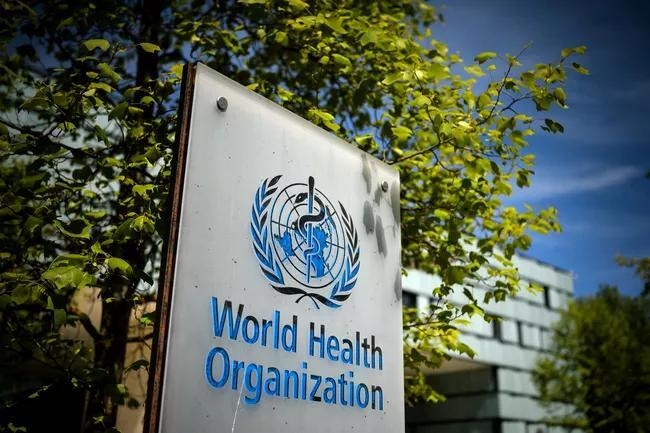
    In an unprecedented, urgent move announced Wednesday, World Health Organization Director-General Dr. Tedros Adhanom Ghebreyesus has formally designated the growing Ebola outbreak across the Democratic Republic of Congo (DRC) and Uganda as a Public Health Emergency of International Concern (PHEIC), marking the first time a WHO chief has issued this highest global alert before convening the organization’s formal Emergency Committee under international health rules.

    The declaration comes as confirmed infections, deaths, and geographic spread of the virus accelerate, with the pathogen now reaching densely populated urban centers across the two Central African nations. Speaking at a press briefing, Dr. Tedros explained the early declaration followed direct consultations with the DRC and Ugandan health ministers, and was driven by the critical need for immediate coordinated international intervention to curb the outbreak’s expansion. Officials were quick to clarify that the outbreak has not been upgraded to a pandemic emergency, the top tier of alert under the International Health Regulations (IHR), a position the WHO Emergency Committee affirmed after convening following the formal declaration.

    As of the latest update from global health authorities, 51 confirmed Ebola cases have been documented in the DRC, concentrated primarily in the conflict-stricken northern provinces of Ituri and North Kivu, including the major urban hubs of Bunia and Goma. WHO analysts warn that the actual caseload is almost certainly far higher than official counts, as the virus is believed to have been circulating undetected for weeks before the outbreak was identified. Uganda has also reported two confirmed cases, both linked to travel from the DRC, in its capital city Kampala, including one fatality. Most recently, an American citizen working in the DRC tested positive for the virus and was evacuated to Germany for specialized medical care.

    Beyond confirmed infections, nearly 600 additional suspected cases and 139 suspected deaths are currently under investigation, numbers that health officials expect to rise in the coming weeks. Multiple risk factors have deepened global concern over the outbreak. Unlike previous Ebola events, this outbreak is driven by the Bundibugyo Ebola strain, for which no widely approved vaccines or targeted treatments currently exist, leaving frontline healthcare workers with limited tools to combat the disease.

    The outbreak has already spread beyond isolated rural areas to multiple urban centers, creating conditions for far faster person-to-person transmission. Compounding this risk, ongoing transmission has been documented within healthcare facilities, resulting in infections and deaths among frontline medical staff, a dangerous sign that safety protocols in local health settings are currently insufficient to stop spread.

    Regional instability and population movement have further amplified transmission risks. Ituri province, the epicenter of the outbreak, has seen a sharp escalation of armed conflict since late 2025, with fighting over the past two months displacing more than 100,000 people. The region is also a major commercial mining hub, leading to constant cross-border and cross-regional movement of workers and residents that health experts say can quickly carry the virus to new areas.

    Currently, WHO assesses the outbreak’s risk as high at both the national and regional levels, while rating the overall global risk as low. Dr. Tedros emphasized that the confluence of dangerous risk factors left no room for delay, noting that immediate coordinated international action is required to prevent unnecessary loss of life and scale up an effective global response to the unfolding crisis.

  • Government reaffirms commitment to second chances for youth with the recommissioning of new Horizon Rehabilitation Centre

    Government reaffirms commitment to second chances for youth with the recommissioning of new Horizon Rehabilitation Centre

    On the Caribbean twin-island nation of Saint Kitts and Nevis, the government has formally recommissioned the upgraded New Horizon Rehabilitation Centre (NHRC) in Harris’ Village, reinforcing its longstanding pledge to prioritize rehabilitation, social reintegration, and second opportunities for young people who have come into conflict with the law. The recommissioning ceremony, held on May 20, 2026, drew government officials, community stakeholders, and local partners, with Deputy Prime Minister and Minister of Social Development Dr. Geoffrey Hanley delivering the keynote address to attendees.

    In his remarks, Dr. Hanley framed the reopening of the purpose-built facility as a landmark statement of national values, underscoring that the government and people of Saint Kitts and Nevis refuse to abandon young people facing legal and personal challenges. “By reopening the centre, we send a clear signal to courts, law enforcement, schools, local communities, and family units that we do not give up on our nation’s children,” Hanley told the gathered audience.

    The recommissioning of the NHRC is not an isolated infrastructure project, but a core component of a broader government initiative to overhaul and strengthen the country’s child justice and youth rehabilitation systems, Dr. Hanley explained. Moving forward, the administration will pursue two interconnected tracks of reform: first, rebuilding public trust and awareness of the rehabilitation centre’s mission and services, and second, advancing targeted legislative updates to strengthen national child protection and support frameworks.

    A key part of this public outreach will be a national campaign to reintroduce the centre’s work to communities across the country, to correct misperceptions and encourage collaborative support for its programming. Dr. Hanley emphasized that while the NHRC fills a critical rehabilitative role for vulnerable youth, the facility cannot replace the foundational responsibility of families and local communities in youth development. Echoing the well-known proverb that it takes a village to raise a child, he noted that modern youth support in 2026 and beyond requires consistent, active engagement from parents, guardians, and local stakeholders, not just institutional intervention.

    Dr. Hanley further announced that the Ministry of Social Development will table new legislative changes in the coming months aimed at improving cross-sector coordination for youth services, strengthening support systems for young people in contact with the law, and expanding community-based support structures for at-risk children and their families. He stressed that institutional placement at the NHRC will always remain a last resort, with prevention, early intervention, and community-centered treatment retaining top priority in the government’s youth justice strategy.

    Speaking under the ceremony’s official theme “Renewal, Restoration and Recommitment,” Dr. Hanley called on all national stakeholders and ordinary citizens to renew their shared commitment to protecting and uplifting the nation’s children. The recommissioning of the New Horizon Rehabilitation Centre, he concluded, embodies the government’s broader promise to expand accessible rehabilitation services, lift up vulnerable youth populations, and guarantee that every young person in Saint Kitts and Nevis receives the guidance, support, and opportunity to grow and build a positive future.

  • Antigua and Barbuda records strong growth in Q1 arrivals

    Antigua and Barbuda records strong growth in Q1 arrivals

    Against a backdrop of widespread industry concerns over looming travel headwinds across the tourism-reliant Caribbean, Antigua and Barbuda has emerged with strong positive momentum, posting solid double-digit growth in key tourism segments and recording a nearly 7% year-over-year jump in stay-over visitor arrivals for the first quarter of 2026.

    The latest performance data was unveiled by senior tourism officials during the recently concluded 44th Caribbean Travel Marketplace, hosted by the Caribbean Hotel and Tourism Association (CHTA). Addressing reporters at a press conference on the sidelines of the event, recently re-elected Tourism, Civil Aviation, Transportation and Investment Minister Charles H. Fernández and Antigua and Barbuda Tourism Authority (ABTA) CEO Colin C. James walked through the country’s resilient tourism results, highlighting the consistent upward trajectory across the quarter.

    Official statistics confirm that 110,832 international stay-over visitors entered the dual-island nation between January and March 2026, up from 103,843 recorded in the same three-month period in 2025, marking a 6.7% annual increase. Growth held steady across every month of the quarter: January arrivals rose 5% to 36,052, February saw a 6% gain to 36,133, and March delivered the strongest expansion of the quarter with an 8% increase that pushed total arrivals for the month to 38,097.

    Among the country’s core source markets, the United Kingdom posted the most rapid growth, with a 14% jump in arrivals compared to Q1 2025. The United States retains its position as Antigua and Barbuda’s largest single source market, accounting for 46% of all stay-over visitors. Europe follows as the second-largest regional market at 34%, with Canada contributing 12%, other Caribbean nations 5%, Latin America 1%, and all remaining markets making up the final 2% of arrivals.

    To sustain long-term growth, tourism officials confirmed the destination is actively pursuing strategic market diversification, with targeted outreach to growing travel sectors in Latin America and Africa. This push aligns with rising global consumer demand for authentic, immersive Caribbean travel experiences that the islands are well-positioned to deliver.

    The positive momentum seen in stay-over travel is mirrored in the country’s fast-growing cruise sector. Antigua and Barbuda is projecting a 21.9% increase in total cruise passenger arrivals for the full year 2026, with projected volumes set to hit 894,469 — a figure that already outpaces the 733,526 cruise passengers recorded in 2019, the last full year before the global travel downturn. Total annual cruise ship calls are also forecast to rise from 388 pre-pandemic levels to 483 in 2026, a jump driven in large part by expanded home-porting operations that allow vessels to start and end itineraries in Antigua and Barbuda.

    Underpinning this cruise sector growth is the new $30 million cruise terminal that opened to the public on January 24, 2026. The facility is part of the broader Upland Development Project, a government-led initiative designed to modernize the entire visitor arrival process and expand the country’s annual cruise capacity to accommodate rising demand.

    Beyond maritime connectivity, the destination is also seeing significant expansion in air access, with new commercial routes boosting both regional and international connectivity. Sunrise Airways launched twice-weekly service between Antigua and the Dominican Republic on May 1, followed by LIAT Air’s introduction of twice-weekly flights to Guadeloupe on May 8. Nigeria-based Air Peace is on schedule to launch a new twice-monthly service connecting Antigua to Lagos via Barbados starting May 25.

    Infrastructure upgrades extend beyond new terminals, with rehabilitation and expansion work currently progressing on the runway at V.C. Bird International Airport, the country’s main gateway for international air travel. On the sister island of Barbuda, the newly opened Burton-Nibbs International Airport has been purpose-built to support the island’s fast-growing eco-luxury tourism segment, opening the door for increased visitor numbers to Barbuda’s less developed, pristine coastal areas.

    Private sector investment in the country’s accommodation sector is also accelerating, with a pipeline of new luxury properties set to come online over the next three years. Moon Gate Hotel & Spa is scheduled to open before the end of 2026, offering 71 suites spread across nine buildings and seven private two-bedroom villas. On Barbuda, the highly anticipated Nobu Beach Inn is currently under construction and on track for completion in late 2026. Further out, the Nikki Beach Resort and Spa, which will feature 84 hotel rooms and 127 luxury private residences, is targeting a 2029 opening, while Rosewood Hotel Barbuda — boasting 50 resort suites and 35 private residences — is expected to launch in 2028. A 114-room Marriott Leisure World Hotel with eight overwater villas is also in the early stages of development.

  • St Kitts receives Caribbean nationals, including from Jamaica, deported from US

    St Kitts receives Caribbean nationals, including from Jamaica, deported from US

    BASSETERRE, St Kitts — On May 20, 2026, the government of St Kitts and Nevis confirmed the arrival of three Caribbean Community (CARICOM) nationals — one Jamaican and two Belizeans — transferred to the federation after being deported from the United States, under a pre-existing bilateral memorandum of understanding (MOU) covering third-country national transfers.

    In an official public statement addressing the transfer, the St Kitts and Nevis government clarified that the movement of the three individuals was carried out strictly in line with the terms of the agreement between the twin-island federation and the U.S. government, which applies specifically to CARICOM citizens that are third-country nationals in U.S. migration custody. Importantly, the entire processing and transfer process incurs no financial cost to the St Kitts and Nevis government.

    Per the arrangements laid out in the MOU, the three arrivals will go through the federation’s standard immigration and national security vetting procedures, after which they will receive the immigration status and legal residency that CARICOM citizens are routinely entitled to under St Kitts and Nevis law.

    The government moved quickly to reassure the local public that all relevant national security, immigration, and law enforcement agencies have been fully involved at every stage of the transfer. Ahead of the individuals’ arrival, U.S. authorities shared all available biographical, medical, and criminal background information on the three transferees with local officials.

    Crucially, the statement emphasized that none of the three individuals were transferred due to criminal convictions. Their removal from the United States stems exclusively from immigration violations committed on U.S. soil. Under the terms of the arrangement, the three Caribbean nationals are free to return to their respective countries of citizenship at any time, should they choose to do so, provided they meet the immigration and legal requirements of Jamaica and Belize.

    St Kitts and Nevis reaffirmed its long-standing commitment to the responsible management of migration issues, full compliance with its international agreements, and the ongoing protection of public safety and national sovereignty. The government urged local residents to only rely on official government channels for accurate updates and information related to this transfer, to avoid the spread of misinformation.

    St Kitts and Nevis is not the only CARICOM member state to enter into this type of migration transfer agreement with the United States. Other regional nations including Dominica and Antigua and Barbuda have signed similar arrangements. Speaking to journalists on the “Roundtable” program in January 2026, Prime Minister Dr. Terrance Drew explained that the U.S. reached out to St Kitts and Nevis alongside other CARICOM members, and the federation opted to take a proactive approach in negotiations to reach a mutually acceptable arrangement that aligns with regional and national interests.

  • St. Kitts Cricket Masters upcoming Leeward Islands T20 Masters Tournament

    St. Kitts Cricket Masters upcoming Leeward Islands T20 Masters Tournament

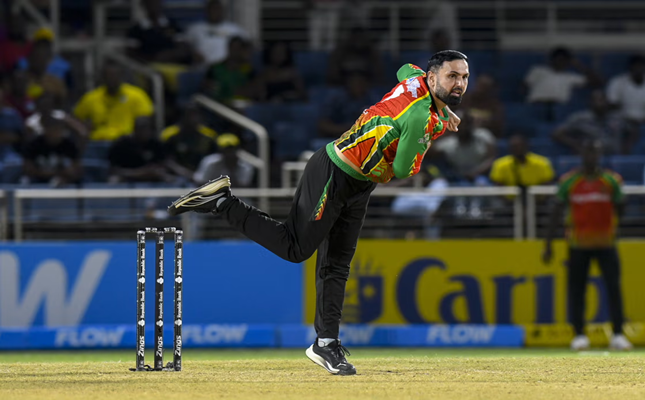
    Cricket fans across St. Kitts and the wider Leeward Islands are gearing up for three days of competitive, community-driven cricket, as the St. Kitts Cricket Masters prepare to compete in the upcoming Leeward Islands T20 Masters Tournament, set to run from May 22 to May 24, 2026 on the neighboring island of Nevis.

    Organized around regional Masters-level cricket competition, the tournament brings together some of the top veteran cricket squads from across the Leeward Islands, offering athletes and supporters alike a chance to celebrate the longstanding love of the sport that unites the region’s island communities. In a public notice posted on May 20, 2026, the St. Kitts Cricket Masters issued an open invitation to all local residents and cricket enthusiasts to travel to Nevis to cheer on their squad, urging fans to turn out in large numbers to demonstrate widespread St. Kitts pride.

    The full match schedule for Team St. Kitts has been confirmed, with the squad’s first group stage match kicking off at 2:00 PM on Friday, May 22, when they will face off against Anguilla at VOJN Grounds. On the second day of competition, Saturday, May 23, St. Kitts will take on Antigua at 10:00 AM, hosted at ETW Park. Both the tournament semi-finals and final will be held at ETW Park on Sunday, May 24, with the semi-finals starting at 10:00 AM and the championship match following at 2:00 PM.

    To make travel to Nevis more accessible for supporters, the St. Kitts Cricket Masters have arranged discounted boat fares for fans planning to attend the matches. Anyone interested in accessing these reduced rates can reach out directly to any member of the St. Kitts Cricket Masters organization to secure their booking. Team representatives emphasized that community support makes a significant difference for the squad, noting that every fan in the stands helps boost the team’s energy as they compete to bring a tournament title home to St. Kitts.

  • CARICOM SG calls for unity amid global geopolitical shifts

    CARICOM SG calls for unity amid global geopolitical shifts

    Against a backdrop of escalating global uncertainty and rapidly shifting geopolitical tides, the top leader of the Caribbean Community (CARICOM) has reaffirmed that regional solidarity is the bloc’s most critical tool to navigate evolving international dynamics and protect small-state interests on the global stage.

    Speaking at the opening of the 29th Regular Meeting of the Council for Foreign and Community Relations (COFCOR) hosted in Paramaribo, Suriname, CARICOM Secretary General Dr. Carla Barnett told attending foreign ministers and delegate delegations that current regional challenges across the Western Hemisphere are inextricably linked to larger global shifts that touch every corner of the 15-nation bloc.

    These global transformations, Barnett explained, carry both immediate disruptions and long-term consequences for CARICOM member states, touching every core area of national policy from domestic economic stability and bilateral trade relationships to sovereign foreign policy positioning. The bloc has faced mounting uncertainty since the return of a U.S. administration led by Donald Trump, which has restructured global trade frameworks and reoriented international diplomacy around its signature “America First” policy agenda.

    Against this volatile landscape, Dr. Barnett outlined that CARICOM is continuing to deepen its global engagement both by strengthening long-standing partnerships with traditional allies and expanding its diplomatic reach to new strategic partners. For the two-day COFCOR meeting, high-level diplomatic representatives from Japan’s Foreign Ministry, Singapore’s Foreign Minister, and a senior delegation from the United Arab Emirates traveled to Suriname’s capital to participate. Barnett framed this guest participation as a valuable opportunity to hold open, in-depth discussions on shared strategic priorities between CARICOM and its international partners.

    Looking ahead, the CARICOM leader highlighted a packed schedule of major multilateral events on the coming global agenda, including the 81st Session of the United Nations General Assembly, the 56th General Assembly of the Organization of American States, and the 31st UN Climate Change Conference (COP31). To advance the bloc’s core regional goals across these high-stakes forums — which include securing reparatory justice for colonial harms, stabilizing crisis-stricken Haiti, advancing climate action, unlocking access to much-needed climate finance, and upholding global peace and security — active, aligned coordination between all CARICOM member states will be non-negotiable, Barnett emphasized.

    She stressed that Caribbean nations must maintain forceful, unified advocacy on these issues while working collectively to reform the global multilateral system into one that is equitable and responsive to the needs and interests of small developing states. “One of our Caribbean Community’s greatest strengths is our ability to project a united voice,” Dr. Barnett told delegates. “For us, this is a vital mechanism for ensuring we can be heard and can influence global decision-making.”

    Acknowledging that aligning on common policy positions across member states with distinct national interests is rarely a straightforward process, Barnett noted that CARICOM has a long track record of successfully coordinating unified foreign policy stances when it matters most. She issued a clear warning: no individual Caribbean nation has the capacity to tackle the complex, cross-border challenges of the current era alone. In closing, she reminded delegates that every decision reached at COFCOR, the Conference of Heads of Government, the Community Council, and other regional governing bodies directly shapes the economic prospects and social well-being of hundreds of millions of Caribbean people across the bloc.

  • Nevis Honours 14 Outstanding Students with 2026 Boys of Excellence Awards

    Nevis Honours 14 Outstanding Students with 2026 Boys of Excellence Awards

    CHARLESTOWN, Nevis – May 18, 2026 – Fourteen outstanding male students from across Nevis have been recognized for their exceptional academic achievement, community service, leadership, and personal character as recipients of the 2026 Boys of Excellence Awards, presented by the Nevis Island Administration (NIA) Department of Gender Affairs.

    The celebratory award ceremony, which took place at the Malcolm Guishard Recreational Park, brought together government officials, educators, families, and community members to honor the young men who have set a positive example for their peers through contributions to their schools, households, and local neighborhoods. Each awardee was selected for demonstrating core values including selflessness, academic dedication, athletic excellence, volunteerism, and ethical conduct that align with the program’s mission to lift up exceptional young boys across the island.

    The 2026 cohort of honorees represents 14 primary and secondary schools across Nevis, each bringing their own unique strengths and contributions to their communities: Kyran Hendrickson of Cecile Browne Integrated School, praised for his integrity, willingness to support classmates and teachers, and commitment to fostering unity among peers; Ezra Hanley of Ivor Walters Primary School, recognized for his strong academic record, humble demeanor, and outstanding sportsmanship; Kemarii Reed of Maude Crosse Preparatory School, a top-performing Grade 3 student who serves as captain of the Positive Vybz Steel Orchestra and volunteers regularly for community and faith-based events; Naiim Morton of Montessori Academy, a longstanding, well-respected school member known for his consistent academic excellence and polite, caring approach to all members of the school community; Kaijay Powell of Nevis Academy, a multi-talented student involved in cricket, football, and drama who prioritizes lifting up peers who feel excluded; Jah-lique Chambers of Charlestown Primary School, a disciplined, humble student dedicated to building core life skills of responsibility and accountability; Izariel Webbe of St. Thomas Primary School, a talented student-athlete who competes in quiz bowls, football, and track and field, exemplifying teamwork and determination; Hazo Ottley of St. James Primary School, a quiet, compassionate multi-instrumentalist and athlete who serves as a positive influence among peers; Elvorn Herbert of Violet O. Jeffers Nicholls Primary School, a peer-focused leader and student-athlete whose maturity and compassion outpace his years; Te’adrian Toss of Elizabeth Pemberton Primary School, a well-rounded student-athlete who balances academic success with strong social leadership; Aaron Daljit of Joycelyn Liburd Primary School, a consistently top-ranked student, talented steelpan musician, and regular volunteer at school, church, and home; Cleston Bartlette of Gingerland Secondary School, a model student and community volunteer who serves as a student ambassador, defense force cadet, and church drummer; Jedaiah Carter of Nevis International Secondary School, an honor roll scholar-athlete who has medaled in all school cross-country events and represented the school at regional inter-high competitions; and Kymarni Newton of Charlestown Secondary School, a record-breaking athlete who won bronze at the 2026 CARIFTA Games and set a new Under-18 Junior National Record, while also representing Nevis on the national Under-17 Football Team for three consecutive years.

    Awards were presented by a panel of senior Nevisian government leaders, including Deputy Governor General Her Honour Mrs. Hyleeta Liburd, Deputy Premier the Honourable Eric Evelyn, Senior Minister the Honourable Spencer Brand, Minister of Education and Youth the Honourable Senator Troy Liburd, Minister of Social Development the Honourable Senator Jahnel Nisbett, and Special Advisor to the Premier the Honourable Latoya Jones.

    In her remarks at the ceremony, Minister Nisbett emphasized the importance of the annual awards program, noting that selecting just 14 honorees each year is an increasingly challenging process, as growing numbers of Nevisian boys exceed community expectations.

    “This activity annually is really to shine the light on not only the good but the excellent. And these fourteen young men are indeed excellent… It’s such a difficult decision annually because so many of our boys are really exceeding our expectations,” Minister Nisbett said, urging the awardees to continue serving as role models for their peers and upholding the values of the Boys of Excellence title.

    Guest speaker Trevor Heron, a psychosocial therapist, addressed the honorees under the event’s theme “Boys to Men: Adopting Good Habits and Attitudes.” He encouraged the young men to lean on the supportive community around them, embrace Nevis’ strong core values, and remain intentional about pursuing their goals.

    “You have the right people around you… What we love about Nevis is its values, and it will not compromise, and those values are going to build you and propel you to excellence. Be intentional. Your gifts are designed to make room for you… to position you. Your gift is going to open doors for you,” Heron said. “So young men, stay focused, be intentional in all you do and you will succeed.”

    The annual ceremony was held in advance of the International Day of the Boy Child, observed globally on May 16, aligning the award celebration with international efforts to recognize the achievements and potential of young boys.