标签: Jamaica

牙买加

  • Park 7 Ave adds 34  apartments in MoBay

    Park 7 Ave adds 34 apartments in MoBay

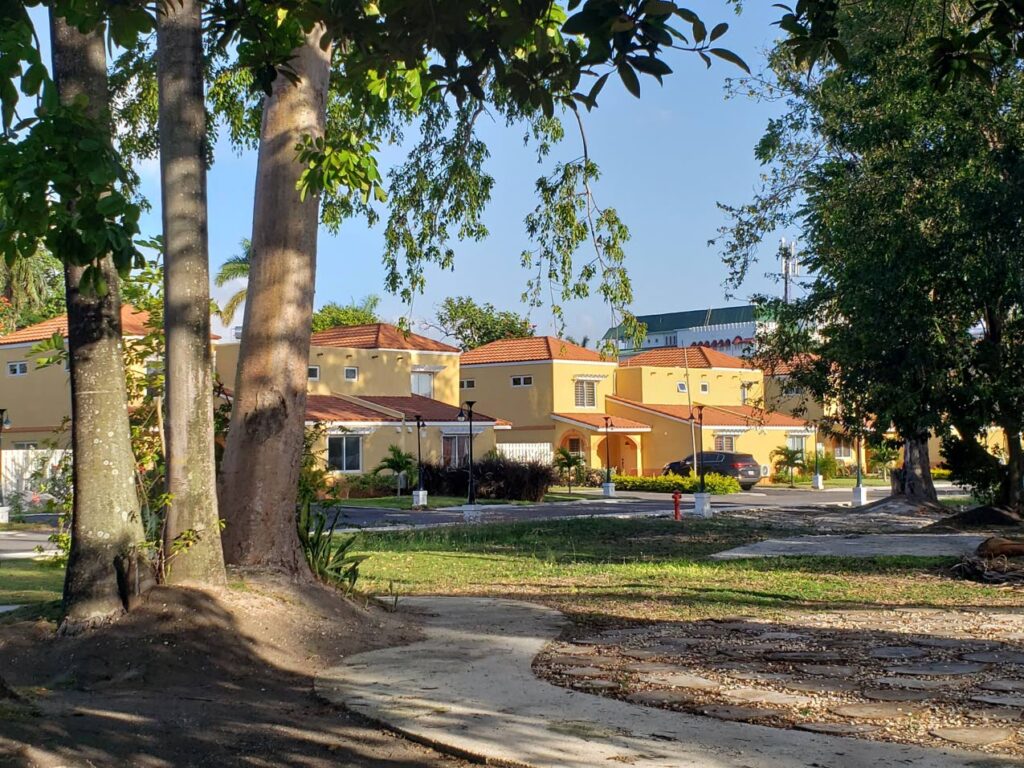
    Tucked near the bustling center of Jamaica’s Montego Bay, a new gated residential development called Park 7 Ave is taking shape, rooted in a straightforward design philosophy from lead architect Robin Baston: build a space you would be proud to call home.

    The end result of Baston’s approach is a cozy, 34-unit community spread across five three-story buildings, configured to balance occupancy with generous open green space that avoids the overcrowded feel common to many mid-market apartment projects. The development includes 22 one-bedroom units and 12 two-bedroom units, all outfitted with modern, sought-after amenities ranging from a community shared swimming pool and dedicated yoga deck to on-site laundry facilities, in-unit solar water heaters, walk-in closets, and premium marble threshold showers with tempered glass enclosures. Pricing starts at JMD $35 million for one-bedroom layouts and JMD $50 million for two-bedroom units, positioning the project between luxury high-end developments and dense budget-focused builds.

    Construction on Park 7 Ave kicked off in mid-2023, with an initial completion target of the end of 2024. That timeline was disrupted when Hurricane Melissa swept through the region, pushing the expected handover to the first quarter of 2025. According to Baston, the project is now progressing steadily, having reached the roof construction phase across all blocks, with some units already moving into advanced interior work including tiling and internal wall framing.
    Baston leads Robin Baston Associates (RBA), the architectural firm behind the development, which brings 30 years of regional design experience spanning villas, resort properties, commercial and retail spaces, and residential remodels. His past notable projects include Jamaica’s Long Mountain Country Club, multiple private villas in Silver Sands, the Canadian Chancery, the Imperial Optical corporate headquarters, and all Kingston Bookshop retail and office locations. Baston also serves as a director of Fullon Properties Ltd, the developer behind Park 7 Ave, which was founded 10 years ago and has previously delivered successful projects including Chatham Grove and Chatham Palms in Montego Bay, and the Charlton Road development in Kingston.

    In a recent interview with *Jamaica Observer’s Real Estate on the Rock*, Baston shared detailed insight into Fullon Properties’ fourth residential development, breaking down what makes the project unique in Jamaica’s competitive real estate market.

    Fullon Properties has carved out a distinct niche in Jamaica’s residential development space over its 10-year history, introducing industry innovations that have reshaped local consumer expectations and left real estate agents eager for more of the firm’s work. “They literally call asking, ‘When is the next project?’” Baston noted. Among the company’s trailblazing changes to the local market are the trend of naming developments after their street addresses and the popular one-deposit downpayment plan, which eases financial strain for buyers by making budget management far more accessible.

    Fullon’s unique operating model draws on long-standing partnerships with contracted accounting services, in-house architectural expertise, and close collaborative relationships with local real estate agents, engineers, and contractors. While the firm currently focuses exclusively on residential development, it has plans to expand into commercial projects in the coming years.

    When asked what differentiates Park 7 Ave from competing residential developments in Montego Bay, Baston explained that the project fills a gap many developers have ignored. “While many residential developments are either geared toward the luxury market or focused primarily on maximising unit density, Park 7 Ave was conceived to provide a balance between affordability and exclusivity,” he said. A core distinguishing feature is the project’s architect-led design philosophy, which guided every decision from individual apartment layouts to amenity integration and the overall community character.

    Park 7 Ave also upholds Fullon’s long-standing tradition of delivering distinctive, non-formulaic residential communities. Rejecting the repetitive, boxy architectural aesthetic common to mass-produced apartment developments, the project embraces a timeless design that is built to hold its visual appeal and market relevance for decades.

    The development’s target market aligns with its balanced positioning: it caters primarily to young professionals, growing local families, Jamaican residents returning from overseas, and real estate investors who want high-quality, thoughtfully designed housing in Montego Bay without the steep price tag that comes with luxury developments.

    For prospective buyers, Baston highlighted multiple key advantages of purchasing a unit at Park 7 Ave. The development offers a rare combination of open communal space, exclusive gated access, and panoramic views at an accessible price point. Every unit in the five-block community boasts either unobstructed sea views or sweeping vistas across Montego Bay toward Westgate, Bogue, and Reading, guaranteeing spectacular sunset views for all residents.

    Even though it is priced for the mid-market, Park 7 Ave still delivers the exclusive feel that home buyers seek, at a far more manageable entry point. Baston pointed to Fullon’s previous popular Montego Bay development, Chatham Palms, as a proven blueprint for the project’s success. Following completion, Chatham Palms saw a 100 percent increase in property value in just two years. The development also proved its construction quality during Hurricane Melissa, emerging from the storm with zero structural damage — a testament to Fullon’s commitment to sound building practices and durable design.


  • Growing old is a gift

    Growing old is a gift

    Scroll through any social media platform in 2024, and you are almost guaranteed to pause on a viral clip of an older adult that stops you mid-scroll and pulls a genuine smile. It might be a silver-haired grandfather sharing off-the-cuff life advice, his eyes crinkling with warmth. Or an 80-year-old grandmother dancing with more energy and rhythm than her grandchildren half her age. Or a retiree who distills a lifetime of learning into one pithy, wiser line than any best-selling self-help book could craft.

    These clips spread like wildfire, shared between friends and tagged in group chats, because they tap into a universal, warm truth: there is a unique, profound joy in watching someone who has lived a full life continue to find delight in small, everyday moments. They remind us, even for just a fleeting minute, that growing old is not a fate to dread—it is a gift that too many people never get the chance to receive.

    This reflection hits especially close to home on Father’s Day, a holiday when we gather to honor the fathers, grandfathers, uncles, and elder male mentors who have shaped who we are. Many of these beloved figures are now in the season of life we define as old age, making it the perfect moment to ask a question that matters to every single one of us: when our turn comes— as it inevitably will for all—how do we want to be treated as we age?

    The reality is, all of us are already growing older. And for Jamaica, this demographic shift is far more than a passing talking point: it is a defining national transition. Right now, the country counts roughly 350,000 residents aged 60 and older, and that number continues to climb steadily. Globally, the United Nations projects the over-60 population will hit 2 billion by 2050. This shift is not the impending crisis many frame it as; in fact, it is a remarkable triumph of modern medicine and social progress that more people than ever get to live long, full lives. But it does demand that we build a society that works for the people who spent their lifetimes building it first.

    One truth we rarely discuss openly is how pervasive loneliness is in older age. Children grow up and move away to build their own lives. Longtime friends and partners pass on. The phone rings less and less each passing year. For far too many seniors, the deepest pain does not come from creaky joints or slower steps—it comes from long, quiet days spent in isolation, feeling forgotten by the very communities and people they dedicated their lives to supporting.

    But this is not an intractable problem. This is a problem we can solve together. Quality medical care is undeniably critical to healthy aging, but aging with dignity requires more than just access to treatment. It requires consistent connection, a sense of purpose, and the simple, foundational assurance that you still matter. It requires a society that chooses to grow kinder, not colder, as its population ages.

    No one pretends that every senior in Jamaica currently receives the care and respect they deserve. Painful stories of neglect and isolation are all too common, and they demand our attention. But rather than only fixate on past failures, it is far more productive to focus on the inclusive future we are building right now—because the solution to loneliness and neglect is a community that shows up for its elders.

    That community-centered spirit is at the heart of new initiatives advancing through Jamaica’s Ministry of Health and Wellness. The ministry is rolling out a new community-based model of geriatric care that brings critical services directly to older people, rather than forcing them to travel to distant hospitals to access support. Pilot specialized geriatric clinics will launch first in St Ann and St Catherine, offering comprehensive health assessments and condition-specific care tailored to older adults. The government is also expanding structured home-based care, where community health aides conduct regular, scheduled check-ins under the supervision of public health nurses, bringing support straight to seniors where they live.

    But the Jamaican government cannot solve this challenge alone, nor should it. This is a national project that demands buy-in from every sector. Minister of Health and Wellness Dr. Chris Tufton is calling on private sector stakeholders and local community groups to reimagine what healthy, connected aging can look like for Jamaica. This could mean senior daycare centers, where working adult children can leave their parents in safe, social company instead of leaving them home alone all day. It could mean community retreats, recreational activities, and intergenerational gathering spaces designed specifically for older adults. These spaces would give seniors a place to come together, share their life stories, and pass down the hard-won wisdom that we already love celebrating in viral social media clips—reminding them they remain a vital, irreplaceable part of Jamaica’s national life.

    Ultimately, the success of these efforts will not be measured by the number of clinics built or programs announced. It will be measured by whether our mothers and fathers, our grandparents and neighbors, can grow old with dignity, independence, and joy.

    So this Father’s Day, as we honor the older men in our lives and every senior who has carried our nation to where it is today, we can make a quiet, collective promise: we will not let them grow old alone, and we will build a Jamaica that grows kinder as it grows older. Because if we are lucky enough to live long enough, each of us will one day be that voice in the video, that elder in the photograph, hoping the world still keeps a warm place for us. How would you want to be treated when your turn comes? Let us treat the seniors who built this country exactly that way today.

    This commentary is by Dr. Chris Tufton, CD, MP, Jamaica’s Minister of Health and Wellness.

  • Don Kuttz eyes breakthrough success with ‘Tru Blva’

    Don Kuttz eyes breakthrough success with ‘Tru Blva’

    As the Jamaican music industry continues to nurture fresh voices, emerging dancehall talent Don Kuttz, born Christopher Mendez, is positioning his latest motivational release “Tru Blva” as the breakthrough track that will push his artistic journey to uncharted heights.

    Already picking up steady rotation across Jamaican radio lineups and underground mixtapes, “Tru Blva” stands out from many contemporary dancehall tracks by centering a message of self-belief, relentless perseverance, and unwavering determination. The track arrives at a moment when countless young people navigating widespread personal and economic uncertainty are craving genuine inspiration to overcome life’s hurdles.

    Sharing the story behind the self-written track, Don Kuttz explained that the project grew from a personal mission to uplift his peers. “The “Tru Blva” song was inspired by the desire to encourage young people to believe in themselves and pursue their dreams,” he said. “The song reminds listeners that while there will always be obstacles along the journey, perseverance and faith can help them overcome any challenge.”

    This focus on uplifting, substantive themes offers a refreshing alternative to controversy-driven dancehall content, and early audience and industry feedback has already validated the artist’s creative choice. Don Kuttz has been closely aligned with independent Jamaican label 1X Music Group, currently working under the direct guidance of the label’s CEO Striva 1X, who oversees his career development and strategic planning, though a formal signing has not yet been finalized.

    Don Kuttz’s path to this point has been defined by the same resilience his latest track promotes. Raised with a humble, driven mindset, he describes his early adulthood as a period of deliberate self-discovery, marked by setbacks that only strengthened his commitment to his craft. “It wasn’t always easy, and I faced many challenges while trying to find my path,” he recalled. “However, I never gave up, and once I found music, I knew it was my calling.”

    That commitment to growth also shapes his creative approach. Rejecting pressure to box himself into a single commercial dancehall subgenre, Don Kuttz actively experiments with diverse sonic influences, crafting a signature sound that authentically reflects his unique personality and lived experiences. “I am a constantly evolving individual,” he said. “I’m always striving to improve myself and reach new heights.”

    For the rising artist, success extends far beyond streaming numbers or chart positions. His core motivation is rooted in building a lasting legacy that makes his family proud and leaves a meaningful, positive mark on Jamaican cultural heritage. “I want to make them proud through my achievements,” he said. “Music is such a big part of who I am that I would still find a way to keep singing and expressing myself creatively” even without commercial acclaim.

    This consistent creative output is already laying the groundwork for larger projects: Don Kuttz confirmed he is currently in active production on his debut extended play (EP), with several tracks already completed for the upcoming release. “Fans can definitely look forward to an EP in the near future,” he teased.

    Before “Tru Blva”, Don Kuttz built a loyal grassroots fanbase with earlier well-received tracks including “Drive In” and “Pain”. He notes that “Drive In” remains his most commercially recognizable release to date, while “Pain” holds personal significance for its raw, relatable exploration of shared real-life struggles that connects deeply with listeners.

    As “Tru Blva” continues to gain traction across Jamaican music platforms, Don Kuttz holds two key goals for the track: that its message of resilience resonates deeply with audiences facing hardship, and that it cements his place among the most promising rising talents in the next generation of dancehall stars.

  • All Aboard for the FOOD AWARDS

    All Aboard for the FOOD AWARDS

    On a sun-dappled Sunday, June 14, the 27th iteration of the Jamaica Observer Table Talk Food Awards kicked off with a celebratory brunch at The Wharf Estate, Clarendon’s fastest rising undiscovered coastal destination. Tucked along 18 sprawling acres of waterfront land on Longs Wharf Salt River Road, this tranquil riverside retreat brought together event judges, sponsoring partners, food industry leaders and media stakeholders for an afternoon that blended warm Jamaican hospitality, immersive natural beauty, and world-class culinary craft.

    From the moment guests arrived, the event curated a full sensory experience that highlighted the one-year-old property’s unique charm. Attendees kicked off the day with gentle, scenic boat cruises through the property’s peaceful estuary, where mangrove forests and calm waters framed postcard-perfect views of the Jamaican countryside. Later, guests sampled handcrafted signature cocktails at the custom Wray & Nephew pop-up bar, with mixologists presenting three original creations: Rare Honey Soother, Signature X-ale, and Stormy Valley. Between sips and conversations, many attendees wandered the property’s deck spaces, pausing to take in the sweeping unobstructed views of the Caribbean coastline.

    The undisputed centerpiece of the afternoon was the whimsically styled brunch curated by event planner Shikima Hinds, which paid loving tribute to Jamaica’s deep cultural roots and beloved Sunday brunch traditions. Vibrant Jamaican Madras plaid tablecloves anchored each setting, accented by lush tropical floral arrangements of red ginger lilies, dramatic bird-of-paradise blooms, and broad monstera leaves that brought the island’s natural beauty directly to the table. Natural woven chargers, rich jewel-toned glassware, and classic cane-back dining chairs completed the warm, welcoming aesthetic, all set on an open deck overlooking the glassy estuary waters.

    The extensive brunch spread, crafted by award-winning Jamaican chef Jacqui Tyson, wowed attendees with its flavorful offerings and beautiful presentation, cementing The Wharf Estate’s reputation as a must-visit destination for special events and luxury getaways in central Jamaica.

    Among the impressed guests was Dalton Fowles, Country Manager for Jamaica, Trinidad and Tobago, Barbados and the Eastern Caribbean at Mastercard, a long-standing supporting partner of the Food Awards. In a playful remark on the property, Fowles shared, “You guys surprised us. When I heard we were driving down to Clarendon, I thought we were going to a farm. It’s a really beautiful property and, you know, job well done.”

    Speaking on Mastercard’s continued partnership with the awards program, Fowles highlighted the natural alignment between the brand’s iconic “Priceless” marketing platform and the shared, meaningful connections that food creates. “We believe that a meal with friends and loved ones is, in fact, a priceless experience,” he said. “Behind every meal, there’s a lot that goes on — from the farmer to the restaurant owner to the chef pursuing their dream. The Jamaica Observer Table Talk Food Awards celebrates that entire ecosystem, and that’s why we’re proud to be associated with it.”

    For Stephen Dunkley, principal and owner of The Wharf Estate, hosting the 2026 awards launch marked a major milestone for the young property, which has seen rapid growth and rising popularity since it opened just one year ago. “It means a lot to me because The Wharf Estate is a year old, and we realise that it has been growing rapidly. It’s expanding and a lot more people have become aware of its existence… When the Jamaica Observer approached us about partnering to host the launch, it was a pleasure for me,” he explained.

    Dunkley framed the launch event as the perfect opportunity to introduce the hidden waterfront destination to Jamaica’s food and hospitality industry, noting that the property’s unique blend of refined luxury and unspoiled natural scenery sets it apart from other event venues across the island. “I think many here would agree with me that it’s a hidden gem. The uniqueness about it is that you have the sophistication, you have the nature — everything just comes together here at The Wharf,” he said.

    The launch event brought together dozens of key stakeholders, including members of the Jamaica Observer leadership team, the full panel of Food Awards judges, representatives from sponsoring brands including J Wray & Nephew, The Best Dressed Chicken, and ATL Automotive Group, and leaders from Jamaica’s tourism and hospitality sector. With the launch complete, the 27th Jamaica Observer Table Talk Food Awards will move forward with judging and nominations, culminating in the main awards event that celebrates the best of Jamaican culinary talent.

  • Million dollar mango market hit by middle east war

    Million dollar mango market hit by middle east war

    Under the blistering heat of southern Pakistan’s famed mango-growing region, farm workers perch precariously on thick tree branches, moving quickly to pluck ripe golden fruit and drop it into canvas sacks held by colleagues on the dusty ground below. It is peak mango season, but a sharp, unforeseen disruption tied to the ongoing Middle East crisis has upended the entire supply chain, leaving thousands of farmers and traders facing crippling financial losses this year. Pakistan, which has stepped in to mediate talks between conflict parties, has watched its agriculture-dependent economy get dragged into the crossfire of regional instability, with disastrous consequences for the country’s most iconic export crop.

    The annual mango harvest in Sindh province, the heart of Pakistan’s mango industry, kicked off in June. A preliminary ceasefire deal between warring parties announced by Pakistani mediators this week came far too late to salvage the 2024 export season, which wraps up in September. Traders and industry leaders confirm that total exports are on track to drop by at least 30% compared to last year, driven by plummeting demand in key regional markets and a four-fold surge in international shipping costs.

    In Tando Allahyar, the core of Pakistan’s mango cultivation belt, orchard manager Mohammad Shakeel oversees fields of the premium Sindhri variety – a golden-skinned mango celebrated across South Asia for its rich, sweet flavor and juicy pulp, named for the province where it thrives. Today, Shakeel says he is staring down losses so severe that many independent contractors have walked away from harvest contracts entirely, abandoning their advance deposits rather than risking further debt. “So many losses have been incurred, the contractors have even left their advance money,” he told AFP in an interview on the orchard floor.

    Pakistan is the world’s fourth-largest mango exporter, growing more than two dozen commercial varieties that normally generate roughly $110 million in annual export revenue. The “king of fruits,” as it is known across South Asia, is not just an economic staple but a cultural icon for the country. The current crisis lays bare the deep geopolitical vulnerability of Pakistan’s economy, which relies heavily on an agricultural sector already grappling with growing climate disruptions ranging from extreme heatwaves to catastrophic flooding.

    Waheed Ahmed, Chief Patron of the All Pakistan Fruit and Vegetable Exporter Association, explains that nearly 80% of Pakistan’s mango exports go to markets in the Gulf region, Iran, and neighboring Afghanistan – all areas that have been gripped by escalating conflict and political instability in recent months. “The border to Afghanistan is closed, there is war in Iran… there is war in the entire Middle East,” Ahmed noted. He projects that total mango exports will fall from around 110,000 tonnes last season to just 80,000 tonnes this year, a 27% drop that aligns with trader forecasts of a 30% decline in export revenue.

    While Ahmed welcomes the preliminary US-Iran ceasefire announced this week, the agreement came too late to reverse the damage to this year’s harvest, and long-term uncertainty remains for future seasons. “The main challenges still remain,” he said. Persistent conflict along Pakistan’s western border with Afghanistan has already frozen cross-border trade, leaving hundreds of loaded trucks stranded at closed crossings for months. Meanwhile, escalating tensions around the Strait of Hormuz – the world’s busiest maritime oil trade route – have driven up global energy prices, pushing shipping costs to unprecedented levels. Last year, Ahmed says, a 25-tonne container of mangoes cost roughly $1,400 to ship to key Gulf markets. This year, that same container costs between $6,000 and $7,000, a more than 300% increase that prices most exporters out of the international market.

    Any hopes that flooding the domestic market with cheap, surplus mangoes would offset lost export earnings have quickly been dashed by broader economic pressures spurred by the regional conflict. Pakistan’s inflation rate jumped from 5.5% in the pre-conflict July-February period to 10% in the three months after hostilities escalated, according to official government data. Soaring prices for basic goods including bread, fuel, and housing have left working-class Pakistani households unable to afford even the deeply discounted mangoes now available in local markets.

    At a bustling open-air market in Karachi, Pakistan’s largest and most economically diverse city, customer Muhammad Ashad examined stacks of plump, cheap mangoes priced at 200 Pakistani rupees (roughly $0.72) per kilogram – exactly half the price he paid last year. “Mangoes are very cheap this time compared to the last few years… because our export has stopped,” he explained. “I am seeing everywhere that there are very good mangoes, but people are still not able to buy them.”

    Shakeel, the orchard manager, says the dynamic creates a lose-lose situation for producers and consumers alike. Local prices are at rock bottom, but millions of households cannot afford to purchase the fruit even at half the 2023 price. “In the local market, the price is low. But not everyone can afford to buy mangoes. Look at the state of the country: expenses are rising… income is low. Should they buy their bread first or our mangoes?” he asked. For Pakistan’s $110 million mango industry, the 2024 harvest will go down as a cautionary tale of how regional geopolitical instability can quickly unravel the livelihoods of millions of people working in one of the country’s most important agricultural sectors.

  • Joseph Velvet bets on ‘Evermore’ as veteran singer continues comeback

    Joseph Velvet bets on ‘Evermore’ as veteran singer continues comeback

    For decades, reggae vocalist Joseph Velvet has embodied the principle of persistence that gives his debut album its name – it is not just a theme for his music, but the backbone of a decades-long career marked by triumph, hardship, and unshakable dedication to his craft. Now, the seasoned artist is breathing new life into *Evermore*, a fan-favorite track from the *Perseverance* LP, with a fresh reimagining that aims to introduce his timeless sound to younger audiences while reigniting the admiration of long-time followers who fell in love with his work decades ago.

    Originally crafted with heavy R&B influences, the new iteration of *Evermore* has been fully reworked into a classic reggae production, set for global release via Jones Production with worldwide distribution handled by CD Baby. Surprisingly, the idea for the remake did not come from industry executives or long-time collaborators – it originated from Joseph Velvet’s own son, JoJo Singa.

    “The push to redo this track as a full reggae version came from my son Joseph,” explains the singer, born Joseph Jordan Jones. “He believed that pairing the meaningful lyrics with the work of talented, well-known musicians would help the song get the attention it deserves, and grow streams, views, and downloads for the track.”

    The new recording benefits from the contributions of some of Jamaica’s most legendary and respected reggae musicians, a lineup that reads like a hall of fame of Jamaican talent. Iconic saxophonist Dean Fraser, keyboardists Boris France and Paul “Wrong Move” Crosdale, bassist Danny Basie, and a host of other seasoned players joined the project, adding layers of emotional depth and rhythmic complexity that elevate the reworked track.

    But for Joseph Velvet, the release of the new *Evermore* is far more than just another single drop. It marks the next chapter of a career defined by resilience, unforeseen setbacks, and an unwavering commitment to the power of reggae music.

    Even after more than three decades in the industry, the artist acknowledges that he has never quite received the mainstream recognition he believes his work has earned. Rather than lingering on past disappointments or missed opportunities, he has stayed focused on refining his craft and sharing the heartfelt message that runs through all of his music: “Go for what you want and believe in yourself. Just believe and persevere.”

    That life philosophy was forged through years of personal hardship. Born and raised in Kingston’s Cockburn Pen neighborhood, Joseph Velvet broke onto the Jamaican music scene in the late 1980s with *Wildflower*, a silky, soulful cover that became his breakout hit and earned international distribution via VP Records. The track catapulted his career, opening doors for him to share stages with some of reggae’s biggest icons, including Dennis Brown, Freddie McGregor, Gregory Isaacs, Beres Hammond, and Shaggy.

    Like many Jamaican artists of his era, he later relocated to the United States chasing broader performance and recording opportunities, touring consistently across club circuits and releasing new material steadily. While follow-up singles earned critical notice, none matched the commercial success of his breakout hit *Wildflower*.

    The biggest test of his resilience came in 2003. Just as Joseph Velvet was regaining industry momentum with tracks like *Arms Around Me* and *Love Face*, a series of traffic accidents left him with catastrophic spinal injuries. What followed were years of grueling rehabilitation, paired with crippling depression and agonizing uncertainty over whether he would ever step onto a stage or hold a microphone again. The tracks he had recorded ahead of the accident never saw a formal release.

    “There were times when I didn’t know if I would ever sing again,” he reflected.

    The turning point came once again through the encouragement of his son, JoJo Singa, whom Joseph Velvet calls his number one biggest fan. Spurred on by that support, he found the courage to return to the recording studio, eventually releasing his debut full-length album *Perseverance* – a title that perfectly encapsulates the struggles and small victories that shaped his journey. The project reaffirmed his lifelong commitment to music and proved that his determination could not be broken by circumstance.

    In recent years, his previous single *Do What I Got to Do* has generated promising early buzz among reggae fans, and *Evermore* offers another chance to reconnect with global audiences, carrying a message of love, endurance, and quiet hope.

    Beyond his own work, Joseph Velvet remains deeply passionate about the future of reggae as a genre, though he argues that modern reggae has strayed from the core values that once defined the sound. “The current state of reggae music, the standard has fallen and the music differs from the original form in terms of structure and content,” he notes. “The lyrical content in dancehall is toxic and poisonous, and when it comes to reggae, they are not addressing conscious topics like police brutality and poverty and educating the masses.”

    No matter where listeners stand on that assessment, Joseph Velvet’s own discography has always reflected the principles he has lived by throughout his career: positivity, persistence, and purpose. As *Evermore* launches on global streaming platforms, the veteran artist hopes its message resonates as deeply as the story behind it – a lifelong story of talent, hardship, and an enduring refusal to give up on the music he loves.

  • Lucea FC, Coopers Pen meet in big JFF Championship qualifying game

    Lucea FC, Coopers Pen meet in big JFF Championship qualifying game

    The Jamaica Football Federation’s National Championships qualifying tournament is reaching its decisive phase, with four high-stakes matches scheduled for today that will reshape group standings and determine which teams edge closer to securing a spot in the 2026-27 season’s main competition. The qualifying round offers two total berths to the championships, with all competing sides vying to claim one of the four group winner spots that will advance to the next stage of contention, raising the intensity of every remaining fixture.

    The most anticipated matchup of the day will take place at Trelawny Stadium, where Group D’s top two sides Coopers Pen and Lucea will go head-to-head for sole possession of first place. Currently, Hanover’s regional champions Lucea sit atop the group standings with seven points, holding a narrow one-point advantage over second-place Coopers Pen, who have climbed up the table after back-to-back wins in their most recent outings.

    Lucea enters the match with both historical and positional momentum: the side is already one step ahead after a 2-1 victory over Coopers Pen in their first meeting, and a win today would give them a valuable season sweep over their closest rival. More importantly, a positive result would cement Lucea’s place at the top of the group, putting them on track to make history as the first ever team from Hanover to qualify for the JFF National Championships. However, Lucea cannot afford a slip-up: a loss against Coopers Pen would open the door for third-place Faulkland United to overtake both sides, assuming Faulkland picks up a win on the road against Russia at Llandilo Sports Complex.

    Faulkland United entered the qualifying tournament as one of Group D’s pre-competition favorites, but their campaign has fallen flat of expectations so far. The side has only notched one win to date, a dominant 3-0 opening victory over Russia, and has collected just one point from their last two matches, falling to Coopers Pen before playing out a dramatic 3-3 draw with Lucea this past Wednesday.

    Across the other three groups, the race for first place remains similarly tight. In Group A, table-toppers Cedar Grove will travel to face York United at the York Sports Complex, looking to avenge their scoreless draw in the first matchup between the two sides. A win for Cedar Grove would stretch their lead at the top to a commanding five points, putting them well on course for top spot. Conversely, a win for York United—their first of the entire qualifying tournament—would see them jump over Cedar Grove to claim first place in the group.

    In Group C, Mile Gully has a clear opportunity to climb to the top of the standings when they face off against last-place Vineyard at the Vineyard Community Centre. Vineyard has had a disappointing campaign so far, failing to pick up a single point through all their matches, leaving Mile Gully heavily favored to take all three points and the top spot.

    Group B’s qualifying race has been narrowed down to a two-team contest after the Portlanders withdrew from the competition, leaving Kings Academy and Axum tied on four points at the top of the table. No match between the two is scheduled for today, leaving their battle for first place to be decided in future fixtures.

    To recap Wednesday’s preliminary results: Cedar Grove earned a tight 2-1 away win over Brown’s Town, Kings Academy defeated Portlanders 3-0 in what would be Portlanders’ final match before withdrawal, the 3-3 draw between Lucea and Faulkland United held, and Coopers Pen picked up their second consecutive win with a 3-1 victory over Russia.

  • Jamaican ‘side hustles’ get $ 1 billion fund:  First Union initiative expected to benefit thousands

    Jamaican ‘side hustles’ get $ 1 billion fund: First Union initiative expected to benefit thousands

    KINGSTON, Jamaica — In a landmark move to address Jamaica’s growing demand for accessible small business financing, First Union Financial Company Limited has unveiled a J$1 billion dedicated initiative aimed at lifting up thousands of working Jamaicans pursuing side businesses and budding entrepreneurs across the island.

    Named the Employees’ Side-Hustle and Entrepreneur Micro Loan Revolving Fund Programme, the new initiative is crafted to remove the most persistent barrier holding back income-generating ventures across Jamaica: limited access to affordable capital. By opening up financing to individuals looking to launch new side projects, scale existing small operations, or solidify their business foundations, the fund targets three core long-term goals: expanding financial independence for Jamaican households, increasing rates of local business ownership, and driving sustained, inclusive economic growth across the country, the company outlined in an official statement.

    Jonalisa Brooks, Group General Manager of First Union Financial, explained that the program was directly shaped by shifting labor and economic trends across Jamaica. In recent years, the country has seen a sharp rise in full-time employees launching supplementary side businesses to boost their household income, a trend that created an unmet need for targeted financial support.

    “We have watched a significant shift unfold: more and more Jamaicans are balancing full-time roles while building their own small business ventures on the side,” Brooks shared. “Countless people across the country are searching for actionable ways to add to their income, provide more stability for their families, and build a more secure financial future. We saw a clear gap: there was no dedicated financing program built specifically to support these ambitions, so we built one.”

    Beyond supporting new side-hustle launches, the initiative also delivers much-needed working capital to established small business owners who are ready to scale their operations and grow their impact. Brooks emphasized that access to affordable capital has long been the single biggest challenge facing small and micro enterprise owners across Jamaica, and the fund is designed to directly close that gap.

    “For emerging and established small business owners alike, limited access to financing remains the top barrier to growth,” Brooks noted. “Through this revolving fund, we are delivering practical, accessible funding solutions that meet entrepreneurs where they are. Our commitment to serving the people of Jamaica — working employees and aspiring business owners alike — has never been stronger.”

    Qualified applicants will be able to access loans of up to J$2.5 million to support a broad range of viable income-generating activities. Eligible sectors include retail and wholesale trade, agriculture and agro-processing, local manufacturing, transportation and logistics, professional services, import and distribution, technology and digital businesses, along with other vetted profitable ventures.

    A key innovative feature of the program is its revolving fund structure, which creates a self-sustaining model of financing for future generations of Jamaican entrepreneurs. As current borrowers repay their loans, those funds are cycled back into the pool to issue new loans, ensuring that capital remains available to support new business founders long into the future.

    Brooks emphasized that the launch comes at a critical juncture for Jamaica’s economic recovery and long-term development, noting that many of the country’s most successful, industry-leading businesses started as small side projects run by hardworking founders. “Thousands of Jamaicans have the talent, the drive, and the game-changing ideas to build thriving, successful enterprises — but too often, they are held back simply because they can’t access the capital they need to get off the ground or grow,” she said. “This fund is built to unlock that untapped potential.”

    “Jamaica needs more entrepreneurs, more local business owners, and more local job creators,” Brooks added. “By investing in hardworking people who are ready to invest in themselves and their ideas, we are building stronger local communities, more resilient small businesses, and ultimately a stronger, more prosperous Jamaican economy.”

    First Union Financial is now encouraging all interested eligible Jamaicans to learn more about the program, reach out to company offices for detailed information on eligibility criteria and application processes, and take advantage of the new financing opportunity.

  • Antonio Watson and Stacey-Ann Williams win national 400m titles

    Antonio Watson and Stacey-Ann Williams win national 400m titles

    One of Jamaica’s brightest track and field talents, former world 400-meter champion Antonio Watson, delivered a statement performance Sunday at the National Stadium, claiming his first-ever senior national title at the JAAA National Championships. Competing in the men’s 400-meter final, Watson crossed the finish line in a blistering 44.73 seconds – his fastest competitive time since his unforgettable underdog victory at the 2023 World Athletics Championships in Budapest, where he stunned the global athletics community to take home gold.

    Watson made his decisive move coming around the final bend, edging into the top spot before the straightaway, and held off charging challengers to maintain his lead all the way to the line. Delano Kennedy secured second place with a solid time of 45.11 seconds, while Zaveir Brown rounded out the podium in third with a 45.26-second finish.

    On the women’s side of the 400-meter competition, Stacey-Ann Williams also earned her first senior national crown, clocking an impressive 50.33 seconds to claim the top spot on the podium. Leah Anderson finished as runner-up with a time of 51.04 seconds, while Shana Kay Anderson took third place after crossing the line in 51.52 seconds.

    The national championships serve as a key qualifying event for Jamaican athletes targeting international competitions, making the breakthrough titles for both Watson and Williams a major milestone in their respective careers. The event, held at Kingston’s iconic National Stadium, continues to showcase the depth of young sprinting talent that Jamaica has become globally renowned for.

  • PM’s Positive Jamaica recipient appeals for help as medical condition worsens

    PM’s Positive Jamaica recipient appeals for help as medical condition worsens

    At 16 years old, Hannah Dixon received a life-altering diagnosis: polymyositis, a rare inflammatory disorder that triggers the body’s immune system to attack healthy muscle tissue across both sides of the body, causing progressive weakness that erodes mobility and independence. Now 36, Dixon has spent decades navigating the daily challenges of her condition, enduring surgeries, relying on external support, and fighting to maintain dignity amid systemic barriers to employment and affordable care.

    In 2020, a lifeline came through Jamaica’s Positive Jamaica Foundation, overseen by Prime Minister Dr Andrew Holness, which awarded Dixon $250,000 in assistance. The funding allowed her to undergo a critical, successful surgery to remove a blocked stent and a permanent draining tube that had caused her ongoing pain and complications. For a short time after the 2021 procedure, Dixon clung to hope that she could rebuild a more stable life. But that progress has been derailed by a severe new flare-up of her condition, leaving her once again facing a medical crisis she cannot afford to resolve on her own.

    Speaking to the Jamaica Observer, an anonymous attending physician explained that current tests confirm the aggressive worsening of Dixon’s symptoms, which have already robbed her of the ability to walk unassisted and raise her arm above shoulder height. The only remaining treatment option is two 1-gram doses of Rituximab, priced at approximately $200,000 per dose. For Dixon, who has been locked out of steady employment due to her health needs, the combined $400,000 cost is completely out of reach – even as her life depends on accessing the drug.

    “This is the last chance I have. Doctors say if this treatment doesn’t work, I could lose all function and become completely unresponsive,” Dixon shared in an interview with the *Sunday Observer*. “But I refuse to lose hope. I trust God has a plan for me, and I’m not ready to give up.”

    Dixon’s journey has been marked by repeated loss and reliance on the kindness of strangers. Five years ago, her father – her primary source of financial and emotional support – passed away. Since his death, she has relied on small, consistent promises from people she met while hospitalized, who have continued to step in to cover basic costs when she has nowhere else to turn. Beyond polymyositis, she also lives with diabetes and is at high risk of recurrent seizures, adding layers of complexity to her daily care.

    Her long-held dream of building a career in law has faded over the years as her condition progressed. When she pivoted to explore training in nursing, driven by a desire to help other patients facing similar struggles, she hit a repeated wall: employers consistently reject her applications due to her disability. Even so, Dixon says she remains eager to find work that fits her abilities, desperate to earn her own independence instead of relying on charity.

    While she says she understands why employers may hesitate to hire people with visible disabilities and chronic illness, she is calling for systemic change: fairer treatment, equal access to opportunity, and stronger enforcement of existing laws that protect disabled and chronically ill workers from discrimination. “Don’t underestimate us, don’t look down on us just because we face daily challenges,” Dixon said in a direct message to employers across Jamaica. “We are one people. The same blood runs through all of us. Just because I have a disability doesn’t make me less than anyone else. I can still contribute, I still have value, and I deserve the chance to prove that.”

    Beyond the life-saving Rituximab, Dixon is also appealing for two additional forms of support: a new wheelchair to replace her old, non-functional model, which has left her even more restricted in her ability to move around her community, and any open employment opportunity that can accommodate her physical limitations.

    “I just want the chance to try this treatment. You never know what can work unless you try,” she said. “If it helps ease the muscle weakness, it won’t just save my life – it will let me move without fear of falling, because when I fall now, I can’t get back up on my own. That’s the freedom I’m fighting for.”

    Closing with a message of collective responsibility, Dixon emphasized that disability and chronic illness can touch anyone, and mutual support is what makes a strong community. “We all have one life to live, and it’s our job to lift each other up and help each other chase our dreams,” she said. “Even a little help, a little love, can make the whole world a better place for everyone.”