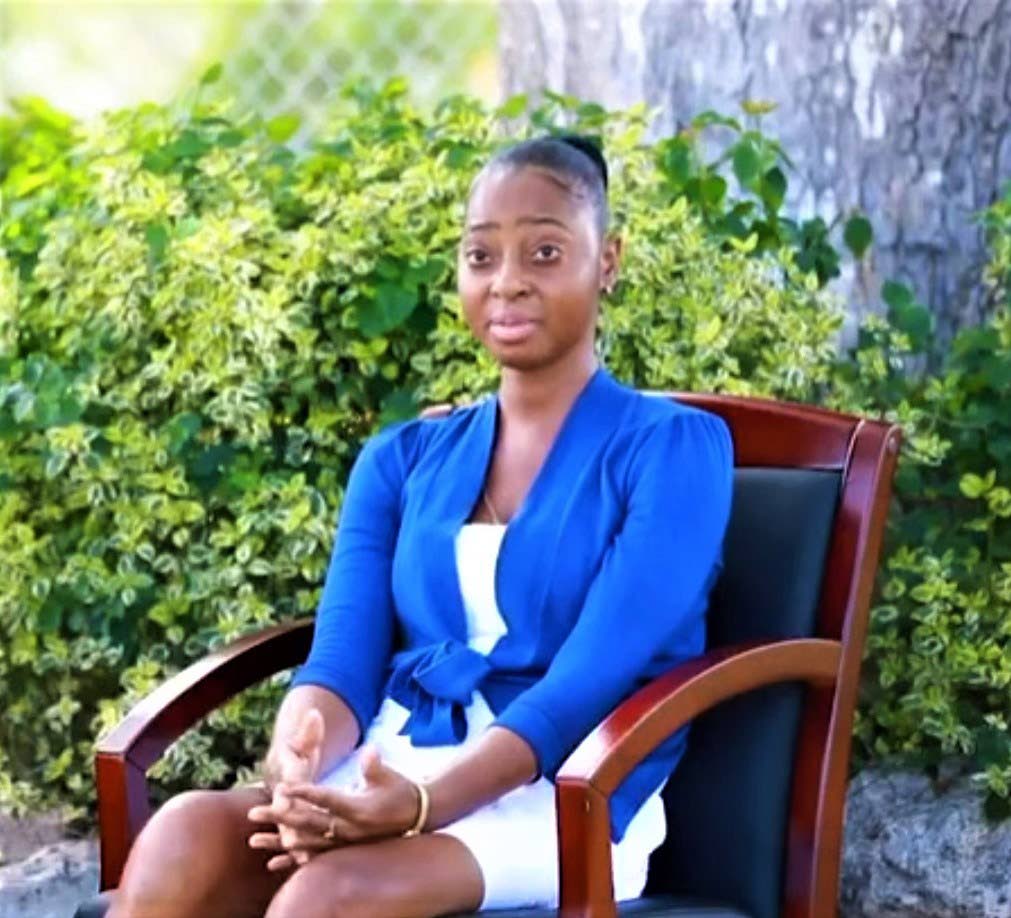
At 16 years old, Hannah Dixon received a life-altering diagnosis: polymyositis, a rare inflammatory disorder that triggers the body’s immune system to attack healthy muscle tissue across both sides of the body, causing progressive weakness that erodes mobility and independence. Now 36, Dixon has spent decades navigating the daily challenges of her condition, enduring surgeries, relying on external support, and fighting to maintain dignity amid systemic barriers to employment and affordable care.
In 2020, a lifeline came through Jamaica’s Positive Jamaica Foundation, overseen by Prime Minister Dr Andrew Holness, which awarded Dixon $250,000 in assistance. The funding allowed her to undergo a critical, successful surgery to remove a blocked stent and a permanent draining tube that had caused her ongoing pain and complications. For a short time after the 2021 procedure, Dixon clung to hope that she could rebuild a more stable life. But that progress has been derailed by a severe new flare-up of her condition, leaving her once again facing a medical crisis she cannot afford to resolve on her own.
Speaking to the Jamaica Observer, an anonymous attending physician explained that current tests confirm the aggressive worsening of Dixon’s symptoms, which have already robbed her of the ability to walk unassisted and raise her arm above shoulder height. The only remaining treatment option is two 1-gram doses of Rituximab, priced at approximately $200,000 per dose. For Dixon, who has been locked out of steady employment due to her health needs, the combined $400,000 cost is completely out of reach – even as her life depends on accessing the drug.
“This is the last chance I have. Doctors say if this treatment doesn’t work, I could lose all function and become completely unresponsive,” Dixon shared in an interview with the *Sunday Observer*. “But I refuse to lose hope. I trust God has a plan for me, and I’m not ready to give up.”
Dixon’s journey has been marked by repeated loss and reliance on the kindness of strangers. Five years ago, her father – her primary source of financial and emotional support – passed away. Since his death, she has relied on small, consistent promises from people she met while hospitalized, who have continued to step in to cover basic costs when she has nowhere else to turn. Beyond polymyositis, she also lives with diabetes and is at high risk of recurrent seizures, adding layers of complexity to her daily care.
Her long-held dream of building a career in law has faded over the years as her condition progressed. When she pivoted to explore training in nursing, driven by a desire to help other patients facing similar struggles, she hit a repeated wall: employers consistently reject her applications due to her disability. Even so, Dixon says she remains eager to find work that fits her abilities, desperate to earn her own independence instead of relying on charity.
While she says she understands why employers may hesitate to hire people with visible disabilities and chronic illness, she is calling for systemic change: fairer treatment, equal access to opportunity, and stronger enforcement of existing laws that protect disabled and chronically ill workers from discrimination. “Don’t underestimate us, don’t look down on us just because we face daily challenges,” Dixon said in a direct message to employers across Jamaica. “We are one people. The same blood runs through all of us. Just because I have a disability doesn’t make me less than anyone else. I can still contribute, I still have value, and I deserve the chance to prove that.”
Beyond the life-saving Rituximab, Dixon is also appealing for two additional forms of support: a new wheelchair to replace her old, non-functional model, which has left her even more restricted in her ability to move around her community, and any open employment opportunity that can accommodate her physical limitations.
“I just want the chance to try this treatment. You never know what can work unless you try,” she said. “If it helps ease the muscle weakness, it won’t just save my life – it will let me move without fear of falling, because when I fall now, I can’t get back up on my own. That’s the freedom I’m fighting for.”
Closing with a message of collective responsibility, Dixon emphasized that disability and chronic illness can touch anyone, and mutual support is what makes a strong community. “We all have one life to live, and it’s our job to lift each other up and help each other chase our dreams,” she said. “Even a little help, a little love, can make the whole world a better place for everyone.”