NEGRIL, Westmoreland — A significant revitalization project for the long-deteriorating Negril Post Office officially commenced on Thursday, marking a pivotal moment for local residents and businesses. The site was formally handed over to contractors on Monday, initiating a comprehensive three-month renovation timeline that promises to restore full operational capacity shortly thereafter.
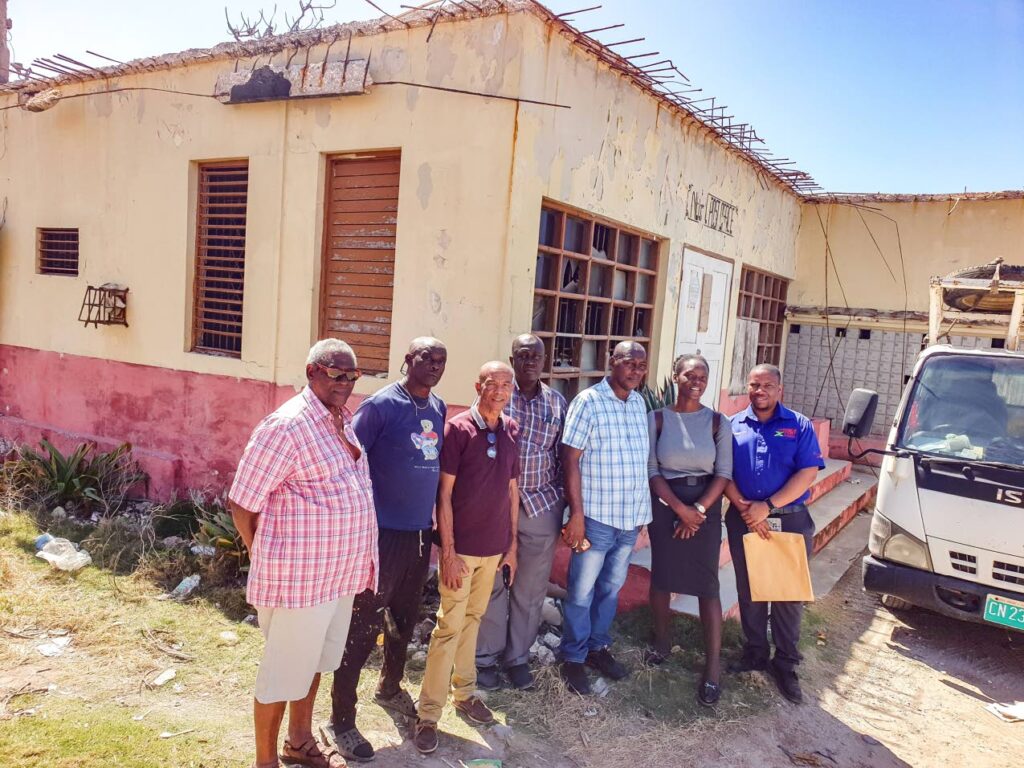
Councillor Arthel Colley (People’s National Party, Negril Division) expressed profound satisfaction with the project’s launch, emphasizing its critical importance to both community members and the tourism sector. “This development substantially benefits Negril’s citizens and enhances the experience for international visitors who frequently utilize postal services,” Colley stated during a coordinated site inspection with key stakeholders.
The project mobilization brought together representatives from multiple organizations including the Post and Telecommunications Department, the Negril and Green Island Area Local Planning Authority (NGIALPA), the Negril Chamber of Commerce, community advocates, and parliamentary representative Wayne Vacciana acting on behalf of MP Ian Hayles (Westmoreland Western). This collaborative meeting served to align all parties on project specifications and introduce contracting teams to community representatives.
Renovation specifications encompass complete structural rehabilitation addressing multiple critical deficiencies: replacement of compromised roofing systems, installation of new doors and windows, comprehensive electrical and plumbing upgrades, and tile replacement throughout the facility. The building has remained non-operational for approximately three years despite persistent appeals from local officials regarding its deteriorating condition.
Colley highlighted previous safety hazards that necessitated closure: “Structural deterioration reached critical levels with falling concrete endangering staff and patrons. Letterbox systems were extensively damaged, and the overall exterior presentation became unacceptable for public service delivery.”
NGIALPA Physical Planner Mali Dickson addressed regulatory considerations during planning phases, noting: “Primary concerns involved roadway setback compliance. Through strategic assessment, we recommended relocation of front-facing letterboxes to achieve required 6.1-meter parochial road setbacks.” Additional planning regarding parking infrastructure modifications remains underway, with resolutions expected before project completion.
The renovated facility will serve multiple communities including Negril, Red Ground, Whitehall, and Good Hope, with particular emphasis on restoring essential services for pensioners and business operators reliant on postal operations.