标签: Haiti

海地

  • Zapping Haiti of June 29, 2026

    Zapping Haiti of June 29, 2026

    As of June 29, 2026, HaitiLibre has compiled a collection of key developments unfolding across Haiti and related international affairs, covering military expansion, public security, political debate, development assistance, diplomatic solidarity, and national cultural observance.

    First, in a major push to rebuild and expand the nation’s armed forces, the Armed Forces of Haiti (FAd’H) has announced strong preliminary results from its first national recruitment drive. Held between June 8 and June 19, the opening recruitment period targeting young people aged 18 to 25 drew a total of 17,722 candidate applications, with 25 percent of all submissions coming from women. The institution confirmed that it will soon launch a second targeted recruitment phase focused on skilled working professionals between the ages of 22 and 35, with priority given to applicants with specialized backgrounds in law, engineering, and medicine. Combined, these two sequential phases are designed to bring 1,800 fully vetted new recruits into the armed forces over the next six months, building out the service’s capacity gradually.

    In a tragic act of violence that underscores ongoing security challenges in Haiti’s northern region, an armed assault on a public gas station left two people dead and one injured on Sunday, June 28. The attack took place at a fuel outlet situated along National Route 6 in Quartier Morin, located within Haiti’s North Department. The two victims killed in the incident were identified as 38-year-old gas station attendant Emilus Anglide and Jude Dorisma. A third person, 24-year-old security guard Charles Bensly, sustained non-fatal injuries and was immediately transported to a local medical facility for treatment. Following the shooting, the armed attackers fled the scene with an undisclosed amount of cash, multiple personal firearms, and several cellular phones belonging to staff and patrons.

    In U.S. political news related to Haitian immigrant policy, Ohio’s Republican Governor Mike DeWine has publicly pushed back against a recent decision from the second Trump administration related to Temporary Protected Status (TPS) for Haitian immigrants. Speaking as a guest on CNN’s *State of the Union* with host Jake Tapper on June 28, DeWine reiterated that large-scale deportation of Haitian residents currently living and working in Ohio runs directly against the state’s economic and social interests. DeWine explained that Haitian workers fill critical, hard-to-staff positions across Ohio’s manufacturing, food processing, and healthcare sectors, noting that Haitian workers are often the primary caregivers for elderly family members with Alzheimer’s living in nursing and long-term care facilities. “To say we’re going to deprive all of them of that workforce is simply not in our best interest,” DeWine told Tapper, adding, “I hope, once again, that the Trump administration will reconsider its position.” He emphasized that the current U.S. administration has centered its agenda on job creation, yet the roles Haitian immigrants fill would remain empty without their labor. When asked whether Ohio would challenge the recent Supreme Court ruling that revoked TPS protections for Haitian immigrants, DeWine said his administration would respect the legal decision, but stressed that it remains critical to separate the court’s ruling from the separate question of public policy.

    In international development news, the Canadian Fund for Local Initiatives (CFLI) is backing a new fishing community support project on Haiti’s Gonâve Island, focused on advancing economic equity for women. The initiative, titled “Improving the Socio-Economic Status of Women in Coastal Communities on Gonâve Island,” is being implemented by the Gonâve Federation of Fishers and Artisanal Fishermen (FEGOPAP). To date, 40 fish and seafood vendors and members of local fishing associations — 29 of whom are women and 11 men — have completed a series of interactive theoretical and practical training sessions covering cooperative governance and operational principles. The project is also renovating a shared community facility, which will be outfitted with solar power infrastructure and new processing equipment for preserving and distributing fresh fish and seafood. Once complete, the project is expected to expand women’s access to critical processing infrastructure, boost local product supply, and increase household sales income for participating fishing families.

    On the diplomatic front, the Haitian government has extended its full solidarity to the people and government of Venezuela in the wake of a devastating pair of powerful earthquakes that struck the country between the night of June 24 and 25. Haitian Foreign Minister Raina Forbin held a direct call with her Venezuelan counterpart Iván Gil in the immediate aftermath of the disaster, which has left thousands of families facing loss, displacement, and uncertainty. During the conversation, which was framed by mutual fraternity and solidarity, Minister Forbin conveyed the deep compassion of the Haitian people, expressed unwavering support for Venezuelan emergency response authorities, and extended the nation’s heartfelt condolences to all bereaved families and communities affected by the quakes. The Haitian government has also confirmed its readiness to join regional collective solidarity efforts, including participating in humanitarian relief initiatives alongside member states of the Caribbean Community (CARICOM) to support the Venezuelan people. As of the latest provisional update released June 29, the disaster has killed more than 1,450 people, injured more than 3,200, and left approximately 50,000 people unaccounted for.

    To close this roundup, multiple Haitian public institutions have issued official tributes to Haitian fathers in honor of Father’s Day, which was observed June 28, 2026. In his official message, Prime Minister Fils-Aimé offered respectful and grateful recognition to all Haitian fathers, acknowledging that despite the profound economic and social challenges facing the country, Haitian fathers continue to lead with courage, dignity, and unwavering sense of responsibility. “These men, often working behind the scenes, lovingly bear the weight of their responsibilities and contribute, through their daily commitment, to preserving the values of solidarity, hard work, and hope that underpin our nation,” the prime minister’s statement read. The government paid tribute to fathers as role models who inspire younger generations and contribute to building a stronger, more unified nation, extending warm wishes for the observance: “May their courage continue to light the way for their families and nurture our collective confidence in a better future. Happy Father’s Day to all the fathers of Haiti. Together, with faith, unity, and perseverance, we will continue to build the country of peace, justice, and prosperity to which our people aspire.”

    The Haitian Ministry for the Status of Women marked the occasion with an official ceremony held Saturday, June 27 at the Montana Hotel in Pétion-Ville, honoring both current fathers and expectant fathers within the institution. The event was designed to highlight the irreplaceable role that fathers play in family life and Haitian society at large. Minister Pedrica Saint Jean delivered a heartfelt tribute to ministry staff who are fathers, noting that fatherhood extends far beyond biological ties, and is rooted first in daily commitment, consistent presence, emotional support, and shared responsibility. The ministry also reaffirmed its ongoing commitment to promoting responsible parenting and equitable, harmonious relationships between women and men, for the lasting benefit of all Haitian families.

    The Cap-Haïtien Municipal Commission also issued a public message extending warm wishes to all fathers across the city, throughout Haiti, and in the global Haitian diaspora. The commission paid special tribute to fathers who continue to fulfill their family responsibilities with dignity amid ongoing national hardship, as well as to deceased fathers whose legacies live on in the hearts of their loved ones. “On this day dedicated to celebrating fathers… we wish a wonderful Father’s Day, surrounded by the love of their families and loved ones. Happy Father’s Day!” the statement concluded.
  • Environment : Capacity building of the Haiti’s National Forest Surveillance System

    Environment : Capacity building of the Haiti’s National Forest Surveillance System

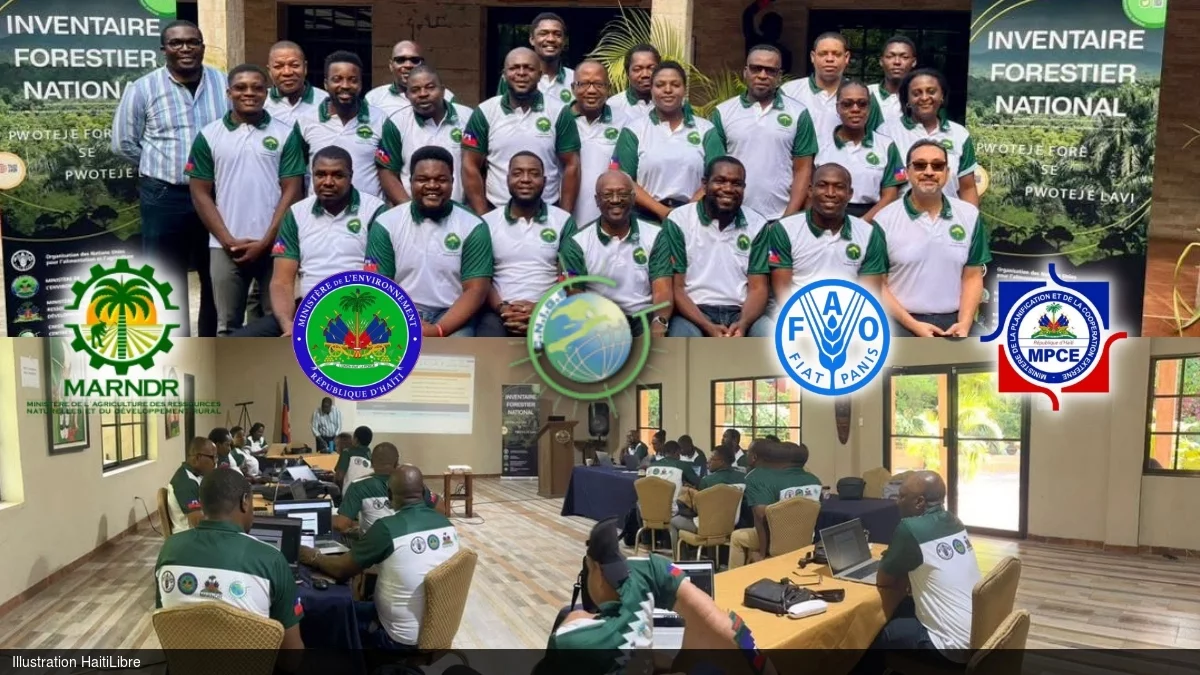
    Against a backdrop of decades of catastrophic forest loss that has stripped Haiti of more than 80% of its original tree cover, a landmark four-day capacity-building workshop kicked off last week to lay the groundwork for the country’s first National Forest Surveillance System, organized under the ongoing National Forest Inventory project. The event brought together key Haitian government bodies, including the Ministry of Agriculture, Natural Resources and Rural Development (MARNDR), the Ministry of the Environment (MoE), the National Center for Geo-Spatial Information (CNIGS), and the Ministry of Planning, alongside technical experts from the Food and Agriculture Organization of the United Nations (FAO), the leading international partner supporting the initiative.

    Haiti’s forest ecosystem has faced unrelenting pressure from unregulated human activity for generations. Between 1988 and 2018 alone, the nation lost an estimated 82% of its total forest cover, driven primarily by widespread charcoal production—an essential energy source for most Haitian households—and unsustainable small-scale agricultural expansion. This dramatic deforestation has exacerbated other pressing national challenges, from soil erosion and flooding to biodiversity loss and reduced rural livelihood resilience. In response, the Haitian government, with financial and technical backing from the FAO and the European Union, has launched a multi-pronged strategy to restore degraded forest landscapes and implement sustainable management practices, with the National Forest Inventory project serving as a foundational first step toward a evidence-based national forest policy.

    The core mandate of the National Forest Inventory project is threefold: to update Haiti’s outdated forest cartographic data, complete the country’s first comprehensive national forest survey, and build long-term technical capacity within the government agencies tasked with managing forest resources. The recent workshop focused specifically on equipping local technical experts with the digital tools and methodological knowledge required to operate the new National Forest Monitoring System (known locally as SNSF).

    Over four days of hands-on training, participants worked toward five key outcomes: developing a standardized forest nomenclature for consistent classification across surveys, drafting initial frameworks for a national land use and forest class map, getting practical training on cutting-edge earth observation and geospatial tools including the Land Cover Meta Language (LCML), Collect Earth Online, the SEPAL earth observation processing system, and the open-source QGIS geographic information system, building familiarity with the underlying methodological approaches for national forest monitoring, and finalizing a detailed step-by-step work program for the project’s next phase.

    Specifically, the training centered on building core skills that will be used for the lifespan of the monitoring system: accessing standardized earth observation data, classifying different land use types, collecting training and validation data for mapping projects, and processing high-resolution satellite imagery to produce accurate, up-to-date forest maps. By the conclusion of the workshop, participating teams had achieved all targeted preliminary outcomes: all attending Haitian technical experts had gained working proficiency with Collect Earth Online, SEPAL, and QGIS; a formal work plan for developing the national LCML-based land cover nomenclature was finalized; and a detailed roadmap for producing full national-scale land use maps was approved.

    Long-term, the initiative is expected to deliver far-reaching benefits for Haiti’s environmental governance. By strengthening the technical capacity of national stakeholders, improving baseline knowledge of the country’s remaining forest resources, and enhancing inter-agency coordination for forest management, the project will directly support the development of a new national forest policy tailored to Haiti’s unique environmental and socioeconomic challenges. Once fully operational, the National Forest Surveillance System will provide consistent, reliable data to guide forest restoration efforts, combat illegal deforestation, and support the long-term sustainable management of Haiti’s remaining natural resources.

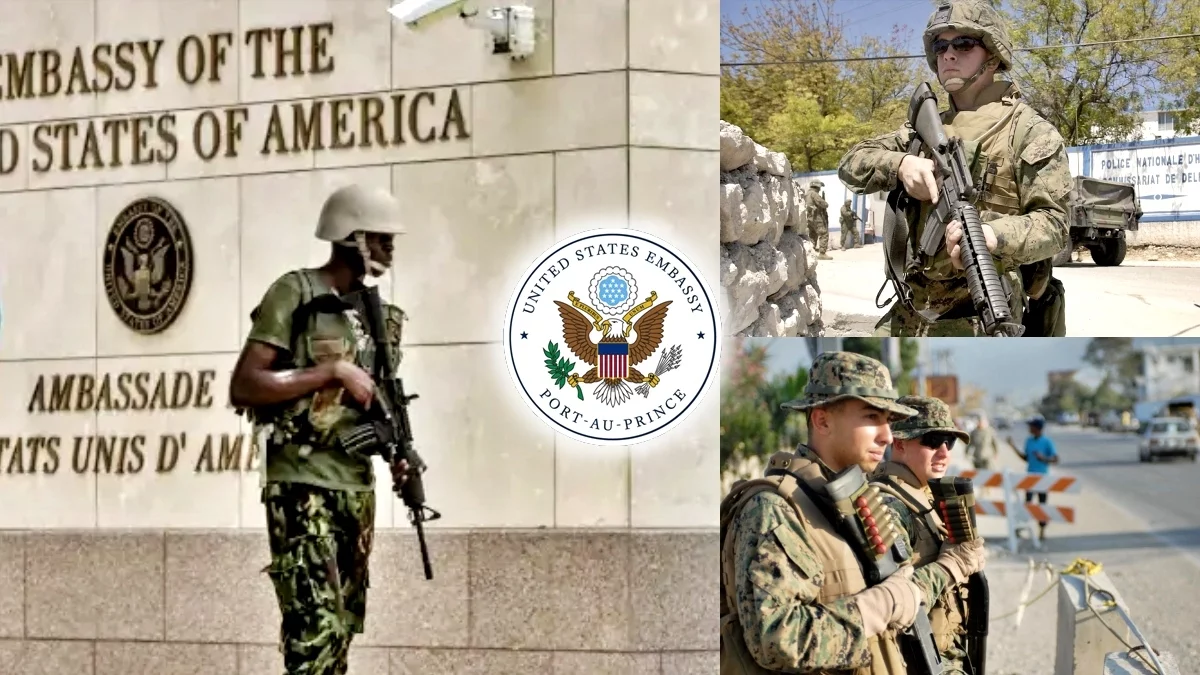
  • Security : During their Mission, the Marines of the American Embassy were engaged in combat several times

    Security : During their Mission, the Marines of the American Embassy were engaged in combat several times

    More than six months after the conclusion of their security deployment at the U.S. Embassy in Port-au-Prince, Haiti, a senior U.S. Marine commander has publicly confirmed that the unit tasked with protecting the diplomatic facility was involved in multiple armed clashes between August and December 2025. The revelation came during a recent press briefing held after the unit’s return to its home base at Camp Lejeune, North Carolina.

    Colonel Tom Trimble, commanding officer of the 22nd Marine Expeditionary Unit, which held the embassy security mission during that four-month window, detailed that in each instance of hostile contact, Marines only discharged their weapons in acts of self-defense. “There was a consistent pattern of hostile engagements during our time in Haiti, and we responded with proportional return fire when necessary,” Trimble told reporters, declining to share the exact number of shooting incidents that took place over the deployment.

    In a reassuring update for U.S. military command, Trimble confirmed that all Marines under his leadership emerged from the clashes completely unharmed, with no injuries or fatalities recorded among the security contingent. He attributed the unit’s safe outcome to three key factors: pre-deployment reinforcement of defensive positions at the embassy, rigorous ongoing training for high-risk security environments, and strict adherence to established rules of engagement (ROE). “Our personnel went into this mission with a complete, clear understanding of what the ROE required of them,” Trimble explained. “We followed those rules perfectly, and executed every action exactly as the U.S. Department of State directed in order to secure the embassy and protect all personnel inside.”

    When pressed by journalists to share details on potential casualties among Haitian individuals involved in or affected by the firefights, Trimble said he was unable to release that information, confirming only that the details remain unclear. The commander also confirmed that the 22nd Marine Expeditionary Unit has since departed Haiti to take on other assigned missions around the world, and its embassy security role has been turned over to a company from the Fleet Antiterrorism Security Team (FAST), a specialized U.S. Marine unit focused on rapid response security for diplomatic assets globally.

    The confirmation of multiple armed engagements comes as Haiti has grappled with years of escalating gang violence and political instability that has left much of the country outside government control, creating heightened security risks for foreign diplomatic missions operating in the capital. The U.S. has maintained a diplomatic presence in Haiti throughout the crisis, with rotating security detachments deployed to protect embassy facilities and personnel.

  • FLASH : Measures to avoid possible entry of Ebola cases into Haiti (video)

    FLASH : Measures to avoid possible entry of Ebola cases into Haiti (video)

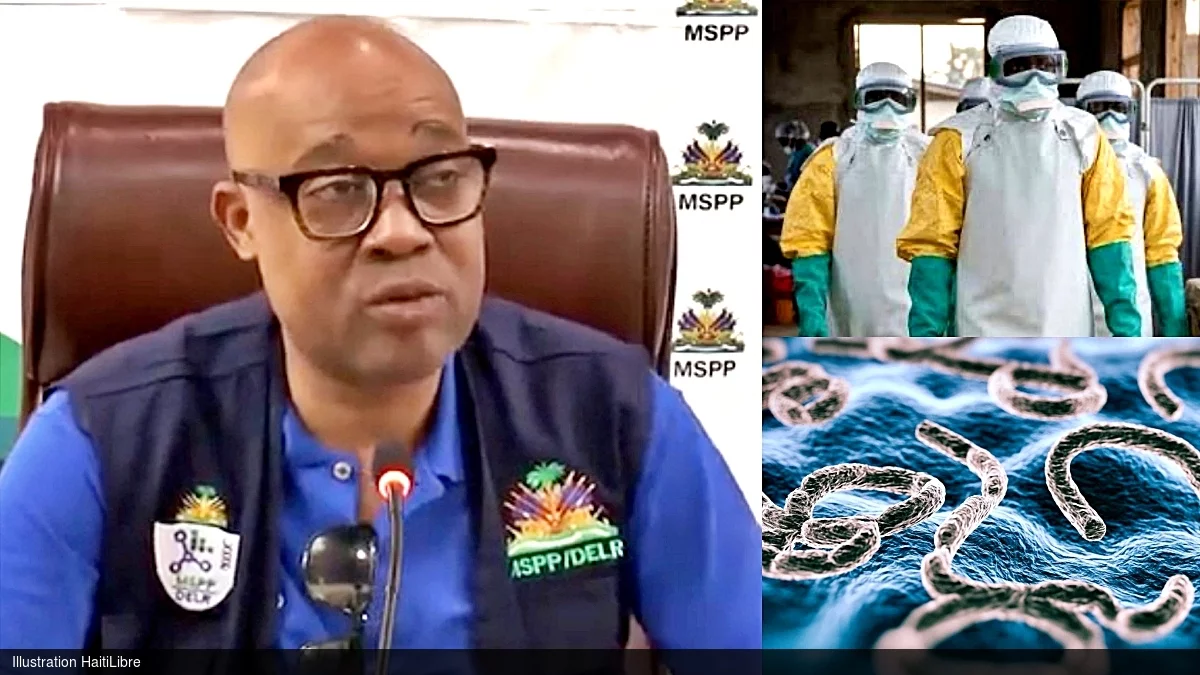
    In a public announcement released on June 29, 2026, Haiti’s Minister of Public Health Bertrand Sinal outlined a series of strict preventive measures designed to stop the potential introduction of Ebola cases into the Caribbean nation, as an ongoing outbreak in Central Africa has already claimed hundreds of lives. The current outbreak, centered in eastern Democratic Republic of Congo (DRC) and neighboring Uganda, has recorded more than 1,100 confirmed cases and over 300 deaths to date, prompting public health officials across the globe to strengthen screening protocols for travelers from affected regions. Under Haiti’s new rules, any traveler originating from either DRC or Uganda must complete a 21-day quarantine period in a third country that has not recorded any Ebola cases before being allowed to enter Haitian territory. All travelers subject to this protocol are also required to pass a full comprehensive health screening prior to their arrival in the country. Public health authorities are also maintaining heightened close surveillance on 10 additional nations that share borders with the two outbreak epicenters: South Sudan, Rwanda, Kenya, Tanzania, Ethiopia, Congo-Brazzaville, Burundi, Angola, the Central African Republic, and Zambia. Sinal emphasized that the strict measures are a necessary precaution given the well-documented vulnerabilities of Haiti’s existing public health infrastructure. The country’s healthcare system currently lacks both the sufficient logistical resources and broad territorial control required to manage a nationwide quarantine or operate large-scale isolation facilities if an Ebola outbreak were to take root. Right now, Haiti’s limited healthcare infrastructure is already operating at maximum capacity to respond to the ongoing severe humanitarian and hospital crisis unfolding in the capital city of Port-au-Prince, leaving no spare capacity to handle a new infectious disease threat. The Ministry of Public Health has formally notified Haiti’s Ministry of the Interior and the National Airport Authority (AAN) of the new policy, and trained personnel from relevant agencies have already been mobilized to enforce the protocols at all of the country’s official entry points, including airports, seaports, and land border crossings. International and humanitarian organizations that maintain operations in Haiti have already aligned their own internal protocols with the new national rules, requiring all of their deployed staff to complete 21-day preventive isolation and mandatory screening before deploying to Haitian territory.

  • Zapping Haiti of June 28, 2026

    Zapping Haiti of June 28, 2026

    On June 28, 2026, multiple developments across Haiti and related international policy drew public attention, spanning law enforcement action, public sector infrastructure investment, aviation progress, judicial training, and fierce criticism of a recent U.S. Supreme Court decision affecting Haitian migrants.

    In a significant victory for local community safety, Haitian law enforcement completed a targeted major operation in the Pèlerin 5 district of Pétion-ville, successfully dismantling a criminal gang that had long targeted local residents through systematic kidnappings and home burglaries. Seven members of the criminal network are now in police custody following the operation.

    In a push to modernize the country’s public education system, Haiti’s Minister of National Education Déméro announced sweeping infrastructure upgrades set to launch in October 2026. The initiative will deliver broadband internet connectivity to all public primary schools, secondary high schools, and public universities across the nation. Complementing the digital rollout, all participating public education institutions will also receive the necessary electrical infrastructure to support new educational technologies, with the project backed by both technical expertise and funding from international partner organizations.

    For Haiti’s growing aviation sector, private carrier Zed Airlines S.A. provided an update on its upcoming Montreal route launch. The airline confirmed that the start of passenger operations to and from the Canadian city remains on hold pending final completion of synchronization protocols between the carrier and the Canada Border Services Agency (CBSA). Once this final regulatory step is finalized, the airline will immediately publish its full official flight schedule for the new route.

    The most contentious development of the day came in response to a recent U.S. Supreme Court ruling that greenlit the Trump administration’s plan to revoke Temporary Protected Status (TPS) for hundreds of thousands of Haitian residents living in the United States, opening the door to mass deportations. U.S. Catholic bishops have emerged as prominent critics of the decision, warning of severe humanitarian harm that will impact both Haiti and the United States.

    Mgr. Brendan Cahill, Bishop of Victoria, Texas and Chair of the U.S. Conference of Catholic Bishops’ Committee on Migration, framed the policy shift as a fundamental moral failure. “Revoking the legal status of hundreds of thousands of people residing in our country creates a moral crisis,” he stated, “as returning them to their country of origin is neither safe nor reasonable.” Archbishop Thomas Wenski of Miami, whose archdiocese serves one of the largest concentrations of Haitian and Haitian-American communities in the U.S., called the planned deportations an act of unconscionable cruelty. “It would be an act of unspeakable cruelty for the United States to send families back to Haiti, where dangerous and unsanitary conditions prevail,” he told Miami Archdiocese Radio, urging Congress to extend TPS and grant Haitian migrants at least a three-year reprieve from deportation.

    Haiti’s own Fusion Party of Haitian Social Democrats (FUSION/PFSDH) has echoed this outcry, expressing deep concern over the ruling that puts nearly 350,000 Haitian TPS beneficiaries at risk of deportation. The party has issued a formal call on the Haitian national government to formally request a temporary moratorium on all mass deportations of Haitian TPS holders from the U.S. government. FUSION argues the moratorium should remain in place until the Haitian government’s newly formed Gang Suppression Force (GSF) is fully deployed across the country and delivers measurable improvements to national security.

    In domestic judicial news, Haiti’s Superior Council of the Judiciary (CSPJ) announced the deployment of a new cohort of judicial trainees on June 26, 2026. Forty-nine trainee magistrates from the 8th graduating class of Haiti’s National School for the Judiciary (EMA) have been assigned to 11 different courts of first instance to complete a mandatory six-month practical internship, which is required before they can be formally inducted into the Haitian national judiciary. The Port-au-Prince Court of First Instance will host the largest share of trainees at 21, followed by the Les Cayes court with 15. The remaining 13 trainees are distributed across smaller regional courts: 3 to Miragoâne, 2 to Jérémie, 2 to Gonaïves, and one each to Cap-Haïtien, Ouanaminthe, Petit-Goâve, Saint-Marc, Hinche, and Croix-des-Bouquets. The cohort of 49 trainees includes 13 women, all of whom took their formal oath of office the week prior before the dean of the Port-au-Prince Court of First Instance.

    In public health development, Haiti’s Ministry of Public Health, working in partnership with the Prime Minister’s Office and external stakeholders, is continuing ongoing work to acquire a new hospital facility on the grounds of the former Haitian Community Hospital. Health Minister Bertrand Sinal moved to clarify a point of public concern, confirming that the new hospital project will not require the relocation of Haiti’s largest public medical facility, the State University Hospital of Haiti (HUEH).

  • Day of discussions with Catholic leaders on the accreditation of Haiti’s educational institutions

    Day of discussions with Catholic leaders on the accreditation of Haiti’s educational institutions

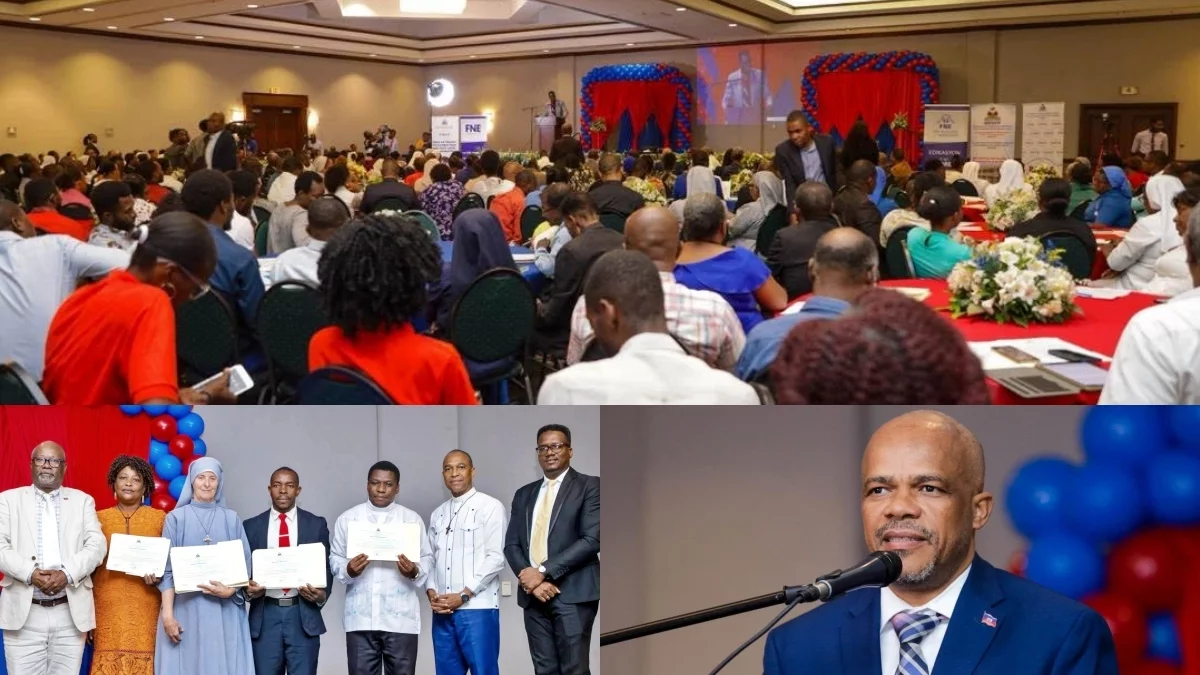
    Following a June 10 stakeholder consultation with Protestant education leaders, Haiti’s Ministry of National Education and Professional Training (MENFP) gathered Catholic education representatives for a full day of focused dialogue on June 24 in Pétion-ville. The meeting centered on advancing the National Policy for the Accreditation of Private Schools, Technical Training Centers, and Private Universities, bringing together senior officials from the national education system and leadership from the Episcopal Commission for Catholic Education (CEEC).

    Opening the summit, Education Minister Dr. Vijonet Déméro framed the gathering as both a privilege and a core democratic responsibility, emphasizing the outsized role Catholic institutions play in Haiti’s education landscape. “The Catholic Church has built a vast, essential portion of our national education infrastructure, establishing centers of academic excellence even in the most isolated rural communities across our country,” Déméro stated, extending sincere gratitude to the church for its decades-long commitment to expanding knowledge access across Haiti. The minister went on to frame the Catholic education sector as a linchpin for national educational progress: successful modernization of Catholic schools would drive systemic transformation across all Haitian education, he argued, and full sector commitment to reform would propel the entire nation forward.

    Déméro also used the opportunity to outline his administration’s sweeping portfolio of planned education reforms, ranging from foundational curriculum overhauls and the rollout of a standardized single textbook to expanded digital learning initiatives, updated civic education curricula, and new programs focused on financial literacy and student mental health and well-being. Beyond curriculum changes, the administration is advancing infrastructure and access goals, including opening dozens of new public schools, constructing new campus facilities, and expanding the reach of the National School Canteen Program (PNCS), which provides critical meals to vulnerable students.

    CEEC President Bishop Pierre André Dumas echoed the minister’s emphasis on education as a catalyst for national change, noting that education remains one of the most powerful tools for social transformation and collective liberation in Haiti. “Education cultivates the critical awareness that communities need to make thoughtful choices and advance equitable social action,” Dumas explained, adding that formal accreditation of educational institutions is a foundational step to strengthening system-wide quality and accountability. “This process isn’t just regulatory—it directly lifts the standard of learning for every student across the country,” he said.

    After opening remarks, the meeting moved into technical working sessions, where senior agency leaders walked attendees through accreditation procedures and available support programs. Walex Pierre, Director of the Directorate for Support to Private Education and Partnerships (DAEPP), opened the technical portion with a detailed presentation of the core provisions of the National Policy for the Accreditation of Private Schools (PONAEP). Next, Franck Lauture, Director General of the National Institute for Vocational Training (INFP), outlined the formal recognition process for private vocational training centers, while Jean Judson Joseph of the National Agency for Higher Education and Scientific Research (ANESRS) covered equivalent protocols for private universities.

    Elysé Colagène, Director General of the National Education Fund (FNE), followed with a breakdown of the application process for institutional school subsidies, addressing a key financial concern for many private Haitian schools. Ulrick Edouard, Director of Programming and Monitoring at the National School Canteen Program, then walked attendees through the steps required for institutions to join the national meal program, which supports food security for thousands of students.

    To close the day-long consultation, MENFP Director General Osny Jean Marie presided over a ceremonial presentation, awarding formal operating and management permits to a cohort of school leaders from the West Departmental Directorate of Education, marking a tangible first outcome of the national accreditation policy rollout.

  • Football : Coach Migné clarifies his intentions regarding his future

    Football : Coach Migné clarifies his intentions regarding his future

    Following Haiti’s landmark appearance at the 2026 FIFA World Cup, French head coach Sébastien Migné has broken his silence on widespread speculation about his future, confirming he is eager to remain at the helm of the Caribbean nation’s men’s national team and honor his existing contract with the Haitian Football Federation (FHF).

    Migné took over the Grenadiers, Haiti’s senior national side, in March 2024. In just over two years on the job, he led the program to one of its most historic achievements: qualification for the 2026 World Cup, only the second time the country has ever earned a spot at the global tournament. Haiti’s first and only previous appearance at the World Cup dated all the way back to 1974, making Migné’s qualification run a milestone moment for Haitian football.

    Despite the historic success, uncertainty around Migné’s future grew quickly after Haiti exited the tournament in the group stage. Ranked 83rd in the FIFA global rankings, Haiti was drawn into one of the competition’s toughest groups, facing three elite opponents: 42nd-ranked Scotland, sixth-ranked Brazil, and seventh-ranked Morocco. Haiti dropped narrow-to-moderate losses in all three matches, falling 1-0 to Scotland, 3-0 to Brazil, and 4-2 to Morocco, ending their tournament run early and fueling questions about whether the FHF would opt to make a leadership change.

    In a press briefing addressing the speculation, Migné made his position clear. The French coach said he remains fully committed to his professional duties with the FHF and intends to see out his current contract. He acknowledged the significant resource gaps his program faces when competing against top-tier football nations, noting that while his squad was able to create pressure against their World Cup opponents, small individual errors at the highest level of the sport lead directly to costly outcomes.

    Migné added that while he wants to stay on, any final decision about his position rests exclusively with the FHF. For his part, he said his full focus remains on advancing the development of Haitian football and building on the momentum and experience the squad gained during their 2026 World Cup run.

    International football analysts widely back Migné remaining in the role, noting that retaining his leadership would provide the program with much-needed stability as the team prepares for upcoming regional qualifying tournaments. Consistent leadership is widely seen as critical to building on the progress Haiti has made under Migné’s tenure.

    To date, the FHF has not released any official statement on the future of the Grenadiers’ coaching staff. Federation leadership has indicated it will conduct a full, comprehensive review of the team’s 2026 World Cup performance before announcing any final decisions. While Migné has made clear he is prepared to continue leading the Haitian national side into its next chapter of international competition, the final call will be made by federation leadership.

  • Insecurity : The EU extends sanctions against gang violence in Haiti

    Insecurity : The EU extends sanctions against gang violence in Haiti

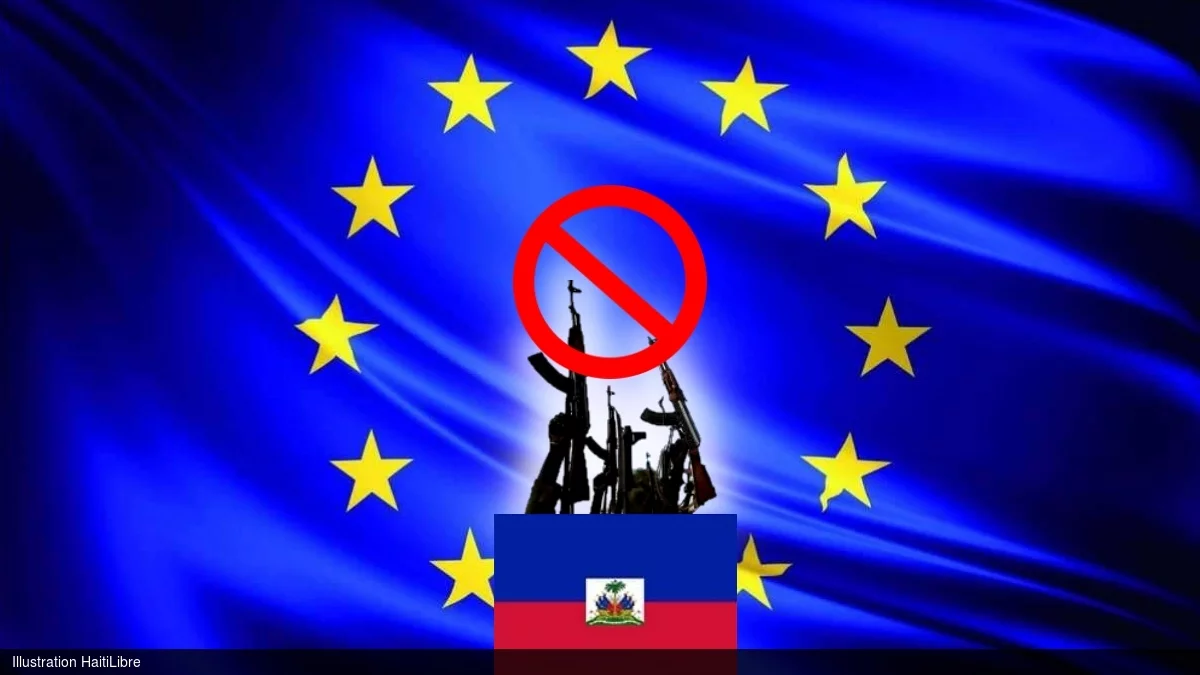
    On June 26, 2026, following a routine annual review of the ongoing crisis in Haiti, the European Union formally voted to extend its framework of restrictive sanctions against actors undermining peace, stability, and democratic governance in the Caribbean nation. The extended sanctions regime will remain in effect through July 29, 2027, a decision rooted in the EU’s deepening concern over unrelenting, destabilizing criminal activity that has torn apart Haitian communities and threatened security across the broader region. The measure targets 17 individuals and one criminal organization, all facing binding restrictions including asset freezes across EU jurisdictions, a ban on any direct or indirect provision of funds or economic resources, and entry bans for all listed natural persons. The sanctions regime traces its origins back to November 2022, when the EU Council adopted Decision (CFSP) 2022/2319 to align with a United Nations Security Council resolution addressing Haiti’s escalating crisis. A 2023 amendment to the framework granted the EU autonomous authority to impose sanctions on bad actors independent of UN designations, creating a complementary structure to the UN sanctions imposed in October 2022 that expands the bloc’s ability to hold destabilizing actors accountable. Among the highest-profile sanctioned figures is former Haitian President Michel Joseph Martelly, whom the EU accuses of arming and funding multiple criminal gangs to advance his political agenda, protect personal and business interests, and consolidate territorial control. Two former top Haitian politicians from Martelly’s inner circle—former Senate President and political advisor Youri Latortue, and former Senator Rony Célestin—are also named on the sanctions list. The roster of targeted individuals also includes many of Haiti’s most powerful and violent gang leaders, whose actions have driven a catastrophic humanitarian crisis across the country. These include Jimmy Chérizier, widely known by his alias “Barbecue,” who leads the Viv ansanm terrorist alliance; Micanor Altès, head of the Wharf Jérémie gang based in Cité Soleil; Jeff Larose, leader of the Canaan gang; and Wilson Joseph, alias “Lanmò San Jou,” head of the notorious 400 Mawozo gang. The only entity targeted by the sanctions is the 5 Segond Gang, a powerful armed faction based in Port-au-Prince’s Village-de-Dieu neighborhood. The list also includes former senior Haitian security official Dimitri Hérard, once head of the National Palace’s General Security Unit, and Kempes Sanon, a gang leader accused of coordinating armed takeovers of Port-au-Prince territory and unifying criminal networks to derail Haiti’s ongoing political transition. In announcing the extension, EU officials emphasized that the restrictive measures remain a critical tool to curb gang-related violence, hold perpetrators of destabilizing activity accountable, and support international efforts to restore democratic order and stability to Haiti.

  • Zapping Haiti of June 27, 2026

    Zapping Haiti of June 27, 2026

    As of late June 2026, Haiti is seeing a series of coordinated developments across security, humanitarian aid, sports governance, education, and economic investment as national authorities and international partners work to address longstanding challenges and expand institutional capacity.

    On the security front, the administration of Prime Minister Alix Didier Fils-Aimé has made expanding the country’s uniformed services a core priority under the national P4000 force development program. To date this year, more than 2,000 new police officers have completed full training, with an additional 1,200 recruits currently undergoing preparation to join the force. The Haitian Armed Forces (FAd’H) have also expanded their ranks: 339 new active-duty soldiers were inducted in April 2026, and roughly 1,770 aspiring service members are either in active training or preparing to start their integration into the national military.

    In a separate development for law enforcement capacity, 27 officers from the Haitian National Police (PNH) graduated from a specialized training program on June 26, 2026, at the National Police Academy (ANP). The intensive course, focused on securing major public events and national electoral processes, was taught by instructors from France’s elite Republican Security Company (CRS), under the oversight of French Inspector General Grégory-Hughes Frely. During the graduation ceremony, Antoine Michon, France’s Ambassador to Haiti, reaffirmed France’s long-term commitment to strengthening the PNH’s operational capabilities to serve Haitian communities. The ceremony also included a medal award for exceptional service to the PNH, which was presented to Vladimir Paraison, with Chief Inspector General Frédéric Leconte accepting the honor on Paraison’s behalf.

    Humanitarian support for populations displaced by ongoing armed violence continues apace, according to data from the International Organization for Migration (IOM). In May 2026 alone, the IOM worked alongside Haitian national authorities and local community partners to deliver critical assistance to more than 20,000 displaced households across 60 formal displacement sites. The support package includes core camp coordination and management services, improved access to safe drinking water and primary healthcare, free psychosocial support for people affected by conflict-related trauma, and distribution of essential non-food items for families that fled their homes with few possessions.

    In sports governance, the Haitian Football Federation (FHF) announced plans on June 26, 2026, to host the country’s first ever training seminar for certified player agents, a step designed to bring national football regulation into alignment with updated FIFA global rules. The seminar will train the first national cohort of qualified agents, equipping them to meet the requirements laid out in Article 3 of FIFA’s new global framework governing player agent activity. Organizers say the program will help formalize and professionalize Haiti’s domestic football ecosystem by providing Haitian players with access to competent, certified professional support that covers administrative, legal, and career guidance consistent with FIFA and regional confederation standards. Official dates for the seminar and details on participation eligibility will be released at a later date.

    In education, the Northeast Department of Haiti is preparing to administer the 9th AF State Examinations, with local examination coordinator Gesly Joseph confirming that 8,251 candidates have officially registered for the assessments. To ensure broad access for all students, 14 dedicated examination rooms have been established across 35 examination centers distributed throughout the department’s territory.

    On the economic front, Haitian private sector business associations led by the Franco-Haitian Chamber of Commerce and Industry (CFHCI) are set to host a national investment forum in Pétion-Ville on June 29, 2026. The event will focus specifically on exploring opportunities to implement the European Union’s Global Gateway infrastructure and development strategy in Haiti, while advancing frameworks for mutually beneficial public-private partnerships (PPPs) to drive sustainable economic growth.

  • Education : D-2 State Exams 2026 (9th AFAF, CEF, ENIJE) – Statistics and Instructions

    Education : D-2 State Exams 2026 (9th AFAF, CEF, ENIJE) – Statistics and Instructions

    As Haiti gears up for one of its most significant annual educational assessments, national education officials have formally confirmed that the 2026 first-round D-2 State Exams — covering 9th-year fundamental education (9th AFAF), Family Education Centers (CEF), and Kindergarten Teacher Training Colleges (ENIJE) — will proceed as scheduled from June 29 to July 2, 2026. The announcement was made during a June 26 press conference led by Minister of National Education Vijonet Déméro, with senior ministry staff, security representatives, and education sector stakeholders in attendance.

    In total, the Haitian Ministry of National Education expects 189,849 candidates to sit for the assessments across the country’s 10 Departmental Directorates of Education. Minister Déméro opened the conference by acknowledging the collaborative work of education personnel and cross-sector partners that has enabled full preparation for the exam cycle, offering reassurance to candidates, parents, and the broader education community that all logistical and operational arrangements are complete.

    To support candidates and on-site staff throughout the four-day exam period, the ministry has partnered with the National Program for School Canteens (PNCS) to provide free hot meals during break times at all exam centers. Beyond basic amenities, the government has coordinated closely with multiple state institutions to guarantee security and operational stability, noted Ministry Director General Professor Osny Jean Marie. Key collaborating agencies include the Haitian national justice system, the Armed Forces of Haiti (FAd’H), and the Haitian National Police (PNH), all of which have deployed personnel to monitor exam sites and address any potential disruptions.

    Professor Jean Marie issued clear guidance to candidates ahead of the exams, urging all participants to approach their assessments with calm, discipline, and confidence while strictly adhering to longstanding exam rules. Prohibited items and actions include plagiarism, unauthorized weapons on exam center grounds, personal cell phones, and programmable calculators. Any candidate found engaging in cheating will face immediate disqualification and a two-year waiting period before they are eligible to retake the exams. He also emphasized that no individual will be granted access to an exam center without formal authorization from senior ministry leadership, closing his remarks by wishing all participants success.

    On the academic content of the assessments, Kendy Nicolas, Director of Fundamental Education (DEF), and Claudin St-Jour, Director of Training and Professional Development (DFP), confirmed that all exam questions are aligned directly with Haiti’s official national curriculum, drawing exclusively on content covered in regular classroom instruction.

    Security leaders reinforced their institutions’ commitments to keeping candidates and staff safe during the exam cycle. Lieutenant-Colonel Rosevald Boucard of FAd’H and Divisional Commissioner Xavier Séide, Departmental Director of West 2 for PNH, outlined the coordinated security deployments that will be in place across all exam sites.

    Health and wellness support has also been integrated into exam planning, in partnership with the Mobile First Aid Unit/Motorized Emergency Medical Service (UMPS-SUMMOC). Under directives from the Ministry’s School Health Directorate, on-site medical and psychological support will be available for any candidate who requires assistance during the exam period.

    New statistics released by Gérald Bélizaire, Director of the National Bureau of State Examinations (BUNEXE), break down the 2026 candidate pool by group and demographic. Of the total 189,849 candidates, girls make up 53.46% of participants, while boys account for the remaining 46.54%. The vast majority of candidates — 186,748 in total — are registered for 9th-year fundamental education exams, with 2,572 candidates seeking qualification from teacher and kindergarten teacher training colleges, and 529 candidates affiliated with Family Education Centers.

    The 186,74 9th AF candidates hail from 7,530 schools spread across Haiti’s 100 school districts, and will be seated across 817 exam centers, utilizing a total of 6,641 individual classrooms for the assessments. A full detailed calendar and schedule for 9th Grade AF exams is available via the official Ici Haiti website.