标签: Haiti

海地

  • Zapping Haiti of July 10, 2026

    Zapping Haiti of July 10, 2026

    On July 10, 2026, multiple unfolding developments across Haiti paint a dynamic picture of the Caribbean nation’s ongoing efforts to build stability, prepare for upcoming elections, restore critical services, and engage in cultural and international cooperation.

    First, in a major step to bolster international security efforts against rampant gang violence, 300 Sri Lankan military personnel arrived at Port-au-Prince’s Toussaint Louverture International Airport on the night of July 8, 2026, to join the UN-mandated Gang Suppression Force (GSF). Local sources indicate additional contingent members from Côte d’Ivoire and other partner nations are scheduled to deploy to the Haitian capital in the coming weeks, expanding the multi-national coalition focused on countering gang activity.

    As Haiti prepares for upcoming electoral processes, roughly 4,000 trainee Electoral Security Agents (ESA) are currently undergoing a three-day national training program running from July 9 to 11, 2026. The initiative is organized by Haiti’s Provisional Electoral Council (CEP) in coordination with the Haitian National Police (PNH), with logistical backing from the Ministry of National Education, aimed at securing the integrity of future voting processes across the country.

    In sports, Haiti’s national men’s 5×5 basketball team is currently competing in the FIBA AmeriCup 2029 pre-qualifying tournament hosted in Georgetown, Guyana, which concludes on July 12, 2026. Haiti’s Ministry of Youth and Sports (MJSAC) has issued an official statement of encouragement to the team, extending well wishes ahead of their remaining matches. Drawn into Group B alongside Barbados, Grenada, Saint Vincent and the Grenadines, and the Cayman Islands, Haiti’s team – nicknamed the Grenadiers – dropped their opening match to Barbados by a score of 68-91. They are set to face Grenada in their second group stage match this Friday.

    In infrastructure news, Caribbean telecommunications provider Digicel has announced the full completion of repairs to its fiber optic network, which suffered major damage along National Road 2 that disrupted services for customers across southern Haiti. In a public statement, the company confirmed that tireless work from its technical teams, paired with cooperation from local Haitian authorities, has allowed full service restoration, and customers in the affected region can now access network services normally. Digicel also noted that affected subscribers will receive compensation for the service outage inconvenience.

    During a working visit to Port-au-Prince, U.S. Ambassador to the United Nations Mike Waltz toured the Vertières military base to assess the GSF’s ongoing operations. Speaking on-site, Waltz noted that personnel from 10 different countries are already deployed in Haiti, and the multinational force has completed its first offensive operation to clear gang-controlled neighborhoods, detain criminal actors, and counter organized gang violence. He emphasized that the deployment represents a collective effort by the entire international community to reclaim Haitian territory from gang control and restore stability for the Haitian population. In a post on his social media account, Waltz added a clear warning to Haitian criminal groups: the UN-authorized GSF is committed to restoring stability, curbing the large-scale irregular migration flow to the United States, and eliminating the widespread lawlessness that has destabilized the entire Caribbean region.

    Finally, in cultural news, acclaimed author Dany Laferrière is scheduled to arrive in Haiti on Saturday, July 11, 2026, for a two-week visit to the country.

  • Japan : Major progress in the process of reviving bilateral cooperation

    Japan : Major progress in the process of reviving bilateral cooperation

    Decades of suspended development cooperation between Haiti and Japan are one step closer to resumption, after high-level talks between Haitian development program officials and Japan’s top envoy to the Caribbean nation produced notable progress on rebuilding mutual trust this week.

    The meeting, held July 9, 2026, brought together Stevenson Jacques Thimoléon, Director General of Haiti’s Bureau for the Monetization of Development Assistance Programs (BMPAD), and Kazuhiko Nishiuchi, Japanese Ambassador to Haiti, to address the long-stalled partnership—most notably the KR Program, which was put on hold amid Haiti’s overlapping cycles of political upheaval and systemic security collapse.

    Before Tokyo would agree to restart its grant monetization program, Japanese authorities set clear preconditions: concrete proof of institutional stability, strengthened financial oversight mechanisms, and binding accountability requirements for all funds disbursed. For Haiti’s new governing administration, the meeting served as a critical opportunity to demonstrate it has met these requirements.

    During the discussions, Thimoléon outlined the wide range of institutional reforms the new leadership has implemented to guarantee sound, transparent, and responsible stewardship of all resources allocated through Haitian-Japanese cooperation. He reaffirmed BMPAD’s unwavering commitment to upholding international good governance standards, maintaining rigorous oversight of the program’s counterpart fund, and submitting regular, detailed public reports on the progress of all supported initiatives.

    Beyond governance reforms, talks centered on the scope of work the relaunched program would support. For decades prior to its suspension, the Japanese grant monetization program has delivered critical investment across key sectors of Haiti’s economy, including smallholder agriculture, public education access, intercommunity road infrastructure, and locally led community development projects.

    Thimoléon also shared key financial data with the ambassador, noting that the counterpart fund managed by BMPAD currently holds a substantial positive balance. This figure, he emphasized, serves as tangible evidence of the institution’s capacity to manage large-scale development resources effectively and in line with agreed standards.

    After receiving the presentation and reviewing the fund management data, Ambassador Nishiuchi expressed clear satisfaction with the updates provided. He publicly commended the new Haitian administration’s targeted efforts to boost transparency and repair the trust that eroded between the two partner nations during the period of crisis.

    The ambassador added that he will now submit a full report to Japanese leadership in Tokyo and await formal approval to move forward with the full, official relaunch of the decades-long bilateral partnership.

    For BMPAD, the successful outcome of this week’s meeting marks a pivotal turning point in efforts to rebuild the cooperation that has benefited Haitian communities for more than 30 years. The institution reiterated its commitment to continued close collaboration with the Japanese Embassy in Port-au-Prince to develop projects that are concrete, transparent, and sustainable, all designed to directly improve quality of life for the Haitian people.

  • Cocoa and breadfruit, two promising sectors in Haiti

    Cocoa and breadfruit, two promising sectors in Haiti

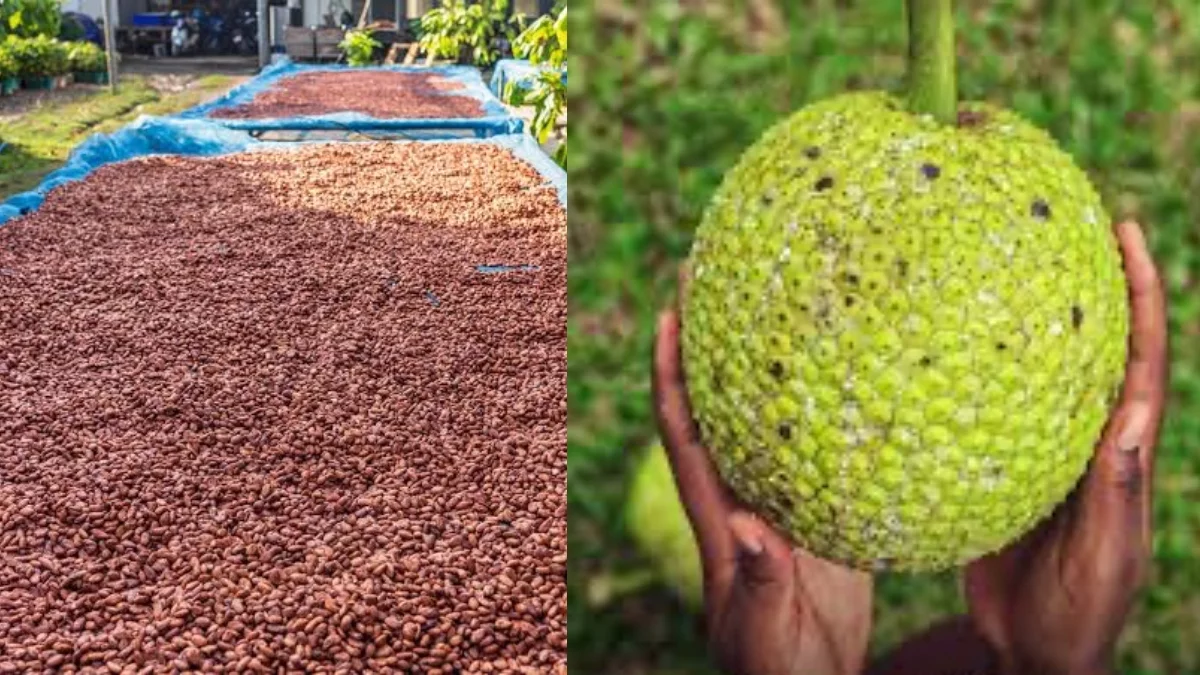
    In early July 2026, a senior delegation of diplomatic and institutional stakeholders traveled to Haiti’s Grand’Anse department to review on-the-ground progress of two landmark international agricultural development initiatives: the Agricultural Value Chain Promotion for Employment and Resilience (PROFIT) project and the Smallholder Agriculture Market Support (SAMS) program. Jointly implemented by the International Labour Organization (ILO) and the World Food Programme (WFP), these programs are designed to empower small-scale Haitian producers by focusing on two high-potential domestic sectors—cocoa and breadfruit—with the dual goals of revitalizing the country’s rural economy and generating formal, dignified employment opportunities for local communities.

    Nicole Boni Kouassi, Deputy Special Representative of the UN Secretary-General for Haiti and the country’s UN Resident and Humanitarian Coordinator, emphasized that the PROFIT project has already delivered tangible proof that strategic investment in agricultural value chain development can deliver transformative results for Haiti. Early outcomes in the cocoa and breadfruit sectors confirm that significant untapped economic potential exists, and that Haitians—particularly the country’s large youth population—are eager to participate in sustainable economic activity when clear, actionable opportunities are made available to them.

    Haitian cocoa has long been celebrated globally for its distinct, high-quality aromatic profiles and flavors, positioning it well to access premium, profitable niche markets, especially through international fair trade networks. Breadfruit, meanwhile, delivers multiple layers of value: it strengthens national food security, creates opportunities for local value-added processing, and allows smallholder producers to diversify their income streams to reduce vulnerability to market shocks. As an early indicator of the sector’s growing international traction, PROFIT-supported Haitian producers showcased their cocoa products and byproducts at the 2025 Paris Chocolate Salon in November, where the offerings drew substantial interest from international buyers and consumers alike.

    The success of these interventions depends on robust cross-sector coordination between Haitian public institutions, international technical and financial partners, local private sector businesses, and grassroots producer organizations. This collaborative approach ensures that all program activities are adapted to local context and needs, while also expanding and improving the support services available directly to cocoa and breadfruit producers across the country.

    Since the launch of the two projects, they have delivered a wide range of measurable impacts across Grand’Anse. Key achievements include the construction of a 250-ton annual capacity cocoa fermentation facility and four breadfruit processing centers with a combined monthly processing capacity of 100 tons, as well as the full reconstruction of the Chambellan public market. The initiatives have created 2,000 direct and indirect jobs for local workers, completed a technical and economic feasibility study focused on processing breadfruit into flour and other value-added products, and registered and georeferenced more than 10,000 producers on a centralized logistics intelligence platform to improve market access.

    Additional outcomes include the establishment of 70 fully functional solidarity producer cooperatives, capacity building for six local agricultural service providers to improve the quality of support they offer smallholders, and a threefold increase in cocoa exports from Grand’Anse over just two years. The projects have also facilitated the sale of more than 30 tons of locally produced breadfruit flour to WFP for use in its national school feeding programs, enabling 6,789 local producers to secure stable income through WFP’s local procurement initiative, which represents a total investment of more than $2 million in local agricultural communities.

    More than 1,900 lead producers have completed training in agroecological farming practices, post-harvest handling, aflatoxin prevention, and financial and commercial management. Over 2,000 smallholder farmers have received critical agricultural inputs, including 5 tons of seeds, 99,500 seedlings, and 352 goats to support production. Five new beekeeping enterprises have been launched to help rural households diversify their income streams, and 2.5 kilometers of critical agricultural access roads have been rehabilitated, with a truck and four tricycles provided to reduce barriers to transporting products to market.

    The projects have also supported the creation of eight community mutual aid societies and selected eight local micro-enterprises to receive targeted financial support. Major structural investments have been completed, including the construction of a grain mill, two product aggregation centers, two storage facilities, and a dedicated cocoa drying area. Almost 2,900 small-scale producers have been trained in the Participatory Integrated Climate Services for Agriculture (PICSA) approach, and receive customized climate information via SMS and radio to help them adapt to changing weather patterns. After Hurricane Melissa hit the region, the programs disbursed more than $81,280 in compensation payments to 1,726 insured farming households, supporting their post-disaster recovery and strengthening long-term resilience to climate shocks.

  • Economy : Bank credit to the private sector shows a slight increase of 0.3% after 2 years of contraction

    Economy : Bank credit to the private sector shows a slight increase of 0.3% after 2 years of contraction

    After two consecutive years of sharp decline, Haiti’s bank lending to the private sector has finally edged into positive territory, new data from the Bank of the Republic of Haiti (BRH) confirms. The central bank’s latest annual report, which tracks credit trends between September 2024 and September 2025, shows a modest 0.3% expansion in the country’s net loan portfolio, ending a downturn that saw credit contract by 15.2% in 2024 and 9.6% in 2023. This fragile growth unfolds against a backdrop of deep systemic challenges that have kept Haitian financial institutions deeply cautious about extending new capital.

    Over the 12-month analysis period, Haiti’s commercial banks maintained a risk-averse lending posture amid ongoing deterioration of the national business climate and a five-year-long worsening security crisis that has disrupted nearly all segments of economic activity. The report documents that the average rate of non-performing loans (NPLs) across the sector climbed to 13% during the period, up from 10.36% in the 2023-2024 fiscal year, a jump that has further incentivized conservative lending strategies.

    Beyond overall growth trends, the BRH analysis highlights significant structural inequalities in Haiti’s credit market. Lending remains heavily concentrated in a small set of sectors and geographic regions, with persistent gender-based gaps in access to financing for small business owners and entrepreneurs. To mitigate ongoing strain on the market, the central bank has already rolled out targeted interventions to support struggling borrowers and prioritize lending to high-impact productive sectors, though the report notes these measures have had limited impact amid broader instability.

    Breaking down credit allocation by sector, the report shows the housing sector and industrial free zones are the largest recipients of bank lending, holding 5.269 billion gourdes and 5.082 billion gourdes in outstanding credit respectively. Together, these two segments account for more than half of all allocated private sector credit, at 26.6% and 25.7% of the total portfolio. Export-focused enterprises follow as the third-largest group, receiving 3.212 billion gourdes in financing equal to 16.2% of total disbursements, while the tourism and hotel sectors hold 2.440 billion gourdes, or 12.3% of total allocated credit.

    The agricultural sector, which benefits from special provisions outlined in BRH’s Circular 113, received 11.9% of total disbursements, and the government’s Real Estate Development Promotion Program (PPDI) accounts for an additional 5.3% of lending. Leasing-focused financial institutions round out the allocation, receiving 400 million gourdes, equal to 2% of total private sector credit.

    In its policy analysis, the BRH emphasizes that sustained growth in private sector lending will depend first on reversing the country’s security crisis. The report notes that improving public safety is a non-negotiable prerequisite to rebuild investor confidence, restart stalled productive activities, and revitalize traditional credit distribution channels. Restoring national stability, the central bank argues, would also lay the groundwork for a more supportive environment for financial innovation that could expand access to underserved groups. Beyond security, the report identifies the development of a robust, comprehensive financial risk management ecosystem as a critical priority to strengthen long-term resilience in Haiti’s banking sector.

    The full 18-page BRH report, published in French, is available for public download via the HaitiLibre official website.

  • Leisure : Did you know ? #40

    Leisure : Did you know ? #40

    Port-au-Prince, Haiti – July 9, 2026 – HaitiLibre, a leading local digital media platform, has rolled out the 40th installment of its popular twice-weekly general knowledge quiz segment, “Did You Know?”, turning a spotlight on the historic 2026 Winter Olympic Games hosted in Italy. This week’s trivia entry centers on a commonly asked global knowledge question: which country welcomed the 2026 Winter Olympics? The correct answer, which forms the core of this week’s quiz content, confirms the Games were officially branded as Milan-Cortina 2026, held across two Italian host sites from February 6 to 22, 2026.

    This 2026 edition of the Winter Olympics made Olympic history as the first Games to officially share the host title between two distinct cities: the bustling northern Italian metropolis of Milan and the iconic Alpine ski resort of Cortina d’Ampezzo. Cortina d’Ampezzo is no stranger to the global spotlight, having previously hosted the Winter Olympic Games back in 1956.

    This co-hosting model was not a random arrangement, but rather a deliberate choice aligned with the International Olympic Committee’s Olympic Agenda 2020 reforms, which prioritize maximizing use of existing infrastructure to advance long-term economic and environmental sustainability for host regions. The 2026 Games also mark 20 years since Italy last hosted the Winter Olympics in Turin in 2006, reinforcing the country’s long-standing reputation as a world-class host for winter sliding and ice sports.

    Beyond the new trivia entry, HaitiLibre announced that as part of its monthly platform update launched on July 1, 2026, the Quiz.HaitiLibre platform added 31 new quiz games, bringing the total number of interactive general knowledge games available to users to 180. The platform releases new themed quiz content every month to keep its offering fresh for returning visitors.

    Unlike many free online quiz platforms that require user registration or lock content behind paywalls, Quiz.HaitiLibre’s full collection of exclusive games is 100% free to access and does not require account creation. The quizzes are designed to be accessible for users of all age groups, with three tiered difficulty levels – easy, intermediate, and hard – to accommodate both casual learners and knowledge enthusiasts. All content is available in both French and English to serve Haiti’s bilingual audience.

    Users are invited to visit the Quiz.HaitiLibre platform at https://quiz.haitilibre.com to explore the full collection of general knowledge quizzes covering topics ranging from Haitian current affairs and culture to global history, sports, and science. The platform encourages users to share the resource with family and friends and submit feedback through a dedicated form available at the end of every quiz to help improve the offering over time.

  • Zapping Haiti of July 9, 2026

    Zapping Haiti of July 9, 2026

    Haiti opened the second week of July 2026 grappling with a fresh outbreak of deadly gang violence, even as it advances diplomatic partnerships, secures new international support for anti-gang operations, and marks small but significant domestic progress across education and sports.

    The most troubling development came overnight Tuesday into Wednesday, when heavily armed fighters linked to the “Viv ansanm” terrorist coalition launched a surprise assault on the village of Robin, located in the Grand Fond communal section of Kenskoff. The attack, which struck around 2:00 a.m. local time, left a trail of devastation: multiple residents have been killed, many more injured, an unknown number of people taken hostage, and dozens of local homes set ablaze. As of Wednesday afternoon, no official casualty update or statement has been issued by the local mayor’s office, leaving communities in uncertainty about the full scope of the bloodbath.

    On the diplomatic front, Haiti’s Prime Minister Fils-Aimé outlined key outcomes of his participation in the 51st Ordinary Session of the CARICOM Conference of Heads of State and Government, held in Saint Lucia from July 6 to 8. Speaking at a press conference Wednesday immediately after his return to Port-au-Prince at Toussaint Louverture International Airport’s diplomatic lounge, the prime minister outlined new cooperation opportunities with Romania and South Korea spanning four critical sectors: security, professional training, trade, and public health. He also confirmed a 500-ton rice donation pledged by Guyana’s president to support Haiti’s ongoing efforts to address widespread food insecurity, and announced that a high-level CARICOM delegation will visit the country before the end of July.

    International support for Haiti’s campaign against armed gangs continues to grow, with the United Kingdom announcing a new £5.6 million (approximately $7.4 million USD) contribution to the Force for the Repression of Gangs (FRG), the multi-national security force currently being deployed across the country to combat gang activity. This UK donation comes just days after Canada pledged a $35.3 million USD contribution to the FRG, marking a coordinated international push to strengthen Haiti’s security operations.

    In a push to boost Haiti’s global standing in the digital and technological sector, a government delegation led by Joseph Almathe Pierre Louis, Haiti’s Minister of Public Works and Communications, is currently on an official mission in Geneva, Switzerland. The delegation is accompanied by the Director General of Haiti’s National Telecommunications Council (CONATEL), as the country works to integrate itself more deeply into global tech ecosystems.

    In domestic sports news, the annual Lycan Competition wrapped up on schedule on July 7, but Haitian law enforcement authorities have not yet released official team rankings or individual award results, leaving competitors and fans awaiting final results.

    Finally, in a milestone for local medical education, 18 students graduated from a 6-month orthotics and prosthetics training program at Saint-Antoine Hospital in Jérémie. The graduation ceremony followed a thanksgiving mass held July 7 to mark the 103rd anniversary of the hospital’s founding. The new graduates are trained to manufacture prosthetics for upper and lower limbs, as well as a range of other critical orthopedic devices, expanding access to life-changing care for Haitians with mobility needs.

  • Rapid intervention by OFNAC following the emergency water landing of ZED Airlines flight 6502

    Rapid intervention by OFNAC following the emergency water landing of ZED Airlines flight 6502

    On July 8, 2026, a routine regional passenger flight between two Haitian cities took an unexpected turn when a ZED Airlines Cessna 402B, operating as Flight 6502 and registered HI-1056 in the neighboring Dominican Republic, was forced to execute an emergency water landing off the coast of Port Lafito shortly before 11 a.m. The flight, which had departed Cap-Haïtien bound for Port-au-Prince, suffered an in-flight emergency that left the pilot with no safe alternative but to ditch the aircraft in coastal waters.

    Within moments of receiving the distress alert, Haiti’s National Civil Aviation Office (OFNAC) triggered its pre-planned national emergency response protocol, activating a full search and rescue (SAR) operation under the direction of the agency’s SAR Directorate. The coordination framework allowed a dedicated task force to mobilize immediately, cutting through bureaucratic delays to deploy critical assets to the incident zone. As part of this rapid rollout, two rescue helicopters were dispatched straight to the Port Lafito area to locate the downed aircraft and extract the three people onboard: one pilot and two passengers.

    In a public statement released shortly after the rescue, ZED Airlines confirmed the positive outcome of the operation: all three occupants survived the emergency landing without fatalities. While all three were pulled from the water safely, the airline confirmed they have been transferred to local medical providers for routine evaluations and any required care, and are already receiving all necessary support from both the carrier and local authorities.

    Moving forward, a joint investigation team composed of ZED Airlines’ in-house technical experts and Haitian civil aviation regulatory officials will conduct a full, comprehensive review of the incident to pinpoint the root cause of the emergency that forced the water landing. OFNAC’s Aviation Safety Directorate has already begun the first regulatory steps required under both national and international aviation safety rules. In the coming days, agency inspectors will conduct a formal interview with the flight’s pilot to gather first-hand accounts of the emergency, which will form the foundation of a preliminary incident report ahead of the full, final investigation.

    The civil aviation agency also highlighted the critical role of cross-stakeholder collaboration in the operation’s success, issuing formal praise for the Port of Lafito’s leadership and on-ground teams. The port provided immediate logistical support and local coordination that significantly accelerated the deployment of rescue resources and streamlined on-site operations. OFNAC officials noted that this seamless synergy between regulatory agencies, local port authorities, and rescue teams was directly responsible for the speed and effectiveness of the entire mission.

    In closing, OFNAC extended formal gratitude to every institution, organization, and frontline personnel that participated in the rescue operation, emphasizing that the combination of professional training and rapid responsiveness across all groups was the key factor that delivered a positive outcome to what could have been a fatal incident.

  • Haiti is negotiating the repatriation of Haitians detained in Moscow

    Haiti is negotiating the repatriation of Haitians detained in Moscow

    Diplomatic efforts are currently underway between Haiti and Russian authorities to secure the repatriation of multiple Haitian nationals held in a Moscow immigration detention facility, with one long-detained student expected to imminently secure release, Haiti’s foreign ministry confirmed. The case centers on several citizens, including Slanda François, a Haitian student who has been held in the Temporary Detention Center for Foreign Citizens along Moscow’s Varshavskoye Shosse since October 2025. The facility is designated to hold migrants who have received deportation orders or are being held under administrative detention. Haitian foreign ministry officials were first alerted to the detention of the group in December 2025, and the department immediately launched formal diplomatic communications with Russian law enforcement and immigration agencies. In ongoing negotiations, the Haitian government has formally requested the release of all detained Haitian nationals, confirmed it will cover all costs associated with their travel back to the country, and offered multiple potential travel routes to streamline the repatriation process. Haitian officials have also committed to coordinating all required documentation, including securing necessary transit visas for the traveling citizens. Haiti’s Ministry of Foreign Affairs (MAEC) has stated it will remain fully invested in the diplomatic process, continuing discussions with relevant Russian stakeholders until all repatriation steps are finalized. The institution reaffirmed its longstanding commitment to protecting the rights and interests of Haitian citizens residing or traveling abroad, noting that all diplomatic efforts are being carried out in full compliance with the legal frameworks and procedural requirements of the host country. In an update from Foreign Minister Forbin, the minister confirmed that Russian administrative bodies are in the final stages of processing the release of François. Forbin also added that, as part of the broader repatriation effort, transit visas for all Haitian students detained have already been approved, clearing the final bureaucratic hurdle for their journey back to Haiti.

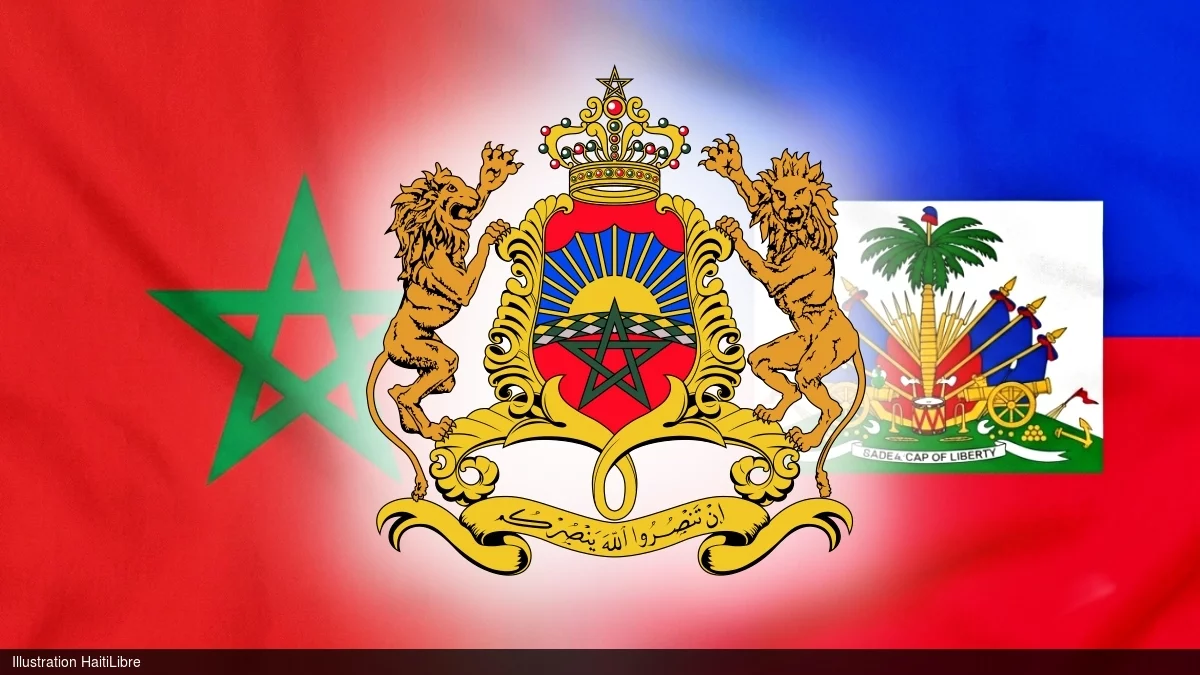
  • 40 scholarships offered by Morocco to Haitian high school graduates (2026-2027)

    40 scholarships offered by Morocco to Haitian high school graduates (2026-2027)

    In a tangible gesture of bilateral educational cooperation following a high-level diplomatic visit, the government of Morocco has approved 40 full additional scholarships for recent Haitian high school graduates seeking higher education for the 2026-2027 academic cycle. The opportunity comes directly after Haitian Foreign Minister Raïna Forbin’s official working mission to the Kingdom of Morocco on May 20, 2026, which paved the way for expanded educational partnerships between the two nations.

    Aspiring candidates must meet a clear set of eligibility requirements to be considered for the award. All applicants must be under the age of 23, have completed their secondary education in 2025 with a minimum cumulative grade average of 6.00 out of a 10-point grading scale, and hold a range of official documentation to verify their status. Required documents include an official government-issued birth certificate, a valid high school diploma and official academic transcripts, a final-year report card, a valid passport, and a clean criminal record certificate issued by the Court of First Instance in the applicant’s residential jurisdiction.

    The application window for the scholarships closes on Thursday, July 16, 2026, and interested students can submit their materials through three approved channels. In-person submissions are accepted at two locations across Haiti: the Ministry of Foreign Affairs and Worship office at 15 Rue Mangonès, Pétion-Ville, Port-au-Prince, and the Northern Departmental Office of the Ministry of Foreign Affairs, housed in the Vaudreuil administrative complex in Cap-Haitien. Applications can also be submitted electronically via email to the official dedicated address: bourses.maec@diplomatique.ht.

    Following the close of applications, entrance selection exams will be administered on Saturday, July 18, 2026, with testing centers running simultaneously in three Haitian cities: Port-au-Prince, Cap-Haïtien, and Les Cayes to accommodate applicants from different regions of the country.

  • FLASH : Forced landing in Lafito

    FLASH : Forced landing in Lafito

    On the morning of Wednesday, July 8, 2026, a domestic Zed Airlines flight traveling between two major Haitian cities was forced to execute an emergency landing in the Lafito area of the country, the carrier confirmed in an official statement released earlier the same day. The incident, which unfolded at approximately 11:00 a.m. local time, involved Flight 6502, a route connecting Cap-Haïtien in northern Haiti to the capital city of Port-au-Prince.

    The aircraft operating the service is identified as a Cessna 402B, registered under the number HI-1056. In line with standard aviation safety protocols, both national Haitian aviation authorities and the airline’s in-house technical investigation team will launch a full, comprehensive probe into the root causes of the emergency landing. Officials have emphasized that no stone will be left unturned in determining what led to the unplanned landing, to prevent similar incidents in the future.

    At the time of the incident, the small commercial aircraft carried only three people: one experienced pilot and two passengers. Early preliminary reports confirm no fatalities have resulted from the forced landing. All three occupants of the plane are currently receiving targeted medical care, and the airline has confirmed it is providing all required assistance, logistical support and care to those affected by the incident.