标签: Haiti

海地

  • Social : Haiti’s Influence in France Award (list of Laureates)

    Social : Haiti’s Influence in France Award (list of Laureates)

    In a landmark ceremony organized by the Haitian Embassy in Paris, the inaugural Haiti in France Influence Awards celebrated outstanding individuals whose contributions have significantly elevated Haiti’s profile across French society and beyond. Ambassador Louino Volcy presided over the event, emphasizing the diplomatic mission’s commitment to promoting a positive and credible image of Haiti on the international stage.

    The awards recognized achievements across multiple disciplines, with literature honors presented to Robert PHILOMÉ for his patriotic novel “Port-au-Prince, Cotonou, un écho sans retour” and Yanick LAHENS for her distinguished literary works that consistently center Haitian narratives. The History and Memory category distinguished Éric SAURAY for his illuminating work on Haitian historical figures and Jean-Marie THÉODAT for his scholarly research and advocacy regarding independence restitution.

    Cultural preservation efforts were celebrated through awards to Josette BRUFFAERTS of Haiti Futur association for promoting Haitian literature, musician Joé “Dwèt Filé” for popularizing Compas music internationally, and Lourdy MORLAND whose Bohio Ayiti Association actively transmits Haitian heritage in France. Culinary arts recognition went to Chef Carline IRANTUS for showcasing Haitian gastronomy.

    Sports achievements featured prominently with international football star Melchie “Corventina” Dumornay honored for inspiring Haitian youth and the Grenadiers national team celebrated for their historic qualification for the 2026 FIFA World Cup. Special Honor and Merit Awards were presented to embassy staff members Jocelyne Béranger and Garba Tangou for their exemplary service and contribution to diplomatic operations.

  • Construction : New version of the Haiti’s National Building Code (2025)

    Construction : New version of the Haiti’s National Building Code (2025)

    PORT-AU-PRINCE, Haiti – In a landmark move to address mounting seismic vulnerabilities and climate change impacts, Haitian authorities have officially validated a comprehensive revision of the National Building Code (CNBH). The December 19, 2025 ceremony, spearheaded by the Ministry of Public Works in partnership with the Ministry of the Interior and Territorial Communities, marks Haiti’s most significant building safety overhaul in twelve years.

    This critical update emerges as an essential technical safeguard against informal construction practices that have historically heightened population risks across both urban and rural landscapes. Developed through an extensive participatory process, the CNBH 2025 represents the culmination of synergistic efforts between the National Steering Committee and distinguished technical experts.

    The revised code introduces substantial advancements, particularly through its rigorous integration of seismic and cyclonic parameters while adapting technical specifications to accommodate locally available construction materials. A pioneering innovation involves the code’s expanded jurisdiction, which now encompasses standard buildings and traditional rural constructions—including timber-framed structures with stone infill—ensuring comprehensive safety coverage across all territorial divisions.

    Transcending mere technical specifications, the CNBH 2025 serves as a unifying framework aligned with International Code Council standards. Ministry officials emphasize that the code constitutes not just a regulatory document but an enforceable common reference for all construction stakeholders. The implementation responsibility now falls to engineers, architects, craftspeople, and local authorities, whose adherence will determine the success of sustainable reconstruction efforts aimed at protecting both lives and investments for current and future generations.

    This achievement was made possible through robust national and international cooperation. The Ministry of Public Works extended particular gratitude to the Coalition for Disaster-Resilient Infrastructure (CDRI) for crucial support, alongside decisive technical assistance from Build Change, CRAterre, and the ICC. Academic institutions, technical experts, and civil society organizations were also acknowledged for their contributions in providing Haiti with a modern, sovereign technical governance instrument.

  • Elections : The Government’s course for the 2026 elections

    Elections : The Government’s course for the 2026 elections

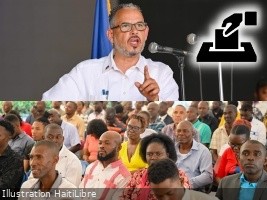
    In a significant address to local governance leaders, Haitian Prime Minister Alix Didier Fils-Aimé has outlined an ambitious roadmap for national recovery centered on the 2026 general elections. Speaking at the inaugural forum of the National Federation of Communal Administration Council (CASEC), the Prime Minister declared 2026 as both an election year and a period marked by unrestricted movement of people and goods throughout the country.

    The cornerstone of this initiative involves establishing robust security frameworks as an essential precondition for credible elections. Fils-Aimé, who also serves as President of the Superior Council of the National Police (CSPN), emphasized the creation of Security Councils across all communal sections. These bodies will implement structured mechanisms for sharing critical security intelligence between local authorities and central government agencies, enhancing coordination and response capabilities.

    In a move to strengthen institutional cohesion, the government pledged to address longstanding financial grievances by settling a substantial portion of the 23 months of salary arrears owed to local elected officials. This gesture recognizes their pivotal role in maintaining governance structures and national stability.

    The Prime Minister, accompanied by Interior Minister Paul Antoine Bien-Aimé, reiterated his administration’s unwavering commitment to neutralizing armed groups and fully restoring state authority. This security consolidation is deemed fundamental for the emergence of legitimate elected institutions in 2026.

    Adding a dimension of national unity, the government announced that each communal section will receive television equipment and solar panel systems to support public viewing of the 2026 World Cup, where Haiti’s national team, the Grenadiers, will participate. This initiative aims to foster collective pride and hope throughout the Haitian Nation.

  • Health : Launch of the national project «My Cleanliness, My Health»

    Health : Launch of the national project «My Cleanliness, My Health»

    In a significant public health mobilization, Haiti’s Ministry of Public Health has inaugurated a sweeping national initiative titled “Pwòpte m se sante m” (My Cleanliness, My Health). Spearheaded by the Directorate of Health Promotion and Environmental Protection, this multi-faceted program represents a strategic response to the nation’s critical hygiene and sanitation challenges.

    The project specifically targets high-risk environments where vulnerable populations face elevated health threats, including prisons, displacement camps, and regional healthcare facilities. These locations have been identified as breeding grounds for infectious diseases such as cholera, scabies, and various parasitic conditions that thrive in unsanitary conditions.

    Organized around four strategic pillars, the initiative encompasses comprehensive interventions:

    1. Prison Sanitation Enhancement: Implementing intensive decontamination protocols, disinfecting living quarters and sanitation facilities, conducting fumigation against disease vectors, and rehabilitating critical water access points to meet established hygiene standards.

    2. Displacement Camp Support: Establishing regular sanitation services and permanent community health posts in Port-au-Prince’s densely populated displacement camps through organized clean-up campaigns, improved waste management systems, and reinforced WASH (Water, Sanitation, and Hygiene) infrastructure.

    3. Mobile Medical Services: Deploying mobile clinic units to provide incarcerated individuals with direct healthcare access, including comprehensive medical consultations, systematic screening for tuberculosis, STIs/HIV, and scabies, alongside essential medication distribution.

    4. Hospital Infection Control: Strengthening hygiene protocols in departmental hospitals through targeted decontamination of critical care areas including delivery rooms and surgical theaters, alongside implementing safe biomedical waste disposal systems to meet prevention standards.

    This coordinated effort marks a proactive approach to epidemic prevention through environmental health improvements, representing one of Haiti’s most comprehensive public health interventions targeting institutional sanitation infrastructure.

  • FLASH : A Haitian migrant dies in the USA, one day after his arrest

    FLASH : A Haitian migrant dies in the USA, one day after his arrest

    A tragic incident at a New Jersey immigration facility has raised serious questions about detention center conditions and transparency. Jean Wilson Brutus, a 41-year-old Haitian-American man, died just one day after being taken into custody at Delaney Hall in Newark, according to U.S. Immigration and Customs Enforcement (ICE).

    ICE officials attributed Brutus’s December 2025 death to what they described as a “medical emergency” resulting from “natural causes.” However, this explanation has been met with skepticism from immigrant advocacy organizations who note the agency’s own admission that Brutus displayed no signs of distress during intake processing and had no documented history of cardiovascular problems.

    The circumstances surrounding the week-long delay in publicly acknowledging Brutus’s death have further fueled concerns. Kathy O’Leary, an activist who organizes vigils at the detention facility, emphasized the unanswered questions: “Was he denied essential medication? Did he receive improper treatment? These are precisely the types of concerns we consistently encounter.”

    ICE’s subsequent disclosure of Brutus’s criminal record— detailing four arrests between July 2024 and November 2025— has been criticized by advocacy groups as a deliberate strategy to shift blame and criminalize the victim rather than address institutional accountability.

    Delaney Hall, which opened earlier in 2025 as one of the nation’s largest migrant detention centers, has faced previous controversies regarding substandard conditions including inadequate hygiene, poor nutrition, severe overcrowding, and security failures—most notably a June 2025 riot that resulted in four escapes. The facility has also become a focal point for political tensions, culminating in the arrest of Newark’s mayor during a protest at the site last May. Brutus’s death marks the first fatality recorded at the controversial facility.

    In response to the incident, several Democratic legislators including Senator Cory Booker have demanded both a transparent investigation into Brutus’s death and the immediate closure of the detention center, characterizing the operation as “a stain on our community’s conscience.”

  • ALERT : CFI warns the public about a scam

    ALERT : CFI warns the public about a scam

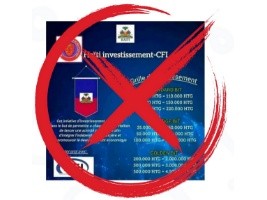
    The Investment Facilitation Center (CFI), Haiti’s official governmental investment promotion agency, has issued an urgent public warning regarding an elaborate financial scam operation that is fraudulently utilizing its institutional identity. This sophisticated scheme, primarily circulating through Facebook via the “Trading forex” page, promotes a bogus investment program under the deceptive title “Haiti Investment-CFI.

    The fraudulent operation lures potential victims with unrealistic promises of substantial financial returns through foreign exchange trading investments. In an official statement released on December 20, 2025, CFI authorities categorically denied any association with this criminal activity, emphasizing that the center neither offers such investment schemes nor solicits financial contributions from the public under any circumstances.

    CFI officials have characterized the unauthorized use of the agency’s name and official logo as both illegal and intentionally deceptive. The center has advised all citizens to exercise extreme caution and refrain from transferring any funds to the fraudulent organization.

    As Haiti’s legitimate government entity responsible for promoting and facilitating private investment, the CFI clarified its actual mandate focuses exclusively on assisting entrepreneurs and investors with administrative procedures and regulatory guidance. The agency emphasized it does not manage investment funds or guarantee financial returns, distinguishing its legitimate services from the false promises of the scam operation.

    The institution has directed the public to verify all communications through its authenticated channels, including its official Facebook presence at www.facebook.com/CFIHAITI and its primary website at www.cfi.ht, to confirm the legitimacy of any investment opportunity claiming CFI affiliation.

  • Economy : The IMF finds the implementation of Haiti’s Staff-Monitored Program encouraging

    Economy : The IMF finds the implementation of Haiti’s Staff-Monitored Program encouraging

    The International Monetary Fund has granted approval for the second review of Haiti’s Staff-Monitored Program (SMP), simultaneously authorizing a nine-month extension of the initiative through September 2026. This decision comes as the Caribbean nation continues to navigate extreme security challenges, institutional fragility, and significant capacity constraints under the SMP framework—an informal agreement designed to establish policy implementation track records that could eventually qualify Haiti for formal financial assistance.

    Haiti’s economic landscape remains profoundly fragile amid relentless domestic and external pressures. Real GDP contracted for the seventh consecutive year in FY2025 as gang violence intensified across the nation, while annual inflation persisted at approximately 32%. Compounding these challenges, three major external factors threaten additional strain: the impending expiration of Temporary Protected Status for Haitians in the United States in February 2026, the non-renewal of the HOPE/HELP preferential trade agreement that lapsed in September 2025, and Hurricane Melissa’s devastating impact in October 2025, which caused substantial loss of life and widespread damage to infrastructure and agricultural areas.

    Despite these overwhelming obstacles, program implementation has yielded encouraging results. All quantitative and indicative targets for the end-June test date were successfully met, with monetary financing of the fiscal deficit maintained at zero, social spending reaching programmed targets, and revenue performance staying on track. International reserves continued to accumulate, supported by robust remittance inflows and foreign exchange purchases, reaching nearly US$1.5 billion by end-July 2025.

    The extended SMP will focus on preserving macroeconomic stability and reform momentum while allowing political and security conditions to stabilize. Key priorities include advancing governance reforms to address systemic fragility, enhancing revenue mobilization, improving public financial management efficiency, and strengthening the central bank’s policy frameworks. The extension will also enable a more comprehensive assessment of international initiatives, including the UN’s Gang Suppression Force and the OAS’s ‘Haitian Led Roadmap for Recovery and Peace’.

    Critical reform areas emphasize transparency and accountability in public financial management, corruption risk mitigation in revenue administration, and ensuring accountability for serious corruption, organized crime, and money laundering. Haitian authorities are additionally encouraged to complete national assessments for money laundering and terrorist financing to support the country’s removal from the FATF grey list.

    The IMF emphasized that despite these domestic efforts, Haiti continues to require substantial international financial support—preferably in grant form rather than non-concessional loans—to address immediate humanitarian, social, and economic needs while preserving debt sustainability. Grant financing is deemed essential for placing Haiti’s economy on a steady and sustainable growth trajectory that could ultimately improve living conditions for its citizens.

  • FLASH : Countries pledge up to 7,500 troops to the GSF in Haiti

    FLASH : Countries pledge up to 7,500 troops to the GSF in Haiti

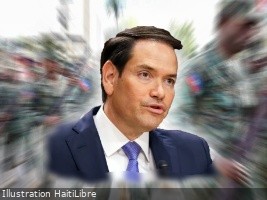
    WASHINGTON – In a significant development addressing Haiti’s security crisis, U.S. Secretary of State Marco Rubio announced on December 19 that international partners have committed approximately 7,500 personnel to the newly established Gang Suppression Force (GSF). The announcement came during a press conference where Rubio revealed that the pledged forces substantially exceed the initial United Nations Security Council authorization of 5,500 troops under Resolution 2793.

    The robust international response follows a December 9 closed-door donor conference co-hosted by the United States and Canada at the United Nations headquarters. According to official statements, eighteen participating nations have committed personnel, financial resources, and technical expertise to support the multinational security initiative.

    This security deployment aims to counter heavily armed criminal factions that have seized control of approximately 80% of Haiti’s capital, Port-au-Prince. These gangs, reportedly equipped primarily with weapons smuggled from the United States, have expanded their territorial control into provincial areas, creating a devastating humanitarian emergency. The escalating violence has displaced an estimated 1.4 million Haitians from their homes and exacerbated severe food insecurity throughout the Caribbean nation.

    Secretary Rubio emphasized that international donors have demonstrated strong financial support for the security mission, though specific funding amounts were not disclosed during the announcement. The enhanced troop commitments reflect growing international concern about the stabilization of Haiti’s security situation and the urgent need to address the interconnected humanitarian crisis.

  • USA : Two Haitians charged in a fraud case involving nearly $7 million USD

    USA : Two Haitians charged in a fraud case involving nearly $7 million USD

    Federal prosecutors in Massachusetts have unsealed charges against two Haitian immigrants for allegedly orchestrating a sophisticated fraud operation that siphoned nearly $7 million from the Supplemental Nutrition Assistance Program (SNAP). The defendants, identified as 74-year-old naturalized citizen Antonio Bonheur and 21-year-old lawful permanent resident Saul Alisme, face serious federal charges for exploiting the nutrition assistance program over a 20-month period.

    The scheme centered around two modest retail establishments—Jesula Variety Store and Saul Maché Mixé Store—operating from a shared commercial space in Boston’s Mattapan neighborhood. Federal investigators documented that both stores maintained exceptionally small footprints of 150 and 500 square feet respectively, carrying minimal grocery selections that contradicted their enormous SNAP transaction volumes.

    According to court documents, the operations demonstrated financially implausible patterns, with one location allegedly processing over $100,000 monthly in benefits—sometimes spiking to $500,000—far exceeding reasonable sales expectations for such limited operations. U.S. Attorney Leah Foley condemned the operation, stating the defendants had ‘transformed a program designed to nourish families into a multimillion-dollar criminal enterprise.’

    Undercover surveillance operations revealed systematic fraud, with agents observing customers exchanging SNAP benefits for cash rather than food items, while store operators retained substantial portions of the benefits. The indictment further alleges the establishments illegally sold alcohol and resold donated food items not intended for retail commerce—both clear violations of SNAP regulations.

    Prosecutors detailed sophisticated money laundering techniques involving multiple bank accounts used to conceal the illicit proceeds. Both defendants now confront charges of food stamp fraud, carrying potential penalties of up to five years imprisonment and $250,000 fines if convicted. The accused have not yet entered pleas, and all allegations remain unproven pending judicial review.

    Law enforcement officials emphasized that this case reveals vulnerabilities in merchant oversight within the SNAP program while explicitly noting that the allegations reflect individual actions rather than broader patterns within immigrant or Haitian communities.

  • FLASH : Large-scale anti-gang operation by the Haitian National Police (PNH) supported by the FRG

    FLASH : Large-scale anti-gang operation by the Haitian National Police (PNH) supported by the FRG

    PORT-AU-PRINCE, Haiti – Haitian security forces initiated a comprehensive counter-gang operation on Wednesday night, December 18, 2025, targeting multiple districts in the capital region. The Haitian National Police (PNH), backed by specialized Gang Suppression Force (GSF) units utilizing helicopter support, conducted coordinated strikes across Pernier, Torcelle, Tabarre, and Croix-des-Bouquets.

    The primary objective of the mission focused on dismantling operations of the notorious terrorist organization ‘Kraze Barye,’ commanded by Vitel’homme Innocent. The United States Department of State has designated a $2 million bounty for information leading to Innocent’s capture, highlighting the international significance of the operation.

    Local residents endured hours of intense violence as security forces engaged armed groups. The operation featured unprecedented use of kamikaze drones delivering powerful explosions, sustained aerial surveillance by GSF helicopters, and extended exchanges of automatic weapons fire that continued into Thursday morning.

    PNH officials confirmed the ongoing nature of the operation, stating that deployed units would maintain their positions indefinitely until achieving strategic objectives. The protracted conflict has resulted in significant transportation disruptions, with major arteries including the Frères road completely blocked to civilian traffic.

    Authorities have maintained operational silence regarding tactical outcomes or casualties. The PNH issued an official communiqué emphasizing that preliminary assessments would be premature while active engagements continue across multiple fronts.