标签: Haiti

海地

  • An American sentenced to 20 years in prison for complicity in the assassination of President Jovenel Moïse

    An American sentenced to 20 years in prison for complicity in the assassination of President Jovenel Moïse

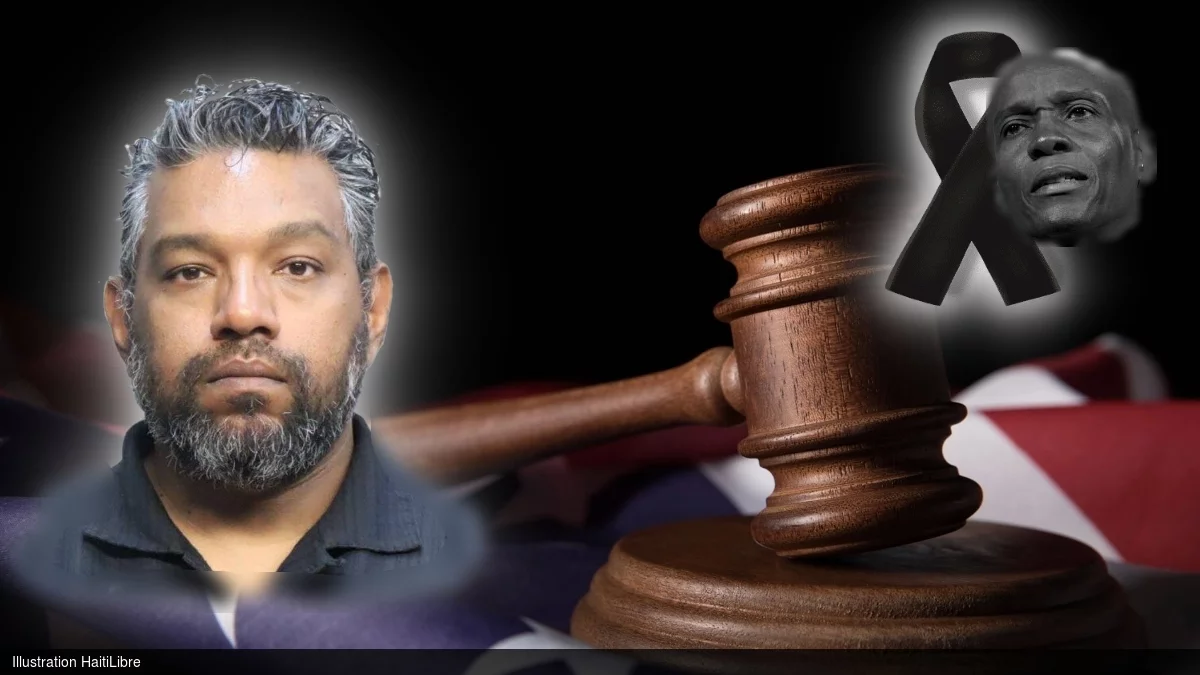
    In a landmark ruling that closes another chapter in the investigation into the 2021 assassination of Haitian President Jovenel Moïse, a U.S. federal judge sentenced 42-year-old Florida resident Keegan Harricharan to two decades in federal prison on July 23, 2026. The sentence comes after Harricharan pleaded guilty to running a pandemic relief fraud scheme that raised hundreds of thousands of dollars to fund the plot that killed the Haitian leader.

    According to official announcements from the U.S. Attorney’s Office for the Southern District of Florida, Harricharan, a resident of Coral Springs, orchestrated a fraudulent scheme to obtain more than $840,000 in U.S. Paycheck Protection Program (PPP) loans—federal funding designed to keep small businesses afloat amid the widespread economic disruption of the COVID-19 pandemic. Rather than using the funds for the intended purpose, Harricharan diverted the taxpayer money to support a conspiracy to overthrow Haiti’s elected government, a plan that culminated in the July 2021 assassination of President Moïse by a team of mercenary commandos.

    Prosecutors detailed that Harricharan leveraged his private company, TNR Holding Group Inc., as a front to receive the fraudulent PPP funds and distribute the money to other co-conspirators involved in the assassination plot. Court documents and official statements confirm that Harricharan actively collaborated with his co-accused to coordinate every critical logistical step of the operation, from sourcing additional financing to acquiring weapons, ammunition, military equipment, and recruiting personnel to carry out the attack.

    “This defendant did more than just commit fraud,” U.S. Attorney Jason A. Reding Quiñones emphasized in an official statement following the sentencing. “He exploited pandemic relief programs designed to support struggling small businesses during a national crisis and laundered those taxpayer-funded funds to contribute to a plot that resulted in the assassination of the Haitian president.”

    Harricharan’s sentencing marks the latest conviction in the U.S. investigation into Moïse’s assassination. Last May, a federal jury in Miami found four of Harricharan’s alleged accomplices—Arcángel Pretel Ortiz, Antonio Intriago, Walter Veintemilla, and James Solages—guilty of conspiracy and murder-related charges for their roles in the plot. With Harricharan’s conviction, a total of nine people have now been found guilty in U.S. federal court for their connections to the high-profile assassination that sent Haiti into a years-long period of political instability and chaos.

  • US Ambassador Henry Wooster’s Farewell Report and Press Conference

    US Ambassador Henry Wooster’s Farewell Report and Press Conference

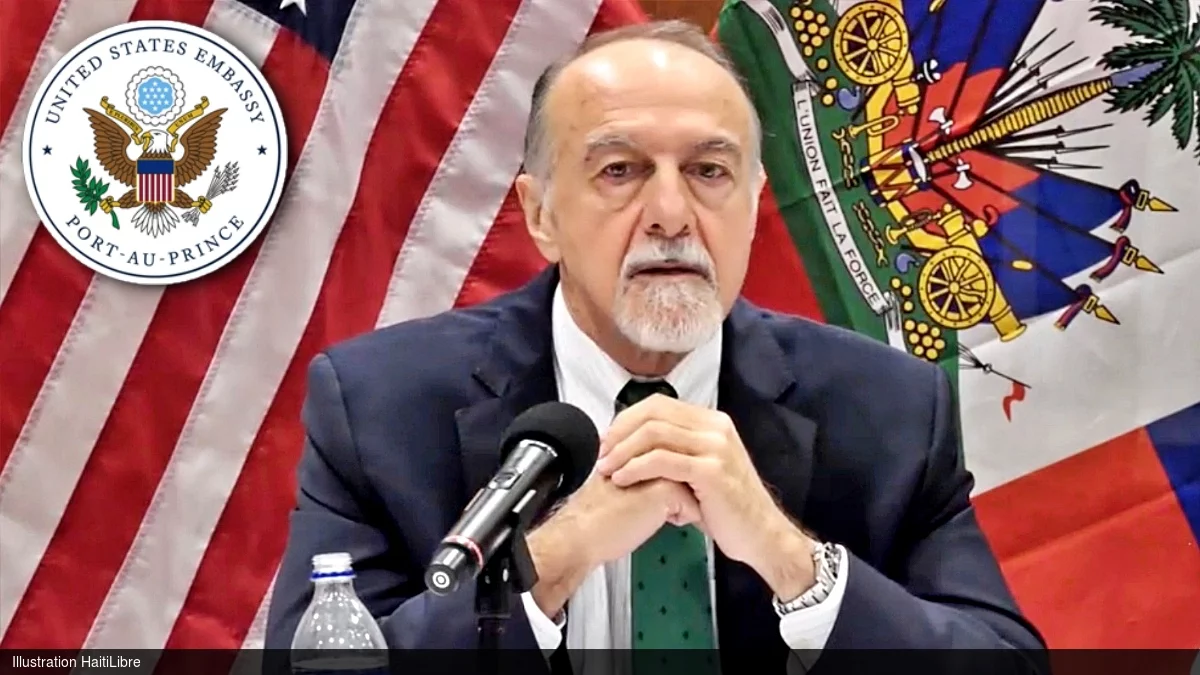
    As Ambassador Henry Wooster prepares to leave his post in Port-au-Prince for a new assignment in Kenya just days after holding his final public address on July 23, 2026, he delivered a comprehensive reflection on his 12-month diplomatic mission in Haiti, breaking down Washington’s core priorities, ongoing bilateral cooperation, and long-term vision for the Caribbean nation.

    Having first served in Haiti 28 years prior to his return in June 2025, Wooster opened his remarks by paying tribute to the Haitian people, noting he continues to be moved by their remarkable resilience in the face of some of the most severe crises the country has faced in modern history.

    At the core of U.S. engagement in Haiti, Wooster emphasized, is the long-term goal of national stabilization. He drew a key distinction between two often conflated terms: security and stability. While the two concepts are connected, Wooster explained, security refers to the immediate operational conditions needed to enable safe, credible democratic elections. Stability, by contrast, is the lasting outcome built on legitimate public institutions, inclusive economic growth, and accountable governance. The sequential path, he argued, is to first establish foundational security, then build long-term stability — a two-step process that will create the conditions for Haiti’s economy to rebound, generate formal employment, allow children to resume in-person schooling, and restore consistent access to life-saving healthcare.

    Addressing the most pressing threat facing Haiti today — the expansion of violent terrorist gang networks that have challenged the very survival of the Haitian state — Wooster highlighted the work of U.S. diplomatic teams both in Port-au-Prince and Washington DC to coordinate international action. Through collaboration with global partners and the United Nations Security Council, the international community launched the Gang Suppression Force (GSF), a multinational security mission that includes deployed troops from Chad, El Salvador, Guatemala, Jamaica, Mongolia, and Sri Lanka. GSF launched its first territorial clearing operations last month, Wooster confirmed, reporting that the force has already detained suspected gang members for processing by Haiti’s National Police (HNP), seized and destroyed illegal weapons caches held by gangs, and reopened key blocked roads to reclaim territory on behalf of the Haitian government. He added that operations will scale up significantly over the summer and fall as additional deploying contingents arrive in country.

    While international security support provides critical time and space for Haitian institutions to rebuild, Wooster stressed that all long-term solutions must be led by Haitian national stakeholders. To build the capacity of domestic security forces, the U.S. Department of State’s P4000 program is currently supporting the HNP to recruit, train, and graduate 4,000 new uniformed officers by early 2027. Additionally, the U.S. Congress recently lifted long-standing restrictions on security cooperation with Haiti’s Armed Forces (FAd’H), clearing the way for institutional renewal. The Haitian government has made rebuilding the military a top priority, with new recruiting, training, and deployment cycles scheduled in the coming months.

    On the democratic governance front, Wooster welcomed the Haitian government’s public commitment to the Haitian people to restore full democratic rule. He noted that achieving this goal requires collective action across government leadership, private sector actors, and civil society organizations to root out corruption, end widespread impunity for violence and graft, and prioritize the public good over narrow interests.

    Wooster added that even robust security and governance reforms will not deliver lasting stability without expanded economic opportunity. Job creation, he argued, is not only critical for the survival of individual Haitian households, but also provides vulnerable young Haitians with an alternative to recruitment by violent terrorist gangs. He called on Haiti’s private sector to lead national economic recovery efforts, noting that sustained growth strong enough to lift the country out of its ongoing humanitarian crisis will require every business operating at full capacity to expand the nation’s economic base.

    In closing, Wooster reaffirmed that the United States remains the largest single bilateral donor to Haiti, with more than $800 million in active ongoing assistance programs. In 2026 alone, the U.S. has contributed $125 million to the OCHA-managed Humanitarian Pooled Fund, alongside an additional $24 million for emergency food assistance and $11 million to support post-hurricane reconstruction and recovery. “A stable Haiti supports everyone’s interests: Haitian, American, and all nations across the region,” Wooster concluded before opening the floor for questions from reporters.

  • Leisure : Did you know ? #44

    Leisure : Did you know ? #44

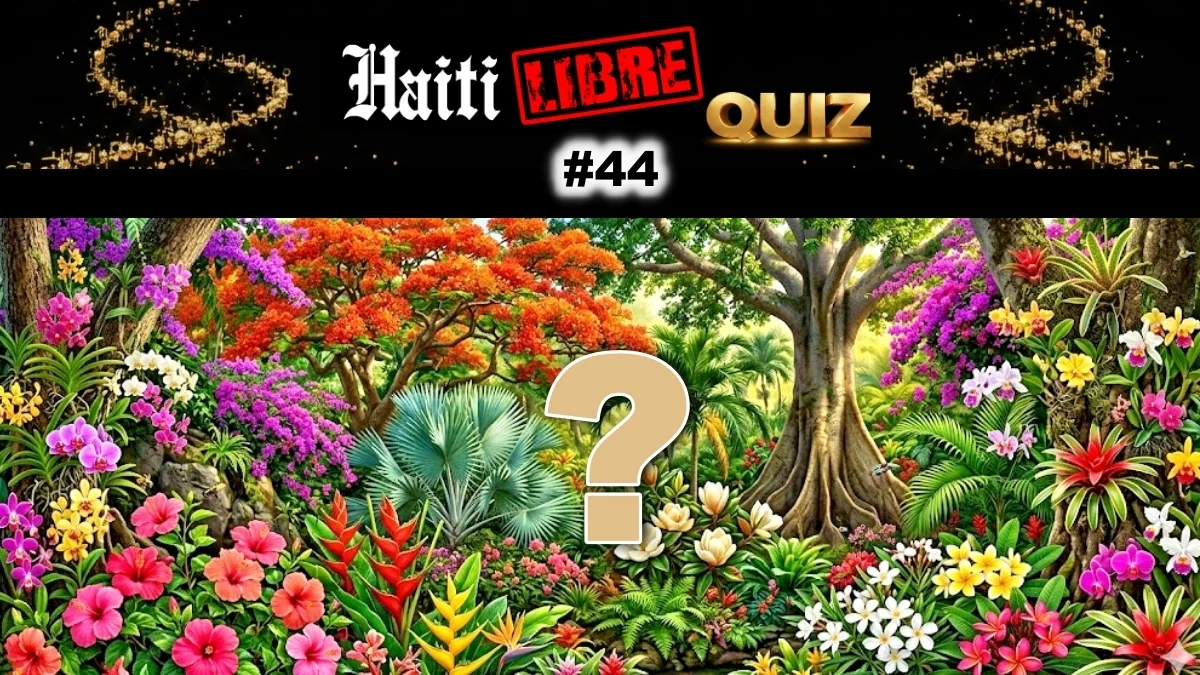
    HaitiLibre, one of Haiti’s leading local news and information platforms, has launched a popular twice-weekly general knowledge quiz segment called “Did You Know?”, designed to help readers deepen their understanding of Haitian culture, history, and natural heritage. In the 44th installment of the series, published on July 23, 2026, the feature poses a question that many casual observers of Haitian life may not know the answer to: What is Haiti’s official national flower?

    The answer reveals the hibiscus, scientifically named *Hibiscus rosa-sinensis* and widely known locally by its Haitian Creole name “Choublack”, holds the honor of being the country’s national floral emblem. More than just a decorative plant, the hibiscus carries deep meaning for Haitian national identity, symbolizing both the striking natural beauty of the Caribbean island and the enduring vitality of its people.

    This hardy, colorful plant grows across every region of Haiti, thriving everywhere from small rural family gardens to compact urban courtyards. Its blooms display a vivid spectrum of warm hues, from brilliant crimson to soft orange-yellow, bringing bright pops of color to communities across the country. Beyond its visual appeal, the hibiscus plays an important role in traditional Haitian culture: its petals are commonly harvested for use in folk medicine, valued for their natural soothing properties, and often brewed into refreshing herbal infusions enjoyed by locals.

    As a national symbol, the hibiscus also stands as a quiet marker of the Haitian people’s well-documented resilience in the face of ongoing social and environmental challenges. Preserving the habitats where this native plant grows is critical to maintaining this important cultural symbol for future generations. Planting hibiscus also delivers tangible ecological benefits: the flowering plant attracts key pollinators including butterflies and hummingbirds, helping to support and strengthen the balance of Haiti’s local ecosystems.

    This fact was shared as part of the official answer key for the latest quiz segment hosted on HaitiLibre’s dedicated QuizHaitiLibre platform, which launched to public interest earlier this year. The platform has expanded rapidly since its debut, with a monthly update cycle that adds new content on a regular basis. On July 1, 2026, the platform added 31 new quiz games, pushing its total catalog of interactive content to 180 unique games covering a wide range of topics.

    Designed to be accessible to learners of all ages and backgrounds, QuizHaitiLibre’s games are completely free to access and do not require users to register for an account to play. Every game offers three tiered difficulty levels—easy, intermediate, and hard—to suit different knowledge bases, and the entire platform is available in both French and English to serve a diverse audience. Topics covered extend beyond Haitian culture and natural history to include global general knowledge, giving curious users the chance to explore a wide range of subjects and test their existing knowledge.

    HaitiLibre encourages users to explore the platform, share it with family and friends, and submit feedback through a dedicated form available at the end of each quiz. The platform’s team emphasizes that the core goal of the segment is to encourage lifelong learning: even if users do not know an answer when they start a quiz, the segment gives them the chance to discover new facts and expand their general knowledge to share with their communities.

  • BRH : Analysis of the macroeconomic and financial situation and outlook for monetary policy (video)

    BRH : Analysis of the macroeconomic and financial situation and outlook for monetary policy (video)

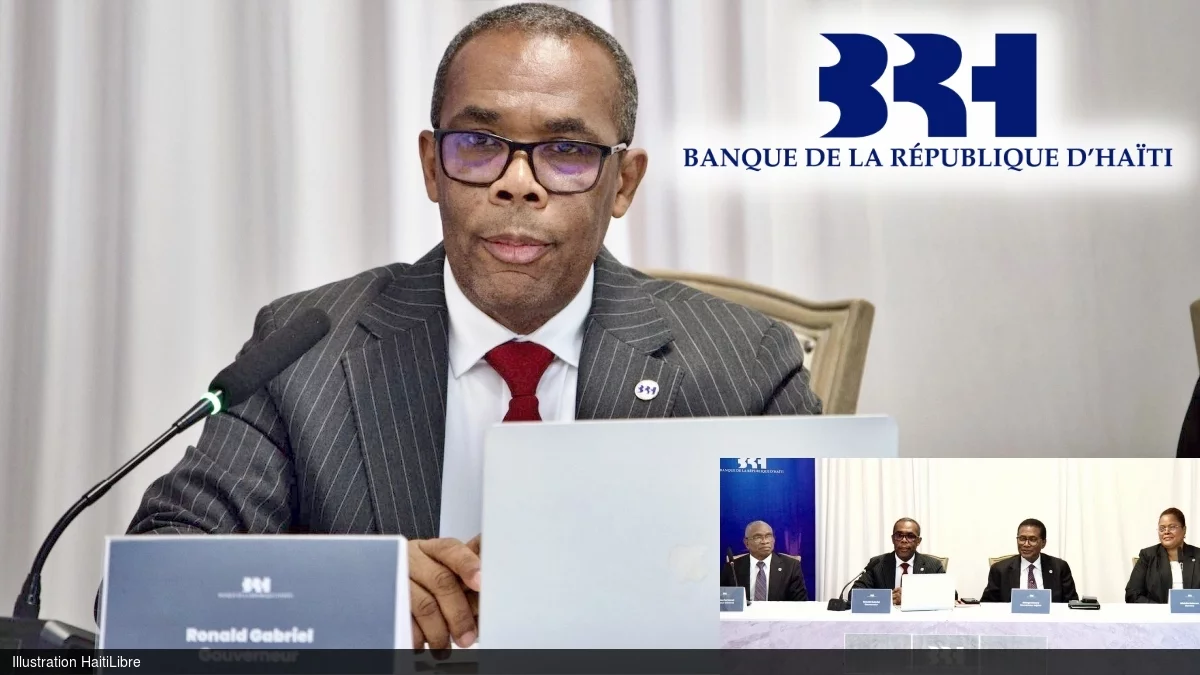
    On July 21, 2026, Ronald Gabriel, the Governor of the Bank of the Republic of Haiti (BRH), hosted a public press conference to deliver a comprehensive assessment of the country’s current macroeconomic and financial landscape, while outlining the central bank’s upcoming monetary policy direction.

    During the briefing, Gabriel outlined a series of key positive gains that the Haitian financial sector has achieved in recent years. Most notably, the country has sustained a steady disinflation trend that has eased cost pressures for households and businesses. In addition, the national exchange rate has held nearly three years of consistent stability, a rare and critical achievement for a small developing economy facing ongoing structural challenges. The central bank has also built up stronger international reserve buffers to shield against external economic shocks, while the domestic banking system has demonstrated unexpected resilience through periods of uncertainty.

    Beyond reviewing current economic conditions, the BRH governing board also walked through the central bank’s ongoing priority projects. These include a sweeping initiative to modernize Haiti’s outdated national payment system, upgrades to banking regulatory frameworks to improve oversight and risk management, and targeted structural reforms to crack down on money laundering and terrorist financing. The central bank has also prioritized expanding access to financial services for unbanked communities and boosting access to affordable capital for small and medium-sized enterprises (SMEs), which form the backbone of Haiti’s informal and formal economy.

    A key topic of discussion during the conference was the progress Haiti has made on its action plan to exit the Financial Action Task Force (FATF) grey list, a designation that has restricted the country’s access to global financial markets in recent years. The governing board noted that ongoing reforms have put the country on track to meet FATF’s requirements, though work remains to solidify those gains.

    Looking ahead, the BRH leadership emphasized that long-term economic growth and stability remain tightly tied to improvements in Haiti’s fragile security situation. Despite ongoing headwinds, Gabriel reaffirmed the central bank’s unwavering commitment to maintaining a prudent monetary policy framework, continuing to advance macroeconomic stability, and rebuilding public and investor confidence in Haiti’s domestic financial system.

  • FLASH : The US Senate rejects the Democrat Bill to extend TPS

    FLASH : The US Senate rejects the Democrat Bill to extend TPS

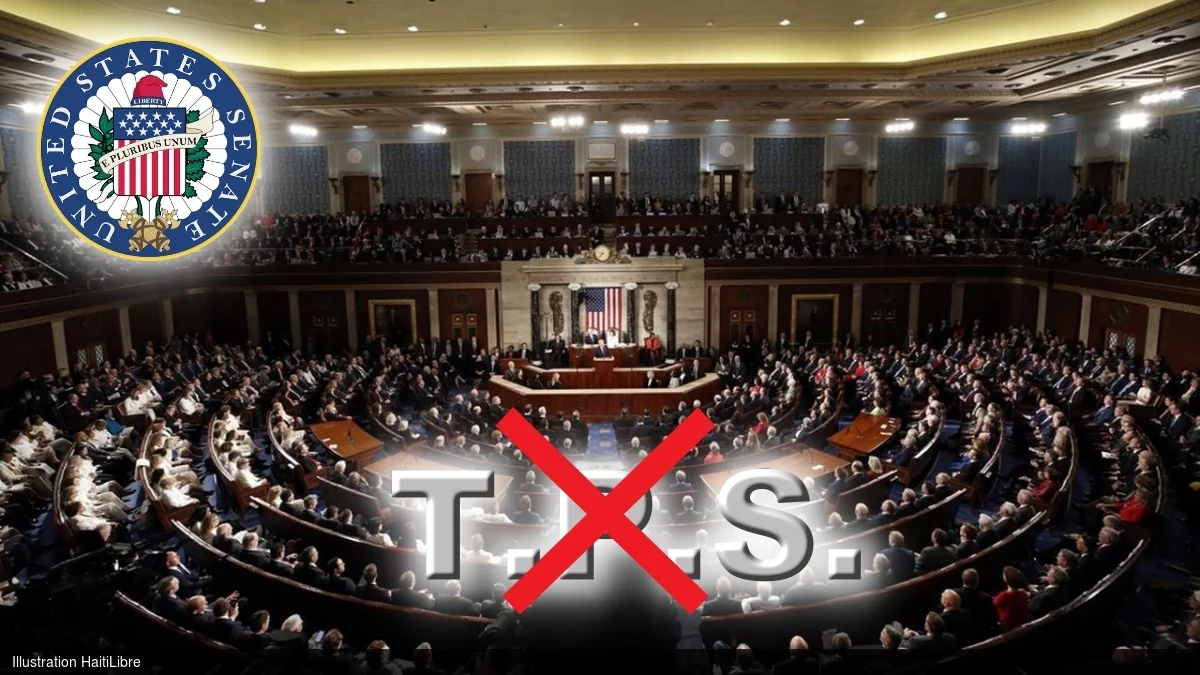
    In a high-stakes vote that has upended the fate of more than 300,000 Haitian residents in the United States, Senate Republicans blocked a bipartisan Democratic-backed bill on July 22, 2026, that would have extended Temporary Protected Status (TPS) for Haitian beneficiaries for an additional three years.

    The legislation, which had already cleared the U.S. House of Representatives earlier this year through a bipartisan process, was brought to the Senate floor by Democratic Senators Ed Markey of Massachusetts and Lisa Blunt Rochester, who requested unanimous consent to advance the bill. The attempt failed after Missouri’s radical right Republican Senator Eric Schmitt placed a block on the measure, just two days before TPS protections for current Haitian enrollees were set to expire on July 24, 2026.

    Schmitt defended his opposition in hardline remarks, arguing that the U.S. cannot function as an open-ended refugee camp and that what he framed as unauthorized residency requires immediate enforcement to remove individuals who have overstayed their permission to live in the country. This rejection marks a major setback for immigrant advocacy groups, which had pushed for the extension as Haiti continues to grapple with widespread political instability, gang violence, and natural disasters that make safe return impossible for most of the TPS holders.

    The bill’s path to the Senate followed a bipartisan vote in the House of Representatives back in April 2026, when House Democrats joined with a handful of House Republicans to advance the same extension proposal. That bipartisan momentum failed to translate to Senate approval, however, as partisan divisions over immigration policy derailed the legislation.

    Hours after the Senate’s rejection, the Federal Court of Appeals based in Washington stepped in to grant a temporary reprieve for the Haitian TPS holders facing imminent loss of their protections and work authorization. The court’s ruling ordered that all existing TPS protections for Haitian beneficiaries cannot be revoked before July 27, 2026, extending the status just long enough to align with the scheduled expiration of current work permits.

    The legal intervention offers only a short-term reprieve, leaving long-term uncertainty for the more than 300,000 Haitian residents who have relied on TPS to live and work legally in the U.S. for years. The outcome also adds to a years-long legal and political battle over TPS, which stretches back to a 2020 Supreme Court ruling that allowed the former Trump administration to move forward with revoking the protected status for Haitian enrollees.

  • FLASH : The Haitian passport allows access to only 17 countries without a visa.

    FLASH : The Haitian passport allows access to only 17 countries without a visa.

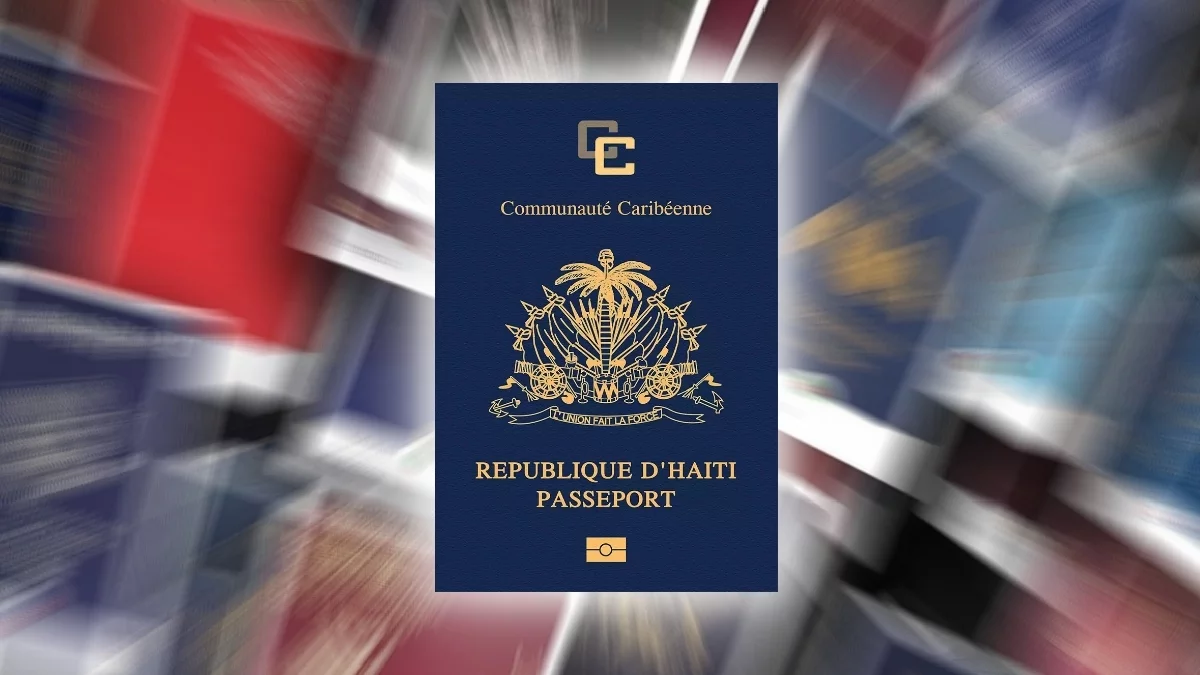
    The 2026 update of the globally respected Henley Passport Index, the leading authoritative ranking of travel freedom based on visa-free access to international destinations, has been released by its British publisher this week, bringing new data on global travel mobility for national passports.

    Built on two decades of historical travel policy data and continuously updated expert analysis of cross-border travel regulations, the Henley Passport Index tracks 199 separate passports and 227 global destinations, making it a trusted resource for both global travelers and government policymakers shaping travel and immigration policy. For 2026, the ranking confirms that the Haitian passport remains one of the world’s most travel-restricted documents, though it saw a modest two-spot improvement from its 2025 ranking of 89th to 87th globally this year.

    Under the 2026 index rules, Haitian passport holders can access a total of 48 destinations without applying for a prior visa: of these, 17 allow full visa-free entry both before departure and on arrival, an increase of two destinations compared to 2025’s count of 15. The 17 fully visa-free destinations for Haitian citizens are Angola, Barbados, Benin, Cook Islands, Dominica, Grenada, Hong Kong (SAR of China), Kiribati, Malawi, Malaysia, Mauritius, Micronesia, Philippines, Rwanda, Senegal, Singapore, and Taiwan (Chinese Taipei). An additional 31 destinations offer visa-on-arrival access for Haitian travelers, including Bangladesh, Burundi, Cambodia, Comoros, Djibouti, Egypt, Guinea-Bissau, Iran, Israel, Jordan, Kenya, Laos, Macau (SAR of China), Madagascar, Maldives, Mozambique, Namibia, Nepal, Niue, Palau, Palestinian Territory, Samoa, Seychelles, South Korea, Sri Lanka, Tanzania, East Timor, Turkey, Tuvalu, Zambia, and Zimbabwe. All remaining global destinations require Haitian travelers to secure an approved visa in advance of departure. Travel officials note that Haitian citizens should still confirm entry requirements for extended stays or travel for work or study, even for destinations that offer visa-free access for tourism.

    By comparison, Haiti’s neighboring Dominican Republic climbed one spot to 68th globally in 2026, with 70 total visa-free or visa-on-arrival destinations, far outpacing Haiti’s travel access. Across the Caribbean region, Haiti ranks dead last in passport power, falling behind the next-lowest Caribbean nation Cuba, which holds the 79th global position. The region’s top passports are led by Barbados at 19th globally, with access to 163 destinations, followed by the Bahamas (20th, 161 destinations), Saint Kitts and Nevis and Saint Vincent and the Grenadines (tied 21st, 159 destinations), Antigua and Barbuda (24th, 154 destinations), and Grenada (26th, 152 destinations).

    At the opposite end of the global ranking, the 2026 index names Singapore as holding the world’s most powerful passport, with visa-free access to 192 global destinations. Japan, South Korea, and the United Arab Emirates are tied for second place, each offering their citizens visa-free access to 188 destinations, while Sweden rounds out the top five with access to 187 destinations.

  • Leisure : Did you know ? #43

    Leisure : Did you know ? #43

    As part of its popular biweekly general knowledge series “Did You Know?”, Haiti-based digital platform HaitiLibre has shared a new interesting fact entry from its Quiz.HaitiLibre initiative, this time focusing on a defining geographic feature of Europe. The entry answers a common trivia question: which river holds the title of Europe’s second-longest waterway, following only Russia’s Volga.

    The answer is the Danube, a massive watercourse that stretches nearly 2,850 kilometers across Central and Eastern Europe. Beyond its impressive length, the river carries outsized geopolitical and historical significance, as it directly crosses or forms the natural border of 10 sovereign nations: Germany, Austria, Slovakia, Hungary, Croatia, Serbia, Romania, Bulgaria, Moldova and Ukraine. For centuries, it has served as a critical natural trade and transportation route linking communities across the continent.

    What makes the Danube truly unique globally is that it passes through four national capitals: Vienna (Austria), Bratislava (Slovakia), Budapest (Hungary) and Belgrade (Seria)—a distinction no other river on Earth can claim. Ecologically, the Danube’s vast hydrographic basin supports extraordinary levels of biodiversity, much of which is actively protected, particularly in its sprawling delta region on the Romanian coast.

    Culturally, the river has long been a source of inspiration for creators across generations. One of the most famous cultural works tied to the Danube is Johann Strauss II’s iconic *Blue Danube Waltz*, a composition that has come to symbolize the enduring cultural connection between all communities that live along the river’s banks.

    This fact entry is pulled from the answer key of the platform’s existing expert-level European geography quiz, and it comes as part of the platform’s regular monthly content updates. On July 1, 2026, HaitiLibre added 31 new quiz games to its collection, bringing the total number of available interactive trivia games to 180. The platform consistently adds fresh content on a monthly basis to keep audiences engaged.

    All of Quiz.HaitiLibre’s exclusive games are free to access, require no user registration, and are designed to suit audiences of all age groups. Each quiz topic offers three distinct difficulty levels—easy, intermediate, and expert—to match different knowledge backgrounds, and all content is available in both French and English. Visitors can browse topics covering Haiti, global affairs, and a wide range of other general knowledge themes to test and expand their understanding, and the platform encourages users to share the resource with friends and family and submit feedback through a comment form available at the end of every game.

  • Restoring ecosystems to strengthen climate resilience in Haiti

    Restoring ecosystems to strengthen climate resilience in Haiti

    On July 22, 2026, a landmark 48-month initiative to strengthen climate disaster resilience across Haiti’s southern regions was officially launched at a Port-au-Prince workshop, marking a coordinated multilateral effort to address the country’s extreme vulnerability to climate shocks.

    As a Small Island Developing State and Least Developed Country grappling with decades of severe environmental degradation, Haiti consistently ranks among the world’s most at-risk nations for climate-related disasters. Communities across the country already face recurring, devastating events including hurricanes, prolonged droughts, flash floods, and deadly landslides—crises that are projected to intensify as global temperatures rise.

    The new initiative, titled “Strengthening Resilience to Climate Disasters in Southern Haiti,” is led by Haiti’s Ministry of the Environment (MdE) and Ministry of Agriculture, Natural Resources and Rural Development (MARNDR), in partnership with the United Nations Environment Programme (UNEP) and the Food and Agriculture Organization of the United Nations (FAO). The project carries a total investment of $16 million, including $4.3 million in core funding from the Global Environment Facility’s (GEF) Least Developed Countries Fund, alongside $11.7 million in complementary co-financing.

    Over four years, the project will directly support more than 115,000 residents who rely on the already stressed ecosystems of Grand’Anse and Nippes departments, building their ability to adapt to climate impacts. “This project reflects the Haitian government’s commitment to placing environmental protection and community resilience at the heart of our national adaptation strategy,” said Valéry Fils-Aimé, Haiti’s Minister of the Environment. “The Grand Sud region is paying a heavy price for climate hazards, and we must act now, together, to restore our ecosystems and offer a dignified future to the people who depend on them.”

    The initiative centers on ecosystem-based adaptation, a nature-centric approach that blends habitat restoration with disaster risk reduction to improve community livelihoods. Juan Bello, Regional Director and Representative of the UNEP Bureau for Latin America and the Caribbean, emphasized that this strategy turns natural assets into a frontline defense against climate shocks. “Ecosystem-based adaptation represents a proven technical response that combines nature restoration, risk reduction, and tangible improvements in living conditions,” Bello explained. “Thanks to good governance, the natural capital of southern Haiti can become the communities’ first line of defense against climate shocks.”

    Project interventions will be focused on three core priority areas. First, the initiative will upgrade institutional governance and build capacity at both the national and local levels to reduce climate vulnerability across the targeted regions. Second, it will support local authorities and communities to adopt more sustainable land management practices, expand environmental protection efforts, and restore degraded habitats. Third, the project will develop climate-resilient agricultural value chains and improve smallholder producers’ access to formal markets.

    Pierre Vauthier, FAO Representative in Haiti, framed the work as a critical link between climate action and food security. “Food security cannot be guaranteed without climate security, and vice versa,” Vauthier noted. “Restoring soils and coastal areas, through crop diversification and reforestation, protects communities, their livelihoods, and infrastructure from environmental shocks, while also facilitating access to markets: all concrete levers for transforming vulnerability into sustainable opportunities.”

    A wide range of Haitian national stakeholders are participating in project implementation, including the Directorate of Civil Protection, local municipal authorities, civil society organizations, non-governmental organizations, academic institutions, and the private sector. UNEP and FAO will provide technical and coordination support to these partners throughout the project lifecycle, backed by GEF resourcing.

    Nicole Kouassi, UN Resident and Humanitarian Coordinator in Haiti, reaffirmed the United Nations system’s long-term commitment to supporting Haitian communities amid overlapping climate, environmental, and socio-economic crises. “The United Nations system in Haiti remains fully committed to standing alongside the Haitian people to address the combined climate, environmental, and socio-economic challenges,” Kouassi stated. “This project illustrates the power of coordinated multilateral action to build the resilience of the most vulnerable populations.”

    The Port-au-Prince launch workshop brought together all key stakeholders to review the project’s four-year workplan, align efforts with existing ongoing development and climate initiatives in the region, and surface recommendations for maximizing impact while addressing potential implementation barriers. Following the workshop, project teams will move forward with targeted community engagement activities, strengthen inter-departmental coordination, and conduct participatory needs assessments across the six communes selected for intervention. A Project Steering Committee will oversee regular monitoring of all operational activities, with the overall initiative designed to directly advance Haiti’s existing national strategies for climate adaptation and climate disaster risk reduction.

  • Revitalizing family livestock farming in Haiti in the face of food insecurity

    Revitalizing family livestock farming in Haiti in the face of food insecurity

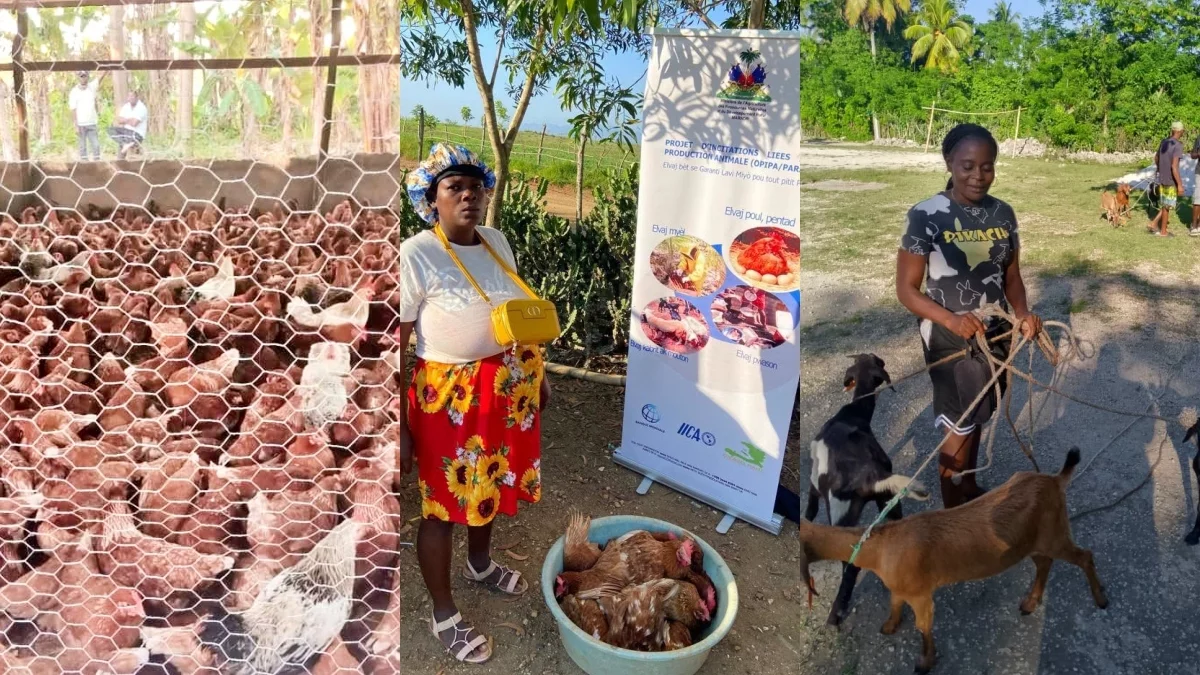
    Haiti continues to grapple with a persistent national food insecurity crisis, and a new multi-stakeholder agriculture initiative is stepping in to rebuild one of the country’s most under-supported food production sectors: family livestock farming. Known as the Resilient Agriculture for Food Security Project (PARSA), the 30-month initiative is led by Haiti’s Ministry of Agriculture, with core funding provided by the World Bank. Its specialized livestock production incentive sub-component is delivered with technical expertise from a partnership between the Inter-American Institute for Agricultural Cooperation (IICA) and local Haitian non-governmental organization Giradel-Haiti.

    The project targets 32 communes across four of Haiti’s departments: Central, Grande Anse, Nippes, and South. A full breakdown of participating communes includes Maïssade, Thomassique, Hinche, Cerca la Source, Cerca Cavajal, and Thomonde in the Central Department; Roseaux, Jérémie, Marfranc, Beaumont, Moron, Corail, and Pestel in Grand’Anse Department; Petit Trou de Nippes, Baradères, Miragroane, Fonds des Nègres, L’Azile, and Arnaud in Nippes Department; and Saint-Louis-du-Sud, Cavaillon, Aquin, Chantal, Arniquet, Saint-Jean-du-Sud, Les Anglais, Les Chardonnières, Tiburon, Maniche, Camp-Perrin, Torbeck, and Les Cayes in the South Department.

    To deliver long-lasting impact, the project has built a localized expert team including one sector specialist per target department, four department-level coordinators, and 32 community-based facilitators. This on-the-ground structure focuses on strengthening local capacity, ensuring that interventions remain resilient and self-sustaining once initial project activities wrap up.

    By the end of 2026, the initiative will reach 16,636 small-scale livestock farming households across four priority production sectors: beekeeping, aquaculture, poultry farming (focused on laying hens and guinea fowl in Haiti’s Central region), and small ruminant farming (goats and sheep). Notably, 55% of all identified beneficiaries are women, a demographic disproportionately impacted by Haiti’s food and economic insecurity. Each household will receive a customized technical support package tailored to the specific needs of their operation.

    Rachelle Pierre Louis, Technical Cooperation Coordinator for IICA-Haiti, emphasized that the project’s scope goes far beyond one-time material support. “Our goal is not only to provide animals and equipment, but above all to offer concrete technical support to vulnerable livestock farmers in the affected areas to rebuild their livestock activities and strengthen their resilience to shocks by adopting resilient farming practices,” she explained. The initiative combines initial capital recapitalization for beneficiary households with ongoing guidance to embed long-term sustainability into every activity.

    A core pillar of the project is integrating innovative, climate-adapted practices to modernize small-scale livestock farming and boost long-term productivity. Key innovations include artificial insemination to improve the genetic stock of small ruminants, nutrient-dense lick blocks to support animal health during frequent drought periods, vermiculture to produce low-cost organic protein for poultry feed, and shared apiculture reference centers that give small-scale beekeepers access to expensive equipment needed to produce high-value hive products such as propolis, royal jelly, and raw honey. For aquaculture producers, the project is testing the integration of compost into fish feed to cut input costs. Cross-departmental internship opportunities will also help spread successful practices across regions.

    Emmanuel Calixte, Executive Director of GIRADEL Haiti, noted that livestock farming has long been sidelined in Haitian agricultural development policy, despite its outsized role for rural households. “The project helps to promote livestock farming, often neglected in favor of other production sectors, even though it constitutes an important source of income, savings, and a means of improving food security,” he said. Calixte added that hands-on training from project extension workers builds the technical skills producers need to navigate challenges and capitalize on opportunities to grow their operations.

    Early beneficiary testimonials highlight the transformative impact of the project on rural household livelihoods. Fleury Marducia, a participant in Asile commune’s Changeux section, explained that the layer chickens provided through the initiative have already generated steady income. “The chickens the project gave me allowed me to produce enough eggs. I was able to sell them so far for 7,500 gourdes. With this money, I bought a pig. Today, the pig is growing well, and I cherish it,” she said.

    Caristil Angelo, a beneficiary from Moron commune’s Source-Chaude section, received three female goats and one male goat through the project, and credits the provided training for his early success. “Thanks to the training, I know how to care for them, feed them, and monitor their health. My animals are healthy and represent a real asset for my family,” he noted.

    Another Moron commune beneficiary, Mirlène Jean Pierre, echoed that sentiment, saying her four goats have already put her household on a path to improved food security. “The females will soon give me kids, which will double my capital. It’s invaluable help for me and my family. I thank the project for this support,” she said.

    All beneficiaries are scheduled to receive their full technical packages by October 2026. Prior to distribution, participants complete practical training modules focused on four core skills: developing low-cost animal feed from local resources, preventing common livestock diseases, managing small farms both technically and financially, and effective marketing techniques for farm products.
  • Technology revolutionizes the marking of 9th AF exams

    Technology revolutionizes the marking of 9th AF exams

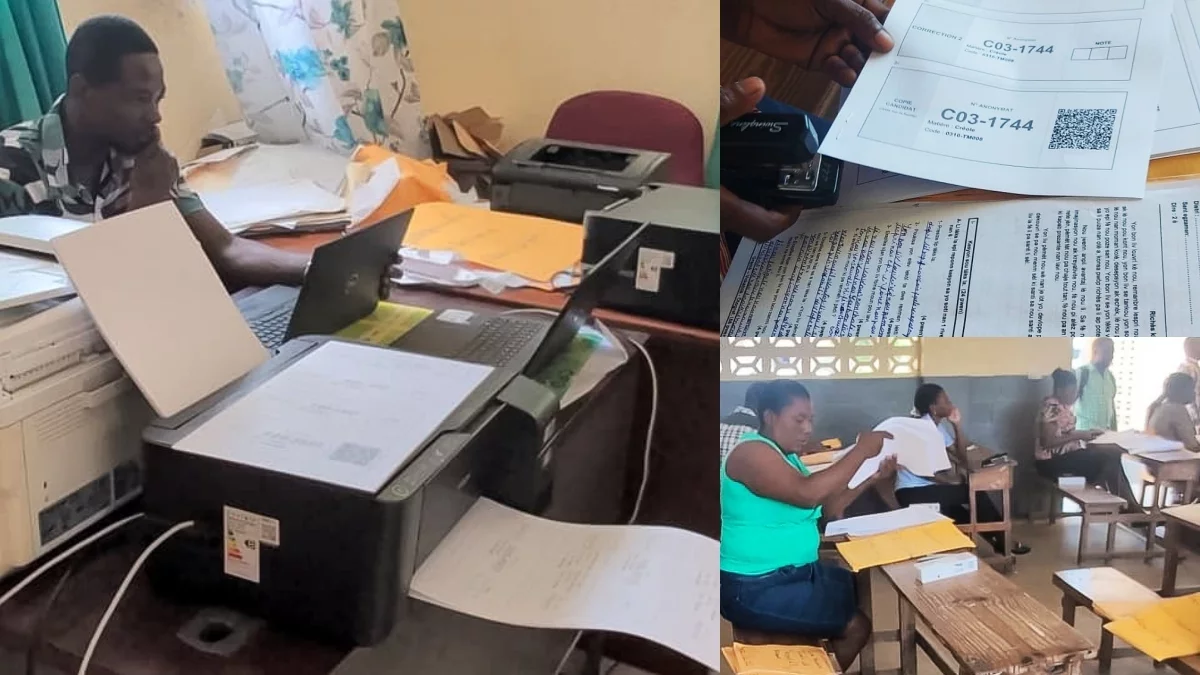
    In a landmark shift for public examination administration, Haiti’s Departmental Directorate of Education for the Northeast (DDE-NE) has launched a fully technology-driven marking process for the 2026 9th AF exams, leaving century-old manual workflows behind. The systemic overhaul was designed to address longstanding vulnerabilities in traditional marking, cut avoidable human error, boost procedural transparency, and ensure every candidate receives a final grade that accurately reflects their actual performance.

    For decades, exam marking in the region relied on partially manual operations, from hand-writing candidate identification codes on marking envelopes to manual entry of finalized scores into central databases. While administrative teams consistently managed the process to the best of their ability, the manual framework carried inherent risks: transcription mistakes, reversed candidate codes, and data entry errors that could ultimately alter a student’s final result and impact their academic trajectory.

    To eliminate these risks permanently, DDE-NE rolled out three key layered innovations as part of its new fully secure marking protocol this exam cycle. First, the department replaced hand-written envelope coding — long the top source of administrative error — with individually generated, strictly confidential secure marking sheets for every candidate and every subject. By securing exam paper identification from the very start of the process, the department has strengthened the reliability of the entire marking workflow.

    The most transformative change comes to post-marking score processing. Where teams once manually transferred marks from marking grids to central digital databases, all grids are now scanned and automatically uploaded to the department’s computer system immediately after marking. This automation cuts the risk of manual data entry errors drastically while also accelerating overall result processing. Every score assigned by an examiner is recorded directly into the system with no intermediate transcription step.

    The digital overhaul has also reshaped the roles of marking center teams, shifting their focus from repetitive administrative work to high-impact quality oversight. Inspectors and operations staff no longer spend hundreds of collective hours entering marks; instead, their core responsibility is now verifying the accuracy of digitized data, flagging potential anomalies, and certifying that results meet compliance standards before final validation. This reorganization lets institutional human resources focus on quality control rather than repetitive tasks, further reducing the chance of preventable error.

    A third key innovation brings full end-to-end traceability to the marking process. For the first time, every examiner is issued a personal electronic badge that automatically logs their arrival and departure from marking sessions, as well as the total number of papers they complete during each shift. This system gives DDE-NE leadership precise, real-time oversight of all operations: every step is traceable, every action is documented, and every staff member’s role is recorded with full transparency.

    Beyond procedural modernization, the reform advances a deeper core goal: upholding fairness for all test-takers. In high-stakes national examinations, a single mark can shape a student’s future academic opportunities, and DDE-NE’s reform prioritizes protecting every candidate’s fundamental right to an accurate assessment of their work. By minimizing human error and expanding layered control mechanisms, the department is working to deliver on that promise.

    This marking overhaul is just the latest step in a months-long push by DDE-NE to digitize all its public education services. Prior reforms have already modernized administrative tracking, staff attendance monitoring, and general education activity management, and the new marking process represents the next milestone in this ongoing digital transformation. Through the initiative, DDE-NE underscores a core principle: technology is not a goal in itself, but a tool to deliver better public governance and a fairer education system for all students in the region.