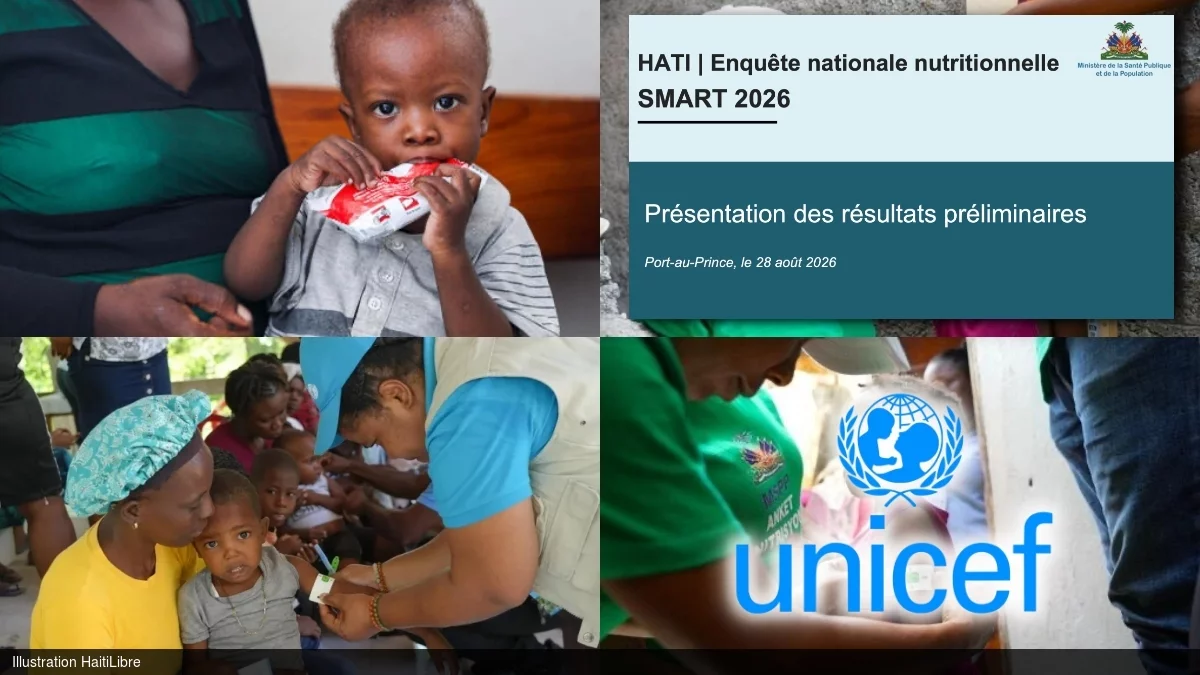
Haiti is facing a deepening public health emergency for its youngest population, according to newly released preliminary data from the 2026 SMART National Nutrition Survey. Published on August 28, the national study tracks a concerning upward trend in acute malnutrition among Haitian children between the ages of 6 and 59 months, with prevalence jumping from 5.1% recorded in the 2023 survey to 7.4% in 2026. Acute malnutrition, categorized as either moderate or severe wasting, or nutritional edema, develops when children lack consistent access to nutrient-dense food and face repeated bouts of illness, and it can turn fatal rapidly without timely, targeted treatment. Children living with severe acute malnutrition face drastically elevated mortality risks, particularly when compounded by preventable illness and lack of access to basic medical care. Yannig Dussart, Deputy Representative of the United Nations Children’s Fund (UNICEF) in Haiti, framed the troubling new figures against the backdrop of systemic instability that has paralyzed daily life across the Caribbean nation. “These results come against a backdrop of persistent insecurity, economic hardship, and humanitarian needs that continue to limit families’ access to adequate nutritious food, healthcare, and nutrition services,” Dussart explained. He emphasized that coordinated, urgent intervention from global and local stakeholders is non-negotiable to guarantee Haitian children access to life-saving nutritional support. The report also notes a alarming escalation in violations of children’s basic rights over the past three years: between 2023 and 2025, serious abuses including deliberate denial of humanitarian access, and targeted attacks on schools and healthcare facilities that provide nutritional services to children, tripled in frequency. Against this grim overall trend, the 2026 survey did document measurable progress on key long-term nutritional indicators. Prevalence of chronic malnutrition, also known as stunting, among children under five fell from 22.8% in 2023 to 17.3% this year. Rates of early initiation of breastfeeding within one hour of birth rose from 48% to 68%, while the share of infants exclusively breastfed for the first six months more than doubled from 17.5% to 33%. Currently, UNICEF and its humanitarian partners are collaborating with Haiti’s Ministry of Public Health to expand access to life-saving nutritional screening and treatment services. This expansion relies heavily on community health workers and mobile medical teams that are deployed to hard-to-reach regions and areas facing persistent insecurity. A full, final analysis of the 2026 survey data, paired with an official Integrated Food Security Phase Classification for Acute Malnutrition (IPC-AMN), is scheduled for publication next month. The combined assessment will shape the strategic direction of ongoing humanitarian and long-term development responses to the crisis. To address the rapidly worsening nutritional emergency, UNICEF has issued an urgent funding appeal as part of its 2026 Humanitarian Action for Children (HAC) initiative. The organization currently faces a 64% funding gap for its nutrition interventions across Haiti. With sufficient financial support, UNICEF and its local partners can scale up life-saving care, protect vulnerable children from the irreversible long-term impacts of malnutrition, and deliver urgent care to the children at highest risk across the country.