标签: Haiti

海地

  • Justice : Towards the implementation of the new penal and criminal procedure codes

    Justice : Towards the implementation of the new penal and criminal procedure codes

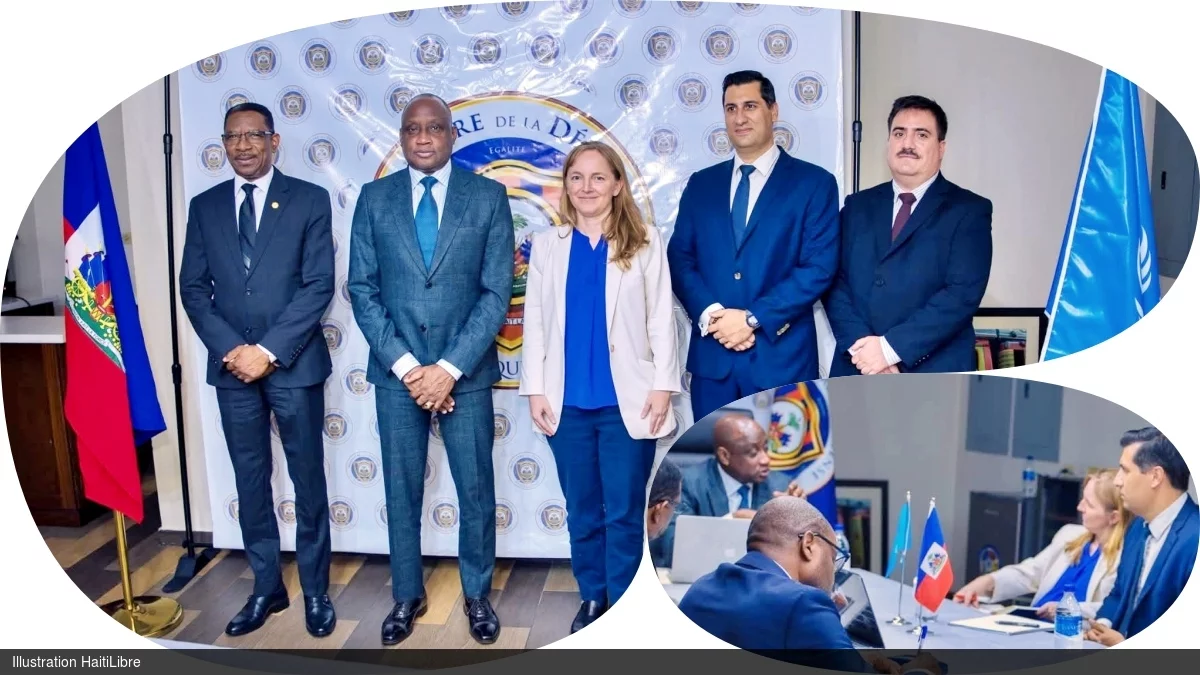
    Haiti has initiated a comprehensive overhaul of its judicial system with the forthcoming implementation of new penal and criminal procedure codes. The transformative process was formally launched at a workshop held at the Montana Hotel, presided over by Patrick Pelissier, the Minister of Justice and Public Security. The event gathered key stakeholders, including representatives from international donor organizations committed to supporting the Haitian government’s legislative modernization efforts.

    Minister Pelissier underscored the profound significance of the reforms, describing their implementation—scheduled for 2027—as a cornerstone for establishing a true rule of law and ensuring the respect of human rights throughout the nation. The initiative represents a pivotal shift in Haiti’s approach to justice and public security.

    Detailing the roadmap for effective execution, Ms. Sabine Boucher, President of the Presidential Commission on the Implementation of Criminal Reform, outlined critical prerequisites. These include the formal adoption of approximately forty implementing texts and the development of a robust training cascade. A core group of twenty trainers will be educated first, who will subsequently be responsible for instructing judicial actors across all jurisdictions nationwide.

    The new legal frameworks integrate international human rights conventions ratified by Haiti, introducing several groundbreaking provisions. Key innovations include a strengthened focus on fundamental rights, enhanced measures to combat organized and financial crime, and updated statutes addressing technology-related offenses. The codes also promote alternatives to imprisonment, signaling a move toward more rehabilitative justice.

    Structural changes within the judicial hierarchy are equally significant. The reform will see the transformation of the Government Commissioner into the role of Public Prosecutor and the establishment of a dedicated judge to review the legality of arrests. Furthermore, it redefines the scope of the Justice of the Peace by removing their capacity to act as a Judicial Police Officer (OPJ), while simultaneously empowering the judicial police with a more substantial role in conducting criminal investigations.

    This monumental project is a collaborative endeavor. The Ministry of Justice is being actively supported by a consortium of major state institutions, including the Superior Council of the Judiciary (CSPJ), the National School for the Judiciary, the State University of Haiti, the Bar School, and the Haitian National Police (PNH). Their combined efforts mark a unified national commitment to modernizing Haiti’s penal legislation and strengthening its entire judicial infrastructure.

  • Politic : PM convened all Gov member’s to discuss efficiency and republican discipline

    Politic : PM convened all Gov member’s to discuss efficiency and republican discipline

    In a decisive move to break from historical inefficiencies, Haitian Prime Minister Alix Didier Fils-Aimé convened a comprehensive working session with all government members on March 7, 2026. The meeting at Villa d’accueil served as the operational launch of the administration’s governance framework, emphasizing strategic priorities and performance-based governance.

    The gathering transcended ceremonial formalities to establish concrete operational parameters. Ministers received detailed sectoral roadmaps complete with control mechanisms and precise performance indicators designed to ensure rigorous implementation of public policies. The administration’s focus on measurable outcomes represents a significant departure from previous governance approaches.

    Financial governance took center stage during discussions, with particular emphasis on Haiti’s macroeconomic situation and public finance management. New authorizing officers received comprehensive briefings on budget preparation and execution protocols, including critical distinctions between operational and investment budgets. The session clarified disbursement procedures under public financial law and reinforced the complementary roles of financial controllers and public accountants in maintaining expenditure regularity and transparency.

    Government authorities highlighted ongoing efforts to strengthen domestic resource mobilization and consolidate fiscal balance within the framework of the 2025-2026 Finance Law. The Prime Minister articulated expectations for united, competent, and action-oriented governance, mandating quarterly submission of ministerial action plans with performance indicators subject to periodic evaluation during Cabinet meetings.

    This conclave established a new paradigm of republican discipline, demanding accountability through structured performance metrics and transparent financial management practices that prioritize national service over previous operational norms.

  • Diplomacy : Official ceremony to greet the new Haitian Chancellor

    Diplomacy : Official ceremony to greet the new Haitian Chancellor

    In a significant diplomatic gathering, Haiti’s newly appointed Minister of Foreign Affairs, Raina Forbin, was formally received by the international community during an official ceremony in Port-au-Prince. The event brought together ambassadors, representatives of international organizations, and consular officials accredited to Haiti, marking a crucial moment in the nation’s diplomatic calendar.

    Minister Forbin assumed her position following a comprehensive government restructuring, stepping into her role as Haiti’s chief diplomat during a period of profound national challenges. The ceremonial reception, conducted in accordance with established diplomatic protocols, provided foreign representatives the opportunity to extend formal greetings to the incoming chancellor.

    In her inaugural address to the diplomatic corps, Minister Forbin articulated a clear vision for Haiti’s foreign policy direction. She expressed profound appreciation for the international community’s sustained engagement with Haiti and emphasized the government’s commitment to fostering dialogue and mutual respect in international relations. The minister specifically highlighted four critical priority areas requiring urgent attention: national security restoration, the organization of transparent elections, economic revitalization, and addressing the ongoing humanitarian emergency.

    Minister Forbin explicitly acknowledged Haiti’s gratitude toward international partners supporting institutional strengthening initiatives, particularly those aimed at enhancing security capabilities and promoting national stabilization. She affirmed that Haitian diplomacy would maintain an actively mobilized stance to facilitate enhanced cooperation mechanisms with global partners.

    Concluding her remarks, the Foreign Minister reaffirmed the government’s dedication to steering Haiti through its current transitional period while appealing for sustained international solidarity to support the nation’s journey toward security, institutional stability, and sustainable development.

  • Education : Who is Vijonet Déméro, the new Minister of National Education ?

    Education : Who is Vijonet Déméro, the new Minister of National Education ?

    Haiti’s educational landscape is poised for transformation under new leadership as Dr. Vijonet Déméro officially assumed the role of Minister of National Education on March 4th, 2026. The seasoned educator took his oath of office before Prime Minister Alix Didier Fils-Aimé, who emphasized the critical nature of this appointment during the swearing-in ceremony.

    Prime Minister Fils-Aimé characterized the education portfolio as a strategic sector central to national priorities, stating that Haitian schools must evolve into spaces of knowledge, discipline, equity, and hope. He expressed confidence in Dr. Déméro’s dynamism and capacity to implement rapid, meaningful progress in the country’s educational framework.

    In his inaugural address, Minister Déméro outlined an ambitious vision for educational reform, declaring the necessity for leadership, innovation, and systemic change. His transformative approach aims to reconceptualize Haitian schools as engines of social and economic mobility rather than mere knowledge transmission centers.

    The newly appointed minister unveiled a comprehensive 15-point agenda addressing critical areas including educational governance, multilingual education, vocational training, digital innovation, and international university partnerships. Additional priorities encompass mental health support services, digitalization of state examinations, strengthened school-community relationships, civic engagement programs, and reformed teacher recruitment policies.

    Dr. Déméro brings over three decades of educational expertise to the position, holding a doctorate in educational leadership from the University of the Virgin Islands. His professional background includes extensive teaching, research, and scholarly publication focused on developing leaders capable of transforming Haitian society through education.

    Currently serving as professor at both the University Institute for Executive Training (INUFOCAD) and the State University of Haiti’s Faculty of Ethnology, Déméro maintains an active role in national educational development. His credentials are further strengthened through membership in CONASTI (National Commission for Science, Technology, and Innovation), where he contributes to strategic planning for Haiti’s scientific and technological advancement.

    Renowned for his intellectual rigor and educational vision, Déméro’s appointment signals a commitment to restructuring Haiti’s education system based on competence, visionary leadership, and profound understanding of the country’s educational challenges. His career demonstrates a steadfast conviction that Haiti’s national renewal must be grounded in substantive, well-structured educational reform.

  • Security : 10 million euros for the construction of 5 anti-gang operational bases

    Security : 10 million euros for the construction of 5 anti-gang operational bases

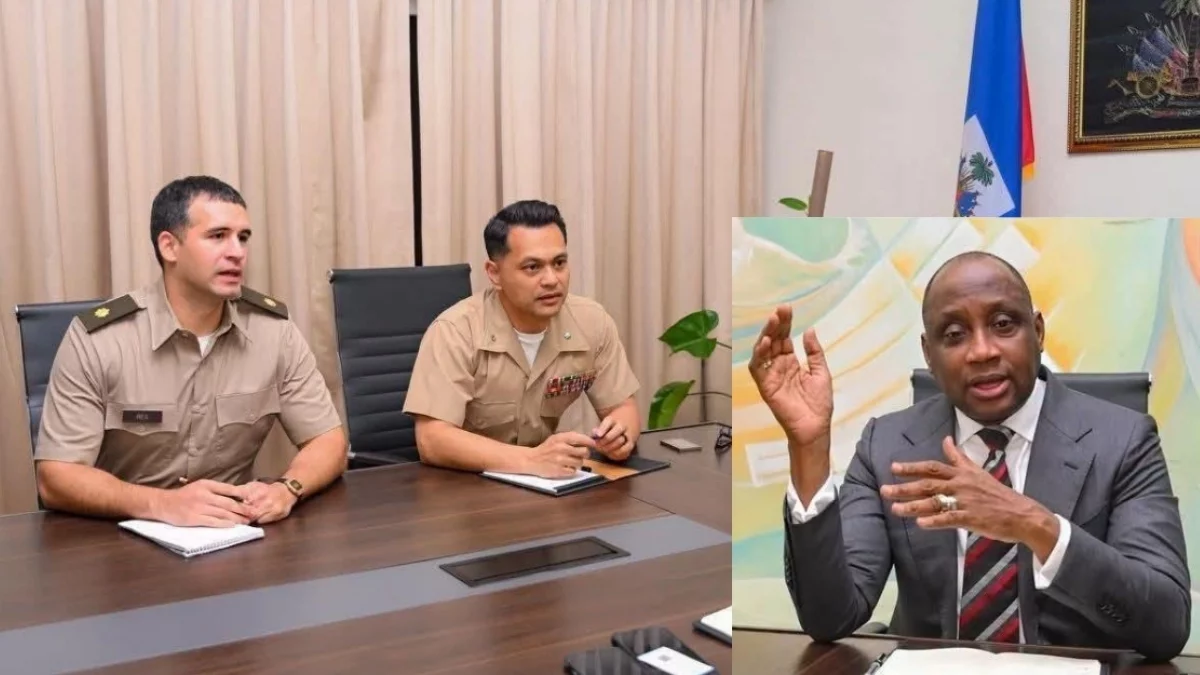
    In a significant move to address Haiti’s escalating security crisis, the European Union has committed €10 million ($10.7 million) to establish a network of anti-gang operational bases throughout the country’s West Department. The project was formally presented on March 5, 2026, during a high-level working meeting between Haitian National Police (PNH) leadership and a joint delegation from the European Union and Organization of American States (OAS).

    This comprehensive security initiative involves the construction and rehabilitation of five Forward Operational Bases (FOBs) complemented by multiple combat outposts. The Haitian National Police, serving as the primary implementing agency, will identify strategic locations based on current security assessments and recently liberated territories. Construction is scheduled to commence in March 2026 with an anticipated completion timeline of 18 months.

    The FOB project represents an integrated approach to law enforcement infrastructure rather than mere construction. These facilities will function as centralized hubs operational efficiency, jointly housing personnel from the Haitian National Police and the specialized Gang Repression Force (FRG). Each base will feature complete logistical support systems including supply chains, mobile maintenance units, centralized kitchen facilities, and critical medical trauma centers for immediate battlefield treatment.

    This strategic investment enables decentralized deployment of security forces, ensuring continuous deterrent presence throughout metropolitan areas. The primary objective focuses on consolidating government control over territories recently reclaimed from gang dominance through enhanced operational capabilities and rapid response coordination.

  • UEH-CEP Electoral Chair : First big day of exchanges

    UEH-CEP Electoral Chair : First big day of exchanges

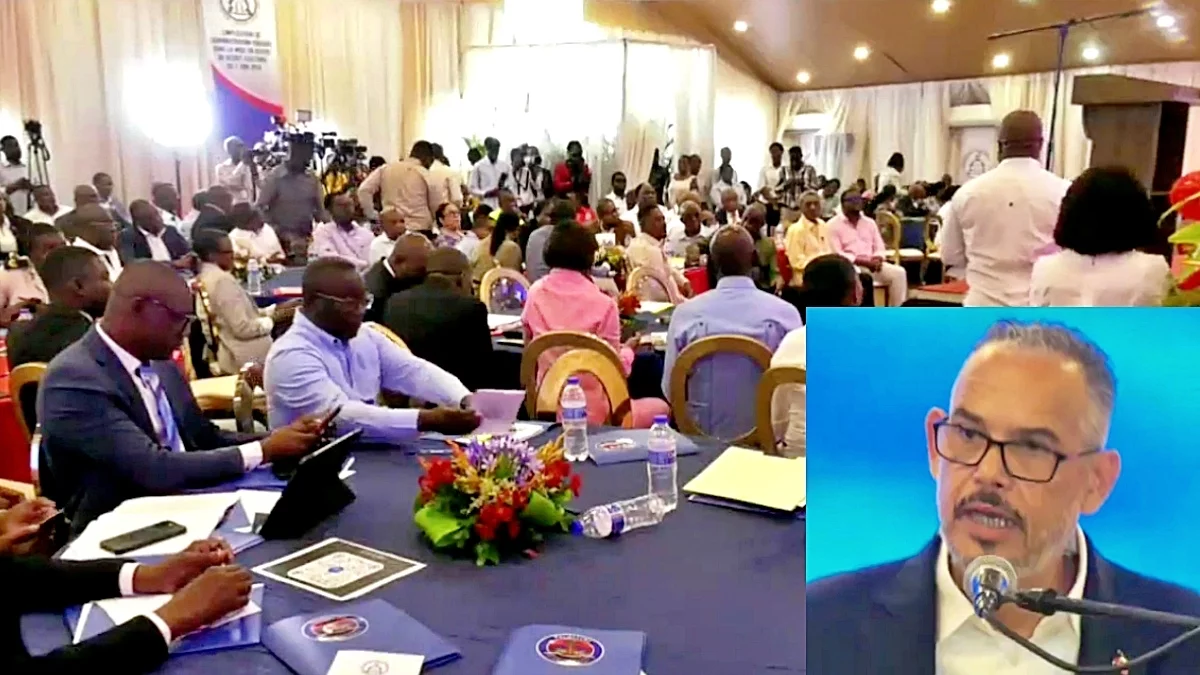
    In a landmark initiative to strengthen Haiti’s democratic foundations, the State University of Haiti (UEH) and the Provisional Electoral Council (CEP) have launched a comprehensive academic-electoral partnership. The UEH-CEP Electoral Chair convened its inaugural symposium at Port-au-Prince’s Karibe Hotel, gathering electoral advisors, academic scholars, international experts, and civil society representatives to address the critical challenges facing Haiti’s 2026 general elections.

    Established through a July 2025 agreement between UEH and CEP, this pioneering chair represents a strategic effort to inject scientific rigor into Haiti’s electoral processes. The symposium, themed ‘Challenges, Issues and Opportunities of the Next General Elections in Light of Electoral Experiences in Haiti,’ served as a platform for candid assessment and forward-looking solutions.

    UEH Representative Me Florence Mathieu inaugurated proceedings by emphasizing the need for thoughtful dialogue, positioning the university as an intellectual compass guiding Haiti’s democratic future. Patrick Saint-Hilaire, representing Haiti’s Episcopal Conference at the CEP, underscored elections as fundamental acts of sovereignty, noting that credible elections remain the singular path to restoring state authority amid ongoing legitimacy crises and security challenges.

    International electoral expert Dong Nguyen Huu provided historical context, observing that Haitian elections have typically been crisis-driven rather than periodically stable events. While acknowledging systemic weaknesses, he recognized the substantial institutional knowledge accumulated since 1990 that now requires modernization.

    Former CEP member Me Carlos Hercule identified three primary obstacles for 2026: dysfunction within the National Identification Office (ONI), territorial control by armed groups, and excessive international financial dependence. He outlined essential success factors including executive branch neutrality, reliable voter rolls, and modernized litigation processes.

    Security expert Me Paul Rachel Cadet presented alarming statistics showing voter participation plummeting from 70% in 1990 to approximately 20% in recent elections. His proposed solutions encompassed total transparency through digital traceability systems, comprehensive civic education reframing voting as an act of dignity, and stringent sanctions for electoral violence.

    The consensus emerged that electoral success in 2026 transcends technical preparation, requiring fundamental governance overhaul. Professor Jean Eugène Pierre-Louis concluded by advocating for patriotic commitment across sectors to establish these elections as Haiti’s ‘royal road’ to lasting stability. The UEH-CEP Electoral Chair now stands as a strategic cornerstone for building Haitian democracy on sustainable, evidence-based foundations.

  • Nippes : Deployment of approximately one hundred police officers from the 35th graduating class

    Nippes : Deployment of approximately one hundred police officers from the 35th graduating class

    In a significant move to enhance regional security, approximately one hundred newly graduated officers from the 35th cohort of the Haitian National Police (PNH) were formally deployed across the Nippes Department on March 4th, 2026. The operational deployment ceremony, held in Miragoâne, was overseen by Divisional Commissioner Louis Jeune Pierre Michelet with support from Deputy Divisional Commissioner Jean François Jean Michel and key officials from the Nippes Departmental Directorate (DDNI).

    This strategic personnel reinforcement aligns with the national policy of strengthening security infrastructure and community relations throughout Haiti’s territories. The initiative specifically aims to address the security needs of Nippes residents through increased police presence and operational capabilities.

    During the ceremony, 94 of the expected 100 officers received their official assignments to various police stations, substations, and operational units within the department. The proceedings began with a spiritual blessing led by Reverend Father Mackley, parish priest of Saint Thérèse of the Child Jesus in Berquin, who invoked divine protection for the officers embarking on their community service roles.

    Following the ceremonial events, the new recruits conducted an orientation patrol through downtown Miragoâne, familiarizing themselves with their operational environment while establishing visible police presence in the community. The DDNI coordinated comprehensive logistical support to ensure safe transportation and smooth integration of all officers into their respective posts, facilitating effective deployment across the department.

  • FLASH : Armed child soldiers, aged 11 to 14, on the front lines

    FLASH : Armed child soldiers, aged 11 to 14, on the front lines

    During a critical meeting on March 4th, Haitian National Police Director General Vladimir Paraison presented United Nations Independent Expert William O’Neill with a harrowing assessment of the nation’s security collapse, describing conditions as ‘utter hell.’ The engagement occurred as O’Neill prepares his comprehensive report on Haiti’s deteriorating situation.

    Paraison detailed how criminal gangs have evolved into sophisticated paramilitary forces, employing hardened combat tactics including trench warfare, improvised traps, and Molotov cocktails. These developments have made law enforcement operations increasingly perilous, particularly in the West and Artibonite regions where violence has reached catastrophic levels.

    The most disturbing revelation concerned the systematic exploitation of children by terrorist organizations. Police authorities disclosed that gangs routinely employ children as young as 8-10 years old as lookouts, while arming adolescents aged 11-14 and deploying them as frontline combatants. This calculated strategy creates profound moral dilemmas for police officers, many of whom are parents themselves.

    Haitian police face severe operational constraints beyond the psychological warfare. A critical shortage of logistical resources continues to hamper effectiveness, with authorities placing their hopes on the imminent deployment of the specialized Gang Repression Force (FRG).

    The institutional incapacity to address this humanitarian tragedy was further highlighted by the inadequate facilities of the Brigade for the Protection of Minors, which possesses only a single large room and no proper center for detention or rehabilitation of child soldiers. Police leadership emphasized the necessity of a multidimensional response involving state institutions, the Institute for Social Welfare, and international partners like UNICEF to address educational and social dimensions.

    Despite these challenges, Haitian authorities affirmed their commitment to human rights protocols, noting that systematic briefings on engagement rules precede all operations. The Inspector General’s Office is currently investigating 174 allegations of rights violations. In a demonstration of transparency, police leadership invited UN representatives to observe field operations firsthand, providing direct insight into the complexities of urban combat in Port-au-Prince’s dense environments.

  • Leisure : Did you know ? #4

    Leisure : Did you know ? #4

    The Kármán Line represents one of the most significant boundaries in aerospace exploration, serving as the internationally recognized threshold where Earth’s atmosphere ends and outer space begins. Established at precisely 100 kilometers (62 miles) above sea level, this demarcation carries both scientific and symbolic importance for the global space community.

    The line derives its name from pioneering Hungarian-American physicist Theodore von Kármán, who first calculated that at this altitude, atmospheric density becomes so negligible that conventional aircraft can no longer achieve flight through aerodynamic lift alone. Instead, vehicles must reach orbital velocity to maintain altitude, fundamentally changing the principles governing their movement.

    While the United States occasionally employs an 80-kilometer benchmark for certain military and recognition purposes—such as awarding astronaut wings—the 100-kilometer standard remains universally accepted by the Fédération Aéronautique Internationale and most international space agencies. This altitude marks the critical transition where atmospheric forces yield to orbital mechanics, and where the blue sky gives way to the black void of space.

    The recognition of this boundary represents more than mere technicality; it signifies humanity’s passage from aerial navigation to space exploration, framing our understanding of where our planetary environment ends and the cosmos begins. This definition has practical implications for space law, satellite operations, and our fundamental classification of what constitutes space travel.

    This information originates from educational materials developed by HaitiLibre’s quiz platform, which offers multilingual knowledge resources covering diverse topics from Haitian culture to global scientific concepts. The platform provides free access to interactive learning tools without registration requirements, featuring multiple difficulty levels in both French and English.

  • News : Zapping…

    News : Zapping…

    Haiti’s Provisional Electoral Council (CEP) has formally presented its operational budget to the national government, featuring a significant technological enhancement for the forthcoming electoral process. The Council plans to interconnect a minimum of ten departmental tabulation centers, establishing a robust network designed to deliver verified election outcomes within 72 hours after polling stations conclude voting.

    Concurrently, international aviation restrictions persist as the U.S. Federal Aviation Administration (FAA) extended its flight prohibition for specific Haitian airspace sectors. Issued on March 2, 2026, NOTAM KICZ A0024/26 maintains restrictions for U.S. airlines, certified pilots, and registered aircraft operating below 10,000 feet around Port-au-Prince until September 3rd, 2026, reflecting ongoing security concerns.

    Municipal authorities in Pétion-ville have implemented stringent transportation regulations, banning six-wheeled heavy goods vehicles from utilizing Black Mountain Road for material transport. Violations now carry substantial penalties of 250,000 gourdes per incident.

    In educational developments, the Ministry of National Education and Civil Protection Directorate have initiated a comprehensive workshop focused on school risk management. This program coincides with the official reactivation of the Education and Public Awareness Thematic Committee (CTESP), emphasizing student and staff protection through improved coordination and national priority alignment.

    The Ministry of Economy and Finance witnessed the formal installation of Jocelyn Jean as Director General of the Office of Third-Party Vehicle Insurance (OAVCT) on March 4th, 2026. Meanwhile, Haiti’s diplomatic corps extended congratulations to Ms. Raina Forbin upon her appointment as Minister of Foreign Affairs, with the Embassy in the Bahamas expressing strong support for her diplomatic mission.