标签: Haiti

海地

  • Risk Assessment Report on Money Laundering and Terrorism Financing

    Risk Assessment Report on Money Laundering and Terrorism Financing

    In a landmark development for Haiti’s financial governance, the government has formally presented its National Risk Assessment Report on Money Laundering and Terrorist Financing after an extensive 18-month collaborative effort. The comprehensive evaluation was unveiled this week at the Montana Hotel through a joint initiative led by the Ministry of Economy and Finance (MEF), the Bank of the Republic of Haiti (BRH), and the Ministry of Justice and Public Security (MJSP).

    The assessment process employed a participatory methodology that engaged over 35 multidisciplinary professionals spanning both public and private sectors, with technical guidance provided by the World Bank. This inclusive approach ensured a thorough examination of Haiti’s financial vulnerabilities and institutional capabilities.

    Serge Gabriel Collin, Haiti’s newly appointed Minister of Economy and Finance, emphasized that this assessment represents a critical milestone in fortifying the nation’s financial system integrity. The report identifies multiple systemic threats including organized criminal networks, arms trafficking operations, ransom kidnappings, corruption schemes, smuggling activities, and narcotics trafficking. These criminal enterprises exert continuous pressure on Haitian institutions and present substantial barriers to achieving socio-political stability, national security, and sustainable economic development.

    Minister Collin outlined that effective implementation of the report’s recommendations requires comprehensive adoption by both public and private entities. Organizations must integrate these guidelines into their operational frameworks and enhance internal compliance mechanisms to properly align resources, controls, and procedures with identified risk exposures.

    The ultimate objective of this initiative is twofold: to facilitate Haiti’s removal from the Financial Action Task Force’s (FATF) increased monitoring list (grey list) and to prevent potential designation as a non-cooperative jurisdiction (blacklist). Success in these efforts would significantly contribute to stabilizing the country’s financial sector, creating conditions favorable for economic revitalization, and accelerating social welfare and protection programs essential for national recovery.

  • Development of the Amending Public Investment Program

    Development of the Amending Public Investment Program

    PORT-AU-PRINCE, Haiti – In a significant move to enhance governmental efficiency, Minister of Planning and External Cooperation Sandra Paulemon convened a strategic workshop on March 13, 2026, with ministerial Study and Programming Units (UEPs). This gathering focused on developing a revised Public Investment Program (PIP) for the 2025-2026 period, marking a pivotal step in Prime Minister Fils-Aimé’s administration. The initiative underscores the government’s dedication to optimizing state resources and international cooperation funds by channeling them into high-impact, structural projects that deliver tangible public benefits. Minister Paulemon emphasized that the PIP serves as the fundamental mechanism for translating national development policies into actionable, financed initiatives. She directed the UEPs to formulate realistic, meticulously prepared project proposals that are in strict alignment with the administration’s core priorities: enhancing national security, stimulating economic recovery, and establishing the necessary framework for conducting upcoming elections. This electoral preparation is a direct commitment under the National Pact for Stability and the Organization of Elections, a landmark agreement signed on February 21, 2026. Concluding the session, Paulemon issued a call to action for all involved parties, urging heightened commitment and professional rigor to ensure the planning process effectively reinforces public governance and ultimately improves citizen welfare.

  • A historic first at the Ministry of Religious Affairs of Haiti

    A historic first at the Ministry of Religious Affairs of Haiti

    In an unprecedented move signaling a new era of collaboration, Haiti’s Ministry of Religious Affairs hosted its first-ever gathering of national religious leaders on March 13, 2026. Minister Raina Forbin, overseeing both Foreign Affairs and Religious Affairs, convened representatives from diverse religious denominations at the ministerial headquarters, marking a transformative approach to governance.

    The landmark meeting, characterized by officials as a ‘historic first,’ establishes a formal framework for institutional dialogue between the Haitian government and the nation’s moral and spiritual leadership. Director General of Religious Affairs Joël Turenne emphasized the unprecedented nature of this initiative, highlighting its significance in recognizing religious communities as essential partners in national development.

    Minister Forbin articulated the government’s vision of integrating religious communities as vital contributors to addressing Haiti’s pressing security and social challenges. She identified religious leaders as crucial moral guides whose influence extends beyond spiritual matters into the realms of social cohesion and civic values education.

    Central to the minister’s address was the assertion that lasting stability requires not only institutional action but also moral commitment from all societal sectors. She positioned religious communities as indispensable partners in consolidating national values of unity, solidarity, and hope during this critical period in Haiti’s development.

    The ministry announced plans to convene a National Conference of Religious Leaders, creating a structured platform for ongoing state-religious dialogue. This initiative aims to systematically promote peace culture, strengthen social cohesion, and mobilize consensus around fundamental national values including responsibility and national solidarity.

    Religious representatives responded enthusiastically to the announcement, welcoming this new chapter of cooperation as a significant advancement in state-community relations that recognizes their essential role in Haiti’s social fabric.

  • 21 new games on the Quiz Haiti Libre platform (March 2026)

    21 new games on the Quiz Haiti Libre platform (March 2026)

    The interactive gaming platform Quiz.HaitiLibre.com has significantly expanded its educational offerings with the introduction of 21 new trivia games in March 2026. Since its inaugural launch on January 28, 2026, the platform has now added a total of forty games, demonstrating its commitment to continuous content development and user engagement.

    Operating on a completely free access model without mandatory registration requirements, the platform provides inclusive educational entertainment for global audiences. All content is available in both French and English, with each quiz featuring three progressive difficulty levels to accommodate casual players and knowledge enthusiasts alike.

    Contrary to what the platform’s name might suggest, Quiz.HaitiLibre.com offers diverse thematic content beyond Haitian-specific topics. The platform organizes its gaming experience into three distinct thematic worlds: the ‘Haiti’ section for cultural exploration of the Caribbean nation, the ‘World’ category for global knowledge, and the ‘Expert’ tier designed for challenging trivia conquests.

    Each game incorporates an educational framework where every answer is accompanied by detailed explanations, transforming entertainment into learning opportunities. This design philosophy emphasizes knowledge acquisition alongside recreational gameplay.

    The development team has announced plans for monthly content expansions, ensuring fresh gaming experiences while encouraging community feedback through website comments and social sharing features. The platform’s growth strategy focuses on building sustainable engagement through regular updates and user-driven improvements.

    Available at: https://quiz.haitilibre.com/en

  • Haitian Chef Carline Irantus inducted into the Culinary Academy of France

    Haitian Chef Carline Irantus inducted into the Culinary Academy of France

    In a landmark achievement for Caribbean cuisine, Haitian culinary virtuoso Carline Irantus has been formally inducted into the esteemed Académie Culinaire de France during 2026 induction ceremonies. This historic recognition marks the second time Chef Irantus has received this distinguished honor, placing her among an exclusive cohort of twenty internationally renowned chefs selected for their exceptional contributions to gastronomic excellence.

    As a pioneering force in contemporary Haitian cuisine throughout Europe, Chef Irantus has established an unparalleled record of accomplishment, distinguished by an extraordinary collection of medals, awards, and international recognitions. Her culinary journey represents a remarkable narrative of cultural ambassadorship, technical mastery, and innovative interpretation of traditional Haitian flavors within global culinary contexts.

    The recent induction ceremony not only celebrated her inclusion among the Academy’s membership but also elevated her to the prestigious position of Auditor, acknowledging both her technical expertise and leadership within international culinary circles. This dual recognition underscores the profound impact of her work in elevating Haitian gastronomy to unprecedented global prominence.

    The Network of Haitian Women Role Models and Inspirers (REFEHMI) has celebrated Chef Irantus’s achievement as emblematic of Haitian excellence, noting her unique status as the only Haitian woman to attain such comprehensive international acclaim in the culinary arts. Her accomplishments serve as a powerful testament to the creative genius, resilience, and determination that characterize Haitian women’s contributions to global cultural landscapes.

    This recognition transcends individual achievement, representing a significant milestone for Haitian cultural diplomacy and the international appreciation of Caribbean culinary traditions. Through her work, Chef Irantus has effectively expanded the global understanding of Haitian cuisine while simultaneously honoring the nation’s rich culinary heritage and demonstrating its capacity for innovation and excellence on the world stage.

  • Gang Supression Force brings smiles back to children’s faces

    Gang Supression Force brings smiles back to children’s faces

    In a heartening display of community solidarity, Haiti’s Gang Suppression Force (FRG) has launched a humanitarian initiative targeting the nation’s most vulnerable youth. On March 11, 2026, the specialized security unit partnered with PNH-ÉduPOL to deliver critical supplies to a Port-au-Prince orphanage severely impacted by gang-related violence.

    The comprehensive donation drive provided essential items ranging from nutritional provisions and clothing to hygiene products and sanitation supplies. The contribution included practical necessities such as detergents, bedding materials, infant care products, and recreational equipment including soccer balls to restore normalcy to children’s lives.

    Under the leadership of Commander Godfrey Otunge, FRG officers accompanied by Haitian National Police personnel formally presented the donations to the facility. The event transformed into an emotional connection between security forces and children, with shared meals, spontaneous singing, and meaningful conversations creating an atmosphere of genuine joy and renewed hope.

    This intervention addresses the devastating consequences of gang violence that has left numerous Haitian children orphaned, homeless, or forcibly recruited by armed groups. The initiative demonstrates a multifaceted approach to security operations that combines law enforcement with humanitarian assistance, recognizing that lasting stability requires both protection and social support.

    Community leaders have praised the effort as a replicable model for other institutions caring for vulnerable children nationwide, emphasizing that such comprehensive support systems are vital for breaking cycles of violence and building sustainable peace.

  • Leisure : Did you know ? #6

    Leisure : Did you know ? #6

    In the lush landscapes of northern Haiti grows a remarkable culinary delicacy known scientifically as Psathyrella coprinoceps, locally celebrated as djon djon. This rare, edible mushroom species exhibits a distinctive dark brown to black pigmentation and thrives on decaying wood trunks following rainfall periods. Unlike conventional mushrooms where the flesh is consumed, Haitian culinary tradition uniquely utilizes this fungus for its profound aromatic properties and rich dark pigment that infuses dishes with exceptional depth.

    The mushroom’s primary culinary application centers on diri ak djon djon, an iconic Haitian rice dish that undergoes transformation through mushroom infusion. The preparation involves steeping the mushrooms to extract their distinctive dark hue and complex woody essence, subsequently discarding the physical mushroom while retaining the flavored liquid for cooking rice. This technique results in a visually striking black rice dish with layered flavor profiles that sophisticated palates may identify as containing notes of forest undergrowth, humus, and pronounced umami characteristics.

    Contemporary Haitian chefs are innovatively incorporating this traditional ingredient into modern gastronomic creations, including risotto variations and emulsion-based dishes. The mushroom’s versatility and unique properties have positioned it as a cornerstone of Caribbean fine dining, often complemented with traditional accompaniments like dried shrimp or land crabs. Culinary experts emphasize the critical importance of precise dosing during preparation to balance the mushroom’s potent characteristics and prevent undesirable bitterness.

    This culinary treasure represents more than mere sustenance—it embodies a significant cultural heritage that combines ecological rarity, technical preparation mastery, and deep historical roots within Haitian society. The ongoing evolution of djon djon utilization in haute cuisine demonstrates how traditional ingredients can achieve international gastronomic recognition while preserving cultural authenticity.

  • Politic : PM meets with the Chilean diaspora

    Politic : PM meets with the Chilean diaspora

    During an official state visit to Chile, Haitian Prime Minister Alix Didier Fils-Aimé conducted a significant meeting with the Haitian diaspora community in Santiago. Accompanied by newly appointed Foreign Minister Raina Forbin, the delegation received an enthusiastic reception from a substantial gathering of expatriates.

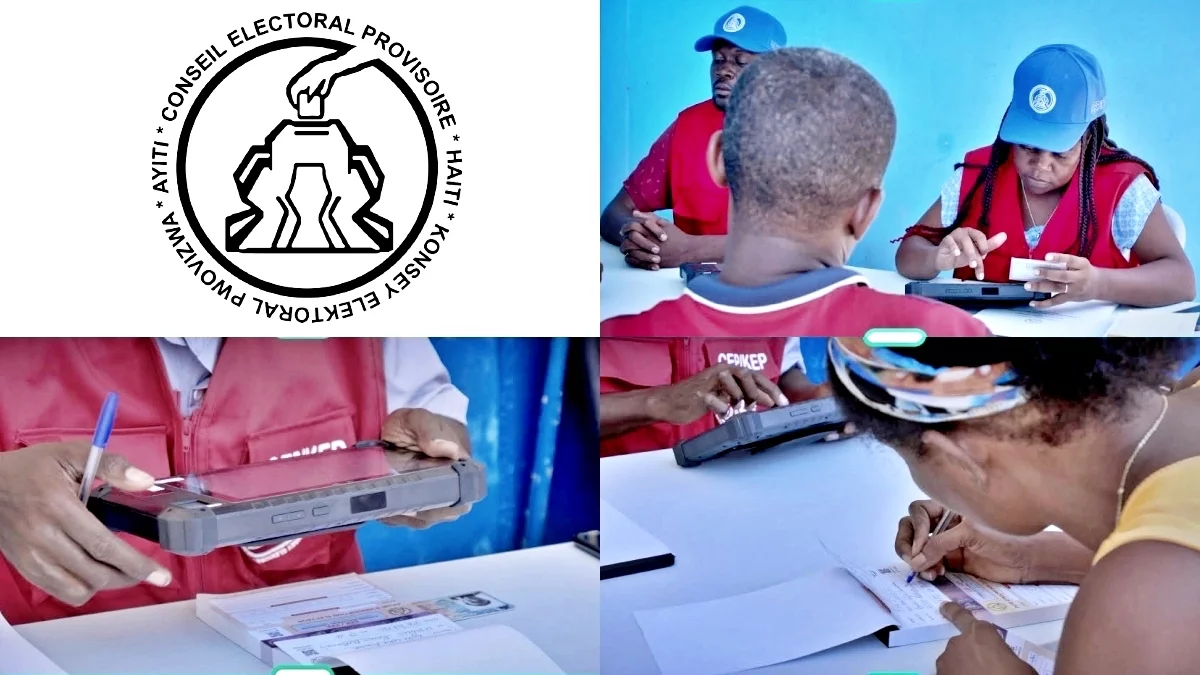
    The Prime Minister delivered a comprehensive address detailing the current administration’s multifaceted approach to national stabilization. He highlighted substantial advancements in security restoration efforts across Haitian territory and provided updates on electoral preparations being undertaken by the Provisional Electoral Council (CEP), noting that political party registration processes are currently underway.

    Fils-Aimé articulated the government’s three primary objectives: establishing nationwide security, stimulating economic recovery, and creating conditions conducive to transparent democratic elections. He specifically addressed diaspora concerns regarding safe return opportunities, pledging to utilize his authority to foster stability enabling overseas Haitians to visit homeland relatives without security apprehensions.

    A significant portion of the dialogue focused on bureaucratic challenges faced by expatriates. The Prime Minister announced forthcoming administrative reforms, particularly through the Central Directorate of the Judicial Police (DCPJ), to streamline the acquisition of critical documents like criminal records that have historically posed difficulties for diaspora members.

    Foreign Minister Forbin reinforced the government’s commitment to diaspora engagement, emphasizing that Haitian diplomatic missions worldwide are mandated to provide enhanced consular services and support structures. She advocated for increased organizational development within overseas Haitian communities, asserting that coordinated diaspora groups possess greater capacity to protect their interests while contributing to Haiti’s developmental trajectory.

    Both officials consistently emphasized that despite geographical separation, the diaspora remains an integral component of Haiti’s national identity and recovery strategy, with the government actively seeking their involvement in overcoming current crises and building sustainable national infrastructure.

  • U-17 Qualifier 2026 World Cup Morocco : «D-5» Our Grenadières in training

    U-17 Qualifier 2026 World Cup Morocco : «D-5» Our Grenadières in training

    The Haitian Under-17 women’s national football team has commenced its final preparatory phase in Costa Rica ahead of the crucial CONCACAF qualifiers for the 2026 FIFA U-17 Women’s World Cup in Morocco. An advance contingent of the squad has established its training base in San José under the guidance of French coach Frenoy Baptiste.

    Following their arrival, players immediately initiated acclimatization procedures with recovery sessions and light physical exercises to counteract travel fatigue. The team is scheduled to conduct its first comprehensive training session at a private sports facility adjacent to their accommodation complex.

    The Grenadières will utilize a six-day intensive training window to enhance tactical coordination, team chemistry, and strategic execution. As part of their final preparations, Haiti has arranged a preparatory friendly match against Costa Rica’s U-17 team on March 14, 2026, providing crucial match practice before competitive fixtures commence.

    Haiti’s qualification campaign begins March 17 against Puerto Rico, followed by encounters with the United States (March 19) and Bermuda (March 22). The team occupies Group B alongside these nations in the twelve-team final qualifying round that includes Canada, Mexico, Jamaica, and other CONCACAF representatives.

    The Haitian squad aims to achieve historic qualification for Morocco 2026, building upon previous successes including their dominant 3-0 victory against Guatemala that secured their place in these final qualifiers.

  • USA : The Trump administration asks the Supreme Court to authorize the abolition of TPS

    USA : The Trump administration asks the Supreme Court to authorize the abolition of TPS

    In a significant legal maneuver on March 11, 2026, the Trump Administration petitioned the U.S. Supreme Court to authorize the termination of Temporary Protected Status (TPS) for approximately 350,000 Haitian nationals residing in the United States. This emergency motion seeks to overturn a lower court ruling that had blocked the administration’s attempt to dismantle the humanitarian protection program.

    The Justice Department’s filing directly challenges District Judge Ana C. Reyes’s decision that maintained TPS protections for Haitian immigrants. In her earlier ruling, Judge Reyes found substantial evidence suggesting the administration’s termination efforts were potentially influenced by ‘racial animus’ against the Haitian community.

    This legal confrontation emerges despite ongoing severe violence in Haiti that has displaced over 1.4 million people according to recent estimates. The administration’s position contradicts the U.S. State Department’s own travel advisory, which explicitly warns American citizens against visiting Haiti due to ‘kidnapping, criminal activity, terrorist operations, civil unrest, and inadequate healthcare infrastructure.’

    The policy dispute originated in November 2025 when then-Secretary of Homeland Security Kristi Noem determined that Haiti no longer faced ‘extraordinary and temporary conditions’ warranting continued protected status. This conclusion has since been challenged by multiple humanitarian organizations and legal advocates who argue that returning migrants would face dire circumstances in the destabilized Caribbean nation.