标签: Haiti

海地

  • Elections : The Minister of Planning calls for accelerating the electoral process

    Elections : The Minister of Planning calls for accelerating the electoral process

    Nearly a decade after national elections faded from everyday public life in Haiti, the country’s top planning official has issued a urgent call to move the long-stalled democratic transition into full swing, pushing for widespread citizen engagement and immediate action from all electoral stakeholders.

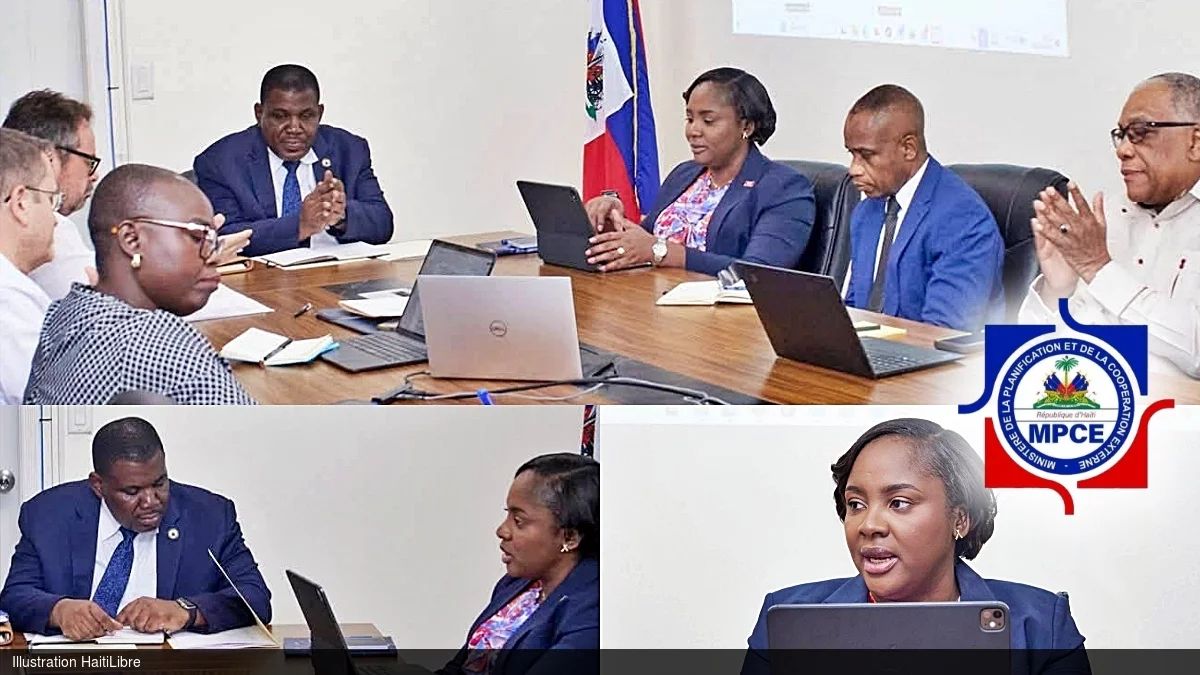
    Speaking this week at a gathering of the Steering Committee for the Electoral Process Support Project, Sandra Paulemon, Haiti’s Minister of Planning and External Cooperation, joined a cross-section of national leaders and international partners for the high-level meeting. Attendees included Jacques Desrosiers, president of Haiti’s Provisional Electoral Council (CEP), senior electoral advisors, Carlos Ruiz Massieu — the UN Secretary-General’s Special Representative and head of the United Nations Integrated Office in Haiti (BINUH), Xavier Michon, UNDP’s resident representative in Haiti, plus delegates from the United Nations Office for Project Services, the Organization of American States, and other key technical and financial backers of the process.

    In her address to the committee, Paulemon reaffirmed that organizing credible inclusive elections remains the Haitian government’s top national priority. She stressed that every public institution has already mobilized behind a unified strategic roadmap to align implementation of the official electoral timeline and eliminate coordination gaps.

    Paulemon emphasized that a successful electoral process cannot rely on technical and financial inputs alone. She recalled that back in February of this year, the nation’s core stakeholders signed the National Pact for Stability and the Organization of Elections, a landmark agreement that binds state bodies, political parties, civil society groups, the private sector, religious institutions, media outlets, and all individual Haitians to a shared promise: deliver a credible, peaceful, and inclusive vote for the Haitian people.

    One of the most pressing realities of the long electoral delay, Paulemon noted, is that an entire generation of young Haitians has reached adulthood without ever casting a ballot in a national election or participating in the open democratic debate that forms the backbone of functional democratic societies. While a formal electoral calendar has been outlined, the minister argued that Haiti has not yet shifted into full operational electoral mode. To address this gap, she called for the immediate rollout of a far-reaching national public awareness and information campaign that would make the electoral process visible and accessible to communities across every region of the country.

    “We want to hear dedicated election programming on radio and television, see informational displays and posters across our public streets, outreach campaigns in local neighborhoods, young Haitians debating democratic priorities, families discussing voting rights, citizen organizations mobilizing their communities, and public institutions delivering a consistent message of hope,” Paulemon said. “We want every Haitian to feel that elections are truly approaching, and that democracy is gradually reclaiming its rightful place in our national life.”

    With that goal in mind, she urged the Provisional Electoral Council to take decisive action to shift the entire nation into genuine electoral preparedness mode. “This is not just about adhering to a written schedule,” she explained. “It is about building a national momentum that can restore public trust, boost citizen participation, and revive hope for democracy. Elections need to be visible, audible, and present in the daily lives of all Haitians, so every person feels fully invested in this historic moment.”

    Outlining the commitments the Haitian government has already locked in to deliver the vote, Paulemon noted that the word “election” has slowly disappeared from the daily vocabulary of Haitian people over the past 10 years. In recent weeks, she confirmed, all public institutions have convened to align their operations around the electoral timeline, and the government has committed $120 million in domestic funding to support election organizing. To avoid administrative holdups, she added, all necessary measures will be put in place to mobilize these funds immediately, bypassing routine bureaucratic delays. “Our commitment is unambiguous: the electoral calendar will not be slowed down by state budget procedures,” Paulemon stated.

    The minister also outlined additional executive actions the government has implemented to speed up preparations: the government has prioritized the clearance of electoral materials at Haitian ports and customs, fully mobilized the National Identification Office to accelerate the issuance of national ID cards required for voting, established ongoing coordination between national security bodies and the Electoral Council, and partnered with local authorities to facilitate the deployment of polling stations and electoral materials across the country.

    In her role leading the Ministry of Planning and External Cooperation, Paulemon confirmed her department will maintain its central coordinating function to track government commitments and remove any administrative, institutional, or financial barriers that could delay the electoral timeline. She also repeated her call for the CEP and UNDP to immediately release the funding required to launch the national electoral information and awareness campaign, so every Haitian can see, hear, and feel that the country is firmly moving toward elections.

    “We want awareness messages to start airing across all radio stations, television channels, and digital platforms in the coming days. We want to see billboards and banners across our cities, public service messages on public transit, and targeted campaigns on social media, so every citizen knows Haiti is committed to the path of free elections,” Paulemon said. She went on to stress that elections are far more than just a one-day voting event: “They are the foundation for a return to legitimate state institutions, political stability, consistent public action, and long-term economic recovery for our nation.”

    Elections, the minister reminded attendees, are not planned exclusively behind closed doors in CEP offices. “They are prepared in homes, schools, churches, marketplaces, newsrooms, and in the minds of every single Haitian citizen,” she said. “The Haitian people must feel, hear, and see that elections are coming. The government is ready. Now we call on all stakeholders to pick up the pace so the country moves decisively into electoral mode. History will judge our collective ability to keep this appointment with democracy. We cannot afford to waste another day.”

    The Haitian government is calling on all state institutions, political actors, national and international partners, and every sector of Haitian society to mobilize without further delay. No delay can be allowed to put the Haitian people’s appointment with democracy at risk. Restoring the legitimacy of national institutions is an urgent national imperative that demands commitment from every stakeholder.

  • Grand North : Second phase of the National Conference of Religious Leaders

    Grand North : Second phase of the National Conference of Religious Leaders

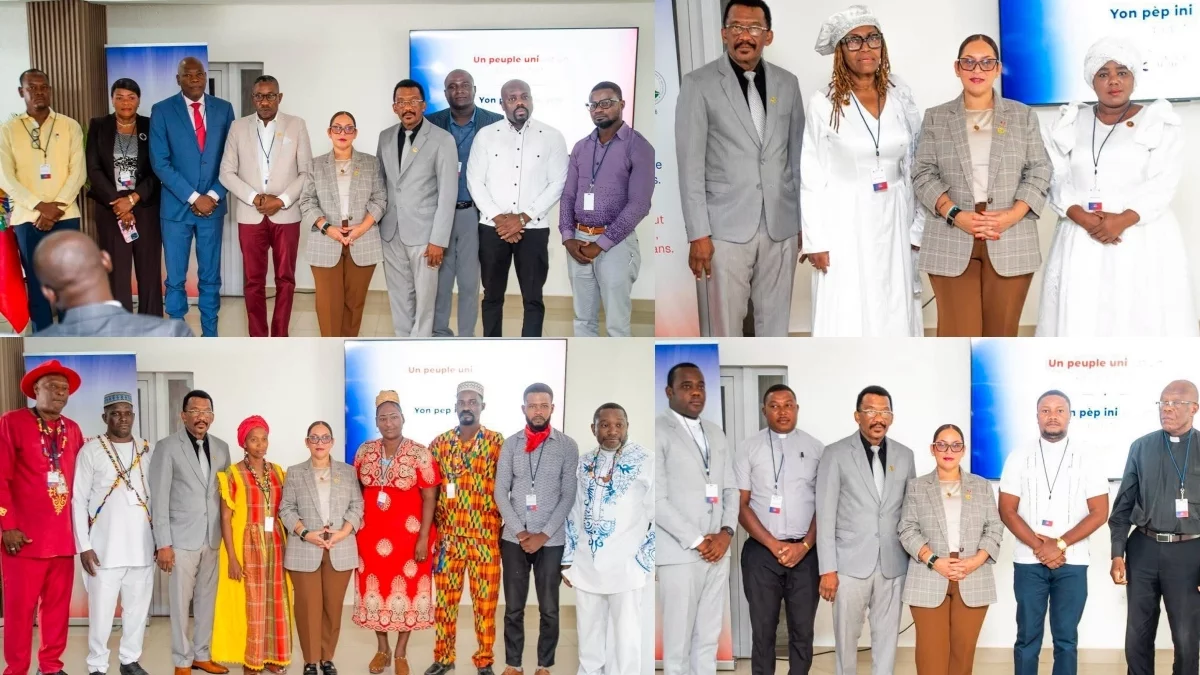
    In a pivotal step to foster collaboration between state institutions and faith-based groups across Haiti, the second phase of the National Conference of Religious Leaders for Peace, Stability, and Civic Engagement got underway on August 7, 2026, at Villa Caracol in the country’s Grand North region. The opening ceremony was led by Raina Forbin, Haiti’s Minister of Foreign Affairs and Religious Affairs, kicking off a day of collaborative dialogue that builds on the outcomes of the first national conference hosted in Port-au-Prince back in May.

    Over 100 stakeholders gathered for the event, bringing together representatives from every major religious denomination across Grand North alongside delegates from Haiti’s public government institutions. This gathering is not an isolated initiative: it directly follows up on commitments and discussions outlined during the inaugural National Conference of Religious Leaders, which took place May 28–29 in the Haitian capital, where religious leaders signed a joint declaration outlining their shared commitment to national recovery.

    For the Haitian government, the conference serves as a clear demonstration of its dedication to deepening productive dialogue with religious communities, and integrating these trusted local groups into the work of advancing core national priorities. Top among these priorities are the urgent restoration of nationwide security, long-term peacebuilding, expanded economic and social integration for young Haitians, and the strengthening of fractured social cohesion across the country. Beyond these pressing issues, participants will also deliberate on the upcoming national electoral process, exploring concrete roles that religious communities can play to ensure the critical democratic exercise is conducted successfully and peacefully.

    During her opening address to delegates, Minister Forbin emphasized the need for a renewed partnership between the Haitian state and religious groups built on three foundational pillars: trust, mutual respect, and shared responsibility for the country’s future. “Religious leaders, you are a transformative force across this country,” Forbin told the gathering. “You carry a responsibility to work hand in hand with the state. It is only together, each of us upholding our respective roles and honoring the scope of our shared responsibilities, that we can restore security, consolidate lasting peace, deliver a successful upcoming election, and put Haiti back on a steady path toward long-term stability and inclusive development.”

  • Kenscoff : At least 3 police officers injured and an armored vehicle set on fire

    Kenscoff : At least 3 police officers injured and an armored vehicle set on fire

    A brazen attack by heavily armed gang members on Haitian law enforcement in the mountain commune of Kenscoff left at least three police officers wounded and a police armored vehicle destroyed Friday, August 7, 2026, according to local reports.

    The violence unfolded in Viard 2, a neighborhood in southern Kenscoff, when police units moved to repel an incursion by fighters from the Viv Ansanm criminal coalition, one of Haiti’s largest and most violent organized crime syndicates. The intensity of the close-quarters gun battle quickly overwhelmed the initial responding officers, who were forced to send out an urgent appeal for additional backup to hold their position.

    During the sustained exchange of fire, attackers struck the officers’ armored vehicle with multiple Molotov cocktails, igniting a large fire that completely destroyed the vehicle. Three officers sustained bullet wounds of varying severity in the clash.

    Within hours, reinforcements arrived at the scene: active-duty soldiers from the Armed Forces of Haiti (FAd’H), who maintain a permanent garrison in Kenscoff, were deployed to support outgunned police, alongside local vigilante groups that have formed in many Haitian communities to fill gaps in state security. Together, the combined security forces worked to push back the gang assault, re-establish state control over the Viard 2 area, and lay the groundwork for a return to calm.

    In the aftermath of the attack, Kenscoff Mayor Massillon Jean issued a public statement calling for a dramatic expansion of coordinated security operations across the commune. Jean emphasized that sustained, targeted action is the only way for Haitian authorities to fully dislodge armed criminal groups and reassert permanent control over Kenscoff, which has seen a steady rise in gang-related violence in recent months.

    As of Saturday morning, official authorities have not released additional details including the current condition of the injured officers, the number of casualties among attacking gang members, or further updates on security operations in the area. The attack marks the latest escalation of Haiti’s years-long security and political crisis, which has seen armed gangs seize control of large swathes of the capital Port-au-Prince and increasingly expand into outlying suburban and rural communes like Kenscoff.

  • Insecurity : Gangs inflict unimaginable suffering on the population (report)

    Insecurity : Gangs inflict unimaginable suffering on the population (report)

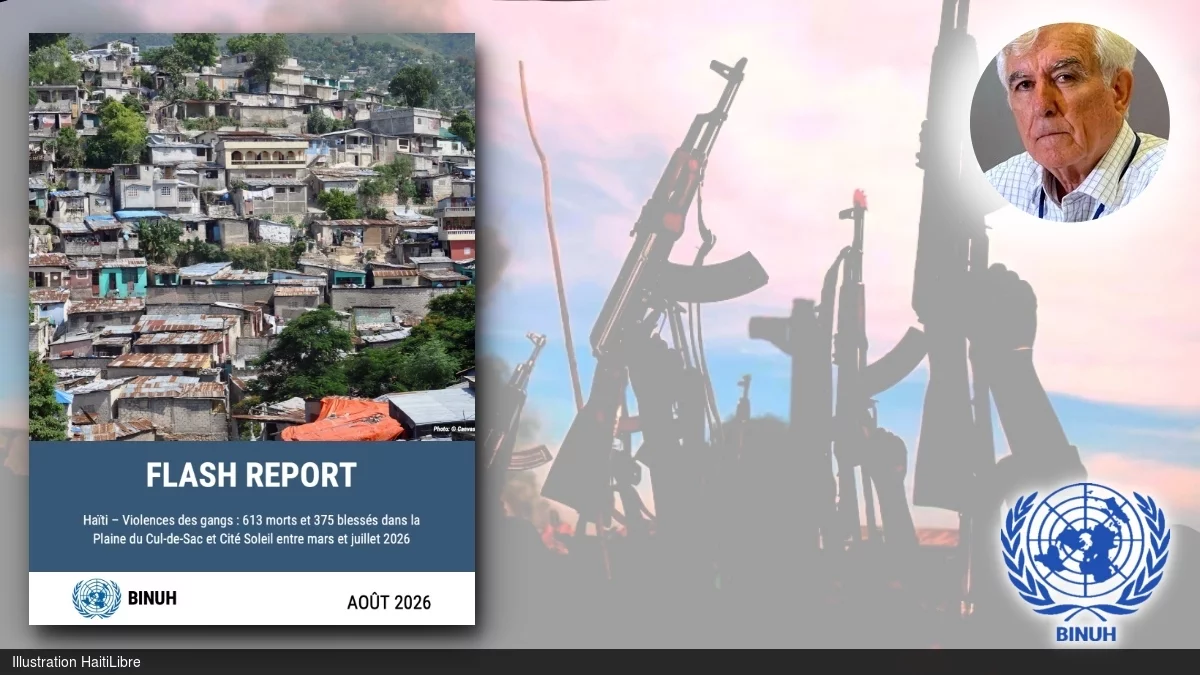
    Five months of escalating gang violence across two densely populated regions of Haiti has left hundreds of innocent civilians dead, displaced tens of thousands, and created a humanitarian catastrophe that demands urgent global intervention, according to a new United Nations human rights report. Released by the UN Integrated Office in Haiti (BINUH), the analysis was compiled by William O’Neill, UN Special Rapporteur on the human rights situation in Haiti, and covers violent incidents recorded between March 1 and July 31, 2026.

    The report paints a devastating picture of systemic violence targeting civilians who have no affiliation to any of the country’s warring criminal groups. In just the Cul-de-Sac Plain and Cité Soleil, two of Haiti’s hardest-hit districts, O’Neill’s team recorded at least 613 fatalities and 375 additional injuries over the study period. More than one-third of those killed or harmed were ordinary residents with no connections to gang activity, including 111 women and 77 children.

    Sexual violence as a weapon of terror emerges as a defining feature of the current crisis, the report confirms. Investigators documented at least 176 cases of rape and gang rape committed by suspected gang members against women and girls ranging in age from 10 to 71 years old. The widespread use of sexual assault has created a culture of fear that permeates every corner of affected communities, leaving countless survivors with lifelong physical and psychological trauma.

    Along with the staggering death toll and prevalence of sexual violence, the violence has driven mass displacement across the region. More than 18,000 people have abandoned their homes to escape fighting between rival gangs, joining the growing ranks of internally displaced people across Haiti who lack access to safe shelter, food, clean water, and medical care.

    The report includes dozens of firsthand, verified accounts of atrocities collected by UN human rights observers, many of which detail the deliberate killing of vulnerable civilians over minor or unproven accusations. In one documented incident, two 17-year-old boys were executed by a gang leader on suspicion of sharing information with a rival group. A 71-year-old man was shot and killed after approaching the same gang leader to beg for food for his family. In another mass killing, 17 teenage boys between 15 and 17 years old were executed en masse after being accused of collaborating with opposing gang members.

    One of the deadliest single attacks recorded occurred shortly after an international World Cup qualifying match between Haiti and Scotland. A crowd of roughly 300 people, including a local musical group that had gathered to celebrate the match, was ambushed by gang members positioned on surrounding rooftops as they entered a residential neighborhood. The attack left at least 61 people dead and 20 more injured, including at least seven children—the youngest just 7 years old. In another gruesome incident, armed gang members burned a woman’s home to the ground, killed her husband and 2-year-old daughter, then gang-raped the woman in front of her 10-year-old son.

    O’Neill’s report makes clear that the ongoing violence has pushed Haiti’s civilian population into an unprecedented humanitarian emergency, with ordinary people bearing the full brunt of criminal groups’ fight for territorial and political control. Human rights observers warn that without immediate international intervention to restore security and expand humanitarian access, the death and displacement toll will continue to rise in the coming months.

  • Florida Bishops stand with Haitians benefiting from TPS

    Florida Bishops stand with Haitians benefiting from TPS

    A months-long legislative debate over immigration protections for Haitian residents in the U.S. has gained a high-profile new push, as eight Catholic bishops from Florida have thrown their weight behind a bipartisan effort to extend critical temporary status protections through 2029. The effort comes after the U.S. House of Representatives approved the TPS extension legislation back in April 2026, but the bill has hit a gridlocked roadblock in the U.S. Senate, leaving the futures of more than 350,000 Haitian TPS holders hanging in the balance. Dated August 5, the formal letter from the Florida Conference of Catholic Bishops was signed by leaders of the state’s six dioceses, and was addressed directly to Florida’s two Republican senators, Rick Scott and Ashley Moody, calling on them to co-sponsor and advance Senate Bill S. 4814 to a final vote. In the letter, the bishops laid out the practical and moral case for the legislation, noting that the extension would not only deliver immediate, short-term legal and personal security for thousands of Haitian families who have built lives in Florida and across the U.S., but also clear a path for broader, long-overdue immigration reform that could offer a roadmap to permanent status for long-time community members. The bishops did not shy away from criticizing the nation’s broken immigration system, emphasizing their deep pastoral concern for the harmful human consequences that the current fragmented framework has created for vulnerable immigrant communities. They stressed that for most Haitian TPS holders, returning to their home country is not a viable option: widespread political instability, gang violence, and chronic humanitarian crisis have made Haiti extraordinarily dangerous, forcing thousands of families to live in legal limbo in the U.S. without access to basic resources or protection from deportation. The new public appeal builds on an earlier advocacy effort led by Archbishop Thomas Wenski of Miami, who first raised alarm over the impending expiration of automatic work permit extensions for Haitian TPS holders, which ended on July 27. Following that expiration, Wenski traveled to Washington D.C. to meet directly with members of Congress, lobbying on behalf of the roughly 353,000 Haitian nationals currently covered by TPS across the country. For years, TPS has offered temporary protection from deportation and work authorization to individuals from countries facing catastrophic conflict, natural disaster, or ongoing humanitarian emergency. The current stalemate in the Senate has left thousands of families uncertain about their ability to continue working, supporting their families, and contributing to their U.S. communities, making the bishops’ intervention a critical moment in the push to break legislative gridlock.

  • FLASH : Official list of registered political groups

    FLASH : Official list of registered political groups

    Haiti’s electoral process has moved into a new critical phase this week, with the country’s Provisional Electoral Council (CEP) announcing the final count of registered political coalitions and groups ahead of the upcoming national vote.

    The registration window for political groups, which was extended to give political organizations additional time to complete their submissions, officially closed at 9:50 p.m. local time on Thursday, August 6, 2026. The formal closing of the deadline was overseen by a Justice of the Peace based in the Port-au-Prince suburb municipality of Pétion-Ville, marking a key milestone in the pre-electoral timeline.

    According to the official announcement, a total of 18 distinct political groups successfully completed the registration process. These groups bring together 236 individual political parties from the 316 political parties that hold official recognition from Haitian electoral authorities, meaning nearly three-quarters of all legally recognized parties have chosen to run in the elections as part of coalitions or larger grouped blocs.

    In line with transparency requirements, the CEP has published the full official list of the 18 registered groups and their component recognized parties, with the full document available for public download via HaitiLibre’s official portal.

    Electoral officials have laid out the clear next steps for the process: over the coming two days, technical teams will conduct a full review of all submission documentation to verify compliance with electoral rules and eligibility requirements. The CEP plans to release the final list of fully approved political groups by August 8, 2026. Following that publication, individual candidate registration for the elections will be held between Monday, August 10 and Friday, August 14, 2026, aligning with the previously released official electoral calendar.

  • Leisure : Did you know ? #48

    Leisure : Did you know ? #48

    As of August 6, 2026, HaitiLibre’s popular twice-weekly general knowledge quiz segment “Did You Know?” has dropped its 48th installment, shining a spotlight on one of Haiti’s most influential global cultural ambassadors—hip-hop legend and former Fugees member Wyclef Jean.

    Born in Croix-des-Bouquets, Haiti, Jean moved to the United States with his family when he was just 9 years old, settling first in New York before relocating to New Jersey, where he cut his teeth in the emerging 1990s hip-hop scene. Alongside bandmates Lauryn Hill and Pras Michel, Jean co-founded the trailblazing hip-hop group The Fugees, which catapulted to global stardom with genre-defining hits that sold millions of albums worldwide and cemented their place in music history.

    Following the group’s success, Jean built a prolific solo career, where he has consistently used his platform to center and celebrate Haitian culture. Unlike many mainstream global artists, he seamlessly weaves Creole lyrics and traditional Haitian rhythmic patterns into his chart-topping tracks, introducing millions of listeners around the world to the richness of his Haitian roots.

    Beyond his musical achievements, Jean is a dedicated philanthropist focused on supporting his home country. He founded the Yéle Haiti Foundation, which delivers critical emergency humanitarian aid to Haitian communities and expands access to educational opportunities across the nation. His life story stands as a powerful example of the Haitian diaspora’s impact: achieving global success in the entertainment industry while remaining deeply rooted in and committed to his cultural homeland.

    This feature is just one of hundreds of free, no-registration knowledge games hosted on HaitiLibre’s quiz platform, which caters to learners of all ages and skill levels. As part of the platform’s monthly content update, 30 brand-new quiz games were added on August 1, 2026, pushing the total number of available quizzes past the 200 mark to 210 unique games. New content is added every single month to keep the platform fresh for returning users.

    Each quiz on the platform comes in three tailored difficulty levels: easy, intermediate, and hard, and all content is available in both French and English to serve a broad audience. Users can explore the full collection of quizzes covering topics from Haitian history and culture to global general knowledge at https://quiz.haitilibre.com/en. The platform encourages visitors to share their favorite quizzes with friends and family and leave feedback via a comment form attached to every game, turning casual quizzing into a shared learning experience.

  • Nearly 90% of the Pine Forest destroyed by Haitians

    Nearly 90% of the Pine Forest destroyed by Haitians

    Haiti’s iconic Pine Forest, the country’s first UNESCO-recognized Biosphere Reserve, stands on the brink of total disappearance after decades of unregulated human activity have destroyed nearly 90 percent of its original forest cover, according to a new alarming assessment from Haiti’s leading environmental coalition.

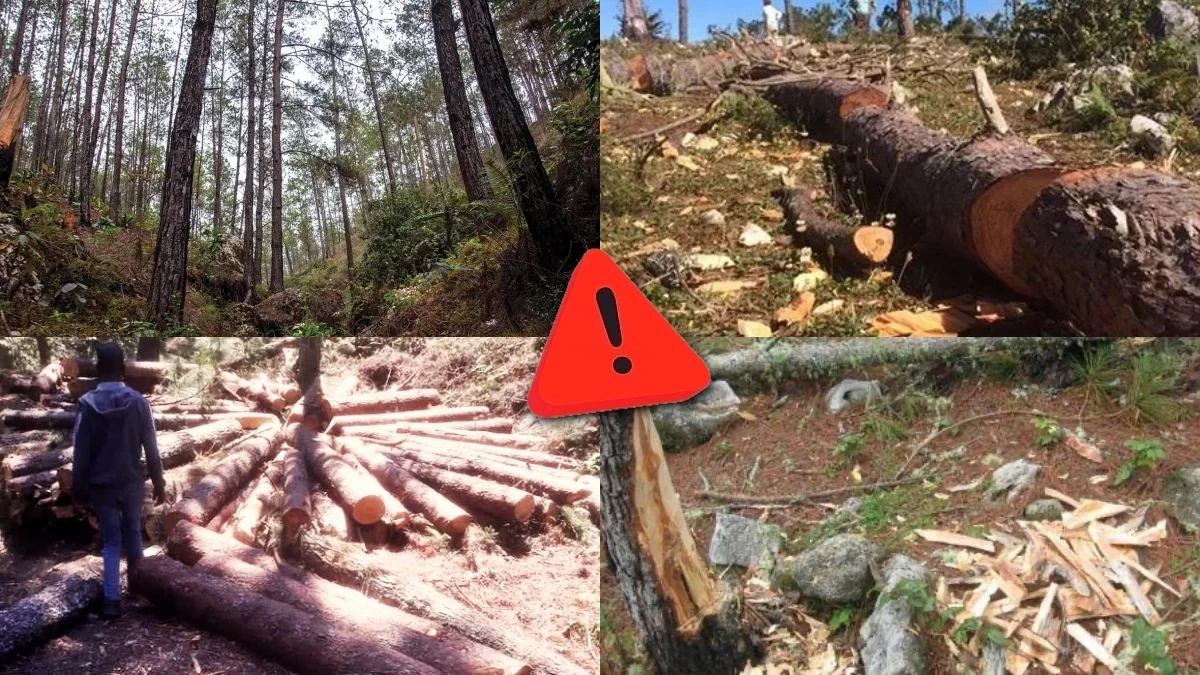
    Established as a protected ecological reserve back in 1937, the forest has shrunk dramatically from 40,000 hectares at the start of the 20th century to just 5,000 remaining hectares today, reports the Collective of Ecological Organizations of Haiti (COE-H), an umbrella group uniting six of the nation’s leading environmental advocacy organizations. On-the-ground field surveys conducted by COE-H researchers in early July 2026 confirm that destruction is accelerating at an unprecedented rate, with hundreds of mature pine trees felled illegally in just the past month for commercial timber and charcoal production.

    Multiple interconnected human-driven factors are fueling the forest’s rapid decline. Widespread extreme economic insecurity pushes local communities and new arrivals to the region to engage in widespread illegal logging, harvesting trees to sell as structural timber, planks, and charcoal, Haiti’s primary household cooking fuel. A less widely known but equally destructive practice, bark stripping to collect kindling, slowly kills remaining standing trees and leaves them far more vulnerable to being knocked down during annual hurricane season storms. Entire sections of the forest are also cleared via slash-and-burn techniques to make way for small-scale subsistence vegetable crops, while deliberate human-set fires during the dry season are common for clearing land or as acts of vandalism.

    The ongoing security crisis centered around the Port-au-Prince metropolitan area has drastically worsened pressure on the reserve. Thousands of people displaced by gang violence and unrest have fled to southeastern Haiti’s municipalities, where they have settled in unplanned settlements within forest boundaries, cleared new land for farming, and turned to logging as a quick source of much-needed income.

    The steady destruction of the Pine Forest has triggered cascading, already irreversible environmental consequences for the entire region. With pine tree roots no longer holding topsoil in place, severe erosion has washed away vital nutrients, leaving large swathes of soil sterile and unable to retain moisture. The loss of vegetative cover also amplifies the intensity of flood events and increases the risk of catastrophic landslides during hurricane season, a hazard that has become deadlier as climate change intensifies storm systems. Most critically, deforestation has blocked rainwater infiltration into underground aquifers, drying up natural springs and threatening the entire region’s drinking water reserves.

    COE-H’s assessment also warns that the crisis is not isolated: Haiti’s other major protected area, La Visite National Park in the Massif de la Selle, is facing the same pattern of accelerating destruction, with illegal logging, intentional burning, and agricultural expansion steadily eroding forest cover and disrupting critical hydrological ecosystem functions.

    If current rates of destruction continue, leading ecological specialists warn the entire Pine Forest could disappear completely well before 2050. This would not only erase one of Haiti’s most important natural ecosystems but also jeopardize the country’s international commitments to biodiversity protection and climate change mitigation.

    In response to the escalating emergency, COE-H has issued an urgent appeal to Haitian national authorities, the UNESCO Man and the Biosphere Programme, and all national and international development partners to intervene immediately to save the reserve. The organization warns that current policy and conservation responses are woefully insufficient to reverse the decline, noting that “Every tree felled brings Haiti closer to an ecological, water, and climate catastrophe.”

    COE-H has put forward four urgent priority recommendations to address the crisis: first, to establish a cross-sector National Emergency Committee bringing together the national government, local authorities, academic institutions, civil society, and environmental organizations to conduct a full independent assessment of the reserve’s current condition and design a new inclusive governance framework; second, to immediately deploy a permanent, fully funded monitoring and protection system including dedicated forest rangers and anti-illegal logging control mechanisms across the entire Pine Forest; third, to develop an emergency national land-use plan under the leadership of the Inter-ministerial Committee for Territorial Development (CIAT) that provides sustainable livelihood and housing solutions for displaced populations while reducing pressure on protected forest areas; and fourth, to mobilize immediate national and international funding to support degraded ecosystem restoration, protect critical water sources, provide alternative livelihoods for local communities, and launch a large-scale reforestation program.

  • High-level meeting with David Howell, the new Chargé d’affaires a.i. of the United States in Haiti

    High-level meeting with David Howell, the new Chargé d’affaires a.i. of the United States in Haiti

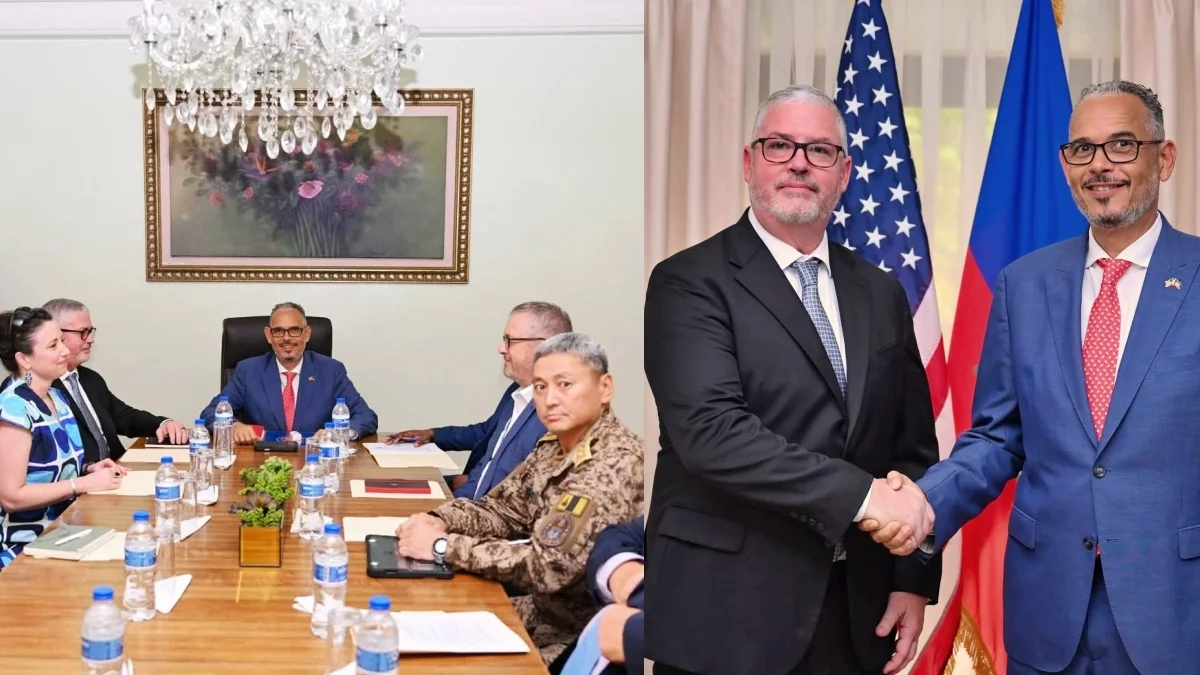
    On August 5, 2026, Haiti’s interim Prime Minister Alix Didier Fils-Aimé convened a high-level strategic meeting with David Howell, the newly appointed interim Chargé d’Affaires of the United States to the Caribbean nation, marking a key step in advancing bilateral and international cooperation to address Haiti’s ongoing security crisis.

    Beyond the core meeting with the Haitian prime minister, Howell also held discussions with a broad cross-section of key national and international stakeholders actively involved in Haiti’s security response operations. Attendees included leadership from the Gang Suppression Force (GSF), a specialized unit deployed to counter armed gang activity, as well as senior command from the Haitian National Police and the Armed Forces of Haiti (FAd’H).

    The talks centered on three critical pillars of Haiti’s national renewal: strengthening nationwide security, reestablishing full state authority across all Haitian territory, and consolidating democratic institutional stability. Participants used the strategic consultation to conduct a comprehensive review of the rapidly shifting on-the-ground security landscape, evaluate the performance of ongoing counter-insurgency and peacekeeping operations, and refine cross-force coordination mechanisms designed to deliver lasting public order.

    A core focus of the dialogue was building a coordinated, effective, and long-term strategy to neutralize the threat posed by armed criminal gangs that have controlled large swathes of Haiti for years. Discussions also covered plans to expand the operational capacity of Haitian security forces, implement stronger protections for civilian communities, and advance the goal of fully restoring government control across the entire country.

    Prime Minister Fils-Aimé reaffirmed during the meeting that advancing public security remains the top policy priority for his transitional government. He emphasized that sustainable security is the non-negotiable foundation for achieving broader national goals, including long-term political stability, economic recovery, and strengthening democratic governance across all state institutions. The prime minister welcomed the renewed commitment of the United States and other international partners to supporting Haiti’s stability, and stressed that all cooperation must be rooted in three core principles: shared responsibility for outcomes, full respect for Haiti’s national sovereignty, and measurable, tangible progress in local operations.

    By the end of the meeting, both Fils-Aimé and Howell reaffirmed their shared commitment to deepening coordination between the Haitian government and its international partners. The two sides agreed that coordinated action is essential to supporting the restoration of state authority, consolidating democratic institutions, and building the stable, secure conditions required to hold long-delayed national elections that are free, credible, transparent, and inclusive of all Haitian political groups.

  • USA : Federal Judge Ana C. Reyes confirms the lifting of the TPS blockade

    USA : Federal Judge Ana C. Reyes confirms the lifting of the TPS blockade

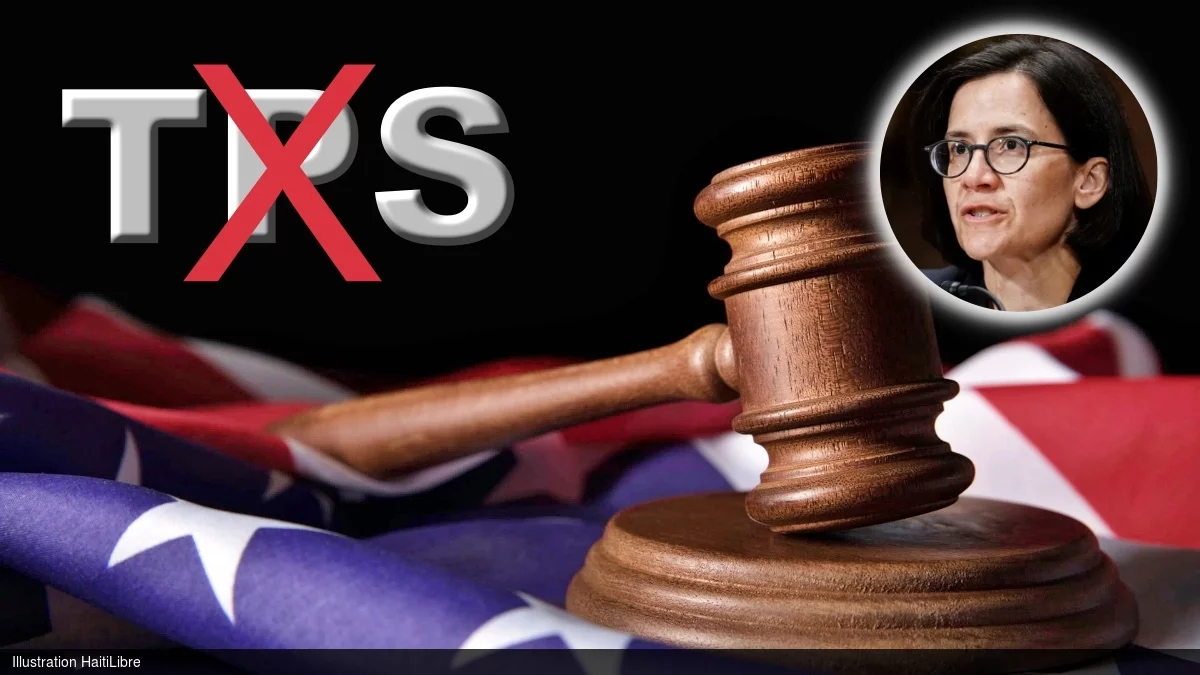
    In a landmark legal development that closes one chapter of a months-long high-stakes immigration battle, U.S. Federal Judge Ana C. Reyes issued a two-page court order on August 5, 2026, officially lifting the judicial stay that had blocked the Trump administration’s plan to terminate Temporary Protected Status for hundreds of thousands of Haitian migrants living in the United States.

    The temporary court injunction had been in place to pause the effectiveness of Homeland Security Secretary Kristi Noem’s order to end Haiti’s TPS designation while legal challenges worked through the judicial system. With Wednesday’s ruling, that stay is now formally dissolved, clearing the way for the termination of deportation protections that have been in place for Haitian nationals who fled their home country in recent years to escape widespread political instability and repeated devastating natural disasters.

    Reyes’ ruling comes just over five weeks after the U.S. Supreme Court overturned its own earlier ruling from earlier this year, which had originally blocked the administration’s TPS termination plan. The high court’s June decision left the exact timeline for the official end of protections unclear, creating widespread uncertainty among the roughly 350,000 Haitian migrants who relied on TPS to live and work legally in the U.S. That uncertainty is now resolved, with deportation proceedings able to move forward for most program beneficiaries.

    Notably, the termination of TPS will not impact all Haitian migrants covered by the program: beneficiaries who have already applied for alternative forms of legal status, such as asylum or other permanent immigration pathways, will retain protection while those applications are processed.

    In comments following the ruling, Homeland Security Secretary Markwaye Mullin confirmed that immigration enforcement actions would begin immediately. “We are pursuing them right now,” Mullin said. “These people can either deport voluntarily, or we will arrest and deport them. It’s that simple.”

    Deportations will send migrants back to Haiti, a nation the U.S. State Department has repeatedly characterized as dangerously unstable and unsafe for returnees, a fact that has amplified criticism of the administration’s decision.

    While the TPS blockade is lifted, the underlying legal challenge against the termination is far from over. Haitian plaintiffs in the case have long argued that the administration’s move to end TPS was driven by intentional racial discrimination against Haitian migrants. Judge Reyes has previously concluded that the policy was likely motivated by anti-Haitian racial bias, but the Supreme Court ruled that the evidence presented by plaintiffs up to that point did not sufficiently support that finding.

    Plaintiffs’ legal teams are now moving forward with plans to gather additional evidence to bolster their equal protection claim under U.S. law. In a court filing last month, the migrants’ legal team noted that the current ruling does not bar plaintiffs from collecting the new evidence needed to prove their claim of discriminatory treatment, leaving the door open for future legal challenges to the TPS termination.