标签: Guyana

圭亚那

  • Auditor General’s reports being used to assess REOs, other accounting officers- Pres Ali

    Auditor General’s reports being used to assess REOs, other accounting officers- Pres Ali

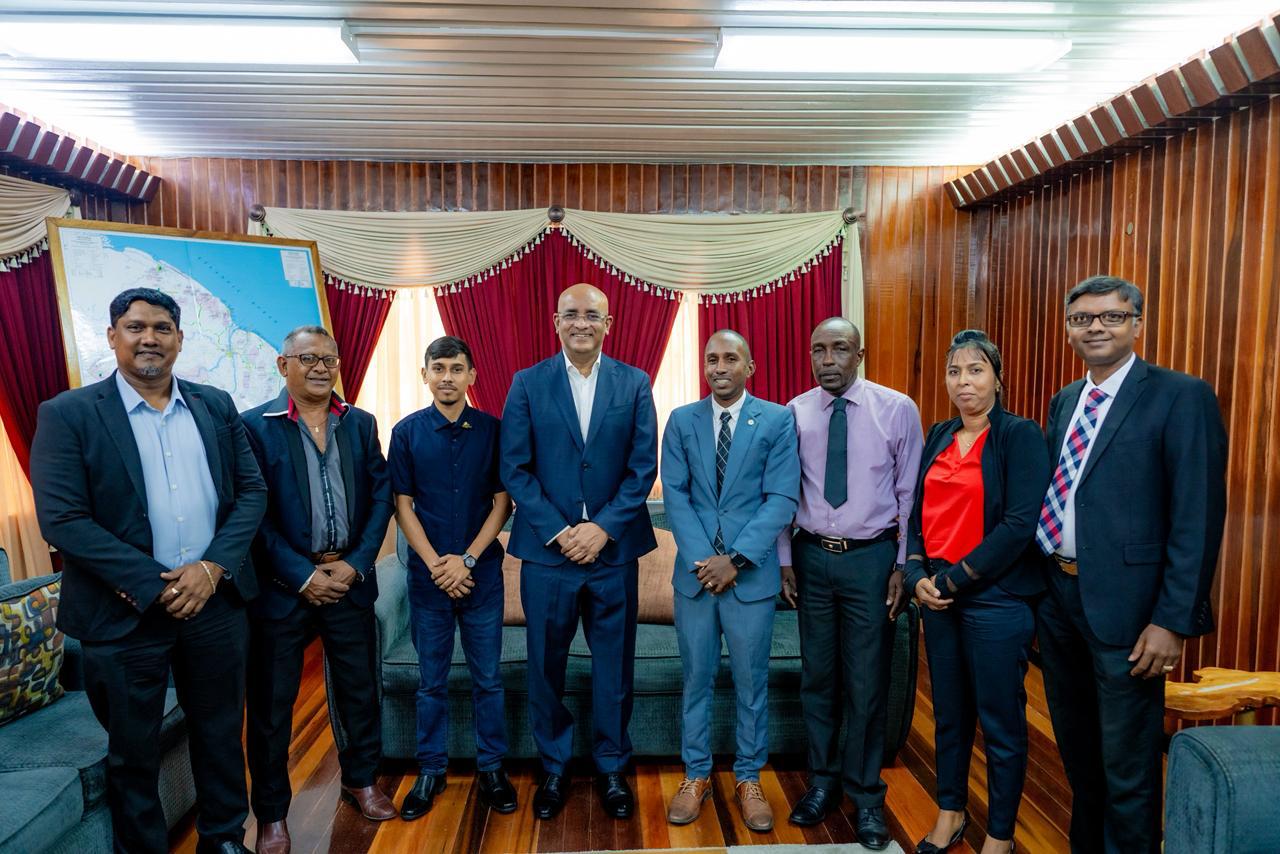
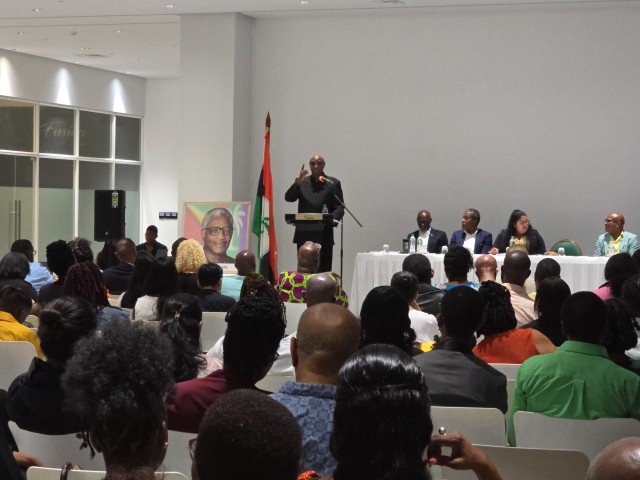
    GEORGETOWN, Guyana – May 14, 2026 – In a gathering of top Guyanese government officials including cabinet ministers, incoming Regional Executive Officers (REOs), Permanent Secretaries and leadership of the National Procurement and Tender Administration, President Irfaan Ali has laid out a sweeping set of leadership changes across the public sector, pushing back against claims that upcoming REO replacements are tied to corruption investigations.

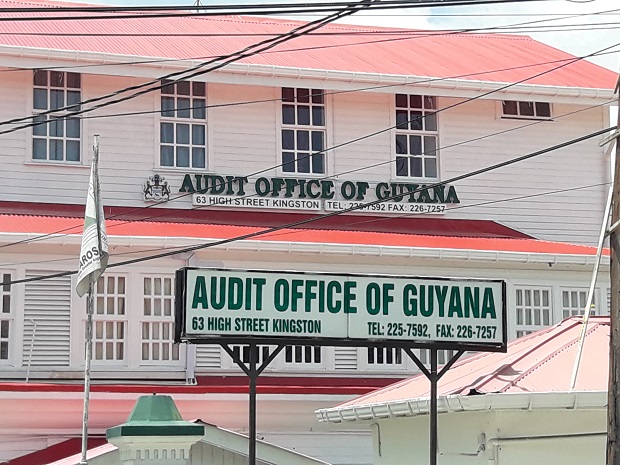
    Addressing swirling speculation surrounding the shuffle of 10 regional leadership posts, President Ali clarified that the personnel moves are not rooted in findings of corrupt practice. While the administration does leverage Auditor General’s reports as a formal performance assessment tool for REOs and all public accounting officers, the President noted all officials are given full opportunity to respond to concerns raised in audit documents, and the upcoming changes align with a broader strategy to align regional leadership with the country’s evolving development priorities.

    “That narrative has no basis,” President Ali told Demerara Waves Online News in a post-gathering interview, when asked if the changes stemmed from poor performance flagged by audit reports. “I won’t say that they were wanting in relation to the Auditor General’s Report.”

    The President explained that the newly appointed REOs bring targeted skill sets that match ongoing and upcoming large-scale projects across Guyana’s 10 administrative regions. For regions rolling out new hospital construction and major modern infrastructure upgrades, for example, the administration is installing leaders with deep specialized expertise in healthcare development and large project management. Other regions targeted for high-priority economic growth initiatives will get leadership tailored to those investment goals. Contrary to framing of the move as a mass sacking of 10 REOs, President Ali emphasized that many outgoing officers will transition into new advisory roles within government until their existing contracts expire, framing the shuffle as a routine effort to refresh public sector leadership and nurture emerging talent for senior posts.

    To strengthen ongoing oversight of public spending and procurement, the Ali administration announced it will deploy artificial intelligence to conduct quarterly compliance assessments for REOs and Permanent Secretaries. The technology will be used to actively monitor procurement processes, boost operational efficiency, and flag irregular or unethical practices. President Ali stressed that any violations of financial or procurement rules – including inappropriate conflicts of interest involving multiple vendors – will result in serious disciplinary action, up to and including immediate removal from office for severe breaches.

    Vice President Bharrat Jagdeo reinforced the administration’s commitment to accountability, noting in an official government statement that all public expenditure must be evaluated based on its tangible contribution to citizen welfare and national development. The government is working to strengthen oversight systems, eliminate wasteful spending, and embed core principles of accountability, efficiency and transparency across all levels of governance.

    The leadership overhaul extends beyond regional administrative posts. President Ali confirmed that the long-struggling state-owned Guyana Sugar Corporation (GUYSUCO), which has suffered years of chronically low production and relies on billions of dollars in annual government subsidies, will see management changes consistent with commitments the administration made several months prior.

    Additionally, a broader shake-up of government-run service agencies is set to take place within the next three weeks, fulfilling a pledge President Ali made during his inauguration speech. The President confirmed that leadership changes will be implemented at agencies where performance targets have not been met, following a comprehensive nationwide evaluation of public service delivery.

    In its official statement released Wednesday, the Guyana government reaffirmed that President Ali and Vice President Jagdeo underscored the administration’s unwavering commitment to accountability, transparency, fiscal prudence and improved service delivery across all government tiers. Those priorities were laid out directly to attending officials, who include cabinet members, incoming REOs, Permanent Secretaries, National Procurement and Tender Administration Board officers and accounting officers from all 10 regions.

    “The President stressed that sacred trust accompanies public office and that every dollar spent must be to advance the welfare of the people and support national development. All procurement systems, including regional tender boards, are required to operate with full transparency and strict adherence to the law,” the government statement read.
  • US having “private conversations” about security following Venezuela’s stance on ICJ

    US having “private conversations” about security following Venezuela’s stance on ICJ

    As tensions escalate over the decades-long territorial dispute between Venezuela and Guyana over the resource-rich Essequibo Region, a senior U.S. diplomat has confirmed that Washington is holding closed-door diplomatic negotiations to de-escalate the crisis, after Venezuela’s leader rejected any binding ruling from the International Court of Justice (ICJ) on the conflict.

    U.S. Under Secretary of State for Economic Affairs Jacob Helberg made the announcement Wednesday during a press briefing at the U.S. Embassy in Georgetown, Guyana, at the conclusion of a one-day official visit to the South American nation. Helberg emphasized that the U.S. is keeping close watch over ongoing proceedings at the ICJ, and agrees that regional security is a foundational requirement for economic growth and prosperity across the hemisphere.

    “Ultimately a lot of those conversations right now will be private, and we believe that we can make progress through private conversations,” Helberg told reporters, declining to disclose which parties are participating in the backchannel discussions. The comment came in response to a question from Demerara Waves Online News, which asked whether the U.S. was prepared to step in as a mediator to preserve hemispheric stability and energy security, should Venezuela maintain its hardline stance against the ICJ’s authority.

    The territorial dispute carries major energy stakes: ExxonMobil and multiple other U.S. oil firms hold offshore exploration concessions in the Essequibo Region, and have tied their long-term development plans to a binding ICJ ruling on the conflict, which is expected to be issued either by the end of 2026 or in the first quarter of 2027.

    The standoff reached a new flashpoint earlier this week, following dramatic developments from both Caracas and Washington. On Monday, Venezuelan Interim President Delcy Rodriguez told the ICJ that her government would refuse to abide by any court decision that upholds the 1899 Arbitral Tribunal Award, the agreement Guyana recognizes as the final settlement of its shared border with Venezuela. Rodriguez reaffirmed Venezuela’s long-held position that the dispute can only be resolved through bilateral negotiations, based on Caracas’s interpretation of the 1966 Geneva Agreement signed between Venezuela and the United Kingdom, which was Guyana’s colonial ruler at the time. Notably, Venezuela omits reference to a key clause in the 1966 deal that permitted the U.N. Secretary General to refer the unresolved conflict to an adjudicatory body like the ICJ; the U.N. took that step, clearing the way for Guyana to file its formal case with the court.

    During her ICJ appearance, Rodriguez repeated her longstanding accusations that Guyana has colluded with ExxonMobil, the U.S. government and U.S. Southern Command to carry out what she frames as an imperialist plot to seize the Essequibo Region from Venezuela.

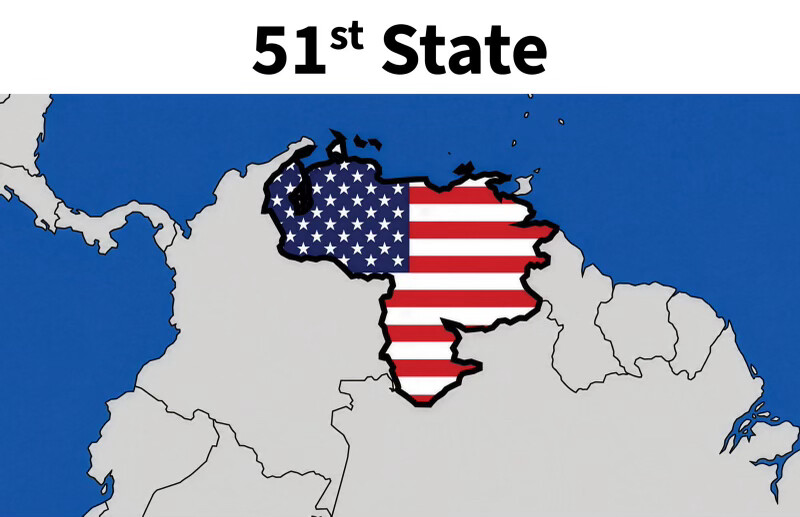
    A day before Helberg’s visit to Guyana, U.S. President Donald Trump drew global attention to the dispute with a post on his Truth Social account, shared to X (formerly Twitter). The post included a map of Venezuela that omitted the entire Essequibo Region, alongside a fully recognized map of Guyana that includes the contested territory shaded within the U.S.-shaded map of Venezuela.

    The decades-old dispute has flared in recent years following the discovery of massive oil reserves offshore Essequibo, turning a long-simmering territorial conflict into a high-stakes issue for global energy markets and regional security in South America.

  • Guyana, US to hold technical talks on bauxite, other investment opportunities

    Guyana, US to hold technical talks on bauxite, other investment opportunities

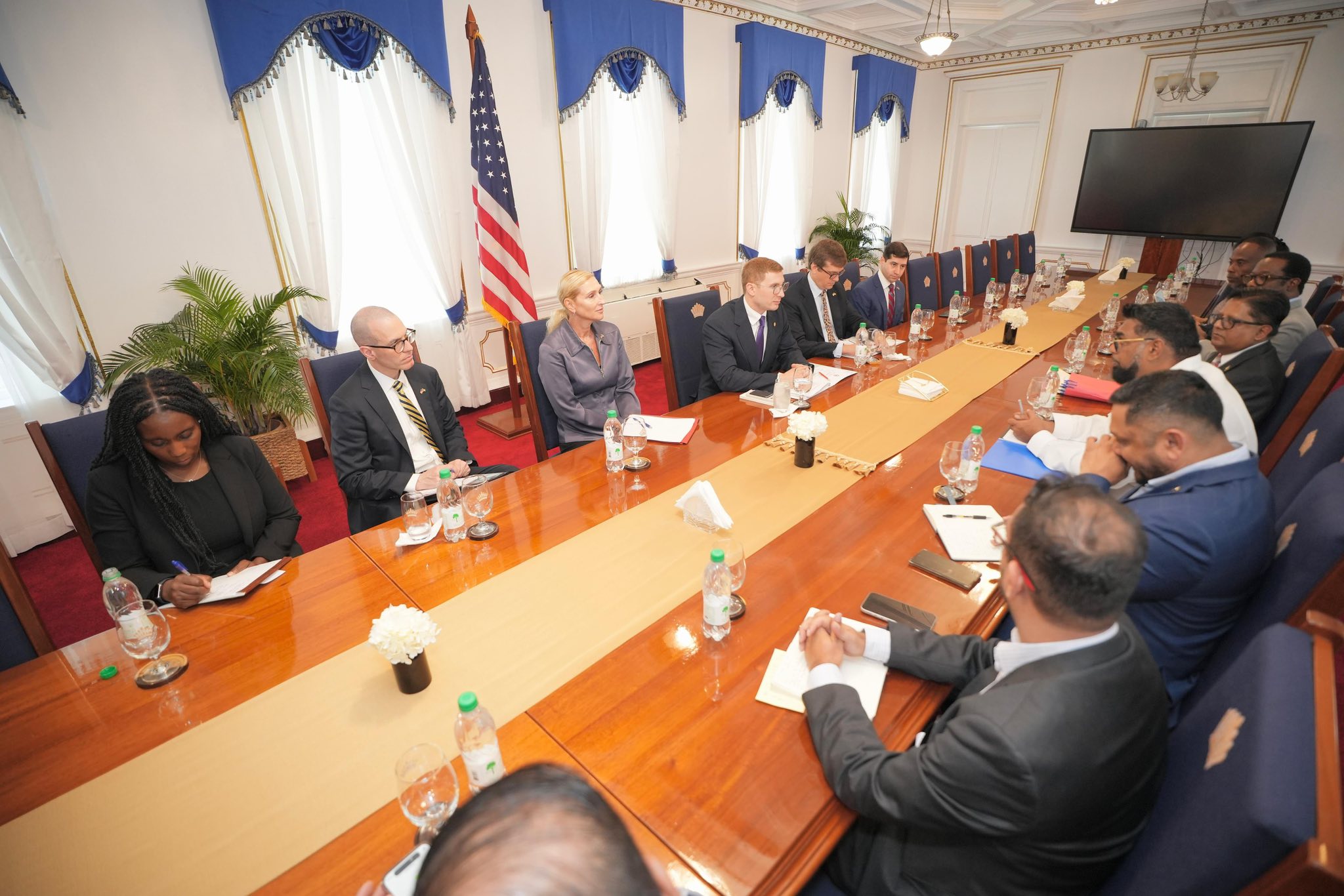
    On Wednesday, May 13, 2026, a high-stakes bilateral meeting between Guyanese President Dr. Irfaan Ali and visiting U.S. Under Secretary of State for Economic Affairs Jacob Helberg opened a new chapter in bilateral economic cooperation, with plans for deepened engagement on targeted investments spanning multiple key industries. The diplomatic gathering, held at Guyana’s State House, included senior delegations from both sides: Helberg was accompanied by U.S. Ambassador to Guyana Nicole Theriot, while President Ali was joined by cabinet ministers Dr. Ashni Singh, Hugh Todd, Vickram Bharrat and Zulfikar Ally, alongside Foreign Secretary Robert Persaud and National Intelligence and Security Agency Director Colonel Sheldon Howell.

    Shortly after the closed-door talks, during a press briefing at the U.S. Embassy ahead of wrapping up his one-day official visit to the South American nation, Helberg outlined the tangible outcomes of the discussions, revealing that detailed technical working-level talks will follow the high-level dialogue, with a potential permanent bilateral working group under consideration to maintain consistent progress and accountability on cooperation commitments.

    A core focus of the talks was expanding private investment in Guyana’s already established bauxite mining sector. Currently, two operators—China’s BOSAI Minerals and U.S.-owned First Bauxite—run active production operations in the country, while Russian firm RUSAL is on track to restart its Guyanese activities later this year, after suspending operations in 2018 amid a major labor dispute. Helberg noted that discussions centered on expanding bauxite output and market access, with new U.S. investment targeting two key enablers: critical transportation infrastructure, particularly road networks, and cutting-edge autonomous trucking technology. These upgrades, he explained, would act as a catalyst to move more Guyanese bauxite to global markets faster and more efficiently.

    Beyond the bauxite sector, Helberg highlighted a wide range of untapped investment opportunities for U.S. firms in Guyana. Pointing to the $55 trillion in liquid assets held by the U.S. private sector—what he called the world’s largest single pool of investment capital that would deliver mutual benefits to both Guyana and the United States—he identified promising sectors including data center development, tourism expansion, agricultural and food technology, and broader digital innovation. A key highlighted area of potential cooperation is partnership between Guyana and Silicon Valley, the global epicenter of high-tech innovation. Helberg noted that Guyana offers unique advantages for Silicon Valley firms, from testing new emerging technologies to establishing permanent local operations. He also outlined a transformative potential for artificial intelligence integration: AI-powered logistics infrastructure could position Guyana as a key regional hub that cuts transit times for northern Brazilian goods accessing Caribbean markets.

    Closing his remarks, Helberg offered strong praise for the Guyanese government’s approach to economic growth, noting that he left the meeting confident in President Ali’s decisive leadership. “I can confidently say after this trip that President Ali does bring a level of decisiveness that really avails an opportunity to be transformative for the country of Guyana,” he said.

  • Trinidad PM says country will not recognise Barnett as CARICOM SG after August

    Trinidad PM says country will not recognise Barnett as CARICOM SG after August

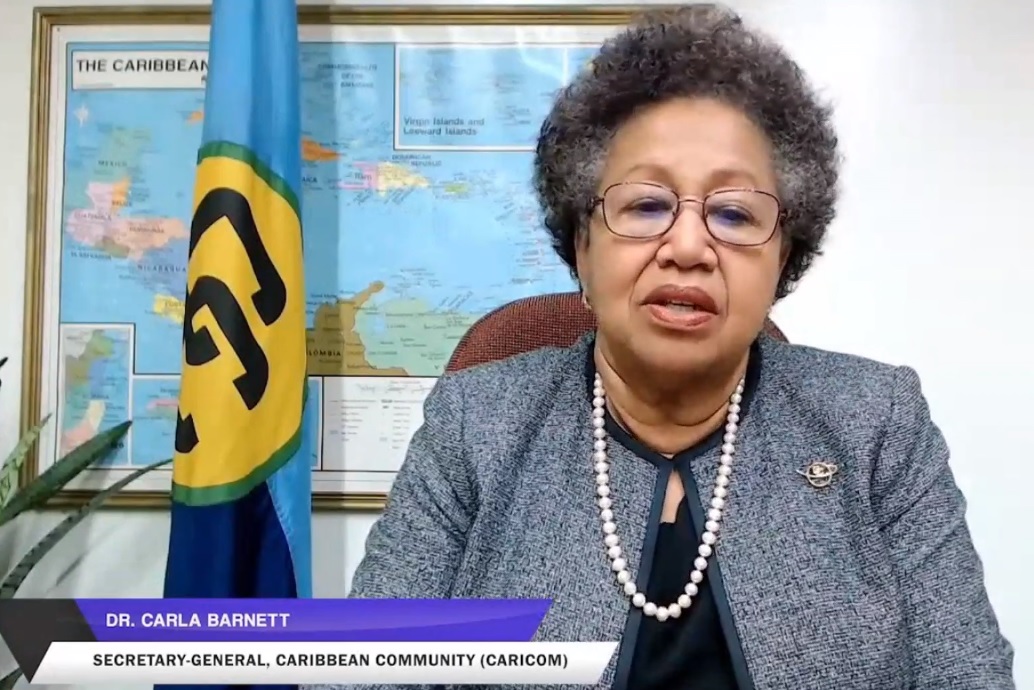
    PORT OF SPAIN, Trinidad – May 13, 2026 – A deep rift has opened within the Caribbean Community (CARICOM) after Prime Minister Kamla Persad-Bissessar of Trinidad and Tobago drew a hard line in public, confirming her nation will refuse to recognize Dr. Carla Barnett’s second five-year term as Secretary-General when her first term expires this coming August.

    Persad-Bissessar made the position unequivocal in an interview with the Trinidad Express, emphasizing that the stance is non-negotiable regardless of backing from other regional member states. “Trinidad and Tobago only recognises Barnett as SG until the end of her term this August 2026. All CARICOM leaders could do as they please, but Trinidad and Tobago will not recognise her as SG for a next term. That’s not going to change,” she said, adding that “this is our final position.”

    The dispute traces back to a February 2026 CARICOM summit held in Basseterre, St. Kitts and Nevis, where regional leaders voted to reappoint Barnett, a Belizean economist who first took office as the bloc’s eighth Secretary-General in August 2021. CARICOM Chair and St. Kitts and Nevis Prime Minister Dr. Terrance Drew confirmed in March that Barnett secured the required majority of votes to win reappointment. But Persad-Bissessar was not present for the vote, and her government has repeatedly challenged the legitimacy of the entire process.

    Trinidad and Tobago’s top objection centers on the absence of Prime Minister and Foreign Minister Sean Sobers from the key retreat where the appointment was finalized. Sobers could not attend due to a scheduling conflict: he was hosting an official visit from India’s External Affairs Minister Dr. Subrahmanyam Jaishankar and fulfilling parliamentary duties. Persad-Bissessar accuses Barnett herself of sending a WhatsApp message to disinvite Sobers from the meeting, a claim that CARICOM leadership has denied. Drew has repeatedly stated Trinidad and Tobago was never uninvited to the retreat.

    The Prime Minister has also condemned what she calls deliberate lack of transparency around the process, noting that Barnett personally drafted the press release issued under Drew’s name that defended her reappointment, while intentionally omitting any reference to the disinvitation text that remains visible in the CARICOM Council for Foreign and Community Relations (COFCOR) WhatsApp group. To date, Persad-Bissessar says her government has received no answers to its formal questions about the incident, calling the lack of response “really shameful.”

    Last week, Dominica Prime Minister Roosevelt Skerrit acknowledged the controversy had played out extensively in public, confirming that his government and other regional states view Barnett’s reappointment as valid. A closed-door, five-hour meeting of CARICOM leaders held over the preceding weekend addressed Trinidad and Tobago’s objections, but ultimately members voted to uphold the original February decision and rejected calls to restart the appointment process, local media reports confirm.

    Persad-Bissessar stressed that while Trinidad and Tobago remains committed to the principles of regional integration within the 52-year-old bloc, she cannot stay silent about what she describes as the “dysfunctional and chaotic state” of CARICOM’s current governance. Rejecting suggestions that the dispute could be resolved through the Trinidad-based Caribbean Court of Justice (CCJ), the Prime Minister noted that Port of Spain does not recognize the CCJ as its final court of appeal, and her administration has no plans to change that status.

    In a striking comment that underscores the depth of the rift, Persad-Bissessar said her government is completely unbothered by the prospect of Trinidad and Tobago being expelled from CARICOM over the dispute. “They are free to do as they wish. I’m not bothered. We have already made our position clear; they are free to expel us from CARICOM if they wish to do so. They are free to work with us if they wish to do so. Life goes on in Trinidad and Tobago, with or without CARICOM. The world stops for no one,” she said.

    She added that Trinidad and Tobago is already proactively diversifying its trade partnerships to reduce reliance on the CARICOM single market, with ongoing efforts to build new economic ties with markets across the Middle East, South America, India, and Africa. The Prime Minister also clarified that the nation will continue to participate in future CARICOM meetings, so long as its representatives are not uninvited from key proceedings.

  • Trio wanted for murder of Cuban

    Trio wanted for murder of Cuban

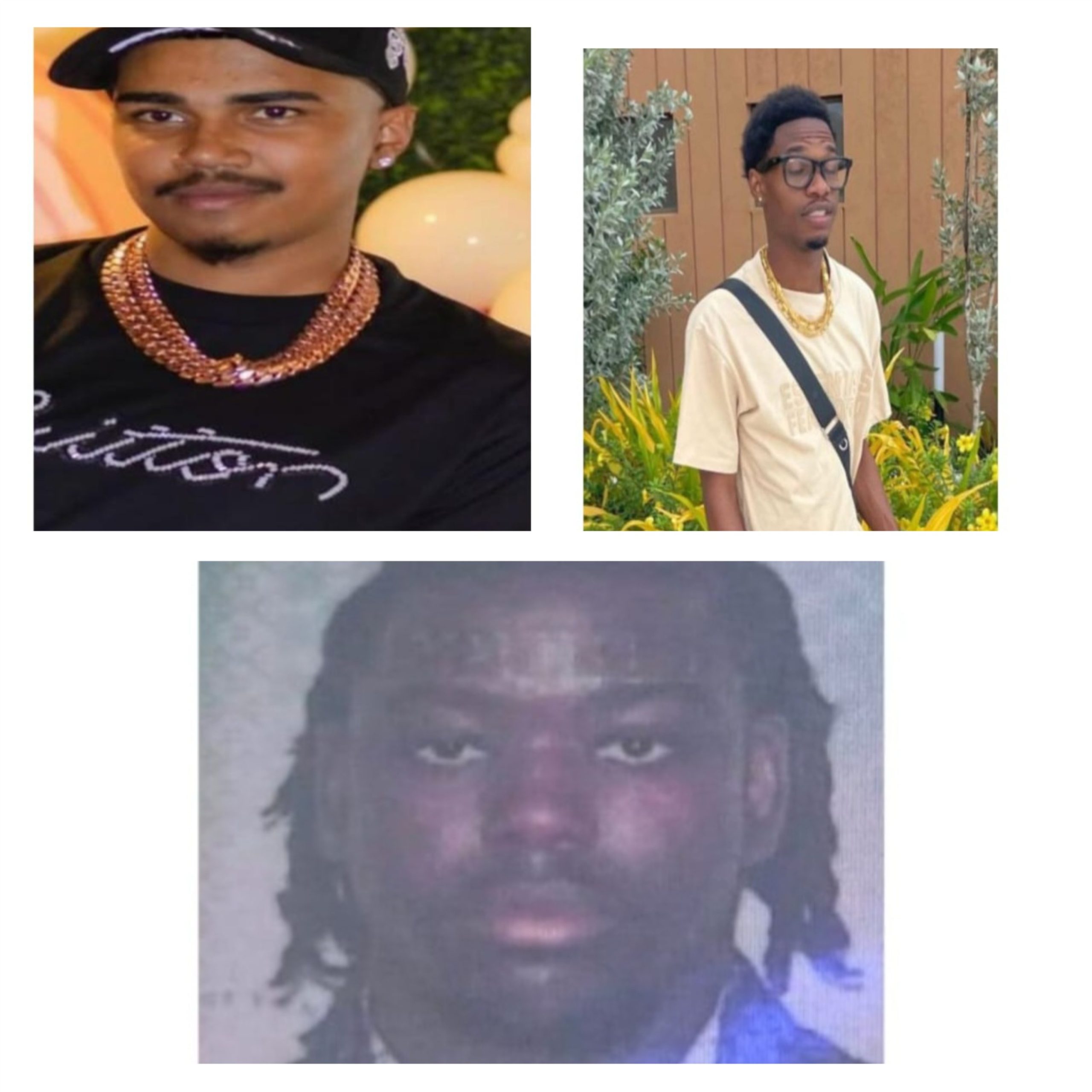
    Georgetown, Guyana – Local authorities have launched a manhunt for three men connected to the fatal shooting of a 23-year-old Cuban janitor that took place at a Queenstown entertainment venue this past Sunday, according to an official update released Wednesday morning by local law enforcement. The victim, identified as Dainier Vegas Infante, was shot and killed while on the clock at the club located on Forshaw Street. Investigators have now issued official wanted bulletins for three suspects: 25-year-old Baraka Garnett, 26-year-old Mikhail Joseph, and Nicholas David, whose age has not yet been released to the public.

    In a formal statement released to media, Guyanese police outlined the sequence of events that led up to the shooting. Witness accounts indicate that one of the armed suspects first approached two men who were seated just outside the club entrance, initiating a conversation with the pair. When Vegas Infante stepped out of the establishment to approach the interacting group, the armed suspect fired a single shot directly at the janitor, striking him and causing him to collapse immediately on site.

    Following the shooting, the gunman fled the scene in a motor vehicle, traveling along Forshaw Street, while the other three involved suspects also escaped in separate vehicles, police confirmed. One woman has already been taken into custody in connection with the killing, after the national closed-circuit television (CCTV) surveillance network tracked a vehicle registered to her to the area of the crime. However, authorities have so far declined to share any additional details on her status, including any potential charges or whether she is cooperating with the ongoing investigation.

    The update was last published at 9:30 a.m. local time on May 13, 2026, by Demerara Waves Online News correspondent Denis Chabrol.

  • PPP calls US congresswoman’s rebuke of Venezuela’s interim President “forceful”

    PPP calls US congresswoman’s rebuke of Venezuela’s interim President “forceful”

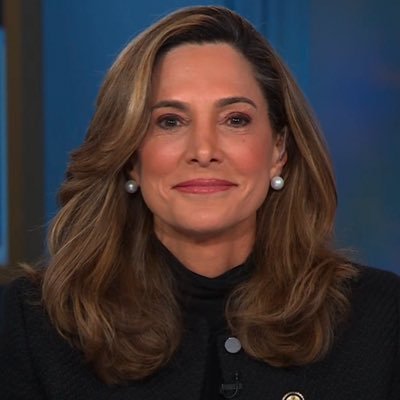
    On Tuesday, May 12, 2026, Guyana’s governing People’s Progressive Party Civic (PPPC) publicly praised a forceful statement from U.S. Republican Congresswoman María Elvira Salazar backing Guyana’s territorial sovereignty amid escalating tensions with Venezuela over a long-running border dispute. Salazar, who chairs the House Foreign Affairs Subcommittee on Western Hemisphere Affairs, made her remarks on the social platform X one day after Venezuelan interim president Delcy Rodriguez delivered a provocative address to the International Court of Justice (ICJ) during oral hearings on the merits of the border case.

    During her Monday appearance before the United Nations’ highest judicial body, Rodriguez doubled down on Venezuela’s rejection of any ICJ ruling on the validity of the 1899 Arbitral Tribunal Award that established the current land boundary between the two South American nations. She insisted that the 1966 Geneva Agreement—signed by Venezuela and the United Kingdom shortly before Guyana gained independence—remains the only legally valid framework for resolving the dispute through bilateral negotiations. Rodriguez warned that any ICJ judgment on the 1899 award would not resolve tensions, stating, “No judgment by this court on the territorial controversy will provide a definitive solution acceptable to both parties. On the contrary, it will exacerbate the differences between the parties, and will lead the parties to entrench themselves in their respective positions, distancing them from the practical, satisfactory and mutually acceptable settlement to which they committed in 1966 by signing the Geneva agreement.”

    Salazar pushed back sharply against Rodriguez’s comments and her repeated threats to Guyana’s territorial integrity in her X post. She argued that Rodriguez mistakenly believes she can manipulate U.S. President Donald Trump the same way she and former ousted Venezuelan president Nicolás Maduro “tricked and destroyed” Venezuela. “Delcy should stop threatening Guyana and start learning from it,” Salazar wrote. She also warned Rodriguez against sending confidential correspondence to President Trump, emphasizing, “You don’t deal with him through secret letters while trying to steal territory from a free and sovereign nation like Guyana.”

    Beyond addressing the border dispute, Salazar commended Guyana’s prudent management of its new oil wealth, noting that in less than a decade, the South American nation has set a stark contrast with Maduro’s regime in Venezuela. “Unlike the Maduro regime, Guyana didn’t rob its people. They managed their oil wealth responsibly, created a sovereign wealth fund, and saw GDP per capita quadruple in just five years,” she added.

    As of Tuesday, Guyana’s national government had not issued an official public response to Salazar’s social media statement. The ICJ is on track to issue its binding ruling on the border dispute by the end of 2026 or in the first quarter of 2027, a decision that will shape the future of regional security and territorial claims in northeastern South America.

  • Dredging of Demerara River begins in June

    Dredging of Demerara River begins in June

    Guyana is set to launch a critical infrastructure upgrade for its key maritime trade route next month, after officials signed an $11.2 million contract with regional dredging firm Boskalis CPG Inc. this Tuesday.

    The project, first announced by Public Utilities and Aviation Minister Deodat Indar, will target a 9-kilometer stretch of the Demerara River’s navigational channel running between the communities of Houston and Golden Grove. Over a two-month construction period, crews will widen the channel to 100 meters and deepen it to 5 meters, addressing longstanding navigation challenges that have limited access for larger commercial vessels.

    The official contract signing ceremony was held this week, with MARAD Director-General Stephen Fraser putting pen to paper on behalf of Guyana’s Maritime Administration Department (MARAD), which falls under Indar’s ministry. Senior government officials including Permanent Secretary Vishal Ambedkar, alongside leadership from both MARAD and Boskalis CPG, were in attendance to witness the milestone agreement.

    In an official statement following the signing, the ministry outlined the far-reaching benefits the completed dredging work will deliver for Guyana’s economy. Once finished, deeper, wider waters will allow larger cargo vessels to access the Demerara channel safely and reliably, cutting wait times for shipping and boosting overall port efficiency. The upgrade is also expected to support the consistent, sustainable movement of domestic and international goods and services, strengthening the country’s entire maritime sector.

    Minister Indar emphasized that the project comes directly in response to feedback from Guyana’s shipping industry, which has repeatedly called for additional dredging work to unlock the Demerara River’s full trade potential after years of increasing commercial activity along the waterway. Construction is scheduled to kick off in June 2026, with completion targeted for the end of the third quarter of the year.

  • PNCR/APNU leader shrugs off more defections to PPP

    PNCR/APNU leader shrugs off more defections to PPP

    On Tuesday, 12 May 2026, People’s National Congress Reform (PNCR) and opposition bloc A Partnership for National Unity (APNU) leader Aubrey Norton pushed back against growing concerns over the party’s ongoing exodus of members, after the ruling People’s Progressive Party Civic (PPPC) announced the defection of seven current and former opposition-aligned politicians.

    The seven new PPPC recruits include three former APNU+AFC Members of Parliament: Rickly Ramsaroop, Shurwayne Holder, and Dinesh Jaiprashad, plus four sitting regional councillors: Ravoldo Birbal, Sheik Yaseen, Prince Holder, and Gangadai Lloyd. Shurwayne Holder, a former PNCR Chairman, had openly signaled his dissatisfaction with the party after being excluded from APNU’s 2025 parliamentary slate following September’s general and regional elections, while Ramsaroop had already split from coalition partner Alliance For Change (AFC) in mid-2025 before briefly aligning with PNCR-led APNU.

    In comments to Demerara Waves Online News, Norton framed the latest departures as an expected outcome that did not catch him off guard. “Everybody is free to go to whichever political party they want to go but even Stevie Wonder would have seen that that group was preparing to go to the PPP from the time most of them weren’t seeming to become members of parliament,” he noted. When pressed on whether he had detected disloyalty ahead of candidate nominations, he declined to speculate, saying that leaders can never fully predict the decisions of their members.

    This latest wave of defections is part of a years-long trend that has seen more than a dozen opposition politicians leave PNCR and APNU for either the ruling PPPC or the new opposition bloc We Invest in Nationhood. Over less than five years, high-profile departures to the PPPC include James Bond, Jermaine Figueira, Geeta Chandan-Edmond, Richard Van West Charles, Daniel Seeram, and Samuel Sandy, while three other former members have taken executive roles with the new opposition grouping.

    Addressing questions about how he will stem further departures, Norton acknowledged that sustained opposition status naturally creates this type of challenge for political parties. “When you’re in opposition for a while that happens. Don’t forget when we were in government- the PNC- many PPP people came and, of course, there are two different things. There is a difference between going to a political party based on principle and ideology and going for whatever personal reasons. You can’t stop people from going for their personal reasons,” he explained.

    Norton rejected criticism that the steady “bleeding” of the party is a failure of his leadership, noting that all leadership tenures face challenges. He pushed back against claims he should be held responsible for the defection of figures like former Region Four Chairman Daniel Seeram, saying many of the departing politicians were not selected by him for their current roles. “There are many people I didn’t choose that went so it’s a reality you have to face. We will just continue to organise ourselves and move forward,” he said.

    When asked if he was disappointed by the defection of young, rising politician Ravoldo Birbal, in whom he had previously expressed confidence, Norton described Birbal as young and inexperienced, framing his departure as a predictable outcome for less seasoned political actors.

    The PPPC’s announcement of the new defections came just one day after former PNCR central executive member Dr. Aubrey Armstrong warned the opposition that it risked losing more supporters if it failed to address the needs of its base. During a commemorative lecture for former PNCR Leader and President Desmond Hoyte, Armstrong urged the party: “You have to take care of your people. You have to find ways of feeding them and so on. If not, you open the door for somebody else to poach them.”

    In its official statement announcing the new recruits, the PPPC said the seven politicians requested a meeting with the party’s General Secretary to formalize their shift in affiliation. The group told PPPC leadership they wanted to contribute to Guyana’s ongoing period of unprecedented economic growth and modernization, while advancing the public interest. They praised the ruling party’s open, inclusive governance style, its successful implementation of its policy manifesto, and the tangible improvements it has delivered to communities across the country. The defectors also highlighted the PPPC’s effective economic stewardship, its commitment to inclusive governance that serves all Guyanese regardless of identity, and its proven capacity to sustain national growth.

    Notably, the four sitting regional councillors who have switched affiliation cannot be recalled from their posts under current Guyanese electoral law, as no existing statute allows list representatives to remove sitting elected regional councillors after they have taken office.

  • If party faithful doesn’t get support, they will go elsewhere – Aubrey Armstrong

    If party faithful doesn’t get support, they will go elsewhere – Aubrey Armstrong

    On May 11, 2026, former senior People’s National Congress Reform (PNCR) figure Dr. Aubrey Armstrong delivered the annual Hugh Desmond Hoyte commemorative lecture in Guyana, issuing a stark warning to his former party and laying out enduring leadership lessons drawn from the life and tenure of the nation’s second executive president. The event, held to honor the legacy of the PNCR icon who led the party from 1985 until his death in 2002, came amid a years-long trend of high-profile PNCR members crossing the aisle to join the governing People’s Progressive Party Civic (PPPC).

    Opening his address, which carried the theme “Strategic transformation from charismatic/hero-centered leadership: Some lessons from the leadership journey of Hugh Desmond Hoyte,” Dr. Armstrong centered his first critical warning on the need to prioritize the well-being of the party’s grassroots supporters. He emphasized that failing to deliver tangible support to loyal voters creates an open invitation for rival parties to poach disillusioned members. “You have to take care of your people. You have to find ways of feeding them and so on. If not, you open the door for somebody else to poach them,” he told the assembled audience.

    Dr. Armstrong rooted this advice in Hoyte’s own actions immediately after the PNCR’s historic 1992 electoral defeat, the first loss of national power for the party after decades in office. He recalled that within days of the result, Hoyte directed internal party policy experts to draft four landmark policy frameworks, one of which focused on expanding equitable access to credit and mainstream financial services for low-income Guyanese. At the time, Dr. Armstrong explained, Hoyte argued that formal banks and insurance institutions had long systematically excluded working-class Black and Indo-Guyanese citizens, and expanding financial access was core to both supporting the party’s base and advancing national equity. This initiative, Dr. Armstrong noted, grew directly from Hoyte’s core principle that parties must actively care for their supporters immediately after losing power, not only when holding office.

    Turning to his core analysis of Hoyte’s leadership style and the lessons it offers modern political actors, Dr. Armstrong argued that effective leadership relies on far more than raw intellectual intelligence. He stressed that emotional intelligence is equally critical: leaders must be able to self-reflect, publicly acknowledge mistakes, and deliberately recruit people with diverse skills — even those who do not personally align with the leader, or hold views that differ from their own. Other core pillars of strong leadership, he added, include creating space for constructive criticism from within, actively listening to grassroots feedback, systematically assessing and managing risk, solving problems pragmatically, and building teams that complement the leader’s gaps in skills and perspective.

    Dr. Armstrong specifically highlighted Hoyte’s personal commitment to this model of leadership, noting that the former president never felt threatened by colleagues with stronger expertise in specific areas. Confident in his own decision-making, Hoyte actively broke down long-standing barriers to bring more women and young people into senior party roles, making tough, unpopular choices to prioritize skills and representation over loyalty to existing party elites. Dr. Armstrong also celebrated Hoyte’s “iron will” to stand by difficult decisions, pointing to his landmark work on party reform that opened space for new generations of leaders to rise through the ranks. Above all, he emphasized Hoyte’s uncompromising “radical integrity,” noting that the former leader had zero tolerance for corruption and refused to tolerate any illicit financial connections to criminal activity in party or government affairs.

    Drawing another lesson from Hoyte’s observations during a visit to African National Congress (ANC) party branch activities in South Africa, Dr. Armstrong noted that Hoyte came away convinced of the need to strengthen local PNCR party chapters rather than keeping them weak and dependent on national leadership. “He began to understand the need for us to strengthen party groups. And they will talk back to you. When you strengthen them, they will talk back to you,” Dr. Armstrong said, adding that allowing local branches to retain financial and operational independence builds a more resilient party over the long term. Weak grassroots groups, he warned, cannot sustain a party through political struggles.

    For context, Hoyte assumed the Guyanese presidency in 1985 following the death of the nation’s first executive president, and won a disputed general election later that year widely condemned by international observers as rigged. Hoyte ultimately conceded to mounting local and international pressure for sweeping electoral reform, leading to the PNCR’s 1992 electoral defeat that ended the party’s decades hold on national power. The PNCR returned to government from 2015 to 2020 as the lead partner in the A Partnership for National Unity (APNU) coalition, but lost the 2020 general election and was relegated to the position of second-largest opposition party in parliament following the 2025 national polls.

  • Man jailed for 5.8 kilos cocaine

    Man jailed for 5.8 kilos cocaine

    More than four years after a major anti-drug seizure in Georgetown’s Tucville neighborhood, a Guyanese national has been handed a severe custodial sentence and fine for trafficking cocaine, law enforcement authorities confirmed Monday.

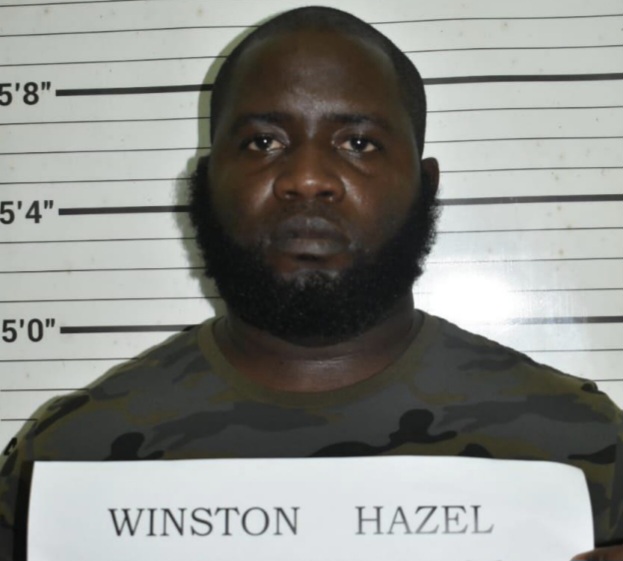
    Winston Hazel was convicted of trafficking 5.814 kilogrammes of cocaine by Magistrate Fabayo Azore on April 30, 2026, according to the Customs Anti-Narcotic Unit (CANU), the country’s lead agency for counter-narcotics enforcement. The conviction carries a three-year prison term and a GY$8.1 million fine, which equals approximately US$390,000 at current exchange rates.

    The case traces back to a targeted CANU enforcement operation conducted in March 2022 in the Guyhoc Park district of Tucville. During the operation, officers pulled over a private motor vehicle carrying two occupants, acting on intelligence related to suspected drug movement in the area. A systematic search of the stopped vehicle uncovered five sealed parcels containing cocaine, which tested positive for the controlled substance and logged a total net weight of 5.814 kilogrammes.

    CANU did not immediately release details on the status of the second individual who was in the vehicle at the time of the interception. The conviction marks a key win for Guyana’s ongoing crackdown on transnational drug trafficking, as the South American country remains a key transit route for cocaine moving from production hubs in the Andean region to global markets in North America and Europe.

    The verdict was first reported by Demerara Waves Online News, with the last update to the public record published on May 11, 2026, by correspondent Denis Chabrol.