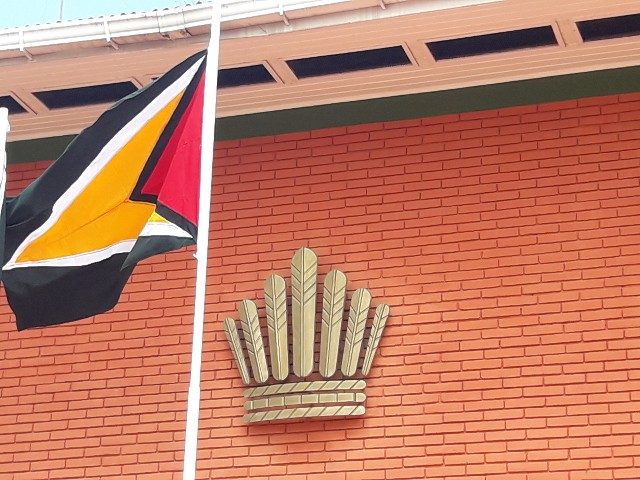
On May 17, 2026, the Office of the President of Guyana confirmed that President Irfaan Ali has formally given approval for the national government’s slate of regional executive officer (REO) appointments across the country’s administrative regions. This personnel adjustment forms a core part of the government’s broader push to strengthen grassroots governance across Guyana, with the newly installed and retained leaders tasked with forging close collaborative ties with regional governing bodies, locally elected democratic institutions, and grassroots community groups. Their core mandates will be threefold: to sharpen the efficiency of regional governance frameworks, speed up the rollout of priority development programs, and raise the quality of public services accessible to ordinary Guyanese citizens across all areas of the country. Among the appointments confirmed, Karl Singh will retain his position as REO for Guyana’s Region Nine, bringing institutional continuity to the region’s ongoing development work. In an official statement accompanying the announcement, the Guyanese government reaffirmed its long-term commitment to building state institutions that meet three key benchmarks: professionalized operational standards, responsiveness to community needs, and a core focus on centering public well-being in all governance work. These institutional improvements are designed to lay the groundwork for inclusive, equitable development that reaches every corner of Guyana, leaving no region or community behind in the country’s broader economic and social progress. The appointment process underscores the administration’s priority of aligning regional leadership with its national development agenda, ensuring that local governance outcomes directly reflect the needs and priorities of Guyana’s population.
标签: Guyana
圭亚那
-
Labour Ministry probing working conditions at India-owned quarry in Region 7
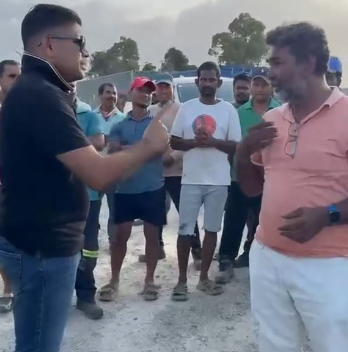
Guyana’s Ministry of Labour has launched an official probe into claims of widespread labor and occupational safety violations at a Batavia quarry located in Region Seven, Cuyuni-Mazaruni, following public allegations raised by opposition political leaders. The development, first reported on 16 May 2026, comes as the India-headquartered quarry operator EKAA HRIM Earth Resources Management maintains that one recent employee death was caused by a heart attack, and has dismissed circulating claims as misleading.
The allegations first entered the public sphere when Opposition Leader Azruddin Mohamed, head of the main opposition We Invest in Nationhood (WIN) party, took to social media to share accounts from individuals identifying themselves as employees of the quarry. Mohamed called on Guyanese President Irfaan Ali, who formally commissioned the quarry three years ago, to intervene immediately on behalf of a group of Indian national workers. The opposition leader claimed the workers have not received owed wages and are being prevented from leaving the country by being held of their passports, demanding a full investigation into the circumstances of one worker’s death.
“We’re calling for an investigation into what really transpired because we heard that that man worked, worked and worked till he collapsed and died of what is being called a heart attack,” Mohamed told reporters during a public appearance accompanied by former workers and other WIN party officials.
WIN General Secretary Odessa Primus doubled down on the opposition’s demands, calling for the quarry to be immediately shut down and its responsible owners prosecuted. “This is a clear human rights violation. It is sick and very disturbing to be in this day and age and have to interface with these sort of things,” Primus said.
Accounts shared by the workers have painted a grim picture of conditions at the remote quarry site. One anonymous employee alleged that basic health infrastructure is completely absent at the location, and no dedicated boat transport is available to evacuate sick or injured workers to the nearest hospital. The employee also claimed that salary payments have been delayed for multiple consecutive months, leaving workers in desperate conditions.
In video footage posted to the Team Mohamed Facebook page, a senior EKAA HRIM representative appeared to acknowledge the workers’ demands during an on-site meeting with Mohamed, confirming that workers would receive meals over the upcoming weekend and assuring that their rights would be respected. The representative stated the company would meet workers’ welfare needs ahead of their planned trip to Georgetown to meet with officials from the Indian High Commission.
In an official statement released via public relations firm Tagman Media, EKAA HRIM pushed back against the public allegations, saying it is working collaboratively with the Indian High Commission in Guyana, the Ministry of Labour and all relevant local authorities to resolve all outstanding issues with full transparency and accountability. “Verified information and supporting documentation will be shared through the appropriate channels in due course,” the company said.
The firm labeled circulating social media claims as “misleading and inaccurate”, warning that unsubstantiated reports risk sparking unnecessary public fear, confusion and misunderstanding among stakeholders and the general public. “We respectfully urge the public and all stakeholders to refrain from spreading unverified information and to allow the relevant authorities to complete their processes professionally and independently,” the statement added.
The company concluded by thanking the Guyanese government, relevant ministries, its staff, commercial partners and the public for their ongoing support, understanding and cooperation through the ongoing controversy. EKAA HRIM reaffirmed its commitment to protecting employee welfare, complying fully with Guyana’s national labor laws, and maintaining transparency across all of its domestic operations. Labour Minister Keoma Griffith confirmed the launch of the investigation in an interview with Demerara Waves Online News on Saturday, confirming that authorities are now reviewing the full set of allegations.
-
Guyana launches mathematics task force
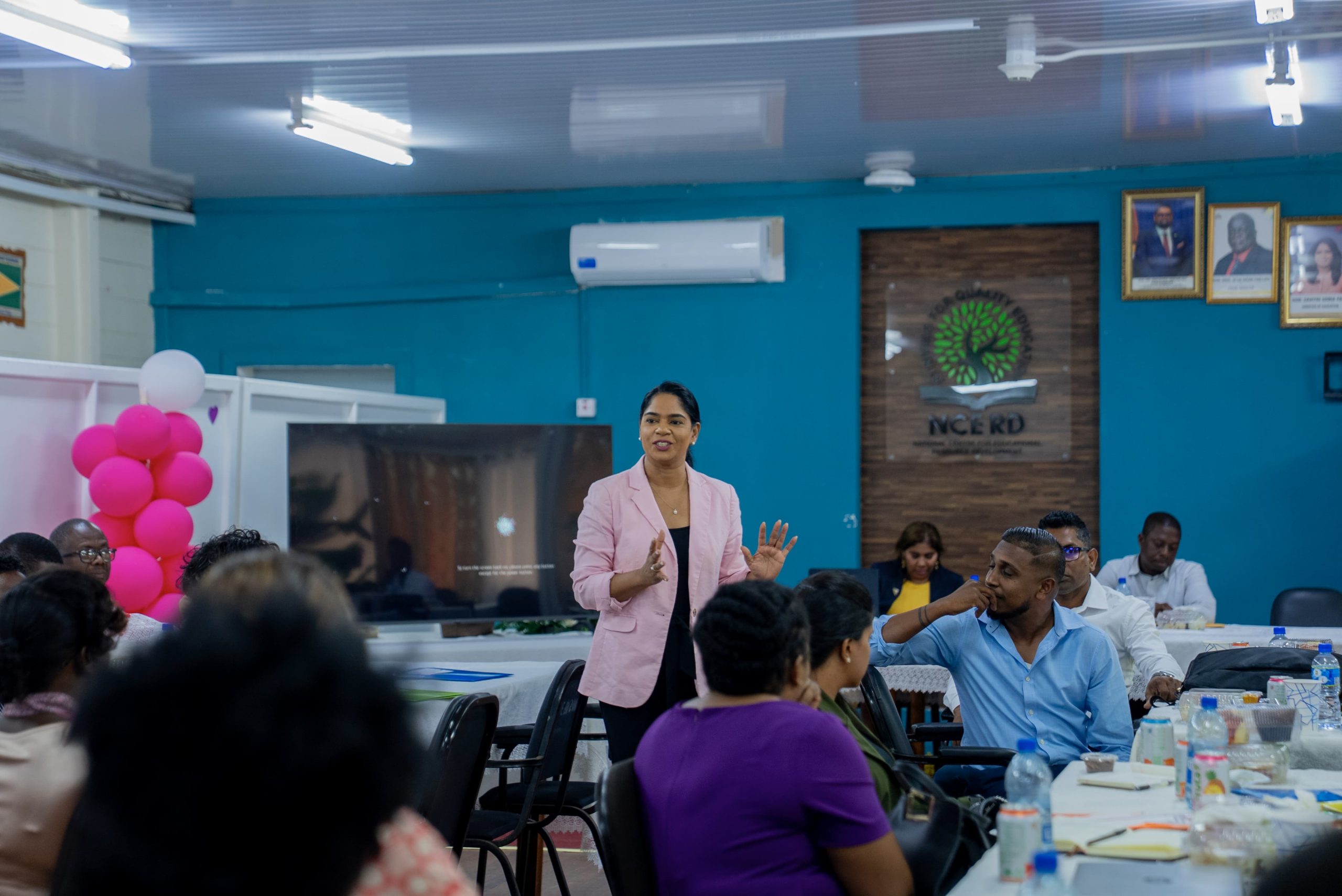
On Saturday, May 16, 2026, Guyana’s Ministry of Education announced the launch of a new 20-member national mathematics task force, an initiative designed to reverse longstanding underperformance in mathematics education across all school levels of the South American nation.
Heading the interdisciplinary panel is Chief Education Officer Saddam Hussain, with a deliberately diverse membership that brings together stakeholders from every corner of Guyana’s education sector. The body includes specialists drawn from each of the country’s 10 administrative regions, all Regional Education Officers, prominent academics from the University of Guyana including Mohandatt Goolsarran and Dr. Troy Brown, international educator Zamal Odeen, mathematics experts from the capital Georgetown and beyond, and representatives from Guyana’s primary teacher training institution, the Cyril Potter College of Education (CPCE). The task force held its inaugural session recently at the auditorium of the National Centre for Education and Research Development (NCERD) in Kingston, Georgetown.
Education Minister Sonia Parag, who formally established the task force, laid out its core mandate in opening remarks: to analyze current student performance trends across primary, secondary and tertiary education, then develop a holistic, long-lasting strategy to lift learning outcomes. A core requirement Parag imposed is full collaborative input from grassroots education workers across the country. Before any policy is finalized, the task force will travel to every administrative region to hold extensive consultations with frontline mathematics teachers and school headteachers, ensuring local buy-in and on-the-ground insight shapes the final plan.
“They have to be engaged and I want them to be in agreement with the final plan before anything is implemented,” Parag said, emphasizing that top-down policy cannot deliver meaningful change without the backing of the educators who will implement it.
Parag highlighted a critical gap that the new strategy will address: a disconnect between content expertise and instructional skill among many current mathematics educators. Many teachers hold deep knowledge of mathematics but lack the training to translate that knowledge into accessible, effective classroom learning, while others have strong teaching skills but lack sufficient mastery of advanced mathematical content, she explained. To close this gap, Parag instructed the task force to center its review on foundational teacher training and ongoing professional development, starting with reforming how trainee teachers are prepared at CPCE.
“You have teachers who have the knowledge, but they don’t know how to deliver; you have teachers who can deliver, but they don’t have the knowledge. So, we still have to align those things so that you have more teachers who have the knowledge and can also deliver in the classroom,” Parag said, clarifying that the assessment is not a criticism of working teachers, but a call for systemic improvement from the Ministry of Education itself. “It’s just saying that perhaps we at the Ministry of Education need to improve the way we are training our teachers.”
Beyond teacher training, Parag pushed for a fundamental shift in teaching philosophy, moving away from a culture focused on rote memorization and exam cramming toward deep, conceptual understanding of mathematics. True comprehension, she argued, equips students to tackle unexpected, complex problems that often appear on high-stakes assessments, rather than being thrown off course by unfamiliar question formats.
“We need to rethink whether we’re teaching children to understand mathematics or teaching them to memorize just to pass an exam. It’s something very serious because if you prepare them to understand mathematics, then even if a curveball is thrown, it’s not going to throw them off, and that is what we should be aiming for now,” she said.
The task force has also been directed to address two often-overlooked barriers to math success: student math anxiety and low foundational literacy. Parag noted that many students develop a psychological block against mathematics before they even begin learning, a mindset that teachers must actively overcome to drive progress. Additionally, literacy skills are a prerequisite for solving math problems: students cannot correctly answer a question they cannot read and interpret.
To address the literacy-math link, the Ministry of Education has already rolled out new early intervention measures, integrating literacy development into early childhood math readiness starting at the nursery school level. National literacy assessments will now be administered to students in Grades Two and Four, to identify learning gaps early and deliver targeted support before poor literacy derails math progress. “By Grade Four, all of our children must know how to read properly and comprehend well. If they can’t do that, it means they can’t answer exam questions. It means they cannot reason, which is what mathematics is – reasoning,” Parag explained.
During the inaugural meeting, task force members put forward a range of actionable proposals to boost engagement and outcomes. Suggestions included a national reward and recognition program for outstanding math students and teachers, a national mathematics competition, dedicated math clubs in every school, standardized weekly formative assessments to track student progress, classroom “math walls” displaying key formulas and concepts, and interactive, game-based learning activities aligned with current curriculum topics.
Parag acknowledged that Guyana has made incremental gains in math performance in recent years, but stressed that more urgent action is needed. She noted that poor math outcomes are a global challenge, not unique to Guyana, but that the country is committed to turning the tide locally. The minister committed to ongoing collaboration with the task force, noting that the group’s on-the-ground expertise is critical to developing a viable long-term solution.
Parag also emphasized that national investments in education infrastructure, learning resources and teacher training must be matched by strong leadership at the school level, with headteachers taking responsibility for monitoring and supporting quality classroom instruction. She also highlighted the underutilized role of Parent-Teacher Associations (PTAs) in building a supportive learning ecosystem that connects home and school, noting that she is traveling across the country to meet with PTAs to boost parental engagement at all education levels.
“The ministry cannot do it alone, the teachers cannot do it alone and our children cannot do it alone. Their development requires the best of all of us,” she said.
Closing the inaugural session, Parag framed the task force’s work as a definitive new starting point for mathematics education across Guyana, calling on members to craft a strategy that will chart a brighter future for generations of learners. “I want this to be a new beginning for mathematics,” she said.
-
President calls on public to support Joint Services, amid threats from adversaries
On Saturday, May 16, 2026, as Guyana prepares to mark the 60th anniversary of its independence from British rule, President Irfaan Ali, the nation’s commander-in-chief of the armed forces, has issued a urgent call for wholehearted public backing of the country’s Joint Services, amid a high-stakes territorial dispute with neighboring Venezuela that has put regional security on edge.
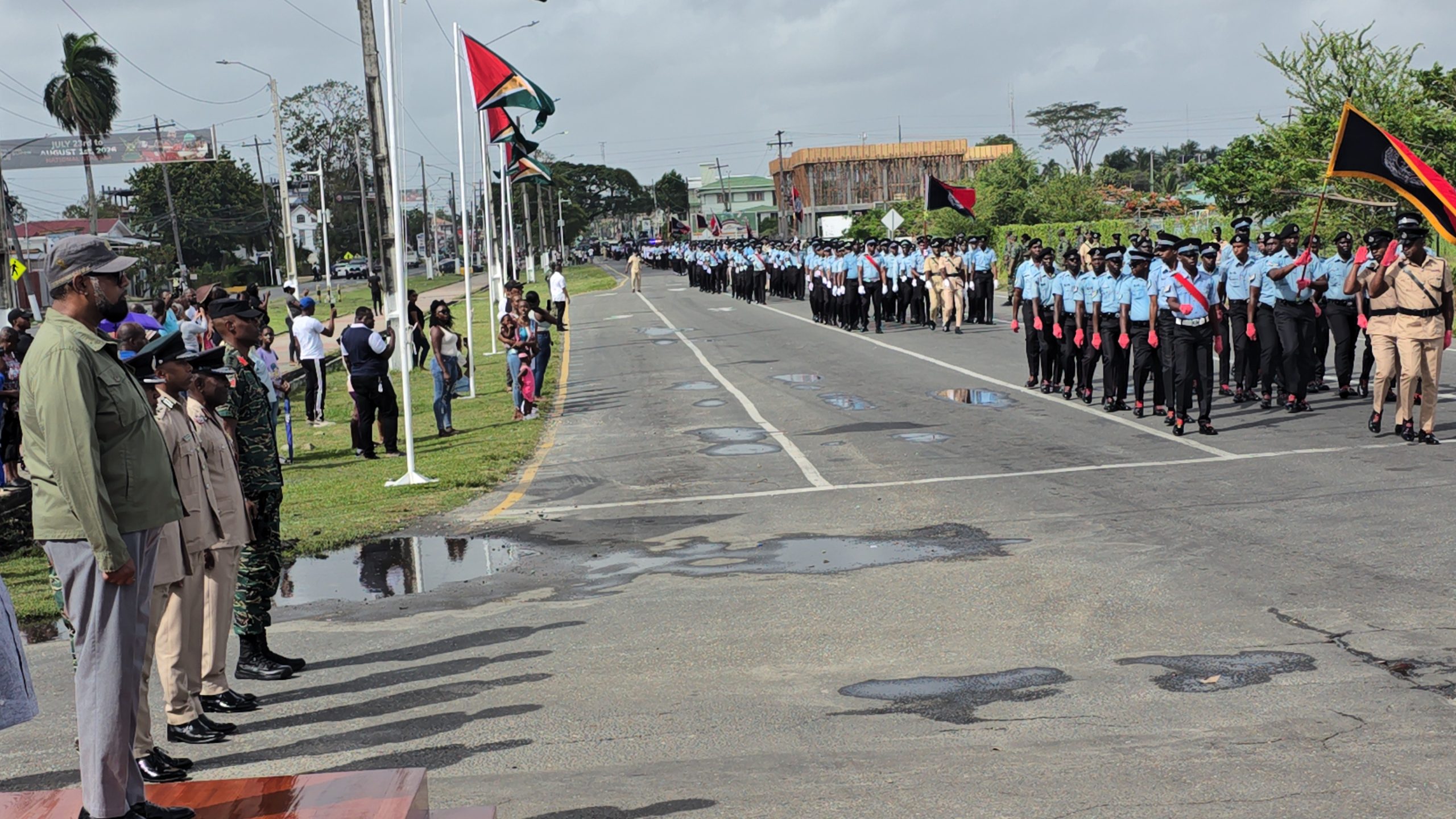
Ali made the appeal during a ceremonial address following a joint service route march through the streets of Georgetown, the capital of Guyana. The event was one of the lead-up activities ahead of the official 60th independence jubilee celebrations scheduled for May 26, 2026. Standing alongside top security leadership including Chief-of-Defence Staff Brigadier Omar Khan, Acting Police Commissioner Ravindradat Budhram, Chief Prison Officer Nicklon Elliott, Fire Chief Gregory Wickham, and National Intelligence and Security Agency Director Colonel Sheldon Howell, Ali took the salute from a combined parade of the country’s uniformed security forces before addressing the gathering.
The president stressed that Guyana’s Joint Services — which includes the military, national police, prison service, fire service, and intelligence agencies — carry two critical mandates for the country: cracking down on transnational drug trafficking, and upholding domestic stability against criminal activity. To succeed in these roles, Ali argued, the uniformed services cannot operate without consistent public support, especially at a moment of heightened external tension over the country’s western border.
“Not supporting our Joint Services sends an adverse signal when potential adversaries look at Guyana,” Ali stated, speaking while dressed in an olive green utility uniform emblazoned with national symbols including the cacique crown, a map of Guyana, and the Guyanese flag. “They ask themselves: Does Guyana enjoy unity? Do they value their protectors? Never let our adversaries see division and disunity because a divided house does not need to be invaded. It simply crumbles.”
Ali expanded on this warning, noting that public disregard for the country’s security personnel sends a dangerous message to the international community that Guyana does not take its own sovereign freedom seriously. “That message is more dangerous than any bullet,” he said. The president did acknowledge that public accountability is appropriate when service members fail to uphold their oaths, noting that multiple personnel across the joint services have faced accusations or convictions for serious offenses in recent years, ranging from robbery, assault and weapons theft to murder and narcotics trafficking. Most recently, a senior Guyanese police officer was placed on administrative leave after being sanctioned by the U.S. Office of Foreign Assets Control over alleged links to drug trafficking. Even with this accountability, Ali stressed that the public must not abandon the institution of the Joint Services as a whole.
The current tension stems from a decades-long border dispute between Guyana and Venezuela, centered on the 1899 Arbitral Tribunal Award that established the current boundary between the two nations. Venezuela has long rejected the ruling, and the dispute has reignited in recent years following the discovery of massive oil reserves in the disputed Guyanese territory. The case over the validity of the 1899 award is currently before the International Court of Justice (ICJ), with a final ruling expected in the coming days.
Venezuelan President Delcy Rodriguez reaffirmed her government’s position earlier this month, telling the ICJ that Venezuela will not accept any ruling that upholds the 126-year-old boundary agreement. Rodriguez has instead insisted that the only path forward is a bilateral negotiation anchored in Venezuela’s interpretation of the 1966 Geneva Agreement, which Caracas claims serves as a new governing treaty for the dispute.
Despite Venezuela’s pre-emptive rejection of the ICJ ruling, Ali struck an optimistic tone about the process. He expressed confidence that the court’s decision will bring an end to decades of territorial pressure from the neighboring South American nation, noting that Guyana has faced repeated threats of incursion and diplomatic intimidation over its sovereign territory. “Our territorial integrity has been threatened before. It will never be threatened again; not only with words but with the threat of incursions and pressures dressed in diplomacy,” Ali said.
The president issued a direct warning to what he framed as Guyana’s adversaries, cautioning them against misreading the country’s commitment to peaceful resolution of the dispute. “Do not mistake our peace for weakness,” Ali said, noting that Guyana’s security forces are backed by principled international diplomacy and a united population that will never surrender its sovereign birthright.
Closing his address, Ali paid tribute to the Joint Services for their decades-long work protecting national security, enabling Guyana’s ongoing economic expansion, and upholding the country’s position in international diplomacy. “To you, I say you kept the promise of 1966 alive,” he said. “You’ve made sure that independence is not symbolic but a lived reality.”
Guyana officially attained full independence from the United Kingdom on May 26, 1966, with 2026 marking six decades of sovereign nationhood for the South American country.
-

President says prosperity alone cannot guarantee unity
On the evening of Friday, 15 May 2026, Guyanese President Irfaan Ali used the opening of the national Guyana Festival — a centerpiece event marking the country’s 60th anniversary of independence — to deliver a urgent, youth-focused appeal to dismantle more than six decades of entrenched racial and political polarization that has defined the nation’s political landscape since the mid-1950s.
Standing at the Providence National Stadium to open the three-day cultural celebration, Ali emphasized that economic growth alone, particularly the expansion of Guyana’s booming new oil sector, cannot deliver lasting national cohesion. “Prosperity alone does not guarantee unity. In fact, prosperity without social cohesion makes division very difficult to manage,” he told the gathered crowd. Framing inclusive development as the only sustainable path to unifying the nation, he argued: “When development is inclusive, unity becomes natural. When development is exclusive, division becomes inevitable. If politics has been a source of division, then let us use this 60th anniversary to ensure that culture unites us.”
Ali reiterated that his administration remains committed to ensuring the benefits of the country’s current period of national growth are widely shared across all communities, fairly distributed to marginalized groups, transparently delivered to all citizens, and collectively celebrated by every segment of Guyanese society.
This call for unity comes amid long-running political friction: Guyana’s three parliamentary opposition parties have repeatedly levied accusations of corruption, mismanagement, and biased contract awarding to political allies against Ali’s government, claims that the administration has consistently denied. The country’s political split traces back to the 1955 split of the once-unified People’s Progressive Party (PPP), which created a decades-long polarization, with majority support for the PPP coming from Indo-Guyanese communities and backing for the main opposition coalition, the People’s National Congress Reform/A Partnership for National Unity, rooted in Afro-Guyanese populations. Ali had previously positioned his PPP as the modern vehicle for national unity, echoing the party’s unifying role back in 1950.
Directing his most impassioned remarks to the nation’s young people, Ali stressed that younger Guyanese carry no blame for the historical divisions that have split the country, and called on them to lead a new era of reconciliation. “Instead, become the generation that finally makes One Guyana real at home in our schools, workplaces, communities, and in the relations we build with persons of other ethnicities,” he said. “I place my trust in you, young Guyana, our young people. You are the generation that can turn diversity into destiny.” He urged the public to mark independence by abandoning outdated divisive habits that have no place in a modern, forward-looking Guyana, leaning into the nation’s rich multicultural identity as a unifying strength rather than a point of difference.
For its part, the Guyana Festival, the event hosting Ali’s address, is designed to deliver exactly that unifying cultural experience. Tourism Minister Susan Rodrigues outlined that the three-day gathering features a wide range of immersive attractions, including heritage villages, cultural showcases, and live demonstrations highlighting the traditions of all Guyana’s ethnic groups. Attractions range from African head wrapping and Indigenous tibisiri craft to Indian sari wrapping, traditional pottery, performance art including drama and poetry, and oral storytelling, alongside a dedicated amusement park for children, a dedicated cultural zone, and a culinary village that celebrates the food, music, dance, and fashion of Guyana’s six major ethnic communities.
Rodrigues noted that cultural events like the festival also serve a dual purpose: boosting Guyana’s fast-growing tourism sector, which has seen explosive growth in recent years. “Events like the Guyana Festival are central to that strategy. Because tourism today is experience-driven, visitors are seeking destinations with authenticity and stories. They want immersive experiences. They want connection. And Guyana has something unique to offer the world,” she explained.
The sector’s growth trajectory confirms rising international interest: March 2026 saw record-breaking visitor arrivals, with Guyana hosting almost 40,000 international visitors that month alone, representing a 13.3% increase compared to the same period in 2025. Full-year 2025 also set a new all-time record, with total visitor arrivals topping 453,000 — a 22% jump from 2024 — and that strong upward momentum has continued through the first months of 2026.
-
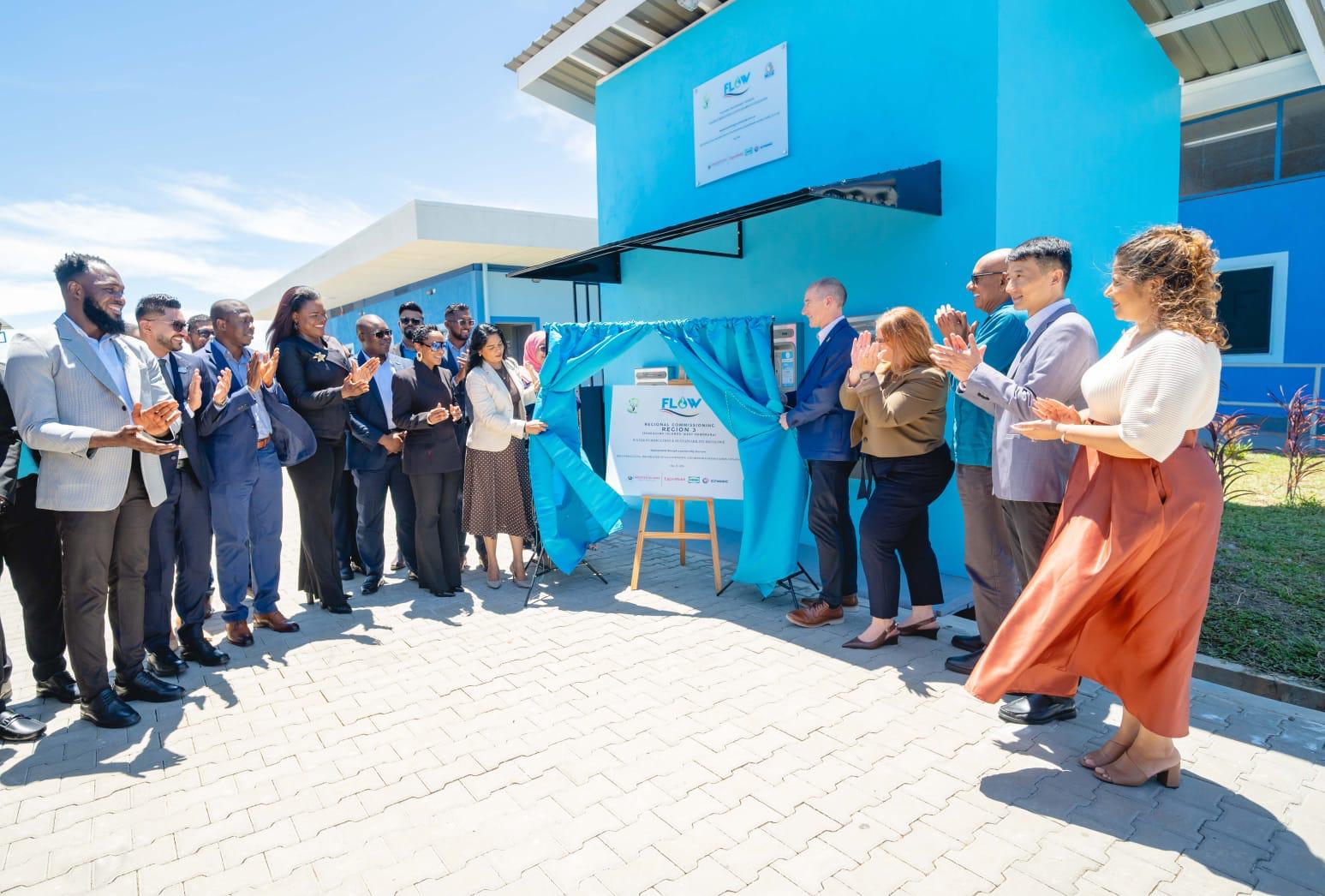
Project FLOW commissions 15 school water systems in Region Three
On Friday, May 15, 2026, stakeholders formally commissioned and handed over 15 new community water purification installations to secondary schools across Guyana’s Region Three, marking a major milestone for the country’s landmark National Water Purification Sustainability Initiative, known as FLOW.
The cross-sector partnership delivering the project – Recover Guyana, the Greater Guyana Initiative (GGI), and Guyana’s Ministry of Education – confirmed that more than 9,000 students and teaching staff across the region will now gain consistent access to safe, purified drinking water on school campuses.
As the flagship program of the Greater Guyana Initiative, FLOW is framed as a transformative national investment that ties together educational progress and long-term environmental sustainability. Beyond expanding access to clean drinking water, the initiative also prioritizes encouraging reusable water bottle use and cutting plastic waste in school communities. Launched as a four-year national program, FLOW has set an ambitious target to serve more than 58,000 students across 141 public secondary schools, 10 technical vocational education and training (TVET) institutions, and four specialized needs schools by 2030, directly advancing global sustainable development goals.
All 15 new systems were transferred to participating school administrations between May 6 and 8, 2026. School leaders and students have already voiced gratitude for the intervention, reporting early improvements in student well-being, campus hygiene standards, household cost savings for families, and overall learning conditions.
At the official handover ceremony hosted at Tuschen Secondary School, Dr. Dave Lalltoo, Project Lead and President of Recover Guyana, highlighted that Region Three now hosts 16 completed FLOW sites when including the earlier pilot program at West Demerara Secondary School. That pilot delivered striking measurable results: it eliminated the need for more than 65,000 single-use plastic bottles in just nine months, proving the model’s viability and clearing the path for national rollout.
“Through the partnership of Recover Guyana, the Greater Guyana Initiative, the Ministry of Education, local communities, schools, technical experts, and countless hardworking individuals, Region 3 now stands as a national example of sustainable development done correctly,” Lalltoo said in remarks at the ceremony.
Alistair Routledge, President of ExxonMobil Guyana, explained that the project receives backing through the Greater Guyana Initiative – a 10-year, $100 million development commitment to Guyana from ExxonMobil Guyana, Hess, and CNOOC. “Through this initiative, we are working to support projects that improve lives, strengthen communities, and create long-term value for Guyana,” Routledge noted. “The FLOW Water Purification Sustainability Initiative is a perfect example of what that commitment looks like in action.”
Guyana’s Minister of Education Sonia Parag also praised the collaborative effort. “We believe in development through partnership, whether that is in education, agriculture, or healthcare. To witness the FLOW system firsthand and see how students are benefiting from it was truly amazing,” Parag said. “This partnership is not only about development and shared benefits, but also about innovation and sustainability, all of which improve the quality of education. It aligns directly with the Government of Guyana’s vision to strengthen education and infrastructure while creating cleaner, safer environments and communities.”
In addition to guaranteeing reliable access to clean drinking water for students, analysts project the initiative will generate substantial socioeconomic and environmental benefits for both schools and the broader Region Three community. Over a three-year period, the new installations are expected to deliver a total of $87 million in cumulative cost savings for the region.
-
PNCR-APNU knew of recent planned defections before – Mahipaul
On Friday, May 15 2026, senior leadership of Guyana’s main opposition coalition A Partnership for National Unity (APNU), led by the People’s National Congress Reform (PNCR), publicly acknowledged that five of seven high-profile current and former party figures are preparing to cross the floor to join the ruling People’s Progressive Party Civic (PPPC). Speaking at a formal press briefing, PNCR executive member Ganesh Mahipaul pushed back against claims that the impending departures caught the party off guard, noting that shifting social media activity and dramatic changes in public positioning had long signaled the members’ impending exit.
When asked why the coalition had not taken preemptive disciplinary action against the members planning to leave, Mahipaul explained that concrete evidence of disloyalty remained insufficient for formal action, adding that the PNCR has no inherent desire to expel or push away any of its members. He drew a parallel to the high-profile 2018 case of former APNU+AFC parliamentarian Charrandass Persaud, whose plans to vote in favor of a PPPC-sponsored no-confidence motion were widely rumored in political circles long before the official vote, mirroring the open speculation around this latest round of defections.
Over the past five years, multiple senior PNCR figures including two former general secretaries and one former chairman have already left the party to join either the PPPC or the new opposition outfit We Invest in Nationhood (WIN). But Mahipaul stressed that none of the members planning the latest exit, nor the previous defectors, have access to the PNCR’s confidential internal strategy or core decision-making processes. He clarified that the seven individuals – three former members of parliament (Rickly Ramsaroop, Shurwayne Holder, and Dinesh Jaiprashad) and four sitting regional councillors (Ravoldo Birbal, Sheik Yaseen, Prince Holder, and Gangadai Lloyd) – hold no key responsibilities in the coalition’s ongoing operations, so their departure will not disrupt APNU’s forward progress. Notably, Guyana currently has no recall legislation that would force sitting regional councillors to give up their seats after switching party affiliation.
Mahipaul also pointed to a potential driver for the defections, suggesting that many members who leave the PNCR for the ruling party are motivated by the prospect of securing lucrative multi-million-dollar government contracts. He emphasized that the party values unwavering loyalty, commitment, and dedication among its ranks, while noting that recent membership growth has offset losses from departures: despite widespread reports of PPPC-led voter intimidation and victimization of opposition supporters, the coalition has recently added 397 new registered members. Since the 2025 general and regional elections, Mahipaul added, the PNCR has launched a sustained outreach campaign to expand its grassroots presence across Guyana and retain its relevance to voters.
The briefing also addressed growing public calls for PNCR leader Aubrey Norton to step down, following the coalition’s worst-ever electoral defeat in 2025 that saw it reduced to just 12 of 65 seats in the National Assembly, and pushed it out of the position of main opposition to the new political party WIN, which secured 16 seats. Mahipaul rejected external pressure on Norton’s leadership, stating that decisions about the party’s top leadership are exclusively for party members to make at an official congress, not for outside observers or non-members. “Our political party does not work on what Jim Jones or Tom Jones want to say on the outside. We work based on structure and order,” he said, adding that any member of the public who wants a say in party governance is welcome to join the organization.
Mahipaul made clear that he personally hopes Norton will not resign, which would leave the party in a state of leadership chaos. He argued that even if Norton steps down from the leadership role in the future, he should remain within the party to share his decades of institutional knowledge and guide newer leaders. “You just can’t drop off the sky and come off the map and abandon your ship. What kind of a leader will you be should you just run away and leave the ship?” Mahipaul said.
-
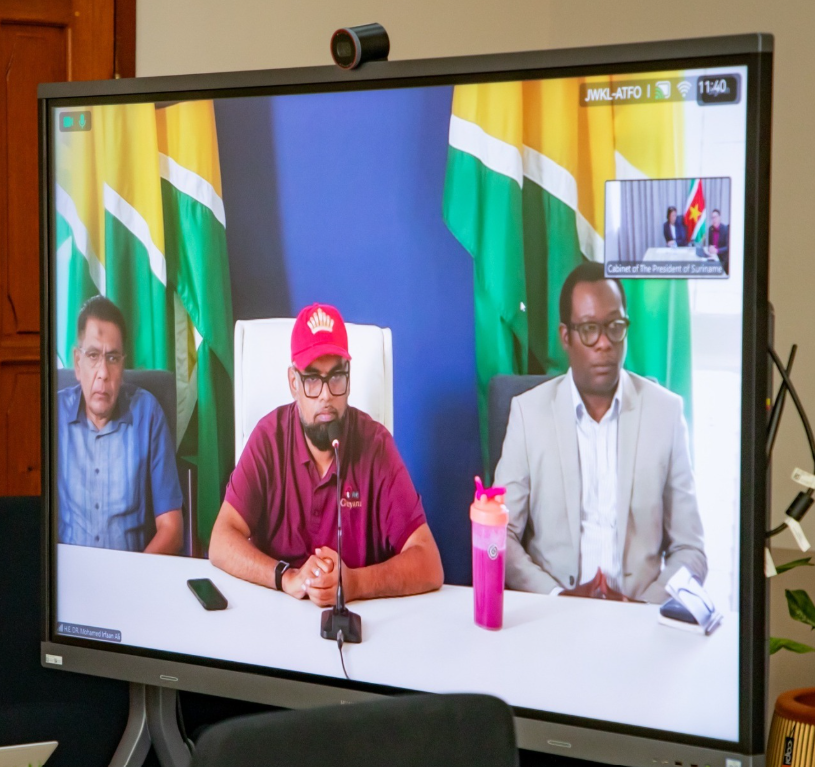
Guyana, Suriname presidents discuss use of Corentyne River, fisheries
On Friday, 15 May 2026, the presidents of neighboring Caribbean nations Guyana and Suriname held a productive virtual diplomatic meeting focused on resolving long-standing cross-border disagreements and expanding bilateral cooperation across multiple key sectors.
Guyanese President Irfaan Ali was joined in the meeting by Agriculture Minister Zulfikar Mustapha and Foreign Affairs Minister Hugh Todd, while Surinamese President Jennifer Geerlings-Simons led her country’s delegation to the talks. While Ali shared only broad reflections on the discussion in a public Facebook post following the meeting, Geerlings-Simons offered detailed insights into the agenda and outcomes of the bilateral dialogue.
At the top of the meeting’s agenda were two long-running cross-border disputes that have strained economic ties between the two nations. The first is a disagreement over access to the shared Corentyne River (called Corantijn by Suriname), sparked when Suriname implemented steep new access fees for Guyanese cargo vessels moving quarry and timber products from Guyanese concessions to Guyana’s side of the waterway. Under the new fee structure, charges can reach as high as US$1,500 per ton, a dramatic increase from the previous flat rate of US$75 per vessel that Guyana is pushing to reinstate. As a path forward, Suriname has requested that Guyana submit a formal application for fee exemptions for specific vessels.
The second unresolved issue on the agenda is access to fishing waters for Guyanese fishermen. Successive Surinamese administrations have failed to follow through on past commitments to formalize access: the previous Chandrikapersad Santokhi government, which left office after last year’s general election, had pledged to establish a special mechanism to issue fishing licenses to Guyanese crews, but no progress was made on the promise during its term.
Beyond dispute resolution, the two leaders also discussed expanding bilateral collaboration in high-growth sectors, including oil and gas, and agreed to actively involve the private sector in future cooperation initiatives to drive tangible economic gains for both nations. Climate change and its immediate impacts also featured prominently on the meeting’s agenda, coming on the heels of extreme heavy rainfall that triggered severe widespread flooding across Guyana, Suriname, and neighboring French Guiana in the week leading up to the talks. The two leaders agreed that their respective Public Works ministries will collaborate at the technical level to address flood-related water management challenges and develop coordinated infrastructure adaptations to boost regional resilience to climate-driven extreme weather.
Both presidents characterized the talks as positive and constructive. Geerlings-Simons described the exchange as “constructive and friendly”, while Ali noted in his Facebook post that he was “delighted today to speak to my friend and our neighbour” on “various opportunities and challenges ahead of us.” He added, “I was pleased at our shared commitment in deepening our partnership and friendship to ensure further economic cooperation, expansion of trade, and integration of our economies.”
To keep momentum on the discussed issues, the two leaders have agreed to hold another meeting on short notice under the framework of the existing Suriname-Guyana Strategic Dialogue and Cooperation Platform, with a focus on advancing the resolutions agreed upon during this virtual session.
-
Carter Center recommends adjustment of Guyana’s electoral boundaries
In a post-election analysis published Thursday, May 14, 2026, the U.S.-based Carter Center has delivered a mixed assessment of Guyana’s 2025 general and regional elections, praising the process’ far greater transparency than the heavily contested 2020 vote while calling for sweeping reforms to fix outdated electoral boundaries that violate the core democratic principle of equal suffrage.
The September 1, 2025 polls delivered a clear political shift: incumbent President Irfaan Ali’s People’s Progressive Party Civic (PPPC) secured re-election with an expanded parliamentary majority, while the long-dominant opposition bloc A Partnership for National Unity, led by the People’s National Congress Reform, was upset by the newly launched We Invest in Nationhood (WIN) party. WIN claimed 16 seats to become the largest opposition faction in the 65-seat National Assembly, with APNU finishing second among opposition groups.
The core recommendation from the Carter Center, which has observed Guyanese elections and supported democratic development in the country since 1992, centers on the urgent need to redraw electoral constituency boundaries that have not been updated in 24 years, since they were set by parliamentary legislation in 2001. New 2022 national population data, released in January 2026, confirms that significant demographic shifts across the country have left the current boundary framework severely misaligned with the principle of one person, one vote.
Under Guyana’s current complex electoral system, 40 parliamentary seats are allocated through a single national constituency, while the remaining 25 seats are distributed across the country’s 10 regions as a geographic component. The framework assumes equal population distribution across the 25 geographic seats, but two national censuses conducted in 2012 and 2022 have recorded substantial population changes that the system has never adjusted to.
The Carter Center’s report notes that Guyana’s existing Representation of the People Act already grants the Guyana Elections Commission (GECOM) legal authority to divide the country into polling districts and sub-districts, with the only restriction that districts cannot cross regional boundaries. To bring the country in line with global democratic standards, the organization proposes that a ongoing national constitutional review process evaluate Guyana’s entire electoral system and boundary delimitation methodologies to guarantee equal suffrage.
International best practices mandate regular boundary reviews to prevent unequal voting power, and the Carter Center is calling on Guyanese authorities to codify mandatory periodic reviews into national law. The reforms would adjust boundaries to reflect current population counts and cap the allowed population deviation between constituencies at less than 10 percent, down from the large deviation that currently exists. The organization also recommends that all apportionment criteria, including whether boundaries are drawn based on total residents, registered voters, actual voter turnout or a combination of metrics, be made fully public to increase accountability.
“Reforming laws related to boundary delimitation and addressing the large gap between electoral quotients for obtaining seats in small and large electoral constituencies will allow Guyana to more fully respect the principle of equal suffrage,” the report states.
Beyond boundary reform, the Carter Center joined other regional and international observer missions in highlighting persistent flaws in Guyana’s electoral ecosystem. Key concerns cited include lax campaign finance regulations that allow unregulated spending, the misuse of state resources that disproportionately benefits incumbent political parties, unequal access to media coverage for opposition groups, limited participation from civil society organizations, and structural barriers that prevent marginalized communities from fully engaging in the political process.
Even as it called for further reform, the Carter Center offered significant praise for improvements made after the deeply flawed 2020 election, which was marred by widespread attempts to rig the vote count. Post-2020 legislative overhauls to the tabulation process delivered tangible progress, the organization confirmed.
“Overall, the post-2020 reforms were positive, contributing to a more efficient and transparent tabulation process that better ensured results reflected the will of the electorate,” the report read. Carter Center observer teams assessed tabulation procedures across all 17 national tabulation centers, finding the process was conducted reasonably or very well in every location. Transparency was greatly improved through the public posting of official Statements of Poll and the timely upload of all results to GECOM’s official website, the organization added.
-
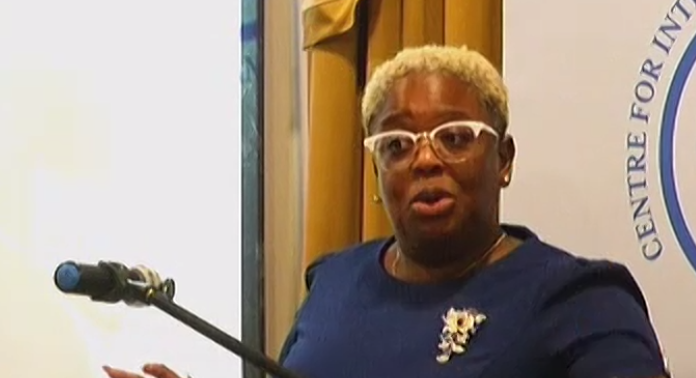
Revisit CARICOM Secretary General’s reappointment – UWI international relations expert
The Caribbean Community (CARICOM) is facing a growing internal rift over the planned reappointment of incumbent Secretary-General Dr. Carla Barnett, with a leading regional international relations scholar calling for a do-over of the selection process rooted in consensus and performance assessment. The dispute comes ahead of the end of Dr. Barnett’s first five-year term, which is scheduled to conclude this July.
Dr. Kai-Ann Skeete, a trade research fellow at the Shridath Ramphal Center for International Trade, Law, Policy and Services at the University of the West Indies (UWI) Cave Hill Campus in Barbados, laid out her stance on the contentious issue Thursday during an international conference hosted by the Centre for International and Border Studies. The event, themed “Navigating The Future: Guyana, the Caribbean and Latin America in a Changing Global Environment”, provided a platform to address the leadership crisis unfolding within the 15-member regional bloc.
Dr. Skeete stressed that any decision on the top CARICOM leadership post must be reached through full consensus among all member states, rather than the majority vote that was used to approve Dr. Barnett’s second term. Her position directly contradicts the announcement made in March by CARICOM Chairman and St. Kitts and Nevis Prime Minister Dr. Terrance Drew, who confirmed that leaders had approved Dr. Barnett’s reappointment for a second five-year term starting this August at their February 24–27 summit, citing that the vote met the bloc’s required majority threshold.
“For CARICOM, such a critical decision needs buy-in from every member,” Dr. Skeete argued. “If we rely on majority rule, you will inevitably have a faction that feels disenfranchised, and that fracture undermines the very foundation of regional integration. Consensus means no winners and no losers — it means we all move forward together.”
Beyond the procedural dispute, Dr. Skeete also pushed for selection criteria that prioritize tangible performance over institutional tradition or political negotiation. She acknowledged that she entered Dr. Barnett’s first term with high hopes: as a woman, a former CARICOM Secretariat staffer, and a former vice president of the Barbados-based Caribbean Development Bank, Dr. Barnett entered office with intimate firsthand knowledge of the long-running tensions between the bloc’s more developed countries (MDCs) and its least developed countries (LDCs). Dr. Skeete had expected Dr. Barnett to leverage that experience to bridge divides and unify member states around shared regional goals.
Unfortunately, Dr. Skeete said that expectation went unmet. Over the past five years, the gap between richer and poorer CARICOM members has actually widened, leaving the bloc more fragmented than it was when Dr. Barnett took office in 2021. She attributed this underperformance to the overriding influence of regional politics that constrained Dr. Barnett’s ability to act as a unifying leader, noting that “politics stepped in and Dr. Barnett stayed in her lane.”
Against this backdrop, Dr. Skeete called for an urgent revisit of the reappointment question to resolve the dispute quickly, warning that the bloc cannot afford to be distracted by internal leadership conflict when it faces a host of pressing collective challenges to grapple with by the end of 2026. “Regional integration is non-negotiable for the Caribbean,” she emphasized. “The core question we need to answer is simple: can this candidate unite the region, deepen integration, and advance our shared goals? If the answer is no, it is time to give another candidate the opportunity.”
The call for a revised process comes as the bloc remains deeply split over the 2026 reappointment. Trinidad and Tobago, one of CARICOM’s largest economies, has been the most vocal opponent, vowing it will not recognize Dr. Barnett’s second term because it was excluded from the heads of government forum that approved the appointment. Trinidad and Tobago has been joined by Antigua and Barbuda, Jamaica, and the Premier of Nevis in calling for the issue to be reopened for discussion. On the opposing side, Guyana, Belize and Dominica have publicly thrown their support behind the original reappointment process and Dr. Barnett’s second term.
The dispute is unfolding under the framework of the Revised Treaty of Chaguaramas, the legal document that governs CARICOM operations. Article 24 of the treaty states only that the Secretary-General shall be appointed by the Conference of Heads of Government on the recommendation of the Community Council, for a term no longer than five years, and may be reappointed by the Conference — it does not explicitly require a consensus vote for reappointment, leaving the procedural question open to interpretation amid the current rift.