标签: Guyana

圭亚那

  • FGM petitions National Assembly over no parliamentary sittings

    FGM petitions National Assembly over no parliamentary sittings

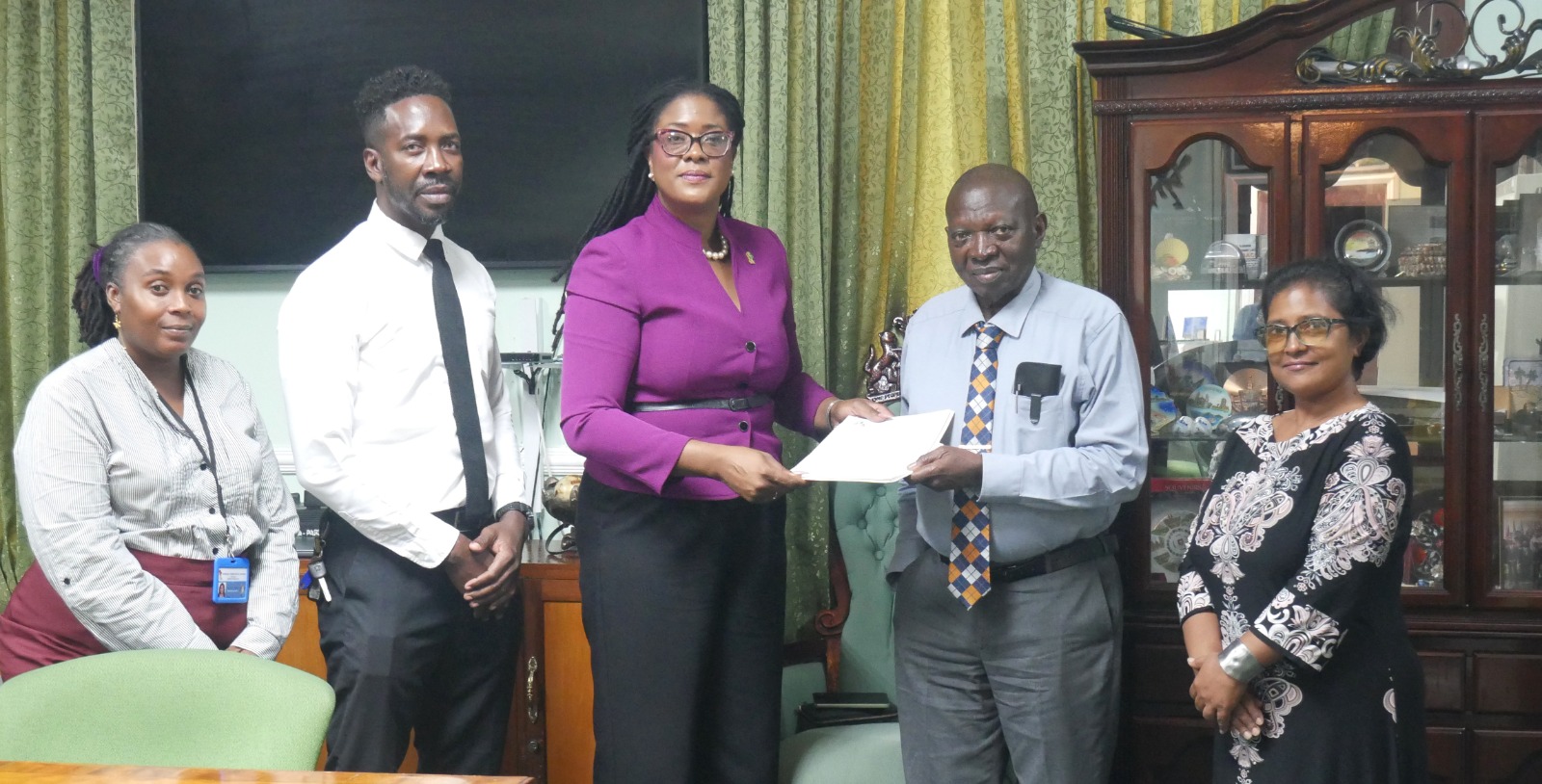
    As Guyana navigates an unprecedented windfall from newly developed oil reserves, a small opposition political faction has ramped up pressure for institutional accountability, launching a formal public petition to Guyana’s National Assembly and calling for regional and international democratic bodies to intervene. On Tuesday, May 19, 2026, Amanza Walton, leader of the one-seat Forward Guyana Movement (FGM), delivered a petition bearing 100 citizen signatures to Sherlock Isaacs, Clerk of the National Assembly. This action came just one day after Walton dispatched formal correspondence to multiple leading regional and international democratic institutions, urging them to press Guyana’s governing administration to reconvene parliament, which has not held a sitting in 95 days as of the petition’s filing.

    The core demands laid out in the FGM petition center on three key institutional reforms that the opposition argues are critical amid the country’s rapidly growing oil revenue. First, the group calls for the National Assembly to schedule sittings at consistent, publicly announced intervals, arguing that regular sessions are a non-negotiable requirement for the legislature to carry out its constitutional duties of oversight, representation, and policy debate. Second, FGM demands that the legislative body publish a formal, structured parliamentary calendar, a step the group says would reduce opacity, boost public trust in democratic institutions, and create clearer opportunities for citizen engagement in national governance. Third, the opposition is calling for the immediate establishment and activation of all required standing and sectoral parliamentary committees, which are tasked with detailed scrutiny of government policy, public spending, and administrative actions.

    FGM emphasizes that these reforms have taken on new urgency as Guyana manages expanding national revenue from its burgeoning oil sector. In the text of the petition, the organization notes that the absence of active parliamentary committees and infrequent sittings directly undermines the legislature’s core oversight mandate. Without active, functioning committees, the group argues, the National Assembly cannot conduct granular reviews of policies and spending that directly impact Guyanese citizens’ daily lives, from public service delivery to economic and social development initiatives. Any delay in activating these key bodies, the petition stresses, permanently weakens the National Assembly’s ability to fulfill the constitutional responsibilities assigned to it by Guyana’s governing framework.

    Beyond the domestic petition, FGM reached out to a wide range of global and regional bodies on Monday, including the Caribbean Community (CARICOM), the Commonwealth Secretariat, the Commonwealth Parliamentary Association (CPA), the Inter-American Commission on Human Rights (IACHR), the Inter-Parliamentary Union (IPU), the Organization of American States (OAS), and ParlAmericas. The opposition also notified members of the diplomatic community based in Guyana, including representatives from the ABCEU bloc. In its correspondence, FGM raises alarm over what it frames as a growing pattern of democratic erosion in the country more than six months after the 2025 General and Regional Elections. These concerns include restrictions on press access to parliament, limitations on opposition parliamentary speech, and the ongoing failure to form key oversight bodies, including the critical Public Accounts Committee.

    The organization was careful to frame its international appeal not as an invitation for foreign interference in Guyana’s sovereign affairs, but as a request to international and regional bodies to uphold the democratic standards and commitments that Guyana voluntarily adopted when joining multilateral agreements. FGM stressed that ultimate responsibility for safeguarding Guyanese democracy rests with the country’s own people and constitutional institutions, but added that as a member of the international community bound by multiple democratic governance frameworks, Guyana’s democratic progress is a legitimate matter of shared regional and global concern.

    In a statement accompanying the petition, Walton emphasized the stakes of the current push for accountability. “A Parliament that does not sit cannot effectively scrutinize public spending, represent the people, or hold power accountable. At a time of unprecedented oil wealth, democratic oversight in Guyana should be expanding, not disappearing,” she said.
  • Indian quarry workers were required to pay company if fired

    Indian quarry workers were required to pay company if fired

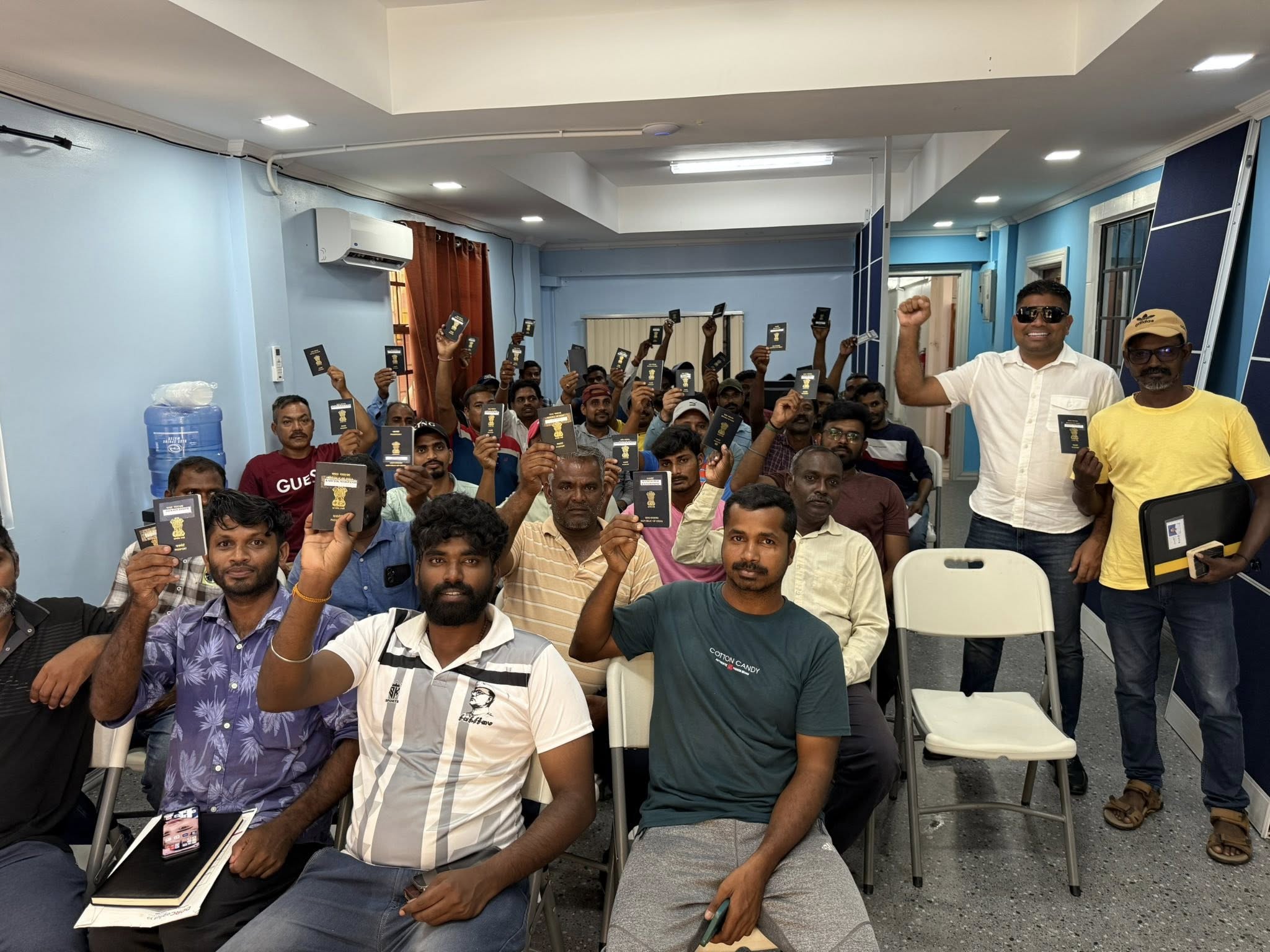
    Controversial one-sided employment terms for Indian migrant workers at a major Guyanese quarry operated by India-based EKAA HRIM Earth Resources Management have triggered an official multi-agency investigation, following public outcry over alleged unfair labor practices and passport retention.

    Details of the exploitative clauses came to light after Demerara Waves Online News obtained and reviewed one of the seven-year employment contracts binding 38 Indian migrant workers brought to Guyana to work at the 15-year lease quarry. The terms impose steep financial penalties on workers for a range of scenarios, including early termination, dismissal, and unauthorized absence.

    Under the contract terms, workers terminated for cause—including providing incorrect personal information, code of conduct violations, or repeated underperformance after two formal warnings—are required to reimburse the company $3,000 to cover hiring, training, and administrative costs, in addition to covering their own return travel expenses out of pocket. Workers who choose to end their 24-month contract early face even higher penalties of $5,000, with no coverage for return travel provided by the employer. Any worker who absconds from their post forfeits all unpaid wages, accrued leave, and earned bonuses, and must pay an additional $5,000 contract breach fee within 14 days or face legal action.

    The contract also includes restrictive clauses that limit worker speech and flexibility. Workers are barred from making defamatory or false statements about the company or other staff, with immediate termination and no severance pay as a consequence, plus the possibility of additional legal action for reputational damage. EKAA HRIM also reserves the right to modify company policies at its sole discretion, with the original contract and signed code of conduct taking precedence in any dispute. Workers are additionally prohibited from sharing contract details including salary and benefit amounts with external parties, a violation that counts as breach of contract.

    Work schedule terms also raise concerns over excessive working hours and unpaid overtime. The contract requires workers to be on site 12 hours per day, six days per week, with mandatory work on public holidays and non-working days during emergencies at the employer’s request. While the company notes that base pay is structured to include overtime for the standard 72-hour work week, overtime is only granted for hours worked beyond the daily and weekly requirement after meeting production targets. Any extra time worked to hit targets delayed by external factors such as bad weather does not qualify for overtime pay, and workers who fail to meet production targets face automatic salary reductions.

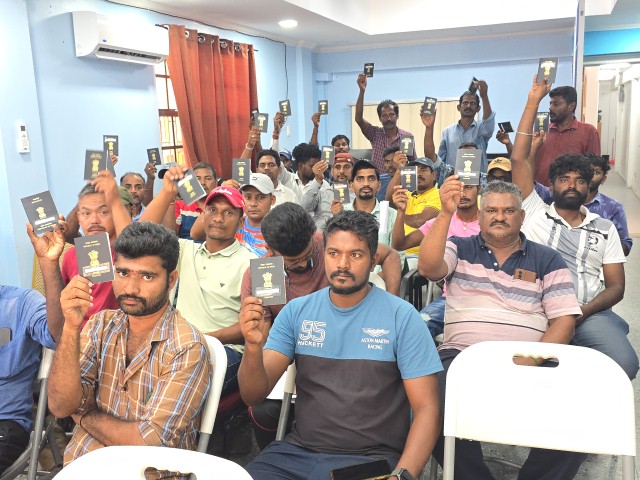
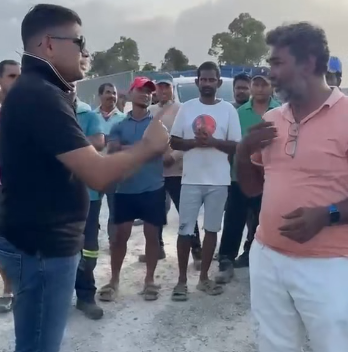
    The situation escalated after Guyana’s Opposition Leader Azruddin Mohamed and a delegation of party leaders visited the quarry site over the weekend to meet with workers and hear their complaints. Multiple workers reported that the company had withheld their passports, a common tactic used to restrict migrant worker mobility. Following the outreach, Labour Minister Keoma Griffith announced Monday that he had coordinated with the Indian High Commissioner to secure the return of all 38 passports to the workers.

    Griffith confirmed that a joint multi-agency investigative team has been assembled to conduct a full on-site inquiry into the workers’ allegations, which include claims of substandard working conditions, unfair labor treatment, and violations of occupational safety and health regulations. The team includes representatives from the Ministry of Labour and Manpower Planning, the Guyana Police Force, the Ministry of Home Affairs’ Trafficking In Persons Unit, and other relevant regulatory bodies.

    The EKAA HRIM quarry, which covers 1,089 acres of leased land with a 30-acre active mining pit, was formally opened by Guyanese President Irfaan Ali in September 2023. The 15-year lease includes an option for renewal at the end of the term, and the company has announced plans to invest up to $20 million in the project. At the opening ceremony, EKAA Chairman Saju Bhaskar highlighted the company’s sustainable development plans, noting that the firm intends to power the entire mining operation with on-site solar energy in line with Guyana’s national low-carbon development strategy. For his part, President Ali noted that the new domestic quarry would help address Guyana’s growing construction material shortage, which has driven rising prices and forced the country to import millions of tons of quarry material in recent years to keep pace with rapid national development.

  • Govt gives Indian quarry company 24 hours to respond to alleged labour rights violations

    Govt gives Indian quarry company 24 hours to respond to alleged labour rights violations

    On Monday, May 18, 2026, Guyana’s Ministry of Labour and Manpower Planning issued an urgent 24-hour ultimatum to EKAA HRIM Earth Resources Management, an India-based mining firm operating in the country, demanding the company respond to multiple formal allegations of labor rights violations linked to the recent death of one of its 38 Indian national employees. The fatal incident, which occurred on May 12, will be a core focus of a wide-ranging official investigation that will also examine claims of unpaid wages, unsafe working conditions, and failures to uphold worker welfare standards at the company’s Batavia quarry, located in Guyana’s Region Seven Cuyuni-Mazaruni.

    A multi-agency investigative task force has already been assembled to conduct on-site assessments of the quarry. The team draws personnel from the Labour Ministry, the Guyana Police Force, the Ministry of Home Affairs’ Anti-Trafficking in Persons Unit, and other relevant regulatory bodies, all of whom have been mobilized to probe the full scope of the allegations. Prior to launching the formal investigation, Labour Minister Keoma Griffith held an urgent diplomatic meeting with Manoj Kumar, India’s Acting High Commissioner to Guyana, to address the immediate concern of withheld worker passports. Following Griffith’s intervention, all held passports were returned to the 38 Indian workers, a resolution the Labour Ministry has credited to the minister’s direct action.

    After the diplomatic talks, the ministry convened a tripartite meeting between the affected workers, EKAA HRIM company management, and government officials to create a formal space for workers to lay out their grievances. The ministry has publicly committed to ongoing monitoring of the case and pledged to take all regulatory and legal steps required to ensure full compliance with Guyana’s domestic labor laws.

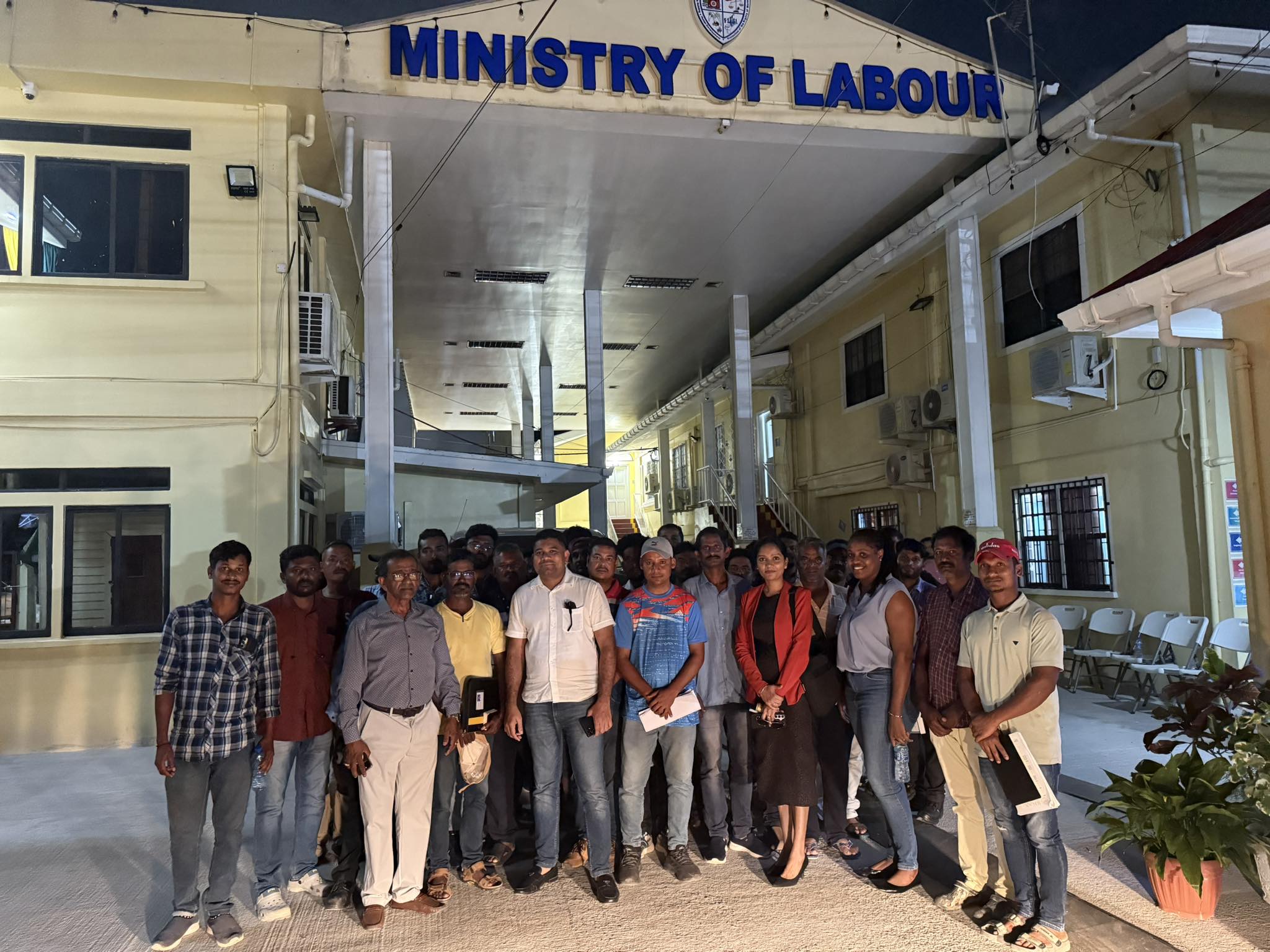
    Notably absent from the ministry’s official statement was any acknowledgment of We Invest in Nationhood (WIN), Guyana’s main opposition political party, which first brought the workers’ allegations to public attention. According to WIN, the party arranged transportation for the aggrieved workers from the remote Batavia quarry site to Georgetown, provided temporary accommodation for the group, and lodged a formal representation with the Indian High Commission before the government launched its official probe. On the day the passports were returned, WIN party leader Azruddin Mohamed and senior executive Tabitha Sarabo-Ally were present at the Labour Ministry’s Brickdam headquarters alongside the Indian workers as the employees reclaimed their travel documents.

  • Indian nationals get back passports, await outstanding salaries

    Indian nationals get back passports, await outstanding salaries

    On Monday, 18 May 2026, 38 Indian national workers who had been employed at a remote Guyanese quarry under widely reported harsh working conditions for nearly three years finally regained possession of their passports at Guyana’s Ministry of Labour. The workers were recruited by EKAA HRIM Earth Resources Management, a company headquartered in India, to work at the Batavia quarry site located in Region Seven’s Cuyuni-Mazaruni interior region.

    The case was brought to public attention by Azruddin Mohamed, Leader of Guyana’s opposition We Invest in Nationhood (WIN) party, whose organization traveled to the remote quarry to investigate worker accounts of abuse. As of Monday afternoon, Mohamed confirmed that the workers were still waiting for Ministry of Labour officials and company representatives to calculate all outstanding unpaid wages owed to the group, a core demand ahead of their planned departure from the country.

    Mohamed called the recovery of passports a “major victory” for the 38 workers, detailing a litany of alleged labor violations against the company. According to worker testimonies collected by WIN, employees were never paid overtime wages, never received formal payslips for their work, and have no confirmation that required social security deductions were ever remitted to Guyana’s National Insurance Scheme. Workers reported being forced to operate seven days a week, including national holidays, and were provided consistently low-quality food during their employment. One anonymous worker shared that he was only occasionally able to send $1200 USD back to his family in India, and expressed overwhelming eagerness to return home after years of exploitation.

    Shocking accounts of workplace safety failures also emerged: one unnamed Indian worker suffered the amputation of four fingers while performing vehicle repairs at the site, and has since returned to India without receiving any workers’ compensation for his injury. Mohamed confirmed that the incident was formally reported to Guyana’s Chief Labour Officer, and WIN is pushing for the injured worker to receive full compensation despite his return to India.

    Mohamed leveled severe allegations against the company and Guyana’s ruling People’s Progressive Party administration, saying the company’s treatment of workers amounts to human trafficking. He claims workers were forced to cover their own airfare to travel to Guyana for the jobs, and immediately had their passports confiscated by company representatives upon arrival – despite repeated requests from workers to have their documents returned. Adding to the exploitative terms, Mohamed says worker contracts include a punitive clause requiring employees to pay the company $5000 USD if they choose to leave their position or are terminated. “This is modern day slavery we’re under, under the PPP administration,” Mohamed stated.

    WIN is calling for full legal action against EKAA HRIM Earth Resources Management for the confirmed labor violations, alongside the implementation of stronger regulatory systems to prevent the same exploitation from happening to future groups of foreign workers. “This is what we need to know and this is what the government needs to enforce,” Mohamed added.

    Last week, Labour Minister Keoma Griffith confirmed that a formal government investigation into the allegations had been launched. Vishnu Panday, WIN executive member and sitting parliamentarian, confirmed that once all outstanding wage claims are resolved, the organization will escort the 38 workers to another government ministry to expedite processing for their departure from Guyana. Panday also issued a broader call for the government to conduct sweeping inspections of other interior worksites across the country, to root out additional cases of unreported foreign worker exploitation.

  • President announces new REOs

    President announces new REOs

    On May 17, 2026, the Office of the President of Guyana confirmed that President Irfaan Ali has formally given approval for the national government’s slate of regional executive officer (REO) appointments across the country’s administrative regions. This personnel adjustment forms a core part of the government’s broader push to strengthen grassroots governance across Guyana, with the newly installed and retained leaders tasked with forging close collaborative ties with regional governing bodies, locally elected democratic institutions, and grassroots community groups. Their core mandates will be threefold: to sharpen the efficiency of regional governance frameworks, speed up the rollout of priority development programs, and raise the quality of public services accessible to ordinary Guyanese citizens across all areas of the country. Among the appointments confirmed, Karl Singh will retain his position as REO for Guyana’s Region Nine, bringing institutional continuity to the region’s ongoing development work. In an official statement accompanying the announcement, the Guyanese government reaffirmed its long-term commitment to building state institutions that meet three key benchmarks: professionalized operational standards, responsiveness to community needs, and a core focus on centering public well-being in all governance work. These institutional improvements are designed to lay the groundwork for inclusive, equitable development that reaches every corner of Guyana, leaving no region or community behind in the country’s broader economic and social progress. The appointment process underscores the administration’s priority of aligning regional leadership with its national development agenda, ensuring that local governance outcomes directly reflect the needs and priorities of Guyana’s population.

  • Labour Ministry probing working conditions at India-owned quarry in Region 7

    Labour Ministry probing working conditions at India-owned quarry in Region 7

    Guyana’s Ministry of Labour has launched an official probe into claims of widespread labor and occupational safety violations at a Batavia quarry located in Region Seven, Cuyuni-Mazaruni, following public allegations raised by opposition political leaders. The development, first reported on 16 May 2026, comes as the India-headquartered quarry operator EKAA HRIM Earth Resources Management maintains that one recent employee death was caused by a heart attack, and has dismissed circulating claims as misleading.

    The allegations first entered the public sphere when Opposition Leader Azruddin Mohamed, head of the main opposition We Invest in Nationhood (WIN) party, took to social media to share accounts from individuals identifying themselves as employees of the quarry. Mohamed called on Guyanese President Irfaan Ali, who formally commissioned the quarry three years ago, to intervene immediately on behalf of a group of Indian national workers. The opposition leader claimed the workers have not received owed wages and are being prevented from leaving the country by being held of their passports, demanding a full investigation into the circumstances of one worker’s death.

    “We’re calling for an investigation into what really transpired because we heard that that man worked, worked and worked till he collapsed and died of what is being called a heart attack,” Mohamed told reporters during a public appearance accompanied by former workers and other WIN party officials.

    WIN General Secretary Odessa Primus doubled down on the opposition’s demands, calling for the quarry to be immediately shut down and its responsible owners prosecuted. “This is a clear human rights violation. It is sick and very disturbing to be in this day and age and have to interface with these sort of things,” Primus said.

    Accounts shared by the workers have painted a grim picture of conditions at the remote quarry site. One anonymous employee alleged that basic health infrastructure is completely absent at the location, and no dedicated boat transport is available to evacuate sick or injured workers to the nearest hospital. The employee also claimed that salary payments have been delayed for multiple consecutive months, leaving workers in desperate conditions.

    In video footage posted to the Team Mohamed Facebook page, a senior EKAA HRIM representative appeared to acknowledge the workers’ demands during an on-site meeting with Mohamed, confirming that workers would receive meals over the upcoming weekend and assuring that their rights would be respected. The representative stated the company would meet workers’ welfare needs ahead of their planned trip to Georgetown to meet with officials from the Indian High Commission.

    In an official statement released via public relations firm Tagman Media, EKAA HRIM pushed back against the public allegations, saying it is working collaboratively with the Indian High Commission in Guyana, the Ministry of Labour and all relevant local authorities to resolve all outstanding issues with full transparency and accountability. “Verified information and supporting documentation will be shared through the appropriate channels in due course,” the company said.

    The firm labeled circulating social media claims as “misleading and inaccurate”, warning that unsubstantiated reports risk sparking unnecessary public fear, confusion and misunderstanding among stakeholders and the general public. “We respectfully urge the public and all stakeholders to refrain from spreading unverified information and to allow the relevant authorities to complete their processes professionally and independently,” the statement added.

    The company concluded by thanking the Guyanese government, relevant ministries, its staff, commercial partners and the public for their ongoing support, understanding and cooperation through the ongoing controversy. EKAA HRIM reaffirmed its commitment to protecting employee welfare, complying fully with Guyana’s national labor laws, and maintaining transparency across all of its domestic operations. Labour Minister Keoma Griffith confirmed the launch of the investigation in an interview with Demerara Waves Online News on Saturday, confirming that authorities are now reviewing the full set of allegations.

  • Guyana launches mathematics task force

    Guyana launches mathematics task force

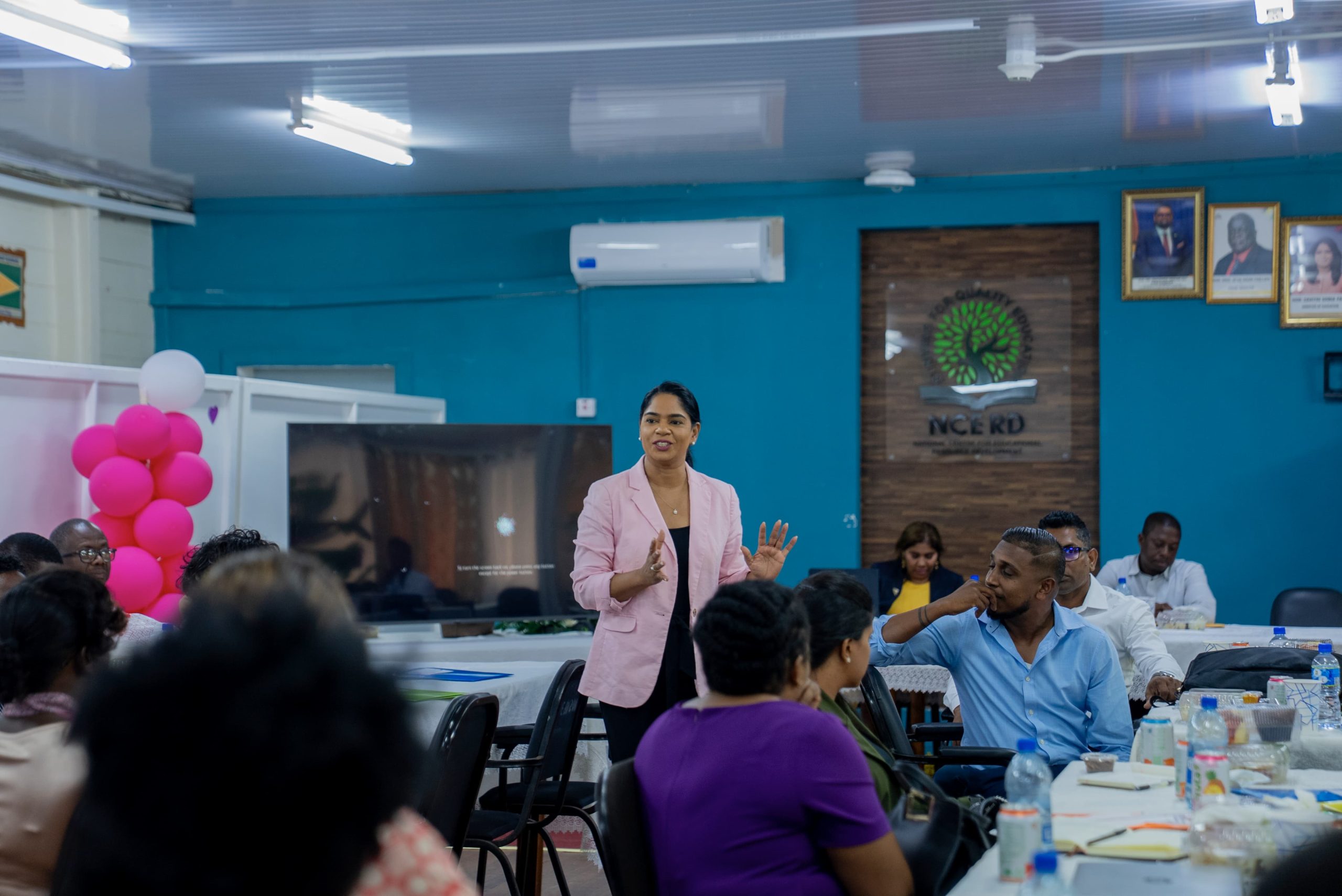
    On Saturday, May 16, 2026, Guyana’s Ministry of Education announced the launch of a new 20-member national mathematics task force, an initiative designed to reverse longstanding underperformance in mathematics education across all school levels of the South American nation.

    Heading the interdisciplinary panel is Chief Education Officer Saddam Hussain, with a deliberately diverse membership that brings together stakeholders from every corner of Guyana’s education sector. The body includes specialists drawn from each of the country’s 10 administrative regions, all Regional Education Officers, prominent academics from the University of Guyana including Mohandatt Goolsarran and Dr. Troy Brown, international educator Zamal Odeen, mathematics experts from the capital Georgetown and beyond, and representatives from Guyana’s primary teacher training institution, the Cyril Potter College of Education (CPCE). The task force held its inaugural session recently at the auditorium of the National Centre for Education and Research Development (NCERD) in Kingston, Georgetown.

    Education Minister Sonia Parag, who formally established the task force, laid out its core mandate in opening remarks: to analyze current student performance trends across primary, secondary and tertiary education, then develop a holistic, long-lasting strategy to lift learning outcomes. A core requirement Parag imposed is full collaborative input from grassroots education workers across the country. Before any policy is finalized, the task force will travel to every administrative region to hold extensive consultations with frontline mathematics teachers and school headteachers, ensuring local buy-in and on-the-ground insight shapes the final plan.

    “They have to be engaged and I want them to be in agreement with the final plan before anything is implemented,” Parag said, emphasizing that top-down policy cannot deliver meaningful change without the backing of the educators who will implement it.

    Parag highlighted a critical gap that the new strategy will address: a disconnect between content expertise and instructional skill among many current mathematics educators. Many teachers hold deep knowledge of mathematics but lack the training to translate that knowledge into accessible, effective classroom learning, while others have strong teaching skills but lack sufficient mastery of advanced mathematical content, she explained. To close this gap, Parag instructed the task force to center its review on foundational teacher training and ongoing professional development, starting with reforming how trainee teachers are prepared at CPCE.

    “You have teachers who have the knowledge, but they don’t know how to deliver; you have teachers who can deliver, but they don’t have the knowledge. So, we still have to align those things so that you have more teachers who have the knowledge and can also deliver in the classroom,” Parag said, clarifying that the assessment is not a criticism of working teachers, but a call for systemic improvement from the Ministry of Education itself. “It’s just saying that perhaps we at the Ministry of Education need to improve the way we are training our teachers.”

    Beyond teacher training, Parag pushed for a fundamental shift in teaching philosophy, moving away from a culture focused on rote memorization and exam cramming toward deep, conceptual understanding of mathematics. True comprehension, she argued, equips students to tackle unexpected, complex problems that often appear on high-stakes assessments, rather than being thrown off course by unfamiliar question formats.

    “We need to rethink whether we’re teaching children to understand mathematics or teaching them to memorize just to pass an exam. It’s something very serious because if you prepare them to understand mathematics, then even if a curveball is thrown, it’s not going to throw them off, and that is what we should be aiming for now,” she said.

    The task force has also been directed to address two often-overlooked barriers to math success: student math anxiety and low foundational literacy. Parag noted that many students develop a psychological block against mathematics before they even begin learning, a mindset that teachers must actively overcome to drive progress. Additionally, literacy skills are a prerequisite for solving math problems: students cannot correctly answer a question they cannot read and interpret.

    To address the literacy-math link, the Ministry of Education has already rolled out new early intervention measures, integrating literacy development into early childhood math readiness starting at the nursery school level. National literacy assessments will now be administered to students in Grades Two and Four, to identify learning gaps early and deliver targeted support before poor literacy derails math progress. “By Grade Four, all of our children must know how to read properly and comprehend well. If they can’t do that, it means they can’t answer exam questions. It means they cannot reason, which is what mathematics is – reasoning,” Parag explained.

    During the inaugural meeting, task force members put forward a range of actionable proposals to boost engagement and outcomes. Suggestions included a national reward and recognition program for outstanding math students and teachers, a national mathematics competition, dedicated math clubs in every school, standardized weekly formative assessments to track student progress, classroom “math walls” displaying key formulas and concepts, and interactive, game-based learning activities aligned with current curriculum topics.

    Parag acknowledged that Guyana has made incremental gains in math performance in recent years, but stressed that more urgent action is needed. She noted that poor math outcomes are a global challenge, not unique to Guyana, but that the country is committed to turning the tide locally. The minister committed to ongoing collaboration with the task force, noting that the group’s on-the-ground expertise is critical to developing a viable long-term solution.

    Parag also emphasized that national investments in education infrastructure, learning resources and teacher training must be matched by strong leadership at the school level, with headteachers taking responsibility for monitoring and supporting quality classroom instruction. She also highlighted the underutilized role of Parent-Teacher Associations (PTAs) in building a supportive learning ecosystem that connects home and school, noting that she is traveling across the country to meet with PTAs to boost parental engagement at all education levels.

    “The ministry cannot do it alone, the teachers cannot do it alone and our children cannot do it alone. Their development requires the best of all of us,” she said.

    Closing the inaugural session, Parag framed the task force’s work as a definitive new starting point for mathematics education across Guyana, calling on members to craft a strategy that will chart a brighter future for generations of learners. “I want this to be a new beginning for mathematics,” she said.

  • President calls on public to support Joint Services, amid threats from adversaries

    President calls on public to support Joint Services, amid threats from adversaries

    On Saturday, May 16, 2026, as Guyana prepares to mark the 60th anniversary of its independence from British rule, President Irfaan Ali, the nation’s commander-in-chief of the armed forces, has issued a urgent call for wholehearted public backing of the country’s Joint Services, amid a high-stakes territorial dispute with neighboring Venezuela that has put regional security on edge.

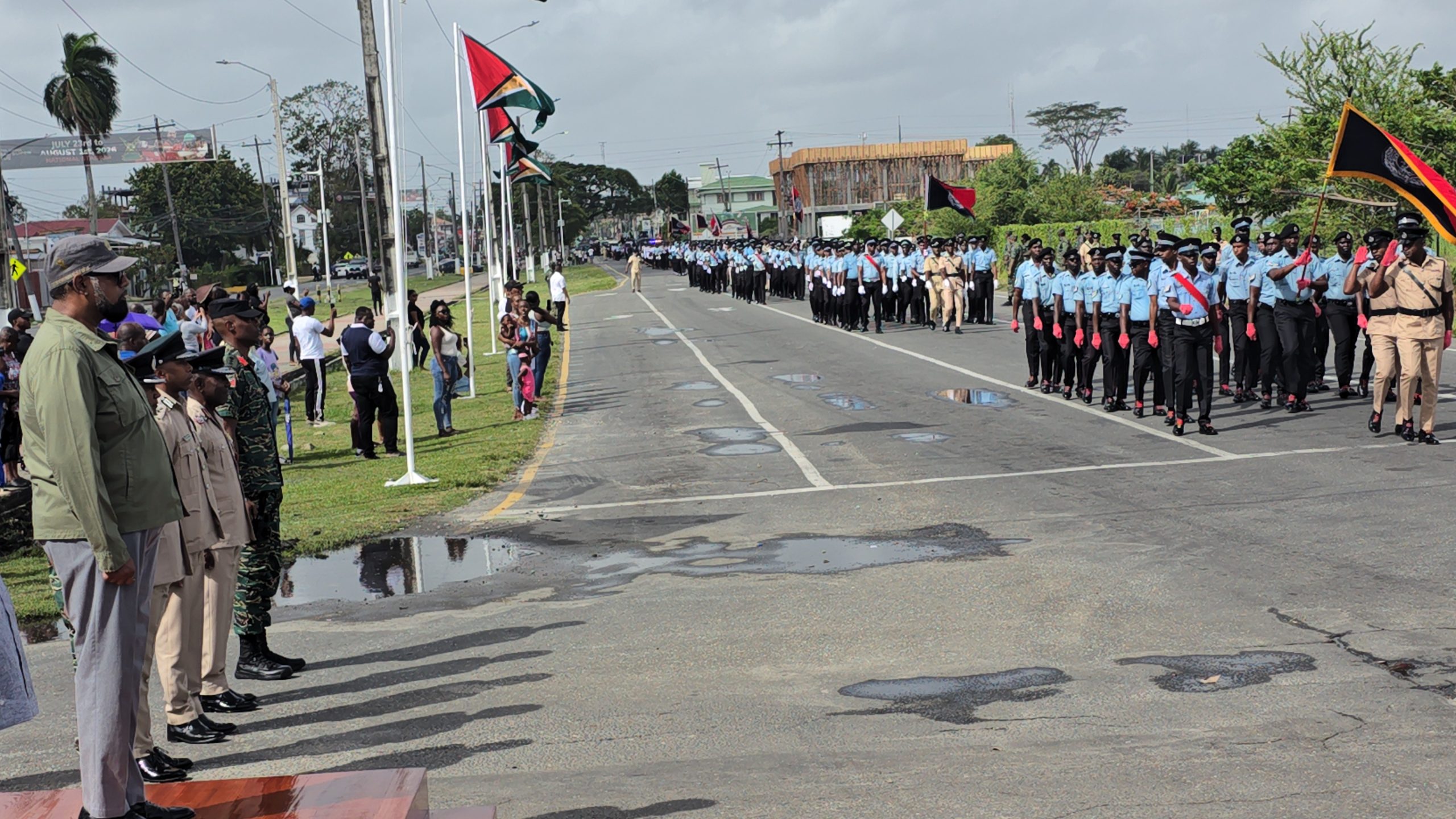
    Ali made the appeal during a ceremonial address following a joint service route march through the streets of Georgetown, the capital of Guyana. The event was one of the lead-up activities ahead of the official 60th independence jubilee celebrations scheduled for May 26, 2026. Standing alongside top security leadership including Chief-of-Defence Staff Brigadier Omar Khan, Acting Police Commissioner Ravindradat Budhram, Chief Prison Officer Nicklon Elliott, Fire Chief Gregory Wickham, and National Intelligence and Security Agency Director Colonel Sheldon Howell, Ali took the salute from a combined parade of the country’s uniformed security forces before addressing the gathering.

    The president stressed that Guyana’s Joint Services — which includes the military, national police, prison service, fire service, and intelligence agencies — carry two critical mandates for the country: cracking down on transnational drug trafficking, and upholding domestic stability against criminal activity. To succeed in these roles, Ali argued, the uniformed services cannot operate without consistent public support, especially at a moment of heightened external tension over the country’s western border.

    “Not supporting our Joint Services sends an adverse signal when potential adversaries look at Guyana,” Ali stated, speaking while dressed in an olive green utility uniform emblazoned with national symbols including the cacique crown, a map of Guyana, and the Guyanese flag. “They ask themselves: Does Guyana enjoy unity? Do they value their protectors? Never let our adversaries see division and disunity because a divided house does not need to be invaded. It simply crumbles.”

    Ali expanded on this warning, noting that public disregard for the country’s security personnel sends a dangerous message to the international community that Guyana does not take its own sovereign freedom seriously. “That message is more dangerous than any bullet,” he said. The president did acknowledge that public accountability is appropriate when service members fail to uphold their oaths, noting that multiple personnel across the joint services have faced accusations or convictions for serious offenses in recent years, ranging from robbery, assault and weapons theft to murder and narcotics trafficking. Most recently, a senior Guyanese police officer was placed on administrative leave after being sanctioned by the U.S. Office of Foreign Assets Control over alleged links to drug trafficking. Even with this accountability, Ali stressed that the public must not abandon the institution of the Joint Services as a whole.

    The current tension stems from a decades-long border dispute between Guyana and Venezuela, centered on the 1899 Arbitral Tribunal Award that established the current boundary between the two nations. Venezuela has long rejected the ruling, and the dispute has reignited in recent years following the discovery of massive oil reserves in the disputed Guyanese territory. The case over the validity of the 1899 award is currently before the International Court of Justice (ICJ), with a final ruling expected in the coming days.

    Venezuelan President Delcy Rodriguez reaffirmed her government’s position earlier this month, telling the ICJ that Venezuela will not accept any ruling that upholds the 126-year-old boundary agreement. Rodriguez has instead insisted that the only path forward is a bilateral negotiation anchored in Venezuela’s interpretation of the 1966 Geneva Agreement, which Caracas claims serves as a new governing treaty for the dispute.

    Despite Venezuela’s pre-emptive rejection of the ICJ ruling, Ali struck an optimistic tone about the process. He expressed confidence that the court’s decision will bring an end to decades of territorial pressure from the neighboring South American nation, noting that Guyana has faced repeated threats of incursion and diplomatic intimidation over its sovereign territory. “Our territorial integrity has been threatened before. It will never be threatened again; not only with words but with the threat of incursions and pressures dressed in diplomacy,” Ali said.

    The president issued a direct warning to what he framed as Guyana’s adversaries, cautioning them against misreading the country’s commitment to peaceful resolution of the dispute. “Do not mistake our peace for weakness,” Ali said, noting that Guyana’s security forces are backed by principled international diplomacy and a united population that will never surrender its sovereign birthright.

    Closing his address, Ali paid tribute to the Joint Services for their decades-long work protecting national security, enabling Guyana’s ongoing economic expansion, and upholding the country’s position in international diplomacy. “To you, I say you kept the promise of 1966 alive,” he said. “You’ve made sure that independence is not symbolic but a lived reality.”

    Guyana officially attained full independence from the United Kingdom on May 26, 1966, with 2026 marking six decades of sovereign nationhood for the South American country.

  • President says prosperity alone cannot guarantee unity

    President says prosperity alone cannot guarantee unity

    On the evening of Friday, 15 May 2026, Guyanese President Irfaan Ali used the opening of the national Guyana Festival — a centerpiece event marking the country’s 60th anniversary of independence — to deliver a urgent, youth-focused appeal to dismantle more than six decades of entrenched racial and political polarization that has defined the nation’s political landscape since the mid-1950s.

    Standing at the Providence National Stadium to open the three-day cultural celebration, Ali emphasized that economic growth alone, particularly the expansion of Guyana’s booming new oil sector, cannot deliver lasting national cohesion. “Prosperity alone does not guarantee unity. In fact, prosperity without social cohesion makes division very difficult to manage,” he told the gathered crowd. Framing inclusive development as the only sustainable path to unifying the nation, he argued: “When development is inclusive, unity becomes natural. When development is exclusive, division becomes inevitable. If politics has been a source of division, then let us use this 60th anniversary to ensure that culture unites us.”

    Ali reiterated that his administration remains committed to ensuring the benefits of the country’s current period of national growth are widely shared across all communities, fairly distributed to marginalized groups, transparently delivered to all citizens, and collectively celebrated by every segment of Guyanese society.

    This call for unity comes amid long-running political friction: Guyana’s three parliamentary opposition parties have repeatedly levied accusations of corruption, mismanagement, and biased contract awarding to political allies against Ali’s government, claims that the administration has consistently denied. The country’s political split traces back to the 1955 split of the once-unified People’s Progressive Party (PPP), which created a decades-long polarization, with majority support for the PPP coming from Indo-Guyanese communities and backing for the main opposition coalition, the People’s National Congress Reform/A Partnership for National Unity, rooted in Afro-Guyanese populations. Ali had previously positioned his PPP as the modern vehicle for national unity, echoing the party’s unifying role back in 1950.

    Directing his most impassioned remarks to the nation’s young people, Ali stressed that younger Guyanese carry no blame for the historical divisions that have split the country, and called on them to lead a new era of reconciliation. “Instead, become the generation that finally makes One Guyana real at home in our schools, workplaces, communities, and in the relations we build with persons of other ethnicities,” he said. “I place my trust in you, young Guyana, our young people. You are the generation that can turn diversity into destiny.” He urged the public to mark independence by abandoning outdated divisive habits that have no place in a modern, forward-looking Guyana, leaning into the nation’s rich multicultural identity as a unifying strength rather than a point of difference.

    For its part, the Guyana Festival, the event hosting Ali’s address, is designed to deliver exactly that unifying cultural experience. Tourism Minister Susan Rodrigues outlined that the three-day gathering features a wide range of immersive attractions, including heritage villages, cultural showcases, and live demonstrations highlighting the traditions of all Guyana’s ethnic groups. Attractions range from African head wrapping and Indigenous tibisiri craft to Indian sari wrapping, traditional pottery, performance art including drama and poetry, and oral storytelling, alongside a dedicated amusement park for children, a dedicated cultural zone, and a culinary village that celebrates the food, music, dance, and fashion of Guyana’s six major ethnic communities.

    Rodrigues noted that cultural events like the festival also serve a dual purpose: boosting Guyana’s fast-growing tourism sector, which has seen explosive growth in recent years. “Events like the Guyana Festival are central to that strategy. Because tourism today is experience-driven, visitors are seeking destinations with authenticity and stories. They want immersive experiences. They want connection. And Guyana has something unique to offer the world,” she explained.

    The sector’s growth trajectory confirms rising international interest: March 2026 saw record-breaking visitor arrivals, with Guyana hosting almost 40,000 international visitors that month alone, representing a 13.3% increase compared to the same period in 2025. Full-year 2025 also set a new all-time record, with total visitor arrivals topping 453,000 — a 22% jump from 2024 — and that strong upward momentum has continued through the first months of 2026.

  • Project FLOW commissions 15 school water systems in Region Three

    Project FLOW commissions 15 school water systems in Region Three

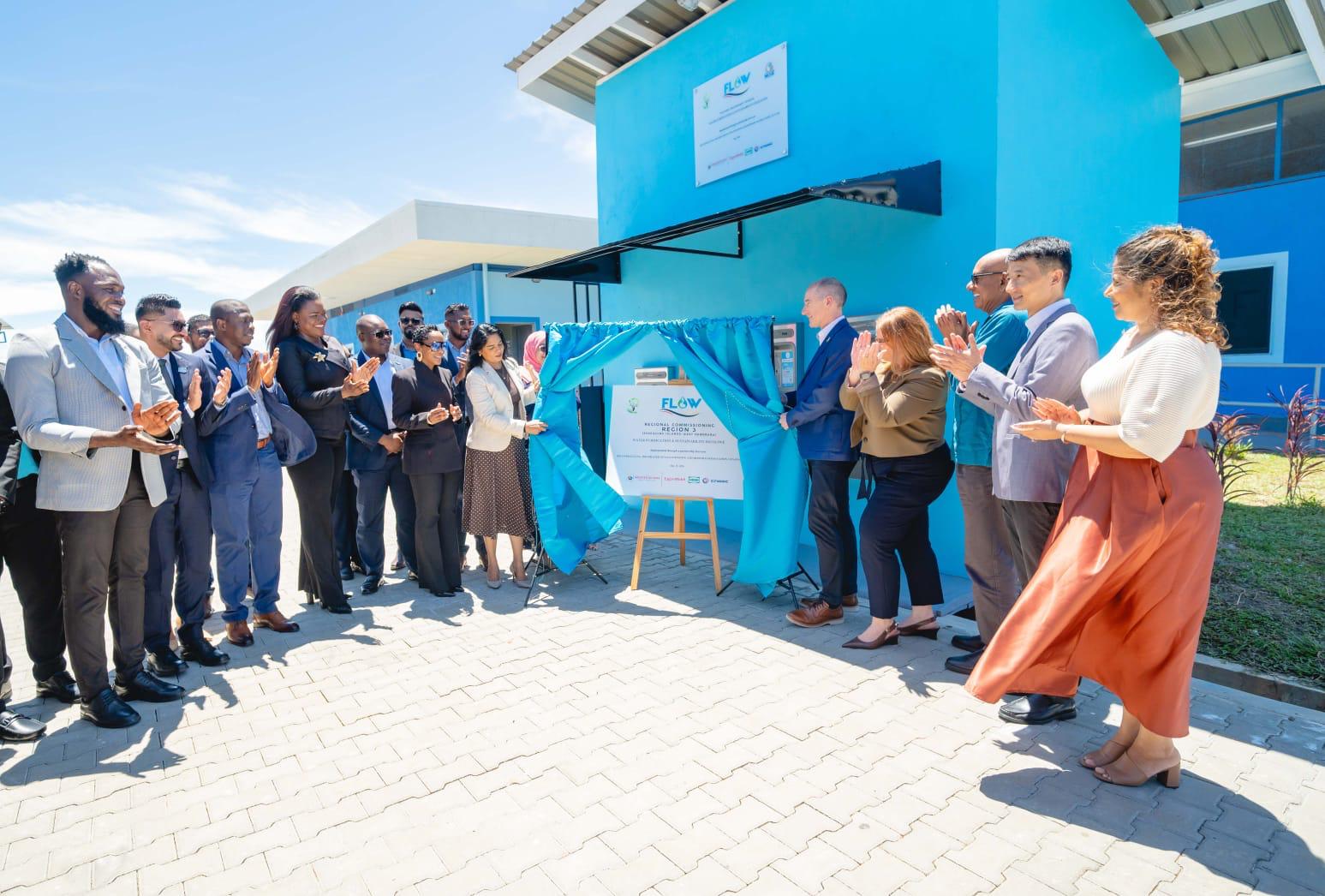
    On Friday, May 15, 2026, stakeholders formally commissioned and handed over 15 new community water purification installations to secondary schools across Guyana’s Region Three, marking a major milestone for the country’s landmark National Water Purification Sustainability Initiative, known as FLOW.

    The cross-sector partnership delivering the project – Recover Guyana, the Greater Guyana Initiative (GGI), and Guyana’s Ministry of Education – confirmed that more than 9,000 students and teaching staff across the region will now gain consistent access to safe, purified drinking water on school campuses.

    As the flagship program of the Greater Guyana Initiative, FLOW is framed as a transformative national investment that ties together educational progress and long-term environmental sustainability. Beyond expanding access to clean drinking water, the initiative also prioritizes encouraging reusable water bottle use and cutting plastic waste in school communities. Launched as a four-year national program, FLOW has set an ambitious target to serve more than 58,000 students across 141 public secondary schools, 10 technical vocational education and training (TVET) institutions, and four specialized needs schools by 2030, directly advancing global sustainable development goals.

    All 15 new systems were transferred to participating school administrations between May 6 and 8, 2026. School leaders and students have already voiced gratitude for the intervention, reporting early improvements in student well-being, campus hygiene standards, household cost savings for families, and overall learning conditions.

    At the official handover ceremony hosted at Tuschen Secondary School, Dr. Dave Lalltoo, Project Lead and President of Recover Guyana, highlighted that Region Three now hosts 16 completed FLOW sites when including the earlier pilot program at West Demerara Secondary School. That pilot delivered striking measurable results: it eliminated the need for more than 65,000 single-use plastic bottles in just nine months, proving the model’s viability and clearing the path for national rollout.

    “Through the partnership of Recover Guyana, the Greater Guyana Initiative, the Ministry of Education, local communities, schools, technical experts, and countless hardworking individuals, Region 3 now stands as a national example of sustainable development done correctly,” Lalltoo said in remarks at the ceremony.

    Alistair Routledge, President of ExxonMobil Guyana, explained that the project receives backing through the Greater Guyana Initiative – a 10-year, $100 million development commitment to Guyana from ExxonMobil Guyana, Hess, and CNOOC. “Through this initiative, we are working to support projects that improve lives, strengthen communities, and create long-term value for Guyana,” Routledge noted. “The FLOW Water Purification Sustainability Initiative is a perfect example of what that commitment looks like in action.”

    Guyana’s Minister of Education Sonia Parag also praised the collaborative effort. “We believe in development through partnership, whether that is in education, agriculture, or healthcare. To witness the FLOW system firsthand and see how students are benefiting from it was truly amazing,” Parag said. “This partnership is not only about development and shared benefits, but also about innovation and sustainability, all of which improve the quality of education. It aligns directly with the Government of Guyana’s vision to strengthen education and infrastructure while creating cleaner, safer environments and communities.”

    In addition to guaranteeing reliable access to clean drinking water for students, analysts project the initiative will generate substantial socioeconomic and environmental benefits for both schools and the broader Region Three community. Over a three-year period, the new installations are expected to deliver a total of $87 million in cumulative cost savings for the region.