标签: Grenada

格林纳达

  • In observance of Dental Health Week 2025

    In observance of Dental Health Week 2025

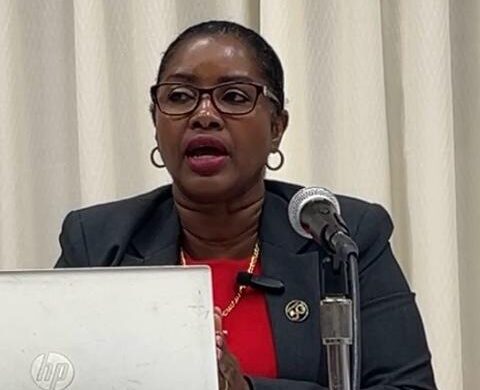
    In a powerful address marking Dental Health Week 2025, Dr. Festima Hamlet, Grenada’s Chief Dental Surgeon, highlighted the critical importance of oral health across all stages of life. Observed from November 2 to 8, this year’s theme, ‘Good teeth, good health at any age,’ serves as a poignant reminder that oral health is not confined to youth but is a lifelong commitment and opportunity for all. Dr. Hamlet emphasized the profound connection between oral health and overall well-being, echoing the words of former US Surgeon General Dr. David Satcher, who in 2000 declared that good health is unattainable without proper oral care. This sentiment underscores the necessity of oral hygiene as an essential, non-negotiable aspect of health. The World Health Organization’s 2023 report reveals that over 3.5 billion people worldwide suffer from oral diseases, with tooth loss being particularly prevalent among older adults. This can lead to severe consequences, including malnutrition, diminished self-esteem, and systemic illnesses such as diabetes, cardiovascular diseases, and even Alzheimer’s. Dr. Hamlet called for collective action to bridge this gap through community outreach, education, and policy reform. She stressed the importance of supporting senior citizens in maintaining their oral health, describing their smiles as priceless gifts that embody love, laughter, and resilience. Caregivers and families were urged to view oral care for elders as an act of love and a vital component of healthy aging. By promoting preventative care, accessible dental services, and public education, Dr. Hamlet believes we can empower seniors to preserve their dignity, confidence, and overall well-being. She also emphasized the significance of daily habits like brushing, flossing, and regular dental visits in maintaining a healthy smile. Dr. Hamlet concluded her address by advocating for the protection of smiles that have enriched families and communities for generations, asserting that every smile safeguarded contributes to a healthier, happier, and more resilient society. On behalf of Grenada’s Ministry of Health, she extended her best wishes for a meaningful Dental Health Week.

  • Shakuhachi Concert celebrates 50 Years of Japan–Grenada Ties

    Shakuhachi Concert celebrates 50 Years of Japan–Grenada Ties

    Marking the 50th Anniversary of Diplomatic Relations between Japan and Grenada, the Embassy of Japan is hosting a captivating Shakuhachi Concert. This unique event will feature the celebrated Shakuhachi flautist Yosuke Irie, offering an evening of traditional Japanese bamboo flute music. The concert is scheduled for November 13, 2025, at the Grenada Boys’ Secondary School (GBSS) in Tanteen, St George’s, from 6 to 7 PM, with doors opening at 5 PM. Admission is free, and seating will be available on a first-come, first-served basis.

    The Shakuhachi, a traditional Japanese bamboo flute, is renowned for its ethereal and emotionally resonant sound, deeply rooted in Japanese musical heritage. Attendees can anticipate a diverse program featuring original compositions, popular anime themes, and a special collaboration with the Grenada National School Orchestra. This event not only celebrates the enduring friendship between Japan and Grenada but also provides a rare opportunity for the Caribbean audience to experience Japanese traditional music.

    The Embassy of Japan extends a warm invitation to the Grenadian public, including music lovers, students, and cultural organizations, to join this cultural celebration. The concert aims to foster mutual understanding and cultural exchange between the two nations. For further inquiries, please contact the Embassy of Japan at [email protected].

    NOW Grenada is not responsible for the opinions, statements, or media content presented by contributors. In case of abuse, click here to report.

  • Hurricane Melissa shows why everyday Caribbean workers need financial protection

    Hurricane Melissa shows why everyday Caribbean workers need financial protection

    Hurricane Melissa recently tore through the Caribbean, leaving a trail of destruction that disrupted lives, damaged infrastructure, and threatened food security. In Jamaica, the storm flooded St. Elizabeth, the nation’s agricultural heartland, while widespread power outages affected over 75% of electricity customers. Haiti and the Dominican Republic also faced devastating floods, claiming dozens of lives and displacing families. These recurring climate shocks highlight the region’s vulnerability to extreme weather events.

    The aftermath of the storm revealed deeper economic and social challenges. Farmers lost essential equipment and seedlings, vendors were unable to operate due to damaged markets, and fishers saw their boats and docks destroyed. Tourism and service workers faced reduced shifts as hotels and ports underwent repairs. These individual losses ripple across communities, creating widespread hardship, particularly for those in the informal economy who are the backbone of local food systems and markets.

    National governments have responded with emergency measures. Jamaica’s Prime Minister outlined immediate relief efforts, including road clearance, power restoration, and price controls to prevent gouging. A J$400 million fund was allocated for emergency drain-cleaning and support for farmers and fishers. The Ministry of Health launched mosquito-control operations to mitigate post-storm disease risks. Additionally, disaster-risk financing instruments were activated to ensure swift access to funds.

    However, these national efforts often fall short in addressing the scattered, small-scale losses that communities face. Research by the Caribbean Policy Development Centre (CPDC) reveals that 79% of organizations serving vulnerable populations lack disaster budgets, leaving them without a safety net during crises. CPDC advocates for meso-level Climate and Disaster Risk Financing and Insurance (CDRFI), leveraging trusted local institutions like credit unions and cooperatives to deliver faster, fairer financial support. This approach includes parametric insurance for quick payouts, indemnity insurance for additional losses, and community savings funds for restocking and repairs.

    CPDC emphasizes that while government aid is crucial for large-scale infrastructure, community-level financial systems are essential to protect livelihoods, food supplies, and dignity during recovery. The organization’s research, conducted across five Caribbean nations, calls for a regional discussion on practical, people-centered disaster finance. As climate threats become permanent, the Caribbean must transition from rebuilding from scratch each season to building resilient financial systems that enable faster recovery for farmers, fishers, vendors, and informal workers.

    Protecting livelihoods is not just about economic stability; it’s about preserving the region’s knowledge, traditions, and community strength. CPDC invites Caribbean media, civil society organizations, governments, and financial cooperatives to join the conversation and implement solutions that turn disaster lessons into long-term protection.

  • New documentary explores links between Grenadian estate and Scottish owners

    New documentary explores links between Grenadian estate and Scottish owners

    The highly anticipated documentary ‘Echoes of Waltham,’ which explores the historical ties between Grenada’s Waltham Estate and Scotland’s Paxton House, is set to make its Grenada debut at the 1261 Film Festival this weekend. The film, produced by British-Grenadian journalist Zoe Smith and directed by Meschida Phillip, features students from Bonaire Government School, Waltham elders, and historian Dr. Angus Martin. It is part of the broader ‘Island Echoes’ project, which aims to redefine Grenada’s engagement with its colonial past while fostering heritage tourism and education. The documentary’s premiere marks the launch of the ‘Island Echoes Symposium,’ an international event scheduled for April 2026 in St. Mark, Grenada. The symposium will bring together scholars, artists, and tourism experts for panels, archaeological workshops, and community programs, timed to coincide with the annual St. Mark Organisation for Development celebrations. Smith envisions the initiative as a sustainable model for heritage-based economic development, transforming historical sites into sources of cultural pride and economic opportunity. The documentary also highlights the complex transatlantic connections between Grenada, Scotland, and England, tracing the legacy of Ninian Home, a Scottish merchant who built Paxton House using wealth generated from enslaved labor in the Caribbean. The film’s Grenada premiere follows its successful screening at CARIFESTA’s film festival in Barbados, where it resonated deeply with Caribbean audiences. Smith hopes the project will empower Grenadians to reclaim their narratives and inspire similar initiatives across the Caribbean. For more information, visit www.islandechoes.org.

  • Real Value IGA Supermarket: Senior Leadership opportunities available

    Real Value IGA Supermarket: Senior Leadership opportunities available

    Real Value IGA Supermarket, located at Spiceland Mall International in Morne Rouge, St George, Grenada, is actively seeking experienced and passionate professionals to join its leadership team. The supermarket is expanding its managerial and supervisory roles and is looking for individuals who can drive operational excellence and inspire their teams. Ideal candidates should possess strong leadership and team management skills, demonstrate strategic thinking and problem-solving abilities, and have excellent communication and interpersonal skills. The roles require a results-driven mindset and the ability to thrive in a fast-paced retail environment. Successful candidates will have the opportunity to make a significant impact on the supermarket’s operations and enhance the customer experience. Interested applicants are encouraged to submit their resumes and cover letters detailing their qualifications and relevant experience to [email protected]. Join Real Value IGA Supermarket in shaping the future and making a positive difference in the community. NOW Grenada is not responsible for the opinions, statements, or media content presented by contributors. In case of abuse, users can report it through the provided link.

  • GFNC Snack Attack students receive training from GIDC

    GFNC Snack Attack students receive training from GIDC

    The Grenada Food and Nutrition Council (GFNC), in collaboration with the Grenada Investment Development Corporation (GIDC), recently hosted a two-day training session on October 27 and 29 for participants of its Snack Attack contest. The event, held on the mainland and in Carriacou, engaged students from Bishop’s College, Grenada Boys Secondary School, Grenada Seventh Day Adventist Comprehensive School, J W Fletcher Catholic Secondary School, and Presentation Brothers College. The initiative aims to inspire young people to transform healthy snack ideas into sustainable business ventures while promoting Grenadian produce.

    GFNC CEO Lydia Browne highlighted the contest’s broader vision during her welcome remarks, emphasizing the importance of fostering health-conscious, entrepreneurial youth. She stated, ‘Snack Attack encourages young people to view food as a creative and cultural expression that supports health, celebrates local agriculture, and strengthens Grenadian identity. This initiative is a strategic step toward transforming school food environments and building deeper connections to local food systems.’

    To prepare students for the December 2025 contest, GFNC partnered with GIDC, leveraging its expertise in business development. GIDC’s Senior Vice President Khesha Mitchell, along with Business Development Specialists Katelyn Brathwaite and Lois McGuire, led sessions on business planning, marketing strategies, and entrepreneurship. Mitchell explained, ‘We’re equipping students with the tools to craft compelling proposals, develop marketing plans, and pitch their ideas effectively to emerge as champions.’

    The contest will culminate in December, with students presenting their snack products to a panel of judges. Entries will be evaluated based on ingredients, taste, nutrition, marketability, and production feasibility. An online voting component for the People’s Choice Award will further engage schools and communities.

    Through initiatives like Snack Attack, GFNC continues to empower Grenadians to achieve food security and self-reliance. For more information, visit GFNC’s website or follow them on social media.

  • 2026/2027 Scholarship opportunity in China

    2026/2027 Scholarship opportunity in China

    The People’s Republic of China, in partnership with the Government of Grenada, has announced a scholarship program for Grenadian nationals to pursue higher education in Chinese universities for the 2026/2027 academic year. This initiative aims to foster educational and cultural exchange between the two nations, offering opportunities for undergraduate, master’s, doctoral, and specialized scholar programs.

  • GDB: Public Invitation to Tender

    GDB: Public Invitation to Tender

    The Grenada Development Bank (GDB) has announced a Public Invitation to Tender (PIT) for the procurement of water tanks as part of the Climate-Resilient Water Sector in Grenada (G-CREWS) project. This initiative is funded by the Green Climate Fund (GCF) and the German Federal Ministry for the Environment, Nature Conservation, Nuclear Safety, and Consumer Protection (BMUV), in collaboration with the Deutsche Gesellschaft für Internationale Zusammenarbeit (GIZ) GmbH. The G-CREWS project aims to enhance water resilience in Grenada, with a specific focus on the agricultural sector through the Challenge Fund for Agriculture (CFA). The CFA supports farmers by providing Rain Water Harvesting (RWH) equipment, irrigation systems, and shade houses to promote efficient water use. The GDB is seeking bids from eligible suppliers to provide water tanks for distribution to beneficiary farmers under the CFA project. The successful supplier will be responsible for delivering the tanks island-wide as part of their standard service. Bidding documents can be requested via email at [email protected], and bids must be submitted electronically by 3 pm on Friday, 28 November 2025. The contract will be awarded to the supplier who meets eligibility criteria, offers the lowest evaluated price, submits a technically compliant bid, and guarantees timely delivery. This procurement is open to all qualified bidders, reinforcing Grenada’s commitment to sustainable agricultural practices and climate resilience.

  • Hand, Foot, and Mouth Disease outbreak

    Hand, Foot, and Mouth Disease outbreak

    The Ministry of Health in Grenada has swiftly mobilized to address a confirmed cluster of Hand, Foot, and Mouth Disease (HFMD) cases, primarily affecting early childhood institutions across the island. While most cases are mild, the ministry has implemented immediate containment and prevention measures to safeguard children, families, and communities. HFMD, a common viral illness, predominantly impacts young children, particularly those in daycare and preschool settings. Symptoms include fever, sore throat, reduced appetite, painful mouth sores, and a rash or blisters on the hands and feet. Most children recover fully within 7 to 10 days. Children under 10 years old are most vulnerable, especially in environments with close contact and shared play. The disease spreads through contact with nasal secretions, saliva, or fluid from blisters, touching contaminated surfaces, or close interactions like hugging or sharing utensils. To combat the outbreak, the Ministry of Health has launched sanitation and deep cleaning of affected facilities, conducted health education sessions for staff and parents, and enhanced surveillance and monitoring initiatives. Public health officials are collaborating with schools, healthcare providers, and community leaders to contain the spread. Parents and caregivers are urged to practice frequent handwashing, disinfect toys and surfaces, keep symptomatic children at home, avoid sharing personal items, and teach children proper cough and sneeze etiquette. Early detection, responsible care, and community cooperation are crucial to limiting the spread of HFMD. For further information, individuals are encouraged to contact the Ministry of Health or their nearest medical station.

  • Official kickoff of SARSEA Project

    Official kickoff of SARSEA Project

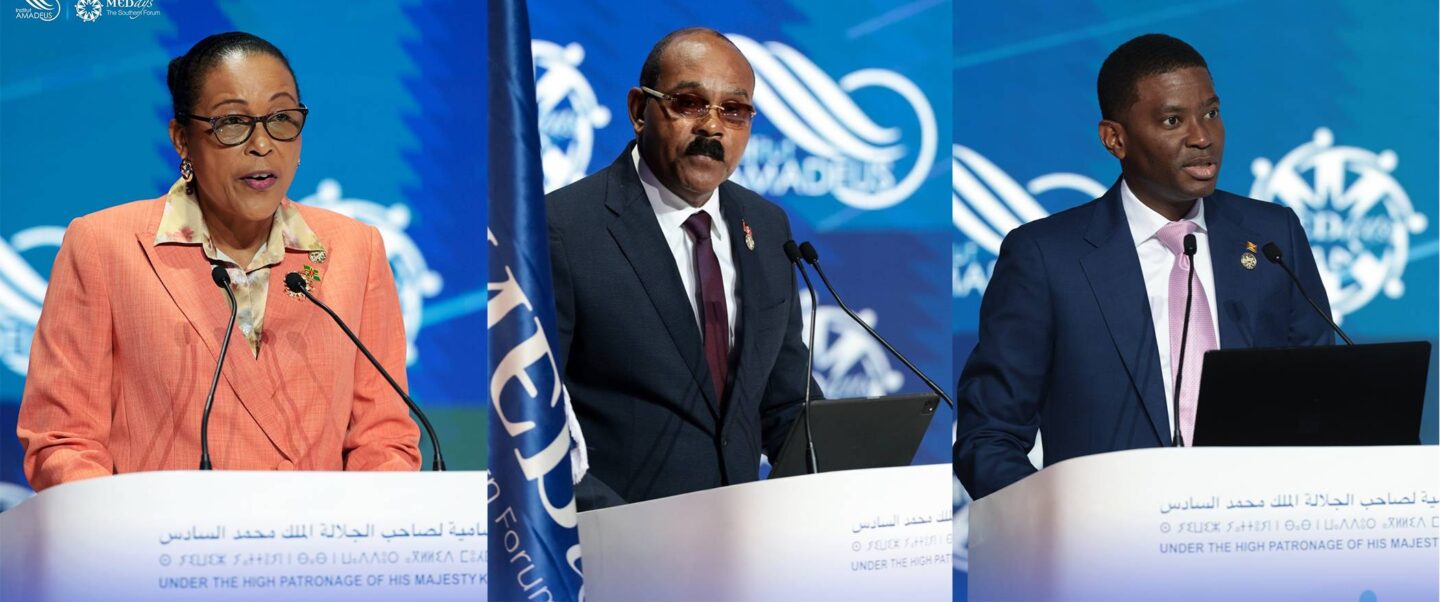
    The Caribbean region has taken a significant step forward in addressing the growing sargassum crisis with the official launch of the Sargassum Regional Strategies for Ecosystem-based Actions (SARSEA) project on October 28 in St Lucia. The event, attended by government officials, institutional representatives, and scientists from across the Caribbean, marked the beginning of a coordinated regional effort to mitigate the environmental, economic, and social impacts of sargassum strandings. Funded by France through the Agence française de développement (AFD) and implemented by Expertise France in partnership with the Organisation of Eastern Caribbean States (OECS) Commission, the SARSEA project aims to strengthen regional cooperation, support small island states, and enhance scientific research on sargassum management. The initiative also emphasizes the integration of gender considerations to ensure an inclusive approach. High-level officials, including French Ambassador Marie-Noëlle Duris and OECS Director General Dr. Didacus Jules, expressed their commitment to the project, highlighting the importance of shared knowledge and collaborative efforts. The launch event featured panel discussions, strategy presentations, and the signing of a formal partnership agreement between the OECS and Expertise France. The project’s first collective scientific assessment workshop, led by the French National Research Institute for Sustainable Development (IRD), was also held on October 29. By fostering a network of stakeholders and pooling resources, SARSEA aims to improve preparedness and resilience in the face of sargassum challenges across the Eastern Caribbean.