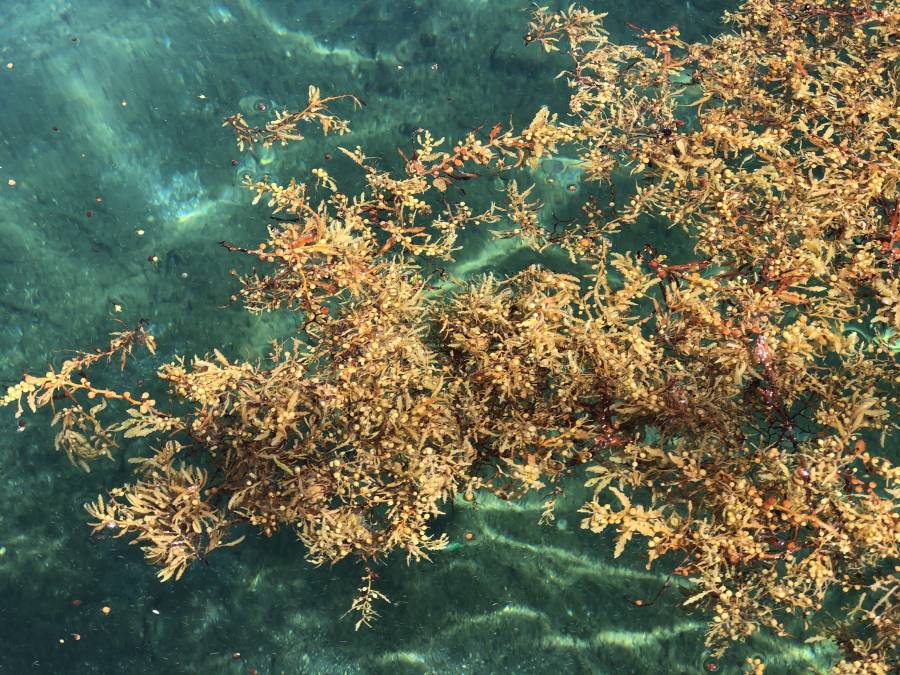
In a significant move toward sustainable ocean resource management, Grenada has established a formal tripartite partnership between its Ministry of the Blue Economy and Marine Affairs, Ministry of Climate Resilience, the Environment, and Renewable Energy, and the International Trade Centre (ITC). The collaboration was cemented through a Memorandum of Understanding specifically designed to advance sargassum valorization initiatives throughout the Caribbean nation.
This groundbreaking agreement represents Grenada’s strategic approach to converting environmental challenges presented by massive sargassum influxes into sustainable economic opportunities that simultaneously benefit local communities and enhance national economic resilience. The MoU establishes a comprehensive framework for cooperation across multiple critical domains including supply chain enhancement, market development, and investment mobilization—all strategically aligned toward creating a commercially viable and environmentally responsible sargassum value chain.
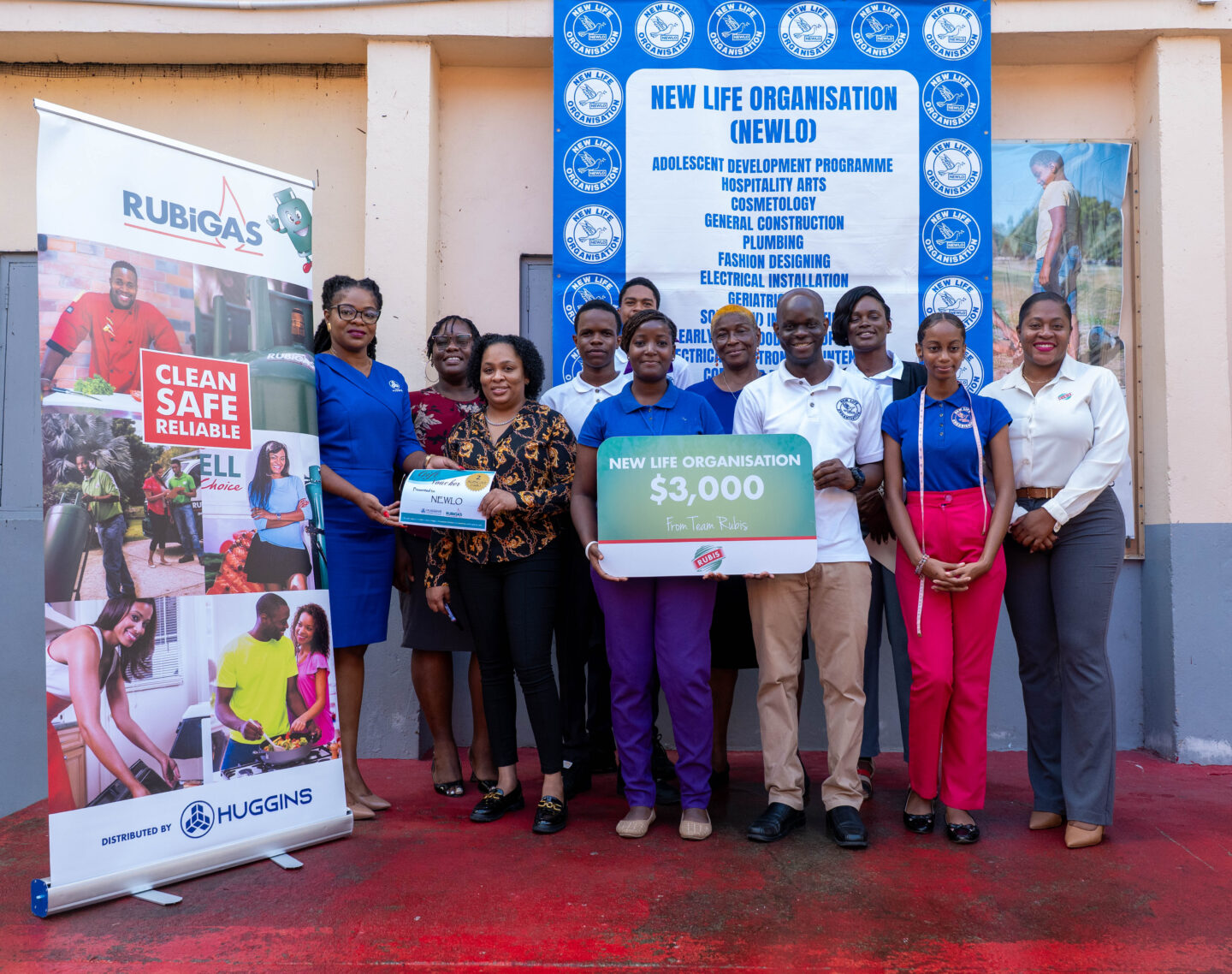
The formal signing ceremony occurred during an intensive participatory workshop organized by the Grenada National Sargassum Task Force (GNSTF), the EU Delegation to Barbados, the Eastern Caribbean States, the Organisation of Eastern Caribbean States (OECS), and the ITC. This gathering brought together diverse stakeholders from government institutions, private sector enterprises, and academic organizations to collaboratively plan and activate initiatives that unlock sustainable economic potential through sargassum utilization.
This initiative receives substantial support through the EU-funded Food Security Programme in the Caribbean, which is being implemented by the ITC. The program specifically aims to strengthen socioeconomic resilience within coastal communities, support fisherfolk populations, and empower Micro, Small, and Medium Enterprises (MSMEs) by cultivating sustainable economic opportunities within the Blue Economy sector.
Grenada maintains its position as a key partner under the EU Grenada National Task Force for Sargassum, established through the EU Global Gateway initiative. This Task Force has taken a leadership role in developing comprehensive strategies for creating sustainable and commercially viable sargassum value chains that deliver broad societal benefits.
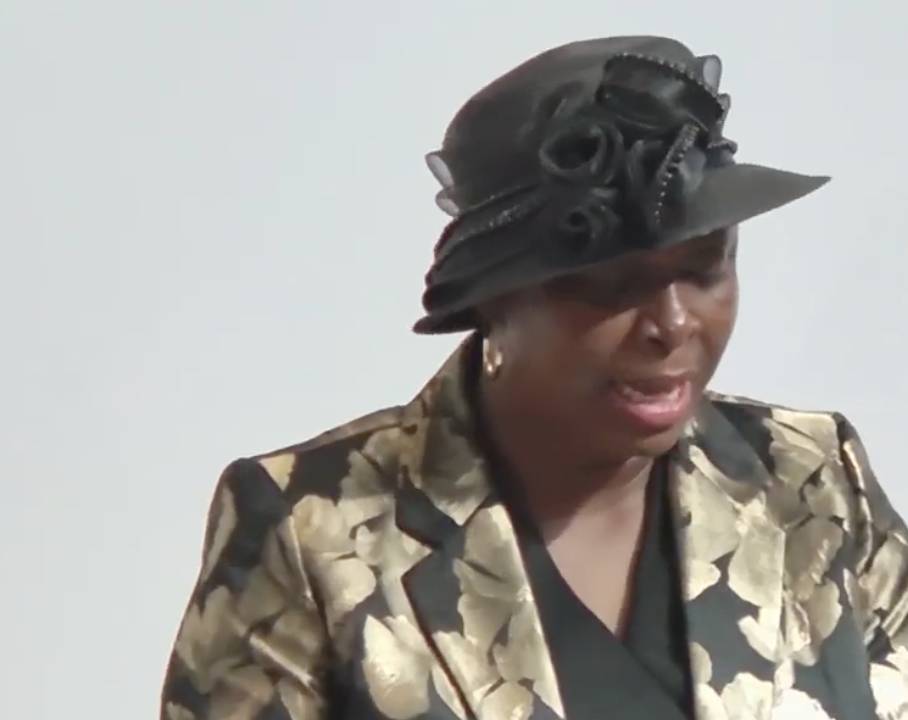
During her opening address, Permanent Secretary Peron Johnson of the Ministry of Climate Resilience, the Environment, and Renewable Energy reaffirmed the Government of Grenada’s steadfast commitment to collaborative innovation: “This moment represents a critical turning point in our national efforts to transform sargassum from a coastal management challenge into a genuine economic opportunity. Our methodology must be scientifically grounded, partnership-driven, and sustainability-anchored. We have convened not merely to discuss theoretical solutions, but to co-create practical implementations. Through synergistic collaboration between government, industry, communities, and international partners, we can construct a sargassum value chain that enhances ecological resilience, generates sustainable livelihoods, and protects vital marine ecosystems.”
Secretary Johnson further emphasized the crucial importance of inclusive planning processes and the pivotal role of MSMEs and coastal communities in driving substantive, meaningful change.
At the closing ceremony, Permanent Secretary Javan Williams of the Ministry of the Blue Economy and Marine Affairs highlighted the necessity of maintaining the collaborative momentum generated throughout the workshop: “This week has powerfully demonstrated the transformative potential that emerges when diverse knowledge, extensive experience, and cutting-edge innovation converge. The insights exchanged and partnerships strengthened here establish a solid foundation for a future where sargassum ceases to be an environmental burden and instead becomes a catalyst for novel industries and enhanced livelihoods. This MoU signing symbolizes our collective determination to advance a sustainable and resilient Blue Economy for Grenada. We must sustain this momentum and continue collaborative efforts to ensure complete realization of every opportunity within the sargassum value chain.”
In partnership with the EU Global Gateway initiative, the ITC maintains its commitment to supporting Caribbean nations in developing inclusive, resilient, and sustainable blue economies where environmental stewardship aligns seamlessly with economic growth and community empowerment.
The Government of Grenada, through its ministerial departments and national task force mechanisms, will continue working closely with the ITC and regional partners to ensure a coordinated, strategic, and impactful approach to sargassum valorization throughout the Eastern Caribbean region.