标签: Grenada

格林纳达

  • Work commences on Sauteurs Health Centre

    Work commences on Sauteurs Health Centre

    Grenada’s Ministry of Health has formally launched construction on the much-anticipated Sauteurs Health Centre redevelopment project, marking a tangible milestone in the government’s plan to overhaul the country’s primary healthcare infrastructure.

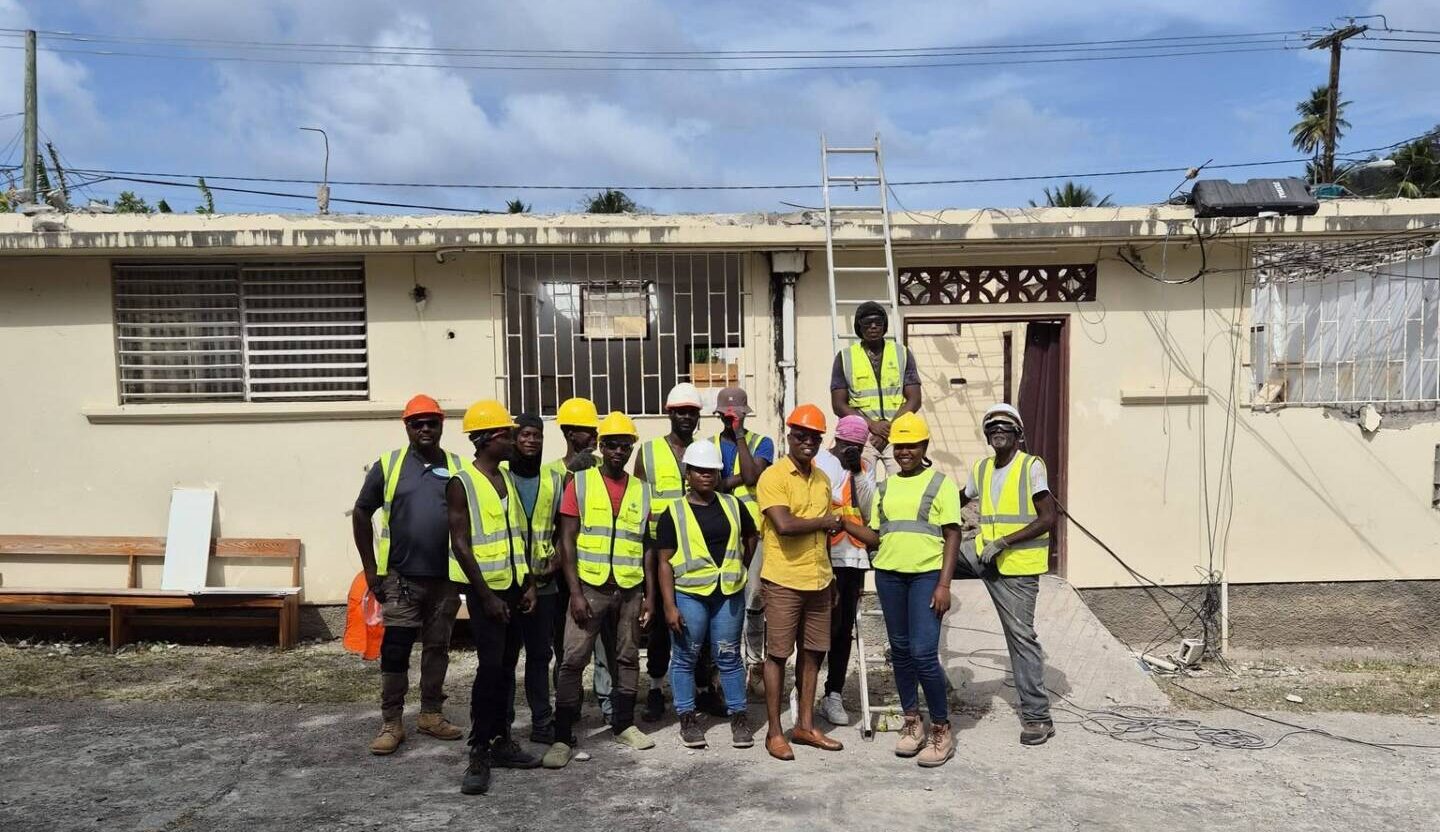
    Health Minister Philip Telesford shared his enthusiasm at the launch of the project, thanking construction crews for their early commitment to the work. He framed the development as a critical leap forward for communities across Sauteurs and its neighboring areas, where residents have waited years for improved local healthcare access. Unlike past pledges that never moved past the planning stage, Telesford emphasized that the project is already well underway, with active work happening on site every day.

    According to the minister, construction teams have already made significant early progress: demolition work is ongoing across all three existing buildings on the site, with refurbishment for one structure’s roof already started. These visible early gains, he noted, prove the project is delivering on its promises to the local community.

    When complete, the upgraded facility will offer patients a far more comfortable, welcoming care environment, matching Grenada’s goal of aligning high-quality physical infrastructure with the country’s skilled nursing and physician workforce. Telesford also outlined the broader pipeline of primary healthcare improvements across the country: following the completion of the Sauteurs project, work will begin on upgrades to the Grand Bras Health Centre, with the St David Health Centre redevelopment set to follow immediately after.

    As part of the transition process for upcoming projects, Telesford urged local residents to bear with temporary disruptions to services. The Grand Bras Health Centre will temporarily relocate its services during its own renovation work, a shift that may cause minor short-term inconvenience for patients. The minister stressed that these temporary disruptions are a necessary tradeoff for long-term improvements to primary care across the country, and are aligned with the ministry’s core commitment to raising care standards at all local health facilities.

    The Sauteurs Health Centre project is on track for steady progress, with completion targeted for the coming months. The Ministry of Health confirmed it will maintain rigorous oversight throughout construction to ensure the finished facility meets the highest possible standards for patient care and service delivery.

  • Grenada Festival of the Arts 2026 to be launched next week

    Grenada Festival of the Arts 2026 to be launched next week

    The Culture Division under Grenada’s Ministry of Tourism, the Creative Economy and Culture has made an official announcement confirming the launch of the highly anticipated 2026 Grenada Festival of the Arts, a landmark national event designed to highlight the creative potential and artistic skill of young students across the country’s three main islands: Grenada, Carriacou, and Petite Martinique.

    The formal launch event is set to take place on Tuesday, April 28, 2026, starting at 10 a.m. in the VIP Conference Room of Section B at the Kirani James Athletic Stadium. This kickoff gathering will serve as a key opportunity for organizers to share critical logistical and program details with attendees, including the festival’s overall structure, competitive and non-competitive categories, and full timeline of upcoming events. It will also facilitate dialogue between organizers and core stakeholders from both the education and cultural sectors, who are instrumental to the festival’s success.

    Expected attendees include delegations from participating primary and secondary schools across the tri-island nation, representatives from relevant government agencies, and leading members of Grenada’s local creative community. Unlike many niche artistic events, the Grenada Festival of the Arts has been built as an inclusive, accessible platform that gives all schools the chance to showcase student work across a diverse spectrum of artistic disciplines. These range from performance-focused fields such as music, dance, drama, and theatrical production, to spoken word and literary arts, ensuring students with varied creative interests can participate.

    For years, this annual national festival has held deep cultural significance for Grenada, playing an indispensable role in nurturing emerging young artistic talent, creating space for authentic cultural expression among youth, and reinforcing shared national identity through the universal language of art. Organizers from the Culture Division have extended an open invitation to all members of the general public to attend the launch event and show their support for this landmark national initiative that invests directly in Grenada’s next generation of creators.

    This announcement was released via the Ministry of Tourism, the Creative Economy and Culture. NOW Grenada, the platform publishing the announcement, notes that it is not liable for opinions, statements, or third-party contributed content featured on its site, and provides a channel for users to report any abusive content.

  • Grenada strengthens Latin America presence at WTM Latin America

    Grenada strengthens Latin America presence at WTM Latin America

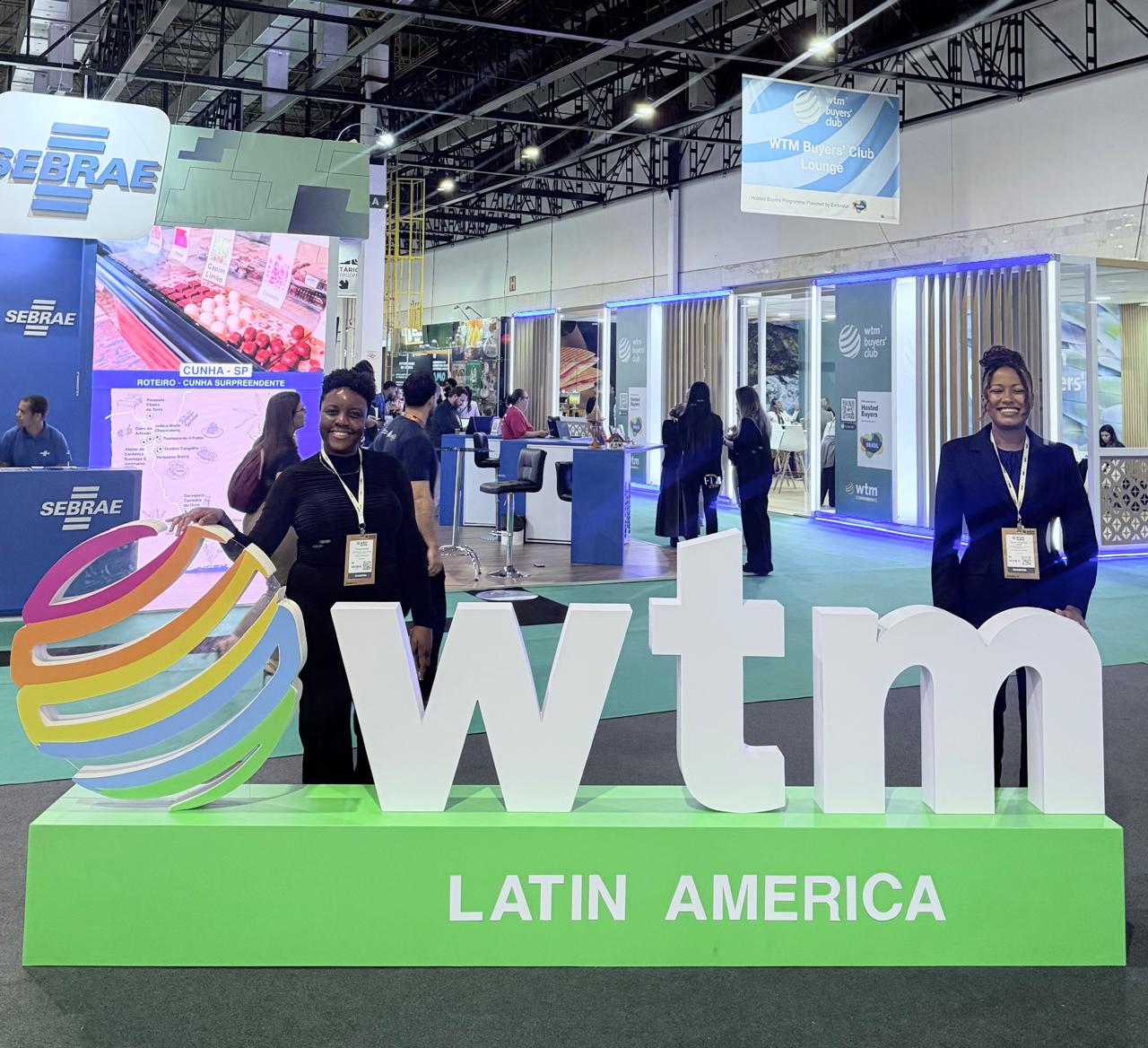
    As part of its ongoing push to grow its international tourism footprint, the Grenada Tourism Authority (GTA) has taken a major step into the high-potential Latin American market with a targeted participation in World Travel Market (WTM) Latin America 2026, hosted in São Paulo, Brazil. One of the most influential travel industry gatherings across the Latin American region, WTM Latin America draws over 32,000 travel and tourism professionals from across the globe each year, making it an ideal launchpad for new market entry.

    Leading the GTA delegation were Chief Marketing Officer Tornia Charles and Maiesha Holder, Marketing Executive overseeing emerging market initiatives. Over the three-day event, the team connected with key stakeholders across three critical sectors: global and regional media, established travel trade networks, and leading travel influencers, aligning with GTA’s long-term strategic goals for the region. To maximize regional visibility and leverage collaborative industry networks, GTA showcased its destination offerings within a shared Caribbean exhibition space organized by the Caribbean Tourism Organisation (CTO).

    This formal entry into the Latin American travel market stands as one of the core pillars of GTA’s 2026 Global Marketing Strategy. The move is backed by comprehensive market intelligence that has identified Latin America as an underpenetrated, high-growth segment for Caribbean tourism. During the event, the delegation held more than 20 pre-scheduled one-on-one business meetings, and added an additional 25 spontaneous conversations with event attendees, generating significant industry interest, building dozens of valuable professional connections, and securing a pipeline of qualified business leads.

    In remarks following the event, Charles emphasized the unique value that WTM Latin America provided for GTA’s expansion goals. “This platform gave us an unrivaled opportunity to introduce Grenada to a highly engaged, fast-growing travel market that is hungry for new destinations,” Charles explained. “Our goal goes far beyond just raising brand awareness. We are focused on building meaningful, long-term presence in the region, forging durable partnerships with local industry players, understanding the unique preferences of Latin American travelers, and positioning Grenada as a one-of-a-kind, experience-focused destination. The level of engagement we saw this week only confirms that Latin America is a strategic growth opportunity we cannot ignore.”

    Grenada’s curated tourism product, which centers on authentic local experiences ranging from farm-to-table culinary adventures and wellness retreats to deep dives into the island nation’s centuries-old spice heritage and vibrant cultural traditions, struck a particular chord with event attendees. This offering aligns perfectly with the shifting travel preferences of Latin American consumers, who increasingly prioritize immersive, authentic experiences over generic mass tourism.

    Holder echoed this positive assessment, noting that the response from trade and media partners confirms Grenada’s unique position in the Caribbean tourism landscape. “What we heard consistently is that Grenada stands out from other Caribbean destinations by offering something truly distinct,” Holder said. “There is clear, growing demand from travelers and trade partners alike for destinations that deliver depth, authenticity, and immersive experiences that go beyond sun and sand. Our participation at WTM Latin America has laid a solid foundation for ongoing engagement and future business conversion across the region.”

    Overall, GTA’s participation in WTM Latin America 2026 underscores the authority’s ongoing commitment to targeted market development, strategic regional and global partnerships, and consistent brand visibility as it works to drive diversified, sustainable tourism growth across Grenada, Carriacou and Petite Martinique.

  • World Bank mission completed for Grenada Resilience Improvement Project

    World Bank mission completed for Grenada Resilience Improvement Project

    Grenada’s ambitious climate resilience infrastructure initiative, the Grenada Resilience Improvement Project (GRIP), has moved into a critical advanced phase, marking multiple key milestones for the $15 million World Bank-backed program. The project, which focuses on strengthening disaster preparedness and climate-resilient infrastructure for three local communities, recently held a productive implementation support mission that brought together GRIP’s project team, Grenadian government officials, and World Bank representatives. The meeting, which included both in-person site visits on the island and virtual working sessions, saw the GRIP team share comprehensive progress updates, while the World Bank team provided targeted feedback and strategic guidance to shape the project’s next phase. Attendees described the discussion as a constructive exchange that aligned all stakeholders on the path forward.

    This collaborative session came at a particularly pivotal moment for the project, as on-the-ground civil work has officially commenced at the Balthazar Bridge site. The first component of work to launch is construction of a temporary pedestrian bridge, designed to keep local residents safely crossing the adjacent river during full reconstruction of the main permanent bridge. Local contractor Farray Construction Ltd. has already begun building the bridge’s abutments, with installation of the full pedestrian bridge set to begin once foundation work is complete.

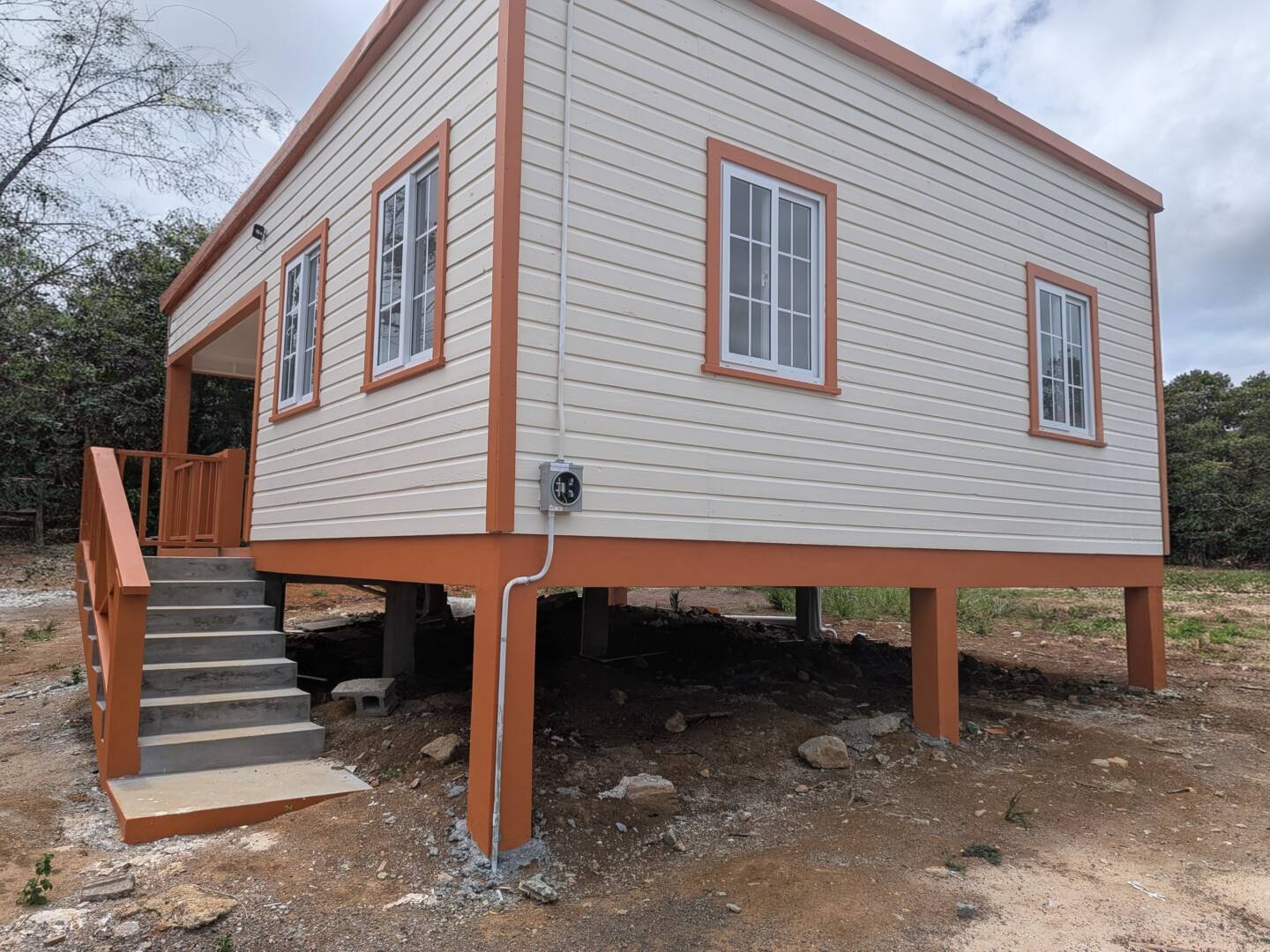
    Several major components of the project have already hit key milestones in recent weeks. Procurement for both coastal infrastructure upgrades and the full Balthazar Bridge reconstruction has been successfully wrapped up, with formal contract awards set to be announced in the near term. Additionally, four new permanent homes have already been completed for Project Affected Persons (PAPs) in Saab, St. Andrew, where existing residential properties fall within the footprint of the new bridge development. These new homes were constructed under the project’s Build Back Better Initiative, which prioritizes safer, more resilient housing for impacted community members.

    Looking ahead, the GRIP project management team, hosted by Grenada’s Ministry of Mobilisation, Implementation and Transformation (MIT), will maintain its close coordination with the World Bank team to keep progress on track. The next phase of the project will include expanded community engagement sessions to share regular progress updates with local residents, and significant increases in on-site mobilization are expected throughout the second quarter of this year.

    First launched as a government-led initiative backed by $15 million in World Bank funding, GRIP’s core mission is to boost Grenada’s ability to withstand climate-related disasters by upgrading critical infrastructure and strengthening local community disaster preparedness capacity. When complete, the project will deliver long-term benefits to three targeted Grenadian communities: Balthazar, Soubise, and Marquis.

  • Caribbean urged to prepare for hotter, drier conditions

    Caribbean urged to prepare for hotter, drier conditions

    Two leading Caribbean climate research institutions, the Caribbean Institute of Meteorology and Hydrology (CIMH) and the University of the West Indies Climate Studies Group Mona (UWI CSGM), have issued an urgent early call for regional governments, private enterprises, agricultural producers and households to implement proactive preparations for extreme climate events. Forecasters project a developing El Niño will bring prolonged hotter, drier conditions across the Caribbean throughout 2026 and 2027, bringing cascading, compound climate risks that threaten lives, livelihoods and regional economies.

  • First phase of rehabilitation complete on Dumfries cistern

    First phase of rehabilitation complete on Dumfries cistern

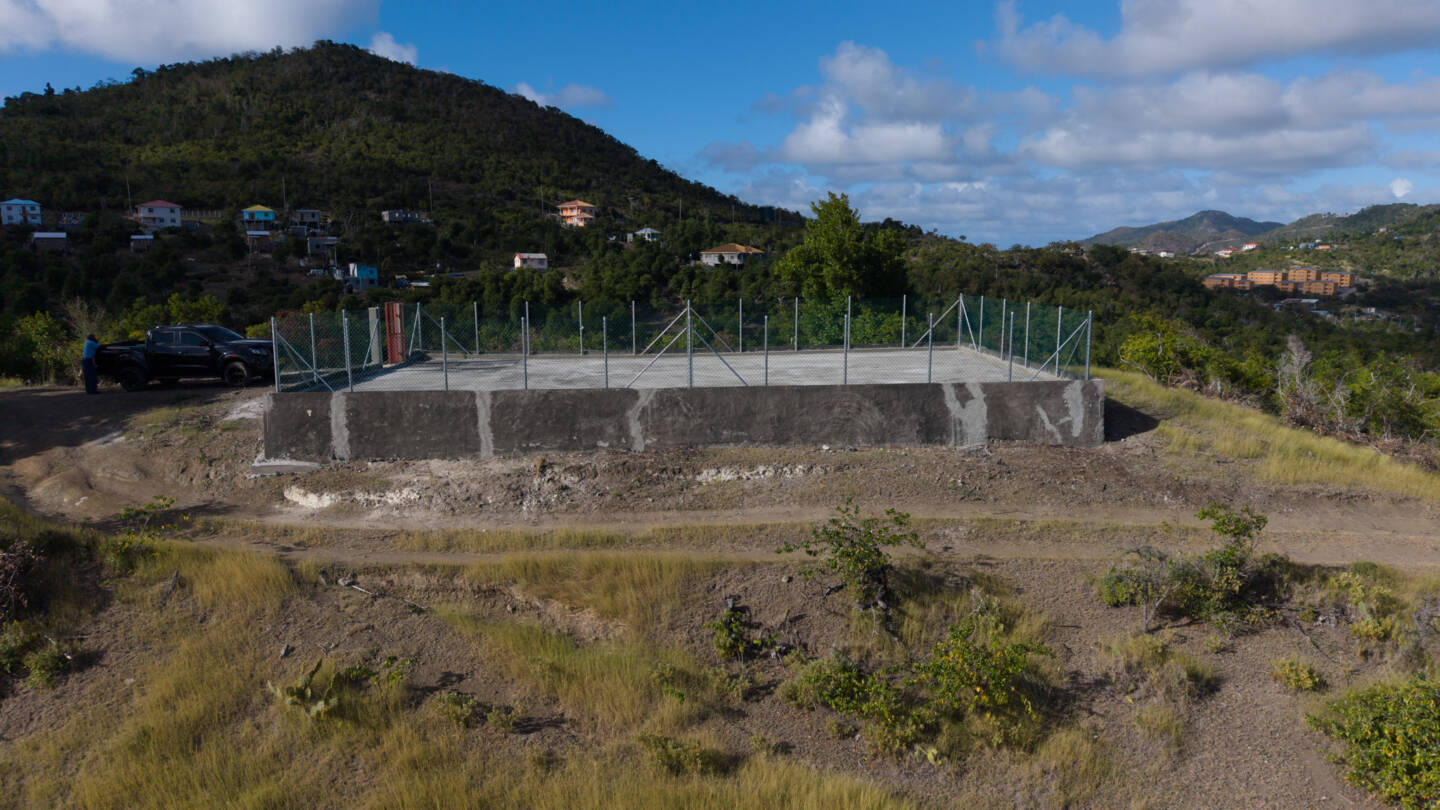
    On the small island of Carriacou, where water scarcity has long been a persistent barrier to agricultural prosperity, a major international development project is delivering tangible progress toward building climate-resilient food systems and lifting rural livelihoods. The Enhancing Land Management and Strengthening Ecosystem Resilience for Integrated Landscape Restoration and Climate-Resilient Food Systems in Carriacou, widely referred to as the Carriacou ILM Project, has completed a critical milestone: the full restoration of the decades-old Dumfries cistern, a community water storage infrastructure that had fallen into disrepair and lost nearly all of its functional capacity.

    Led by the local Partnership Initiative for Sustainable Land Management (PISLM), the initiative draws core funding from the Global Environment Facility (GEF) and receives technical and operational support from the United Nations Environment Programme (UNEP). Beyond its broader goals of reversing land degradation, scaling ecosystem-based landscape restoration, and expanding sustainable livelihood opportunities for local communities, the project has prioritized expanding reliable water access for smallholder farmers — a foundational change that will strengthen irrigation capabilities, increase staple food output, support larger livestock herds, and raise household incomes across the region.

    Project manager Bernard McIntosh outlined the scope of the restoration work completed on the cistern, explaining, “The project intervention was to fence the perimeter, repair all the cracks and crevices on the catchment area, consequently maximising the catchment’s potential.” After the rehabilitation, the structure once again holds its full design capacity of more than 14,000 gallons of rainwater, a vital reserve in Carriacou’s climate where water resources are extremely limited.

    Agriculture is the backbone of Carriacou’s social fabric and local way of life, with smallholders growing a diverse range of staple and cash crops including pigeon peas, corn, sweet potato, yam, dasheen, watermelon, sorrel, cucumber, and butternut squash. For these producers, consistent access to water is the single biggest limiting factor to production, especially as climate change increases the frequency and severity of droughts across the Caribbean.

    The project’s next phase of work is already planned, with McIntosh confirming that teams will soon install a solar-powered pump system and a supplementary black storage tank. This additional infrastructure will allow farmers to easily access the stored cistern water for irrigation and livestock needs, turning the restored storage capacity into active, usable resources for the community.

    At its core, the Carriacou ILM Project aims to tackle long-standing land degradation across the island through a community-centered approach. By combining evidence-based ecosystem restoration, sustainable land management practices, and climate-smart agricultural techniques, the initiative works to diversify local livelihood options and build long-term resilience to climate shocks. The restoration of the Dumfries cistern represents more than just infrastructure improvement: it is a concrete step toward the project’s broader vision of a sustainable, food-secure future for Carriacou.

  • CYEN Grenada supports World Earth Day 2026 initiative

    CYEN Grenada supports World Earth Day 2026 initiative

    As the 2026 World Earth Day approaches, the Caribbean small island nation of Grenada is gearing up for a nationwide collective push for environmental action, anchored by this year’s global theme: “Our Planet, Our Power.”

    The youth-led Caribbean Youth Environment Network (CYEN) Grenada Chapter has officially announced its full partnership with the Ministry of Climate Resilience, the Environment and Renewable Energy, calling on every segment of Grenadian society to step forward with intentional, purpose-driven action when Earth Day is marked on Wednesday, April 22, 2026.

    For a low-lying Caribbean island extremely vulnerable to climate impacts like sea-level rise and coastal erosion, protecting the nation’s rich natural resources is far more than a policy priority—it is a responsibility that spans generations. CYEN Grenada, which centers youth leadership in climate and environmental work, emphasized this intergenerational stakes in its statement, aligning fully with the national 2026 Earth Day initiative led by the government ministry. To turn growing public awareness of climate issues into tangible progress, the organization is urging all citizens, local businesses, community groups, and national institutions to commit to measurable, actionable changes this Earth Day.

    To make participation accessible for every Grenadian, CYEN Grenada has outlined five simple but impactful actions people can take: First, wear green or blue—colors symbolizing the Earth’s forests and oceans—on April 22 to show visible public solidarity for climate action. Second, join national and local reforestation drives by planting native trees and supporting ongoing reforestation projects. Third, organize or join local clean-up events in neighborhoods, schools, or workplaces to remove litter from shared public spaces and coastal areas. Fourth, cut down on unnecessary waste by shifting to more conscious consumption habits and adopting long-term sustainable daily practices. Fifth, educate friends, family, and social media followers about environmental protection to spread awareness across the entire island.

    “Real change comes through collaboration. This Earth Day, we call on every Grenadian in their household, their workplace, and their community to demonstrate that our power as a people lies in our unity of purpose,” the organization said in its official statement.

    Beyond individual action, CYEN Grenada is also reaching out to government agencies, private sector businesses, educational institutions, and civil society groups to formalize their long-term environmental commitments and partner with the youth-led climate movement. The organization encourages all participants to document their Earth Day activities and share their work publicly, not only to inspire more action across the Caribbean region but also to highlight Grenada’s collective commitment to climate resilience.

    This Earth Day call is part of CYEN Grenada’s ongoing core mission: empowering young Grenadians to take leadership roles in environmental advocacy, climate education, and sustainable development. The group remains dedicated to deepening youth engagement in climate resilience work and nurturing the next generation of environmental stewards across Grenada and the broader Caribbean.

    (Disclaimer: This content is a contributed announcement, with NOW Grenada not taking responsibility for contributor opinions, statements, or shared media. Abuse can be reported via official channels.)

  • Rotary Club of Grenada launches Rhythm & Spice

    Rotary Club of Grenada launches Rhythm & Spice

    Grenada’s local service organization, the Rotary Club of Grenada, has announced an exciting new fundraiser that blends Caribbean culture, social fun and public good: Rhythm & Spice, a one-of-a-kind Rotary Brunch Experience scheduled to take place Sunday, June 28, 2026, from 3 p.m. to 11 p.m. at the scenic Quarantine Point venue. The club is calling on all community members, corporate partners and visitors to back its mission of local service by attending the event.

    Unlike standard social gatherings, Rhythm & Spice is built on a dual purpose: to give attendees a premium, memorable pre-Carnival celebration, and to raise critical funds for the Rotary Club of Grenada’s ongoing community improvement projects across the island. Every dollar generated from ticket sales will go directly toward advancing these grassroots initiatives, letting guests enjoy a vibrant outing while directly contributing to causes that lift local lives.

    As a decades-long service organization focused on driving meaningful change through community-centered projects, the Rotary Club of Grenada regularly develops events that connect public engagement with tangible social impact. Rhythm & Spice is the latest example of this model, merging the infectious energy of Grenada’s Carnival lead-up with purpose-driven fundraising to support work that benefits residents across the island.

    Attendees can look forward to a full day of top-tier entertainment, headlined by local favorite Sakinah & The Alpha One Band, with additional performances from guest artists and sets from rotating DJs. The open-air venue at Quarantine Point offers sweeping scenic views, creating an unforgettable atmosphere defined by bold Caribbean flavors, contagious rhythmic energy and warm community spirit. Stretching from the afternoon into the evening, the event intentionally weaves together music, style, natural beauty and shared connection for guests of all backgrounds.

    Julia Lawrence, president of the Rotary Club of Grenada, emphasized that the event embodies the organization’s core mission: to bring the community together to support impactful local projects, while offering a fresh, elevated way for people to give back. “By attending Rhythm & Spice, supporters will not only be part of a memorable event but will also be helping the Rotary Club of Grenada continue its service-driven work,” Lawrence shared.

    Early bird tickets are currently available for EC$200 exclusively via the Go2Fete.com ticketing platform. Every ticket grants access to a food-inclusive brunch experience, all live entertainment, and entry to all event spaces. Organizers have suggested attendees dress in themes matching the event: Brunch Chic, Island Elegant, or clothing in warm spice-inspired tones.

    The Rotary Club of Grenada extended an open invitation to individuals, couples, friend groups, and corporate sponsors to join the initiative, framing the event as a rare opportunity to enjoy an incredible day out while directly investing in Grenada’s local communities. For more information or to purchase tickets, interested parties can visit Go2Fete.com at any time.

  • Laluna launches Albert Paul Laluna Chef Forever Scholarship

    Laluna launches Albert Paul Laluna Chef Forever Scholarship

    A beloved Grenadian culinary icon will live on through a new educational initiative designed to lift up the next generation of local food talent. Laluna Boutique Hotel & Villas has officially announced the creation of the Albert Paul Laluna Chef Forever Scholarship, a permanent program honoring the legacy of the establishment’s late long-serving head chef, Albert Paul.

    The program, set to welcome its first recipient in August 2026, will provide annual support to one student enrolled in the culinary arts program at T.A. Marryshow Community College (TAMCC), Grenada’s leading local tertiary institution. Each selected scholar will receive EC$5,000 in annual funding over the course of their two-year degree, amounting to a total EC$10,000 investment per student to cover tuition, materials and other education-related costs.

    To guarantee a transparent and impartial selection process, the task of reviewing applications and choosing annual recipients will be managed entirely by TAMCC’s internal scholarship committee. Beyond financial support, Laluna is expanding the program’s impact by offering each selected scholar a six-week paid internship within the hotel’s professional working kitchen, giving emerging talent the chance to build hands-on skills and gain real-world experience alongside seasoned hospitality professionals.

    Chef Paul’s connection to Laluna spanned 18 impactful years, a career defined by remarkable upward mobility that saw him join the team as a dishwasher before working his way up to the role of Head Chef through relentless passion, consistent hard work, and an unwavering dedication to culinary excellence. His journey from entry-level staff to kitchen leadership has remained a source of inspiration for the entire Laluna team and the broader local culinary community long after his passing. This scholarship is crafted to honor his extraordinary trajectory and open new doors for young Grenadians pursuing careers in food and hospitality.

    In a statement announcing the initiative, representatives from Laluna shared that the hotel is proud to partner with TAMCC to strengthen culinary education and the future of Grenada’s hospitality sector. “This scholarship is not only a tribute to Chef Albert, but also an investment in young people who share his passion and potential,” the statement read.

    Moving forward, Laluna aims to carry forward Chef Paul’s core legacy of mentorship, continuous growth, and uncompromising excellence through the Albert Paul Laluna Chef Forever Scholarship, ensuring his impact on Grenada’s culinary community will endure for generations to come.

  • Fossil fuels are driving cost crisis for households, businesses and nations

    Fossil fuels are driving cost crisis for households, businesses and nations

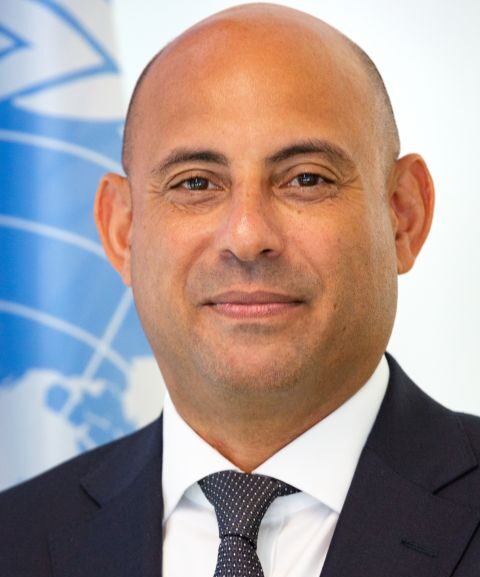
    By Simon Stiell, Executive Secretary of UN Climate Change

    As the leader of the United Nations’ climate action body, I have spent years advocating for the critical necessity of transitioning away from fossil fuels to clean energy systems. Today, that argument is no longer mine to make alone: the ongoing global fossil fuel energy crisis, amplified by escalating geopolitical conflict, is making the case for renewables more forcefully than any advocacy ever could — and that is especially true for vulnerable regions like the Caribbean.

    The ongoing war in the Middle East has laid bare a harsh, unavoidable reality: global dependence on fossil fuels erodes national sovereignty and undermines energy security at its core. It leaves the price of food, household monthly budgets, corporate profit margins, and entire national economies completely vulnerable to sudden geopolitical shocks. In an increasingly volatile global order where power politics dominates international relations, the economic and social costs of remaining reliant on foreign fossil fuels are skyrocketing beyond control.

    This latest conflict has triggered what the International Energy Agency has described as the most severe threat to global energy security the world has ever seen. Constrained oil and natural gas supplies have sent global energy prices soaring, and a wave of crippling inflation has followed in its wake. Working families and businesses of every size now face sharply higher utility and operational costs that strain budgets already stretched thin.

    The ripple effects of this crisis are being felt across every continent. The World Food Programme projects that the conflict will push global hunger to unprecedented record levels by the end of this year. Food insecurity is expected to rise by 21% across West and Central Africa, 17% in East and Southern Africa, 24% across Asia, 16% in Latin America and the Caribbean, and 14% in the Middle East and North Africa.

    Even amid this widespread disruption, a deeply misguided argument persists: some policymakers and industry leaders claim the solution to the current energy crisis is to slow the global transition to renewable energy, and instead double down on fossil fuels — the very root cause of the current turmoil. This position flies in the face of basic economic logic and common sense. As geopolitical instability continues to grow, repeated episodes of volatile energy prices will become the norm, not the exception. Sustained dependence on fossil fuels will lock nations into a permanent cycle of lurching from one crisis to the next with no end in sight.

    Prolonged fossil fuel dependence also guarantees continued global temperature rise, which supercharges extreme climate disasters including catastrophic hurricanes, prolonged droughts, destructive wildfires, and devastating floods. Today, these events already destroy millions of lives every year and cause trillions in economic damage across the globe. For example, when Hurricane Melissa made landfall in Jamaica in October 2025, the World Meteorological Organization confirms the storm killed 45 people in Jamaica, another 46 in neighboring Haiti, displaced more than one million people across all affected Caribbean nations, and caused an estimated $8.8 billion in total economic losses. If global emissions continue to rise unchecked, these events will only grow more frequent and more severe. Yet despite this clear harm, fossil fuels still receive trillions of dollars in global government subsidies every year.

    Crucially, there is a proven, accessible solution that addresses both the ongoing climate crisis and the economic volatility caused by fossil fuel dependence: accelerating the global transition to decentralized clean energy systems. In this framework, wind and solar power supply the bulk of electricity, supported by modernized transmission grids and utility-scale energy storage, while clean technologies such as electric vehicles replace carbon-intensive polluting alternatives.

    Unlike fossil fuels, which rely on long, vulnerable supply chains and vulnerable geopolitical chokepoints like the Strait of Hormuz, sunlight and wind are abundant and universally accessible. Renewable energy allows nations to take back control of their energy sectors and their economic stability, insulating domestic markets from global geopolitical turmoil. Beyond energy security, the transition creates high-quality local jobs, cuts toxic air pollution, improves public health outcomes, boosts social and political stability, and delivers long-term lower energy costs. Today, onshore and offshore wind and solar power are already the cheapest sources of new electricity generation in nearly every country on Earth.

    Many nations have already begun to capitalize on these benefits, building out renewable capacity to protect their populations from both energy price volatility and climate disasters. But vulnerable developing economies, which face the greatest risk from both crises and have the least capacity to adapt, are not receiving the investment they need. Last year, global investment in clean energy reached $2 trillion — twice the amount invested in fossil fuels — but only a tiny fraction of that capital flowed to the low-income and developing nations that need it most.

    This imbalance must be corrected as a matter of urgency. Wealthier nations and the multilateral international financial institutions they govern have a direct self-interest in channeling affordable climate finance to developing nations to speed their clean energy transitions. A truly global energy shift delivers shared benefits for every country, rich and poor alike.

    In our interconnected global economy, climate disasters that disrupt global supply chains are a major driver of inflation in every country, regardless of income level. But through coordinated international climate cooperation, nations can build a stable alternative to the power politics that currently dominate global affairs.

    UN Climate Change works every day to support this global cooperation. Our annual UN Climate Change Conferences, known as COPs, have already delivered transformative global progress: collective commitments through the COP process have roughly halved the projected end-of-century global temperature rise, transformed global energy market dynamics, and supported nations to build climate resilience. But the scale of the crisis demands far faster action, and we must ensure a just transition that supports workers and communities that have historically relied on fossil fuel industries for employment and economic growth.

    The faster nations move to scale up clean energy and build resilience, the greater the benefits for all people, and the climate cannot afford delays. That is why UN Climate Change has increasingly prioritized turning non-binding national climate commitments into tangible, on-the-ground outcomes that improve lives for billions of people across the globe. At COP30 held in Brazil last year, member states committed $1 trillion to investment in grid modernization and energy storage to build the foundation for 21st century clean energy systems. This year’s COP31, hosted in Türkiye, will build on that progress to advance the transition across every sector and region.

    Today’s global geopolitical turmoil could not make the urgency of this work clearer. International climate cooperation is the most effective cure for the chaos we are currently living through. Clean energy and climate resilience are not optional luxuries — they are essential pillars of national security and economic stability, precisely because of the growing instability we face across the globe.

    *This op-ed is attributed to Simon Stiell, Executive Secretary of UN Climate Change. NOW Grenada does not take responsibility for contributor opinions or content.*