Grenada’s ambitious climate resilience infrastructure initiative, the Grenada Resilience Improvement Project (GRIP), has moved into a critical advanced phase, marking multiple key milestones for the $15 million World Bank-backed program. The project, which focuses on strengthening disaster preparedness and climate-resilient infrastructure for three local communities, recently held a productive implementation support mission that brought together GRIP’s project team, Grenadian government officials, and World Bank representatives. The meeting, which included both in-person site visits on the island and virtual working sessions, saw the GRIP team share comprehensive progress updates, while the World Bank team provided targeted feedback and strategic guidance to shape the project’s next phase. Attendees described the discussion as a constructive exchange that aligned all stakeholders on the path forward.
This collaborative session came at a particularly pivotal moment for the project, as on-the-ground civil work has officially commenced at the Balthazar Bridge site. The first component of work to launch is construction of a temporary pedestrian bridge, designed to keep local residents safely crossing the adjacent river during full reconstruction of the main permanent bridge. Local contractor Farray Construction Ltd. has already begun building the bridge’s abutments, with installation of the full pedestrian bridge set to begin once foundation work is complete.
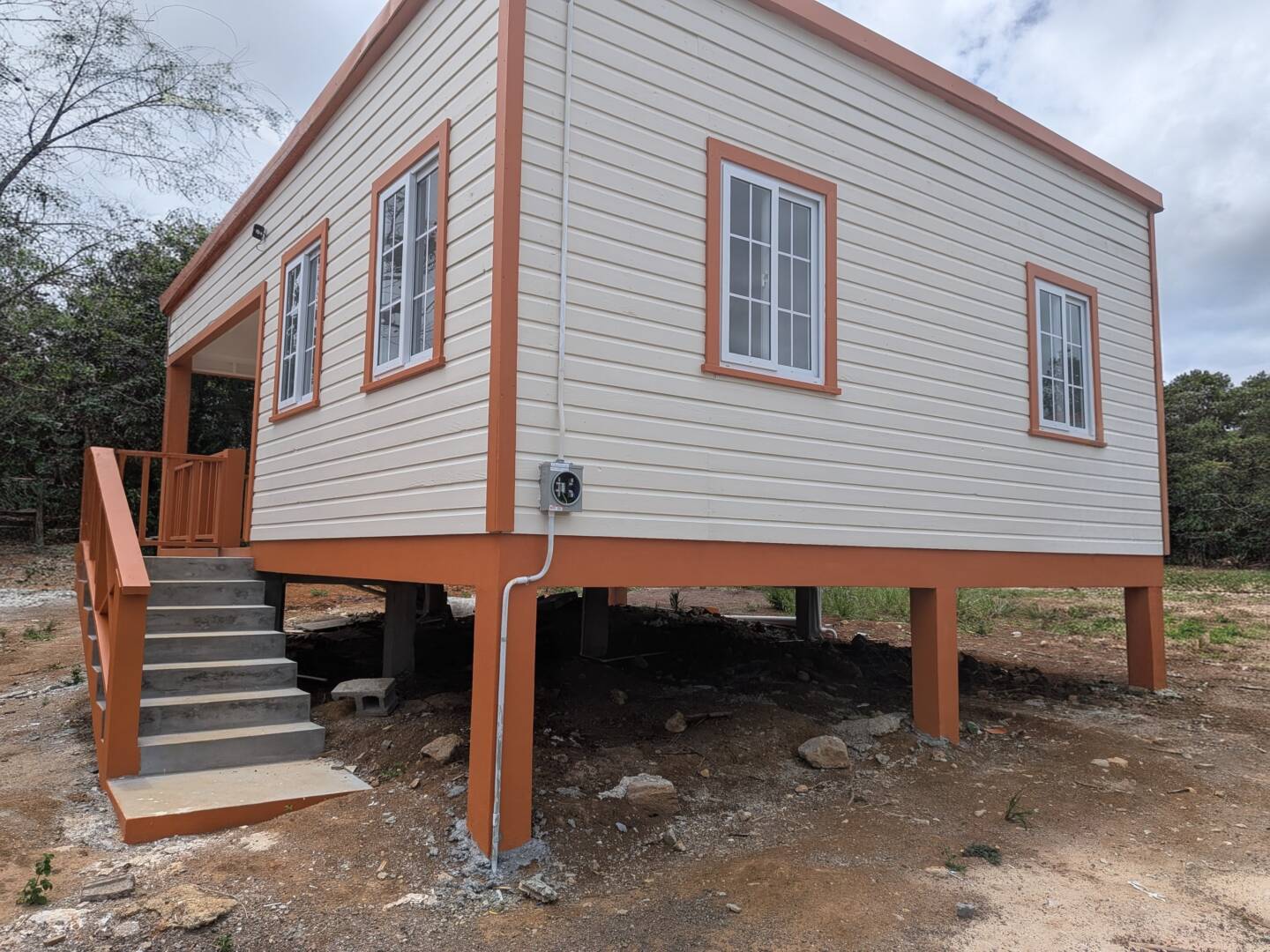
Several major components of the project have already hit key milestones in recent weeks. Procurement for both coastal infrastructure upgrades and the full Balthazar Bridge reconstruction has been successfully wrapped up, with formal contract awards set to be announced in the near term. Additionally, four new permanent homes have already been completed for Project Affected Persons (PAPs) in Saab, St. Andrew, where existing residential properties fall within the footprint of the new bridge development. These new homes were constructed under the project’s Build Back Better Initiative, which prioritizes safer, more resilient housing for impacted community members.
Looking ahead, the GRIP project management team, hosted by Grenada’s Ministry of Mobilisation, Implementation and Transformation (MIT), will maintain its close coordination with the World Bank team to keep progress on track. The next phase of the project will include expanded community engagement sessions to share regular progress updates with local residents, and significant increases in on-site mobilization are expected throughout the second quarter of this year.
First launched as a government-led initiative backed by $15 million in World Bank funding, GRIP’s core mission is to boost Grenada’s ability to withstand climate-related disasters by upgrading critical infrastructure and strengthening local community disaster preparedness capacity. When complete, the project will deliver long-term benefits to three targeted Grenadian communities: Balthazar, Soubise, and Marquis.