标签: Grenada

格林纳达

  • Rastafari institutions exempt from cultivation limits under Draft Cannabis Bill

    Rastafari institutions exempt from cultivation limits under Draft Cannabis Bill

    Grenada is embarking on a carefully calibrated transformation of its cannabis legislation, introducing a progressive yet controlled framework that balances religious freedom, public health, and social justice. The cornerstone of the proposed Drug Abuse (Prevention and Control) Amendment Bill, 2026, is its unique provision granting the Rastafari community unlimited cultivation rights for sacramental purposes within registered places of worship, a recognition of their religious heritage that is not extended to the general public.

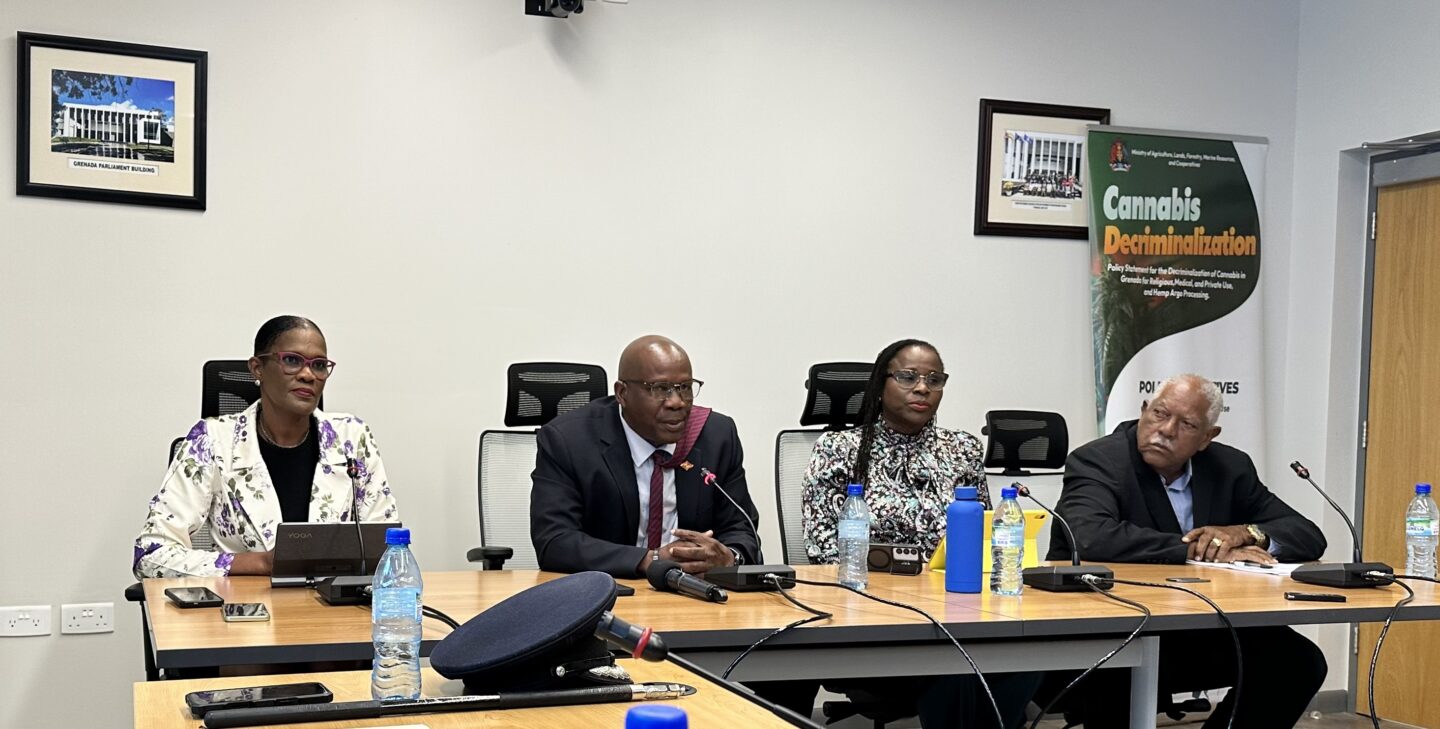
    Nandy Noel, CEO of the Cannabis Commission for Legalisation and Regulation Secretariat, emphasized that the intent is to safeguard, not control, the Rastafari community. “We have not set any limits for the Rastafari with regard to their cultivation and their use, which is why a comprehensive registration of all Rastafari places of worship is vital,” Noel stated, clarifying that this exemption is specifically designed to allow unimpeded practice of their sacrament.

    For the wider Grenadian public, the bill outlines a decriminalization model with strict boundaries. Individuals aged 21 and older will be permitted to possess up to 56 grams of cannabis or 15 grams of cannabis resin. Quantities between 57 and 70 grams will be treated as a possession offence, while anything exceeding 71 grams will be classified as trafficking, carrying severe penalties. Public consumption remains prohibited with a fixed penalty fine of EC$300, and use for anyone under 21 is strictly forbidden.

    Household cultivation is also permitted but heavily restricted, allowing registered homes to grow a maximum of four plants for medicinal, therapeutic, or horticultural purposes. Officials consistently stressed that this reform, described by Agriculture Minister Lennox Andrews as “a measured shift, not an introduction to an unrestricted market,” does not legalize recreational use.

    The legislation incorporates significant social justice measures, including the expungement of criminal records for past minor cannabis offences and the immediate discontinuation of qualifying court cases. For young adults aged 18 to 20, criminal charges will be replaced with mandatory rehabilitation and counselling to avoid creating a permanent criminal record.

    Attorney General Claudette Joseph highlighted the medical impetus behind the move, citing “established scientific and research-based evidence of the medicinal value that cannabis possesses.” This first phase of reform will be followed by a second phase within 3 to 6 months, focused on developing a national policy framework and a regulated medicinal cannabis industry, marking a paradigm shift in Grenada’s approach to cannabis policy.


  • SGU Scholarship announcement 2026

    SGU Scholarship announcement 2026

    The Grenadian government has partnered with St. George’s University to unveil an extensive scholarship initiative for nationals seeking undergraduate and graduate degrees during the 2026-2027 academic cycle. This collaborative effort encompasses diverse academic disciplines across multiple schools within the university.

    Prospective applicants can pursue opportunities in:

    Undergraduate programs through the School of Arts & Science commencing in both August 2026 (application deadline: June 15, 2026) and January 2027 (application deadline: October 15, 2026). The School of Medicine offers undergraduate studies in Pre-Medicine, Medicine, and Veterinary medicine starting January 2027, with an October 15, 2026 application cutoff.

    Graduate studies include a Master’s in Public Health beginning May 2026 (application deadline: March 30, 2026) and multiple August 2026-start programs: Business Administration, Multi-Sector Health Management, International Business, Clinical Psychology, and Education (application deadline: June 15, 2026).

    Eligibility is restricted to Grenadian citizens who must first obtain formal acceptance from St. George’s University. The comprehensive application package requires: a completed scholarship form obtainable via email or the HRD Resource Hub, two reference letters, certified copies of birth certificates/passports, marriage certificates (if applicable), all academic certificates, official transcripts, SGU acceptance letter, passport photograph, curriculum vitae, and a 500-word personal essay outlining career objectives and their potential benefit to Grenada.

    Document certification is available at the Ministry of Education’s Examination Unit in Tanteen. Completed applications must be delivered to the Human Resource Development Division before the specified deadlines. Additional information is available through provided telephone contacts and email addresses.

  • Minister for National Security applauds historic HMP graduation

    Minister for National Security applauds historic HMP graduation

    Grenada’s correctional system has reached a transformative milestone with the graduation of Course 1 of 2025 at His Majesty’s Prisons (HMP). On January 13, the institution celebrated its largest-ever cohort of 55 newly certified prison officers who have achieved the groundbreaking Correctional Custodial Security NVQ Level 2 certification—a first in the nation’s penal history.

    Commissioner of Prisons Anthony Rogers delivered a powerful address commending the graduates’ extraordinary accomplishments while emphasizing the profound responsibility of their vocation. He stressed that integrity, discipline, and service must form the cornerstone of their professional conduct as they prepare to serve their nation with honor.

    The comprehensive training program received significant institutional support, with Commissioner Rogers expressing gratitude to multiple stakeholders including class teachers, physical training instructors, principal officers, and specialized units. The rigorous curriculum encompassed pre-dawn physical conditioning, weapons proficiency, riot control tactics, and academic studies designed to forge exemplary officers.

    Commissioner of Police Randy Connaught reflected on the demanding Special Services Unit phase that tested each recruit’s discipline, endurance, and character. The program’s intensity was specifically engineered to build resilience and unity among the graduates, who successfully overcame the most challenging aspects of their training.

    The Prime Minister and Minister for National Security personally congratulated the new officers, affirming their induction into a professional corps entrusted with maintaining the highest standards of both security and humanity within Grenada’s correctional framework. The government’s investment in this certification program demonstrates its commitment to strengthening the nation’s rehabilitative and security infrastructure.

  • Housing guidelines for Grenada

    Housing guidelines for Grenada

    In a significant step toward strengthening national disaster resilience, Grenada’s key public agencies convened at Radisson Hotel Grenada in November 2025 to establish comprehensive housing guidelines for updating the National Disaster Management Plan. The landmark meeting brought together experts and officials to create frameworks that specifically address gender-responsive recovery and reconstruction efforts.

    The newly developed guidelines emerged from an extensive multi-week review process examining critical documents including the 2024 Post Disaster Needs Assessment, the 2011 National Disaster Plan, and relevant legislation such as the Physical Planning and Development Control Act and the 2023 Disaster Management Act. The process incorporated direct consultations with housing sector agencies to ensure practical applicability.

    This initiative operates under the Enabling Gender-Responsive Disaster Recovery, Climate, and Environmental Resilience in the Caribbean (EnGenDER) project, implemented by the United Nations Development Programme (UNDP) in collaboration with the Caribbean Disaster Emergency Management Agency (CDEMA) with funding from Global Affairs Canada. The Ministry of Economic Development, Planning and Cooperatives coordinates the project alongside NaDMA, the Ministry of Social and Community Development, Housing and Gender Affairs, the Ministry of Carriacou and Petit Martinique Affairs and Local Government, and the Central Statistical Office.

    Dr. Grenville Phillips, a renowned Caribbean civil and structural engineer specializing in Construction Quality Assurance and Building Codes, including the Caricom Code of Practice for Residential Construction, led the technical exercise. Dr. Phillips previously contributed his expertise as part of CDEMA’s Rapid Needs Assessment Team following Hurricane Beryl.

    The project team comprising UNDP, CDEMA, and consulting experts conducted validation meetings in Carriacou to refine a Housing Recovery Plan based on primary data collection regarding housing damage conditions and household impacts.

    Elizabeth Charles-Soomer, UNDP MCO Prevention, Resilience and Recovery Cluster Lead for Barbados and the Eastern Caribbean, expressed satisfaction with discussion quality and participation from leads of the Planning and Development Authority, The Housing Authority, The Ministry of Mobilisation, Implementation and Transformation, and NaDMA. Permanent Secretary Merina Jessamy from the Ministry of Economic Development echoed this sentiment, emphasizing the critical importance of collaborative whole-of-government approaches to recovery and restoration efforts.

  • Ariza Credit Union: Call for nominations

    Ariza Credit Union: Call for nominations

    The financial community in Grenada is currently engaged in significant discourse regarding governance protocols within local credit unions. This conversation has gained momentum following the public nomination process for key leadership positions, specifically targeting roles on the Board of Directors and the crucial Credit Committee. These developments highlight a growing emphasis on transparency and accountability within member-driven financial institutions.

  • Caribbean politics: Visa restrictions and the cost of Caribbean disunity

    Caribbean politics: Visa restrictions and the cost of Caribbean disunity

    A recent decision by the United States to implement partial visa restrictions and pause certain immigrant visa issuances to multiple nations, including Caribbean states Antigua and Barbuda and Dominica, has revealed significant fragmentation within the Caribbean Community (CARICOM). Rather than presenting a unified front, regional responses degenerated into domestic political point-scoring and silence, exposing a critical weakness in collective diplomacy.

    The US action stems from two primary domestic concerns, not diplomatic retaliation. First, data indicating that a substantial percentage of immigrant households from these nations eventually utilize public assistance programs aligns with the Trump administration’s policy emphasizing immigrant financial self-sufficiency. Second, the issue of visa overstayers illegally influencing congressional representation and federal funding allocations is a potent political matter within a polarized America.

    Statistics underscore the policy’s actuarial basis. Among CARICOM nations, the percentage of immigrant households receiving public assistance is notably high: Dominica (45.1%), Antigua and Barbuda (41.9%), St. Lucia (41.7%), Guyana (41.7%), Belize (41.8%), Grenada (40.7%), St. Kitts and Nevis (39.1%), St. Vincent and the Grenadines (38.1%), Trinidad and Tobago (37.1%), Jamaica (36.7%), The Bahamas (34.0%), and Barbados (33.9%).

    The specific restriction on B-1/B-2 visitor visas for Antigua and Barbuda and Dominica relates to concerns over visa overstaying, unlawful residence, and unpaid use of public services, particularly healthcare. This intersects with Citizenship by Investment (CBI) programs, where US authorities seek enhanced biometric verification to mitigate identity concealment risks, not to delegitimize the programs themselves.

    The sovereign right of any nation to control its borders is undeniable, a principle every CARICOM state exercises itself. The core failure lies in the Caribbean’s reaction: a lack of coordinated position, factual clarification, or collective insistence on distinguishing lawful travelers from illegal overstayers. This fragmentation resulted in 11 of 14 independent CARICOM states ultimately being affected, demonstrating that unilateralism offers no protection.

    The path forward requires abandoning outrage and internal recrimination. CARICOM must develop a common framework for US engagement, separating individual public charge assessments from national reputation and addressing biometric concerns through collective, technically sound solutions. Cooperation should be transparent, voluntary, and capped. For small states, sovereignty is defended not by silence or opportunism, but by coherence, discipline, and the courage to speak with one unified voice.

  • Grenada to enforce Madrid Protocol as of March 2026

    Grenada to enforce Madrid Protocol as of March 2026

    Grenada has officially become the 116th member of the Madrid System for international trademark registration, marking a significant milestone in the nation’s intellectual property landscape. The Madrid Protocol will take effect in Grenada on March 15, 2026, following the government’s deposition of its accession instrument approximately three months prior.

    This accession positions Grenada as the tenth Latin American and Caribbean nation to join this global framework, which the World Intellectual Property Organization (WIPO) describes as “a practical and efficient solution for protecting trademarks worldwide.” The move significantly strengthens the international trademark ecosystem while providing Grenadian businesses with streamlined access to global markets.

    From the implementation date onward, Grenadian enterprises and entrepreneurs who have registered trademarks through the Corporate Affairs and Intellectual Property Office (CAIPO) will gain the ability to seek trademark protection across all 131 Madrid System member jurisdictions through a single application process. This streamlined approach requires submitting documentation in English and paying fees exclusively in Swiss francs, eliminating the need for multiple applications in different jurisdictions.

    Concurrently, trademark holders from other member countries will be able to designate Grenada in their international applications, while existing international registration holders can extend their protection to include the Caribbean nation. This reciprocal arrangement promises to enhance Grenada’s attractiveness for international business and investment.

    In preparation for this significant transition, WIPO dispatched two high-level experts to Grenada in February 2025 to conduct stakeholder consultations. These sessions aimed to educate businesses and legal professionals about the implications and procedures of the Madrid Protocol ahead of its implementation.

    During the 2026 budget debate, Senator Claudette Joseph confirmed that Grenada formally became a signatory to the Madrid Protocol on December 10, 2025, with an initial target implementation date of April 1, 2026. The actual implementation date of March 15, 2026, represents a slight adjustment from this original timeline.

  • REOI: Solar for All Programme

    REOI: Solar for All Programme

    The Grenadian government has formally initiated its ambitious Solar for All Programme through the Ministry of Climate Resilience, the Environment and Renewable Energy (MCRERE). This national program represents a strategic effort to democratize access to affordable, reliable, and clean energy solutions, with particular emphasis on supporting vulnerable households and small-scale agro-processors currently experiencing energy insecurity.

    The ministry has issued a comprehensive Request for Expressions of Interest (EOI) targeting professionally established solar photovoltaic installation companies. This solicitation aims to create a pre-qualified roster of competent firms that may subsequently be invited to submit detailed proposals or competitive quotations for specific installation projects under the program’s framework.

    Successful contractors will be responsible for delivering end-to-end solar solutions, including comprehensive site assessments, customized system design, and complete installation services. The technical scope encompasses grid-tied, off-grid, and hybrid solar PV systems within the 1kWp to 6kWp capacity range. Additional responsibilities include executing all necessary electrical works, installing mounting structures, and ensuring full system commissioning. Contractors must coordinate with Grenlec (Grenada Electricity Services) and the Public Utilities Regulatory Commission for necessary inspections and grid interconnection procedures where applicable.

    The eligibility criteria establish rigorous standards for prospective applicants. Companies must maintain legal registration in Grenada, possess valid National Insurance Scheme certification, and demonstrate verifiable experience in solar PV installations over the past five years. Additional requirements include employing adequately trained and certified technical personnel, maintaining comprehensive liability insurance coverage, and exhibiting familiarity with local regulatory requirements for permits and interconnections.

    Interested firms must submit concise Expressions of Interest through the government’s E-Procurement portal before the strict deadline of 4:00 PM on Friday, January 30. The submission package, not exceeding 15 pages excluding annexes, should comprehensively address the company’s profile, relevant experience, technical capabilities, and organizational capacity. The government explicitly reserves the right to accept or reject any submissions, annul the process, or modify the program scope without incurring liability.

    This initiative marks a significant advancement in Grenada’s renewable energy transition, potentially establishing a new benchmark for sustainable energy access in the Eastern Caribbean region.

  • Immigrant visa appointments will continue despite visa pause

    Immigrant visa appointments will continue despite visa pause

    In a significant shift in immigration policy, the United States Department of State will suspend the issuance of all immigrant visas to applicants from 75 designated countries, effective January 21, 2026. The policy, which targets nations classified by the World Bank as low-income, middle-income, or upper-middle-income, encompasses several Caribbean nations, with Grenada notably among those affected.

    The suspension applies exclusively to immigrant visas, which are intended for those seeking permanent residency. The State Department has explicitly clarified that non-immigrant visas, including those for tourism, business, or temporary work, remain entirely unaffected by this mandate. Applicants from the listed countries may continue to submit documentation and attend scheduled interviews at U.S. embassies; however, final visa issuance will be halted for the duration of the pause. The department’s official communication emphasized that no previously issued immigrant visas have been revoked.

    A key stipulation provides an exemption for dual nationals who choose to apply using a valid passport from a country not included on the list. The policy rationale, as stated on the State Department’s website, aligns with the Trump administration’s doctrine that immigrants must achieve financial self-sufficiency and avoid becoming a public burden. This directive has prompted a comprehensive internal review of all relevant policies and regulations to prevent the utilization of U.S. welfare systems by immigrants from these ‘high-risk’ countries.

    For Grenada, this development marks the third consequential U.S. policy action within the first two weeks of 2026, following a ban on fish product imports effective January 1 and the issuance of a Level 2 travel advisory on January 5. The government of Grenada has not yet released an official public statement regarding the visa suspension. The extensive list of impacted nations spans multiple continents, including countries such as Brazil, Nigeria, Pakistan, Russia, and Jamaica.

  • OECS Heads meet on urgent regional and geopolitical matters

    OECS Heads meet on urgent regional and geopolitical matters

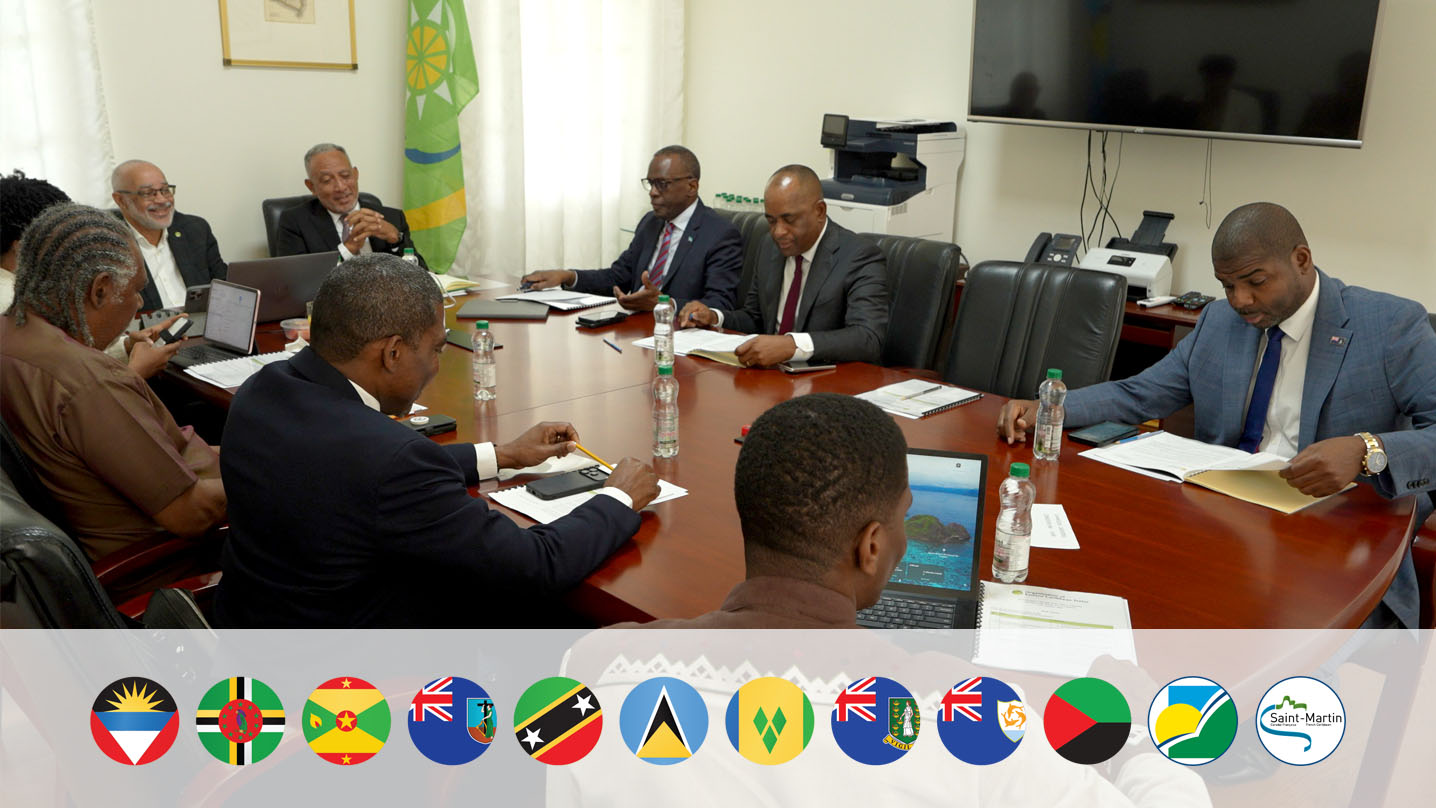
    In a significant gathering marking his inaugural leadership, Prime Minister Dr. Godwin Friday of St. Vincent and the Grenadines chaired the Organisation of Eastern Caribbean States (OECS) Heads of Government meeting in St. Lucia on January 13, 2026. The summit, hosted by St. Lucian Prime Minister Honourable Philip J Pierre, brought together regional leaders including Prime Ministers Roosevelt Skerrit (Dominica), Dickon Mitchell (Grenada), Dr. Terrance Drew (St. Kitts and Nevis), along with Premiers Reuben T Meade (Montserrat), Dr. Natalio Wheatley (British Virgin Islands), and Cora Richardson-Hodge (Anguilla), accompanied by OECS Director General Dr. Didacus Jules.

    The assembly addressed pressing geopolitical concerns, particularly monitoring developments between Venezuela and the United States and their potential implications for economic stability, regional security, energy provisions, migration patterns, and diplomatic relations. Reaffirming their commitment to hemispheric peace and stability, the leaders established a coordinated approach to US requests regarding Third Country Nationals (TCNs).

    Several OECS members have already signed non-binding memoranda with the United States, prompting the creation of a high-level, broad-based negotiating team to conduct technical discussions on migration matters. The leaders simultaneously addressed Citizenship by Investment Programs (CIPs), committing to enhanced regulatory frameworks through proposed legislative reforms and the establishment of an independent regional authority, while emphasizing continued dialogue with international partners including the European Union.

    In security enhancements, the governments pledged to implement biometric systems for travelers across OECS nations to strengthen border security while facilitating seamless travel experiences for citizens and visitors. Recognizing the rapidly evolving global landscape, the leaders agreed to maintain frequent political caucuses ensuring coordinated decision-making and reaffirmed their dedication to regional solidarity, principled international engagement, and sustainable development. The communique concluded with commitments to enhanced public communication regarding decisions affecting OECS citizens.