标签: Grenada

格林纳达

  • Survey Research and Stakeholder Insights Services

    Survey Research and Stakeholder Insights Services

    The Investment Migration Agency Grenada (IMA Grenada) has launched a formal competitive bidding process, publishing a public Request for Proposal (RFP) to source a qualified independent research firm to carry out a national stakeholder and public perception survey focused on the agency’s performance and brand standing.

    As the governing body for Grenada’s investment migration program, IMA Grenada aims to generate data-driven, actionable insights through this survey to guide internal service upgrades and refine long-term strategic positioning. The selected research vendor will be responsible for the full end-to-end delivery of the project, from initial research design to final presentation of findings.

    The core objectives of the survey extend beyond basic customer feedback collection. It is structured to measure multiple dimensions of public and stakeholder perception, including public awareness of IMA Grenada’s mandate, overall public trust in the agency, its institutional reputation, and levels of satisfaction across key service metrics. Specifically, the research will evaluate performance in service delivery speed, stakeholder responsiveness, transparent communication, operational processing efficiency, and overall professional conduct, to identify gaps and strengths across the agency’s operations.

    The full scope of work assigned to the winning bidder covers all critical phases of the research project: developing a sound survey methodology and representative sampling framework that aligns with the project’s objectives; co-designing survey questionnaires in close consultation with IMA Grenada’s leadership; deploying the survey through accessible, appropriate channels to reach targeted respondent groups; collecting and cleaning raw data, followed by rigorous statistical and thematic analysis; preparing a comprehensive final research report; and presenting key findings to agency stakeholders. Most importantly, the vendor is required to translate research outcomes into practical, actionable recommendations that will inform future service enhancement strategies and strengthen IMA Grenada’s strategic communication initiatives. Throughout the entire engagement, the selected firm is mandated to uphold strict respondent confidentiality, guarantee data integrity, and adhere to internationally accepted ethical research standards.

    To be considered for the contract, interested firms must submit a complete proposal that meets IMA Grenada’s structured requirements. Each submission must include: a detailed company profile outlining the firm’s background, organizational structure, and core areas of expertise; a summary of relevant past projects, particularly prior experience conducting similar surveys focused on customer satisfaction, public perception, or brand sentiment analysis; a detailed outline of the proposed research methodology and workplan, including research design, data collection approaches, sampling strategy, and implementation timeline; full profiles of the core project team assigned to the engagement, highlighting their specific roles, qualifications, and relevant industry experience; an indicative project timeline mapping key milestones and expected final delivery dates; and a comprehensive financial proposal with a detailed breakdown of all costs, including clear notes on any underlying assumptions and excluded expenses.

    Proposals will be evaluated by IMA Grenada based on a weighted set of criteria, including the firm’s relevant experience and professional qualifications, the robustness and suitability of the proposed methodology and technical approach, the expertise and track record of the assigned project team, the bidder’s demonstrated understanding of IMA Grenada’s core objectives and project requirements, the cost-effectiveness and overall value of the proposal, and past performance verified by client references. IMA Grenada retains the right to request additional information or clarification from any shortlisted firm during the evaluation process.

    The deadline for submission of completed proposals is 5 June 2026. All submissions must be sent in PDF format via email to [email protected]. Any questions regarding the RFP or bidding process should be directed to Rea Burke at [email protected].

    Under the terms and conditions outlined in the RFP, all submitted proposals will be treated as confidential documents and will only be shared with relevant internal decision-makers at IMA Grenada. The duration of the final contract will be adjusted to align with the winning bidder’s approved methodology and workplan. All legal terms of the agreement will be governed by the existing laws of Grenada.

    IMA Grenada is headquartered at 1st Floor, Galleria Mall, Grand Anse, St George, Grenada. The agency has extended an open invitation to all qualified research firms to participate in the bidding process, expressing appreciation for the time and effort invested by all participating firms in preparing competitive, comprehensive proposals.

  • IMA Grenada appoints Samorna Dowe-Mitchell as Corporate Secretary

    IMA Grenada appoints Samorna Dowe-Mitchell as Corporate Secretary

    Grenada’s top bodies overseeing the country’s citizenship by investment program have announced a key leadership appointment, set to take effect next year. The Citizenship by Investment Committee (CBIC) and the management of the Investment Migration Agency (IMA) confirmed in an official public notice that Samorna Dowe-Mitchell will step into the role of Corporate Secretary starting January 19, 2026.

    Dowe-Mitchell brings a robust, decades-aligned track record of public sector expertise across core areas of governance, regulatory compliance, and institutional investigations. Most recently, she led the Investigations Division at Grenada’s Integrity Commission, where she oversaw end-to-end management of high-stakes investigative workflows, drafted mandatory statutory and investigative reports for government review, supervised investigative teams, and supported cross-agency organizational reviews and national anti-corruption strategies.

    Prior to her promotion to Head of Investigations, Dowe-Mitchell held two senior compliance roles at the Integrity Commission: first as Compliance Officer, then as Head of Compliance. In those positions, she led compliance oversight for mandatory asset disclosure filings, managed internal and external audit and public reporting processes, and developed the commission’s foundational internal policies and operational procedures.

    Professionally, Dowe-Mitchell holds the prestigious Chartered Corporate Secretary Certified (CCSEC) credential, alongside a Bachelor of Science degree in International Business with a dual focus on Finance and Economics. She has also completed advanced specialized professional training in senior leadership, executive management, and public sector governance.

    Both CBIC and IMA leadership have issued a formal welcome to Dowe-Mitchell, expressing confidence that her deep institutional and technical experience will strengthen the CBIC’s corporate governance framework. This appointment aligns with the IMA’s long-term strategic goal of evolving into a top-tier, high-performing public institution that upholds global standards for investment migration programs.

    This announcement was published by NOW Grenada, which notes that it is not responsible for the content or opinions shared in official contributor statements. Readers can report any alleged abuse of content via the platform’s official reporting channel.

  • Rotary Club of Grenada delivers community health services at 2026 Health Fair

    Rotary Club of Grenada delivers community health services at 2026 Health Fair

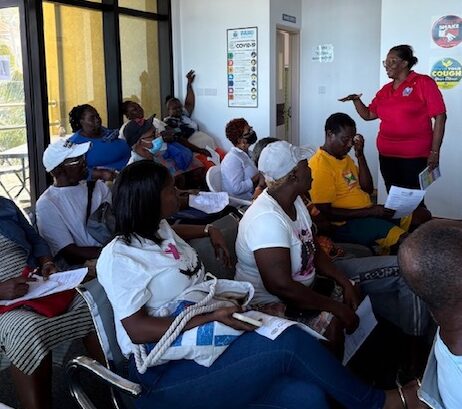
    For the second consecutive year, the Rotary Club of Grenada has brought critical preventive health services directly to local residents through a successful community health fair, held this year at the Gouyave Health Centre. Backed by key sponsorship from The Church of Jesus Christ of Latter-day Saints, the 2024 initiative expanded on previous efforts to reach more community members in need of accessible early disease detection and care guidance.

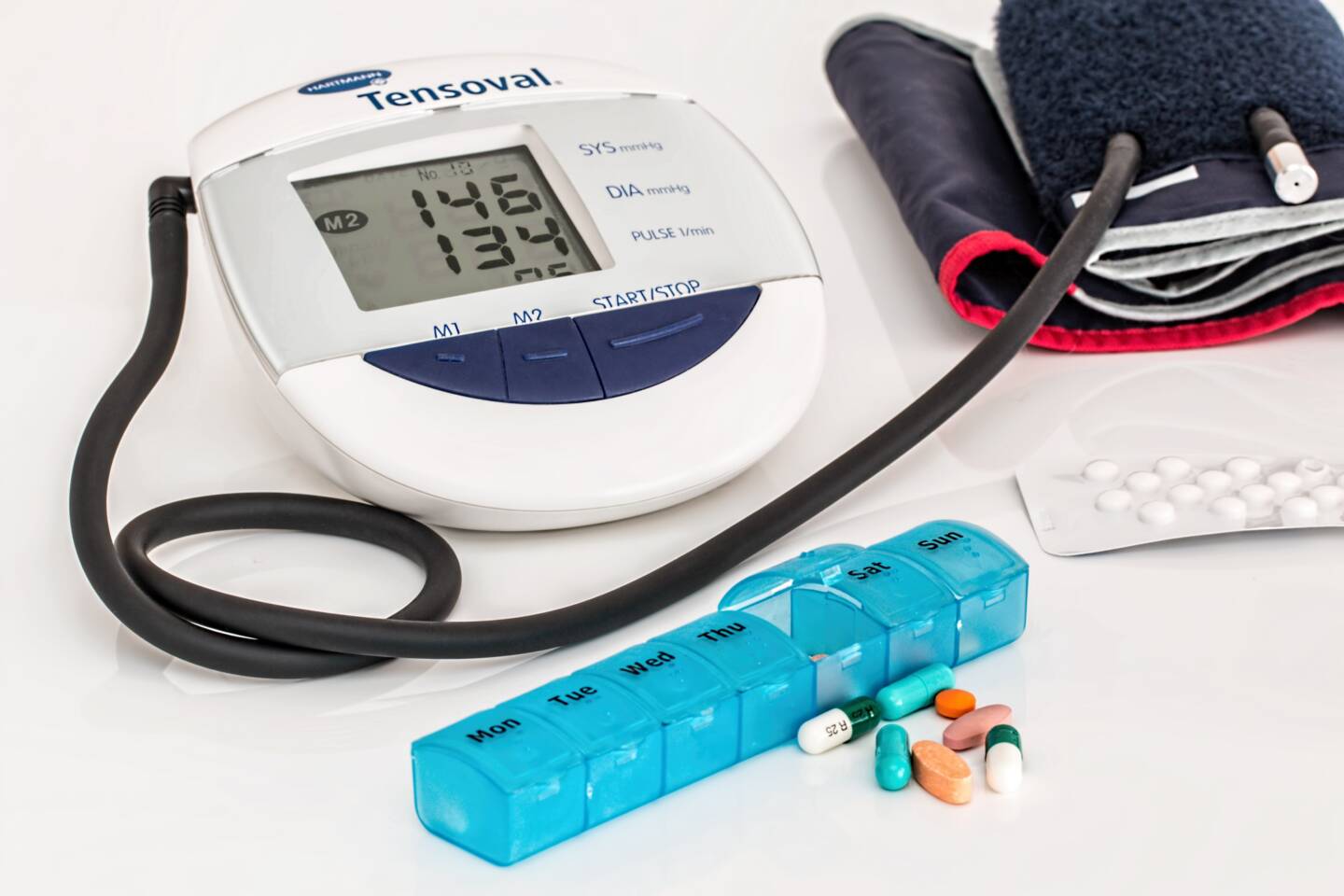
    In total, more than 277 diagnostic tests and health screenings were administered throughout the day, with services centered on detecting and managing non-communicable diseases—the leading cause of preventable death and disability across the Caribbean region. Attendees had access to a comprehensive menu of care, including complete blood count testing, cholesterol and renal function screenings, prostate-specific antigen testing for prostate cancer, pap smears for cervical cancer detection, routine blood pressure monitoring, one-on-one dental health consultations, personalized nutrition guidance, vaccination updates, and general wellness education to help communities adopt long-term healthy habits.

    Leaders from the Rotary Club of Grenada issued a public statement extending heartfelt gratitude to every person and organization that contributed to the event’s success. Special recognition was given to lead sponsor The Church of Jesus Christ of Latter-day Saints, whose financial and logistical support made it possible to offer all services free of charge to attendees. The organization also highlighted the critical work of volunteer organizers, participating local healthcare professionals, and community partner groups that collaborated to coordinate logistics and connect at-risk community members to the fair.

    Looking ahead, the Rotary Club of Grenada reaffirmed its long-term commitment to expanding access to affordable preventive healthcare across all regions of the island nation. The club noted that early detection of chronic conditions remains a pressing public health gap in Grenada, and it plans to continue expanding annual health fair programming to reach more underserved communities in coming years.

    This contributor content is published on the NOW Grenada platform, which notes that it is not liable for the opinions, statements, or content shared by third-party contributors. Users can flag any abusive content through the platform’s official reporting channel.

  • Grenada Bureau of Standards commemorates World Metrology Day 2026

    Grenada Bureau of Standards commemorates World Metrology Day 2026

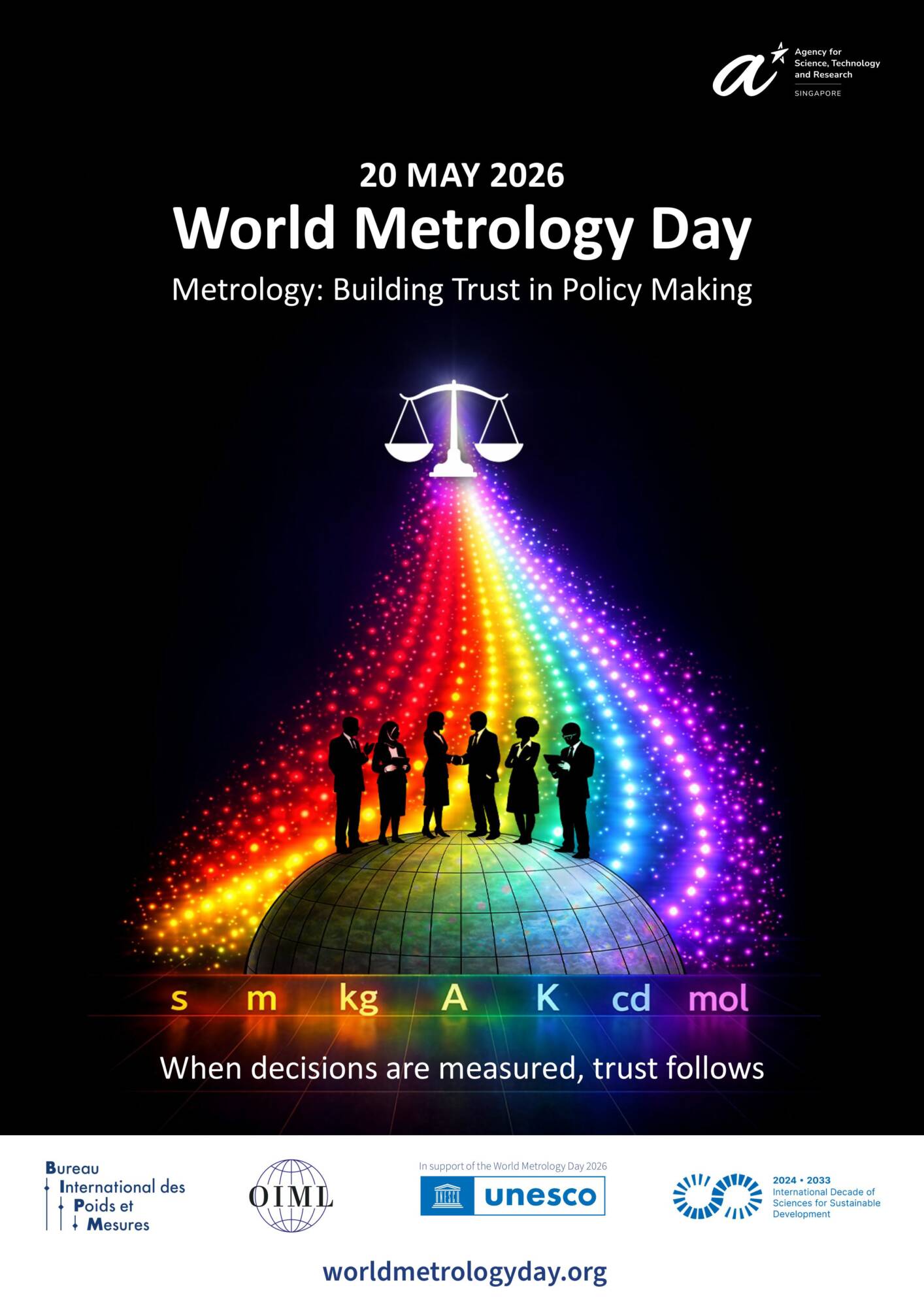
    Every year on May 20, nations across the globe come together to mark World Metrology Day, an occasion that honors the foundational international agreement that shaped modern measurement systems. In 2026, the Grenada Bureau of Standards (GDBS) is set to stand alongside the international community to celebrate this important day, centered around the 2026 global theme: “Metrology: Building Trust in Policy Making”.

    World Metrology Day traces its origins back to a pivotal moment in 1875, when diplomats and delegates gathered in Paris to sign the groundbreaking Metre Convention on May 20 that year. That historic treaty laid the groundwork for a universally coordinated, globally consistent system of measurement, creating the framework that underpins cross-border collaboration, fair trade, and scientific progress to this day.

    The 2026 theme was chosen to shine a spotlight on the critical, often underrecognized role that accurate, reliable metrology plays in shaping effective governance. Precise measurement is the bedrock of evidence-based policy design, consistent regulatory compliance, equitable international trade, robust consumer protection, evidence-led public health action, and ambitious global sustainability efforts. Without consistent, verifiable measurement data, policymakers lack the objective information needed to craft legislation, develop national programs, and enforce regulations that serve the public good.

    For example, modern climate and environmental policy depends entirely on consistent, accurate measurement systems to track greenhouse gas emission levels, monitor surface and groundwater quality, measure airborne pollutant concentrations, and track shifting climate indicators. Similarly, consumer protection relies on enforceable legal metrology frameworks that guarantee the accuracy of everyday measurement tools, from commercial supermarket weighing scales to retail fuel dispensers and residential utility meters that calculate water and electricity use.

    In Grenada’s tri-island nation of Grenada, Carriacou and Petite Martinique, all legal metrology operations are governed by the long-standing Weights and Measures Act of 1997 and its accompanying 1998 regulations. GDBS carries out regular inspection and mandatory verification of all commercial weighing and measuring devices used in trade and commerce across all three islands. These routine checks and regulatory oversight do more than ensure compliance: they protect consumers from unfair pricing and inaccurate measurements, foster a marketplace rooted in fairness and transparency, and boost public confidence in local commercial systems.

    As the country prepares to join the global 2026 World Metrology Day observance, GDBS has reaffirmed its long-standing commitment to upholding rigorous measurement standards, advancing nationwide quality assurance, and protecting the rights of Grenadian consumers. By consistently enforcing the island’s legal metrology laws and regulations, the bureau continues to nurture fairness and transparency in domestic and international trade, while strengthening public trust in the infrastructure and systems that shape daily life across Grenada.

    Accurate, dependable measurement remains an indispensable pillar of informed policy-making, consistent regulatory enforcement, rigorous environmental monitoring, responsive public health systems, and long-term sustainable national development. GDBS says it will maintain its mission to ensure that all measurements used across every public and private sector in Grenada are consistent, internationally traceable, and dependable, supporting sound policy decision-making and a fair, trusted marketplace for all residents of Grenada, Carriacou and Petite Martinique.

    This contributed piece was shared through NOW Grenada, which notes it does not take responsibility for the views or content included in contributor submissions. Readers may contact the platform to report any content that violates community guidelines.

  • What is health, and what does it mean to you?

    What is health, and what does it mean to you?

    For the vast majority of people, the concept of health boils down to one simple understanding: the absence of illness and discomfort. This dominant framing is even rooted in the etymology of the word “disease” itself — combining the prefix “dis-” with “ease” to describe a break from natural comfort and bodily balance. But according to Grenadian physician Dr. Ishma Harford, this narrow, limited definition of health does society a deep disservice, and the way we frame health directly shapes how we approach individual and collective well-being.

    The World Health Organization (WHO) has long pushed for a more expansive vision: health is not merely the lack of disease, but a complete state of physical, mental, and social well-being. This definition extends beyond the absence of physical ailment to encompass how people feel, think, and connect to the world around them, incorporating mental wellness and social connection as core pillars of health. Critics have pushed back, arguing this standard is unachievable, as almost no person can claim to experience total well-being at all times. While this critique is not without merit, Dr. Harford argues the aspirational core of the WHO’s definition is exactly what makes it valuable. A practical, grounded framing of this vision positions health as a dynamic, shifting spectrum rather than a static binary of “healthy” or “unhealthy.”

    This broader framing opens the door to critical, underdiscussed questions about collective health: Can a person be considered truly healthy if they live with chronic anxiety, social isolation, or food insecurity? Can a country claim to be healthy when accessing essential care pushes households into catastrophic debt? Is health solely an individual responsibility? Strip away nuance, and the answer to all three questions is a clear no.

    Beyond its role in individual well-being, Dr. Harford emphasizes that health is a foundational driver of economic prosperity. A healthy population is able to work, innovate, and build sustainable growth, a truth captured in the old adage that a nation’s greatest wealth is its people’s health. Nobel Prize-winning economist Amartya Sen has long argued that health is not just a byproduct of development — it is one of its core essential engines. When populations face premature death, chronic illness, and low productivity, economies stagnate, families fall into intergenerational poverty, and decades of collective progress can be wiped out by a single devastating medical crisis.

    Health also does not operate in isolation: it forms an inseparable interconnected triangle with education and economic activity. Improvements to one cannot deliver long-term gains if the other two are neglected. A child living with untreated chronic illness cannot effectively learn in school; a child who does not receive a quality education cannot grow into a economically productive adult; an unproductive adult cannot contribute to national growth or invest in their own children’s health and education. This cycle works in both directions: poverty generates poor health outcomes, and poor health entrenches poverty. Breaking this destructive cycle is not a charitable act, Dr. Harford argues — it is a core national strategic priority.

    This dynamic is not an abstract theoretical concept, as Dr. Harford illustrates with data from his home country of Grenada. Today, non-communicable diseases (NCDs) including diabetes, hypertension, heart disease, and cancer account for 83% of all deaths in Grenada, a figure that has risen steadily over the past 20 years. These conditions are not just a public health challenge — they are an economic crisis. NCDs pull working-age people out of the labor force, drain household savings, and place unsustainable pressure on an already overstretched public health system. Investing in public health, Dr. Harford stresses, is not government spending — it is long-term nation building.

    Sen’s work also frames health as a core foundation of human capability, determining what each person is actually able to achieve and become. A child growing up with chronic malnutrition will never reach their full potential, no matter how naturally intelligent they are. A person who cannot afford life-saving hypertension treatment cannot fully participate in their own family, community, and working life. Health is not a background condition for human flourishing — it is the very platform on which all other progress is built.

    This is why health must be understood as a fundamental human right, not a discretionary service governments provide only when budgets allow. As a human right, health carries the same moral weight as the right to vote or freedom of expression, and it is an inherent entitlement of every person simply by virtue of being human.

    Yet as Dr. Harford points out, a striking gap remains in national governance across the Caribbean. Grenada’s own constitution guarantees the rights to life, liberty, freedom of expression, and work, but does not explicitly enshrine health as a fundamental right. This is despite the fact that Grenada is a signatory to both the 1946 WHO Constitution and the Universal Declaration of Human Rights, both of which codify health as a basic human entitlement. Grenada is far from unique in this gap: nearly every Caribbean constitution carries the legacy of colonial-era governance templates that prioritized civil and political freedoms over social and economic rights. This absence raises urgent questions: What does this legal gap mean for every patient seeking care in Grenada’s hospitals, and should this longstanding oversight be corrected?

    Embedded in the framing of health as a human right is another core principle: dignity. Every patient who enters a health care facility is not a number, a statistic, or a burden — they are a full person with a name, a family, fears, and an inherent right to be treated with respect, transparency, and high-quality care. Patient dignity is not a luxury to be granted at the discretion of providers, it is a non-negotiable requirement of ethical health care.

    None of these claims are utopian demands, Dr. Harford argues. They are the necessary starting point for any honest, productive conversation about health reform and collective well-being. The core question that this new column, *The Health Imperative*, will continue to explore is straightforward: How can every Grenadian move from being a passive bystander to an active participant in improving both their own individual health and the health of the entire nation?

    Dr. Harford is a physician with five years of experience working in Grenada’s public health system, and currently a Master’s candidate in Health Analysis, Policy and Management. *The Health Imperative* is a politically neutral educational column that explores the meaning of health, the structure of Grenada’s health system, and the far-reaching implications of health policy for the country’s future. This column reflects the personal views of Dr. Harford, and NOW Grenada is not responsible for contributor opinions or content.

  • Grenada wins Gold at RHS Chelsea Flower Show 2026

    Grenada wins Gold at RHS Chelsea Flower Show 2026

    The Caribbean island nation of Grenada has added another prestigious accolade to its growing collection at the world’s most celebrated horticultural event, claiming a coveted gold medal at the 2026 Royal Horticultural Society (RHS) Chelsea Flower Show in London. This win marks the country’s 19th gold medal at the iconic competition, and its ninth consecutive gold, solidifying its standing as one of the most consistent and respected international exhibitors from the Caribbean.

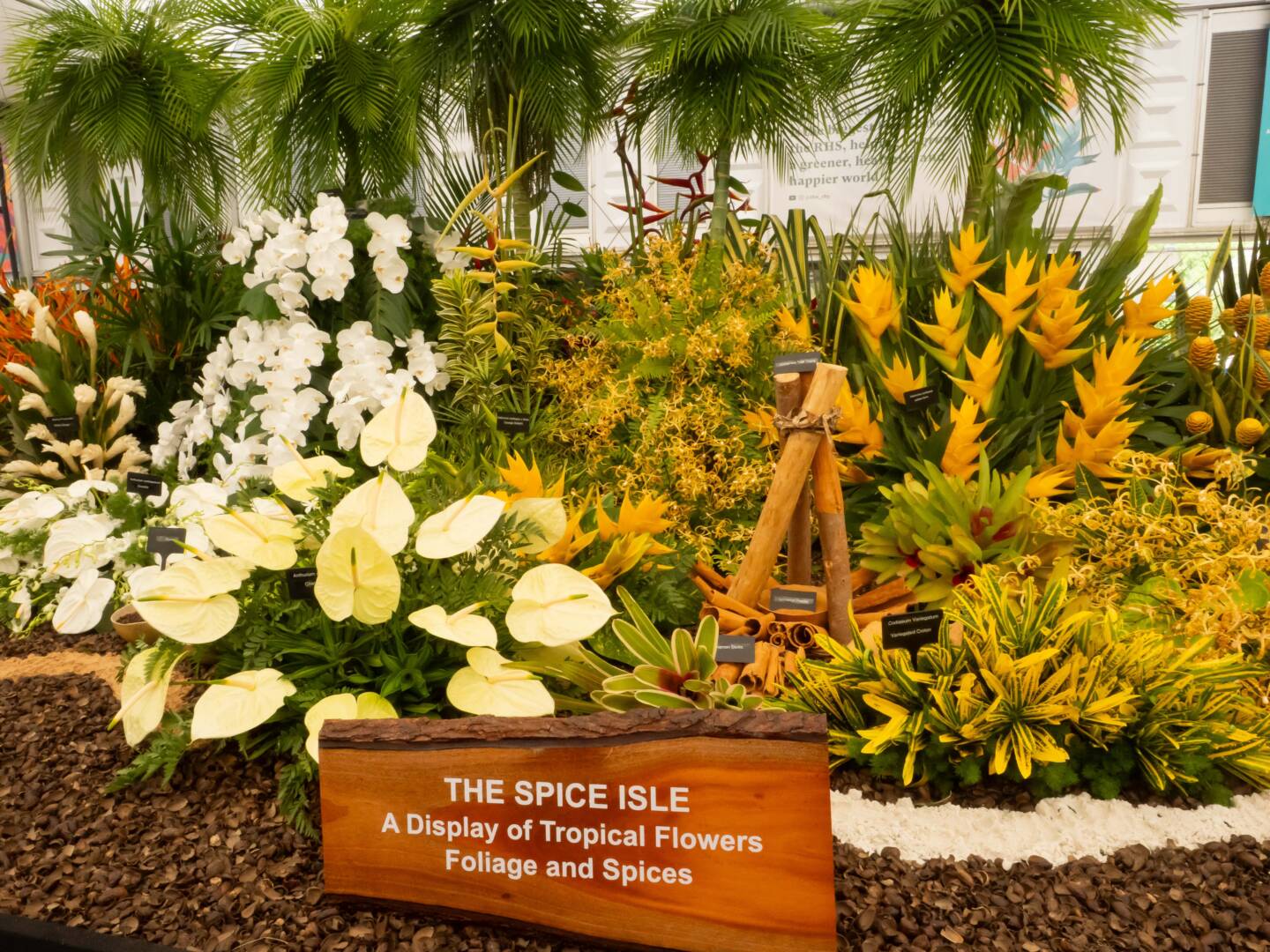
    Grenada’s 2026 exhibit, titled *Isle of Spice — A Display of Tropical Flowers, Foliage and Spices*, was hosted inside the event’s legendary Great Pavilion, where it brought the vibrant ecological and cultural identity of Grenada, Carriacou and Petite Martinique to a global audience. The immersive showcase highlighted the archipelago’s extraordinary biodiversity, featuring a lush array of native tropical species including orchids, heliconias, ginger lilies and anthuriums, alongside iconic Grenadian agricultural products such as cocoa and nutmeg — staples that have long earned the nation its nickname as the Spice Isle of the Caribbean. The display wove together natural beauty, agricultural heritage and cultural storytelling, drawing praise from horticultural experts, visiting dignitaries, international media and thousands of attendees.

    Established in 1913, the annual RHS Chelsea Flower Show is universally recognized as the pinnacle of global horticultural excellence. Each year, the event draws roughly 150,000 visitors, including members of the British Royal Family, award-winning international designers, leading commercial growers and global media outlets, making it a unparalleled platform for countries to showcase their unique natural and cultural assets.

    Dame Cécile La Grenade, Governor-General of Grenada, was in attendance to join the Grenadian team in celebrating the latest milestone. Speaking on behalf of the government and people of Grenada, she expressed immense pride in the team’s achievement: “This remarkable achievement is a testament to the dedication of our designers, horticulturists, and all those who have worked tirelessly to showcase the natural beauty and rich floral heritage of our nation. Your continued success not only brings immense pride to Grenada but also serves as an inspiration to our people and highlights the tremendous potential of our floriculture and tourism sectors.”

    Racher Croney, Grenada’s High Commissioner, emphasized that the nation’s consistent success at Chelsea reflects core national traits: creativity, resilience, and unwavering commitment to excellence. “This achievement is not only a celebration of horticulture, but also a celebration of Grenadian identity, culture, and national pride. We are honoured to once again showcase the beauty and spirit of Grenada, Carriacou and Petite Martinique on the international stage and commend the team for doing so with distinction and grace,” Croney said.

    Cathy John, leader of Grenada’s Chelsea Flower Show team, echoed these remarks, noting that the gold medal belongs to the entire Grenadian people. “By showcasing the beauty and traditions of our 6 parishes, we wanted visitors to feel the heartbeat of our island. Pure Grenada is more than a garden — it is our heritage in full bloom,” John explained.

    Following the gold medal announcement, the Grenada High Commission partnered with the Grenada Tourism Authority to host a special celebratory reception, *Tropical Bloom*, at the International Maritime Organisation (IMO) in London. The event, held under the patronage of Dame Cécile La Grenade, brought together a diverse group of stakeholders including members of the international diplomatic corps, tourism industry leaders, business executives, members of the Grenadian diaspora, international media representatives, and supporters of Grenada’s horticultural and cultural sectors.

    The primary purpose of the reception was to officially launch the first Grenada Flower and Garden Festival, scheduled to take place from 8 to 15 November this year. Randall Dolland, Chairman of the Grenada Tourism Authority, used the launch to frame the festival as a natural extension of Grenada’s successful Chelsea participation. “Grenada’s participation at Chelsea continues to serve as an important platform for destination promotion, cultural diplomacy, tourism, and international engagement, which has led to our very own flower festival in Grenada,” Dolland said. “We will take this opportunity to demonstrate that our riches extend beyond our spices, beautiful beaches, and waterfalls. Our tropical blooms deserve a prominent place in the global horticultural hierarchy, and Grenada in Bloom intends to take that message globally.”

    Reception guests experienced an evening of authentic Grenadian hospitality, featuring local cuisine, live traditional music, floral art displays, and tributes to the Grenada Chelsea team and all supporting stakeholders that made the award-winning exhibit possible.

    This year’s RHS Chelsea Flower Show centered core themes of sustainability, biodiversity, climate resilience, and eco-friendly gardening practices — priorities that align directly with Grenada’s own national environmental goals and development objectives. The new Grenada Flower and Garden Festival forms part of the nation’s broader strategy to position itself as a regional leader in sustainable tourism, environmental stewardship, horticultural innovation and cultural diplomacy, while elevating botanical tourism and nature-based experiences as key growth areas for the country’s tourism sector.

    Grenada’s ongoing participation and string of successes at the Chelsea Flower Show underscore the nation’s longstanding commitment to excellence, sustainable development and cultural promotion, while further strengthening its reputation as one of the Caribbean’s premier global tourism destinations.

  • Grenada seeks bigger diaspora role in shaping future

    Grenada seeks bigger diaspora role in shaping future

    Grenada’s ruling government under Prime Minister Dickon Mitchell has unveiled a groundbreaking new strategy to formally embed Grenadian diaspora communities across the globe into the country’s long-term national development agenda, with the first-ever Grenada Diaspora Homecoming event slated to run from June 21 to July 5 marking the opening of this reimagined partnership.

    Prime Minister Mitchell first laid out the details of the cabinet-approved initiative during a Diaspora Town Hall gathering in New York on Sunday, part of a cross-regional outreach campaign to engage Grenadians living outside the country ahead of the event. He emphasized that the island nation’s past approach to engaging its diaspora has long been limited to informal, ad hoc interactions centered overwhelmingly on remittances, charitable donations and philanthropic contributions. While Mitchell expressed gratitude for these longstanding contributions from overseas nationals, he stressed that a new, intentional strategic framework is long overdue to expand collaboration beyond the existing model.

    “The future development of Grenada cannot be achieved without the active participation of our diaspora, bringing their unique expertise, professional skills, global networks, and financial resources to shape our nation’s trajectory over the next quarter century,” Mitchell said, framing the 2026 inaugural Diaspora Homecoming as the first critical step toward this integrated vision.

    He added that the annual homecoming event is the government’s tangible commitment to deepening strategic ties, turning policy commitments into actionable engagement. “The diaspora homecoming is a formal recognition of the invaluable role our overseas citizens play, and this annual gathering is how we put our commitments into practice to foster deeper, more structured connections between the diaspora and our homeland.”

    Over the course of the two-week event, returning Grenadians from across the diaspora – which has large established communities in Toronto, London, and multiple regions of the United States – will take part in a full schedule of cultural immersion experiences, economic development roundtables, cross-community networking sessions, and skills-sharing workshops designed to reconnect overseas nationals with Grenada, its sister islands Carriacou and Petite Martinique, and their national heritage.

    Terrence Forrester, Grenada’s Ambassador for Diaspora Affairs, described the initiative as a historic policy turning point for the government. “This marks a fundamental strategic shift: for decades, the diaspora was primarily viewed through the narrow lens of remittances and informal contributions. Today, we are positioning overseas Grenadians as full, equal partners in our national development process,” Forrester explained.

    The official event schedule will kick off June 21 with a formal welcome ceremony for returning nationals at Maurice Bishop International Airport, followed by an interfaith church service. The two-week program will conclude on July 5 with a large-scale public concert hosted at the Grenada Trade Centre.

    Beyond cultural and networking opportunities, the initiative also seeks to give diaspora community members a direct, meaningful voice in shaping Grenada’s future development priorities. “This is your chance to share your perspectives, your vision for our nation, your concerns, and your recommendations. This event will become a permanent fixture on our national calendar, and it will serve as a catalyst for inclusive growth across all three of our islands,” Mitchell noted.

    The New York town hall is just one of multiple pre-event outreach stops the prime minister and his team have planned to raise awareness of the initiative, build broad community support, and encourage strong participation from diaspora communities based in North America, Europe and beyond.

  • Water supply advisory Petite Martinique 18–19 May 2026

    Water supply advisory Petite Martinique 18–19 May 2026

    Residents of the Grenadian island of Petite Martinique have received an official advisory from the National Water and Sewerage Authority (Nawasa) regarding an upcoming scheduled operational shutdown for reservoir recharge at the island’s desalination plant. The mandatory maintenance work is set to begin at 10 a.m. on Monday, May 18, 2026, and will run continuously through to 5 a.m. the following day, Tuesday, May 19. Throughout this 19-hour maintenance window, regular water distribution services will be temporarily interrupted to allow crews to safely complete the reservoir recharge work.

    In anticipation of the temporary service halt, Nawasa has issued a clear call to all residential and commercial customers across the area: begin setting aside adequate water supplies in advance of the scheduled start date to cover daily needs during the interruption. The authority also emphasized the importance of practicing strict water conservation for the full duration of the maintenance period, even for households that have stored extra water, to prevent unnecessary shortages.

    Nawasa has extended a formal apology to the local community for any disruption to daily routines that this necessary work may cause. The agency also expressed its gratitude in advance for the patience and cooperation of local residents, noting that this scheduled maintenance is a critical part of ongoing efforts to sustain a consistent, reliable water distribution network for Petite Martinique long-term. This proactive upkeep aligns with Nawasa’s stated core mission of meeting the evolving water access needs of all its customers across Grenada.

    This advisory was published by NOW Grenada, which notes that it is not liable for any opinions, statements, or third-party content shared in official contributor advisories, and provides a channel for users to report content that violates platform guidelines.

  • Another major boost to Grenada’s spice industry

    Another major boost to Grenada’s spice industry

    Grenada’s spice sector is poised for significant growth as agricultural authorities launch the second phase of a national replanting initiative, targeting large estates and commercial-scale producers with nearly half a million Eastern Caribbean dollars in dedicated funding.

    The collaborative effort between the Ministry of Agriculture, Lands, and Forestry and the Grenada Co-operative Nutmeg Association (GCNA) builds on the first phase of the National Spice Replanting Programme, which was rolled out in the wake of Hurricane Beryl to support small-scale producers, household growers, local schools, and the Minor Spices Cooperative in Laura, St David. That initial round focused on expanding access to resources for smaller operations across the island; the new phase shifts focus to larger producers to create a holistic, industry-wide recovery.

    Under the newly launched phase, eligible producers will receive a combination of direct financial assistance and specialized technical support to expand and rehabilitate their spice plantations. Farmers holding up to 20 acres of cultivation land can qualify for maximum grants of EC$20,000, while operations between 10 and 20 acres are eligible for up to EC$10,000 in support. Individual smallholders participating in the program will receive allocations between EC$3,000 and EC$5,000, tailored to the specific scope of their replanting and rehabilitation projects.

    Speaking at the official launch on Tuesday, Chief Extension Officer Lauren St Louis explained that prioritizing large estates and commercial-scale farmers in this phase is a strategic decision to accelerate industry-wide recovery. “We need to revitalise our spice industry, so this programme is really to push that mandate to enable Grenada to get beyond pre-Beryl production to ensure that we remain the lead nation in spices,” St Louis said.

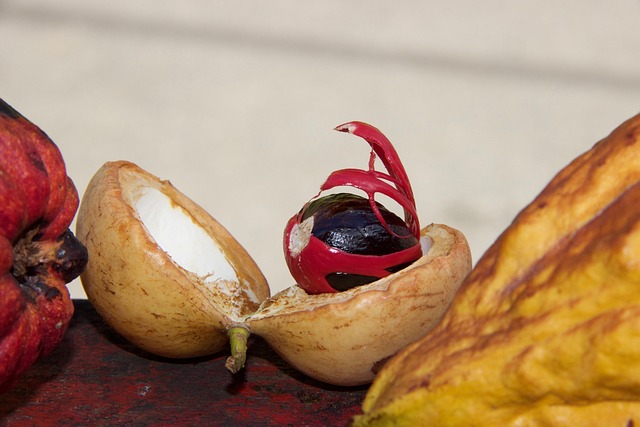
    The initiative covers a wide range of Grenada’s iconic spice crops, including nutmeg, cocoa, ginger, cinnamon, pimento, vanilla, black pepper, and bay leaf, among other locally grown varieties. To boost the quality and market value of Grenada’s signature nutmeg output, program officials are encouraging participating farmers to cultivate specific high-performing varieties preferred by the GCNA: the Banda (or Mountain) Nutmeg, and the oval-shaped Popa Nutmeg, which is prized for its high essential oil content. The push for these varieties is designed to upgrade the country’s spice product portfolio, raise overall production quality, and increase the market value of Grenada nutmeg exports.

    Senator Roderick St Clair, the government’s appointed farmers’ representative in the Senate, underscored that the inter-institutional partnership between the Ministry of Agriculture and GCNA is structured to deliver more than just funding — it prioritizes ongoing technical guidance to help producers meet long-term productivity goals. “The goal of this partnership is to ensure farmers receive the guidance and support necessary to implement the work required for successful farm rehabilitation and production,” St Clair noted. As part of the support structure, agricultural extension officers will be assigned to groups of 10 to 20 participating farmers via a centralized computerized work planning system, and all participating producers are required to commit to a mutually agreed work schedule and set of production targets.

    Interested producers can apply for the program by submitting a formal proposal outlining their required level of support. All applications will undergo a joint assessment by the Ministry of Agriculture and GCNA, and approved applicants will receive funding in two separate disbursements. The second tranche of funding will only be released after producers meet pre-agreed production and replanting targets to ensure accountability for public investment.

    Agricultural officials note that the targeted investment in large and mid-scale producers will complement the gains made in the first phase of the program, creating a robust foundation for the entire spice sector — one of Grenada’s most historically and economically important agricultural industries — to bounce back stronger from the damage caused by Hurricane Beryl and reclaim its position as a global leader in high-quality spice production.

  • Beyond the boom: The ECCU’s decade of decision

    Beyond the boom: The ECCU’s decade of decision

    ## Introduction\nIn April 2020, finance and business strategy advisor Fletcher St Jean published an analysis tracking 30 years of economic evolution in the Eastern Caribbean Currency Union (ECCU). The region had shifted from an agricultural base built on bananas, sugar and nutmeg, through the collapse of preferential trade agreements after the end of the Lomé Convention, to a tourism-led growth model that became its economic cornerstone. At that time, Jean put forward a two-part argument: tourism would remain the ECCU’s primary revenue driver, but the COVID-19 pandemic had laid bare critical overconcentration risk that made urgent economic diversification unavoidable.\n\nSix years later, hard data has arrived to test that 2020 thesis. Tourism has not only recovered from the pandemic collapse, but now outperforms pre-2020 peaks in most ECCU member states. Progress on diversification, however, has been deeply uneven: partial gains have been made in agriculture, Citizenship by Investment (CBI) has been transformed beyond recognition, and the healthcare sector remains almost entirely untouched by reform. Compounding these uneven outcomes is a sharply more challenging global context: a major global energy crisis triggered by the closure of the Strait of Hormuz, the Caribbean Development Bank (CDB)’s official designation of this period as the Caribbean’s “decade of decision,” and a hemispheric energy realignment driven by the rapid expansion of Guyana’s oil and gas sector. This updated analysis revisits Jean’s 2020 framework, maps emerging high-impact opportunities that should anchor ECCU strategy, and puts forward a refreshed set of actionable policy recommendations.\n\n## The Tourism Thesis: Vindicated, But New Concentration Risk Emerges\nJean’s 2020 prediction that tourism would retain its status as the ECCU’s dominant economic engine has been confirmed by the Eastern Caribbean Central Bank (ECCB)’s 2024-2025 Annual Report. Visitor arrivals in most member states have exceeded pre-pandemic levels, expanded construction activity has boosted fixed capital investment, and the average ECCU debt-to-GDP ratio has edged down from 77% to 76% – marking the first sustained improvement in this metric since 2008.\n\nThis strong recovery, however, carries hidden risks if interpreted without critical analysis. Before the pandemic, tourism contributed 30% to 40% of total GDP across the ECCU, and accounted for well over half of foreign exchange earnings in several smaller member states. The post-pandemic recovery has restored this concentration – and in some cases, deepened it. The systemic vulnerability that the pandemic exposed has not been resolved; it has grown more acute.\n\nThe ECCB itself has publicly acknowledged this challenge. Its latest strategic plan outlines the “Big Push” initiative, which sets a goal of doubling the overall size of the ECCU economy over the coming decade. This target cannot be achieved through further expansion of tourism alone. It requires that the diversification the region has debated for 30 years finally moves from policy communiques to tangible implementation.\n\n## Citizenship by Investment: From Niche Revenue Stream to Existential Policy Question\nOf all the shifts that have reshaped the ECCU since 2020, none have unfolded faster or carry higher stakes than the transformation of CBI programmes. The 2020 analysis noted that CBI was already facing growing external pressure, particularly from the United States government. By 2026, the question is no longer whether CBI faces pressure – it is whether current CBI models will survive the end of the decade.\n\nThree major developments have reshaped the operating environment for ECCU CBI. In July 2023, the United Kingdom revoked visa-free access for holders of Dominica’s passports, citing failures in CBI due diligence processes. In April 2025, the European Court of Justice issued a landmark ruling that Malta’s investor citizenship programme violated EU law, establishing a precedent that blocks member states from operating transactional citizenship schemes. The European Commission hardened this position further in its December 2025 Visa Suspension Mechanism report, which concluded that the operation of CBI programmes “in itself” constitutes sufficient grounds to suspend Schengen-area visa-free access for programme participants.\n\nIn response to this mounting pressure, ECCU member states have undertaken the most significant institutional reform of CBI in the programme’s 40-year history. A 92-article draft agreement signed on 1 July 2025 established the Eastern Caribbean Citizenship by Investment Regulatory Authority (ECCIRA), headquartered in Grenada, with operations set to launch in early 2026. The new regulatory regime introduces a harmonized US$200,000 minimum investment floor, mandatory biometric due diligence, required in-person applicant interviews, annual caps on total applications, a 30-day in-country residency requirement, and 5-year initial passport validity contingent on ongoing compliance.\n\nThese reforms have already had substantial fiscal impacts. St Kitts and Nevis recorded a 60% drop in CBI revenue in 2024 alone, contributing to an estimated budget deficit equal to 11% of national GDP. Member states that have long relied on CBI inflows to fund capital expenditure now face structurally lower revenue ceilings. For these governments, the core strategic question is no longer how to protect existing CBI revenue streams – it is how to redirect the capital that CBI has historically generated into new, sustainable growth areas. This is where the opportunity of medical tourism becomes centrally important.\n\n## Medical Tourism: The ECCU’s Most Underexploited Growth Opportunity\nGlobal medical tourism is one of the fastest-growing service sectors in the world. The market was valued at roughly US$76 billion in 2025, and is projected to hit US$174 billion by 2035, representing an 8.4% compound annual growth rate. Across the Caribbean, Barbados has already built a strong, credible position in this space: its healthcare and medical tourism sector was valued at US$538 million in 2024, and is forecast to approach US$950 million by 2034. The Cayman Islands’ Health City has also demonstrated that a single well-capitalized, internationally accredited tertiary medical facility can completely reshape a small island’s economic and healthcare profile.\n\nBy comparison, ECCU participation in this high-growth market remains negligible. This is not due to any inherent disadvantage: the ECCU’s geography, tropical climate, and proximity to major source markets in North America and Europe all give it a competitive edge. Instead, the gap stems from a failure of capital allocation. The ECCU has not made the required investments to upgrade its tertiary medical facilities to meet international accreditation standards, and as a result, has ceded a potential hundreds-of-millions-of-dollars market opportunity to competitors including Barbados, the Cayman Islands, the Dominican Republic and major Latin American medical hubs.\n\nThe strategic case for redirecting CBI capital into medical tourism is compelling. The structurally declining CBI revenue streams can be deliberately and systematically redirected into a sector that delivers three simultaneous high-value returns: it creates a new export industry that generates stable foreign exchange, it delivers tangible upgrades to domestic healthcare quality for ECCU citizens, and it sends a credible signal to regional and international partners that CBI capital is being deployed to support genuine, long-term development.\n\nThe proposed policy path is straightforward. ECCU member governments should formally earmark a minimum of 25% of net CBI inflows to a dedicated Regional Medical Excellence Fund (RMEF). The fund’s core mandate would be to finance the construction or upgrade of one specialized tertiary medical center per ECCU member state, bringing each facility up to internationally recognized accreditation standards (such as those set by the Joint Commission International or Accreditation Canada International). Specializations would be distributed across member states to avoid duplication, with high-potential areas including cardiology, orthopedics, oncology, fertility treatment, dialysis and renal care, and rehabilitation medicine. The ECCU is well positioned to compete on the cost-quality-climate combination that drives medical tourism patient decision-making.\n\nA single mid-sized, international-standard specialty center that attracts 700 to 1,000 international patients annually can generate between US$17 million and US$25 million in gross annual revenue. When aggregated across the ECCU’s seven member states, with targeted specialization, the region could capture between US$150 million and US$250 million in annual revenue within a decade. This compares favorably to structurally declining CBI revenue, and is far more sustainable over the long term. Every year of delay allows competitors to cement market share that will become progressively harder to displace.\n\n## The 2026 Energy Crisis and the New Caribbean Energy Landscape\nThe 2020 commentary was written in the wake of the largest global demand shock in modern economic history, triggered by the COVID-19 pandemic. This 2026 update is written against the backdrop of the largest global energy supply shock in recent memory. The closure of the Strait of Hormuz following the outbreak of hostilities on 28 February 2026 has created what the International Energy Agency describes as the single greatest threat to global energy security in history. Daily ship transits through the strait fell from roughly 130 in February 2026 to just six in March. Brent crude prices, which averaged US$67.74 in 2025, jumped roughly 65% at the peak of the disruption, and remain above $100 per barrel even after the April ceasefire agreement.\n\nFor the ECCU, which imports nearly all of its energy in the form of refined petroleum products, the impacts are immediate. Higher energy costs flow directly into higher electricity prices, transportation costs, and food prices – driven in large part by spiking fertilizer costs, as more than 30% of global urea trade passes through the Strait of Hormuz. Higher energy costs also squeeze tourism operating margins. While the Eastern Caribbean dollar’s peg to the U.S. dollar protects the region from currency-driven import inflation, it does not insulate the ECCU from underlying commodity price increases, which are already visible in early 2026 economic data.\n\nThis crisis has also accelerated a hemispheric energy realignment that began when Guyana produced its first commercial oil in 2019. By February 2026, Guyana was producing roughly 926,550 barrels of oil per day from the Stabroek Block, overtaking Venezuela to become South America’s second-largest oil producer. Production is forecast to hit 1.7 million barrels per day by 2030. Guyana’s economy grew 19.3% in real terms in 2025, and is projected to grow a further 16.2% in 2026.\n\nMore importantly for the ECCU, Guyana is evolving from a major oil producer into a potential regional energy supplier. The Lisa gas-to-energy project is on track to be completed by the end of 2026, and will deliver natural gas to a 300-megawatt domestic power plant, displacing fuel oil for domestic electricity generation. ExxonMobil’s proposed Longtail development could ultimately produce up to 1.5 billion cubic feet of natural gas per day through a dedicated liquefied natural gas (LNG) export facility. Many Caribbean countries currently spend up to 15% of GDP on fuel imports for power generation, and Trinidad and Tobago – the region’s traditional LNG supplier – has seen export volumes drop roughly 40% since the pandemic. A regional energy partnership centered on Guyanese supply is no longer a hypothetical concept. ECCU member states that position themselves as anchor offtake partners between 2026 and 2028 will secure far more favorable long-term energy pricing than countries that delay engagement.\n\n## Food Security: Progress Made, Target Missed, and the Path to 2030\nIn 2020, Jean argued that ECCU governments needed to allocate larger budget shares to commercial agriculture and fisheries, reduce the prohibitive 12% average interest rates faced by smallholder and commercial farmers, and build a functional internal market for regional agricultural goods. The regional response to this call came in the form of Caricom’s “25 by 2025” initiative, which aimed to cut the region’s roughly US$6 billion annual food import bill by 25% by the end of 2025. The target was not met. At the 48th Caricom Heads of Government Meeting in February 2025, the initiative was formally extended to 2030 and rebranded “25 by 2025+5.”\n\nThe extension reflects both significant headwinds and genuine progress. Headwinds include Hurricane Beryl in July 2024, global commodity price spikes, and the 2026 Strait of Hormuz disruption that has driven further increases in fertilizer costs. Even so, regional production achievement rates have risen steadily from 57% in 2022 to 70% in 2023 and 82% in 2024, delivering a 23.1% increase in total regional food production. Caricom has now set a new target of 4.3 million tons of annual regional food production by 2030.\n\nAchieving meaningful food security specifically for the ECCU – distinct from the broader Caricom aggregate, which is buoyed by Guyana’s large agricultural capacity – requires a more focused strategic approach. Four key interventions would materially improve the ECCU’s food security profile by 2030:\nFirst, establish a regional Agricultural Credit Guarantee Facility, capitalized through partnerships between the ECCB, CDB and member governments, to bring effective borrowing costs for qualified commercial farmers down from the current 10% to 12% range to a globally competitive 4% to 6%. The cost of borrowing, not a lack of farmer capability, is the binding constraint on ECCU agricultural competitiveness.\nSecond, mandate that a minimum of 35% of food consumed in ECCU hotels, hospitals, schools and government facilities be sourced from regional producers by 2030. This type of demand-side guarantee has anchored agricultural development in every major emerging market success story. It imposes no direct cost on public budgets and creates the offtake certainty that mobilizes private sector investment.\nThird, treat the ECCU’s exclusive economic zone – which covers more than 600,000 square kilometers of ocean – as the strategic economic resource it is. Commercial fisheries, aquaculture, sustainable mariculture, and sargassum valorisation are all revenue-generating activities that are currently treated as cost centers or environmental nuisances in most national budgets.\nFourth, remove remaining internal ECCU and Caricom barriers to intra-regional agricultural trade. The anomaly of free movement for labor without corresponding free movement for agricultural goods, which was identified in 2020, persists in 2026. Closing this gap remains the single most impactful reform available to the region at zero fiscal cost.\n\n## The CDB Strategic Plan 2026-2035: A Framework for Coordinated Action\nIn February 2026, the Caribbean Development Bank’s Board of Directors approved the institution’s 10-year Strategic Plan for 2026-2035, themed “Innovate. Transform. Thrive.” CDB President Daniel M. Best, addressing the bank’s annual press conference on 3 March 2026, described this period as the Caribbean’s “decade of decision” and outlined the region’s financing needs: an estimated US$65.2 billion will be required between 2024 and 2033 just to prevent economic stagnation. Achieving meaningful climate adaptation, upgrading core infrastructure, and building fiscal buffers could double that requirement.\n\nThe Strategic Plan is built on three interconnected pillars: Social Resilience, Economic Resilience, and Environmental Resilience, anchored by a core commitment to poverty reduction. The core themes of this analysis – economic diversification, food security, healthcare modernization, energy transition, and climate adaptation – all fit squarely within this strategic framework.\n\nThe opportunity for ECCU member states is not theoretical. The CDB has retained its AA+ credit rating from Fitch, raised CHF 100 million on the Swiss capital market, executed a US$450 million Exposure Exchange Agreement, and announced a forthcoming Euro Medium-Term Note Programme of up to US$1 billion over three years. The institution now has more lending capacity than at any point in its history. ECCU member governments and the ECCB should treat the period from mid-2026 through 2027 as a focused alignment exercise: national development plans, the ECCB’s “Big Push” initiative, the OECS Development Strategy, and member state budget cycles should all be explicitly mapped to the CDB’s three strategic pillars. Member states that come to the CDB with credible, pillar-aligned project pipelines will capture a disproportionate share of the bank’s available capital.\n\n## Refreshed Recommendations for the Decade of Decision\nSix years of additional data, combined with the new pressures and opportunities outlined above, require a substantial expansion of the original 2020 recommendations. Eight core priorities are put forward for member governments, the ECCB, the CDB, and the regional private sector:\n1. Translate the ECCB’s “Big Push” doubling target into measurable, member-state-level diversification milestones. Each member state should publish, alongside its annual budget, a Diversification Index showing the share of GDP, employment, and government revenue derived from each key sector – including tourism, CBI, agriculture, fisheries, financial services, medical tourism, and the digital economy – with explicit five-year targets for shifting the sectoral mix.\n2. Establish the Regional Medical Excellence Fund (RMEF) by earmarking a minimum of 25% of net CBI inflows, with the goal of bringing one accredited tertiary specialty center online per member state within seven years.\n3. Frame the CBI transition as a structural fiscal adjustment, not a temporary cyclical fluctuation. Member states where CBI contributes more than 10% of total government revenue should publish formal CBI Transition Plans outlining how projected revenue declines will be absorbed without adding new unsustainable public debt.\n4. Negotiate a regional energy partnership with Guyana during the 2026-2028 window, leveraging the Lisa gas-to-energy project and the projected Longtail LNG development to reduce the ECCU’s dependence on imported fuel oil. The 2026 Strait of Hormuz crisis has converted this from a strategic preference to an urgent fiscal necessity.\n5. Close the agricultural finance gap through a regional Agricultural Credit