
The picturesque island of Carriacou recently celebrated the 10th Anniversary of its renowned Carriacou Corn Festival on October 26, marking a significant milestone in its cultural and economic recovery following the devastation of Hurricane Beryl in 2024. After an unprecedented cancellation, the festival’s return symbolized a triumphant renewal of community spirit and cultural pride. Since its inception in 2015, the event has highlighted the versatility of corn, one of the Caribbean’s most vital crops, transforming it into a culinary and cultural celebration. Attendees indulged in a variety of traditional and innovative corn-based delicacies, including corn wine, cornmeal ice cream, savory corn puddings, and corn dumplings, showcasing the crop’s enduring culinary significance. Dexter Leggard, the festival’s coordinator, emphasized the event’s commitment to innovation, stating, ‘We strive to introduce something new each year, and this year is no exception.’ Beyond its culinary offerings, the festival was a vibrant showcase of Carriacou’s rich cultural heritage. String band music filled the air, while the children’s corn float delighted audiences, engaging the younger generation in this cherished tradition. Exhibits featuring hand-held mills and other agricultural artifacts paid homage to the island’s farming roots. Stacey Liburd, CEO of the Grenada Tourism Authority (GTA), praised the festival as a ‘beacon of cultural resilience and innovation,’ highlighting its role in reestablishing Carriacou’s cultural prominence post-Hurricane Beryl. Minister for Tourism Adrian Thomas also commended the organizers and community for their dedication to preserving traditions and enhancing cultural tourism. The 2025 Carriacou Corn Festival not only celebrated the boundless potential of corn but also marked a renewed chapter in the island’s cultural calendar, supported by the GTA’s commitment to promoting Carriacou and Petite Martinique as premier cultural destinations.
标签: Grenada
格林纳达
-

Marriage Act amendment to stop children from being married off
In a significant move to safeguard children’s rights, Grenada has amended its 1966 Marriage Act, raising the legal marriage age from 16 to 18. Prime Minister Dickon Mitchell announced the amendment during a parliamentary session on November 4, emphasizing the government’s commitment to protecting vulnerable minors. The change aligns with broader legislative efforts under the Spotlight Initiative, aimed at modernizing child protection laws. Mitchell highlighted that the amendment ensures children are not forced into marriage with parental consent, a practice that has long been criticized for exploiting young individuals. Additionally, the government is working on the Age of Civil Responsibility Bill, which would allow minors as young as 12 to access sexual and reproductive healthcare without parental consent. This proposal has sparked public debate, with civil society groups expressing concerns. Mitchell defended the bill, arguing that it prioritizes children’s health and well-being over sensationalism and conspiracy theories. He stressed the importance of consistency in setting the age of civil responsibility at 18, aligning it with other milestones like driving, voting, and obtaining identification cards. The Prime Minister warned that without such reforms, Grenada risks becoming a haven for exploitative practices targeting financially vulnerable families. The 2025 amendment to the Marriage Act marks a pivotal step in Grenada’s efforts to protect its youth and align its laws with international standards.
-
Caribbean strengthens regional coordination on climate and land management finance
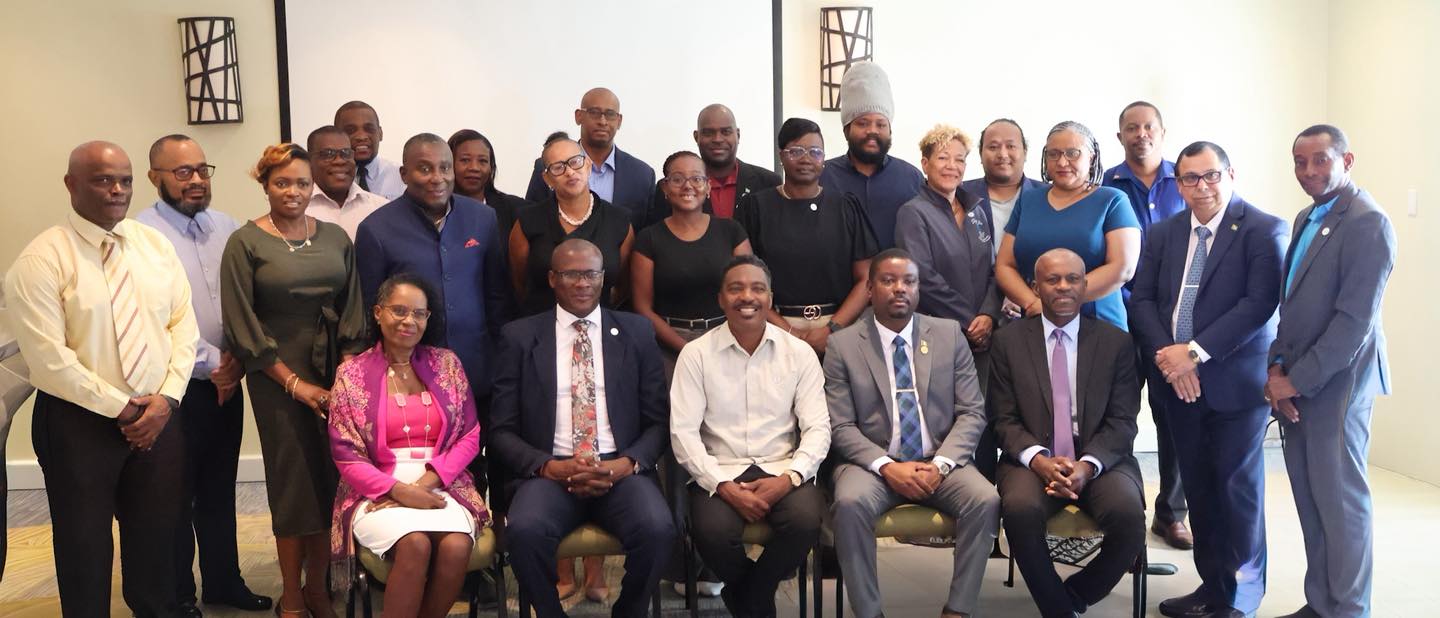
Government representatives from 12 Caribbean nations gathered in Barbados from October 30 to 31, 2025, to strengthen regional collaboration on climate resilience and sustainable land management. The meeting, organized in partnership with the Global Environment Facility (GEF) and the Green Climate Fund (GCF), aimed to advance coordinated action in response to escalating climate challenges. This initiative follows decisions made at the 4th Ministerial Council of the Partnership Initiative for Sustainable Land Management (PISLM) in Grenada on June 18, 2025, where ministers emphasized the need for a robust regional framework to access global climate financing effectively. Hon. Adrian Forde, Chairman of the PISLM Ministerial Council and Barbados’ Minister of Environment and National Beautification, Blue and Green Economy, highlighted the disproportionate impact of climate change on the Caribbean. Despite contributing minimally to global emissions, the region faces severe losses in lives, livelihoods, infrastructure, and development gains. Minister Forde called for “concessional, rapid, and predictable finance” to address these challenges, citing the Bridgetown Initiative as a model for immediate resource access during crises. He also expressed solidarity with Jamaica, acknowledging the nation’s ongoing struggles and policy challenges. Dr. Ronen Francis, PISLM Executive Director, reiterated the organization’s commitment to restoring degraded lands, enhancing ecosystem services, and improving livelihoods. He emphasized the interconnected challenges faced by the region, including recent devastation in Jamaica, Haiti, and the Bahamas, as well as prolonged dry spells during the 2025 rainy season. Dr. Francis stressed the importance of collaboration among governments, development partners, and communities to achieve sustainable land management and drought resilience. The meeting also showcased progress in GEF-funded projects, including the SOILCARE initiative, Integrated Landscape Management in Carriacou, and the Caribbean Drought Initiative. PISLM continues to play a pivotal role in translating global environmental commitments into actionable local strategies, ensuring climate-resilient livelihoods and ecosystem restoration across the Caribbean.
-

Fisheries Division annual vessel inspection
The Fisheries Division of the Ministry of Blue Economy and Marine Affairs has commenced its annual vessel inspection program for 2026. This initiative is a critical component of the government’s efforts to uphold maritime safety standards and ensure compliance with the Fisheries Regulations, SRO 3 of 1990. The inspections focus on verifying that all vessels are equipped with the necessary safety equipment as mandated by law. A detailed schedule has been released to guide stakeholders through the process. The Ministry emphasizes the importance of these inspections in safeguarding both the lives of maritime workers and the sustainability of marine resources. For further information, stakeholders are encouraged to refer to the official schedule provided by the Ministry.
-

Grenada Bill establishes PISLM for Caribbean Small Island Developing States
In a landmark move for environmental sustainability, the Parliament of Grenada has passed the Partnership Initiative for Sustainable Land Management (PISLM) for Caribbean Small Island Developing States (CSIDS) Bill, 2025. This legislation, introduced by the Leader of Government Business, Honourable Phillip Telesford, on November 4, 2025, formalizes Grenada’s ratification of the regional agreement establishing the PISLM Secretariat. The Secretariat will spearhead science-based, climate-smart land management strategies across the Caribbean.
Honourable Kerryne James, Minister for Climate Resilience, the Environment, and Renewable Energy, emphasized Grenada’s leadership within Caricom and the Alliance of Small Island States (AOSIS) in addressing climate change through evidence-based institutions. The PISLM for CSIDS is the sole indigenous intergovernmental organization tasked with aiding Caribbean SIDS in fulfilling their obligations under the UNCCD and the Barbados Programme of Action (BPOA).
Under this new framework, Grenada will collaborate with international partners such as the Green Climate Fund (GCF), Global Environment Facility (GEF), and the International Fund for Agricultural Development (IFAD) to enhance institutional capacity and provide training for over 100 local farmers, wardens, and extension officers in sustainable land management practices. The initiative aims to restore 300 hectares of degraded land, improve food security, and bolster rural livelihoods.
Minister James highlighted the transformative potential of PISLM, stating, ‘By supporting this bill, we are not merely hosting an institution — we are hosting hope. Hope for sustainable agriculture; hope for climate-smart livelihoods. And hope for a Caribbean region that manages its land wisely and secures its future with resilience and dignity.’
The Partnership Initiative for Sustainable Land Management has expressed its gratitude to the government and people of Grenada, Carriacou, and Petite Martinique for their unwavering support, marking this as a pivotal moment in the region’s journey toward sustainable development.
-
IICA Grenada facilitates Common Vision Session
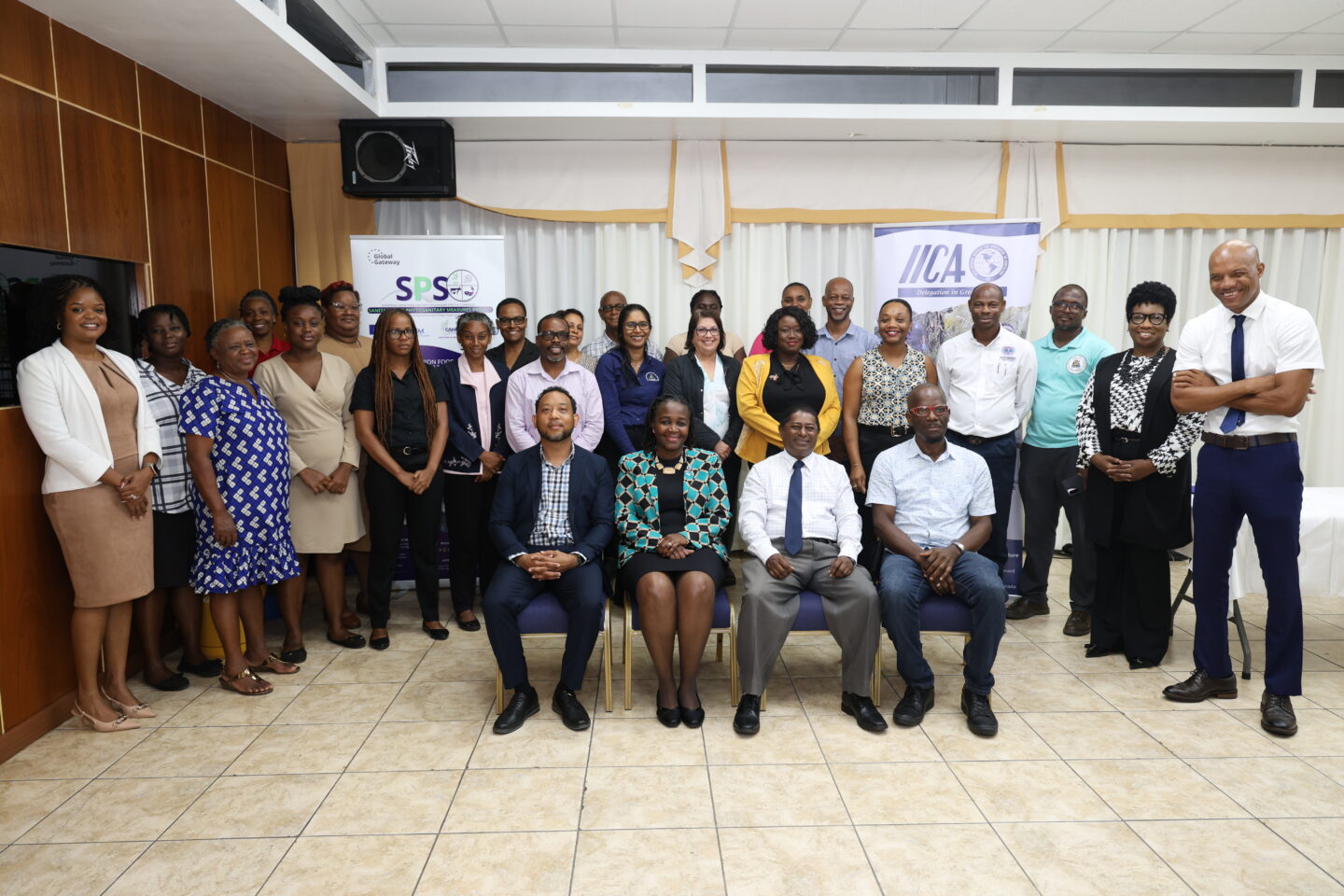
On October 31, 2025, Grenada took a significant step toward modernizing its national food control systems with the facilitation of a Common Vision Session on the Food Safety Performance, Vision, and Strategy (PVS) Tool. The event, organized by the Inter-American Institute for Cooperation on Agriculture (IICA) Grenada, brought together a diverse array of public and private sector stakeholders. Held at the Public Workers Union Building, the session was a collaborative effort involving the Caribbean Agriculture Health and Food Safety Agency (CAHFSA) and the Caribbean Regional Fisheries Mechanism (CRFM), supported by the EU Food Security SPS Measures Project. This initiative aligns with the broader regional goal of creating safer, more resilient, and trade-ready food systems. Participants included representatives from the Ministry of Agriculture, Ministry of Health, Grenada Bureau of Standards, Environmental Health Department, Department of Fisheries, and various agro-processing and food safety entities. Gregory Delsol, IICA’s National Specialist in Grenada, emphasized the importance of bolstering domestic food production while maintaining robust food safety systems, particularly in light of the Caricom “25 by 2025 Plus 5” initiative. Dr. Janel Yard-Blackman of CAHFSA highlighted the PVS Tool’s role in fostering transparency, shared responsibility, and continuous improvement in food safety and trade integrity. Keegan Slinger of CRFM underscored the need for capacity building along the seafood value chain to meet international standards. Permanent Secretary Isaac Bhagwan reiterated that food safety is a collective responsibility, requiring collaboration across all sectors. Liana Worrell, Project Officer for the EU Food Security Programme, detailed the €19 million initiative’s focus on addressing vulnerabilities to global shocks like climate change and supply chain disruptions. The PVS Tool, developed by IICA and the Pan American Health Organisation (PAHO), serves as a critical instrument for evaluating institutional and operational capacities within food safety systems, enabling Grenada to progress toward its national and regional food security and economic development goals.
-

Rural Real Estate: Vacancy – General Manager
Rural Real Estate Inc., a prominent player in Grenada’s property market, is on the lookout for a General Manager to spearhead its operations and foster growth. Based in Grenville, St. Andrew, Grenada, this role demands a dynamic and results-oriented leader who can oversee daily activities and propel the company to new heights. The ideal candidate will embody entrepreneurial spirit, organizational prowess, and a passion for unlocking the business’s full potential. Key responsibilities include managing sales, administration, and marketing operations, expanding property listings and sales, leading and motivating staff, and cultivating robust client and partner relationships. Applicants must possess a Bachelor’s Degree in Business, Marketing, or Hospitality (preferred), along with a minimum of five years of experience in real estate, sales, or business management. Proven leadership, exceptional communication skills, and familiarity with AI tools, digital marketing, and CRM systems are essential. A valid driver’s license and reliable vehicle are also required. This is primarily an in-office position with limited remote work flexibility. Interested candidates are encouraged to submit their CV and cover letter to [email protected] or contact +1 473 438 4438 for further details. The application deadline is November 15, 2025. NOW Grenada is not responsible for the opinions, statements, or media content presented by contributors. In case of abuse, click here to report.
-
Youth In Agriculture Programme engages young farmers in Carriacou and Petite Martinique
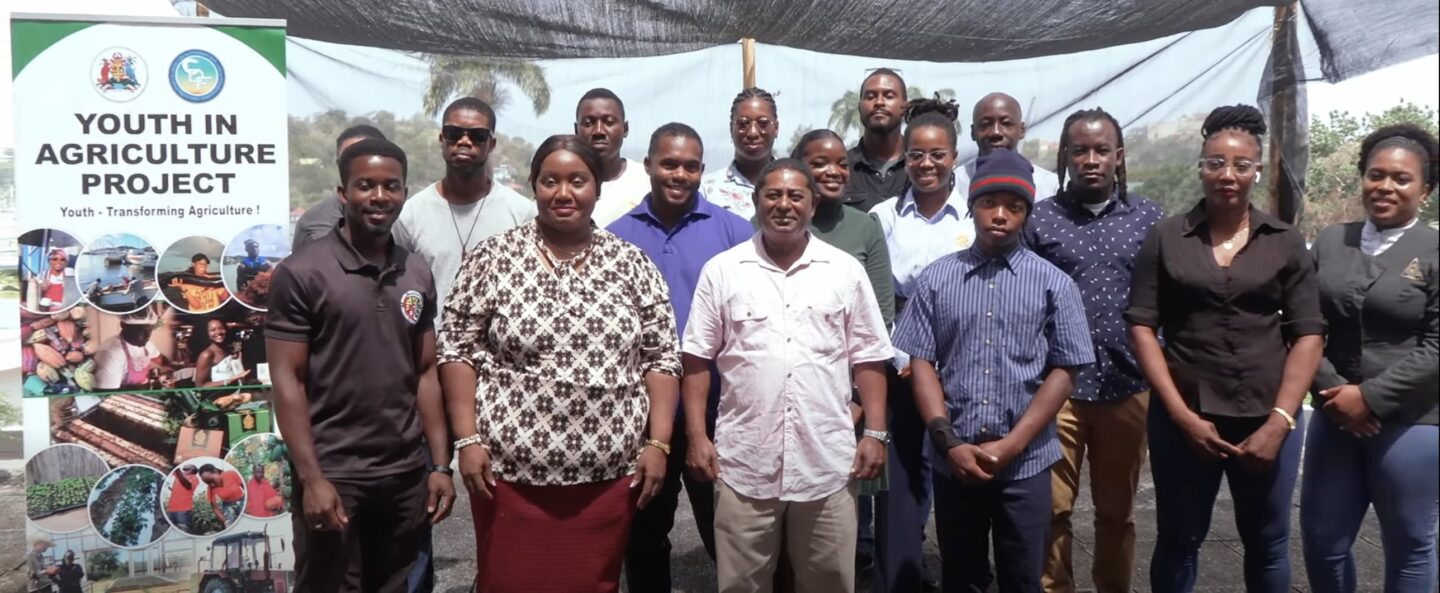
The Youth in Agriculture Programme is making strides in engaging young entrepreneurs on the sister islands of Carriacou and Petite Martinique. Launched in February 2023, this initiative aims to equip participants with essential skills in Crop Production, Livestock Management, and Agro-processing. To date, the programme has invested over US$2 million, underscoring its commitment to sustainable agricultural development.
-
Statement on recent military activities in the southern Caribbean
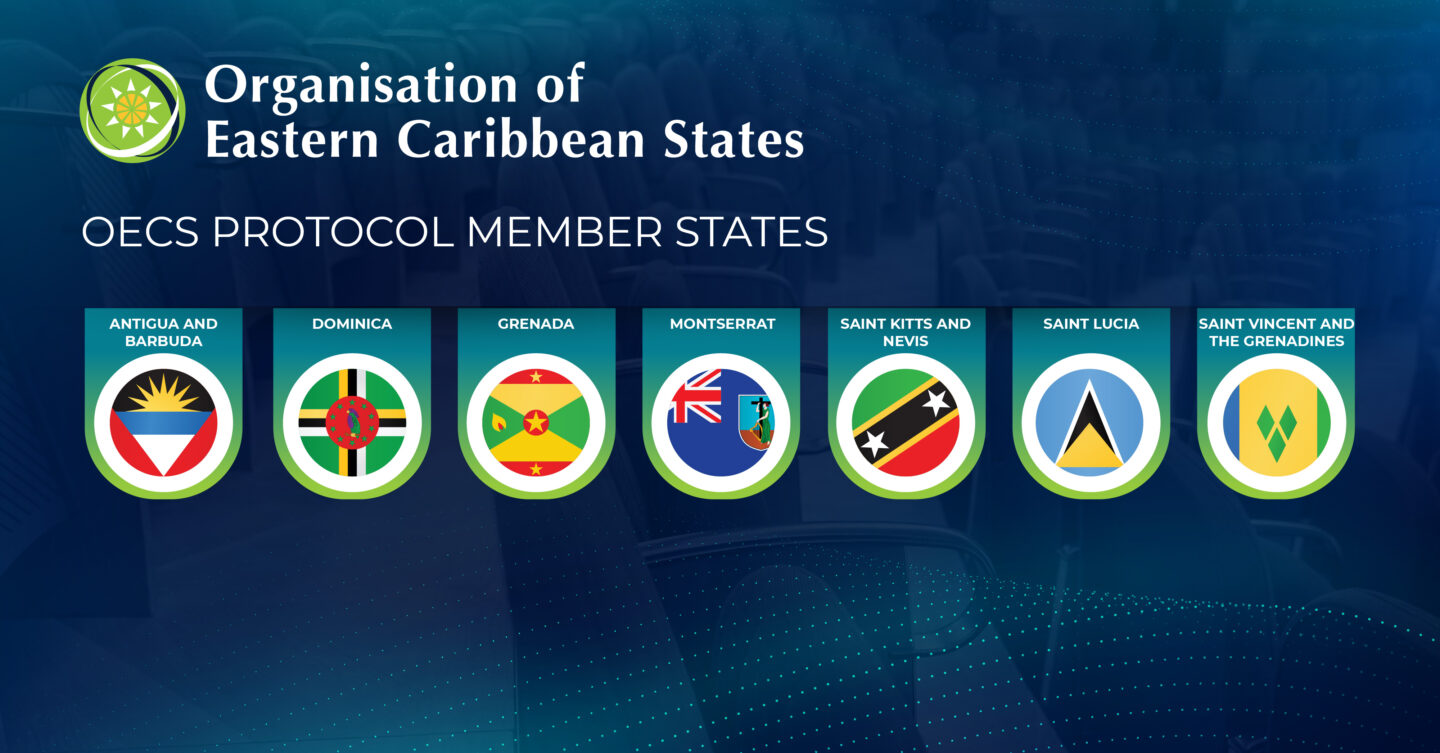
The Protocol Member States of the Organisation of Eastern Caribbean States (OECS) have raised significant concerns over recent reports of escalated military activities by external powers in the southern Caribbean Sea. These operations, which include the destruction of vessels allegedly involved in narcotics trafficking without proper interception or verification, are seen as a violation of international law. While the OECS remains steadfast in its commitment to combating transnational crime, including drug trafficking, it emphasizes the importance of maintaining the Caribbean as a Zone of Peace—a principle endorsed by regional Heads of Government and the United Nations General Assembly. The OECS warns that these military actions, undertaken without adequate consultation with regional partners, risk escalating tensions and destabilizing a region crucial to the well-being of its people. The potential impact on small, vulnerable societies and economies, as well as the erosion of decades of diplomatic progress, is a pressing concern. The OECS reaffirms its stance that peace, dialogue, respect for sovereignty, and collective security are essential to regional stability. It urges all partners to engage in open consultation with the Caribbean Community and the OECS before taking any actions that could disrupt the regional security balance, highlighting the Caribbean’s strength in unity, diplomacy, and peaceful conflict resolution.
-

RI Creations first solo art exhibition
Rashida Isaac, a self-taught visual artist from La Poterie, St. Andrew in Grenada, has carved a unique niche in the art world with her emotive hyper-realistic charcoal portraits. Recently, she has expanded her creative horizons by transitioning to vibrant colors and innovative 3D art, incorporating traditional painting techniques and upcycled materials such as plastics and paper. Her groundbreaking work has garnered widespread acclaim, particularly after her piece “Tanty an’ she basket ah Cocoa” was showcased at the Grenada 50th Art Exhibition in 2024. This success inspired her to create functional art pieces, including cocoa pod and nutmeg keyrings, which have become popular among art enthusiasts. To mark this artistic evolution, Rashida is hosting her first solo exhibition, titled “New Beginnings,” at the True Blue Bay Resort. The free exhibition, opening on November 19 at 4 pm, will run for one week and feature her original charcoal drawings, 3D canvas paintings from her “New Beginnings” series, and upcycled functional art and décor inspired by Grenada’s cocoa, nutmeg, and other spices. Rashida invites the public to witness this milestone in her career and hopes her journey will inspire others to embrace creativity and sustainability. Her work not only celebrates Grenada’s rich cultural heritage but also encourages mindful reuse and repurposing of materials.