标签: Grenada

格林纳达

  • Grenada opens FIFA Series 2026 campaign against host nation Rwanda

    Grenada opens FIFA Series 2026 campaign against host nation Rwanda

    Grenada’s national football team is poised to make history on March 27, 2026, when they face host nation Rwanda in their inaugural FIFA Series match at the newly inaugurated Amahoro National Stadium in Kigali. This landmark event will feature President Paul Kagame of Rwanda presiding over the stadium’s official opening ceremony, elevating the occasion beyond mere competition to a significant diplomatic and sporting spectacle.

    The Group A tournament structure pairs Grenada with Rwanda, Estonia, and Kenya in a compact schedule that sees winners and losers of the opening matches facing each other on March 30. This FIFA Series initiative brings together 48 national teams across all six FIFA confederations, with Rwanda serving as one of eleven host nations during the March international window.

    Competitive dynamics present both challenge and opportunity for Grenada, currently ranked 164th in FIFA standings compared to Kenya (113th), Estonia (129th), and Rwanda (130th). Despite the ranking gap, Grenada enters the tournament with momentum from an undefeated friendly match record in 2025 that propelled them ten places upward in global rankings.

    The invitation to participate reflects Grenada Football Association’s strategic progress under President Marlon Glean’s leadership, emphasizing improved technical preparation and international engagement. Glean characterized the opportunity as “invaluable for our development” and affirmation that “Grenada is moving in the right direction, strategically, technically, and institutionally.”

    Beyond competitive considerations, the tournament offers unprecedented global broadcast exposure, enhanced player scouting opportunities, and operational experience in tournament settings. Grenada’s selection among limited Caribbean participants underscores the nation’s growing stature within global football circles.

    The GFA has issued a call for national support from Grenadians worldwide as the team prepares to represent Caribbean football on this prestigious international platform. Further match details and broadcast information will be communicated following final confirmation from FIFA and host organizations.


  • Ministry of Youth and Sports resumes operations at Ministerial Complex

    Ministry of Youth and Sports resumes operations at Ministerial Complex

    Grenada’s Ministry of Youth and Sports has completed its operational relocation back to its original headquarters at the Ministerial Complex in Tanteen, St. George. The ministry has officially vacated the Kirani James Athletic Stadium and resumed full operations from its previous offices situated on the third floor of the government complex within the Sir Eric Matthew Gairy Botanical Gardens precinct.

    Effective Monday, February 23, 2026, all public services have been fully restored at the Ministerial Complex location. The transition marks a significant operational shift for the ministry, which had been temporarily based at the athletic stadium named after Grenadian Olympic champion Kirani James.

    The ministry expressed gratitude to citizens for their cooperation and understanding throughout the relocation process. This move represents a strategic return to the ministry’s traditional administrative home while maintaining its commitment to serving Grenada’s youth development and sports advancement initiatives.

    The Ministerial Complex, located within the picturesque botanical gardens named after Grenada’s first prime minister, continues to serve as a central hub for government operations and public services.

  • Grenada Bar Association stands in solidarity with Grenadians

    Grenada Bar Association stands in solidarity with Grenadians

    The Grenada Bar Association (GBA) has issued a powerful statement expressing profound grief and grave concern over escalating violent crimes targeting women across the nation. This declaration follows two particularly brutal murders that have shocked the Caribbean nation: 22-year-old Aleandra Lett-Hypolite, described as a promising student with a vibrant future, and 18-year-old Terrecheal Sebastian from Tivoli, St Andrew.

    The legal body characterized these incidents as indicative of a disturbing societal trend that fundamentally contradicts Grenada’s established principles of human dignity and gender respect. The Association positioned itself in solidarity with victims, their families, and all law-abiding citizens while condemning the prevalence of domestic violence specifically.

    Outlining a comprehensive strategy, the GBA called for multidimensional interventions spanning psychosocial support, criminal justice reform, and victim protection systems. Key recommendations include psychological evaluations for young offenders, establishment of a sex offender registry with GPS monitoring, and significant prison reforms focused on rehabilitation and reintegration programs.

    The proposal emphasizes victim protection measures including confidentiality safeguards against social media exposure, counseling services, and physical relocation when necessary. The Association also stressed the critical need for ongoing public education campaigns addressing safety for women and vulnerable populations.

    Among urgent institutional reforms, the GBA advocated for enhanced post-release monitoring, expedited police apprehension of violent repeat offenders, and specialized GBV courts with trained judicial staff. The legal body specifically highlighted the need to pass the Domestic Violence (Amendment) Bill 2026, which would broaden the definition of abuse to include harassment and property damage while mandating professional counseling for offenders.

    The Association committed to continuing its public legal education initiatives through multimedia programming and pro bono assistance for GBV victims, offering legal expertise to implement mechanisms aimed at substantially reducing gender-based violence in Grenada.

  • Grenada mobilises national taskforce

    Grenada mobilises national taskforce

    Grenada is implementing a multifaceted national strategy to address the mounting challenge of seasonal sargassum seaweed influxes while simultaneously creating economic value from this environmental phenomenon. The initiative represents a paradigm shift from reactive cleanup to proactive valorization of the seaweed biomass.

    The cornerstone of this effort is the Grenada National Sargassum Taskforce (GNST), established in September 2025 alongside a dedicated Sargassum Secretariat. This institutional framework provides a structured approach to stakeholder coordination, public-private partnerships, and comprehensive sargassum management. Recently activated multi-stakeholder working groups have begun addressing critical challenges through targeted workshops and collaborative problem-solving sessions.

    Operational measures are already underway with the Ministry of the Blue Economy and Marine Affairs partnering with the Grenada Solid Waste Management Authority to deploy contractors in vulnerable coastal communities. These teams conduct daily shoreline clean-up operations while implementing innovative offshore interception techniques. Specialized vessels equipped with pelagic trawl nets and oil containment booms are being utilized to capture sargassum masses before they reach Grenada’s shores.

    Concurrently, the EU Global Gateway Sargassum Valorisation Initiative is facilitating the development of a complete sargassum value chain. This ambitious program aims to transform environmental challenges into tangible economic and ecological opportunities. On February 5, 2026, government representatives, international partners, and private sector stakeholders engaged directly with coastal communities through site visits to Soubise and Grenville Fish Market, grounding discussions in local realities and practical value-creation potential.

    A subsequent thematic roundtable and strategic networking session brought together diverse partners to review progress and align policy, investment, and value-chain development pathways. Participants examined the entire process from collection and management to valorization and market development, prioritizing actionable measures to advance sargassum utilization.

    Multiple government ministries have reaffirmed their shared commitment to three core objectives: transitioning from response to valorization, attracting investment and innovation, and building sustainable, inclusive value chains that enhance economic resilience. These efforts are expected to contribute to improved food and energy security while supporting coastal livelihoods and tourism.

    Sargassum inundations have affected the Eastern Caribbean since 2011, presenting complex challenges that require coordinated responses at national, regional, and international levels. Grenada’s vision encompasses a resilient, climate-informed sargassum management system that protects public health and coastal ecosystems while transforming the seaweed into a strategic bioresource within a diversified blue economy.

  • DPM backs sex offender registry

    DPM backs sex offender registry

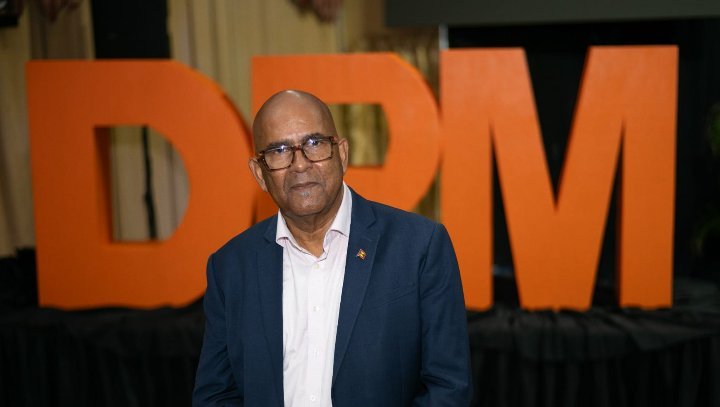
    In response to two recent killings and escalating concerns over domestic and sexual violence, the Democratic People’s Movement (DPM) under Peter David’s leadership is urgently advocating for the creation of a National Sex Offenders’ Registry in Grenada. David, a seasoned parliamentarian and father of three daughters, characterized the situation as a “national emergency” that demands immediate concrete action rather than continued outrage.

    David emphasized that safeguarding women, girls, and vulnerable populations requires a comprehensive national strategy rather than fragmented responses. During an appearance on GBN’s ‘To The Point’ program, he articulated that convicted offenders meeting legal thresholds should be required to register, enabling communities to be aware when known predators reside among them.

    As a legal professional, David argued that the registry must form part of an integrated legal and social framework. His recommendations include establishing specialized courts or court sessions dedicated to sexual offenses, implementing psychological assessment and treatment programs for incarcerated offenders, and maintaining post-release monitoring of high-risk individuals through electronic surveillance when necessary.

    The DPM leader further stressed the importance of developing community-based mechanisms in coordination with law enforcement to track and supervise offenders, ensuring neighborhoods remain informed rather than left in darkness when known predators return.

    Central to any reform, David insisted, must be the needs of victims. He called for substantial resource allocation toward counseling services, safe housing, shelters, and practical support systems for those attempting to escape abusive situations, noting the frequent pleas he receives from young women trapped without alternatives.

    David also highlighted the preventive role of families and communities, advocating for grassroots investment through regular community sessions that address youth needs and violence prevention. The DPM fully endorses the longstanding public demand for a Sex Offenders’ Registry, maintaining that Grenada must construct a protective system across legal, judicial, and community domains before tragedies occur rather than afterward.

  • ECCB to introduce banknotes honouring Caribbean Heroes by 2027

    ECCB to introduce banknotes honouring Caribbean Heroes by 2027

    The Eastern Caribbean Central Bank (ECCB) has embarked on a transformative journey to redefine regional identity and financial modernization through two significant initiatives: a historic currency redesign and strategic financial policy adjustments.

    In a landmark decision following its 112th Monetary Council meeting, the ECCB announced the gradual replacement of Queen Elizabeth II’s portrait on EC dollar banknotes with images of Caribbean national heroes. Governor Timothy Antoine characterized this move as “a historic step toward strengthening regional identity” that will commence circulation in 2027. The phased approach ensures economic prudence by allowing newer banknotes to remain in circulation until natural wear necessitates replacement.

    Concurrently, the ECCB addressed monetary policy concerns regarding the region’s savings landscape. With excess liquidity reaching unprecedented levels—deposits across the Eastern Caribbean Currency Union (ECCU) have surpassed EC$28 billion and are growing faster than loans—the minimum savings rate remains anchored at 2%. Governor Antoine clarified that market liberalization would likely drive rates below 1%, stating definitively: “There should be no expectation that the minimum savings rate will go up.”

    Rather than promoting traditional savings, the ECCB is championing investment diversification through newly introduced financial products. Recent innovations include mutual funds and retail bond programs that have already attracted nearly 350 new investors across the currency union. The bank’s ambitious goal aims to increase regional investment participation from the current 4% to 20% within the next decade.

    These developments build upon the ECCB’s ongoing modernization efforts, including the 2024 commemorative EC$50 note celebrating Grenada’s independence anniversary and the recent EC$2 polymer banknote honoring cricket legend Sir Vivian Richards. The integration of cultural heritage with financial innovation represents a comprehensive strategy to strengthen both economic resilience and regional identity across the Eastern Caribbean.

  • Farmers in Carriacou & Petite Martinique receive irrigation equipment

    Farmers in Carriacou & Petite Martinique receive irrigation equipment

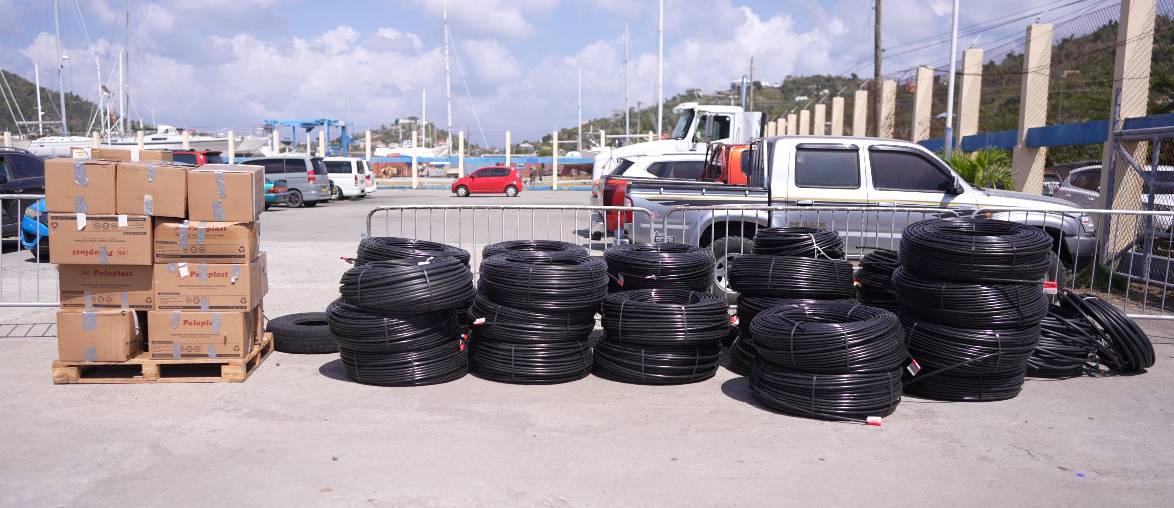
    Agricultural communities on the sister islands of Carriacou and Petite Martinique are pioneering climate-resilient farming through the implementation of advanced irrigation technologies. This transformative initiative, funded through the Challenge Fund for Agriculture (CFA), has equipped twelve pioneering farmers with state-of-the-art dripline and micro sprinkler systems during a formal ceremony at Tyrell Bay Port.

    The distribution event, presided over by Honourable Tevin Andrews, Minister of Carriacou and Petit Martinique Affairs, represents the initial phase of a comprehensive program targeting approximately 270 agricultural producers. These farmers will benefit from integrated climate adaptation solutions including rainwater harvesting infrastructure, precision irrigation systems, and protective shade houses.

    The CFA program operates under the joint administration of the Grenada Development Bank and the Ministry of Agriculture, functioning as a core component of the broader Climate-Resilient Water Sector in Grenada (G-CREWS) project. This strategic partnership represents a significant investment in sustainable agricultural development for the region.

    Among the beneficiaries, Gifford Andrew, a diversified crop producer, expressed enthusiasm for the technological upgrade: “This equipment will revolutionize my farming operations, particularly during drought periods. I currently cultivate corn, lettuce, peppers, cabbage, and tomatoes—these systems will significantly enhance my production capacity.”

    The initiative demonstrates notable gender inclusivity with three female farmers from Petite Martinique among the first recipients. Kiola St Bernard, a year-round agricultural producer, highlighted the system’s potential for seedling propagation: “This irrigation technology will enable me to establish on-farm seedling production, reducing external dependencies and increasing overall output.”

    Minister Andrews emphasized the program’s significance: “These advanced systems will substantially bolster crop production and livestock rearing capabilities, supporting our farmers’ exceptional work in building agricultural resilience.”

    The technical implementation received additional endorsement from Permanent Secretary Leanwall Perrot, who urged optimal utilization of the resources to enhance local food security. Recipients previously completed specialized irrigation installation training to ensure proper system deployment and maintenance.

    The G-CREWS project operates through multinational financing from the Green Climate Fund, Germany’s Federal Ministry for the Environment via its International Climate Initiative, and the Grenadian government. This collaborative effort aims to fundamentally transform water management practices while strengthening national climate adaptation capabilities.

  • PM to attend Caricom Heads of Government meeting

    PM to attend Caricom Heads of Government meeting

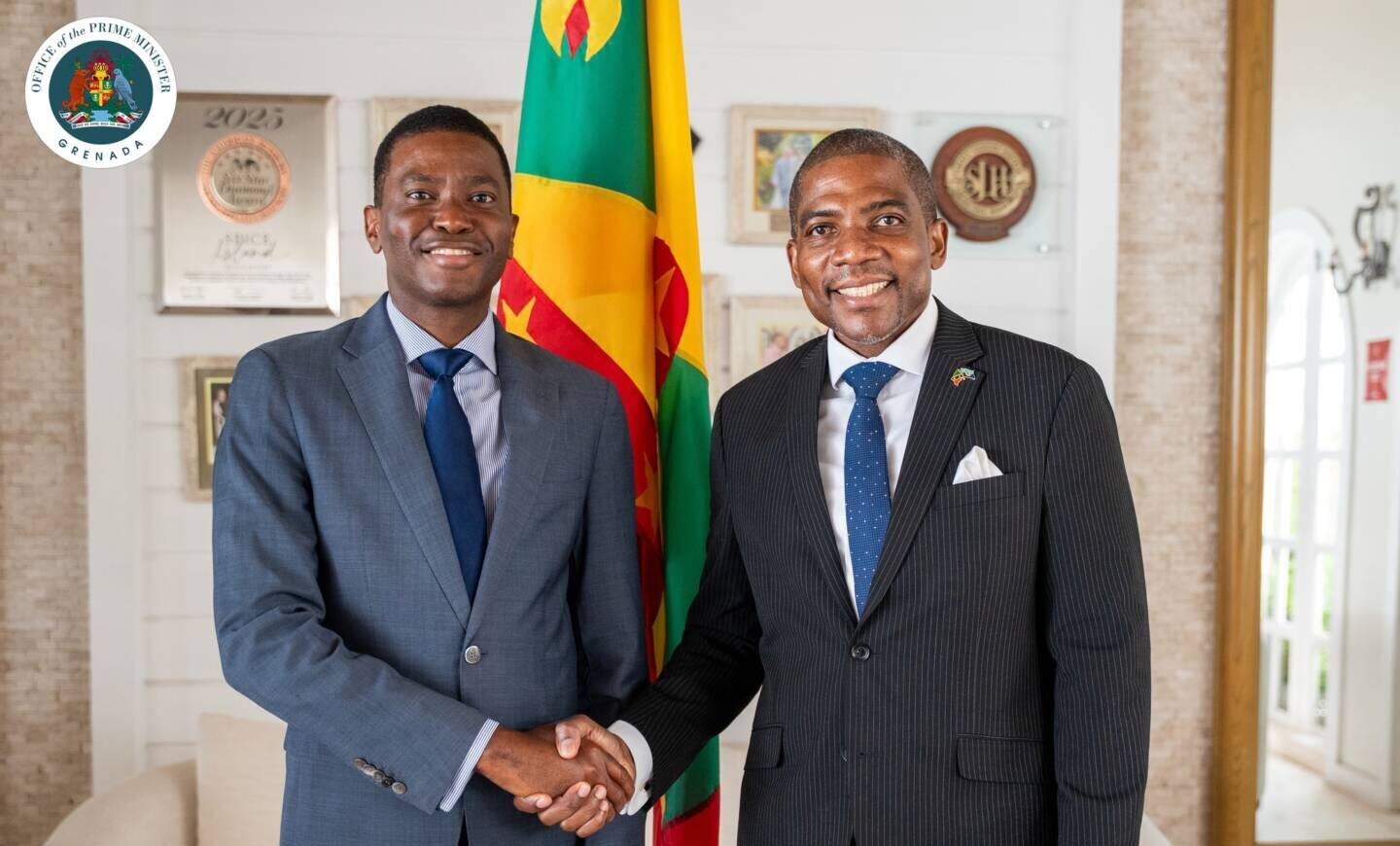
    Grenadian Prime Minister Hon. Dickon Mitchell is set to participate in the historic 50th Regular Meeting of the Conference of Heads of Government of the Caribbean Community (CARICOM), taking place from February 24-27, 2026, in St. Kitts and Nevis. The significant regional gathering will feature Prime Minister Mitchell leading Grenada’s high-level delegation during the first three days of the summit.

    The conference inauguration will include keynote addresses from prominent regional figures: Chairman and Prime Minister of St. Kitts and Nevis Dr. Terrance M. Drew; Jamaica’s Prime Minister Dr. the Most Honourable Andrew Holness; St. Vincent and the Grenadines Prime Minister Dr. the Hon. Godwin Friday; and CARICOM Secretary-General Dr. Carla Barnett.

    The event will welcome distinguished international participants including His Excellency Adel al-Jubeir, Saudi Arabia’s Minister of State for Foreign Affairs; Afreximbank President and Chairman of the Board of Directors Dr. George Elombi; and United States Secretary of State Marco Rubio, all scheduled to engage directly with Caribbean leaders throughout the proceedings.

    Prime Minister Mitchell’s participation will focus on critical multilateral discussions addressing regional integration frameworks, climate resilience strategies, security cooperation mechanisms, and trade enhancement initiatives. The Grenadian delegation will include Foreign Affairs and Export Development Minister Joseph Andall, alongside diplomatic representatives H.E. Tarlie Francis (Ambassador and Permanent Representative to the United States) and H.E. Aaron Moses (CARICOM Ambassador).

    This milestone summit marks five decades of CARICOM’s mission to promote economic integration and foreign policy coordination among Caribbean nations, with Grenada playing an active role in shaping the community’s future trajectory.

  • From silence to accountability

    From silence to accountability

    On February 22, 2026, Cavelle Nelson marked a significant homecoming to Grenada—not merely as a returning citizen but as a survivor of childhood sexual abuse determined to drive national change. Her personal journey underscores a disturbing reality: despite thirty years of awareness, sexual violence against women and girls remains a pervasive, unaddressed crisis in Grenadian society.

    Nelson’s powerful testimony includes a haunting poem written during her trauma recovery in 2003. Titled “The Silence They Never Heard,” the verse vividly captures the psychological devastation of abuse—the paralysis of voice, the erosion of self-worth, and the profound isolation experienced by survivors. The poem reflects not only her personal anguish but also the collective pain of countless women whose suffering has been systematically ignored.

    The emotional aftermath described—panic attacks, dissociation, self-blame, and difficulty with intimacy—illustrates how trauma extends far beyond the initial violation. Nelson emphasizes that such experiences create generational echoes, affecting adult relationships, parenting capabilities, and community well-being.

    Rather than seeking sympathy, Nelson presents her story as evidence of systemic failure. She argues that Grenada’s small size makes accountability achievable through coordinated action. Her proposals include strengthening community vigilance, implementing grooming awareness education for parents, ensuring trauma-informed counseling services, establishing confidential reporting systems for children, and demanding timely legal consequences for perpetrators.

    Through her organization SoulEvolution, which focuses on transformational coaching, Nelson advocates for national commitment rather than mere conversation. She stresses that protecting women and children isn’t optional but foundational to national stability and economic productivity. Her challenge to Grenada, Carriacou, and Petite Martinique is clear: transition from a society of whispers to one of courageous action.

  • Fibre benefits beyond constipation

    Fibre benefits beyond constipation

    Scientific research continues to reveal that dietary fibre serves far more critical functions than merely facilitating digestive regularity. The Grenada Food and Nutrition Council (GFNC) has highlighted fibre’s comprehensive role in maintaining systemic health, positioning it as an essential component for holistic wellbeing.

    The gastrointestinal system performs numerous survival functions, with fibre acting as a crucial protective agent. Although food enters through the mouth, the intestinal interior remains technically external to the body until nutrients penetrate the gut wall into the bloodstream. The intestinal barrier serves as a selective gateway, permitting nutrient absorption while blocking harmful pathogens. Dietary fibre reinforces this barrier by nourishing beneficial gut microbiota, which subsequently generate short-chain fatty acids (SCFAs) through fermentation. These microbial metabolites strengthen intestinal integrity, mitigate inflammatory responses, and enhance immunological function.

    Chronic inflammation—often triggered by infections, dietary imbalances, environmental toxins, or psychological stress—can precipitate tissue damage and elevate chronic disease risks. Adequate fibre consumption modulates inflammatory pathways by promoting microbial diversity and enhancing barrier protection.

    Research published in ‘Leaky Gut: Effect of Dietary Fibre and Fats on Microbiome and Intestinal Barrier’ demonstrates that insufficient fibre intake compromises the protective mucosal layer, enabling pathogen infiltration and inflammatory activation. Conversely, optimal fibre consumption stimulates butyrate and other SCFA production, which calms immune reactivity and preserves intestinal lining integrity.

    Fibre significantly influences metabolic health by decelerating digestion and promoting gradual glucose release into circulation. This mechanism prevents abrupt glycemic spikes, sustains energy equilibrium, and reduces insulin resistance development—a fundamental precursor to Type 2 diabetes.

    Cardiovascular protection represents another fibre benefit. A 2022 Frontiers in Nutrition study identified that soluble fibres like pectin sequester bile acids within the intestines, forcing hepatic utilization of circulating cholesterol for bile synthesis. This process effectively reduces serum cholesterol concentrations, thereby supporting cardiovascular health and diminishing cardiovascular disease susceptibility.

    Beyond transient digestive relief, consistent fibre consumption correlates with reduced risks of diabetes, hypertension, obesity, gastrointestinal disorders, and chronic inflammation. This multifaceted nutrient underpins immunological robustness, metabolic balance, and long-term pathological prevention.

    The GFNC recommends integrating diverse plant-based fibres through regular consumption of vegetables and fruits at each meal. Such dietary patterns confer systemic benefits that extend far beyond gastrointestinal comfort, ultimately enhancing overall physiological resilience and disease resistance.