Grenada Bottling Company (GBCL), a leading beverage production facility in the KOSCAB supply chain, is renowned for its innovative, high-quality solutions and commitment to fostering an inclusive and diverse workplace. The company is now seeking a highly qualified professional to fill the role of Trade Activations Coordinator, a pivotal position aimed at driving commercial success and strengthening customer relationships. The successful candidate will be responsible for developing and implementing commercial strategies, managing customer relationships, and achieving key sales objectives. Key duties include delivering exceptional customer service, creating joint business plans to enhance strategic partnerships, and collaborating with Sales and Marketing teams to execute impactful commercial programs. Additionally, the role involves monitoring and evaluating initiatives to ensure alignment with set objectives and providing recommendations for future improvements. Applicants must possess a Diploma/Certificate in Sales and Marketing or Business Administration, at least two years of experience in a sales or merchandising environment, and strong organizational and analytical skills. Knowledge of ISO Standards and IMS policies is advantageous. Interested candidates are invited to submit their Cover Letter and Curriculum Vitae by Friday, 21 November 2025, to [email protected] with ‘Trade Activations Coordinator’ as the subject. Only suitable applicants will be contacted.
标签: Grenada
格林纳达
-

Call for facilitators: HOPE Substance Use Disorder group treatment programme
The Legal Aid and Counselling Clinic (LACC) has announced an open call for professionals to join a transformative initiative aimed at combating substance use disorder (SUD). The organisation is seeking qualified individuals to undergo training as facilitators for the HOPE Programme, a pioneering psycho-educational intervention designed to support recovery and behavioural change. The three-day training session, set to take place from 19 to 21 November 2025, marks the first phase in building a national network of certified facilitators who will spearhead the programme’s implementation. The HOPE Programme integrates evidence-based methodologies, including Cognitive Behavioural Therapy (CBT), Dialectical Behaviour Therapy (DBT), Motivational Interviewing (MI), and trauma-informed practices. These approaches collectively emphasise healing, personal accountability, and values-driven transformation. Ideal candidates include counsellors, social workers, psychologists, and other allied professionals with experience in mental health, group facilitation, or substance use recovery. Applicants should demonstrate empathy, structured thinking, and a commitment to evidence-based practices. By becoming a HOPE facilitator, professionals will play a pivotal role in empowering individuals to rebuild their lives. Interested candidates are invited to submit their résumés to [email protected], addressed to Tyrone Buckmire, Director of LACC, by the close of business on 14 November 2025. This initiative underscores LACC’s dedication to fostering hope and resilience in communities affected by substance use disorders.
-
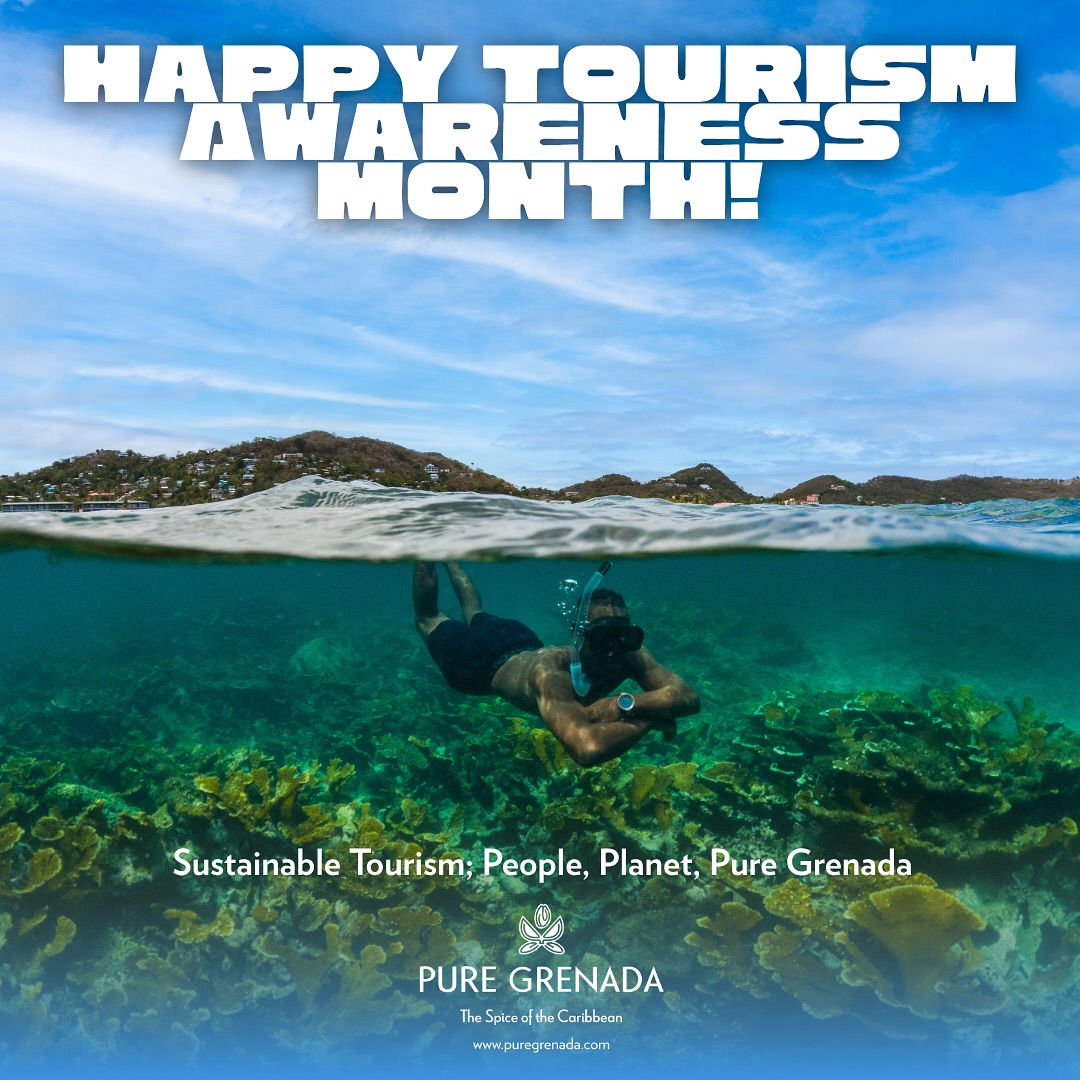
Ministry of Tourism celebrates Tourism Awareness Month
The Ministry of Tourism, the Creative Economy and Culture, in partnership with the Grenada Tourism Authority (GTA), has officially declared November 2025 as Tourism Awareness Month. This year’s theme, ‘Sustainable Tourism: People, Planet and Pure Grenada,’ highlights a holistic approach to tourism that balances environmental preservation, community empowerment, and economic growth. The initiative aims to position Grenada as a sustainable and globally competitive destination while celebrating its rich cultural heritage and diverse tourism offerings. Senator Adrian Thomas, Minister for Tourism, the Creative Economy and Culture, emphasized the collective responsibility of all stakeholders in shaping a sustainable tourism future for Grenada. He urged government, industry partners, and local communities to reflect on their roles in protecting the environment, celebrating culture, and ensuring tourism benefits everyone. Key activities for the month include school tours, staff edutainment programs, a social media campaign, and a tourism pop-up event on November 27 at the Grenville Car park. The Ministry and GTA invite residents and visitors to participate in these activities and contribute to a greener, more sustainable, and culturally vibrant Grenada.
-
Vacancies: Regulatory Analyst and Regulatory Engineer — Water and Sewerage
The Public Utilities Regulatory Commission (PURC) in Grenada is currently seeking qualified candidates for two critical roles: Regulatory Analyst and Regulatory Engineer — Water and Sewerage. These positions are pivotal in supporting the commission’s mission to regulate and enhance the efficiency of the electricity, water, and sewerage sectors in the country.
**Regulatory Analyst Role**
The Regulatory Analyst will provide analytical support within the Regulatory, Accounting & Economic (RAE) Affairs Department. Key responsibilities include analyzing utility data, validating tariff-related studies, reviewing license applications, and preparing reports on tariffs and policy issues. The role also involves addressing consumer complaints, benchmarking utility performance, and supporting stakeholder consultations. Candidates must hold a Bachelor’s degree in Economics, Accounting, Finance, or Public Administration, with at least three years of analytical experience, preferably in utilities or regulation. Applications are due by December 5, 2025.**Regulatory Engineer — Water and Sewerage Role**
The Regulatory Engineer will focus on regulating the water and sewerage sectors. Responsibilities include developing and enforcing technical standards, reviewing infrastructure plans, conducting facility inspections, and advising on environmental and public health compliance. The role also involves data analysis, regulatory reporting, and collaboration with stakeholders. Applicants must possess a Bachelor’s degree (Master’s preferred) in Environmental Engineering, Civil Engineering, or a related field, with at least five years of experience in water/wastewater infrastructure or regulation. Applications must be submitted by December 5, 2025.Both positions require strong analytical, communication, and stakeholder engagement skills. Interested candidates should address their applications to the Chief Executive Officer of the PURC in St. George’s, Grenada, or email them to [email protected].
NOW Grenada, the publisher of this announcement, disclaims responsibility for the opinions or statements made by contributors and provides a mechanism to report abuse.
-

Returning to Grenada?
For Grenadians who have spent significant time in the United Kingdom, returning home is often a source of pride and accomplishment. However, the transition can be fraught with unexpected challenges, particularly for those maintaining strong ties to the UK, such as property, pensions, or healthcare routines. A common misconception is that spending most of the year outside the UK automatically grants non-resident status for tax and healthcare purposes. In reality, the rules are far more nuanced, and missteps can lead to significant financial consequences.
The UK’s Statutory Residence Test (SRT) is the cornerstone for determining tax residency. This framework evaluates three key elements: day-count rules, ties to the UK, and automatic overseas tests. Spending 183 days or more in the UK in a tax year automatically classifies an individual as a resident. However, fewer days do not guarantee non-residency, as factors like family connections, available accommodation, and past residency also play a role. Even retirees or those with flexible work arrangements may find themselves inadvertently reclassified as residents if they maintain substantial UK ties.
Healthcare residency is another critical area. Many Grenadians assume they can continue using the National Health Service (NHS) as before. However, NHS access is contingent on being ‘ordinarily resident,’ meaning living lawfully and habitually in the UK. Claiming non-residence for tax purposes while using the NHS can trigger scrutiny, potentially leading to charges for treatment and a review of tax status. Simple actions like maintaining a UK GP or scheduling regular check-ups can signal ongoing UK ties, making it essential to align healthcare behavior with declared residency.
From April 2025, the UK will implement significant reforms to its Inheritance Tax (IHT) regime. Under the new rules, individuals previously domiciled in the UK may face IHT on worldwide assets, not just those in Britain. For Grenadians with longstanding UK connections, this could mean assets in Grenada remain subject to UK taxation. To mitigate risks, it is crucial to review domicile status, seek updated guidance, and establish Grenadian domicile where appropriate.
Practical steps to protect non-resident status include reviewing UK ties, limiting unnecessary visits, updating paperwork with Grenadian addresses, documenting life in Grenada, and conducting annual reviews of travel and ties. Seeking professional guidance is also advisable before making significant financial or lifestyle changes.
A cautionary example is the James family, who returned to Grenada after decades in London but kept their UK house, remained on NHS records, and visited their children at university. Despite living in Grenada most of the year, HMRC ruled they were still UK-resident, resulting in unexpected tax liabilities and NHS charges. Simple measures like reducing UK visits and deregistering from the NHS could have prevented these issues.
Establishing non-residence requires consistent alignment across paperwork, habits, and lifestyle. Annual self-checks and conscious decision-making can safeguard finances and peace of mind. Dr. Clifford Frank, a Grenadian tax and legal professional, emphasizes the importance of understanding these complexities for Grenadians living abroad or returning home.
-
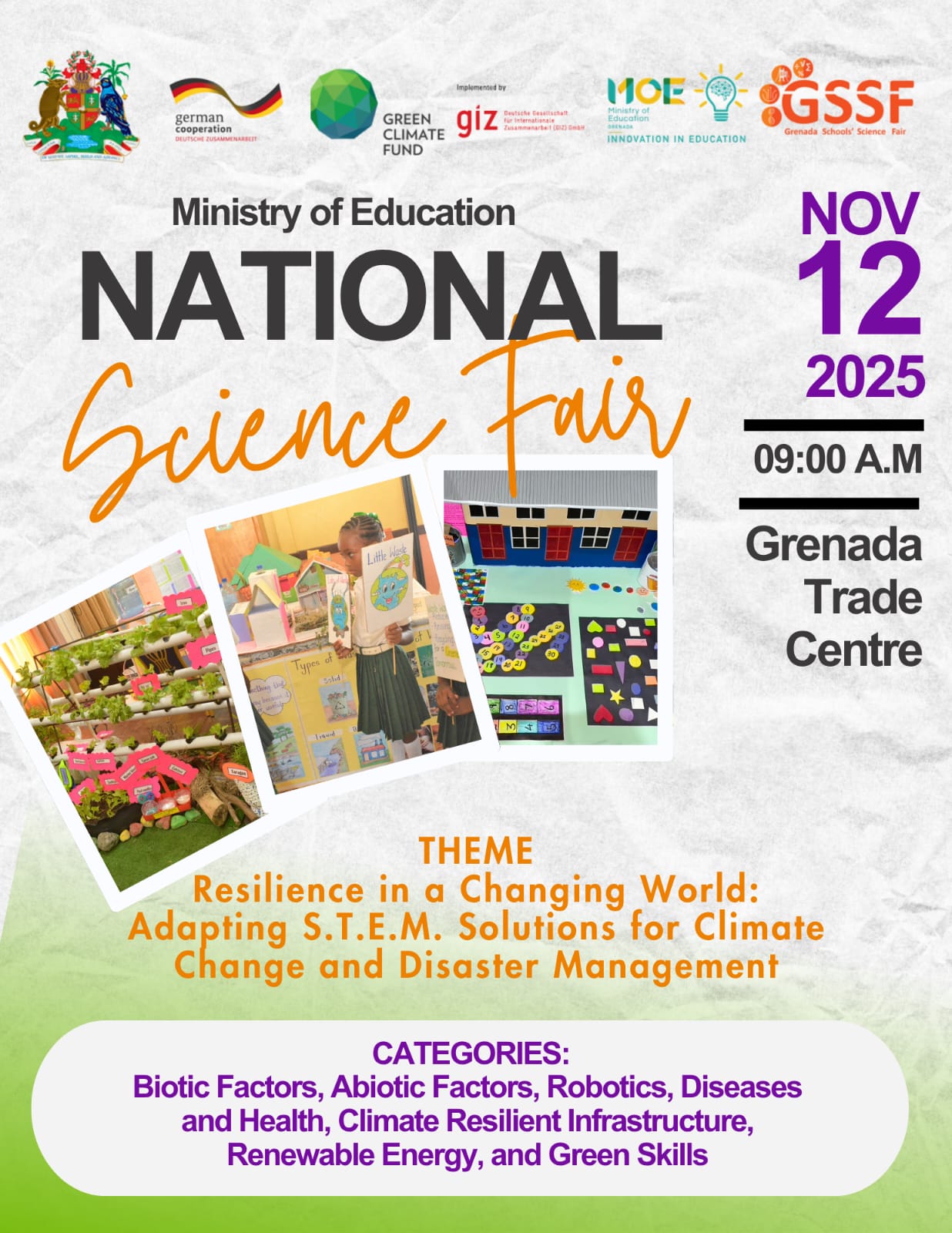
Public invited to view over 60 projects at 2025 National Science Fair
The Ministry of Education in Grenada has announced the 2025 National Science Fair, set to take place at the Grenada Trade Centre in St. George on November 12, 2025. The event, themed ‘Resilience in a Changing World: Adapting STEM Solutions for Climate Change and Disaster Management,’ will open to the public at 9 am. The first day, November 11, will be dedicated to judging the projects, while the second day will feature public viewing and a closing ceremony at 3 pm. Over 60 innovative projects will be showcased, demonstrating how STEM (Science, Technology, Engineering, and Mathematics) can be harnessed to address contemporary challenges and enhance Grenada’s self-sustaining potential using natural resources. The fair will include categories such as Biotic Factors, Abiotic, Robotics, Energy, Diseases and Health, Climate Resilient Infrastructure, and Green Skills. Each project must incorporate a mathematics component and at least one additional STEM element. Participants are divided into age groups ranging from infants to upper secondary students. Major sponsors include the Government of Grenada, the Green Climate Fund, and other key organizations. The Ministry of Education encourages public attendance and support for this significant event.
-
Education is the antidote to ignorance
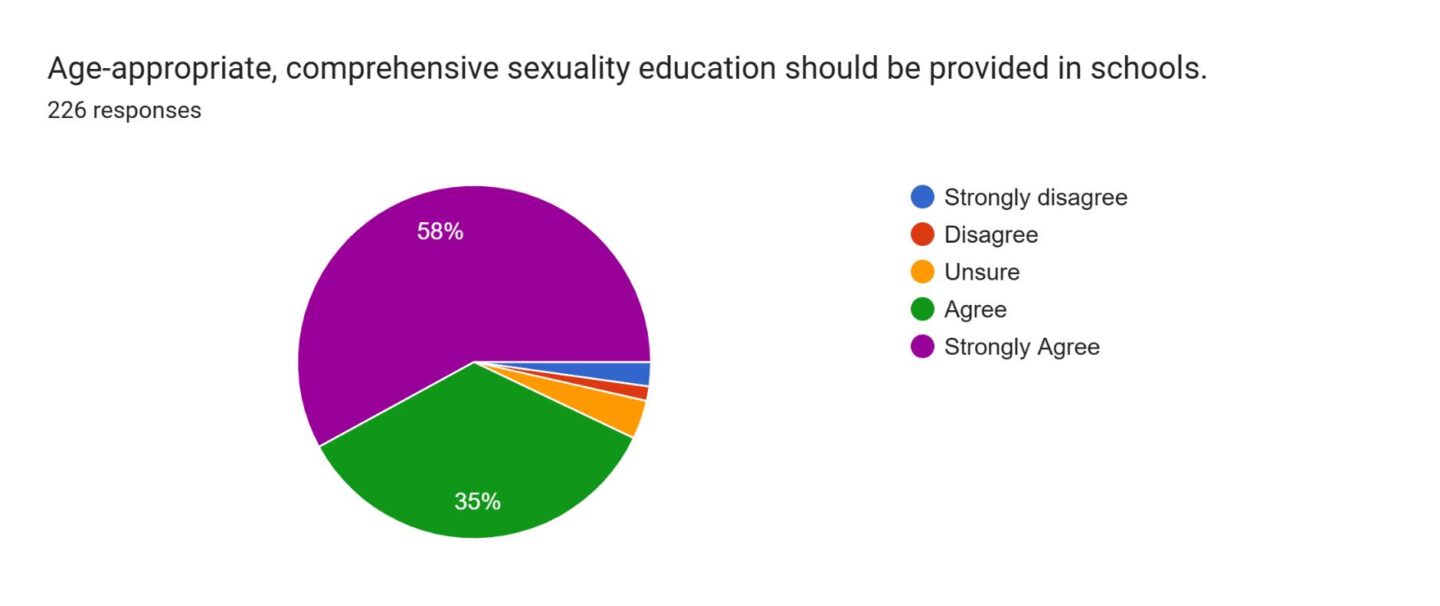
A recent poll conducted in August and September 2025, targeting nearly 230 older teenagers, has shed light on their perspectives regarding the Age of Civil Responsibility (ACR) Bill and sex education. The survey, which focused on critical aspects of reproductive health education, revealed a clear preference for comprehensive sexuality education (CSE) over abstinence-only instruction. A striking 68% of respondents opposed limiting sex education to abstinence-only content, with only 18% in favor. Conversely, an overwhelming 93% supported the inclusion of age-appropriate CSE in schools, with 58% expressing strong agreement. This data underscores the growing demand among youth for informed and inclusive reproductive health education. Critics of the ACR Bill argue that legislation alone cannot address the issue. However, advocates emphasize the need for legal frameworks to create societal space for meaningful action. Prime Minister Dickon Mitchell, in his recent address to the UN General Assembly, highlighted education as the antidote to ignorance, particularly in the context of reproductive health. The Caribbean region has long struggled to meet international CSE standards, with no country coming close to compliance. The poll results reflect the high expectations of older adolescents for quality CSE, urging leaders in education and health to take bold steps toward reform. Tonia Frame, President of the Grenada Planned Parenthood Association (GPPA), and Fred Nunes, Consultant at Advocates for Safe Parenthood: Improving Reproductive Equity (ASPIRE), have called for courage and action from policymakers to replace sexual ignorance with education.
-
GTA to host 3-Day immersive strategic session for Carriacou and Petite Martinique
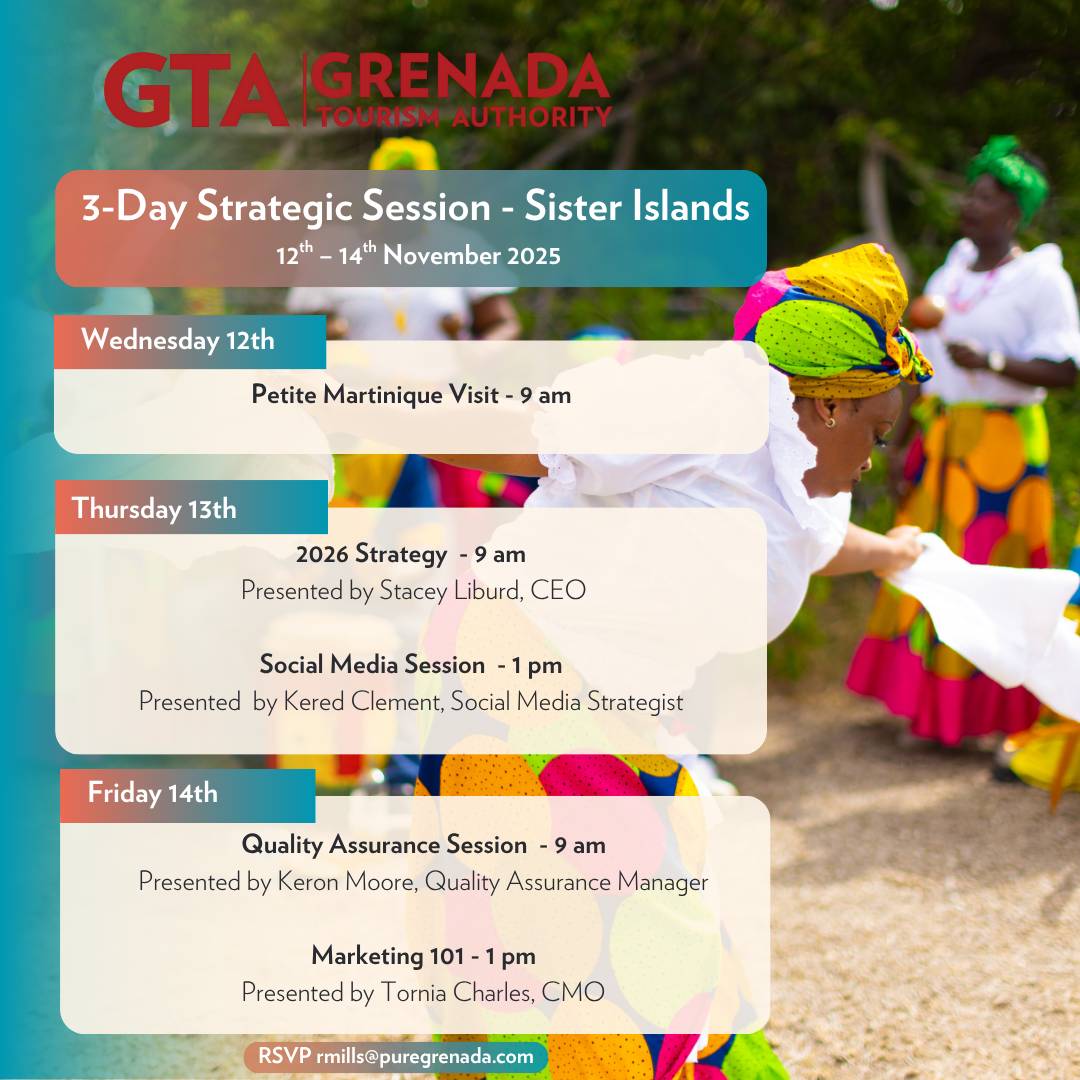
The Grenada Tourism Authority (GTA) has unveiled an ambitious three-day strategic session aimed at equipping stakeholders in Carriacou and Petite Martinique for the upcoming 2025/2026 tourism season. This initiative, designed to bolster brand positioning and messaging, will also provide critical insights into the GTA’s long-term vision for 2026 and beyond. The sessions, scheduled from November 12 to 14, will feature a series of presentations and interactive discussions led by key GTA executives. The program kicks off with a visit to Petite Martinique on November 12, followed by a comprehensive presentation of the 2026 Global Strategy by GTA CEO Stacey A Liburd on November 13. Social media expert Kered Clement will lead an engaging session on leveraging digital platforms for tourism promotion. The final day, November 14, will focus on Quality Assurance and Marketing 101, presented by QA Manager Keron Moore and CMO Tornia Charles, respectively. Stacey A Liburd underscored the importance of these sessions, stating, ‘It is essential for all stakeholders to be aligned and prepared for the challenges and opportunities ahead. Our collective effort in marketing these destinations will be pivotal in positioning them on the global stage.’ The GTA’s commitment to fostering collaboration and equipping stakeholders with the necessary tools highlights its dedication to strengthening the tourism sector in Carriacou and Petite Martinique.
-
General Accident Insurance to acquire Beacon Insurance
In a landmark move set to reshape the Caribbean insurance landscape, General Accident Insurance Company (Jamaica) Limited (JSE:GENAC) and Beacon Insurance Company Limited have announced their intention to merge, creating a dominant regional insurer. The transaction, finalized on October 31, 2025, sees General Accident’s parent company, Musson (Jamaica) Limited, acquiring 100% of Beacon. Pending regulatory approvals, Beacon will operate as a subsidiary of General Accident, maintaining its independent brand and leadership structure. This strategic acquisition significantly expands General Accident’s footprint, granting access to new markets in Dominica, Grenada, St Kitts, St Lucia, and St Vincent, while bolstering its presence in Trinidad and Barbados. The combined entity is projected to generate annual gross written premiums exceeding J$32 billion. Beacon’s CEO, Christopher Woodhams, will report directly to Sharon Donaldson, Group CEO of General Accident, and will oversee the merged operations in Trinidad. Additionally, Woodhams and Beacon director Christian Hadeed will join General Accident’s board. The Hadeed family, now minority shareholders in General Accident, expressed confidence in the merger’s potential to uphold Beacon’s legacy of excellence. Gerald Hadeed, Beacon’s founder, praised the alignment of values between the two companies, emphasizing their shared commitment to client service and innovation. General Accident Chairman P B Scott lauded Beacon’s management and expressed excitement about the merger’s ability to enhance service delivery across the Caribbean.
-

4 sets of responses to Trump’s request
In a recent development, former U.S. President Donald Trump’s proposal to deploy military assets in Grenada has sparked a heated debate, revealing four distinct perspectives within the region. These ‘camps’ reflect varying degrees of support, skepticism, and outright opposition to the initiative, each rooted in different moral, strategic, and practical considerations. Ian Baptiste, a keen observer of the situation, has categorized these responses to provide a clearer understanding of the ongoing discourse. The first camp, labeled ‘Absolutely Yes,’ comprises individuals who fully endorse Trump’s narrative that Venezuela is a narco-state necessitating military intervention. Trinidad and Tobago’s Prime Minister Kamla Persad-Bissessar is a prominent advocate of this stance. However, critics argue that this position lacks credibility, as there is no concrete evidence to support the claim that Venezuela is a narco-state, nor has it been demonstrated that non-violent alternatives have been exhausted. The second camp, ‘We Don’t Have a Choice,’ reflects a pragmatic approach. Members of this group believe that Grenada, given the overwhelming power of the U.S., has no viable option but to comply. They suggest leveraging the situation to secure economic benefits, such as reduced tariffs or improved visa access. However, this stance is criticized for sidestepping moral concerns, including the betrayal of Venezuela and potential regional security risks. The third camp, ‘We Don’t Have the Infrastructure,’ takes a more nuanced position. While acknowledging the ulterior motives behind Trump’s request, such as control over Venezuela’s resources, they argue that outright refusal is unwise. Instead, they propose citing a lack of technical capability as a diplomatic way to decline. Critics, however, warn that this approach could backfire, as the U.S. might easily provide the necessary infrastructure. The fourth camp, ‘Absolutely No,’ represents a moral stand. Members of this group, including Baptiste himself, view the issue as a matter of principle rather than practicality. They argue that acquiescing to Trump’s request would betray fundamental values such as sovereignty, peacemaking, and loyalty to allies. Despite potential economic repercussions, they advocate for standing firm on these principles. This multifaceted debate underscores the complex interplay of power, morality, and strategy in international relations, as Grenada navigates a challenging geopolitical landscape.