
In a significant move to safeguard national interests, Santiago Riverón, the mayor of Dajabón, submitted a draft bill to the Chamber of Deputies on Thursday. The proposed legislation seeks to regulate the sale of real estate to foreign nationals in the Dominican Republic’s border provinces while promoting a Dominicanization plan in these regions. Riverón emphasized that the initiative is firmly grounded in the Constitution, particularly Article 51, which upholds property rights for Dominicans. The bill would enforce stricter controls on property acquisitions by foreigners in border provinces, including Montecristi, Dajabón, Elías Piña, Independencia, Santiago Rodríguez, Bahoruco, and Pedernales, ensuring alignment with Articles 9 and 10 of the Magna Carta. Beyond property regulation, the proposal aims to combat irregular migration and human trafficking, in accordance with Law 285-04 on migration. It also introduces the creation of a Support Fund for the Dominicanization of the Land Border, which would receive 2% of the state’s ordinary income over five years. Municipal councils and district boards, in collaboration with state security institutions, would oversee enforcement, with penalties imposed for violations.
标签: Dominican Republic
多米尼加共和国
-
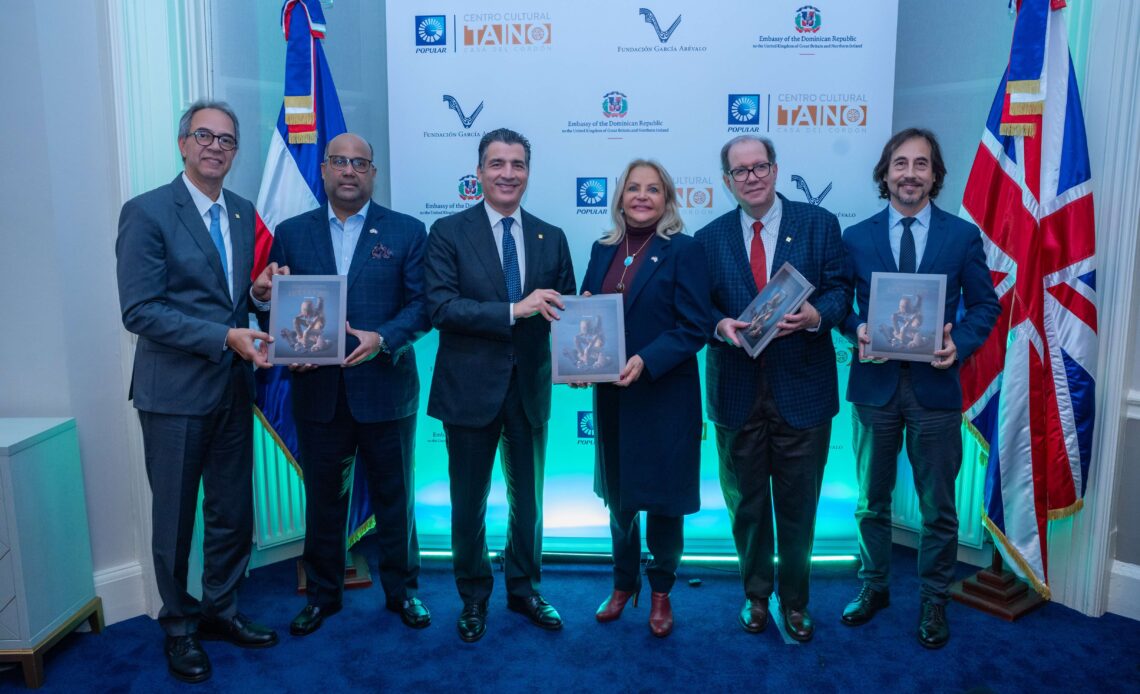
Banco Popular showcases “Our First Settlers” in London to promote Dominican cultural heritage
London – In a significant cultural event, Banco Popular Dominicano, in collaboration with the Taíno Cultural Center Casa del Cordón and the García Arévalo Foundation, unveiled the book ‘Our First Settlers’ at the Dominican Embassy in London. This presentation was a highlight of the XI Dominican Week in the United Kingdom, celebrating the island’s rich ancestral heritage. The book delves into the historical and symbolic depth of the Taíno Cultural Center’s permanent exhibition, offering a profound insight into the Dominican Republic’s indigenous roots. Ambassador Rosa Hernández de Grullón hosted the event, lauding the initiative for its role in promoting Dominican identity on the global stage. José Mármol, Executive Vice President of Corporate Communications, Reputation, and Responsible Banking at Banco Popular, underscored the book’s significance in ‘rescuing the essence of our origins’ and reaffirming the bank’s dedication to culture, education, and sustainable development. Renowned archaeologist and museographer Carlos León Amores emphasized the book’s educational and heritage value, stating it would be a vital resource for understanding and disseminating Taíno culture. Following its debut in Madrid during Dominican Week in Spain, the London event marked the second stop on the book’s international tour.
-

Dominican Republic and Paraguay seal agreement to strengthen air connectivity
In a landmark move to enhance bilateral air connectivity and tourism, the Dominican Republic and Paraguay inked a new Air Services Agreement on the inaugural day of the ICAO World Conference on Air Services Agreement Negotiations (ICAN2025). The historic signing took place in Santo Domingo, marking the first time the conference has been hosted in the Dominican capital. The agreement was formalized by Nelson Mendoza Rolón, President of Paraguay’s National Directorate of Civil Aeronautics, and Héctor Porcella, President of the Dominican Republic’s Civil Aviation Board (JAC).
This pact is a significant milestone in fostering closer ties between the two nations, particularly in the realms of tourism and economic growth. The deal coincides with Paraguay’s ongoing negotiations with Arajet, a Dominican airline, to launch direct flights from Asunción to Santo Domingo and Punta Cana. These flights are expected to commence operations by early 2026, further solidifying the partnership. Anguie Duarte de Melillo, Paraguay’s Secretary of Tourism, emphasized the shared vision of both countries to leverage tourism as a catalyst for economic development.
Running from November 10 to 14, ICAN2025 has convened aviation authorities from across the globe to expand international air transport networks. The Dominican Republic is seizing this opportunity to strengthen its position as a regional aviation hub. During the conference, the country is slated to hold 18 bilateral meetings and sign additional Air Service Agreements (ASAs) with Oman, El Salvador, Greece, and Paraguay. Preliminary discussions are also underway with Eswatini, Korea, Malaysia, Hong Kong, the Scandinavian countries (Denmark, Norway, and Sweden), Zimbabwe, and Benin.
Officials underscored that these initiatives align with the Dominican Republic’s broader strategy to enhance its global connectivity and tourism appeal, cementing its role as a key player in the international aviation landscape.
-

Family of Irish woman killed on George Washington Avenue demands justice
The tragic death of Claire Paula Cullen, a 40-year-old Irish woman, has sent shockwaves through her family and the community. Cullen was fatally struck by a vehicle on George Washington Avenue in Santo Domingo, Dominican Republic, on the morning of November 10, 2025. The incident occurred as she was crossing the avenue, en route to attend her brother’s wedding to Erika Peña, which was scheduled for the same day. Instead of a joyous celebration, the day turned into a heart-wrenching tragedy. The driver, identified as Héctor Julio Taveras Báez, fled the scene immediately after the collision, leaving Cullen fatally injured. Her family has since expressed frustration over the lack of progress in the investigation, noting that her personal belongings have yet to be returned by authorities. As they prepare to repatriate her body to Ireland for burial, the family is demanding justice and accountability, emphasizing that Cullen’s young son has been left orphaned by this devastating event. They are urging Dominican officials to ensure that the case is thoroughly investigated and that the perpetrator is held responsible.
-
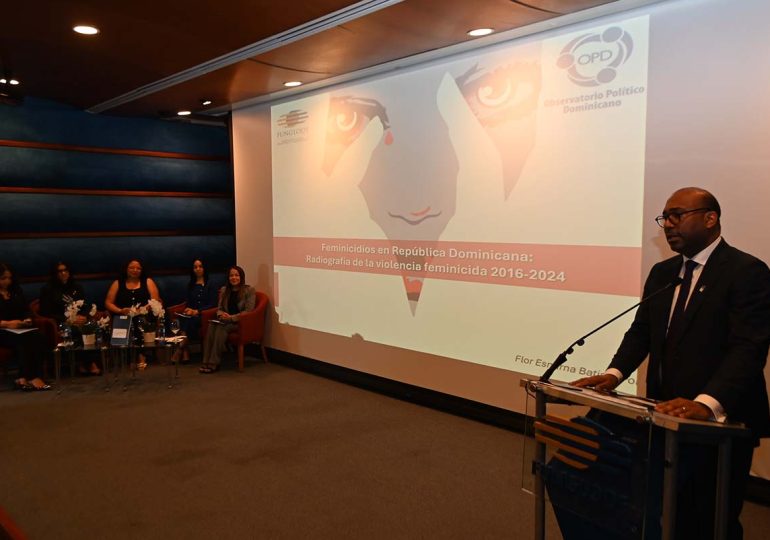
Funglode presents alarming report on femicides in the Dominican Republic
In a groundbreaking event held at the Funglode Auditorium in Santo Domingo, the Global Foundation for Democracy and Development (Funglode) unveiled a comprehensive study titled ‘Femicides in the Dominican Republic: X-ray of Femicidal Violence 2016–2024.’ The report, presented by the Dominican Political Observatory (OPD) under the leadership of Nathanael Concepción, delves into nearly a decade of data on gender-based killings in the country. Former President and Funglode President Dr. Leonel Fernández underscored the critical importance of this research in shaping effective public policies, describing the findings as ‘an urgent call to action and collective responsibility of the State and society.’
The study, coordinated by researcher Flor Esmirna Batista Polo, revealed alarming statistics: 706 femicides were recorded between 2016 and 2024, with victims spanning all age groups, from infants to elderly women. In 2024 alone, 73 cases were reported, 89% of which were classified as intimate partner femicides, leaving 77 children orphaned. The data also highlighted the methods of violence, with 53% of the murders committed using bladed weapons and 37% involving firearms. Additionally, 18 cases ended in femicide-suicides, a troubling trend on the rise. Batista Polo emphasized that the persistence of these figures indicates a failure of current policies to bring about structural change.
A panel discussion titled ‘Where Are We and Where Are We Going?’ followed the presentation, featuring representatives from government, academia, and civil society, including Rosalba Ramos, Juliana O’Neal, Ana Iris Linares, Susi Aquino Grauteraux, and Patricia Liranzo. The panelists unanimously called for enhanced institutional coordination, improved prevention strategies, and educational initiatives promoting equality and respect. Key proposals included the development of a georeferenced risk prediction system, early warning protocols, and ongoing training for justice and security personnel.
The event concluded with a resounding call to action, urging stronger national efforts to prevent, address, and penalize gender violence. Attendees were encouraged to utilize existing support services, such as the Ministry of Women (212), 911 Emergencies, and Life Line (809-200-1202), to seek help and report incidents.
-

Abinader and Molina present “Justice of the Future 2034” plan
Santo Domingo, Dominican Republic – The Dominican Judiciary has finalized its groundbreaking Ten-Year Plan, titled “Justice of the Future 2034,” marking a significant milestone in the nation’s judicial reform efforts. The final document was officially presented to stakeholders during a high-profile ceremony on Wednesday, presided over by President Luis Abinader and Chief Justice Henry Molina at Casa San Pablo. The event drew over 3,000 participants, including Supreme Court justices, prosecutors, public defenders, legislators, business leaders, and civil society representatives, all of whom played a pivotal role in this collaborative strategic planning initiative. Chief Justice Molina outlined the plan’s ambitious goals, which include enhancing accessibility, transparency, reliability, and citizen-centered service within the justice system. The official launch is set for November 19 at 8:00 p.m., broadcasted via the Judicial Branch’s YouTube, Instagram, and Facebook channels. Molina emphasized that the plan was developed using the scenario planning methodology, a first for the Dominican Republic, previously implemented in countries like South Africa and Colombia. He described the initiative as “not merely a technical exercise but an ethical, institutional, and strategic act.” The Justice of the Future 2034 Plan aims to address systemic issues such as judicial delays, geographical and economic barriers, and the exclusion of vulnerable groups, fostering a more inclusive and participatory justice system. President Abinader lauded the plan as a national commitment and a cornerstone of democratic strengthening, stating, “This plan is not just a Judiciary initiative; it’s a commitment to a justice system that transforms lives and strengthens citizen confidence.”
-
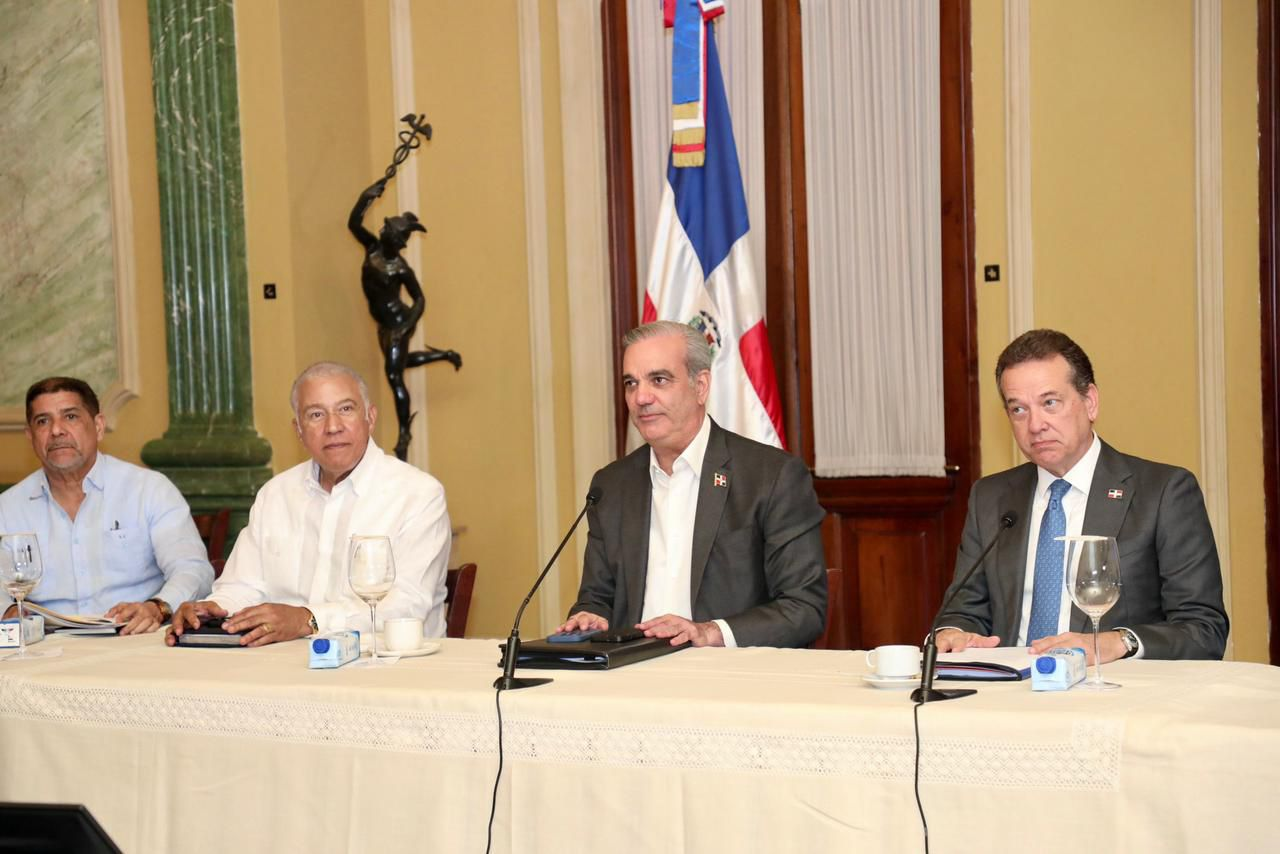
Abinader guarantees stable supply and prices for the Christmas season
Santo Domingo – In a proactive move to guarantee stable supply chains and pricing during the upcoming Christmas season, President Luis Abinader convened a crucial meeting of the Prices and Supply Committee on Wednesday. The gathering, held at the National Palace, brought together key stakeholders from the industrial, agricultural, and commercial sectors. Industry and Commerce Minister Víctor “Ito” Bisonó coordinated the session, which focused on evaluating national production capacities, analyzing international market trends, and devising joint strategies to enhance collaboration between the government and private enterprises. President Abinader emphasized the importance of sustained dialogue with producers and traders, assuring the public that there would be no supply shortages in December or January. Business leaders lauded the government’s meticulous planning and coordination, noting that these efforts have reinforced confidence across the supply chain and enabled swift responses to potential logistical disruptions. Additionally, the government unveiled plans to monitor prices and inventories closely while providing coordinated support to farmers impacted by Tropical Storm Melissa. Through the Ministry of Agriculture, FEDA, and Pro Consumidor, initiatives include restoring crop production and stabilizing prices for essential goods such as bananas, rice, cassava, and chicken, ensuring their widespread availability nationwide.
-

Dominican Republic projects record 11.7 million tourists in 2025
The Dominican Republic is poised to achieve a historic milestone in its tourism sector, with projections indicating a record-breaking 11.7 million visitors by 2025. This remarkable growth solidifies the country’s status as a premier Caribbean destination, even amidst challenges such as recent storms and disruptions in U.S. air travel. Tourism Minister David Collado underscored the nation’s resilience, noting that by October, the country had already welcomed over nine million visitors, including 2.1 million cruise passengers. This figure surpasses the total of 11.19 million tourists recorded in the previous year. Collado also highlighted that these achievements were accomplished without contributions from Russia and Ukraine, which previously accounted for approximately 500,000 annual visitors. President Luis Abinader announced plans to represent the Dominican Republic at the Madrid Tourism Fair (FITUR) in January 2026, where the country will showcase Pedernales as the next major tourism hub, envisioned as a ‘second Punta Cana.’ Abinader further emphasized that 99.1% of visitors adhere to national laws, while the government remains committed to eradicating illegal activities, particularly child exploitation in areas like Sosúa, ensuring tourism remains safe and sustainable.
-

Frente Amplio calls for full investigation into nationwide blackout
Santo Domingo – The Frente Amplio has issued a stern call for an immediate and transparent investigation into the widespread blackout that plunged the Dominican Republic into darkness on Monday afternoon. The outage, triggered by a failure at the Electricity Transmission Company (ETED) substation in San Pedro de Macorís, cascaded into a complete shutdown of all generating plants, including Punta Catalina. This incident has once again highlighted the fragility of the nation’s power grid. Party leader María Teresa Cabrera denounced the collapse as ‘unacceptable,’ emphasizing that a single substation failure should not have the capacity to cripple the entire system. She urged authorities to act with ‘absolute transparency’ and ensure accountability for those responsible. The Frente Amplio underscored the severe economic repercussions of such blackouts, which disrupt hospitals, industries, and the daily lives of millions. The organization demanded that the Government, ETED, the Superintendency of Electricity, and the Ministry of Energy and Mines provide a clear public report and develop an emergency plan to fortify the transmission network. They argued that the incident should not be dismissed as a mere technical failure but rather seen as a symptom of deeper structural issues, including poor oversight, inadequate planning, and insufficient public investment in the national energy system.
-

Mayor Carolina Mejía inaugurates Taíno Park dedicated to Santo Domingo 2026 Games
Santo Domingo witnessed a significant milestone on Tuesday as Carolina Mejía, Mayor of the National District, officially opened the newly transformed Taíno Park in Los Cacicazgos. This revitalized public space, designed to honor the XXV Central American and Caribbean Games set for 2026, has been reimagined from a basic green area into a multifunctional community hub. The park now boasts an outdoor gym, a children’s playground, a dedicated dog park, walking paths, an amphitheater for cultural events, energy-efficient LED lighting, and a commemorative sculpture celebrating José Martí, Máximo Gómez, and Chief Hatuey—iconic figures symbolizing freedom and unity across the Antilles.