
A devastating high-speed collision on a major Dominican highway has claimed two lives, including a 1-year-old infant, and left another person hospitalized, local emergency authorities confirmed Friday. The crash unfolded on Joaquín Balaguer Highway in the Estancia del Yaque neighborhood of Santiago de los Caballeros, when a Chevrolet Corvette sports car and a two-wheeled motorcycle collided head-on. Among the deceased was Rosario Santos, the 46-year-old operator of the motorcycle, alongside the one-year-old girl who was traveling in one of the two vehicles at the time of impact. A third person, an adult woman who sustained non-fatal injuries in the collision, was quickly evacuated by first responders to a regional medical facility in the nearby municipality of Villa González for urgent treatment, per preliminary accident briefings. As of Saturday morning, investigators have not released additional details surrounding the root causes of the crash, nor have they shared any identifying information about the driver of the Chevrolet Corvette. Multiple emergency response teams were dispatched to the crash site immediately after the incident was reported, including personnel from the National Emergency and Security System 911 and officers from the General Directorate of Traffic and Land Transportation Security (DIGESET). By the time first responders arrived, dozens of local residents had already gathered at the scene to observe the aftermath of the collision, as road crews worked to clear debris and reopen partially blocked lanes of the highway. DIGESET officials have announced that they are continuing their investigation into the collision, and expect to release a full report on contributing factors such as speeding, road conditions, or impaired driving in the coming days.
标签: Dominican Republic
多米尼加共和国
-
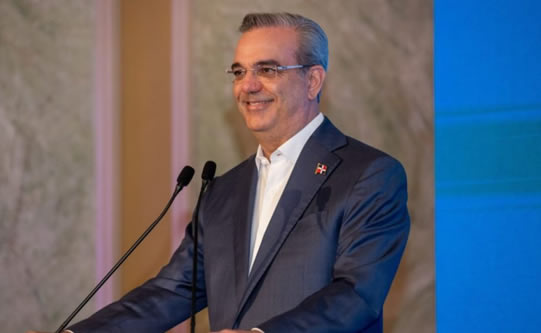
Luis Abinader and the Dominican Republic 2026: the data behind a narrative of stability
As the Dominican Republic opens 2026, it carries a widely recognized narrative of macroeconomic stability, anchored by strong core fundamentals, bullish growth projections, and formal validation from leading international financial institutions. For President Luis Abinader, who begins his second four-year term this year, the central challenge is no longer securing this stability — it is converting this solid foundation into a new era of targeted structural reform, high-impact efficient public investment, and strengthened institutional resilience that delivers long-term shared growth.
A core question frames this moment: how durable is the country’s stability story, and can it hold through Abinader’s second term? The answer does not hinge on a single economic metric, but rather on a confluence of positive signals: projected accelerating growth, inflation aligned with the central bank’s target range, robust macroeconomic fundamentals, external financing fully covered by steady foreign direct investment inflows, and existing policy space to counteract unforeseen risks.
In its 2025 Article IV Consultation, the International Monetary Fund (IMF) formalized this positive baseline, confirming that the Dominican Republic boasts solid economic fundamentals and sufficient policy maneuverability to address any emerging risks. The multilateral lender projects the country’s economic growth will accelerate to 4.5% in 2026 before converging to a long-term potential growth rate of roughly 5%, with inflation holding steady within the official target range of 4% ± 1 percentage point. This projection gives Abinader a strong opening narrative for his second term: the administration inherits an economy with international credibility, macroeconomic momentum, and price stability, rather than one adrift without clear direction.
Still, this foundation comes with clear, unaddressed challenges across fiscal policy, the electricity sector, institutional governance, and social equity. Today, stability is not just a communication talking point — it is the starting line for action. For a second-term administration, strong macro indicators become a benchmark, not an end goal: public attention has already shifted to whether this foundation can translate into tangible, lasting improvements for households and businesses.
The IMF notes that while the balance of risks for the Dominican economy leans to the downside, the country is uniquely well-positioned to navigate headwinds thanks to its strong fundamentals and policy space. Key external risks include volatile global financial conditions, broad international economic uncertainty, and persistent vulnerability to climate-driven natural disasters. Crucially, the IMF does not frame the Dominican Republic as a risk-free economy — instead, it emphasizes the country has the institutional and fiscal capacity to respond to shocks, a distinction that strengthens the credibility of its stability narrative.
One of the most critical tests for Abinader’s second term will be fiscal policy management. The IMF has urged the Dominican government to maintain prudent fiscal stewardship while scaling up public investment within the bounds of the country’s medium-term fiscal framework and Fiscal Responsibility Law. It also highlighted two urgent priorities: improving the efficiency of public spending and increasing domestic revenue mobilization. The core challenge here is to preserve macro stability without eroding the state’s ability to invest in high-priority infrastructure, education, health, and climate resilience. A stable macroeconomic environment creates the certainty needed for long-term public investment planning, allowing policymakers to prioritize high-impact projects and execute them with less market volatility.
Notably, the IMF points out that expected reductions in electricity sector losses and improved targeting of energy subsidies will free up fiscal space for planned public investment increases. For the stability narrative to gain broader traction, it must be tied to tangible investment capacity, not just macroeconomic discipline. Improving spending efficiency will also be central to building institutional credibility: investing more is not enough — the government must invest better, prioritizing projects with clear economic and social returns, strengthening project execution, cutting waste, enhancing public impact evaluation, and publishing verifiable result data. This agenda will serve as a key test of the maturity of the Dominican economic model, turning stability into a platform to strengthen state capacity.
The electricity sector emerges as a make-or-break policy frontier in the IMF’s assessment, with the institution stressing that full implementation of the national Electricity Pact is essential to reduce fiscal risks and build long-term economic resilience. This marks a clear shift from previous analyses: the sector is no longer a secondary technical issue, but one of the largest bottlenecks to fiscal sustainability, national competitiveness, and reliable public service delivery. Persistent distribution losses and poorly targeted subsidies drain public finances, crowding out investment in other priority areas. Progress here would directly boost fiscal stability and free up resources for public investment, turning a shallow macro stability into stability paired with deep structural reform. A reliable, financially sustainable electricity system is also critical for competitiveness across all sectors: from tourism and manufacturing to free-trade zones, hospitals, and households all depend on consistent, affordable power. As such, electricity reform is a prerequisite for boosting productivity and attracting new private investment.
Looking further ahead, the IMF frames the country’s ongoing structural reform agenda as the pathway to reaching high-income economy status by 2036, as outlined in the government’s 2036 Target Plan. Key priorities include improving governance, advancing labor and social security reform, and making efficient investments in infrastructure, education, and health. This positions stability within a broader long-term vision: the goal is not just 4.5% growth in 2026, but a sustained trajectory that lifts the country toward higher productivity and better public services. Good governance is the bedrock of this transition: reforms across labor, social security, education, health, and infrastructure require coordinated execution, transparent implementation, and public legitimacy. Abinader’s second term offers a clear opportunity to turn existing macro stability into a full agenda of institutional transformation, with credibility growing when strong data is paired with tangible reform progress.
World Bank open data for the Dominican Republic provides a independent, publicly available baseline to track progress across a full range of indicators, from population and GDP growth to education outcomes, health access, poverty rates, trade, carbon emissions, and infrastructure access. This independent data is critical for evaluating Abinader’s second term: evaluating performance will require more than just periodic headline economic releases, it will require tracking long-term data series to measure sustained progress. A credible stability narrative depends on consistent, transparent measurement, and World Bank data allows observers to verify whether strong growth translates into structural progress and improved social outcomes across the 2024-2028 term. Ultimately, macroeconomic stability is only half the story — the real test is whether it translates into higher investment, faster productivity growth, better public services, higher employment, and greater resilience to shocks.
External risks remain a persistent factor in 2026. Beyond global financial and geopolitical uncertainty, the Dominican Republic’s geographic location leaves it highly vulnerable to climate-driven natural disasters. The IMF has emphasized the need for a comprehensive approach to risk mitigation and resilience-building, including integrated disaster risk management frameworks and explicit fiscal planning for climate events. For Abinader’s administration, embedding climate resilience into the core of economic planning is a non-negotiable part of a credible stability narrative — this requires proactive investment to protect lives, critical infrastructure, key export sectors like tourism and agriculture, and public finances, rather than just reacting to emergencies after they occur.
Against a backdrop of global economic volatility, shifting trade patterns, and geopolitical disruption, the IMF notes the Dominican Republic is well-positioned to capture new opportunities from trade diversion and rising foreign direct investment flows linked to changing global trade policies. Abinader’s challenge is to leverage the country’s existing stability as a competitive advantage to adapt to this shifting international landscape.
As it stands, the Dominican Republic’s 2026 stability narrative has a strong foundation: it is backed by independent analysis from leading international institutions, but its long-term credibility depends entirely on delivering tangible results. Abinader will not be evaluated solely on maintaining strong macroeconomic indicators — he will be judged on his ability to convert those indicators into structural reform, better public investment, improved services, faster productivity growth, and greater resilience.
It is fair to credit the Abinader administration with building on previous progress to deliver the current stable macroeconomic framework and institutional continuity, but it is also important to acknowledge that economic performance depends on a wide range of factors beyond the presidency, including private sector activity, independent monetary policy, foreign investment, tourism and remittance inflows, external conditions, and long-standing institutional frameworks. In 2026, stability should not be framed as an end point — it should be framed as a promise of action. With solid fundamentals in place, the conversation rightly turns to reform. With projected growth on the books, the question becomes how to spread that growth into higher productivity. With policy space available, the challenge is to deploy that space to boost public investment and resilience. For Abinader, the core value of his second term is the opportunity to move beyond maintaining stability to delivering deep, lasting institutional and economic consolidation.
-

Opposition warns of poor living conditions for Dominican seniors
In Santo Domingo, a senior leader of Dominican Republic’s main opposition party has drawn public attention to a unfolding humanitarian crisis facing the nation’s senior population, leveling sharp criticism at the current administration for failing to protect vulnerable older citizens. Yamel García, who leads the Secretariat for Older Adults and the Elderly within the opposition People’s Force party, made the remarks shortly after presiding over a party gathering to swear in newly recruited members. Citing official demographic data published by the Dominican Republic’s National Statistics Office, García revealed that more than one out of every five older adults in the country are currently living in precarious, high-risk conditions that leave them exposed to a range of systemic threats. According to García, the current government has systematically sidelined the needs of senior citizens, shifting policy priorities away from social protection programs that serve this demographic and leaving millions without a critical safety net. The situation is particularly acute for older residents living in marginalized, high-risk communities across the country, he explained. These groups already lack access to basic support services, and they are disproportionately ill-equipped to navigate cascading challenges ranging from ongoing national economic instability to the growing frequency of climate-fueled natural disasters. Without targeted government intervention to expand social assistance and adaptive infrastructure, millions of seniors will continue to face unnecessary hardship that violates their basic right to dignified aging, García added. The opposition’s announcement comes amid growing national debate over social policy and resource allocation ahead of upcoming electoral cycles, putting pressure on ruling party officials to respond to the accusations of neglect and outline concrete plans to address the unmet needs of the country’s expanding older adult population.
-
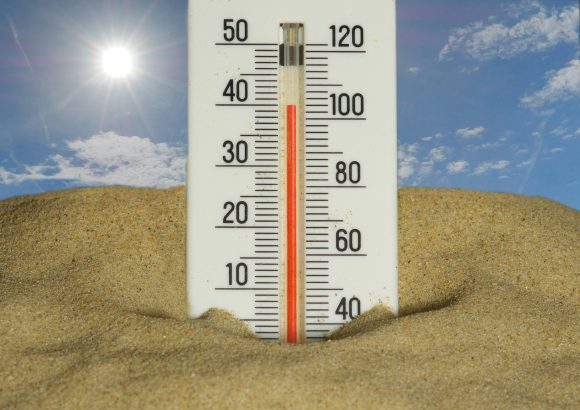
Health Ministry warns of heat stroke risks amid soaring temperatures
Across the Dominican Republic, a dangerous spell of record-shattering extreme heat has put public health authorities on high alert, with officials issuing urgent guidance to residents as sweltering conditions are projected to hold for the next fortnight. In the hottest parts of the country, the real-feel heat index has already pushed past 40°C, bringing elevated risks of life-threatening heat-related illnesses for vulnerable populations.
-

Government lowers fuel prices for July 4–10
In a move designed to ease financial pressure on household and commercial consumers across the Dominican Republic, the nation’s Ministry of Industry, Commerce and Micro, Small and Medium Enterprises (MICM) has rolled out a new round of fuel price cuts for the week spanning July 4 to 10, backed by a 424.53 million Dominican peso (RD) government subsidy.
The adjustments bring a RD$5.00 per gallon reduction to both regular-grade gasoline and standard diesel, while premium variations of both fuels will see a smaller RD$3.00 per gallon drop. Fuel oil will also follow the downward price trend, but two widely used consumer energy sources — liquefied petroleum gas (LPG) and natural gas — will remain at their current price points. According to MICM, holding LPG prices steady is a deliberate policy choice: as the primary cooking and heating fuel for the vast majority of Dominican households, stable pricing protects families from sudden swings connected to turbulence in global energy markets.
Not all fuel products are seeing price cuts, however. The ministry confirmed that aviation fuel and kerosene will see price increases, driven by ongoing upward trends in global crude oil costs. MICM also outlined the broader context shaping the country’s fuel pricing: the Dominican Republic imports nearly all of the fuel it consumes for domestic use, and global refining margins for gasoline and diesel have skyrocketed since the start of 2024, spurred by ongoing conflict in the Middle East. This sustained rise in margins has directly pushed up the country’s import costs for most fuel products, creating the need for targeted government subsidies to keep consumer prices manageable.
-

Dominican Republic and Mexico join forces to boost hydrocarbon research
In a landmark step to deepen bilateral collaboration in the strategic energy space, the Dominican Republic and Mexico have formalized a new partnership focused on elevating research, innovation and technological advancement across the energy and hydrocarbons sectors. The agreement, forged between the Dominican Ministry of Energy and Mines and Mexico’s prestigious Mexican Petroleum Institute, lays out a three-year framework for cross-border collaboration that extends far beyond a simple statement of intent.
Under the terms of the pact, the two partners will advance a broad slate of collaborative activities, including co-developed research initiatives, cross-border technology sharing, joint academic programming, and specialized training for industry professionals. To further expand technical knowledge and build institutional capacity, the partnership also plans to host a regular roster of public and industry-facing events, from expert seminars and hands-on workshops to large-scale international conferences. All of these activities are targeted at boosting both countries’ technical and scientific capacity in high-priority energy areas that underpin long-term economic growth.
The official signing ceremony brought together key stakeholders from both nations, led by Joel Santos, Dominican Minister of Energy and Mines, and Carlos Miguel Aysa González, Mexico’s ambassador to the Dominican Republic, with senior leaders from the Mexican Petroleum Institute in attendance to mark the occasion. Speaking after the signing, officials from both governments emphasized that the new collaboration will drive much-needed modernization across the Dominican Republic’s energy sector, promote more responsible and efficient use of existing national energy resources, and put in place clear formal protections to safeguard confidentiality and intellectual property rights for all outcomes developed through joint projects. The pact marks a significant expansion of energy diplomacy between the two Latin American nations, setting a foundation for long-term knowledge sharing and industry growth.
-

Casa de Campo’s first Cigars in Paradise festival draws international visitors
The luxury Dominican destination of La Romana’s Casa de Campo Resort & Villas has marked a new milestone for the global premium cigar and luxury lifestyle space, playing host to the first-ever Casa de Campo Cigars in Paradise® festival between June 25 and 27. The three-day gathering drew a diverse crowd of cigar lovers, top industry executives, and international visitors, all united to celebrate the craft of premium tobacco and artisanal luxury spirits.
Event organizers confirmed following the conclusion of the festival that the gathering will return yearly as a permanent staple on the global luxury events calendar, while also boosting the Dominican Republic’s standing as one of the world’s leading producers of premium quality cigars. The country has long been celebrated for its ideal climate and expert tobacco cultivation, and this new event cements that reputation on an international stage.
Beyond the core celebration of cigars, the festival curated a full roster of exclusive luxury experiences for guests. Attendees had the opportunity to tee off at the world-famous Teeth of the Dog golf course, one of the most highly regarded tropical courses in the Caribbean, take guided tours of the historic Brugal rum distillery to learn about Dominican rum craftsmanship, and join educational seminars led by internationally recognized cigar experts that deepened knowledge of tobacco blending, aging, and appreciation. Evening social events showcased 28 of the most respected premium cigar brands from across the globe, giving attendees the chance to sample rare and exclusive blends. The guest list also included several high-profile celebrities, such as Puerto Rican actress Roselyn Sánchez, American actor Eric Winter, and veteran Hollywood performer Mekhi Phifer.
A key highlight of the 2025 inaugural festival was hosting the fifth iteration of the Cigar Smoking World Championship, an international competition that draws top participants from across the globe. In this year’s competition, Rafael Solano Portoreal took home the first-place title after achieving a smoking time of 2 hours, 8 minutes, and 23 seconds.
Organizers noted that the event exceeded expectations, with strong turnout from international attendees and overwhelmingly positive feedback from both guests and participating brands. This successful debut has laid a strong, stable foundation for the festival’s future annual editions, which are expected to grow in size and global reach in coming years.
-

Dominican Republic presents RD$32 billion Amber Highway project
In a formal gathering with business leaders and local government officials in Puerto Plata, the Dominican government has launched plans for a transformative infrastructure project: the Amber Highway, a development framed as a cornerstone initiative to bridge the Cibao interior region and the country’s popular Atlantic Coast.
Leading the presentation, José Ignacio Paliza, Minister of the Presidency, outlined the massive scope of the project, which carries a total price tag of 32 billion Dominican pesos. Paliza emphasized that the highway is projected to become a major catalyst for expanded private investment, growing tourism arrivals, and increased employment opportunities across the entire northern region of the country.
Hostos Rizik, Director General of the RD Vial Trust, which oversees national road infrastructure projects, detailed the engineering and functional specifications of the four-lane expressway. Once complete, the highway will cut travel time between Santiago de los Caballeros, the economic heart of the Cibao region, and the coastal tourism hub of Puerto Plata by roughly 60 minutes. It is designed to accommodate an annual traffic volume of more than 3.5 million vehicles, and incorporates modern infrastructure features including multiple tunnels and grade-separated express interchanges to streamline traffic flow.
The full construction phase is scheduled to take 30 months, following the conclusion of an eight-month public bidding process that will select the project contractor. Pre-construction preparations, including environmental impact assessments and final adjustments to the highway’s alignment, are already underway, even as the broad route of the 32.7-kilometer corridor has been locked in. The overall timeline targets the start of construction for August 2026.
According to government projections, the Amber Highway will generate approximately 6,800 direct and indirect jobs during its construction phase. Beyond job creation, the project is expected to strengthen key regional economic sectors: tourism, logistics, manufacturing, and agriculture, by reducing transport costs and improving access to markets and visitor destinations.
The highway’s route begins at the Northern Ring Road (Circunvalación Norte) in Santiago, then cuts across the rugged Sierra Septentrional mountain range. To navigate this challenging terrain, engineers have planned two major tunnels with a combined length of 2.5 kilometers — one measuring 1.8 kilometers and a second spanning 700 meters. After crossing the mountain range, the route descends onto the Atlantic coastal plains, ending at the Gran Parada intersection, where it will provide direct, high-speed access to Puerto Plata and the popular coastal resort towns of Sosúa and Cabarete.
Local business and tourism stakeholders in Puerto Plata have voiced strong, unified support for the initiative, describing the highway as a transformational development that the province has awaited for decades.
-

Caribbean Cinemas reopens renovated theater complex at Ágora Mall
After extensive renovation work, Caribbean Cinemas has officially thrown open the doors of its movie theater complex located at Santo Domingo’s popular Ágora Mall, debuting a completely overhauled entertainment space packed with cutting-edge upgrades and new customer amenities.
Six individual auditoriums have received full makeovers, outfitted with state-of-the-art laser projection technology that delivers sharper, more vivid on-screen imagery, plush leather reclining seats for maximum comfort, immersive surround sound systems designed to draw viewers deep into the story, and a dedicated CXC giant-screen format that delivers a blockbuster-level viewing experience. Adding a new culinary dimension to the traditional cinema outing, the complex also introduces the brand-new Victor’s Kitchen & Bar concept, giving guests the option to enjoy full meals and craft beverages alongside their screenings.
The official reopening ceremony was headed by Robert Carrady, President and Chief Executive Officer of Caribbean Cinemas. In remarks at the event, Carrady emphasized that this significant renovation investment is more than just an upgrade to one location – it stands as a clear testament to the company’s enduring dedication to both innovation in the cinema experience and its longstanding presence in the Dominican Republic, where the brand has built a loyal following across 50 years of operations.
Silvia Rosales, General Manager of Ágora Mall, also shared her enthusiasm for the relaunched facility. She noted that the renovated cinema strengthens the shopping center’s overall entertainment portfolio, giving local families and out-of-town visitors a cutting-edge, comfortable leisure option right in the heart of Santo Domingo.
Beyond the core auditorium upgrades, the renovated complex incorporates a host of customer-focused improvements that address common pain points for moviegoers. Self-service ticket kiosks have been added to cut down on wait times for guests who prefer to skip the box office line, concession areas have been expanded to offer more selection and shorter queues, and accessibility upgrades have been implemented throughout the space to better accommodate guests with disabilities.
This reopening is not an isolated project: it forms a key part of Caribbean Cinemas’ wider regional modernization initiative that is rolling out across the company’s footprint across the Caribbean and Latin America. Currently, the chain operates more than 600 screens across 18 different territories, making it one of the largest cinema operators in the region, and the company plans to continue rolling out similar upgrades to additional locations in the coming months to bring the premium cinema experience to more guests.
-
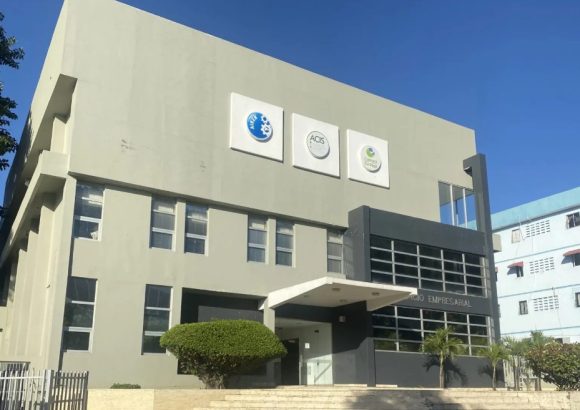
Santiago Chamber forges partnership to promote trade with the United Arab Emirates
In a landmark move designed to open new economic pathways between the Caribbean and the Middle East, the Santiago Chamber of Commerce and Production of the Dominican Republic has formalized a collaborative partnership with the Ras Al Khaimah Chamber of Commerce and Industry of the United Arab Emirates. The two organizations signed a formal memorandum of understanding this week in Santiago de los Caballeros, locking in a shared commitment to deepen cross-regional business engagement, expand two-way trade, and unlock new investment flows between their respective territories.
The official signing ceremony was led by Luis Campos, representing the Dominican Santiago chamber, and Muhammad Ali Musabah Al Nuaimi, who signed on behalf of the UAE’s Ras Al Khaimah industry and commerce body. Beyond a symbolic agreement, the memorandum lays out a clear structural framework to advance multiple core economic priorities: accelerating bilateral trade growth, drawing new foreign direct investment to both regions, facilitating the open exchange of actionable business intelligence, and building a pipeline of tangible commercial opportunities for private enterprises across both the Dominican Republic and the broader Persian Gulf region.
To turn this framework into real-world results, the partnership includes a slate of planned collaborative activities. These include reciprocal business exploration missions, joint participation in major industry trade fairs, academic and policy seminars focused on emerging market opportunities, structured programs for technology and knowledge sharing between local business communities, and targeted networking events designed to connect entrepreneurs and corporate leaders from both regions. A key overarching goal of these initiatives is to break down existing barriers to market entry, giving companies from both sides easier access to new customer bases and supply chain networks.
Lead officials from both chambers have emphasized that the alliance carries strategic long-term value for the Dominican Republic’s business community. Beyond immediate commercial gains, the partnership is expected to help Dominican companies sharpen their international competitiveness by exposing them to new markets, best practices, and global industry trends. At the same time, it lays the foundation for durable, mutually beneficial economic ties between the Dominican Republic and the United Arab Emirates that are expected to generate shared growth for years to come.