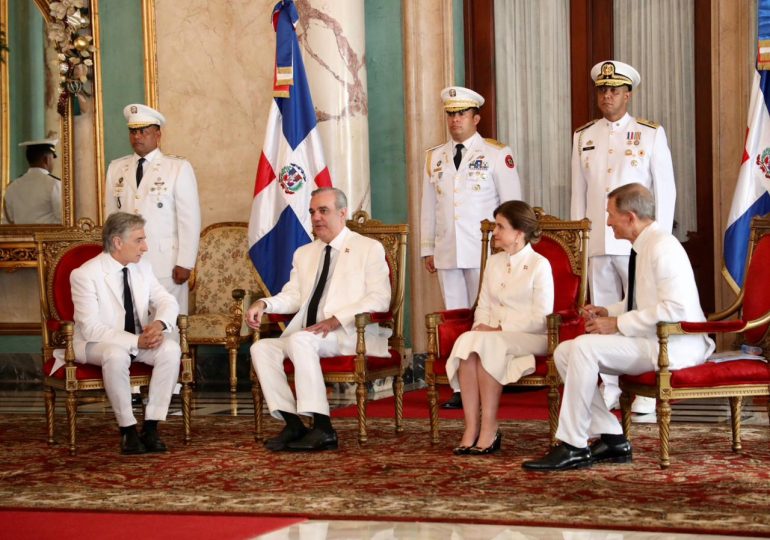
In a significant diplomatic event, President Luis Abinader of the Dominican Republic officially welcomed seven new ambassadors during a formal ceremony held at the National Palace’s Ambassadors’ Hall. The occasion, attended by Vice President Raquel Peña and Foreign Minister Roberto Álvarez, marked the commencement of diplomatic missions from the European Union, the Sovereign Military Order of Malta, India, the United States, Norway, the Czech Republic, and Belarus. The ceremony began with Raúl Fuentes Milani, the European Union’s new representative, a veteran diplomat with expertise in global health and European affairs. Enrique Antonio Valdez Aguiar, representing the Sovereign Military Order of Malta, followed. Kishan Dan Dewal, India’s new ambassador with over two decades of international service, presented his credentials alongside Leah Francis Campos, the U.S. ambassador, who brings a wealth of experience in public affairs and foreign policy. Norway’s ambassador, John Petter Opdahl, with a distinguished career in Latin America and the Caribbean, also formalized his role. Zdeněk Kubánek, the Czech Republic’s representative, known for his work in international trade and Latin American diplomacy, was next. The event concluded with Belarusian ambassador Vitali P. Barchuk, who specializes in foreign economic relations and previously served in Cuba.
标签: Dominican Republic
多米尼加共和国
-

Adompretur represents Dominican Republic at international tourism journalism congress in Brazil
CAXIAS DO SUL, BRAZIL – The Dominican Association of Tourism Press (Adompretur) has elevated the nation’s profile on the global stage through its influential participation in the 15th International Congress of Journalists and Tourism Professionals. Hosted in the Brazilian city of Caxias do Sul, the prestigious gathering was orchestrated by the World Organization of Tourism Journalism (OMPT), centering on the powerful theme, ‘Tourism that moves, history that inspires.’
A high-level delegation from Adompretur, comprising both national and regional leadership, articulated a progressive vision for tourism journalism. They asserted that the field’s fundamental role extends beyond mere promotional activities to encompass the crafting of impactful narratives that celebrate cultural heritage, empower local communities, and champion sustainable practices.
The congress served as a platform for honoring excellence in the sector. The OMPT conferred institutional accolades, most notably inducting two distinguished Latin American journalists into the World Hall of Fame of Tourism Leaders and Tourism Journalists: Kevin Casanova of Colombia and Jesús ‘Chuy’ Coronado of Mexico. In a significant recognition of individual dedication, Adompretur’s Secretary General, Carmen Bretón, was presented with a special award lauding her enduring contributions to the advancement of responsible tourism communication.
A key outcome of the international meeting was the fortification of cross-border collaborative networks and the establishment of new strategic partnerships. Furthermore, the event significantly boosted the status of host city Caxias do Sul, securing its inclusion in the UN Tourism Global Network of Emerging Destinations. For Adompretur, this active engagement not only cements its standing as a regional authority in tourism journalism but also markedly amplifies the Dominican Republic’s presence and influence within crucial international tourism dialogues.
-

U.S. authorities intercept smuggling attempt on ship from the Dominican Republic
In a significant narcotics interception, US Customs and Border Protection (CBP) personnel in Puerto Rico have confiscated 530 kilograms of cocaine with an estimated street value exceeding $10 million. The seizure occurred aboard the M/V Lyktos, a vessel arriving from the Dominican Republic, highlighting ongoing security challenges in Caribbean maritime routes.
The discovery was made on November 11 when CBP’s Counter Terrorism Smuggling Enforcement Team conducted routine inspections. Agents identified anomalies in several containers during their initial screening, prompting an intensified examination. The narcotics were concealed using sophisticated methods, including modified chassis compartments and canvas bags strategically hidden within legitimate cargo.
Roberto Vaquero, CBP’s Director of Field Operations in San Juan, emphasized that the operation demonstrates the agency’s continued vigilance and specialized capabilities. “This seizure reflects our commitment to preventing drug trafficking through advanced detection methods and intelligence-driven operations,” Vaquero stated.
Authorities employed multiple resources including detection technology, intelligence analysis, and specially trained canine units to locate the concealed substances. The sophistication of the concealment methods indicates evolving tactics by traffickers attempting to bypass security measures.
Following the seizure, Homeland Security Investigations (HSI) has assumed control of the case for further investigation and prosecution. The waters west of Puerto Rico, particularly the Mona Passage separating the island from the Dominican Republic, remain a high-risk zone for drug trafficking activities due to their strategic location and challenging monitoring conditions.
-
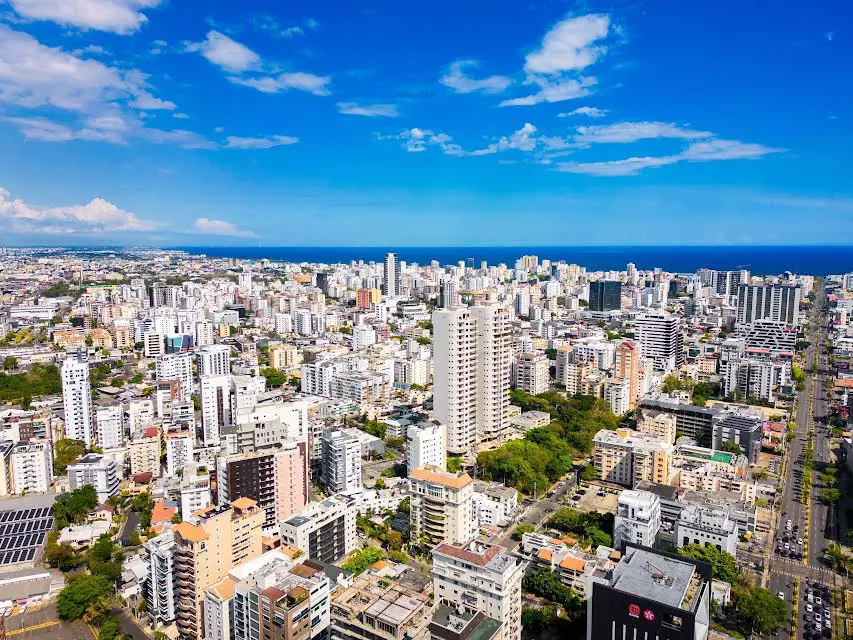
IMF projects 2026 economic acceleration for the Dominican Republic
SANTO DOMINGO – The International Monetary Fund has concluded its Article IV consultation for the Dominican Republic, delivering a broadly positive assessment of the nation’s economic trajectory through 2025. While acknowledging a recent growth deceleration attributed to global financial tightening and worldwide uncertainty, the Fund projects a robust recovery with growth accelerating to 4.5% in 2026, nearing the country’s long-term potential of approximately 5%.
The IMF’s preliminary findings highlight the Dominican Republic’s strong economic fundamentals, which include manageable risks and significant policy flexibility to counteract adverse scenarios. This resilience has been bolstered by expansive fiscal and monetary policies that have stimulated a gradual rebound in key sectors. Notably, credit activity, export volumes, and the vital tourism industry have all demonstrated strengthened performance. Inflation remains well-contained, with an estimated average of 3.7% for the year 2025.
External sector stability is another cornerstone of the assessment. The current account deficit is projected to hold steady at around 2.5% of GDP, a level deemed sustainable as it is fully financed by robust foreign direct investment flows, signaling enduring investor confidence.
Despite a risk profile where external challenges—including volatile financial conditions and vulnerability to climate events—currently outweigh domestic positives, the IMF asserts the country is well-equipped to handle potential shocks. This capacity stems from substantial international reserves, a stable banking sector, and the existence of fiscal space for countercyclical measures.
The consultation placed significant emphasis on the critical need for structural reforms. Key recommendations include advancing a comprehensive tax reform designed to boost government revenues by rationalizing generalized subsidies, all while safeguarding essential social spending. The adoption of a medium-term revenue strategy was advised as a framework for broader fiscal modernization.
Furthermore, the IMF stressed the urgency of fully implementing the national Electricity Pact to reduce substantial sector losses and alleviate fiscal pressures. The Fund also advocated for enhanced governance, labor market flexibility, and social security reforms aligned with the country’s Meta 2036 development plan. Increased public investment in infrastructure, education, and healthcare was identified as vital for fostering more inclusive and competitive growth.
On monetary policy, the Central Bank’s approach was deemed appropriate. The IMF recommended maintaining exchange rate flexibility, limiting foreign exchange interventions to episodes of severe market disruption, and strengthening the monetary transmission mechanism while gradually phasing out extraordinary liquidity support introduced during past crises.
The financial system was recognized as sound with low systemic risk. The IMF encouraged authorities to continue bolstering regulatory and supervisory frameworks, fully implement Basel II and III capital standards, and further enhance policies to combat money laundering and terrorist financing.
-

Tourist taxi drivers announce protest against Intrant measures
The Dominican Confederation of Tourist Taxi Drivers (Codotatur) has announced plans to stage street protests in response to the National Institute of Transit and Land Transportation (Intrant) granting tourist licenses to drivers allegedly operating illegally in Arroyo Barril (Samaná) and Bayahibe (La Romana). Codotatur president Santiago Zamora accused Intrant of violating Law 63-17 by issuing these licenses without adhering to the legally mandated procedures. He claimed that the institution bypassed proper protocols to favor undisclosed interests tied to its director. This week, the union intends to file a formal complaint against the decision, which they argue jeopardizes the livelihoods of long-standing licensed drivers. Zamora emphasized that Codotatur members have been operating for over four decades, paying taxes, complying with regulations, and delivering safe, high-quality services. Despite submitting all necessary documentation for license renewals more than three years ago, they have yet to receive their licenses, while so-called ‘pirate’ drivers have allegedly been granted permits. Zamora also highlighted the contradiction between the Ministry of Tourism’s crackdown on unlicensed taxis and Intrant’s alleged support for them. Codotatur has alerted its members and is prepared to block major tourist routes if their demands are not met.
-
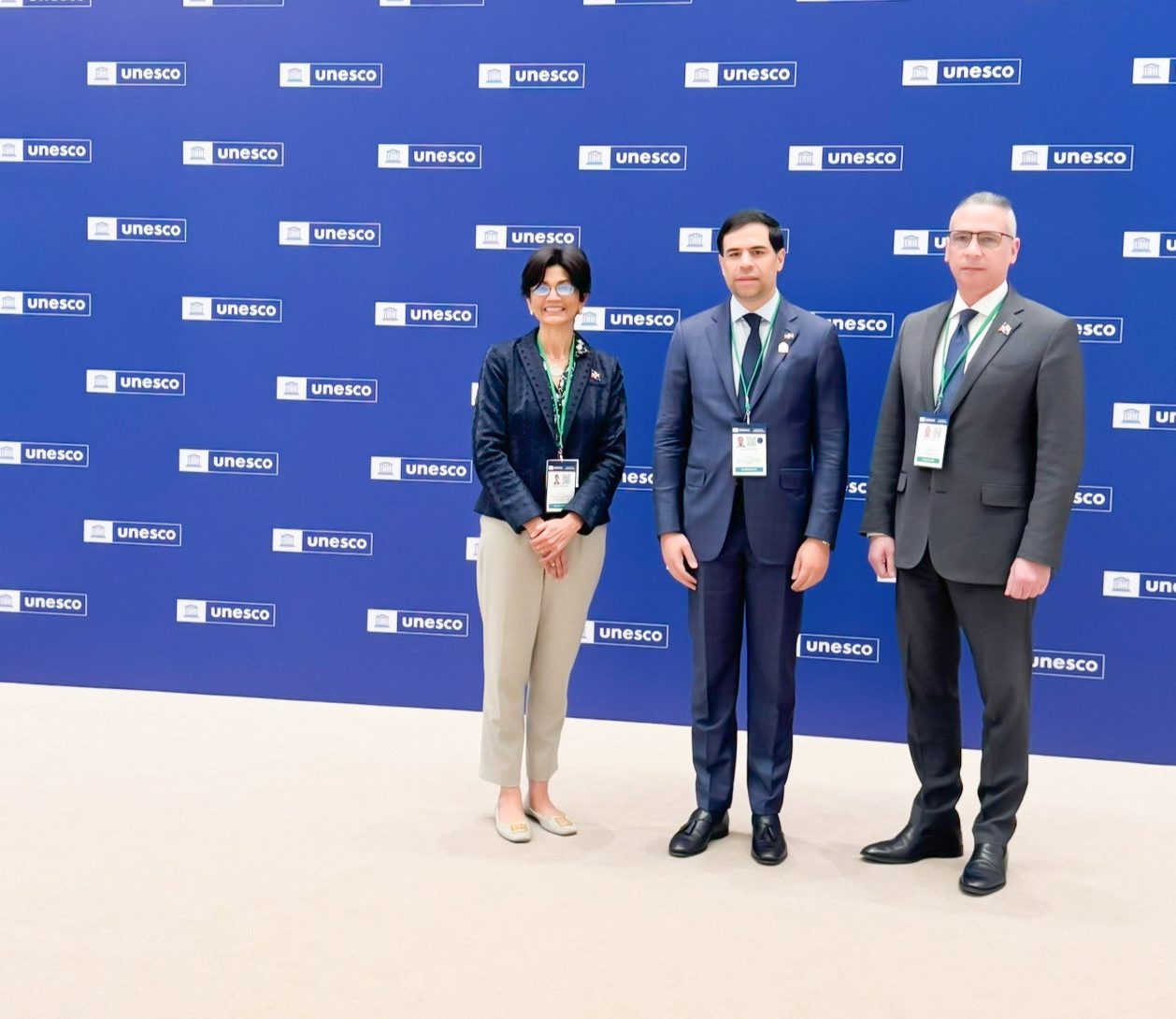
Dominican Republic takes part in UNESCO’s 43rd General Conference in Uzbekistan
The Dominican Republic made a significant impact at the 43rd General Conference of UNESCO, a historic event held in Samarkand, Uzbekistan—marking the first time in 40 years that the conference took place outside Paris. The Dominican delegation, led by Minister of Culture Roberto Ángel Salcedo, actively participated in high-level discussions, emphasizing the nation’s dedication to cultural diversity, heritage preservation, and the expansion of creative industries. Minister Salcedo highlighted the crucial role of youth in driving cultural innovation and called for more equitable international cooperation, particularly advocating for increased Caribbean involvement in UNESCO’s strategic initiatives. Ambassador Larissa Veloz Santana, the Dominican Republic’s Permanent Delegate to UNESCO, played a pivotal role in aligning national priorities with global agendas. She engaged with key stakeholders, participated in working committees, and reinforced partnerships within the multilateral framework. The delegation also included representatives from the Ministry of Culture, the Dominican National Commission for UNESCO, and diplomatic missions in Uzbekistan and Russia, all contributing to the technical and diplomatic efforts. Throughout the conference, the Dominican Republic championed cultural policies aligned with the 2030 Agenda, emphasizing the importance of creativity, heritage protection, and cultural diversity on the global stage.
-

Presidency clarifies digital service disruptions were caused by external providers
The Dominican Republic’s Presidency has officially addressed the temporary disruptions experienced by users on various digital platforms earlier in the day, attributing the issue to a global technical incident involving Cloudflare, a leading international company that supports numerous websites and online services worldwide. The government clarified that the outages were not caused by failures within its own systems, emphasizing the robustness of its digital infrastructure. Cloudflare confirmed the incident, citing network degradation that temporarily affected platform performance and stability across the region and other parts of the globe. Despite the external outage, the Dominican government’s critical systems, including institutional websites, administrative platforms, service channels, and internal networks, remained fully operational. This resilience was credited to the State’s redundancy mechanisms, backup systems, and continuous monitoring protocols. The Directorate of Strategy and Government Communication (DIECOM) reported that its technical team has been actively monitoring the situation since the incident began, coordinating with local providers to ensure overall connectivity. Government officials reiterated that the disruptions did not originate from State platforms and reaffirmed their commitment to modernization, cybersecurity, and enhancing the country’s digital resilience to provide reliable and accessible services for all citizens.
-
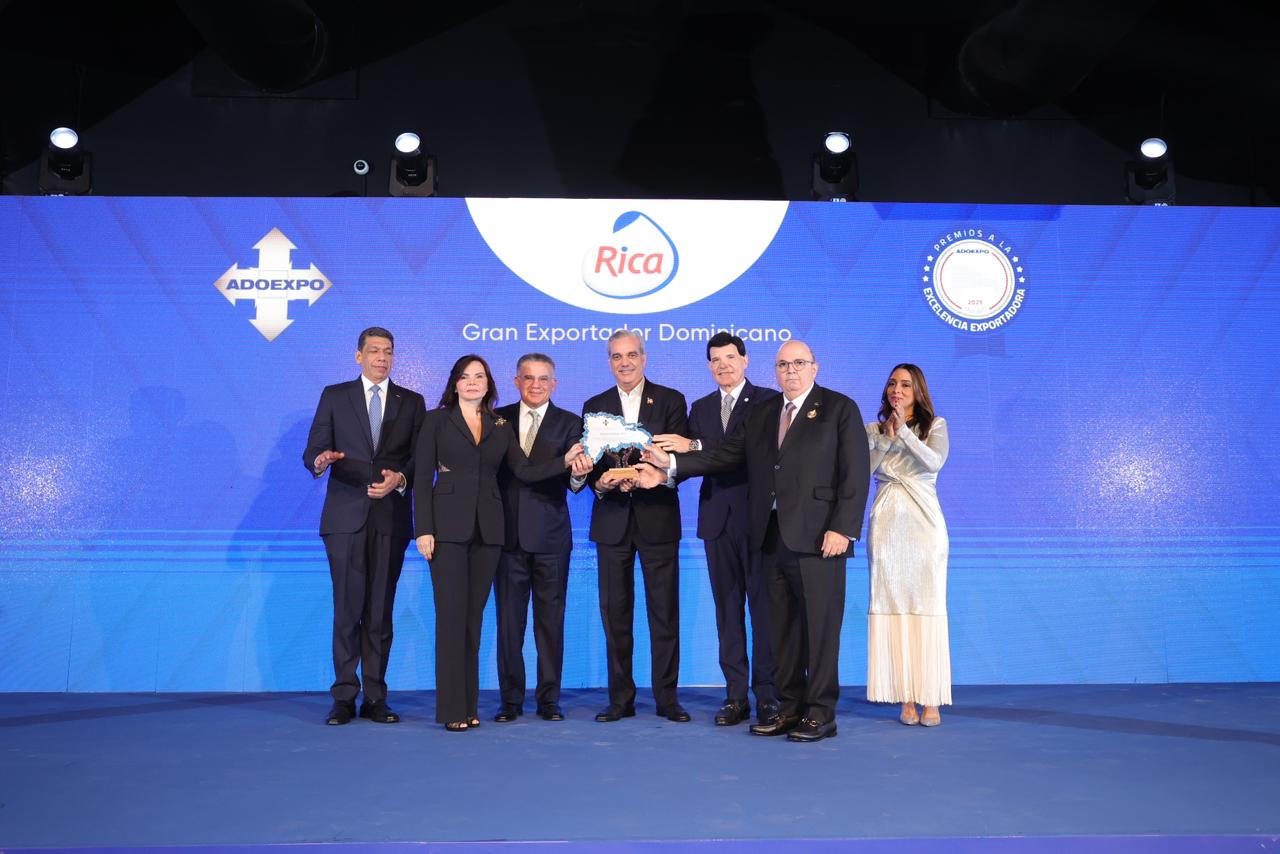
Adoexpo: exports surpassed US$12 billion and grew 10.3% in 2025
The Dominican Republic has marked a significant milestone in its export sector, closing the first ten months of 2025 with over US$12 billion in exports and a robust 10.3% growth rate. These figures were unveiled by the Dominican Exporters Association (Adoexpo) during the 39th Export Excellence Awards, an event presided over by President Luis Abinader. The ceremony celebrated companies that have made remarkable contributions to international markets. Adoexpo President Karel Castillo highlighted the country’s strong performance, with exports to the United States exceeding US$6 billion and shipments to the Caribbean reaching US$1.7 billion, reflecting a 15% increase. Castillo emphasized the Dominican Republic’s growing influence in both traditional and emerging markets, including India, and called for sustained reforms in logistics, technical education, regulatory modernization, and labor flexibility to solidify the nation’s position as a regional export powerhouse. Roselyn Amaro Bergés, Adoexpo’s Executive Vice President, presented findings from the Export Sector Indicator Study, revealing that exports totaled US$13.8 billion in 2024, creating 144,000 jobs. The study also noted significant growth in key products such as gold (+52%), cocoa (+54%), and steel laminates (+87%), with exports accounting for 29% of all foreign currency entering the country in 2025. The awards ceremony honored outstanding companies across various categories, with Pasteurizadora Rica receiving the prestigious title of Great Dominican Exporter. Other awardees included Plastifar, BotPro, Successment, Ghidora (Blink Esports), Textilab x Angie Polanco, Aparataje Distribution, Grupo RR&T, B Brawn Dominican Republic, Smurfit Westrock, and Nahshar Produce. Special recognitions were also extended to sector veterans, public institutions, private companies, media outlets, and journalists for their contributions to the development of national exports.
-
Abinader: new Summit of the Americas date depends on consensus with U.S. and allies
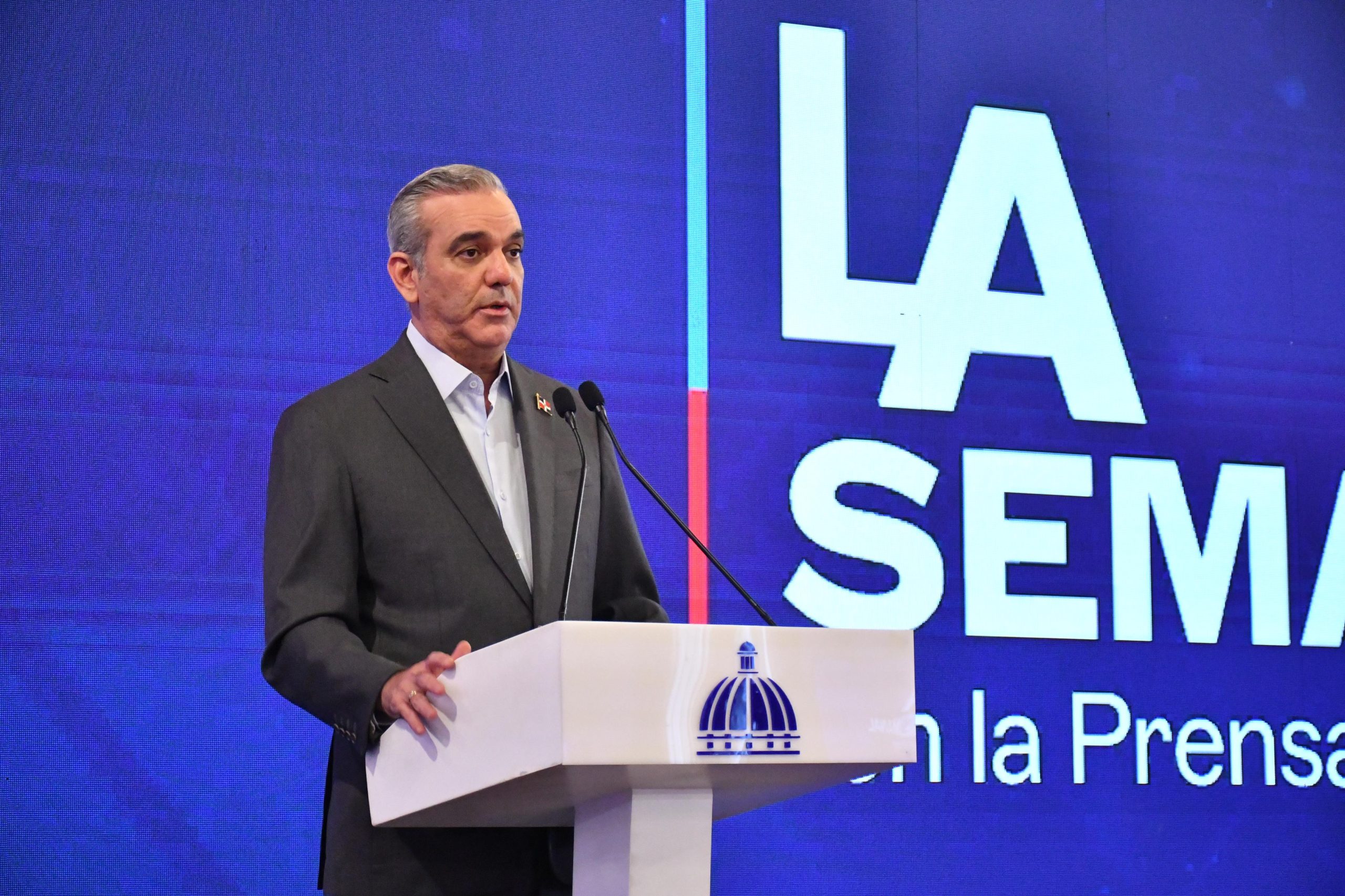
Santo Domingo – President Luis Abinader announced on Monday that a new date for the postponed Summit of the Americas has yet to be finalized. The decision, he stated, will be made in collaboration with the United States and other participating nations. Speaking during ‘LA Semanal con la Prensa,’ Abinader revealed that prior to the postponement, approximately ten to eleven countries had confirmed their attendance, with several others still undecided. The Dominican government is currently evaluating the most opportune timing for the summit, particularly as many nations in the region are engaged in ongoing electoral processes. Abinader highlighted that scheduling the event after these elections would enable newly elected or re-elected presidents to participate with fresh mandates and greater availability. He further stressed that the final decision will be coordinated with key regional partners, including the United States and Brazil.
-
U.S. drops tariffs on Dominican agricultural and industrial exports
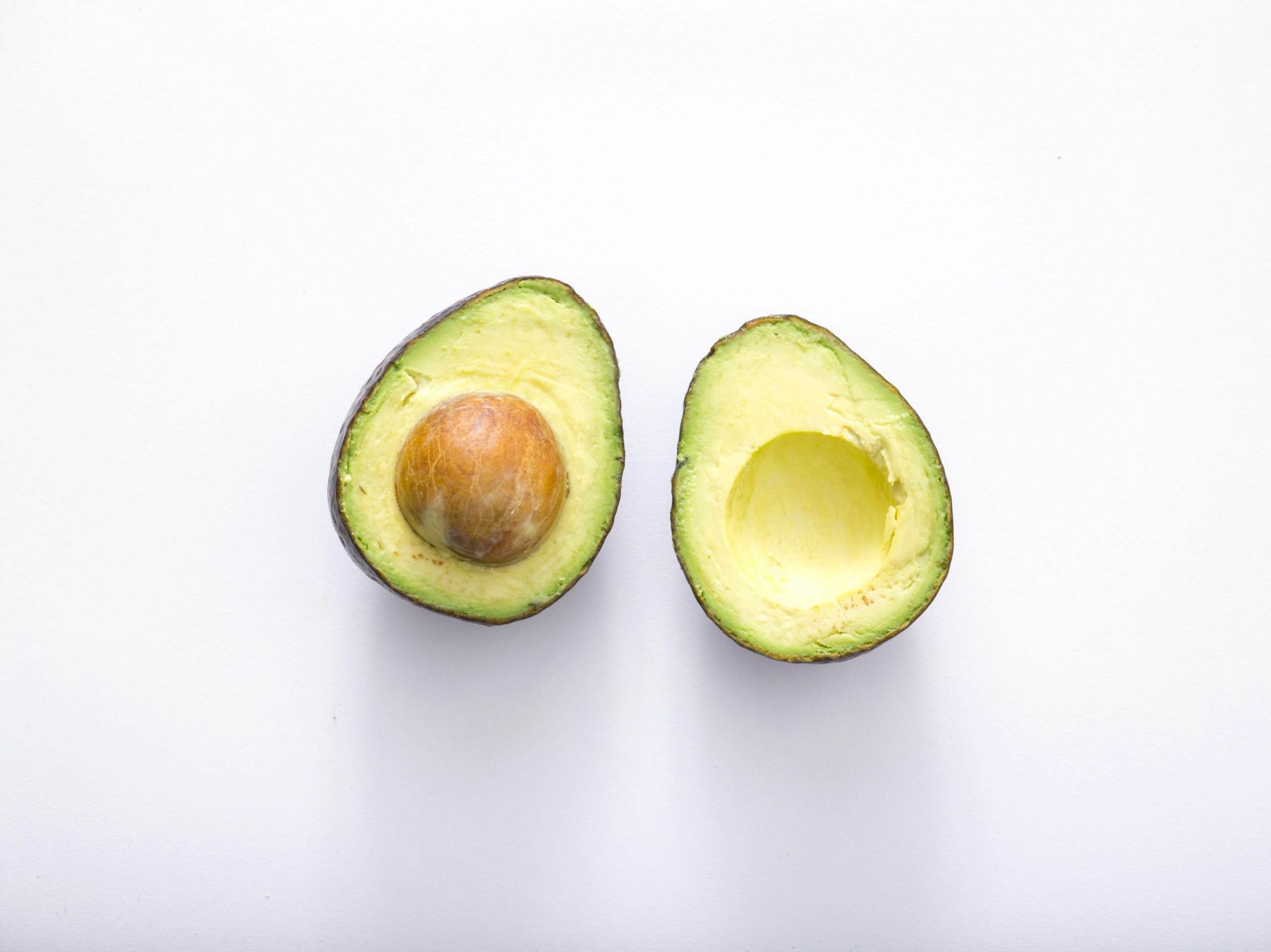
The United States government has enacted a significant tariff reduction, eliminating duties on more than 1,000 products by amending Executive Order 14257. This policy change, signed by President Donald Trump and effective from November 13, updates the Harmonized Tariff Schedule for imported goods and directly benefits the Dominican Republic. The Caribbean nation exports approximately $581 million worth of these goods to the U.S. market annually. The updated list includes a wide range of products such as cocoa, gold, medicines, semiconductors, avocados, bananas, coffee, tomatoes, mangoes, guavas, coconuts, plantains, and papayas. Dominican Minister of Industry, Commerce, and MSMEs, Víctor ‘Ito’ Bisonó, hailed the decision as a major cost-saving measure for Dominican exporters. He emphasized that the government would continue negotiations with U.S. agencies to secure zero tariffs for additional exports. President Trump justified the move by citing a review of trade data, domestic production capacity, and ongoing negotiations with trading partners, deeming the expansion of tariff-exempt products ‘necessary and appropriate.’ The revised order notably removes certain agricultural goods from the list of tariff-affected items, further enhancing trade relations between the two nations.