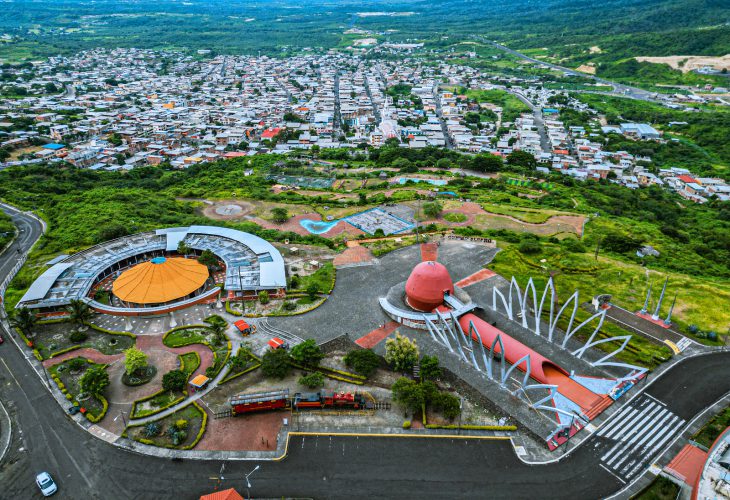
The United Nations System is set to mark its 80th anniversary with a vibrant public fair titled “UN Fair: 80 Years Building the Future!” The event will take place on October 17 and 18, from 10:00 a.m. to 5:00 p.m., at the Publishing Pavilion in the Plaza de la Cultura, Santo Domingo. Open to all, the fair aims to engage citizens, particularly youth and families, in exploring the UN’s global and national contributions through a variety of activities, including exhibitions, interactive spaces, and panel discussions. These will highlight eight decades of collaboration between the UN and the Dominican Republic, emphasizing themes such as peace, equality, sustainability, and human rights. The two-day celebration will feature a diverse program of artistic performances, storytelling, and interactive experiences designed to educate and inspire. The event is supported by key national institutions, including the Presidency of the Republic, the Ministries of Culture and Education, PLERD-MINERD, the UNESCO Associated Schools Network, and the Mayor’s Office of the National District. Additionally, private sector and civil society partners such as Mercasid Group, the Association of Multiple Banks (ABA), KahKow, “El Sistema de Punta Cana,” and FUNDARMONIARTES have joined the initiative. Julia del Carmen Sánchez, UN Resident Coordinator in the Dominican Republic, emphasized that the fair aims to empower citizens, especially young people, as agents of change while celebrating the enduring partnership between the UN and the Dominican Republic in fostering sustainable development and equal opportunities.
标签: Dominican Republic
多米尼加共和国
-

Dominican Republic’s president vows history-making Central American and Caribbean Games 2026
The Dominican Republic is set to host the 25th Central American and Caribbean Games in 2026, marking what is anticipated to be the largest edition of this prestigious regional multi-sport event. President Luis Abinader has declared that the nation will make history through its hosting of the Games, which will bring together over 6,000 athletes competing for a record-breaking 3,244 medals. The government has already allocated RD$315 million to the Dominican Olympic Committee to support athlete training, coaching, and preparatory camps, with high-performance athletes receiving a 100% increase in funding. The event will feature 40 sports, 57 disciplines, and 63 modalities, with 483 events held across eight venues, including the National District, Santo Domingo, Santiago, Bonao, Punta Cana, Cabarete, Baní, and Juan Dolio. Approximately 90% of the venues are expected to be completed by December 2025, with significant investments in facilities such as the Juan Pablo Duarte Olympic Center and Parque del Este. A lasting legacy of the Games will be the ‘Villa Centroamericana y del Caribe,’ a complex of 150 low-cost housing units that will be converted into affordable homes for Dominican families post-event. President Abinader emphasized that the Games will promote inclusion, national unity, and partnerships across various sectors, while also enhancing the Dominican Republic’s identity and regional reputation. This initiative underscores the government’s strategy to leverage major sporting events for urban development, housing solutions, and national branding.
-

Social Security in the sun: Using your U.S. benefits to retire in the Dominican Republic
For many Americans, the idea of retiring in the Dominican Republic is no longer just a dream but an attainable and affordable reality. With over 700,000 Americans receiving Social Security benefits abroad in more than 180 countries, the Dominican Republic has emerged as a top destination for retirees seeking a lower cost of living and a slower pace of life. The country’s tropical climate, vibrant culture, and ease of managing U.S. benefits make it an attractive option for those looking to stretch their retirement dollars. From the mountain views of Jarabacoa to the coastal tranquility of Punta Cana, retirees can enjoy a high quality of life while making their Social Security payments go further. The U.S. Social Security Administration (SSA) approves the Dominican Republic for receiving benefits abroad, ensuring retirees can access their funds seamlessly. To manage payments, most retirees maintain a U.S. bank account and transfer funds as needed, though opening a local account in pesos or U.S. dollars is also an option. Popular banks like Banreservas, Banco Popular, and Scotiabank support international transactions, making financial management straightforward. Retirees can also minimize transfer fees by using services like Wise, Remitly, or Xoom, which offer competitive exchange rates and low fees. The cost of living in the Dominican Republic is significantly lower than in the U.S., with a single retiree living comfortably on $1,500–$2,000 per month and couples budgeting around $2,500. Rent in mid-sized cities like Santiago averages $850–$1,100, while smaller towns offer even more affordable options. Fresh local produce and dining out are inexpensive, though imported goods tend to be pricier. Healthcare is high-quality and far more affordable than in the U.S., adding to the appeal. Retirees can also explore residency options through the Pensionado visa, which requires a guaranteed monthly income of at least $1,500. Many retirees are choosing to purchase property in full-service residential communities, which offer amenities like 24-hour security, pools, gyms, and beachfront access, often with tax incentives under the CONFOTUR law. For those considering this lifestyle, real estate professionals like Rosalyn Ortega-Elie of Smart Caribbean Properties provide guidance on selecting the right community and navigating the legal process of buying property abroad. With its affordability, beauty, and ease of living, the Dominican Republic is becoming an increasingly popular choice for Americans looking to retire in paradise.
-

MIVED raids Suplax store operating illegally after official closure
In a bold move to enforce regulatory compliance, officials from the Ministry of Housing and Buildings (MIVED) conducted an unexpected inspection at the Suplax store in Santo Domingo this Monday. The establishment, which had been officially shut down weeks prior, was found to be operating illegally, defying the closure order. The raid was prompted by an investigative report from N Digital, which exposed the store’s continued operations. Upon arrival, inspectors discovered dozens of employees and customers engaged in transactions, leading to chaos as individuals scrambled to exit the premises, some even attempting to conceal merchandise. MIVED authorities have declared that Suplax will face severe penalties for its blatant disregard of the closure mandate and violations of building and business regulations. The ministry emphasized its unwavering commitment to upholding the law across the nation and issued a stern warning that unauthorized reopening of closed establishments will result in stringent legal consequences.
-

La Niña returns, increasing risk of flooding and extreme weather
Santo Domingo.- The La Niña weather phenomenon has made its return, and meteorologists are sounding the alarm for the Dominican Republic. This climatic event, characterized by cooler-than-average equatorial Pacific waters, is set to bring significant changes to the region’s weather patterns over the next few months. Experts predict heavy rainfall, widespread flooding, and a marked decrease in temperatures across much of the country. La Niña’s influence extends to altering wind patterns and atmospheric circulation, indirectly impacting the Caribbean climate. The phenomenon is expected to increase the frequency of troughs, tropical waves, and low-pressure systems, heightening the risk of flash floods reminiscent of the severe rainfall event on November 4, 2022. On a more positive note, La Niña will also usher in cooler temperatures, particularly in mountainous regions such as Valle Nuevo, where temperatures could plummet to -7°C to -8°C, and Pico Duarte, where sub-zero conditions are anticipated. However, authorities remain vigilant, as La Niña’s reduction of wind shear could facilitate the formation and intensification of tropical cyclones in the Caribbean Sea, posing a continued risk of storms and hurricanes. Climate models suggest that La Niña will remain active until February or March 2026, ensuring prolonged periods of rainfall across the nation before transitioning to a neutral phase.
-

Shino Correa: a symbol of the Dominican diaspora in Washington Heights
For years, Shino Correa, affectionately known as Aguakate, has been a beacon of joy, laughter, and inspiration for the Latino community in New York City. His extraordinary versatility sets him apart: by day, he is a dedicated radio personality at X96.3, and by night, he transforms into a captivating merengue artist. This dual role not only highlights his relentless work ethic but also cements him as a symbol of resilience, talent, and commitment that embodies the Hispanic community in the United States. Beyond his artistic and professional endeavors, Shino has long been a pillar of his community. He has organized events, championed youth programs, and mentored countless individuals, offering guidance and inspiration to those who admire him. His contributions extend far beyond entertainment; they foster unity, pride, and a sense of belonging among Dominicans and Latinos in NYC. Recently, Shino’s impact was formally recognized with a proclamation in Paterson, presented by Councilman Luis Vélez. This accolade underscores not only his professional success but also the profound influence he has had on Dominican families and the broader community. While many artists have recently embraced Spanish-language music, Shino has been a trailblazer in NYC, staying true to his roots long before it became a trend. Witnessing his journey is a privilege, and calling him a friend is an even greater honor. Shino Correa exemplifies how talent, passion, and hard work can uplift a community. His music, voice, and dedication continue to inspire countless individuals, proving that leadership, creativity, and generosity can coexist in one extraordinary individual.
-

Leah Francis Campos sworn in as new U.S. Ambassador to the Dominican Republic
Washington, D.C. — Leah Francis Campos has officially taken the oath as the new U.S. Ambassador to the Dominican Republic, commencing her diplomatic duties in Santo Domingo. Appointed by President Donald J. Trump and confirmed by the U.S. Senate on October 7, 2025, following her nomination in December 2024, Campos expressed profound gratitude for the opportunity. In a heartfelt social media post, she acknowledged the unwavering support of her family, friends, and political allies, emphasizing the honor of representing the United States in a nation that serves as a pivotal partner in the Caribbean region.
Her appointment marks the end of a transitional period during which the U.S. Embassy in the Dominican Republic was overseen by a Chargé d’Affaires, signaling a reinvigorated U.S. commitment to fostering robust bilateral ties. A seasoned career diplomat and former CIA analyst, Campos brings a conservative perspective and extensive foreign service experience to her new role. She is anticipated to arrive in the Dominican Republic shortly to formally present her credentials to President Luis Abinader.
During her Senate confirmation hearing, Ambassador Campos articulated her key priorities, which include advancing trade and investment opportunities, enhancing security collaboration to combat drug trafficking and organized crime, addressing irregular migration challenges, and countering China’s expanding influence in the region. Her tenure is expected to focus on deepening the strategic alliance between Washington and Santo Domingo, emphasizing mutual cooperation, security, and shared prosperity.
-

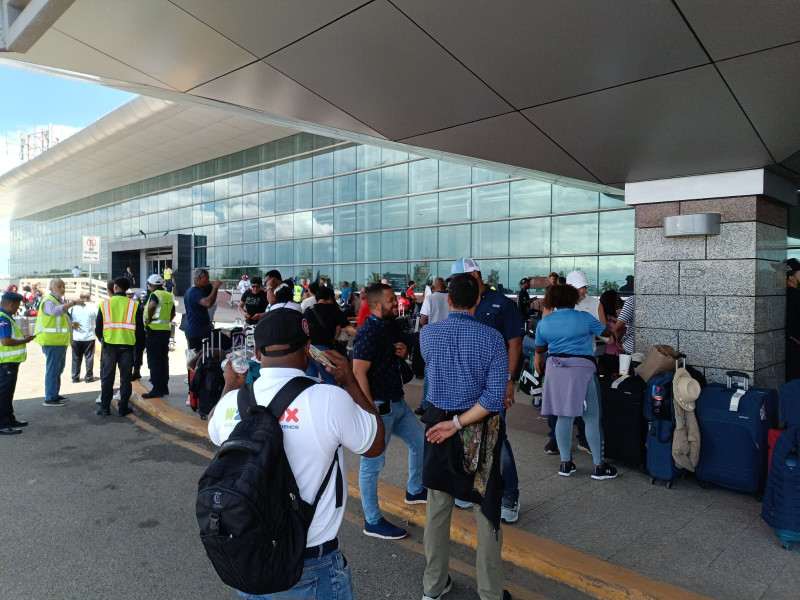
Las Américas Airport advances toward designation as official health entry point
The Dominican Republic’s Ministry of Public Health, in partnership with national and international entities, is making significant strides to designate Las Américas International Airport (AILA–Dr. José Francisco Peña Gómez) as an official Health Point of Entry under the International Health Regulations (IHR-2005). This initiative aims to equip the airport with essential protocols, advanced equipment, and trained personnel to effectively address public health emergencies, including disease outbreaks and other health threats affecting travelers and local residents.
-

Over 3,500 Dominicans deported from the U.S. in 2025
In 2025, the United States has deported a total of 3,581 Dominican citizens, as reported by the General Directorate of Migration (DGM). Among these deportees, 2,452 individuals (68.47%) were expelled for illegal migration, while the remaining 1,129 faced deportation due to various criminal offenses. The DGM provided a detailed breakdown of the crimes associated with the deportees: 553 were linked to drug-related offenses, 126 to assault, 101 to acts of violence, 67 to illegal possession of weapons, 42 to sexual offenses, 35 to homicide, 22 to fraud, and 17 to the use of false documents. Additionally, cases involving money laundering, smuggling, and human trafficking were mentioned, though specific figures were not provided. This surge in deportations aligns with the stricter immigration policies implemented by former U.S. President Donald Trump, which target individuals considered security or economic risks. Upon their return to the Dominican Republic, deportees are processed at the airport and transferred to the Haina detention center for identity verification. Those without pending legal issues are released to their families, while others are referred to the Attorney General’s Office for further legal action.
-

Owner of Rumba bar in Sosúa retains rights to business despite possible deportation
In the wake of social media speculation regarding the alleged forfeiture of property belonging to Bahamian national Devree Antoine Holis, known as ‘Ray,’ El Nuevo Norte has issued a clarification. The media outlet emphasized that deportation or forced departure from the Dominican Republic does not equate to the loss of legally acquired private property. Holis, the owner of the Rumba bar on Pedro Clisante Street in Sosúa, Puerto Plata, had recently applied for Dominican residency but lacked legal immigration status at the time of his arrest following an altercation with Politur agents. According to Dominican law, foreigners can engage in legal transactions, such as purchasing property or businesses, within the three-month legal stay period, provided they possess valid documentation like a passport, visa, or temporary permit. A legal expert explained that while the government may deny residency, deportation does not strip foreigners of their assets. Holis’s partner continues to manage the bar, which remains operational. The incident leading to his potential deportation involved an altercation with police officers stationed near his establishment. Legal provisions under the General Migration Law (285-04) govern residency applications and property rights, ensuring that deportation does not invalidate ownership. El Nuevo Norte has urged the public to avoid spreading unverified information as the case remains under investigation by immigration authorities and the Sosúa Prosecutor’s Office.