标签: Dominican Republic

多米尼加共和国

  • Comptroller’s Office issues new rules to strengthen public payment transparency

    Comptroller’s Office issues new rules to strengthen public payment transparency

    In Santo Domingo, the Dominican Republic’s top financial oversight body has rolled out a updated regulatory framework aimed at tightening transparency, accountability, and transaction tracking for public institution payments tied to credit assignments and factoring operations.

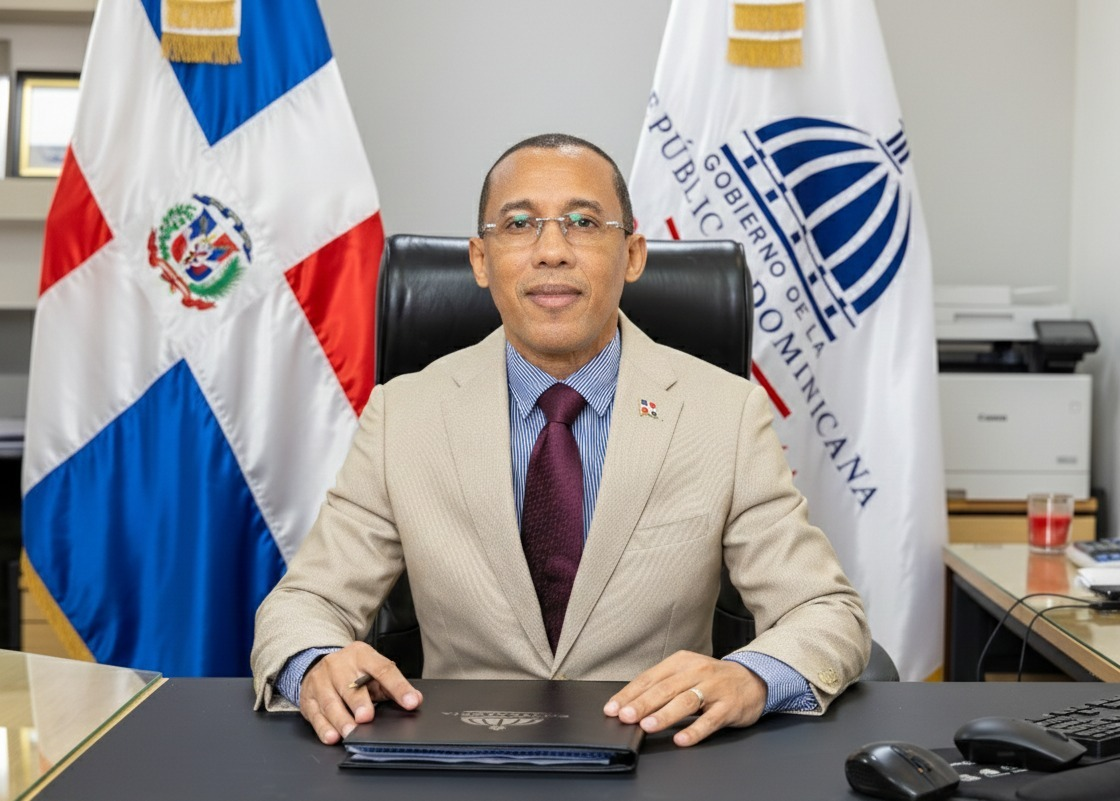
    The new policy, officially signed off by Comptroller General Geraldo Espinosa, was crafted to address gaps in current financial oversight by requiring clear, verifiable identification of every stakeholder involved in these transactions, while strengthening monitoring of all government-connected financial flows. Unlike previous loose guidelines, the new circular sets non-negotiable strict eligibility requirements for any payment request that involves transferred collection rights — any submission that fails to meet these standards will be automatically rejected.

    A core mandate of the new directive requires the assignee (the party receiving the assigned credit rights) to complete registration as an official beneficiary both with the Dominican National Treasury and the country’s central Financial Management Information System, known locally as Sigef, before any payment can receive final approval. For assignees that have not yet completed this registration process, the relevant public institutions are required to guide them through the mandatory registration procedure aligned with existing national financial regulations.

    The circular also clarifies procedural standards for processing payments and applying required tax withholdings. Under the new rules, financial records will first attribute the transaction to the original supplier before the final funds are transferred to the assignee, creating a clear paper trail for auditors. Municipal governments and public entities that currently operate outside the Sigef system have been formally instructed to adjust their internal financial protocols to align with these new oversight guidelines.

    Officials note that this new circular is not an isolated rule change, but a key component of a government-wide broader strategy to upgrade internal financial controls across all public sector institutions, reduce opportunities for financial mismanagement and corruption, and improve the overall quality of public financial governance in the country.

  • MSC Cruises to establish permanent base in La Romana

    MSC Cruises to establish permanent base in La Romana

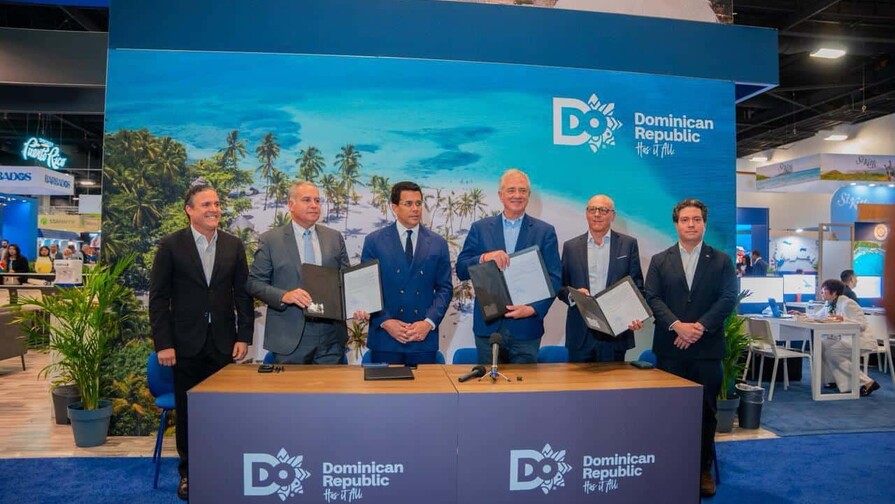
    At the annual Seatrade Cruise Global conference held in Miami, Dominican Republic’s Minister of Tourism David Collado made a landmark announcement for the country’s travel and cruise sector: starting in November 2026, the Caribbean nation will host the first permanent, year-round homeport for a major European cruise line, based out of the eastern coastal city of La Romana.

    This historic initiative grew out of a newly signed partnership between leading European cruise operator MSC Cruises and Costasur Casa de Campo. The agreement covers far more than just the homeport establishment: it also includes plans for the management and sustainable development of Catalina Island, as well as a major expansion of cruise itineraries that will add multiple new Dominican destinations to MSC Cruises’ global routes.

    Regional and industry stakeholders have highlighted that this project is expected to deliver widespread economic benefits across the Dominican Republic, particularly in the country’s eastern region where the port is located. Projections point to significant new foreign direct investment flowing into the local tourism infrastructure, a measurable boost to overall national visitor arrivals and spending, and the creation of hundreds of new permanent and seasonal jobs for local workers.

    Cruise industry leaders have emphasized the strategic value of this milestone. A permanent year-round homeport is far more impactful for a destination than occasional port calls, as it drives consistent visitor traffic and generates ongoing economic activity, rather than the seasonal fluctuations that characterize many Caribbean cruise markets. This move is expected to significantly strengthen the Dominican Republic’s competitive position in the $50 billion global cruise industry, and aligns with the national government’s long-term strategy to establish the country as one of the Caribbean’s leading central cruise hubs.

  • Transport unions freeze rates for 20 days amid fuel price surge

    Transport unions freeze rates for 20 days amid fuel price surge

    Amid global market volatility triggered by the Iran conflict that has sent international fuel prices soaring, major heavy transportation unions in the Dominican Republic, headed by the national umbrella organization Fenatrado, have rolled out a temporary emergency measure designed to absorb sudden cost increases and block an immediate jump in public and commercial transportation tariffs.

    The centerpiece of this coordinated action is a 15 to 20-day rate truce, under which cargo handling and transportation prices at the country’s two most critical commercial ports — Santo Domingo and Haina — will be held steady at pre-hike levels. This intentional freeze is structured to cushion already strained consumers and the broader Dominican economy from additional inflationary pressure at a moment of widespread global economic uncertainty.

    Union leadership, including Fenatrado vice president Miguel Matos, clarified the details of the agreement: seven of the nation’s largest transportation associations have collectively committed to covering the gap between current elevated fuel costs and their existing rate structure during the truce window. The groups are using this period to wait out potential corrections in global energy markets or await targeted intervention from the Dominican government to address rising fuel prices. Beyond consumer protection, the initiative also aims to curb rampant market speculation that could turn temporary energy price shocks into sustained, broad-based price increases across all goods and services.

    Despite the proactive short-term step, union representatives have emphasized that this cost-absorption measure cannot be maintained indefinitely. If global fuel prices remain at their current elevated levels once the truce expires, the unions confirmed they will have no choice but to implement formal upward revisions to transportation tariffs. For the immediate future, however, the coordinated action delivers much-needed temporary relief to a domestic economy already grappling with growing inflationary pressures.

  • Dominican Republic and Suriname express concern over Haiti crisis

    Dominican Republic and Suriname express concern over Haiti crisis

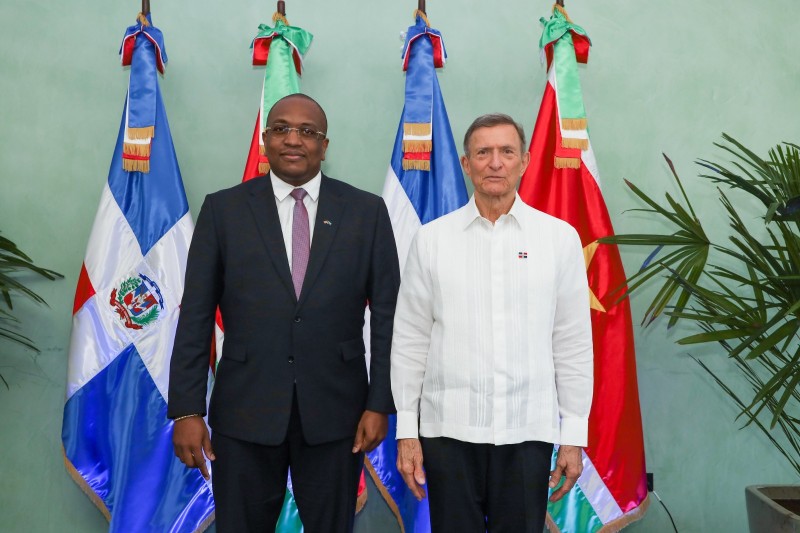
    SAINT DOMINGO — During a high-stakes official gathering hosted in the Dominican Republic’s capital, foreign ministers Roberto Álvarez of the Dominican Republic and Melvin Bouva of Suriname have jointly raised urgent alarms over the rapidly deteriorating humanitarian and security crisis unfolding in neighboring Haiti, labeling the Caribbean nation’s spiraling insecurity a critical threat to entire regional stability.

    The two top diplomats made their remarks following closed-door bilateral talks, where the dire situation in Haiti took center stage on the meeting’s agenda. Currently, Haitian armed gangs hold de facto control over roughly 90 percent of Port-au-Prince’s metropolitan area, with their territorial influence continuing to spread outward into additional regions of the already fragile country. This sprawling gang dominance has dragged Haiti into one of the deepest periods of instability in its recent history, leaving basic governance and public safety all but collapsed in large swathes of the nation.

    Against this bleak backdrop, Álvarez and Bouva issued a joint appeal to the global community, calling for scaled-up, coordinated action to deliver a comprehensive, long-lasting resolution to Haiti’s crisis. They underlined two non-negotiable pillars of any effective intervention: upholding fundamental human rights for all Haitian people, and directly confronting the violent criminal networks that have usurped state authority across most of the country. The ministers emphasized that delayed or fragmented action will only exacerbate the crisis, with spillover effects that risk destabilizing neighboring countries and the wider Caribbean region.
    Beyond the discussion of Haiti’s emergency, the meeting also marked a milestone in bilateral relations between the Dominican Republic and Suriname. The two countries signed a formal joint declaration that reaffirms their longstanding close ties, and codifies their shared commitment to core democratic values, the rule of law, and universal human rights.

    In addition to the declaration, the two sides reached a series of agreements to deepen collaboration across multiple priority sectors. These include tourism expansion, educational exchanges, cross-border trade, foreign direct investment, energy development, and collective climate action. The cooperation framework is designed to advance shared goals of sustainable development, strengthen national food security, generate new formal employment opportunities, and create a more favorable environment for private sector growth in both nations.

  • Paliza: government moves to protect cost of living and economy

    Paliza: government moves to protect cost of living and economy

    Amid escalating geopolitical tensions between the United States, Israel, and Iran that have sent ripples through global markets, the Dominican Republic has rolled out a coordinated national strategy to buffer its economy from potential fallout, according to José Ignacio Paliza, the nation’s Minister of the Presidency. The policy framework, finalized after a recent gathering of the Council of Ministers, is built around three core priorities that target both household financial stability and long-term economic resilience.

    The first pillar centers on shielding household cost of living through targeted social support programs, while the second focuses on shoring up domestic production sectors to keep economic activity growing at a steady pace. The third pillar involves a systematic restructuring of public expenditure to guarantee the government has the fiscal capacity to sustain these protective measures over the long term.

    Following the cabinet meeting, Paliza emphasized the critical role of cross-party dialogue and national unity during a discussion hosted by the Fundación Global Democracia y Desarrollo (Funglode) that included former Dominican president Leonel Fernández and senior members of the opposition People’s Force party. Fernández aligned with the government’s position, stressing that protecting democratic governance and maintaining internal social cohesion requires broad consensus across the political spectrum.

    Officials have expressed confidence in the country’s ability to absorb external economic shocks, pointing to a robust set of macroeconomic fundamentals that have been built up in recent years. As of the latest updates, the nation holds nearly US$16 billion in international reserves, maintains healthy liquidity across its financial system, and retains reliable access to global financing markets. The government also proactively locked in long-term energy supply contracts before the Middle East crisis escalated, and successfully issued 2026 public debt instruments at favorable borrowing terms ahead of the recent market volatility.

    To directly ease pressure on ordinary citizens, Dominican authorities have already allocated more than 8 billion Dominican pesos (RD$) to fuel subsidies over a five-week period. This intervention has capped domestic fuel prices, limiting the domestic impact of skyrocketing global crude oil costs triggered by the regional conflict. In a separate move to support the agricultural sector, the government has rolled out a RD$1 billion subsidy for fertilizer inputs, which has offset rising production costs for farmers and prevented sharp spikes in prices for staple food goods across the country.

  • Dominican Republic hits record USD 1.4B in March exports

    Dominican Republic hits record USD 1.4B in March exports

    The Caribbean nation of the Dominican Republic has hit an unprecedented export landmark in March 2026, with total outbound shipments hitting $1,448.6 million — a 20.7% year-over-year surge that represents the highest monthly export value ever recorded for this time of the year. This remarkable growth has been largely fueled by a dramatic boom in raw gold exports, which jumped 78.2% year-over-year to add an extra $110.8 million to the nation’s total export revenue. Beyond the mining sector, other key industries including circuit breakers, tobacco, and medical instruments also posted solid double-digit gains, providing broad-based support for the overall expansion.

    When broken down by export destination, the United States retains its position as the Dominican Republic’s largest single trading partner, absorbing just over 50% of all national exports, worth $731.3 million in total. Canada claimed second place on the destination rankings, with shipments to the North American nation soaring 150% year-over-year, a surge directly tied to increased gold exports. Neighboring Haiti came third, posting a robust 36.4% growth in Dominican exports, while Puerto Rico and China rounded out the top five destination markets.

    By product category, raw gold claimed the largest share of total exports at 17.1%, followed by medical instruments and premium cigars. The nation’s Free Zones continued to anchor overall export activity, accounting for 58% of total outbound shipments, while exports operating under the National Regime also posted unexpectedly strong expansion that outpaced initial analyst projections.

    The strong March performance aligns with broader accelerating economic momentum across the country. For the entire first quarter of 2026, cumulative Dominican exports reached $3,736.9 million, representing an 18.3% year-over-year increase. This sustained export expansion has been underpinned by robust foreign direct investment (FDI) inflows, which hit $5,032.8 million across 2025. Long anchored in the tourism, energy, and real estate sectors, FDI is increasingly diversifying into the country’s fast-growing mining and manufacturing industries, creating a more balanced and resilient economic base. Buoyed by these positive trends, the World Bank projects that the Dominican Republic will lead all countries in Latin America and the Caribbean in economic growth for 2026.

  • Spain leads foreign investment in Dominican Republic

    Spain leads foreign investment in Dominican Republic

    New data released by the Central Bank of the Dominican Republic, analyzed and published by the Spanish Chamber of Commerce, confirms a notable shift in the Caribbean nation’s foreign direct investment landscape: Spain has overtaken the United States to claim the position of the largest single source of inbound FDI for the previous year.

    Spain’s total FDI contribution to the Dominican Republic hit US$1.086 billion in the reporting period, accounting for 21.5% of all foreign capital flowing into the country that year. The United States, long a dominant investment partner for the Dominican Republic, landed in second place with a total inbound investment of US$1.042 billion, a figure just marginally below Spain’s total.

    Overall, the Dominican Republic saw a healthy expansion in total foreign direct investment last year, with aggregate inflows reaching US$5.03 billion. This represents an 11.3% year-over-year increase compared to the prior year, signaling growing international confidence in the Caribbean nation’s economic stability and growth potential.

    Government officials and business leaders from both countries point to Spain’s deliberate, long-term investment strategy as the core driver of its top position. For years, Spanish investors have prioritized deepening economic ties with the Dominican Republic, focusing commitments on high-impact sectors that drive sustained national growth.

    The bulk of Spanish investment is concentrated in two key areas: tourism, a foundational pillar of the Dominican Republic’s economy, and renewable energy, a fast-growing sector that supports the country’s decarbonization and energy independence goals. Beyond these core areas, Spanish investors are increasingly active in real estate development, infrastructure construction, financial services, and bilateral trade, spreading their impact across multiple layers of the domestic economy.

    Other major international investors in the Dominican Republic include Italy, Panama, and Mexico, but all three recorded far lower FDI volumes than either Spain or the United States. This gap underscores the outsized influence Spain now holds in supporting the Dominican Republic’s ongoing economic modernization and expansion, as bilateral economic ties continue to deepen year over year.

  • Dominican Republic to host Bike Kite Fest 2026 at Playa Buen Hombre

    Dominican Republic to host Bike Kite Fest 2026 at Playa Buen Hombre

    The Caribbean nation of the Dominican Republic is preparing to welcome international athletes and adventure travelers alike to a one-of-a-kind multi-disciplinary celebration when it hosts Bike Kite Fest 2026, a pioneering event that fuses elite sport, live entertainment, and local cultural traditions. Scheduled to run from May 30 through June 7 at the idyllic coastal stretch of Playa Buen Hombre, the festival is a collaborative project between local organizers Cibao Atlántico and Uveros Village, with a core strategic goal of elevating the destination’s profile to rank among the world’s premier kitesurfing hubs.

    The 10-day event will kick off with a challenging 100-kilometer cycling race that winds along scenic coastal routes before concluding at the festival’s beachfront base. Following the opening race, the festival’s centerpiece will be a high-stakes Big Air kitesurfing competition, overseen and officiated by officials from the Global Kitesports Association to ensure professional, international-level standards. The competitive field will feature a mix of global kitesurfing superstars, including decorated athletes Mikaili Sol and Lorenzo Casati, who will go head-to-head with top homegrown Dominican competitors. The stakes are high: the event offers cash prizes totaling up to $7,000, a reward that has already drawn significant attention from the global kitesurfing community and boosted the festival’s international draw.

    Beyond the high-profile competitive events, organizers have built a broad, inclusive experience that caters to competitors, spectators, and casual travelers alike. Attendees can enjoy daily live music performances, immersive beach activities, and dedicated camping space that can accommodate more than 2,000 festival-goers, complete with access to a wide range of local culinary offerings that showcase the Dominican Republic’s rich gastronomic traditions. The festival also prioritizes community engagement, integrating a full lineup of grassroots, locally focused activities including domino tournaments, open-play volleyball, and traditional recreational kite flying. This blend of elite sport and cultural celebration is designed not just to create an unforgettable experience for attendees, but also to drive long-term tourism growth, attract new investment, and spur inclusive economic development across the country’s northern coastal region.

  • Heavy rains leave 4 dead and over 30,000 displaced in Dominican Republic

    Heavy rains leave 4 dead and over 30,000 displaced in Dominican Republic

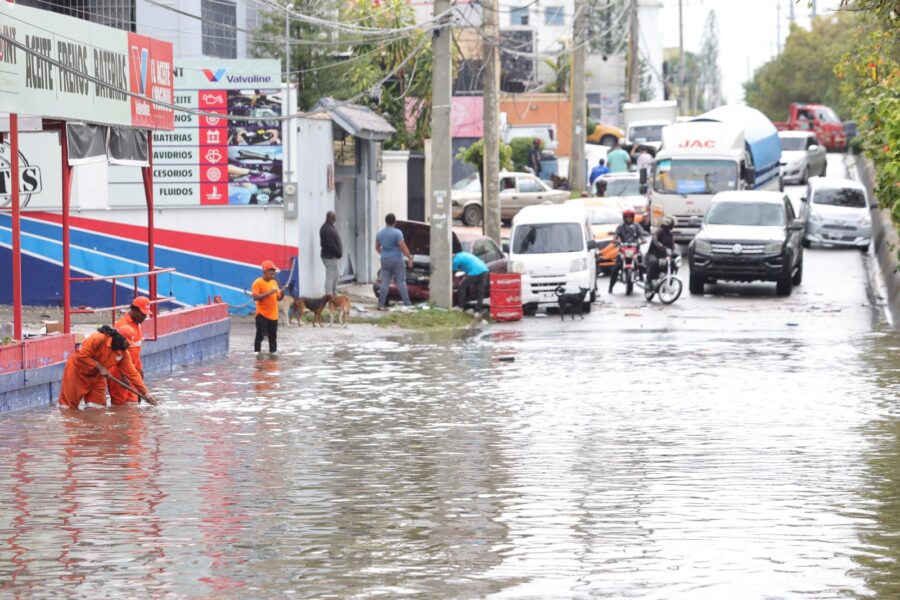
    Devastating flooding triggered by days of unrelenting heavy rainfall from a low-pressure trough has left at least four people dead and more than 30,500 residents displaced across the Dominican Republic, according to updated official government reports.

    Civil Defense teams have recovered the remains of two recent victims: a three-year-old boy swept away by raging flood-swollen rivers in the northern coastal province of Puerto Plata, and a 32-year-old man killed by flash flooding in the capital city of Santo Domingo. These two deaths follow two earlier fatalities recorded earlier in the disaster, including a one-year-old infant girl who died when a collapsing wall fell on her during intense storm activity.

    Beyond the human toll, the disaster has caused widespread disruption to critical infrastructure and daily life. Data from the country’s Emergency Operations Center shows more than 6,100 residential properties have suffered damage from flooding and landslides. Over 1 million residents across the island nation are currently cut off from safe drinking water, and 28 isolated communities remain completely disconnected from surrounding areas with no accessible transit routes.

    In response to the unfolding crisis, Dominican authorities have activated emergency alerts for 28 of the country’s 32 provinces, deploying search and rescue teams and emergency supply distributions to affected regions. Meteorological officials have issued a grim update, warning that additional rainfall is expected to continue over the coming hours, raising fears of further flash flooding and landslides. The capital city of Santo Domingo remains under a yellow-level weather alert, as local authorities brace for more severe weather conditions.

  • Abinader inaugurates ExpoSostenible 2026 in Santo Domingo

    Abinader inaugurates ExpoSostenible 2026 in Santo Domingo

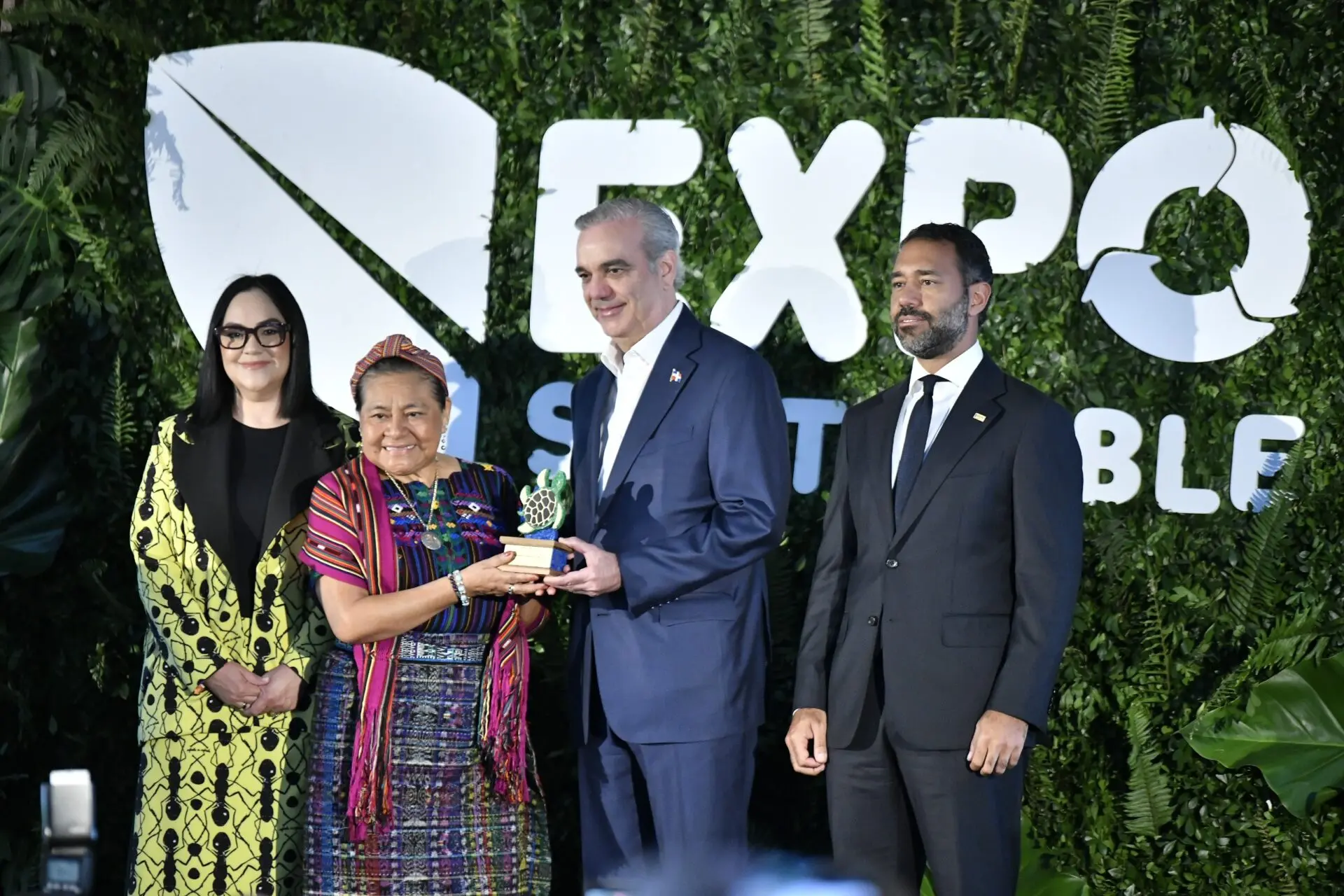
    Santo Domingo, Dominican Republic — Dominican Republic President Luis Abinader has officially opened ExpoSostenible 2026, a landmark sustainability event that runs through April 16 at the iconic Hotel El Embajador in the nation’s capital. The multi-day gathering is designed to cement the Dominican Republic’s status as a leading center for sustainability action across the Latin American and Caribbean region. Organized by the Santo Domingo Economic and Social Development Council, the event brings together a diverse cross-section of stakeholders, including senior government representatives, private sector leaders, representatives from global international organizations, and civil society advocates, all united to tackle interconnected global challenges spanning economic inequality, climate change, and social inequity.

    In his keynote remarks at the opening ceremony, President Abinader underscored the urgent need to reorient national and regional development trajectories, arguing that robust economic expansion cannot come at the cost of environmental stewardship. He emphasized that the Dominican Republic has made a binding commitment to transitioning to a more resilient, inclusive, and forward-thinking sustainable development model that balances growth with the protection of natural resources for future generations. Over the course of the event, attendees will take part in a dynamic program of expert panels, keynote addresses from global sustainability leaders, and interactive dialogue sessions. The core goal of these sessions is to move beyond abstract discussion and co-develop concrete, actionable policy and business proposals, while strengthening cross-border collaboration on sustainability priorities.

    One of the most high-profile participants at the gathering is Nobel Peace Prize laureate Rigoberta Menchú, who centered her remarks on the often-overlooked human core of global sustainability efforts. Menchú used her platform to call for systemic, inclusive policy reforms that center the needs of marginalized and vulnerable communities, which disproportionately bear the brunt of climate change despite contributing the least to global emissions. Beyond discussions, ExpoSostenible 2026 is designed to drive tangible on-the-ground action through a range of targeted initiatives, including the EcoHub innovation space, dedicated networking zones, and structured business matchmaking programs. These platforms work to foster cross-sector alliances, accelerate the development of innovative sustainability solutions, and unlock new sustainable investment opportunities across the region.