标签: Dominican Republic

多米尼加共和国

  • U.S. Embassy details new third-country migration agreement with the Dominican Republic

    U.S. Embassy details new third-country migration agreement with the Dominican Republic

    SANTO DOMINGO — The United States Embassy in the Dominican Republic has announced a new bilateral agreement that creates a formal legal framework for the temporary relocation of vetted third-country nationals from U.S. territory to the Dominican Republic, under strictly defined terms. This memorandum of understanding, the embassy clarifies, is restricted to a small, pre-vetted group of foreign individuals who have cleared comprehensive background checks and carry no criminal convictions. Two groups are explicitly barred from participation under the terms of the deal: Haitian nationals and unaccompanied minor migrants.

    Officials from the United States emphasize the arrangement is designed to cut procedural red tape for U.S. deportation and repatriation processes, while fully upholding Dominican national legislation, sovereign authority, and established cross-border protocols. Under the agreement’s terms, U.S. law enforcement and immigration agencies will take full responsibility for coordinating the eventual onward travel of transferred individuals back to their respective countries of origin, removing that administrative and logistical burden from Dominican authorities.

    The new migration pact is not a standalone measure, but rather a component of deeper long-term cooperation between Washington and Santo Domingo across multiple policy areas, including regional security governance, coordinated migration management, and joint counterterrorism and anti-transnational organized crime efforts. The announcement follows a shared Instagram post from U.S. Ambassador to the Dominican Republic Leah Campos, highlighting the diplomatic milestone between the two neighboring partners in the Western Hemisphere.

  • Dominican Republic designates Iran’s IRGC and Hezbollah as terrorist organizations

    Dominican Republic designates Iran’s IRGC and Hezbollah as terrorist organizations

    In an official policy announcement released by its Ministry of Foreign Affairs, the Caribbean nation of the Dominican Republic has formally added two groups — Iran’s Islamic Revolutionary Guard Corps (IRGC) and Lebanon’s political-military movement Hezbollah — to its national list of designated terrorist organizations.

    The Dominican government clarified that the decision aligns with multiple binding international frameworks and domestic legal standards, including counterterrorism resolutions adopted by the United Nations Security Council, the Inter-American Convention against Terrorism, and existing national counterterrorism legislation. This move marks a notable shift in the country’s formal designation of transnational groups, bringing it into alignment with a growing number of nations that have taken similar action in recent years.

    Notably, the new designation does not immediately disrupt the existing diplomatic arrangements between the Dominican Republic and Iran. Iran currently maintains non-resident diplomatic accreditation for the Dominican Republic through its embassy in neighboring Cuba, a arrangement that remains in place following the announcement. The accredited Iranian ambassador to the Dominican Republic, Seyed Mohammad Hadi Sobhani, only formally presented his credentials to Dominican President Luis Abinader this past December 2024, just months before the counterterrorism designation was made public.

  • Dominican Republic looks to Guatemala for best practices in assisting returned migrants

    Dominican Republic looks to Guatemala for best practices in assisting returned migrants

    A high-profile delegation led by Geanilda Vásquez, pro tempore president of the Central American Integration System (SICA), undertook an official working visit to Guatemala between May 11 and 12 to examine the Central American nation’s successful “Return to Home Plan”, a landmark government initiative designed to deliver holistic humanitarian aid and long-term reintegration support to migrants returning to their home country.

    As the head of the Dominican delegation, Vásquez confirmed that her country is currently developing its own tailored national model for receiving and reintegrating returning Dominican migrants, drawing on proven successful strategies from across the Central American region. The upcoming Dominican program is structured to address the full spectrum of needs that returnees often face after arriving back home, ranging from immediate access to emergency medical care and official identity documentation to longer-term support including public education enrollment, professional job placement services, and specialized psychosocial counseling to help returnees readjust to community life.

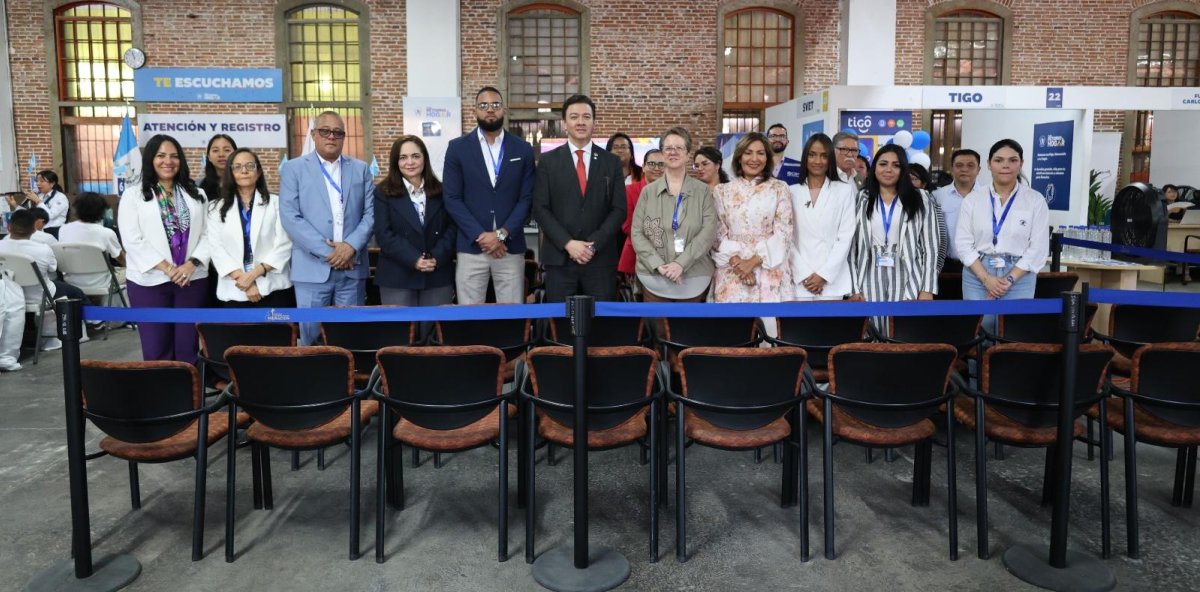
    During the two-day working trip, the Dominican delegation held in-depth coordination meetings with senior representatives from three key institutions: the Guatemalan Migration Institute, the Secretariat for Central American Social Integration, and the International Organization for Migration. Beyond formal talks, delegation members also conducted on-site tours of state-run migrant reception and assistance facilities across Guatemala, where they gained first-hand insight into how different government and international bodies coordinate their work to support returnees from the moment of arrival through to full, sustained reintegration into local communities.

  • Leonel Fernández says Dominican economic crisis stems from government policies

    Leonel Fernández says Dominican economic crisis stems from government policies

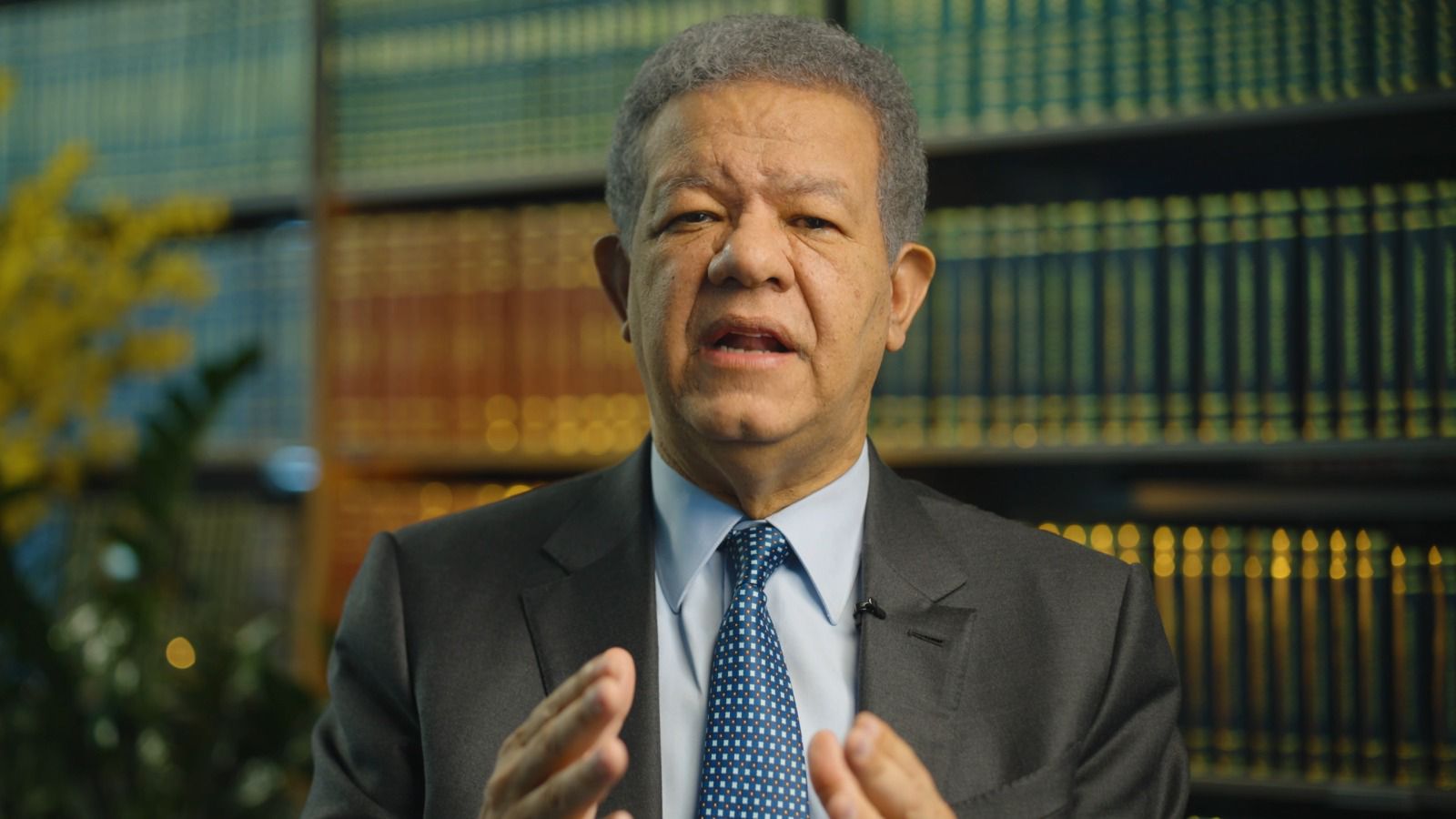
    In a public address delivered on Tuesday in Santo Domingo, former Dominican Republic president Leonel Fernández has pushed back against the current government’s narrative that the country’s ongoing economic struggles stem primarily from the escalating conflict in the Middle East. Instead, Fernández placed full blame on what he called systemic government mismanagement: unplanned policy improvisation, a rapidly ballooning national public debt, and unsustainable excessive current government spending.

    Speaking during the latest installment of his weekly public address series “La Voz del Pueblo”, the founder and leader of the opposition People’s Force party also criticized the current administration’s recently announced austerity policies. Fernández pointed out a glaring contradiction at the heart of the government’s messaging: while officials claim they are implementing strict spending cuts to shore up the economy, they simultaneously report strong economic growth alongside persistent, unusually high public outlays across all sectors.

    The former leader did not dismiss the regional spillover effects of global geopolitical instability entirely. He acknowledged that heightened tensions in the Middle East have created ripple effects that put upward pressure on fuel, transportation, and staple food prices across the Caribbean, including the Dominican Republic. However, he emphasized that the Dominican Republic’s core economic difficulties predated the current outbreak of conflict in the Middle East, meaning the current government cannot shift all blame to an international crisis.

    Fernández went on to outline the root causes of the country’s challenges as he sees them: unchecked expansion of the national public debt, a bloated government payroll that has expanded far beyond sustainable levels, and a rapid increase in public subsidy spending, most notably in the critical electricity sector that has long been a drain on Dominican public finances.

  • Dominican Republic and World Free Zones Organization sign investment and trade cooperation pact

    Dominican Republic and World Free Zones Organization sign investment and trade cooperation pact

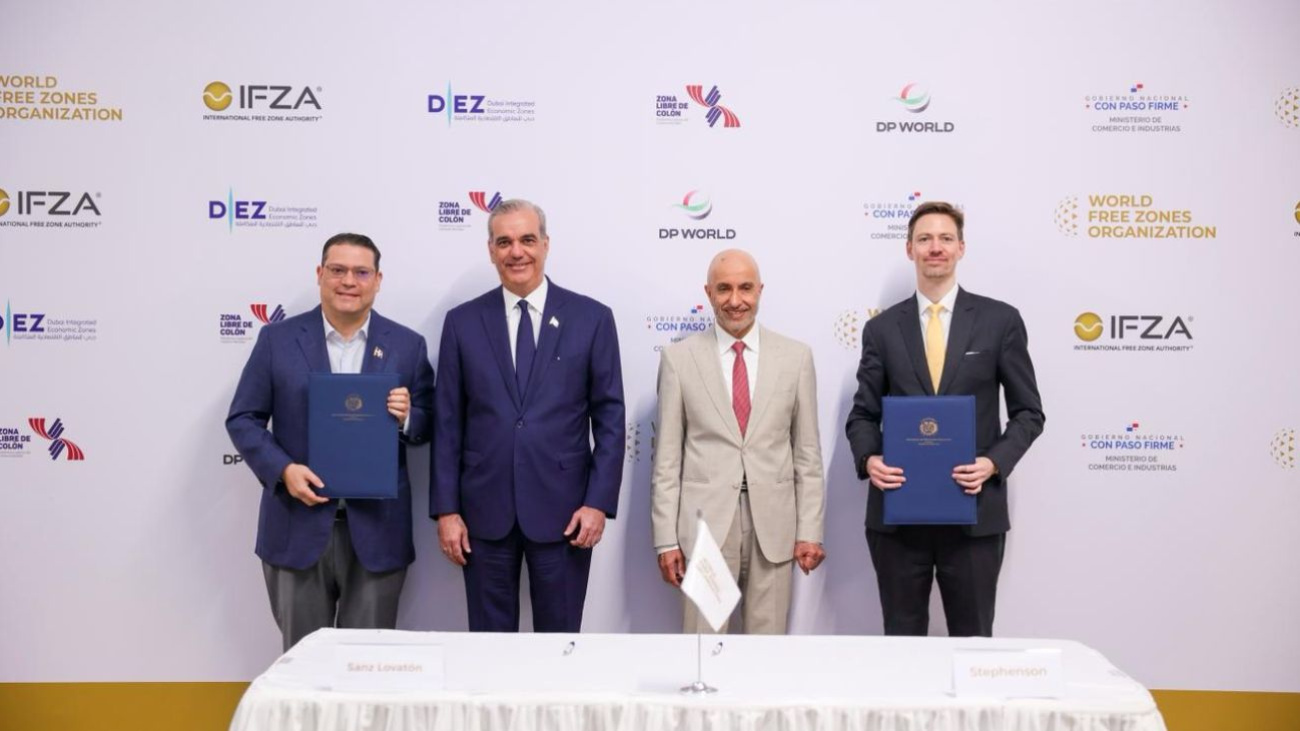
    Against the backdrop of the 12th World Free Zones Congress held in Panama City, the Dominican Republic has formalized a landmark collaborative partnership with the World Free Zones Organization (WFZO) through a newly signed memorandum of understanding. This agreement, focused on elevating cross-sector collaboration in free zone expansion, global investment outreach, export growth, and cross-border trade, marks a strategic step for the Caribbean nation to strengthen its economic standing in the Latin American region. The official signing ceremony saw Eduardo Sanz Lovatón, the Dominican Minister of Industry, Commerce and MSMEs, put his signature to the document alongside Matthew Stephenson, Director General of the WFZO. The high-profile gathering was honored by the presence of Dominican President Luis Abinader and WFZO Chairman Mohammed Al Zarooni, who served as official honorary witnesses to the agreement.

    The two-year collaborative framework sets out clear, actionable priorities for both parties moving forward. Core goals of the partnership include scaling up efforts to attract foreign direct investment (FDI), advancing the development of secure, environmentally and economically sustainable free zones, and creating structured channels for the exchange of industry-leading practices, critical trade data, and targeted business matching opportunities. A defined set of high-priority sectors have been identified to guide collaboration, spanning medical device manufacturing, pharmaceutical production, semiconductors, integrated logistics, textile production, plastics processing, renewable energy development, mining, and information and communications technology.

    Under the terms of the memorandum, the Dominican Ministry of Industry, Commerce and MSMEs will take on the role of the WFZO’s official local liaison for the partnership. To deliver on the agreement’s goals, the ministry will coordinate closely with key national economic institutions: ProDominicana, the Dominican Association of Free Zones, and the National Council of Export Free Zones. This coordinated effort is designed to reinforce the Dominican Republic’s emerging position as a premier regional hub for global investment and export activity, opening new pathways for inclusive economic growth and expanded international market access for the nation’s businesses.

  • Abinader to meet Guyanese president during official visit to Guyana

    Abinader to meet Guyanese president during official visit to Guyana

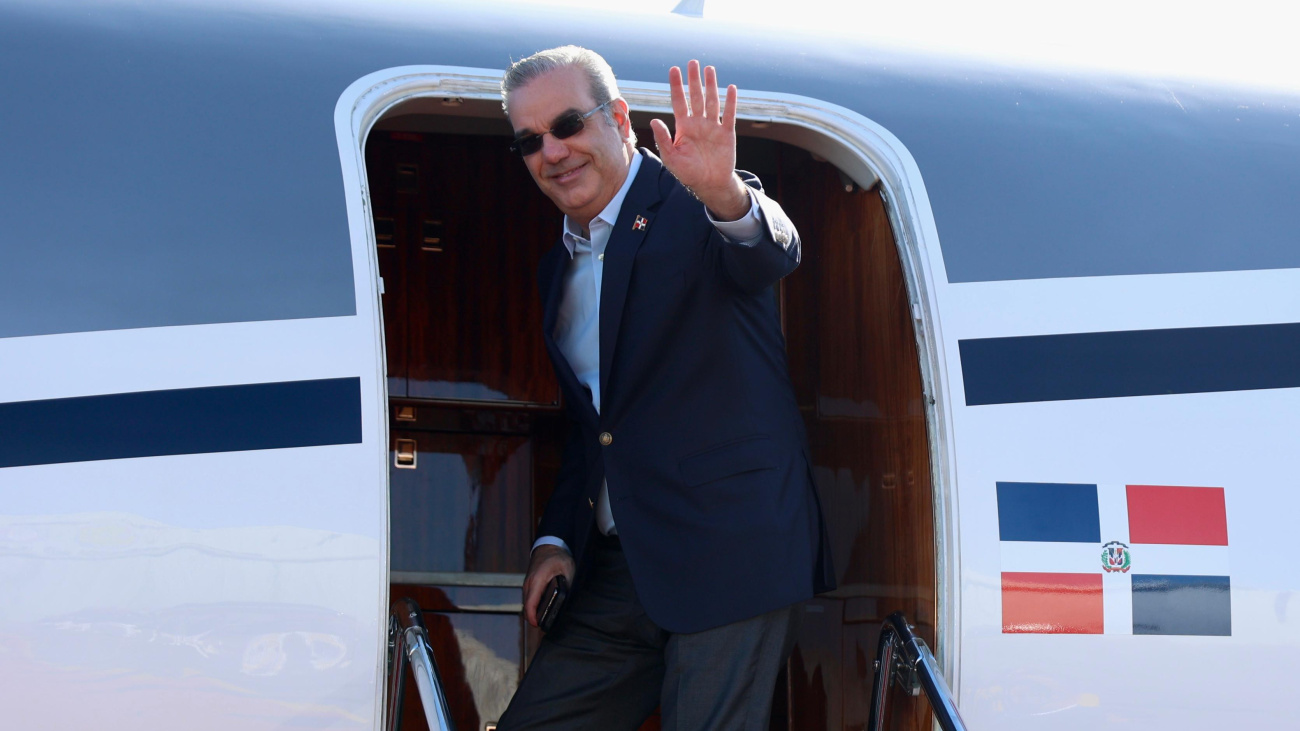
    Dominican Republic President Luis Abinader is set to depart for an official working visit to the South American nation of Guyana on Wednesday evening, kicking off a diplomatic trip aimed at deepening collaboration between the two Caribbean countries. The visit, which comes fresh off Abinader’s high-profile appearance in Panama, will feature structured bilateral negotiations with Guyanese President Mohamed Irfaan Ali and the formal signing of several new cooperation agreements.

    Upon his arrival at Georgetown’s Cheddi Jagan International Airport, Abinader will first be greeted with full military honors, a traditional ceremonial welcome reserved for visiting heads of state. Following the welcome ceremony, the Dominican leader will attend an official reception hosted at Guyana’s Government House to kick off his official engagements.

    The core of the visit will take place on Thursday, when the two national leaders will hold one-on-one and delegation-level talks. Both sides have confirmed that discussions will center on reinforcing long-standing bilateral relations and opening new avenues for cross-border cooperation across key sectors of mutual interest. Abinader travels to Guyana directly from Panama City, where he delivered the opening keynote address at the global World Free Zones Congress. During his time in Panama, the president highlighted the Dominican Republic’s competitive advantages and actively promoted untapped investment opportunities in the country’s fast-growing technology and advanced manufacturing sectors.

    Abinader’s official delegation for the Guyana trip includes three senior Dominican officials: Eduardo Sanz Lovatón, the Dominican Minister of Finance, Biviana Riveiro, the executive director of the Dominican Export and Investment Center, and Ernesto Torres Pereyra, the Dominican Ambassador to Guyana. Per the official schedule released by the Dominican presidency, Abinader will conclude his diplomatic engagements and depart Georgetown to return to the Dominican Republic later on Thursday.

  • 5 Fast-Growing Business Opportunities for Expats in the Dominican Republic

    5 Fast-Growing Business Opportunities for Expats in the Dominican Republic

    A growing influx of expats from North America and Europe putting down permanent roots in the Dominican Republic is sparking a fresh wave of entrepreneurial opportunity, turning the nation from a top Caribbean vacation spot into one of the region’s most promising emerging business hubs.

    Once known almost exclusively for its white-sand beaches and all-inclusive resorts, the Dominican Republic has entered a period of robust economic expansion. More than 11 million tourists visit annually, its real estate market is surging, and sweeping infrastructure upgrades have been rolled out across popular regions from Punta Cana to Puerto Plata. As thousands of foreign nationals choose to make the country their permanent home rather than just a seasonal escape, five key service sectors stand out as primed for rapid growth for expat founders.

    First, short-term rental and property management fills a critical gap in the current market. Thousands of foreign investors own second homes, condos and villas across the country, but the majority do not reside in the Dominican Republic year-round. When owners return to their home countries in North America or Europe, there is acute unmet demand for reliable professionals to oversee their properties. From coordinating cleaning and handling maintenance to managing listings on platforms like Airbnb and VRBO and delivering guest services, the supply of experienced providers has not kept pace with the explosion of new vacation units hitting the market. Expats with prior hospitality or property management experience can start small with a handful of properties, build a trusted reputation, and scale their operations as demand grows.

    Second, tech consulting and digital services offer massive untapped potential, as the country pushes to modernize its digital economy. Puerto Plata has emerged as a flagship emerging Caribbean tech and innovation hub: in 2024, the government launched the Innovation Hub Punta Bergantín, a purpose-built space designed to attract startups, global investors, and location-independent digital entrepreneurs. The national government’s “Agenda Digital 2030” is also accelerating digital transformation for local businesses, leaving countless established firms from hotels and restaurants to real estate agencies and law firms in need of external support. These organizations urgently need help building websites, launching digital marketing campaigns, upgrading cybersecurity infrastructure, and building out e-commerce operations, and most lack in-house technical expertise to deliver these services. For expat founders with tech backgrounds, the market is wide open, and they also gain access to a large pool of young, bilingual, globally minded local talent ready to join growing teams.

    Third, health, wellness and medical tourism is another fast-growing sector. Already, medical tourists from North America and Europe travel to the Dominican Republic for dental work, cosmetic procedures, and elective surgeries at a fraction of the cost of the same procedures in their home countries, but critical support infrastructure for this industry is still under development. Boutique wellness retreats, private fitness studios, physical therapy clinics, and health concierge services tailored to English-speaking clients are in particularly high demand, especially in popular expat hubs like Las Terrenas and Cabarete. Expats with professional backgrounds in health and wellness will find a ready, underserved audience waiting for their services.

    Fourth, bilingual education and tutoring services are experiencing soaring demand as the expat population grows. Every expat family that relocates with children immediately faces the challenge of finding school placement. Enrollment at top international schools is extremely competitive, and demand far outstrips available capacity. Beyond K-12 schooling for expat children, the country’s booming tourism industry has created widespread demand among local Dominican residents for English language training. Expats with teaching credentials or tutoring experience can build successful businesses serving two audiences: after-school programs, SAT/ACT prep, English immersion courses, and STEM enrichment programs are in high demand from both expat families and ambitious Dominican households looking to give their children a competitive edge.

    Fifth, relocation and professional services consulting addresses one of the most common pain points for new arrivals. Every new expat eventually struggles to navigate the Dominican Republic’s complex bureaucratic system, from applying for legal residency and incorporating a new business to closing property transactions and maintaining tax compliance. Most processes are conducted entirely in Spanish, creating a steep learning curve for newcomers. Expats who have already completed the relocation and set-up process can fill this pressing need by guiding new arrivals and connecting them with vetted local professionals including attorneys, accountants, real estate agents, and contractors. As of early 2026, the number of residency approvals continues to climb, and the capital city of Santo Domingo is recording a net inflow of expat residents, meaning demand for experienced relocation guides will only continue to rise.

    For adaptable entrepreneurs ready to tailor their offerings to the local market, the Dominican Republic has emerged as one of the Caribbean’s most attractive destinations to launch scalable, service-based businesses. Unlike earlier waves of expats who primarily moved to the country for beach retirement, the newest cohort of foreign residents is focused on building new businesses and growing the local economy — and the nation’s evolving economic and regulatory landscape is ready to support their ambitions.

    This analysis was written by Rosalyn Ortega-Elie, a real estate investor, business coach, and international broker with Smart Caribbean Properties. Ortega-Elie specializes in helping international investors identify high-potential property in the Dominican Republic and guides clients to monetize their professional skills through borderless digital businesses. She can be reached on Instagram @smartcaribbean_ or via email at [email protected].
  • Dominicans abroad can now schedule ID renewal appointments

    Dominicans abroad can now schedule ID renewal appointments

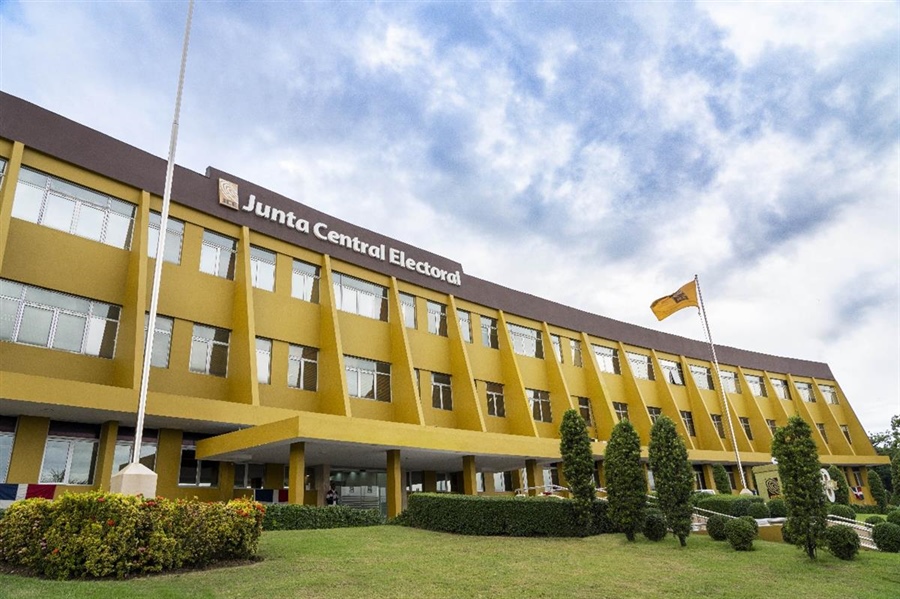
    In a significant administrative update aimed at streamlining services for its global diaspora, the Central Electoral Board (Junta Central Electoral, JCE) of the Dominican Republic has launched a new online appointment platform that allows Dominican citizens residing outside the country to schedule renewals for their national identity and voter cards.

    Unlike previous systems that often restricted scheduling based on an individual’s birth month, the newly launched service removes this limitation entirely. All eligible Dominican citizens living abroad, regardless of when they were born, can now reserve a preferred date and time to process their updated identification documents through the centralized platform.

    JCE officials have underscored the far-reaching benefits of maintaining an up-to-date national identification card. A current, valid ID streamlines a wide range of critical activities for citizens, from completing government-related administrative procedures to accessing both public sector services and private sector offerings, as well as ensuring that all personal records on file with electoral and national authorities reflect accurate, current information.

    To schedule an appointment, eligible citizens only need to access the JCE’s official website, where the user-friendly scheduling portal is hosted, making the process of updating identification documents far more accessible for the Dominican diaspora spread across the globe.

  • Luis Abinader arrives in Panama to promote investment at World Free Zones Congress

    Luis Abinader arrives in Panama to promote investment at World Free Zones Congress

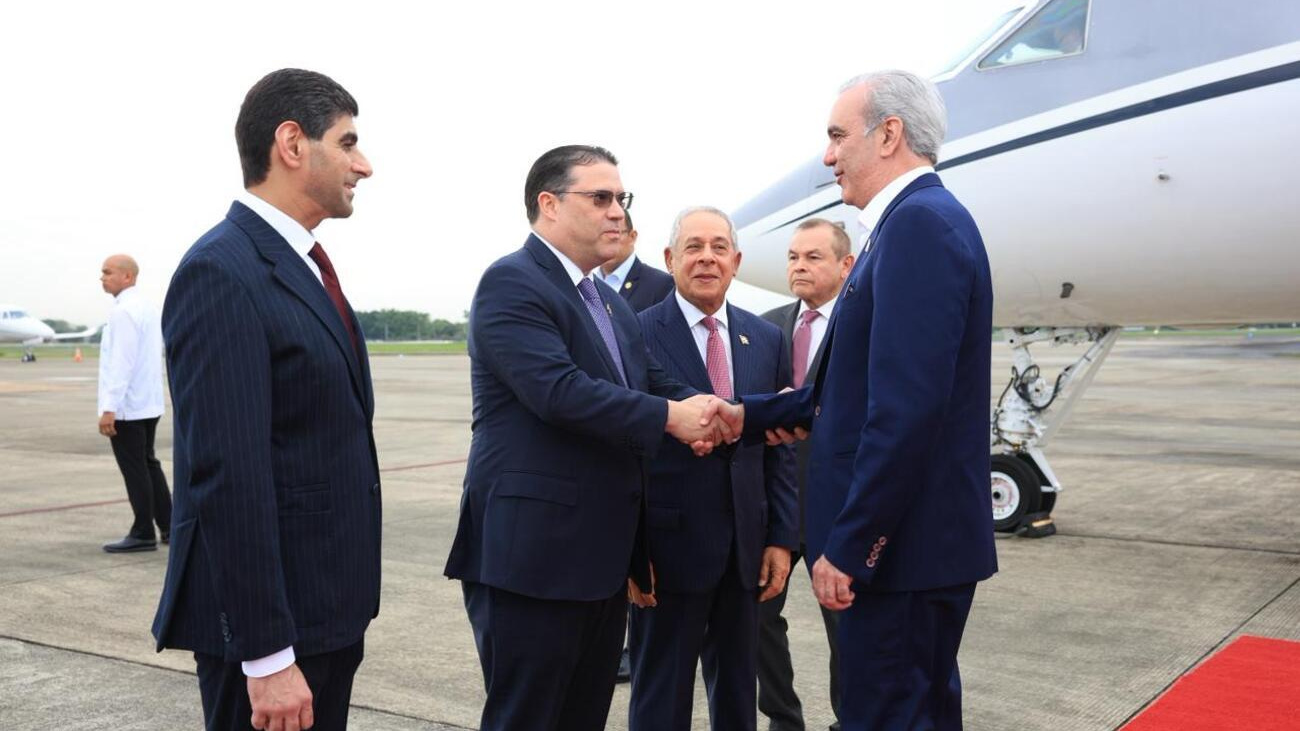
    The Dominican Republic’s head of state, President Luis Abinader, has touched down in Panama to take part in the high-profile World Free Zones Congress, a key global gathering focused on advancing cross-border economic collaboration and special trade zone development. As a featured guest of the event, Abinader is set to deliver the opening ceremony’s keynote address, where he will lay out the Dominican Republic’s strategic vision for attracting international capital and highlight untapped opportunities for global businesses.

    Central to his trip is a packed schedule of targeted strategic meetings designed to draw new foreign investment into the Dominican Republic, with a specific focus on three high-growth sectors: logistics, advanced manufacturing, and the development of specialized free trade zones.

    Beyond the congress agenda, Abinader has planned formal bilateral talks with his Panamanian counterpart, President José Raúl Mulino, as well as a meeting with Mohammed Al Zarooni, president of the World Free Zones Organization. Discussions between the two national leaders will center on identifying new avenues to deepen bilateral cooperation and expand the scope of economic and trade relations between the Dominican Republic and Panama.

    Abinader’s engagement also includes separate sessions with senior industry leaders and government officials: he will meet with top executives from global logistics firm DP World, Panama’s Minister of Industry and Commerce Julio Moltó, and Martín Pedersen, president of the International Free Zones Authority. A key milestone expected during the visit is the signing of a memorandum of understanding between the Dominican delegation and the World Free Zones Organization, a pact that will formalize cooperation frameworks and facilitate the exchange of industry best practices for sustainable free zone development.

    Accompanying President Abinader on the official visit are three senior Dominican officials: Minister Eduardo Sanz Lovatón, Biviana Riveiro, and Dominican Ambassador Roberto Salcedo, who will support the delegation’s engagement across all scheduled events and initiatives.

  • Dominicans advised to stay hydrated as heat and rain persist

    Dominicans advised to stay hydrated as heat and rain persist

    Residents across the Dominican Republic are bracing for another day of mixed weather conditions this Wednesday, as a low-pressure trough combined with moisture carried by southeasterly winds continues to dominate the country’s climate patterns. The system is projected to trigger scattered rain showers across multiple provinces, paired with isolated thunderstorms that have the potential to bring sudden strong wind gusts to affected areas.

    Early morning precipitation will be concentrated primarily along the country’s southern Caribbean coastline and across its northeastern regions, according to meteorological projections. As the day progresses into the afternoon hours and early evening, rainfall intensity is expected to ramp up significantly. The hardest-hit regions during this period will likely be the agriculturally important Cibao region, the rugged Central Mountain Range that splits the country, and scattered sections of the Dominican northwest.

    Despite the incoming storm activity, temperatures across the nation will stay unseasonably hot through the day. Forecasters predict maximum temperatures will hover between 31 degrees Celsius (88 degrees Fahrenheit) and 35 degrees Celsius (95 degrees Fahrenheit), creating humid, sweltering conditions for much of the population. In response to the combined risks of heat and scattered storms, local public safety officials have issued public guidance to help residents stay safe: they recommend maintaining consistent hydration to avoid heat-related illness, opting for loose, lightweight clothing to stay cool, and cutting back on extended periods of direct sun exposure during the hottest peak hours of the day.