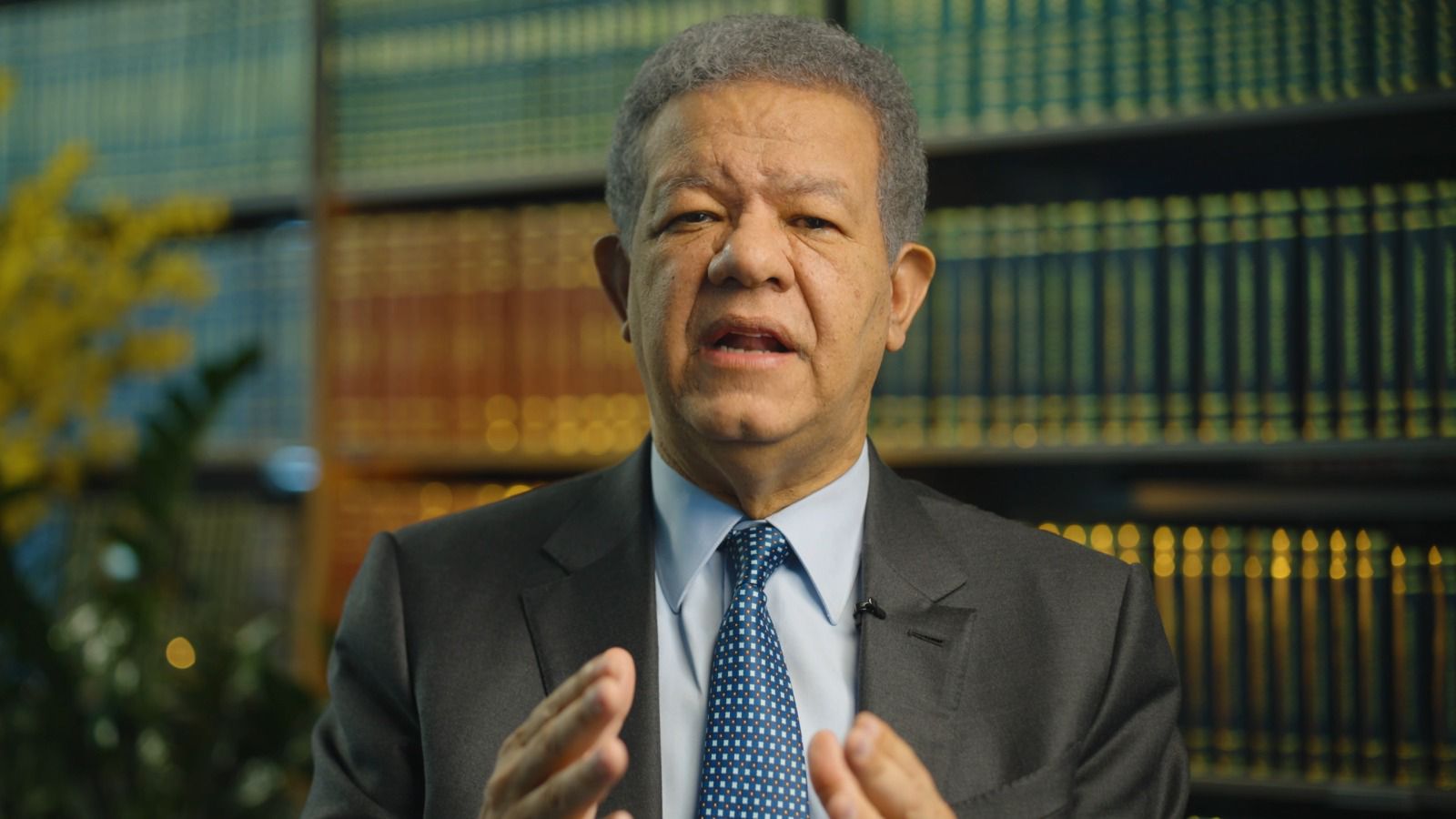
In a public address delivered on Tuesday in Santo Domingo, former Dominican Republic president Leonel Fernández has pushed back against the current government’s narrative that the country’s ongoing economic struggles stem primarily from the escalating conflict in the Middle East. Instead, Fernández placed full blame on what he called systemic government mismanagement: unplanned policy improvisation, a rapidly ballooning national public debt, and unsustainable excessive current government spending.
Speaking during the latest installment of his weekly public address series “La Voz del Pueblo”, the founder and leader of the opposition People’s Force party also criticized the current administration’s recently announced austerity policies. Fernández pointed out a glaring contradiction at the heart of the government’s messaging: while officials claim they are implementing strict spending cuts to shore up the economy, they simultaneously report strong economic growth alongside persistent, unusually high public outlays across all sectors.
The former leader did not dismiss the regional spillover effects of global geopolitical instability entirely. He acknowledged that heightened tensions in the Middle East have created ripple effects that put upward pressure on fuel, transportation, and staple food prices across the Caribbean, including the Dominican Republic. However, he emphasized that the Dominican Republic’s core economic difficulties predated the current outbreak of conflict in the Middle East, meaning the current government cannot shift all blame to an international crisis.
Fernández went on to outline the root causes of the country’s challenges as he sees them: unchecked expansion of the national public debt, a bloated government payroll that has expanded far beyond sustainable levels, and a rapid increase in public subsidy spending, most notably in the critical electricity sector that has long been a drain on Dominican public finances.