标签: Dominican Republic

多米尼加共和国

  • Infotep to transform former Legislators’ Club into hospitality and tourism training center

    Infotep to transform former Legislators’ Club into hospitality and tourism training center

    In a formal ceremony held in Santo Domingo, Dominican Republic, a landmark transition for public education and tourism development has been completed: the National Institute of Technical and Professional Training (Infotep) has formally taken ownership of the former Legislators’ Club, a property that will be redeveloped into a cutting-edge vocational training center focused exclusively on the hospitality and tourism sectors.

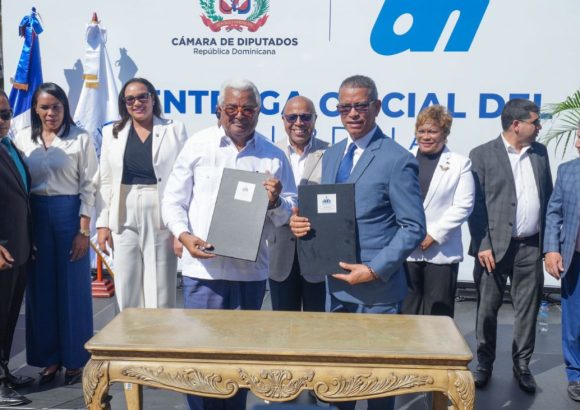
    The handover ceremony was co-led by two key Dominican government bodies: the General Directorate of National Assets and the Chamber of Deputies. Rafael Burgos Gómez, head of the National Assets Directorate, officially handed over the property deed to Luis Manuel Rodríguez, Infotep’s Deputy Director General, who attended the event on behalf of Infotep Director General Maira Morla Pineda.

    This property transfer is not an ad-hoc arrangement; it is rooted in formal legal authorization. The move was greenlit by Resolution No. 670, which was passed by relevant authorities in July 2024, alongside two existing executive orders: Decrees 235-01 and 664-23. All three legal documents explicitly approve the repurposing of the site for public use and specialized technical-professional training.

    Alfredo Pacheco, president of the Chamber of Deputies, emphasized the strategic significance of the project during the ceremony. He noted that the initiative reimagines an underused recreational space as an educational institution that will upskill thousands of young Dominican workers, while also reinforcing the competitiveness of one of the country’s most vital economic pillars: tourism.

    Government officials outlined that the new training center will address a gap in accessible technical education in the Santo Domingo Este region, expanding local learning opportunities for residents seeking careers in hospitality and tourism. By cultivating a skilled local workforce, the center is expected to support the sustained long-term growth of the Dominican Republic’s tourism industry, which is a major driver of employment and national GDP.

    Several other senior stakeholders were in attendance at the handover, including Rafael Santos Badía, multiple sitting legislators, and senior representatives from both Infotep and the General Directorate of National Assets.

  • Dominican Republic to preside over World Health Assembly for the first time

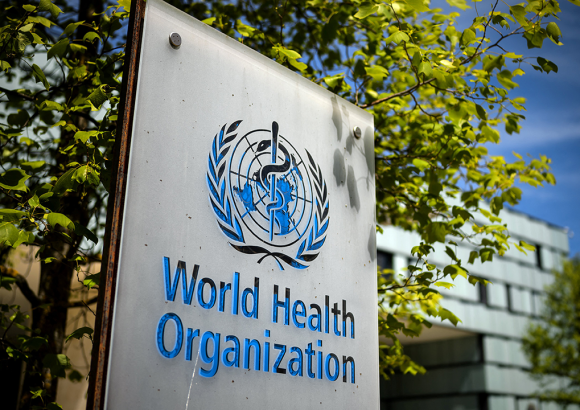
    Dominican Republic to preside over World Health Assembly for the first time

    In a historic first for the Caribbean nation, the Dominican Republic’s Minister of Health, Víctor Atallah, is set to depart for Geneva this month to assume the presidency of the 79th World Health Assembly (WHA), the top decision-making body of the World Health Organization (WHO). Scheduled to run from May 18 to 26 at the iconic Palais des Nations, this year’s assembly will gather health delegates from over 190 WHO member states to tackle the most pressing challenges facing global public health.

    As the newly appointed president of the assembly, Atallah will steer critical cross-country discussions and facilitate consensus-building across a broad agenda of core global health priorities. Key topics on the table include expanding access to robust primary health care, reinforcing national health systems to withstand future shocks, closing persistent gaps in global health equity, boosting cross-border emergency preparedness for outbreaks and public health crises, expanding access to mental health services, and accelerating progress against persistent communicable diseases. A central featured debate will focus on integrated, equitable strategies for the prevention and control of obesity within national health frameworks, aligning with the assembly’s targeted focus on growing noncommunicable disease burdens.

    International health observers note that the Dominican Republic’s selection to lead the WHA marks a landmark milestone for the country, reflecting the growing international confidence in the nation’s public health leadership and its expanding role in global health cooperation. Atallah emphasized that the presidency places the Dominican Republic at the heart of global decision-making, directly shaping the binding policy commitments and strategic directions that will guide global public health action for the coming year.

    After concluding his duties at the Geneva assembly, Atallah will embark on a second high-profile diplomatic health mission to Rome, where he will join delegates from across the globe for Nutrition Week 2026. Hosted at the headquarters of the United Nations Food and Agriculture Organization (FAO) from May 25 to 28, the event will center on advancing evidence-based food policy, strengthening global nutrition security, advancing the adoption of sustainable dietary patterns, and refining cross-sector strategies to bolster public health systems through improved nutrition outcomes.

  • Arajet resumes flights between Punta Cana and Ecuador

    Arajet resumes flights between Punta Cana and Ecuador

    Leading low-cost airline Arajet has unveiled plans to relaunch its direct nonstop air connection linking Punta Cana International Airport in the Dominican Republic and Guayaquil’s José Joaquín de Olmedo International Airport in Ecuador. The restored direct service between the two Latin American destinations is scheduled to launch in October 2026, marking a key milestone in the carrier’s regional expansion strategy.

    Under the initial operation schedule, the route will run two weekly rotations every Tuesday and Saturday, serviced by the airline’s modern Boeing 737 MAX 8 aircraft. The single-class jet is configured to carry up to 186 passengers, aligning with the low-cost model’s focus on affordable, high-capacity travel. Outbound flight DM6780 is scheduled to depart Punta Cana at 11:15 p.m., touching down in Guayaquil at 2:15 a.m. local time the following day. For the return journey, flight DM6781 will leave Guayaquil at 3:18 a.m. and arrive at the Punta Cana hub at 8:03 a.m. local time.

    Company representatives noted that the relaunch of this cross-Caribbean route will deliver tangible benefits for both leisure and business travelers, streamlining travel between the two nations while opening up easier connections to dozens of other destinations across the Caribbean and Americas through Arajet’s rapidly expanding route network. This move forms a core part of the airline’s long-term plan to grow its market presence across South America, leveraging its low-cost operating model to deliver fares that undercut traditional full-service carriers.

    Beyond corporate growth targets, industry analysts and tourism stakeholders expect the restored route to deliver broader economic benefits. It is projected to deepen bilateral tourism and commercial links between the Dominican Republic and Ecuador, while further solidifying Punta Cana’s standing as one of the top aviation hubs in the entire Caribbean region. Tickets for the new route are already on sale to the public exclusively through Arajet’s official sales platforms.

  • Santo Domingo to host Funds4impact Summit 2026

    Santo Domingo to host Funds4impact Summit 2026

    The capital city of the Dominican Republic, Santo Domingo, has been confirmed as the official host of the 2026 Funds4impact Summit, a landmark regional gathering set to take place on May 27 and 28, 2026. The upcoming event is projected to draw more than 300 distinguished attendees, including high-level political leaders, impact investors, and international development practitioners from every corner of Latin America and the Caribbean.

    Designed as a collaborative cross-sector platform, the summit will bring together a diverse range of stakeholders – from private foundations and non-governmental organizations to global cooperation agencies, private corporations, public government institutions, academic research centers, and independent media outlets. The core focus of these collective conversations will center on unlocking accessible funding for on-the-ground projects that advance both environmental sustainability and measurable positive social impact across the region.

    Organizers note that the summit comes at a critical juncture for Latin America and the Caribbean: current data shows just 22% of the United Nations’ Sustainable Development Goals (SDGs) are on track to meet their 2030 targets in the region, creating an urgent need for coordinated action. Against this backdrop, the summit’s central mission is to translate high-level strategic dialogue into tangible co-investment partnerships and large-scale collective action that closes this SDG progress gap.

    A signature new addition to the 2026 summit agenda is the launch of *Harvest of Impact: Ecosystem Insights 2026*, an innovative collaborative report that will aggregate key findings from the event, including emerging impact financing trends, regional development priorities, and untapped co-investment opportunities for participating organizations. Beyond the report launch, attendees will also gain access to interactive workshops, expert-led panel discussions, and targeted networking sessions focused on high-priority topics such as fundraising diversification, scalable sustainable business models, appropriate technology deployment for inclusive development, and the formation of cross-sector strategic partnerships.

    Organizations and private companies interested in taking part in the summit can complete their registration via the official Funds4impact Summit website. Beyond its development goals, the event is widely expected to cement the Dominican Republic’s growing reputation as a leading regional hub for innovation, impact investing, and sustainable development cooperation, bringing long-term economic and collaborative benefits to the country.

  • Indotel and Ministry of Defense sign agreement to strengthen cybersecurity

    Indotel and Ministry of Defense sign agreement to strengthen cybersecurity

    In a significant step to shore up the Dominican Republic’s national digital and strategic security, the Dominican Institute of Telecommunications (Indotel) and the nation’s Ministry of Defense have formalized a wide-ranging cooperation agreement focused on upgrading core telecommunications infrastructure, enhancing cyber defense capabilities, and modernizing national strategic security systems.

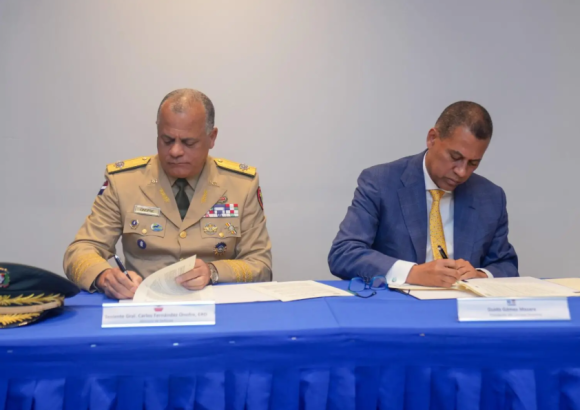
    The binding agreement was officially signed by Guido Gómez Mazara, president of the Indotel Board of Directors, and Carlos Fernández Onofre, the Dominican Republic’s Minister of Defense, during a formal ceremony in Santo Domingo. Under the terms of the new partnership, the two government bodies will collaborate across multiple critical domains, including advancing radio spectrum monitoring protocols, streamlining national frequency management practices, rolling out more robust proactive interference prevention measures, and coordinating unified responses to growing cyber and technology-based threats targeting the nation.

    A key deliverable of this inter-institutional alliance is the establishment of a new dedicated technical unit whose exclusive mandate will be advancing initiatives in telecommunications security and cyber defense. Beyond this specialized unit, the partners have also laid out plans to launch a Binational Border Monitoring Center, a purpose-built facility designed to detect unauthorized and illegal signal interference along the country’s border, track unauthorized drone activity, and streamline inter-agency coordination to respond quickly to emerging security risks in border regions.

    Additional provisions of the agreement outline shared use of existing institutional infrastructure to expand both telecommunications coverage and national surveillance reach across the country. The partnership also includes dedicated support for advancing digital transformation efforts and expanding access to virtual education programs within Dominican military academic institutions. Senior government officials involved in the agreement emphasized that this cross-agency alliance will do more than address immediate security gaps: it will consolidate the Dominican Republic’s technological sovereignty and deliver far-reaching improvements to the protection of the nation’s critical communications infrastructure, which serves as a backbone for all government and commercial activity across the country.

  • ONDA reports record surge in copyright registrations in the Dominican Republic

    ONDA reports record surge in copyright registrations in the Dominican Republic

    In a significant milestone for the Dominican Republic’s creative and entrepreneurial ecosystems, the country’s National Copyright Office (ONDA) has announced a dramatic surge in copyright registrations by local creators, a shift that points to rapidly expanding public awareness around the value of intellectual property protection.

    ONDA Director General José Ruben Gonell Cosme shared that the agency has undergone a remarkable transformation in processing volumes over recent years. Where it once handled roughly 1,400 work registrations annually, it closed 2025 with nearly 34,000 copyrighted works formally registered and protected. This explosive growth has carried into 2026, with a single month in April recording more than 19,000 new registrations alone.

    Beyond the raw volume increase, Gonell noted that the scope of copyright protection has also expanded dramatically beyond the traditional categories most creators associate with copyright law. Today, the office recognizes protection for more than 60 distinct types of creative and commercial work, ranging from long-protected categories such as music and literary publications to modern assets like software, video game content, original culinary recipes, and architectural blueprints. For independent creators and small business owners across the country, this formal legal protection has emerged as a valuable economic asset that can be leveraged for revenue generation, investment, and long-term business growth.

    Gonell also emphasized that the country’s progress in intellectual property regulation earned international recognition when the Dominican Republic was removed from the United States’ Special 301 Watch List, a development that has significantly boosted legal certainty for both domestic and foreign investors looking to engage with the country’s creative and tech sectors. Even as the agency celebrates this milestone of growing registration volumes, however, Gonell acknowledged that gaps remain in intellectual property awareness. Key sectors including independent publishing and traditional crafts still see large shares of creators failing to formalize protection for their work, leaving their creative assets vulnerable to exploitation.

    Looking ahead, ONDA will continue prioritizing outreach and educational programs to expand awareness of intellectual property rights across under-served sectors. It also maintains an active focus on mediation services to reduce piracy of copyrighted material, while proactively preparing regulatory frameworks to address emerging challenges tied to artificial intelligence development and the evolving impact of major digital content platforms.

  • Dominican Republic and Guyana sign oil exploration agreement

    Dominican Republic and Guyana sign oil exploration agreement

    In a landmark move that deepens energy cooperation between two Caribbean nations, the governments of the Dominican Republic and Guyana formalized a landmark joint development agreement Thursday to explore and potentially bring online new oil and natural gas resources in Guyana’s onshore Berbice block.

    Under the terms of the agreement, the Dominican Republic’s state-owned Dominican Petroleum Refinery (Refidomsa) will hold a 10% non-operating stake in the exploration project, requiring no upfront capital contribution from the Dominican state. If exploration efforts successfully identify commercially viable hydrocarbon reserves, the Dominican Republic is guaranteed access to extracted crude oil and natural gas on preferential pricing terms, a provision designed to shore up the country’s long-standing goal of improving national energy security.

    This new operational agreement builds on a 2023 memorandum of understanding signed by Dominican President Luis Abinader and Guyanese President Mohamed Irfaan Ali, which laid the initial groundwork for bilateral energy collaboration. Over the past year, technical teams from the Dominican Republic’s Ministry of Energy and Mines, Refidomsa, and Guyana’s relevant energy authorities have worked closely to align regulatory standards, survey requirements, and project frameworks to move the initiative forward.

    Officials from both nations have framed the deal as more than a single exploration project: it is viewed as a catalyst for broader economic integration. Should the Berbice block project prove successful, stakeholders say additional joint ventures could follow, including the potential development of a shared regional refinery and petrochemical complex. The partnership also opens new pathways for expanded cooperation across trade, investment, and energy policy as both countries seek to leverage their respective geographic and resource strengths in the global energy market.

  • Duartian Institute raises sovereignty concerns over U.S. deportation agreement

    Duartian Institute raises sovereignty concerns over U.S. deportation agreement

    A prominent Dominican civic organization has launched formal pushback against a newly signed bilateral agreement between the Dominican Republic and the United States that allows the Caribbean nation to temporarily host third-country nationals deported from U.S. soil, raising sharp questions about national autonomy and compliance with domestic immigration law. The Duartian Institute, a respected civic body focused on national governance and constitutional issues, argues that the memorandum of understanding (MOU) poses tangible risks to the Dominican Republic’s sovereign authority and runs counter to the country’s longstanding immigration statutes.

    Wilson Gómez Ramírez, president of the Duartian Institute, described the bilateral deal as an “excessively accommodating” move by Dominican government officials. Under current Dominican law, he explained, only two groups are legally permitted to enter the country: Dominican citizens returning home, and foreign nationals who have completed the full consular visa process to gain entry. Accepting third-country deportees sent from the United States, Gómez Ramírez stressed, creates unaddressed constitutional and legal ambiguities that could undermine the country’s legal framework.

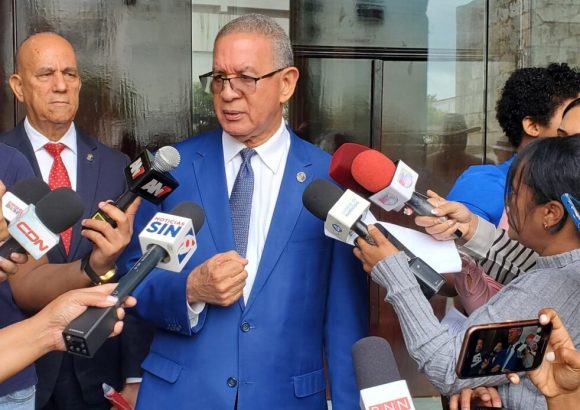
    Beyond legal concerns, the institute’s leader also called out the poor timing of the agreement, pointing to the ongoing mass migration pressures the Dominican Republic already grapples with, driven by the deepening political and humanitarian crisis in neighboring Haiti. Gómez Ramírez argued that taking on new, unplanned migration responsibilities directly contradicts the Dominican government’s ongoing efforts to crack down on irregular migration across its border. The civic leader also called for a transparent national public debate over the planned use of Dominican military airports and the entry of foreign aircraft to carry out the deportation transfers laid out in the MOU.

    In its formal appeal to national leadership, the Duartian Institute has called on Dominican President Luis Abinader to launch a full review of the actions taken by administration officials who negotiated and approved the agreement. The organization is pushing for Abinader to ensure that all future decisions shaping the country’s migration policy align closely with the Dominican Republic’s constitution, domestic laws, and core national interests.

  • New Plaza Constitución opens in Ciudad Juan Bosch with RD$222 million investment

    New Plaza Constitución opens in Ciudad Juan Bosch with RD$222 million investment

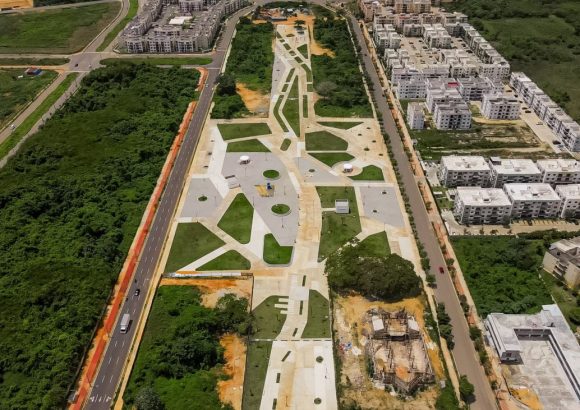
    SANTO DOMINGO – In a formal ceremony marking a key milestone in the country’s planned urban development, José Ignacio Paliza, the Dominican Minister of the Presidency, has officially opened Plaza Constitución, a new 42,200-square-meter public space built in the planned community of Ciudad Juan Bosch. Developed with a total public investment of 222.2 million Dominican pesos (approximately $4.1 million USD), the plaza is designed to serve as both a community recreation hub and a focal point for civic education rooted in the principles of the Dominican Constitution.

    The project, led by the VBC-RD Trust, integrates extensive green infrastructure and community amenities into its design: more than 13,000 square meters of maintained green space, wide paved pedestrian walkways, shaded gazebos, public seating, a modern children’s playground, and an open-air fitness area for residents of all ages. Alongside the plaza inauguration, authorities also opened two newly constructed local roads – Los Amos and Camino Real Nordeste – which required an additional investment of 111.6 million Dominican pesos. The new roadways are intended to cut down on commute times and improve intra-community connectivity for residents of the growing Ciudad Juan Bosch development.

    Speaking at the inauguration event, Paliza emphasized that the dual infrastructure projects align with the national government’s long-term vision for Ciudad Juan Bosch: to develop the area as a national model of intentional, equitable urban development that prioritizes resident quality of life and orderly, sustainable growth. The ceremony drew senior officials from the Constitutional Court of the Dominican Republic and multiple other public agencies, and included a symbolic honor: Paliza was presented with a commemorative medal marking the 60th anniversary of the 1965 Dominican Civil War.

    Plaza Constitución is now the latest addition to a growing network of large public amenities in Ciudad Juan Bosch, all designed to encourage community participation, support local cultural activity, expand accessible recreation options, and foster greater civic engagement among the area’s growing population.

  • Airlines set to absorb Spirit Airlines’ passenger demand in the Dominican Republic

    Airlines set to absorb Spirit Airlines’ passenger demand in the Dominican Republic

    When ultra-low-cost carrier Spirit Airlines confirmed its exit from the Dominican Republic, industry observers quickly raised questions about potential disruptions to air travel connectivity and ticket pricing for the popular Caribbean tourism destination. But top Dominican aviation officials are moving to calm those concerns, saying the withdrawal will leave only a mild ripple effect across the country’s budget air travel segment.

    Héctor Porcella, president of the Dominican Republic’s Civil Aviation Board, emphasized that while any departure of a operating carrier represents a notable shift for the local market, the route network Spirit once operated will not be left unserved. Multiple existing airlines have already positioned themselves to absorb the vacated capacity, ensuring continuous service for travelers heading to and from the Dominican Republic.

    Porcella detailed that the country’s low-cost aviation sector remains defined by robust competition, with several major players already holding significant market share. U.S.-based budget carriers Frontier Airlines, Southwest Airlines and JetBlue all maintain active, expanded operations in the Dominican market, alongside fast-growing local low-cost carrier Arajet. Even full-service giant American Airlines, which does not operate as a budget carrier, has the capacity to pick up additional routes and passenger volume that Spirit left behind, he added.

    Official data shows that in 2025, Spirit carried 470,147 passengers to and from the Dominican Republic, accounting for 4% of total passenger traffic between the Caribbean nation and the United States. On five key high-demand routes connecting the Dominican Republic to U.S. cities including Fort Lauderdale, Philadelphia, Boston, Newark and Baltimore, Spirit held roughly 20% of the total market share. According to Porcella, the seats that Spirit made available on these routes can be quickly replaced by competing airlines, a dynamic that will prevent widespread disruptions to ticket availability for leisure and business travelers alike.

    The Civil Aviation Board also noted that Spirit had already projected approximately 260,000 available seats for its Dominican Republic routes in 2026. All of this planned capacity is set to be redistributed across other carriers operating in the market, a shift that will preserve existing transnational connectivity and drastically lower the risk of sudden, significant fare hikes for travelers.

    Porcella highlighted that deep, established competition already exists in the country’s busiest transnational markets, such as the key routes to Fort Lauderdale and Philadelphia. Carriers including JetBlue, Frontier and American Airlines already hold large, established presences in these corridors, meaning they can scale up capacity to meet unmet demand without major delays. This existing market depth, he concluded, will help protect the affordable travel options that have made the Dominican Republic such a popular destination for U.S. travelers for decades.