标签: Dominican Republic

多米尼加共和国

  • Senator Cholitín warns La Altagracia is being “punished by success”

    Senator Cholitín warns La Altagracia is being “punished by success”

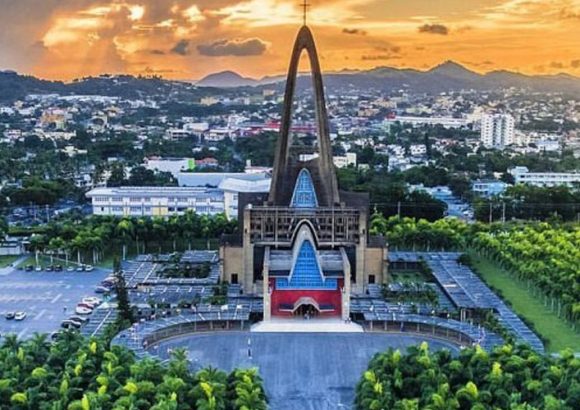
    In a stark address delivered before the Dominican Republic’s Senate, senior lawmaker Rafael Barón Duluc — widely known by his nickname Cholitín — has sounded the alarm over unregulated, uneven expansion in the province of La Altagracia, home to the Caribbean’s iconic tourist hubs Punta Cana and Bávaro. While the region has cemented its reputation as one of the top travel destinations in the Americas, drawing millions of visitors and generating billions in annual revenue, its rapid growth has come at a steep cost, Duluc argued.

    Duluc framed La Altagracia’s current crisis as a case of “being punished by success”: the province’s booming tourism economy has failed to deliver broad-based improvements to quality of life for local residents, leaving critical public sectors starved for targeted investment and basic infrastructure outdated and overstretched. One of the most glaring gaps in data is also the root of many of the region’s challenges, he claimed: official population counts drastically undercount the actual number of people who call La Altagracia home, with Duluc putting the current population at over 1 million, far higher than government estimates.

    To address this data deficit, Duluc is backing a Senate resolution that calls on President Luis Abinader to direct the National Statistics Office (ONE) to carry out a one-time, specialized census focused exclusively on La Altagracia. Without an accurate count of residents, the senator explained, local and national leaders cannot allocate sufficient funding or resources to fix widespread shortages that have plagued daily life in the province. These shortages range from K-12 classroom space and accessible public transportation to core utility services, while unmanaged population growth has also turned chronic traffic congestion into a daily crisis in both Punta Cana and the nearby town of Verón.

    Duluc’s warning carries added weight, as it aligns with recent comments from Frank Rainieri, the pioneering tourism developer who helped transform Punta Cana from a remote coastal stretch into a global travel destination. Rainieri recently echoed the same concern, describing the region’s current pattern of unregulated growth as fundamentally unsustainable long-term. For Duluc, the specialized census is not just a bureaucratic exercise — it is the most critical first step to lay the groundwork for informed strategic planning, targeted public investment, and inclusive growth that can benefit both the tourism industry and the local community that calls La Altagracia home.

  • ONDA reports record surge in copyright registrations in the Dominican Republic

    ONDA reports record surge in copyright registrations in the Dominican Republic

    In a significant milestone for the Dominican Republic’s creative and entrepreneurial ecosystems, the country’s National Copyright Office (ONDA) has announced a dramatic surge in copyright registrations by local creators, a shift that points to rapidly expanding public awareness around the value of intellectual property protection.

    ONDA Director General José Ruben Gonell Cosme shared that the agency has undergone a remarkable transformation in processing volumes over recent years. Where it once handled roughly 1,400 work registrations annually, it closed 2025 with nearly 34,000 copyrighted works formally registered and protected. This explosive growth has carried into 2026, with a single month in April recording more than 19,000 new registrations alone.

    Beyond the raw volume increase, Gonell noted that the scope of copyright protection has also expanded dramatically beyond the traditional categories most creators associate with copyright law. Today, the office recognizes protection for more than 60 distinct types of creative and commercial work, ranging from long-protected categories such as music and literary publications to modern assets like software, video game content, original culinary recipes, and architectural blueprints. For independent creators and small business owners across the country, this formal legal protection has emerged as a valuable economic asset that can be leveraged for revenue generation, investment, and long-term business growth.

    Gonell also emphasized that the country’s progress in intellectual property regulation earned international recognition when the Dominican Republic was removed from the United States’ Special 301 Watch List, a development that has significantly boosted legal certainty for both domestic and foreign investors looking to engage with the country’s creative and tech sectors. Even as the agency celebrates this milestone of growing registration volumes, however, Gonell acknowledged that gaps remain in intellectual property awareness. Key sectors including independent publishing and traditional crafts still see large shares of creators failing to formalize protection for their work, leaving their creative assets vulnerable to exploitation.

    Looking ahead, ONDA will continue prioritizing outreach and educational programs to expand awareness of intellectual property rights across under-served sectors. It also maintains an active focus on mediation services to reduce piracy of copyrighted material, while proactively preparing regulatory frameworks to address emerging challenges tied to artificial intelligence development and the evolving impact of major digital content platforms.

  • Dominican Republic and Guyana sign oil exploration agreement

    Dominican Republic and Guyana sign oil exploration agreement

    In a landmark move that deepens energy cooperation between two Caribbean nations, the governments of the Dominican Republic and Guyana formalized a landmark joint development agreement Thursday to explore and potentially bring online new oil and natural gas resources in Guyana’s onshore Berbice block.

    Under the terms of the agreement, the Dominican Republic’s state-owned Dominican Petroleum Refinery (Refidomsa) will hold a 10% non-operating stake in the exploration project, requiring no upfront capital contribution from the Dominican state. If exploration efforts successfully identify commercially viable hydrocarbon reserves, the Dominican Republic is guaranteed access to extracted crude oil and natural gas on preferential pricing terms, a provision designed to shore up the country’s long-standing goal of improving national energy security.

    This new operational agreement builds on a 2023 memorandum of understanding signed by Dominican President Luis Abinader and Guyanese President Mohamed Irfaan Ali, which laid the initial groundwork for bilateral energy collaboration. Over the past year, technical teams from the Dominican Republic’s Ministry of Energy and Mines, Refidomsa, and Guyana’s relevant energy authorities have worked closely to align regulatory standards, survey requirements, and project frameworks to move the initiative forward.

    Officials from both nations have framed the deal as more than a single exploration project: it is viewed as a catalyst for broader economic integration. Should the Berbice block project prove successful, stakeholders say additional joint ventures could follow, including the potential development of a shared regional refinery and petrochemical complex. The partnership also opens new pathways for expanded cooperation across trade, investment, and energy policy as both countries seek to leverage their respective geographic and resource strengths in the global energy market.

  • Duartian Institute raises sovereignty concerns over U.S. deportation agreement

    Duartian Institute raises sovereignty concerns over U.S. deportation agreement

    A prominent Dominican civic organization has launched formal pushback against a newly signed bilateral agreement between the Dominican Republic and the United States that allows the Caribbean nation to temporarily host third-country nationals deported from U.S. soil, raising sharp questions about national autonomy and compliance with domestic immigration law. The Duartian Institute, a respected civic body focused on national governance and constitutional issues, argues that the memorandum of understanding (MOU) poses tangible risks to the Dominican Republic’s sovereign authority and runs counter to the country’s longstanding immigration statutes.

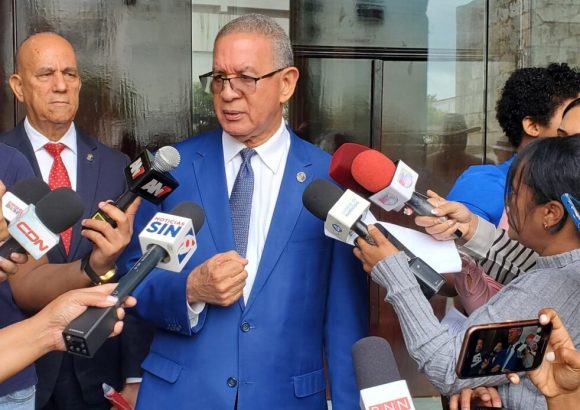
    Wilson Gómez Ramírez, president of the Duartian Institute, described the bilateral deal as an “excessively accommodating” move by Dominican government officials. Under current Dominican law, he explained, only two groups are legally permitted to enter the country: Dominican citizens returning home, and foreign nationals who have completed the full consular visa process to gain entry. Accepting third-country deportees sent from the United States, Gómez Ramírez stressed, creates unaddressed constitutional and legal ambiguities that could undermine the country’s legal framework.

    Beyond legal concerns, the institute’s leader also called out the poor timing of the agreement, pointing to the ongoing mass migration pressures the Dominican Republic already grapples with, driven by the deepening political and humanitarian crisis in neighboring Haiti. Gómez Ramírez argued that taking on new, unplanned migration responsibilities directly contradicts the Dominican government’s ongoing efforts to crack down on irregular migration across its border. The civic leader also called for a transparent national public debate over the planned use of Dominican military airports and the entry of foreign aircraft to carry out the deportation transfers laid out in the MOU.

    In its formal appeal to national leadership, the Duartian Institute has called on Dominican President Luis Abinader to launch a full review of the actions taken by administration officials who negotiated and approved the agreement. The organization is pushing for Abinader to ensure that all future decisions shaping the country’s migration policy align closely with the Dominican Republic’s constitution, domestic laws, and core national interests.

  • New Plaza Constitución opens in Ciudad Juan Bosch with RD$222 million investment

    New Plaza Constitución opens in Ciudad Juan Bosch with RD$222 million investment

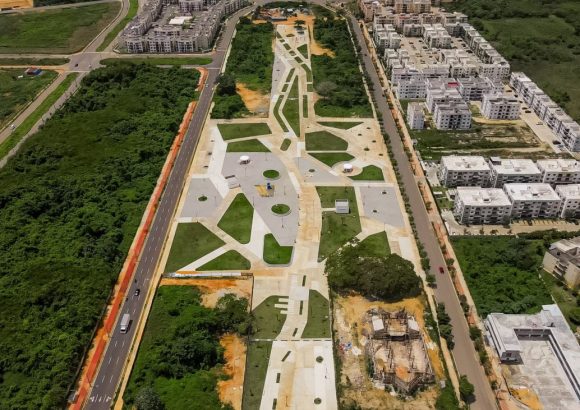
    SANTO DOMINGO – In a formal ceremony marking a key milestone in the country’s planned urban development, José Ignacio Paliza, the Dominican Minister of the Presidency, has officially opened Plaza Constitución, a new 42,200-square-meter public space built in the planned community of Ciudad Juan Bosch. Developed with a total public investment of 222.2 million Dominican pesos (approximately $4.1 million USD), the plaza is designed to serve as both a community recreation hub and a focal point for civic education rooted in the principles of the Dominican Constitution.

    The project, led by the VBC-RD Trust, integrates extensive green infrastructure and community amenities into its design: more than 13,000 square meters of maintained green space, wide paved pedestrian walkways, shaded gazebos, public seating, a modern children’s playground, and an open-air fitness area for residents of all ages. Alongside the plaza inauguration, authorities also opened two newly constructed local roads – Los Amos and Camino Real Nordeste – which required an additional investment of 111.6 million Dominican pesos. The new roadways are intended to cut down on commute times and improve intra-community connectivity for residents of the growing Ciudad Juan Bosch development.

    Speaking at the inauguration event, Paliza emphasized that the dual infrastructure projects align with the national government’s long-term vision for Ciudad Juan Bosch: to develop the area as a national model of intentional, equitable urban development that prioritizes resident quality of life and orderly, sustainable growth. The ceremony drew senior officials from the Constitutional Court of the Dominican Republic and multiple other public agencies, and included a symbolic honor: Paliza was presented with a commemorative medal marking the 60th anniversary of the 1965 Dominican Civil War.

    Plaza Constitución is now the latest addition to a growing network of large public amenities in Ciudad Juan Bosch, all designed to encourage community participation, support local cultural activity, expand accessible recreation options, and foster greater civic engagement among the area’s growing population.

  • Airlines set to absorb Spirit Airlines’ passenger demand in the Dominican Republic

    Airlines set to absorb Spirit Airlines’ passenger demand in the Dominican Republic

    When ultra-low-cost carrier Spirit Airlines confirmed its exit from the Dominican Republic, industry observers quickly raised questions about potential disruptions to air travel connectivity and ticket pricing for the popular Caribbean tourism destination. But top Dominican aviation officials are moving to calm those concerns, saying the withdrawal will leave only a mild ripple effect across the country’s budget air travel segment.

    Héctor Porcella, president of the Dominican Republic’s Civil Aviation Board, emphasized that while any departure of a operating carrier represents a notable shift for the local market, the route network Spirit once operated will not be left unserved. Multiple existing airlines have already positioned themselves to absorb the vacated capacity, ensuring continuous service for travelers heading to and from the Dominican Republic.

    Porcella detailed that the country’s low-cost aviation sector remains defined by robust competition, with several major players already holding significant market share. U.S.-based budget carriers Frontier Airlines, Southwest Airlines and JetBlue all maintain active, expanded operations in the Dominican market, alongside fast-growing local low-cost carrier Arajet. Even full-service giant American Airlines, which does not operate as a budget carrier, has the capacity to pick up additional routes and passenger volume that Spirit left behind, he added.

    Official data shows that in 2025, Spirit carried 470,147 passengers to and from the Dominican Republic, accounting for 4% of total passenger traffic between the Caribbean nation and the United States. On five key high-demand routes connecting the Dominican Republic to U.S. cities including Fort Lauderdale, Philadelphia, Boston, Newark and Baltimore, Spirit held roughly 20% of the total market share. According to Porcella, the seats that Spirit made available on these routes can be quickly replaced by competing airlines, a dynamic that will prevent widespread disruptions to ticket availability for leisure and business travelers alike.

    The Civil Aviation Board also noted that Spirit had already projected approximately 260,000 available seats for its Dominican Republic routes in 2026. All of this planned capacity is set to be redistributed across other carriers operating in the market, a shift that will preserve existing transnational connectivity and drastically lower the risk of sudden, significant fare hikes for travelers.

    Porcella highlighted that deep, established competition already exists in the country’s busiest transnational markets, such as the key routes to Fort Lauderdale and Philadelphia. Carriers including JetBlue, Frontier and American Airlines already hold large, established presences in these corridors, meaning they can scale up capacity to meet unmet demand without major delays. This existing market depth, he concluded, will help protect the affordable travel options that have made the Dominican Republic such a popular destination for U.S. travelers for decades.

  • Dominican Senate approves air services agreement with Greece

    Dominican Senate approves air services agreement with Greece

    In a move set to reshape air connectivity and bilateral relations between the Caribbean and Southern Europe, the Senate of the Dominican Republic has given final approval to a comprehensive Air Services Agreement with Greece, unlocking new potential for expanded passenger and cargo air links between the two nations.

    The landmark accord was originally signed on November 13, 2025, on the sidelines of the ICAN 2025 international aviation conference, where it was developed as a framework to deepen collaborative work across the aviation sectors of both countries. Beyond basic air service access, the agreement includes progressive provisions that grant carriers from both nations fifth freedom traffic rights for passenger services, allowing airlines to pick up and drop off passengers in a third country before continuing to their destination. For all-cargo operations, the deal goes a step further, offering seventh freedom rights that enable cargo carriers to operate entirely between foreign countries without requiring a connection back to their home nation. It also introduces more flexible operating rules to support widespread code-sharing partnerships between airlines from both signatory states, opening the door for more route options and better scheduling for travelers and shippers alike.

    Championed and advanced by the Dominican Republic’s Civil Aviation Board, the new agreement aligns with the country’s long-term national strategy to cement its status as a leading logistics and tourism hub across the Latin American and Caribbean region. Dominican authorities have outlined clear expectations for the deal: it is projected to open untapped commercial opportunities for both countries, upgrade the Dominican Republic’s global air connectivity network, and create stronger, more integrated diplomatic and economic bonds between Santo Domingo and Athens.

  • Dominican Republic and World Free Zones Organization sign investment and trade cooperation pact

    Dominican Republic and World Free Zones Organization sign investment and trade cooperation pact

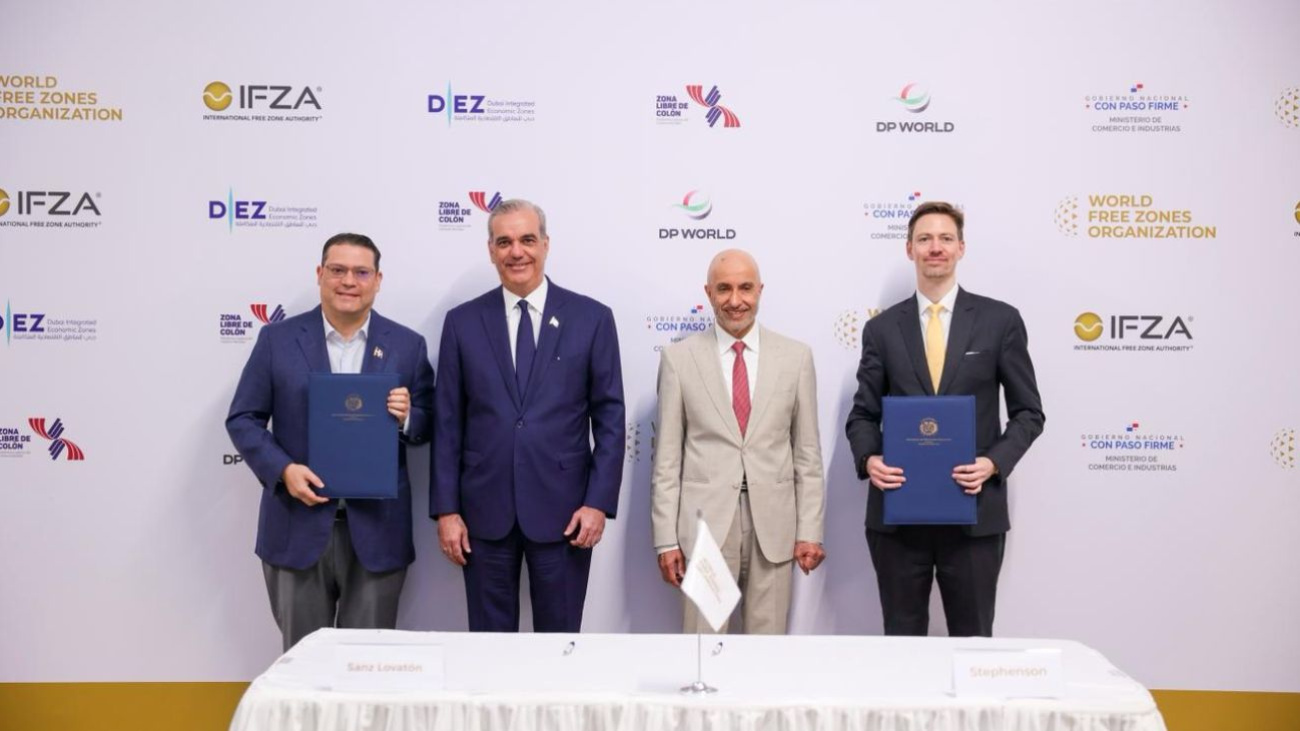
    Against the backdrop of the 12th World Free Zones Congress held in Panama City, the Dominican Republic has formalized a landmark collaborative partnership with the World Free Zones Organization (WFZO) through a newly signed memorandum of understanding. This agreement, focused on elevating cross-sector collaboration in free zone expansion, global investment outreach, export growth, and cross-border trade, marks a strategic step for the Caribbean nation to strengthen its economic standing in the Latin American region. The official signing ceremony saw Eduardo Sanz Lovatón, the Dominican Minister of Industry, Commerce and MSMEs, put his signature to the document alongside Matthew Stephenson, Director General of the WFZO. The high-profile gathering was honored by the presence of Dominican President Luis Abinader and WFZO Chairman Mohammed Al Zarooni, who served as official honorary witnesses to the agreement.

    The two-year collaborative framework sets out clear, actionable priorities for both parties moving forward. Core goals of the partnership include scaling up efforts to attract foreign direct investment (FDI), advancing the development of secure, environmentally and economically sustainable free zones, and creating structured channels for the exchange of industry-leading practices, critical trade data, and targeted business matching opportunities. A defined set of high-priority sectors have been identified to guide collaboration, spanning medical device manufacturing, pharmaceutical production, semiconductors, integrated logistics, textile production, plastics processing, renewable energy development, mining, and information and communications technology.

    Under the terms of the memorandum, the Dominican Ministry of Industry, Commerce and MSMEs will take on the role of the WFZO’s official local liaison for the partnership. To deliver on the agreement’s goals, the ministry will coordinate closely with key national economic institutions: ProDominicana, the Dominican Association of Free Zones, and the National Council of Export Free Zones. This coordinated effort is designed to reinforce the Dominican Republic’s emerging position as a premier regional hub for global investment and export activity, opening new pathways for inclusive economic growth and expanded international market access for the nation’s businesses.

  • Abinader to meet Guyanese president during official visit to Guyana

    Abinader to meet Guyanese president during official visit to Guyana

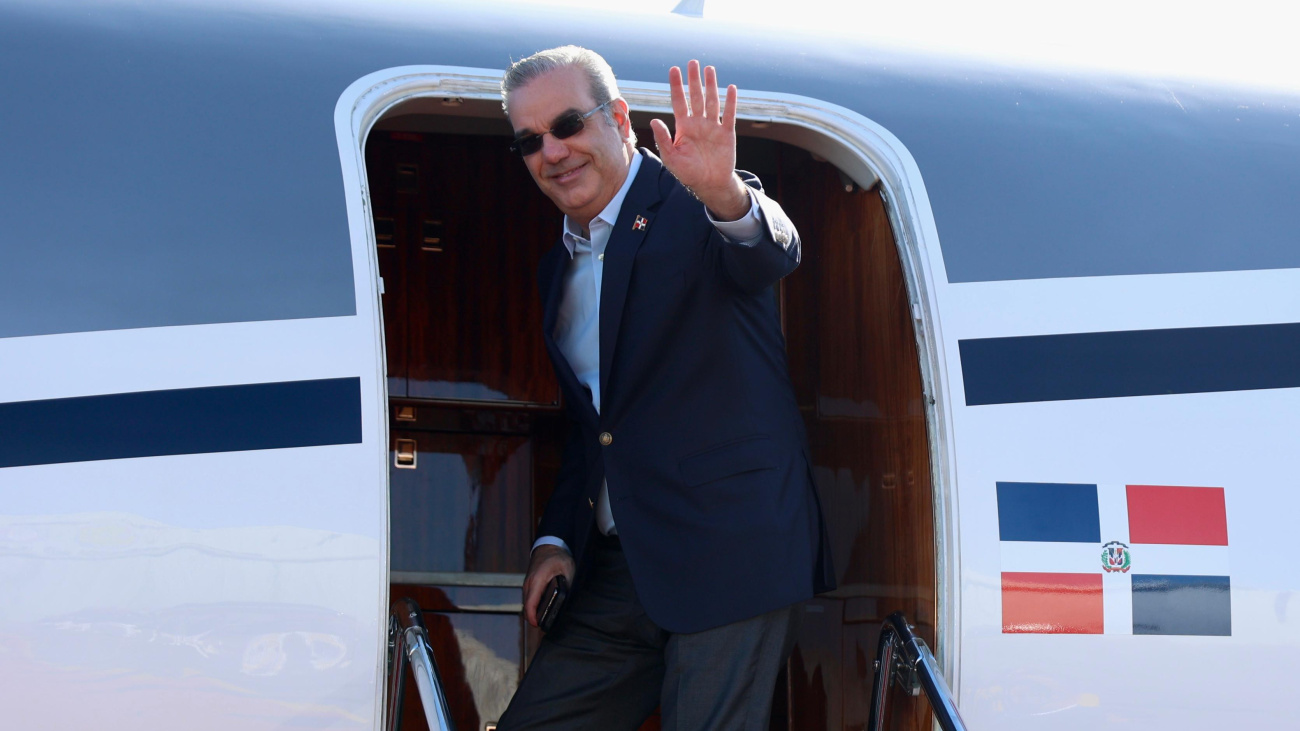
    Dominican Republic President Luis Abinader is set to depart for an official working visit to the South American nation of Guyana on Wednesday evening, kicking off a diplomatic trip aimed at deepening collaboration between the two Caribbean countries. The visit, which comes fresh off Abinader’s high-profile appearance in Panama, will feature structured bilateral negotiations with Guyanese President Mohamed Irfaan Ali and the formal signing of several new cooperation agreements.

    Upon his arrival at Georgetown’s Cheddi Jagan International Airport, Abinader will first be greeted with full military honors, a traditional ceremonial welcome reserved for visiting heads of state. Following the welcome ceremony, the Dominican leader will attend an official reception hosted at Guyana’s Government House to kick off his official engagements.

    The core of the visit will take place on Thursday, when the two national leaders will hold one-on-one and delegation-level talks. Both sides have confirmed that discussions will center on reinforcing long-standing bilateral relations and opening new avenues for cross-border cooperation across key sectors of mutual interest. Abinader travels to Guyana directly from Panama City, where he delivered the opening keynote address at the global World Free Zones Congress. During his time in Panama, the president highlighted the Dominican Republic’s competitive advantages and actively promoted untapped investment opportunities in the country’s fast-growing technology and advanced manufacturing sectors.

    Abinader’s official delegation for the Guyana trip includes three senior Dominican officials: Eduardo Sanz Lovatón, the Dominican Minister of Finance, Biviana Riveiro, the executive director of the Dominican Export and Investment Center, and Ernesto Torres Pereyra, the Dominican Ambassador to Guyana. Per the official schedule released by the Dominican presidency, Abinader will conclude his diplomatic engagements and depart Georgetown to return to the Dominican Republic later on Thursday.

  • 5 Fast-Growing Business Opportunities for Expats in the Dominican Republic

    5 Fast-Growing Business Opportunities for Expats in the Dominican Republic

    A growing influx of expats from North America and Europe putting down permanent roots in the Dominican Republic is sparking a fresh wave of entrepreneurial opportunity, turning the nation from a top Caribbean vacation spot into one of the region’s most promising emerging business hubs.

    Once known almost exclusively for its white-sand beaches and all-inclusive resorts, the Dominican Republic has entered a period of robust economic expansion. More than 11 million tourists visit annually, its real estate market is surging, and sweeping infrastructure upgrades have been rolled out across popular regions from Punta Cana to Puerto Plata. As thousands of foreign nationals choose to make the country their permanent home rather than just a seasonal escape, five key service sectors stand out as primed for rapid growth for expat founders.

    First, short-term rental and property management fills a critical gap in the current market. Thousands of foreign investors own second homes, condos and villas across the country, but the majority do not reside in the Dominican Republic year-round. When owners return to their home countries in North America or Europe, there is acute unmet demand for reliable professionals to oversee their properties. From coordinating cleaning and handling maintenance to managing listings on platforms like Airbnb and VRBO and delivering guest services, the supply of experienced providers has not kept pace with the explosion of new vacation units hitting the market. Expats with prior hospitality or property management experience can start small with a handful of properties, build a trusted reputation, and scale their operations as demand grows.

    Second, tech consulting and digital services offer massive untapped potential, as the country pushes to modernize its digital economy. Puerto Plata has emerged as a flagship emerging Caribbean tech and innovation hub: in 2024, the government launched the Innovation Hub Punta Bergantín, a purpose-built space designed to attract startups, global investors, and location-independent digital entrepreneurs. The national government’s “Agenda Digital 2030” is also accelerating digital transformation for local businesses, leaving countless established firms from hotels and restaurants to real estate agencies and law firms in need of external support. These organizations urgently need help building websites, launching digital marketing campaigns, upgrading cybersecurity infrastructure, and building out e-commerce operations, and most lack in-house technical expertise to deliver these services. For expat founders with tech backgrounds, the market is wide open, and they also gain access to a large pool of young, bilingual, globally minded local talent ready to join growing teams.

    Third, health, wellness and medical tourism is another fast-growing sector. Already, medical tourists from North America and Europe travel to the Dominican Republic for dental work, cosmetic procedures, and elective surgeries at a fraction of the cost of the same procedures in their home countries, but critical support infrastructure for this industry is still under development. Boutique wellness retreats, private fitness studios, physical therapy clinics, and health concierge services tailored to English-speaking clients are in particularly high demand, especially in popular expat hubs like Las Terrenas and Cabarete. Expats with professional backgrounds in health and wellness will find a ready, underserved audience waiting for their services.

    Fourth, bilingual education and tutoring services are experiencing soaring demand as the expat population grows. Every expat family that relocates with children immediately faces the challenge of finding school placement. Enrollment at top international schools is extremely competitive, and demand far outstrips available capacity. Beyond K-12 schooling for expat children, the country’s booming tourism industry has created widespread demand among local Dominican residents for English language training. Expats with teaching credentials or tutoring experience can build successful businesses serving two audiences: after-school programs, SAT/ACT prep, English immersion courses, and STEM enrichment programs are in high demand from both expat families and ambitious Dominican households looking to give their children a competitive edge.

    Fifth, relocation and professional services consulting addresses one of the most common pain points for new arrivals. Every new expat eventually struggles to navigate the Dominican Republic’s complex bureaucratic system, from applying for legal residency and incorporating a new business to closing property transactions and maintaining tax compliance. Most processes are conducted entirely in Spanish, creating a steep learning curve for newcomers. Expats who have already completed the relocation and set-up process can fill this pressing need by guiding new arrivals and connecting them with vetted local professionals including attorneys, accountants, real estate agents, and contractors. As of early 2026, the number of residency approvals continues to climb, and the capital city of Santo Domingo is recording a net inflow of expat residents, meaning demand for experienced relocation guides will only continue to rise.

    For adaptable entrepreneurs ready to tailor their offerings to the local market, the Dominican Republic has emerged as one of the Caribbean’s most attractive destinations to launch scalable, service-based businesses. Unlike earlier waves of expats who primarily moved to the country for beach retirement, the newest cohort of foreign residents is focused on building new businesses and growing the local economy — and the nation’s evolving economic and regulatory landscape is ready to support their ambitions.

    This analysis was written by Rosalyn Ortega-Elie, a real estate investor, business coach, and international broker with Smart Caribbean Properties. Ortega-Elie specializes in helping international investors identify high-potential property in the Dominican Republic and guides clients to monetize their professional skills through borderless digital businesses. She can be reached on Instagram @smartcaribbean_ or via email at [email protected].