标签: Dominican Republic

多米尼加共和国

  • Digemaps introduces national surveillance programs for meat safety

    Digemaps introduces national surveillance programs for meat safety

    In a major step forward for public health protection and food system upgrading in the Dominican Republic, the General Directorate of Medicines, Food and Health Products (Digemaps) has officially unveiled the National Programs for the Control of Pathogens and Chemical Residues, a cross-sector initiative focused on tightening regulatory oversight of domestic meat products.

    The launch ceremony took place at the headquarters of the Dominican Agribusiness Board (JAD), with critical technical backing provided by the Dominican Agribusiness Laboratory (LAD). What sets this new program apart from previous regulatory efforts is its collaborative structure, which unites government public health agencies and private agri-food stakeholders to close gaps in health surveillance and quality control across every link of the nation’s meat supply chain.

    Per Digemaps’ official program framework, the core mission of the initiative is to guarantee that all meat products reaching Dominican consumers for human consumption are free of dangerous pathogens, unregulated chemical residues, and banned substances. To achieve this goal, the program has rolled out upgraded sanitary inspections, expanded microbiological monitoring routines, and standardized sampling protocols that match current international food safety benchmarks.

    During the launch event, regulatory and technical officials presented a full set of updated technical and regulatory guidelines. These documents outline standardized procedures for on-site inspections, mandatory microbiological testing, and ongoing surveillance targeting high-risk pathogens that commonly cause foodborne illness, including Salmonella, E. coli O157:H7, Shiga toxin-producing E. coli (STECs), and Listeria monocytogenes. Beyond microbial hazards, the program also establishes rigorous new testing requirements for veterinary drug residues, agricultural pesticides, and other unintended chemical contaminants that can enter meat products during production and processing.

    A series of expert-led technical sessions covered a range of critical implementation topics, from designing and executing robust microbiological control systems and the standardized N60 sampling method, to implementing proactive hazard prevention measures in meat processing facilities and establishing clear response protocols for when testing returns positive results for hazardous contaminants.

    Digemaps officials outlined the far-reaching benefits the program is expected to deliver. Beyond upgrading consumer protection, the initiative will strengthen the overall national meat inspection system, improve end-to-end product traceability, boost public confidence in domestic meat products, and increase the global competitiveness of the Dominican Republic’s livestock and meat processing sector in both local and export markets.

    For their part, JAD and LAD leadership reaffirmed their long-term commitment to supporting national food safety efforts and advancing the technical development of the Dominican agribusiness sector, emphasizing that stronger quality assurance and public health monitoring systems are foundational to the industry’s sustainable growth.

  • RD Vial announces feasibility study for Central Cibao Expressway

    RD Vial announces feasibility study for Central Cibao Expressway

    In a major step forward for regional infrastructure development in the Dominican Republic, state highway authority RD Vial has officially greenlit a feasibility assessment for the long-proposed Central Cibao Expressway, a transformative project designed to boost connectivity across four key provinces in the country’s Cibao heartland.

    RD Vial Director Hostos Rizik outlined the project’s scope in a recent statement, confirming that the new roadway will connect the existing San Francisco de Macorís highway to the heavily traveled Duarte Highway, positioned near the main entrance of Cibao International Airport. Rizik added that a third-party consulting firm has already received formal authorization to kick off preliminary technical analyses, noting that the project is a high-priority initiative for President Luis Abinader’s administration, which has pushed aggressively to advance its development agenda.

    The announcement has drawn broad praise from business leaders and regional development advocates, who have long framed the expressway as a critical catalyst for long-term economic growth in the Cibao region. Ricardo Fondeur, a representative of the Association for the Development of Santiago (APEDI), emphasized that stakeholders are eager to see the feasibility process move forward as quickly as possible, adding that industry groups are confident the assessment will validate the project’s technical and economic viability.

    Juan María García, another prominent regional development figure, expanded on the project’s expected benefits, noting that streamlined traffic flow and cut travel times between two of the region’s largest urban centers – Santiago and San Francisco de Macorís – will unlock broader economic activity across the entire central Cibao region. This area already contributes roughly 20% of the Dominican Republic’s total gross domestic product, making infrastructure improvements here a high-stakes investment for the entire country’s economic future.

  • EGE Haina launches Dominican Republic’s first hybrid wind-solar power plant

    EGE Haina launches Dominican Republic’s first hybrid wind-solar power plant

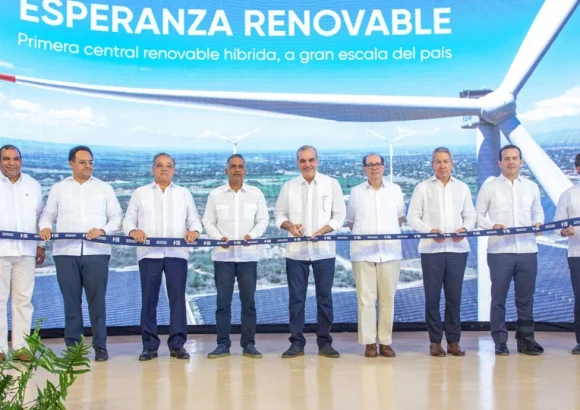
    In a landmark ceremony led by Dominican Republic President Luis Abinader, independent power producer EGE Haina has officially opened the Esperanza Renovable energy complex in Valverde province – the Caribbean nation’s first utility-scale hybrid wind and solar facility connected to the National Interconnected Electric System (SENI). This milestone project brings together three integrated renewable assets to deliver a combined clean power capacity of 200 megawatts, following a total private investment of $246.5 million.

    The Esperanza Renovable complex integrates two newly completed facilities – the 60 MW Esperanza Solar 2 farm and 49.5 MW Esperanza Wind park – with EGE Haina’s already operational 90 MW Esperanza Solar 1 plant, which entered service years earlier. Spanning 246 hectares of land in Valverde, the facility features 259,370 high-efficiency bifacial solar panels and 11 state-of-the-art Vestas wind turbines. Standing 225 meters tall, these turbines are the tallest energy infrastructure structures ever installed in the Dominican Republic. Annually, the complex is projected to generate approximately 485,000 megawatt-hours of carbon-free electricity, enough to power hundreds of thousands of local households annually.

    José A. Rodríguez Silvestre, General Manager of EGE Haina, emphasized that the Esperanza Renovable project represents a critical step forward in diversifying the Dominican Republic’s national energy matrix, which has long relied heavily on fossil fuel imports. Looking ahead, the company has already laid out plans to add a 200 megawatt-hour battery energy storage system (BESS) to the complex, a upgrade that will smooth out variable wind and solar output, optimize grid distribution, and ensure more consistent delivery of clean power to end users.

    Joel Santos Echevarría, the Dominican Republic’s Minister of Energy and Mines, echoed this optimism, noting that the new facility strengthens the country’s long-term energy security by reducing reliance on imported fossil fuels and keeps the nation on track to meet its legally binding renewable energy transition targets. For EGE Haina, the project brings the company’s total installed renewable capacity to 576 MW, allowing it to exceed the sustainability target outlined in its green sustainability bond years ahead of schedule.

    Beyond its energy and climate benefits, the project has delivered significant economic and community gains to the Valverde region. Over the course of construction, the buildout created 1,400 direct local jobs, providing a major boost to the provincial economy. Once fully operational, the complex is expected to cut annual carbon dioxide emissions by more than 275,000 tons, delivering tangible public health and climate benefits for the nation. Since 2022, EGE Haina has also invested more than 34 million Dominican pesos in targeted local community and environmental initiatives across Valverde. These investments include installing solar power systems for local public buildings, upgrading school facilities, improving public infrastructure, and establishing a dedicated arboretum that houses more than 1,000 species of endemic native trees and shrubs, supporting local biodiversity conservation efforts.

  • Delta flight returns to Santiago after midair medical emergency affects passengers

    Delta flight returns to Santiago after midair medical emergency affects passengers

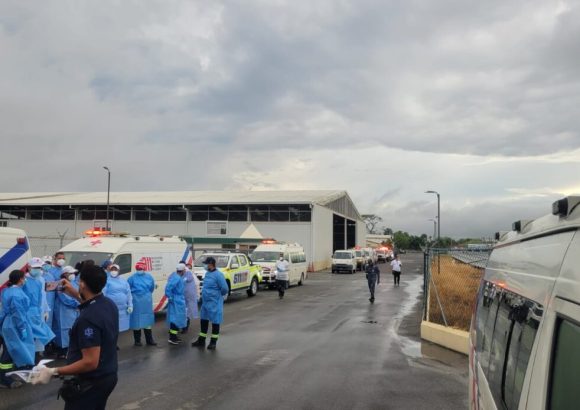
    A routine commercial flight from Santiago, Dominican Republic to New York City took an unexpected turn Wednesday afternoon when a sudden outbreak of passenger illness forced the aircraft to make an emergency return to its origin airport. Delta Air Lines Flight 1822, an Airbus A321 carrying 192 passengers bound for New York’s John F. Kennedy International Airport, departed Cibao International Airport at 2:45 p.m. local time. Minutes into the journey, the cabin environment took a worrying turn: multiple passengers reported a strange, unidentifiable odor permeating the aircraft, before dozens of people began experiencing sudden adverse health reactions, including simultaneous vomiting.

    By approximately 5:15 p.m., flight crew made the critical decision to declare an in-flight emergency and divert back to Santiago as a precautionary measure, prioritizing the safety of all people on board. Airport emergency protocols were activated immediately following the alert, and the jetliner touched down safely at Cibao International at 5:41 p.m., with no catastrophic events occurring during the landing. The incident had already sparked widespread panic and anxiety among passengers and crew mid-flight, so local medical teams were standing by to deliver on-site care as soon as the plane cleared the runway.

    The Dominican Republic’s Ministry of Public Health confirmed that coordinated emergency response efforts were launched immediately after the aircraft landed. The response operation was led by the country’s Emergency Operations Center and the Ministry of Health’s Vice Ministry of Risk Management, with on-the-ground support from the Santiago III Provincial Health Directorate, National Health Service, Directorate of Out-of-Hospital Emergency Care, and multiple other local and national agencies.

    Per official health updates, 12 passengers who developed acute respiratory symptoms were transferred to local hospitals for mandatory medical evaluation. The majority of affected passengers on board received treatment for anxiety, panic attacks, and mild breathing difficulties at the airport, and were discharged shortly after evaluation. As of the latest update, four people remain in local health facilities for ongoing medical observation, and all four are currently in stable condition.

    Authorities have moved quickly to reassure the public, stating that no evidence has yet been found to indicate this incident poses a broader public health risk to the Dominican Republic or the aviation community. Formal investigations and multi-agency technical evaluations are currently ongoing to pinpoint the source of the mysterious odor and the root cause of the reported medical symptoms.

    In the wake of the diversion, Delta Air Lines has activated its passenger support protocols, and has begun rebooking all affected passengers on alternate flights to New York to minimize travel disruption. The involved Airbus A321 will remain grounded in Santiago until full safety inspections are completed by the airline’s specialized maintenance team.

  • U.S. Embassy hosts Bourbon Diplomacy celebration in Santo Domingo

    U.S. Embassy hosts Bourbon Diplomacy celebration in Santo Domingo

    In a celebration of American cultural heritage and a public display of deepening bilateral ties, the U.S. Embassy in Santo Domingo, in partnership with the United States Department of Agriculture and its Office of Agricultural Affairs, has launched a signature “Bourbon Diplomacy” gathering. This event forms a core part of the Freedom 250 initiative, a nationwide program organized by the U.S. government to mark the upcoming 250th anniversary of the United States’ declaration of independence, set for full commemoration through 2026.

    The cross-sector gathering drew a diverse roster of high-profile attendees, spanning top business executives from the Dominican Republic, industry leaders from the country’s key hotel and retail sectors, senior Dominican government officials focused on trade and agricultural policy, sitting members of the international diplomatic corps based in the country, and prominent stakeholders from the Dominican Republic’s world-renowned tobacco industry. Together, the guests explored overlapping themes of craft, cultural tradition, and cross-border commercial collaboration.

    Speaking at the event, Leah Francis Campos, the U.S. Ambassador to the Dominican Republic, centered her remarks on the unique place of bourbon in American national identity, calling it one of the most recognizable and enduring icons of U.S. cultural heritage. She also took the opportunity to underline the robust and mutually beneficial commercial partnership between the two nations, noting that annual bilateral trade between the U.S. and the Dominican Republic already surpasses $33 billion.

    A key highlight of the evening was the deliberate pairing of two iconic craft products from each nation: authentic American bourbon and premium handcrafted Dominican cigars. The side-by-side showcase allowed attendees to appreciate the generations of refined craftsmanship and deeply rooted cultural traditions that define both industries, drawing clear parallels between the two product legacies.

    The U.S. Embassy formally acknowledged the critical support of the event’s official sponsors: Álvarez & Sánchez, United Brands, Beam Suntory, and El Catador. It also recognized the valuable participation of the Dominican Republic’s most prominent cigar manufacturers, including leading brands Arturo Fuente, La Aurora, La Galera, La Flor Dominicana, and industry association ProCigar.

    As a standing U.S. government project, Freedom 250 is coordinating a full calendar of commemorative activities across the globe leading up to and throughout 2026, the official anniversary year. Beyond reflecting on the United States’ 250-year history, the initiative has a core stated goal of strengthening people-to-people and governmental ties with international partner nations — the Dominican Republic included.

  • Abinader reaffirms commitment to Dominican artists and cultural development

    Abinader reaffirms commitment to Dominican artists and cultural development

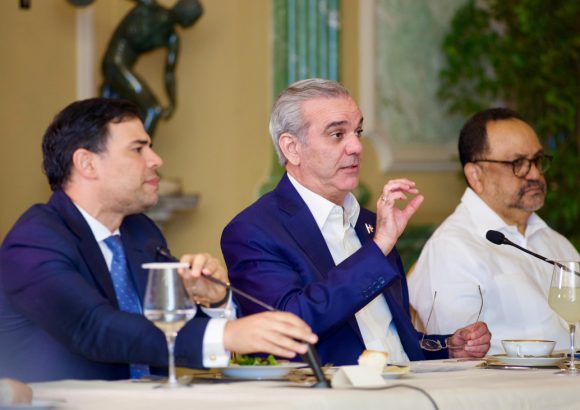
    A high-profile gathering of the Dominican Republic’s leading artistic figures and President Luis Abinader took place earlier this week at the National Palace in Santo Domingo, where the head of state convened the working luncheon to deepen collaboration between the government and the nation’s cultural sector. The meeting was structured to create open dialogue between policymakers and creators, address pressing concerns raised by working artists, and align on shared priorities to boost creative initiatives spanning music, visual arts, performance, and national cultural heritage.

    Opening the discussion, President Abinader underscored the irreplaceable role that artists play in safeguarding Dominican national identity and driving inclusive cultural development. He made a formal reaffirmation of the national government’s ongoing commitment to sustaining transparent, consistent lines of communication with creative communities across the country, ensuring their input shapes future cultural policy. The meeting counted senior government officials among its attendees, including Minister of Justice Antoliano Peralta, National Office of Drug Control Director José Rubén Gonell Cosme, and cultural leader Roberto Ángel Salcedo.

    During the event, Salcedo laid out details of the administration’s flagship plan to expand access to formal artistic education across the Dominican Republic. The initiative centers on integrating existing Fine Arts schools into the national extended school day program, expanding outreach to underserved communities. Currently, the country hosts 88 regional arts-focused centers and serves more than 7,000 students across 22 accredited Fine Arts institutions. The updated framework will expand training opportunities across four core creative disciplines: music, dance, visual arts, and performing arts, with curriculum revisions to center the unique cultural traditions of each Dominican region.

    In addition to education reforms, President Abinader announced a major new cultural event to celebrate one of the nation’s most iconic cultural exports: merengue. The newly proposed “Merengue Week” will run from November 20 to 29, with public programming and performances scheduled in the country’s two largest cities, Santo Domingo and Santiago. To boost global visibility for Dominican creative talent, Abinader also issued a formal directive requiring the Ministry of Culture and Ministry of Foreign Affairs to coordinate closely, leveraging the country’s network of embassies and consulates around the world to showcase Dominican art and music to international audiences.

    Response from the artistic community gathered at the luncheon was largely positive, with multiple prominent creators praising the administration’s targeted support for the cultural sector. Veteran artist Pochy Familia commended Abinader’s consistent engagement with Dominican creators, and extended gratitude for the government’s recent provision of pensions for long-time veteran artists. Merengue star Rafa Rosario characterized Abinader as one of the most accessible and engaged presidents for Dominican artistic communities in modern history, while fellow performer Eddy Herrera emphasized the global cultural significance of merengue as a national treasure that deserves international promotion.

    The invitation-only luncheon drew a who’s who of Dominican music and entertainment, including legendary performers Fefita La Grande, Sergio Vargas, Kinito Méndez, Ramón Orlando, Omega, and Jandy Ventura, among other notable figures from across the creative sector.

  • Labor reform bill approved with new rules on leave and contract suspensions

    Labor reform bill approved with new rules on leave and contract suspensions

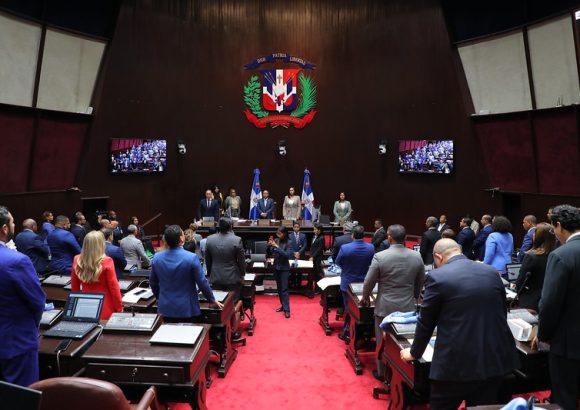
    In a landmark vote held in Santo Domingo, the lower legislative chamber of the Dominican Republic, the Chamber of Deputies, has passed the first reading of a sweeping piece of legislation that overhauls the nation’s decades-old Labor Code. The bill brings targeted changes to three core areas of national labor regulation: employee leave policies, rules for temporary employment contract suspension, and mandatory workplace safety protocols for high-risk job roles. After a six-month review period carried out by a specially appointed legislative commission, the reform proposal earned full backing from all 144 deputies in attendance during the final vote. The commission’s review process was originally extended beyond initial timelines, however, due to persistent unexcused absences from participating deputies that stalled committee work for weeks. Among the most significant changes approved in the current draft is a doubling of mandatory paternity leave for new fathers, raising the allowance from two full working days to four. While legislators debated two additional popular expansions to leave policies — extending paternity leave further to seven days and introducing a new bereavement leave entitlement for workers mourning the death of a sibling — both amendments were struck down before the final vote on the full bill. The reform also codifies for the first time 13 explicit legal grounds that allow employers to temporarily suspend employment contracts. These eligible causes include national states of emergency and other official government mandates that bar employees from safely or legally accessing their workplaces. A third key provision mandates mandatory pre-employment and periodic anti-doping testing for workers holding high-risk positions. This requirement applies to roles across multiple sectors, including public and private security, all forms of commercial transportation, heavy machinery operation, work involving the handling of hazardous equipment, and any profession that requires regular direct contact with minors. The bill will now advance to a second reading for final debate and voting before moving to the Dominican Senate for further consideration.

  • Prosecutors seek preventive detention for migration inspector in alleged airport bribery case

    Prosecutors seek preventive detention for migration inspector in alleged airport bribery case

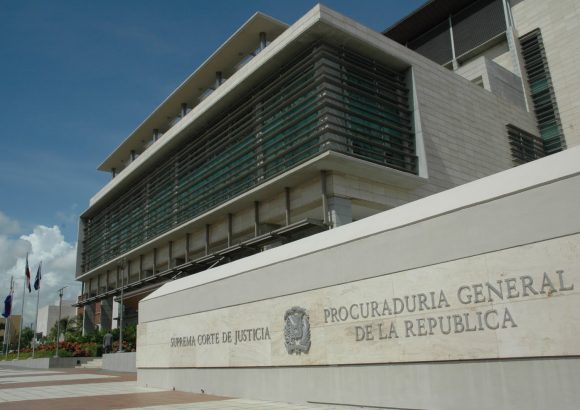
    In a high-profile corruption case unfolding at one of the Dominican Republic’s busiest international air hubs, the country’s Public Prosecutor’s Office has formally requested pretrial preventive detention for a veteran migration inspector accused of extorting bribes from incoming foreign travelers.

    The defendant, Albert Isaac Pérez Ferreras, has served as an entry/exit control inspector with the Dominican General Directorate of Migration since 2022. He was taken into custody on May 17 in flagrante delicto at Las Américas International Airport, following an alleged attempt to solicit a $200 bribe from a Spanish national and their travel companion in exchange for granting the pair entry into the country.

    Investigative records detail that Pérez Ferreras falsely claimed the travelers planned to stay in the Dominican Republic for three months, a stay that would exceed the permitted duration under the country’s migration rules. The inspector claimed the $200 payment was a required immigration penalty for the overstay. The Spanish travelers pushed back on the demand immediately, noting they had entered the country on previous occasions without being charged any similar fees.

    When the Spanish visitor explained he only carried $70 in cash, the accused inspector agreed to accept the reduced sum and told the traveler to tuck the banknotes inside his passport for the hidden exchange. Authorities confirmed that the entire interaction, including the handoff of the money, was captured on the airport’s closed-circuit television surveillance system, providing concrete audiovisual evidence for the case.

    The request for coercive pretrial measures was submitted to the Santo Domingo East Coordinating Office of the Courts of Instruction by a team of senior anti-corruption prosecutors, led by Mirna Ortiz, head of the Specialized Prosecutor’s Office for the Prosecution of Administrative Corruption (Pepca). Ortiz was joined on the filing by fellow prosecutors Yoneivy González, Ernesto Guzmán Alberto, and Elizabeth Paredes Ramírez.

    Public prosecution officials confirmed the case was originally referred for investigation by the General Directorate of Migration itself. As a public servant tasked with migration control, Pérez Ferreras was explicitly required to carry out his passenger oversight duties in strict adherence to core public service standards of legality, transparency, and ethical conduct.

    Prosecutors note that the case against the inspector is built on a robust body of evidence, including documented records, witness testimony, the surveillance footage provided by migration authorities, and physical evidence recovered during the arrest. Pérez Ferreras faces formal charges for violating Article 146 of the Dominican Constitution, as well as multiple sections of the country’s Penal Code that address public corruption and bribery offenses.

    As the legal process moves forward, authorities confirmed that the broader investigation into the incident is still ongoing, with no further details released on potential additional co-conspirators or related offenses at this stage.

  • Abinader announces restoration plans for historic Agua y Luz Theater

    Abinader announces restoration plans for historic Agua y Luz Theater

    A decades-long wait for revival is coming to an end for Santo Domingo’s iconic abandoned Agua y Luz Theater, after Dominican President Luis Abinader greenlit a public bidding process for its full restoration and transformation into a cutting-edge cultural and tourism destination. The official announcement came at a special luncheon Abinader hosted at the National Palace, bringing together leading figures from the Dominican artistic community to discuss the landmark cultural infrastructure initiative.

    Tourism Minister David Collado shared details of the approved plan with reporters following the meeting, confirming that the scope of work covered by the bidding includes full structural restoration, interior remodeling, and the installation of a permanent new roof. This critical addition will allow the venue to host events year-round, regardless of inclement weather that would disrupt open-air or uncovered performances.

    Collado outlined the timeline for the project, noting that the pre-construction administrative and bidding evaluation phase is projected to last roughly three months. As soon as the evaluation process concludes, authorities will move swiftly to award the contract and kick off renovation work on the site.

    During the gathering with artists, President Abinader opened up about the personal inspiration behind the project. Before taking office, he visited a prominent performance venue in Nashville, Tennessee, where he experienced the power of a permanent, dedicated space for showcasing live country music. That visit planted the seed for his vision: to create a similar enduring home for Dominican artists and a wide range of domestic cultural events.

    According to Collado, the government’s overarching goal is to reimagine the Agua y Luz Theater as a dynamic, lively entertainment hub that draws both local audiences and international tourists. The venue will follow the popular model that integrates immersive live performances with authentic cultural experiences, designed to deepen visitors’ connection to Dominican creativity and heritage. The initiative will be carried out in close partnership with leading national tourism and cultural institutions, with the ultimate aim of boosting Santo Domingo’s standing as a cultural destination and enriching the capital’s offerings for both arts enthusiasts and nightlife seekers.

  • Abinader and Collado Inaugurate Second Phase of Santo Domingo East Boardwalk

    Abinader and Collado Inaugurate Second Phase of Santo Domingo East Boardwalk

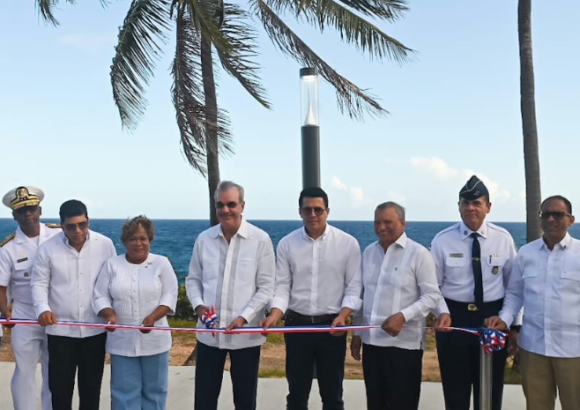
    Senior government leaders in the Dominican Republic have formally opened the final phase of a sweeping waterfront redevelopment project along the capital’s eastern coast, capping off a public investment initiative designed to boost local quality of life and national tourism. On Wednesday, President Luis Abinader joined Tourism Minister David Collado in Santo Domingo to inaugurate the second phase of the Santo Domingo East Boardwalk reconstruction, bringing the multi-stage transformation to an official close.

    The full revitalization effort has carried a total public investment price tag of more than 685 million Dominican pesos, with the second and final phase alone accounting for 314.4 million pesos in spending. The completed project stretches 4.1 continuous kilometers along the Avenida España coastal corridor, running from the Dominican Naval Base in the north to the Las Américas Highway in the south. In total, the redevelopment has delivered more than 237,000 square meters of new public recreational and green space for local communities and visitors.

    Speaking to attendees at the inauguration ceremony, President Abinader underlined the far-reaching benefits the project will deliver for three key local sectors: tourism, public recreation, and urban development across Santo Domingo East. He framed the newly renovated boardwalk as a world-class, accessible public gathering space that will serve both long-term residents of the area and the thousands of domestic and international tourists who visit the Dominican capital each year.

    For his part, Tourism Minister David Collado noted that the boardwalk project is not an isolated initiative, but a core component of the Ministry of Tourism’s national strategy to restore and modernize waterfront and coastal public spaces across every region of the Dominican Republic. Collado emphasized that integrated coastal development serves dual purposes: it strengthens community connection to public natural spaces, while also expanding the country’s tourism infrastructure to attract more visitors and drive long-term economic growth.

    The comprehensive infrastructure intervention included a wide range of public works beyond new green and recreational space. Construction crews built new pedestrian sidewalks, dedicated bicycle lanes, internal access roads, and landscaped central medians along the corridor. The project also added 11 new public parking areas, multiple open recreational plazas, new public urban furniture, upgraded stormwater drainage systems, and modernized electrical infrastructure to support public operations and safety along the boardwalk.

    The inauguration ceremony drew a broad cross-section of public and community stakeholders, including municipal and provincial government leaders from the Santo Domingo East region, senior national government officials, and representatives from local business, community, and tourism sectors. Attendees framed the completed project as a landmark public investment that will deliver tangible benefits to the region for decades to come.