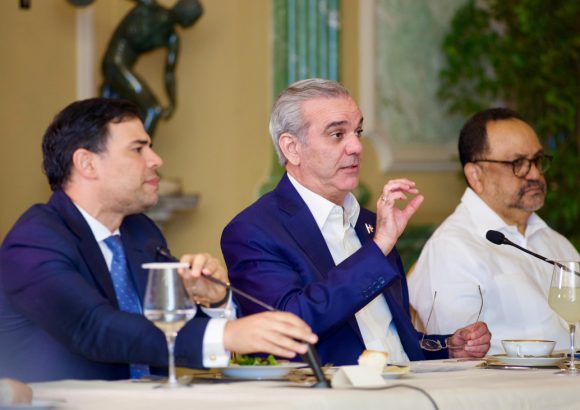
A high-profile gathering of the Dominican Republic’s leading artistic figures and President Luis Abinader took place earlier this week at the National Palace in Santo Domingo, where the head of state convened the working luncheon to deepen collaboration between the government and the nation’s cultural sector. The meeting was structured to create open dialogue between policymakers and creators, address pressing concerns raised by working artists, and align on shared priorities to boost creative initiatives spanning music, visual arts, performance, and national cultural heritage.
Opening the discussion, President Abinader underscored the irreplaceable role that artists play in safeguarding Dominican national identity and driving inclusive cultural development. He made a formal reaffirmation of the national government’s ongoing commitment to sustaining transparent, consistent lines of communication with creative communities across the country, ensuring their input shapes future cultural policy. The meeting counted senior government officials among its attendees, including Minister of Justice Antoliano Peralta, National Office of Drug Control Director José Rubén Gonell Cosme, and cultural leader Roberto Ángel Salcedo.
During the event, Salcedo laid out details of the administration’s flagship plan to expand access to formal artistic education across the Dominican Republic. The initiative centers on integrating existing Fine Arts schools into the national extended school day program, expanding outreach to underserved communities. Currently, the country hosts 88 regional arts-focused centers and serves more than 7,000 students across 22 accredited Fine Arts institutions. The updated framework will expand training opportunities across four core creative disciplines: music, dance, visual arts, and performing arts, with curriculum revisions to center the unique cultural traditions of each Dominican region.
In addition to education reforms, President Abinader announced a major new cultural event to celebrate one of the nation’s most iconic cultural exports: merengue. The newly proposed “Merengue Week” will run from November 20 to 29, with public programming and performances scheduled in the country’s two largest cities, Santo Domingo and Santiago. To boost global visibility for Dominican creative talent, Abinader also issued a formal directive requiring the Ministry of Culture and Ministry of Foreign Affairs to coordinate closely, leveraging the country’s network of embassies and consulates around the world to showcase Dominican art and music to international audiences.
Response from the artistic community gathered at the luncheon was largely positive, with multiple prominent creators praising the administration’s targeted support for the cultural sector. Veteran artist Pochy Familia commended Abinader’s consistent engagement with Dominican creators, and extended gratitude for the government’s recent provision of pensions for long-time veteran artists. Merengue star Rafa Rosario characterized Abinader as one of the most accessible and engaged presidents for Dominican artistic communities in modern history, while fellow performer Eddy Herrera emphasized the global cultural significance of merengue as a national treasure that deserves international promotion.
The invitation-only luncheon drew a who’s who of Dominican music and entertainment, including legendary performers Fefita La Grande, Sergio Vargas, Kinito Méndez, Ramón Orlando, Omega, and Jandy Ventura, among other notable figures from across the creative sector.