标签: Dominican Republic

多米尼加共和国

  • Delta flight returns to Santiago after midair medical emergency affects passengers

    Delta flight returns to Santiago after midair medical emergency affects passengers

    A routine commercial flight from Santiago, Dominican Republic to New York City took an unexpected turn Wednesday afternoon when a sudden outbreak of passenger illness forced the aircraft to make an emergency return to its origin airport. Delta Air Lines Flight 1822, an Airbus A321 carrying 192 passengers bound for New York’s John F. Kennedy International Airport, departed Cibao International Airport at 2:45 p.m. local time. Minutes into the journey, the cabin environment took a worrying turn: multiple passengers reported a strange, unidentifiable odor permeating the aircraft, before dozens of people began experiencing sudden adverse health reactions, including simultaneous vomiting.

    By approximately 5:15 p.m., flight crew made the critical decision to declare an in-flight emergency and divert back to Santiago as a precautionary measure, prioritizing the safety of all people on board. Airport emergency protocols were activated immediately following the alert, and the jetliner touched down safely at Cibao International at 5:41 p.m., with no catastrophic events occurring during the landing. The incident had already sparked widespread panic and anxiety among passengers and crew mid-flight, so local medical teams were standing by to deliver on-site care as soon as the plane cleared the runway.

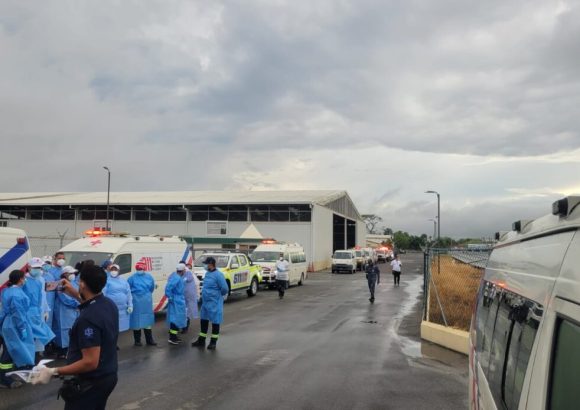
    The Dominican Republic’s Ministry of Public Health confirmed that coordinated emergency response efforts were launched immediately after the aircraft landed. The response operation was led by the country’s Emergency Operations Center and the Ministry of Health’s Vice Ministry of Risk Management, with on-the-ground support from the Santiago III Provincial Health Directorate, National Health Service, Directorate of Out-of-Hospital Emergency Care, and multiple other local and national agencies.

    Per official health updates, 12 passengers who developed acute respiratory symptoms were transferred to local hospitals for mandatory medical evaluation. The majority of affected passengers on board received treatment for anxiety, panic attacks, and mild breathing difficulties at the airport, and were discharged shortly after evaluation. As of the latest update, four people remain in local health facilities for ongoing medical observation, and all four are currently in stable condition.

    Authorities have moved quickly to reassure the public, stating that no evidence has yet been found to indicate this incident poses a broader public health risk to the Dominican Republic or the aviation community. Formal investigations and multi-agency technical evaluations are currently ongoing to pinpoint the source of the mysterious odor and the root cause of the reported medical symptoms.

    In the wake of the diversion, Delta Air Lines has activated its passenger support protocols, and has begun rebooking all affected passengers on alternate flights to New York to minimize travel disruption. The involved Airbus A321 will remain grounded in Santiago until full safety inspections are completed by the airline’s specialized maintenance team.

  • U.S. Embassy hosts Bourbon Diplomacy celebration in Santo Domingo

    U.S. Embassy hosts Bourbon Diplomacy celebration in Santo Domingo

    In a celebration of American cultural heritage and a public display of deepening bilateral ties, the U.S. Embassy in Santo Domingo, in partnership with the United States Department of Agriculture and its Office of Agricultural Affairs, has launched a signature “Bourbon Diplomacy” gathering. This event forms a core part of the Freedom 250 initiative, a nationwide program organized by the U.S. government to mark the upcoming 250th anniversary of the United States’ declaration of independence, set for full commemoration through 2026.

    The cross-sector gathering drew a diverse roster of high-profile attendees, spanning top business executives from the Dominican Republic, industry leaders from the country’s key hotel and retail sectors, senior Dominican government officials focused on trade and agricultural policy, sitting members of the international diplomatic corps based in the country, and prominent stakeholders from the Dominican Republic’s world-renowned tobacco industry. Together, the guests explored overlapping themes of craft, cultural tradition, and cross-border commercial collaboration.

    Speaking at the event, Leah Francis Campos, the U.S. Ambassador to the Dominican Republic, centered her remarks on the unique place of bourbon in American national identity, calling it one of the most recognizable and enduring icons of U.S. cultural heritage. She also took the opportunity to underline the robust and mutually beneficial commercial partnership between the two nations, noting that annual bilateral trade between the U.S. and the Dominican Republic already surpasses $33 billion.

    A key highlight of the evening was the deliberate pairing of two iconic craft products from each nation: authentic American bourbon and premium handcrafted Dominican cigars. The side-by-side showcase allowed attendees to appreciate the generations of refined craftsmanship and deeply rooted cultural traditions that define both industries, drawing clear parallels between the two product legacies.

    The U.S. Embassy formally acknowledged the critical support of the event’s official sponsors: Álvarez & Sánchez, United Brands, Beam Suntory, and El Catador. It also recognized the valuable participation of the Dominican Republic’s most prominent cigar manufacturers, including leading brands Arturo Fuente, La Aurora, La Galera, La Flor Dominicana, and industry association ProCigar.

    As a standing U.S. government project, Freedom 250 is coordinating a full calendar of commemorative activities across the globe leading up to and throughout 2026, the official anniversary year. Beyond reflecting on the United States’ 250-year history, the initiative has a core stated goal of strengthening people-to-people and governmental ties with international partner nations — the Dominican Republic included.

  • Abinader reaffirms commitment to Dominican artists and cultural development

    Abinader reaffirms commitment to Dominican artists and cultural development

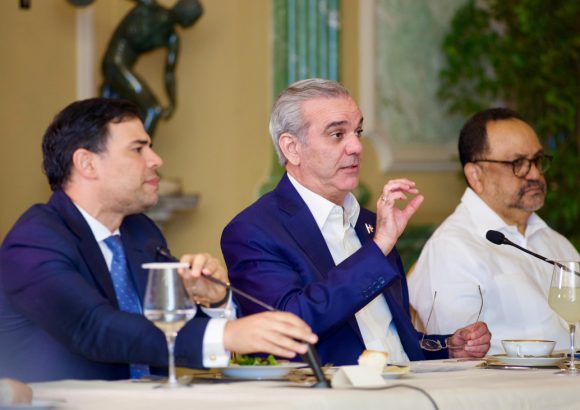
    A high-profile gathering of the Dominican Republic’s leading artistic figures and President Luis Abinader took place earlier this week at the National Palace in Santo Domingo, where the head of state convened the working luncheon to deepen collaboration between the government and the nation’s cultural sector. The meeting was structured to create open dialogue between policymakers and creators, address pressing concerns raised by working artists, and align on shared priorities to boost creative initiatives spanning music, visual arts, performance, and national cultural heritage.

    Opening the discussion, President Abinader underscored the irreplaceable role that artists play in safeguarding Dominican national identity and driving inclusive cultural development. He made a formal reaffirmation of the national government’s ongoing commitment to sustaining transparent, consistent lines of communication with creative communities across the country, ensuring their input shapes future cultural policy. The meeting counted senior government officials among its attendees, including Minister of Justice Antoliano Peralta, National Office of Drug Control Director José Rubén Gonell Cosme, and cultural leader Roberto Ángel Salcedo.

    During the event, Salcedo laid out details of the administration’s flagship plan to expand access to formal artistic education across the Dominican Republic. The initiative centers on integrating existing Fine Arts schools into the national extended school day program, expanding outreach to underserved communities. Currently, the country hosts 88 regional arts-focused centers and serves more than 7,000 students across 22 accredited Fine Arts institutions. The updated framework will expand training opportunities across four core creative disciplines: music, dance, visual arts, and performing arts, with curriculum revisions to center the unique cultural traditions of each Dominican region.

    In addition to education reforms, President Abinader announced a major new cultural event to celebrate one of the nation’s most iconic cultural exports: merengue. The newly proposed “Merengue Week” will run from November 20 to 29, with public programming and performances scheduled in the country’s two largest cities, Santo Domingo and Santiago. To boost global visibility for Dominican creative talent, Abinader also issued a formal directive requiring the Ministry of Culture and Ministry of Foreign Affairs to coordinate closely, leveraging the country’s network of embassies and consulates around the world to showcase Dominican art and music to international audiences.

    Response from the artistic community gathered at the luncheon was largely positive, with multiple prominent creators praising the administration’s targeted support for the cultural sector. Veteran artist Pochy Familia commended Abinader’s consistent engagement with Dominican creators, and extended gratitude for the government’s recent provision of pensions for long-time veteran artists. Merengue star Rafa Rosario characterized Abinader as one of the most accessible and engaged presidents for Dominican artistic communities in modern history, while fellow performer Eddy Herrera emphasized the global cultural significance of merengue as a national treasure that deserves international promotion.

    The invitation-only luncheon drew a who’s who of Dominican music and entertainment, including legendary performers Fefita La Grande, Sergio Vargas, Kinito Méndez, Ramón Orlando, Omega, and Jandy Ventura, among other notable figures from across the creative sector.

  • Labor reform bill approved with new rules on leave and contract suspensions

    Labor reform bill approved with new rules on leave and contract suspensions

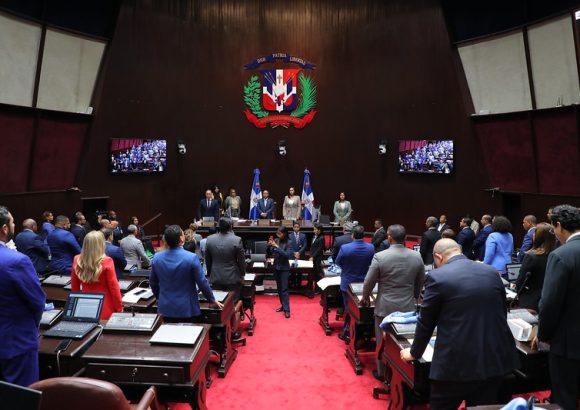
    In a landmark vote held in Santo Domingo, the lower legislative chamber of the Dominican Republic, the Chamber of Deputies, has passed the first reading of a sweeping piece of legislation that overhauls the nation’s decades-old Labor Code. The bill brings targeted changes to three core areas of national labor regulation: employee leave policies, rules for temporary employment contract suspension, and mandatory workplace safety protocols for high-risk job roles. After a six-month review period carried out by a specially appointed legislative commission, the reform proposal earned full backing from all 144 deputies in attendance during the final vote. The commission’s review process was originally extended beyond initial timelines, however, due to persistent unexcused absences from participating deputies that stalled committee work for weeks. Among the most significant changes approved in the current draft is a doubling of mandatory paternity leave for new fathers, raising the allowance from two full working days to four. While legislators debated two additional popular expansions to leave policies — extending paternity leave further to seven days and introducing a new bereavement leave entitlement for workers mourning the death of a sibling — both amendments were struck down before the final vote on the full bill. The reform also codifies for the first time 13 explicit legal grounds that allow employers to temporarily suspend employment contracts. These eligible causes include national states of emergency and other official government mandates that bar employees from safely or legally accessing their workplaces. A third key provision mandates mandatory pre-employment and periodic anti-doping testing for workers holding high-risk positions. This requirement applies to roles across multiple sectors, including public and private security, all forms of commercial transportation, heavy machinery operation, work involving the handling of hazardous equipment, and any profession that requires regular direct contact with minors. The bill will now advance to a second reading for final debate and voting before moving to the Dominican Senate for further consideration.

  • Prevention 360 conference highlights Dominican Republic’s seismic and climate risks

    Prevention 360 conference highlights Dominican Republic’s seismic and climate risks

    In the capital city of the Dominican Republic, Santo Domingo, a landmark risk-prevention summit named “Prevention 360” has convened leading specialists from across the world and the country, spanning the fields of geology, meteorology, and emergency response. The gathering was organized to carry out a comprehensive evaluation of the dual threats of seismic activity and climate-driven disasters that the Caribbean nation currently confronts.

    Unlike routine academic conferences, this event centered its discussions on four high-priority areas that directly impact public safety: the vulnerability of dense urban centers to disasters, evidence-based land use planning, the structural resilience of buildings and critical infrastructure, and the urgent need to boost the general public’s disaster preparedness capabilities for major events including earthquakes, hurricanes, and flash floods. Distinguished international speakers headlined the summit: Marcelo Lagos, a prominent Chilean geographer; John Morales, a veteran meteorologist with decades of extreme weather forecasting experience; and Laís Pinto De Carvalho, an environmental psychologist. Each brought unique perspectives to the table, with their talks delving into the intersection of crisis response systems and human behavioral patterns when catastrophic events unfold.

    Local senior officials and technical experts also played a central role in the conference’s deliberations. Key participants included José Ignacio Paliza, Dominican geologist Osiris de León, and Juan Manuel Méndez, director of the country’s Emergency Operations Center (COE). During their presentations, they outlined the Dominican Republic’s existing capacities for local disaster response, while also drawing clear attention to the persistent challenges posed by aging infrastructure and uneven resource distribution across at-risk regions.

    aIn addition to seismic risk assessments, the conference repeatedly emphasized the escalating urgency of climate change impacts currently unfolding across the country. The Dominican Republic is currently grappling with record-breaking high temperatures, increasingly unpredictable rainfall patterns, and more frequent intense downpours that experts have linked to active tropical waves and abnormally warm surface temperatures in the Atlantic Ocean — trends that are expected to intensify in the coming years without targeted intervention.

  • Banco BHD reports RD$200 million internal fraud, says customer funds are safe

    Banco BHD reports RD$200 million internal fraud, says customer funds are safe

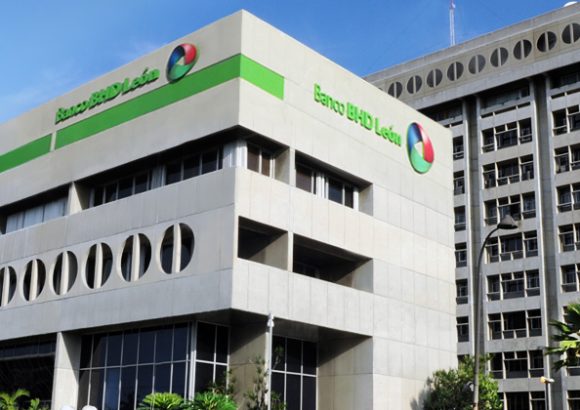
    A major Dominican financial institution has moved swiftly to contain fallout from a high-value internal fraud scheme, after uncovering unauthorized lending operations worth more than 200 million Dominican pesos (approximately $3.5 million). Banco BHD, one of the country’s leading banking groups, has publicly commended the Dominican Public Prosecutor’s Office and National Police for their rapid, professional response to the incident, which unfolded through a multi-stage investigation starting earlier this year.

    The illicit activity was first detected during a routine internal compliance review launched by the bank in March, according to official statements from the institution. The probe quickly traced the irregular transactions to a current employee, who investigators allege engineered a scheme to create fraudulent credit lines for external third parties. In exchange for processing these unauthorized loans, the employee is accused of receiving personal financial kickbacks. Following the confirmation of wrongdoing, Banco BHD immediately dismissed the employee from their position and moved forward with formal prosecution referral. Multiple external parties that allegedly received the misappropriated funds are also currently the subject of active investigation by law enforcement.

    In April 2026, Banco BHD submitted a formal criminal complaint to the Financial Crimes Investigation Unit of the National District Prosecutor’s Office, officially opening the public legal process. Consistent with regulatory requirements, bank leadership also notified the Superintendency of Banks of the Dominican Republic, the country’s top banking regulator, immediately after discovering the fraud, and has committed to full ongoing cooperation with all government authorities involved in the case.

    In a public statement reassuring stakeholders and customers, Banco BHD emphasized that all financial losses stemming from the scheme have been fully absorbed by the bank’s internal reserves. Institution representatives noted that the total loss amounts to only a minimal share of the bank’s annual net earnings, and stressed that no customer deposits or held funds have been impacted by the fraud. The bank reaffirmed its longstanding zero-tolerance policy for any form of unethical or fraudulent conduct within its operations, and restated its core commitment to maintaining full transparency, strict accountability, and the highest possible standards of corporate governance for all its activities across the Dominican Republic.

  • JetBlue to suspend Newark flights to the Dominican Republic starting July 8

    JetBlue to suspend Newark flights to the Dominican Republic starting July 8

    Low-cost U.S. carrier JetBlue Airways has made a strategic announcement that will reshape its trans-Caribbean route network: starting July 8, 2026, the airline will permanently suspend nonstop services connecting Newark Liberty International Airport to two major Dominican Republic gateways, Las Américas International Airport near the capital Santo Domingo, and Punta Cana International Airport, the country’s top tourist hub. The company cited persistently low profitability on both routes as the core driver behind the decision.

    This route cut is not an isolated adjustment, but rather a key piece of JetBlue’s broader company-wide network restructuring initiative. The overarching goal of this overhaul is to boost overall operational efficiency and reallocate limited resources to high-demand markets that promise stronger long-term financial returns. Contrary to common assumptions that weak travel demand drags down route performance, JetBlue confirmed that both Newark-Dominican Republic routes maintained solid passenger occupancy even as they failed to hit the carrier’s financial targets.

    Industry analysis sheds light on the counterintuitive performance gap: over the most recent 12-month period, the Newark-Punta Cana route alone posted an average load factor of nearly 87%, a figure that actually outpaces JetBlue’s average load factor across its entire global network. This data points to underlying structural pressures rather than low traveler interest as the main causes of poor profitability. Industry observers highlight that steep airport operating costs at Newark Liberty International Airport, combined with cutthroat competitive pressure on routes to popular Caribbean leisure destinations, have eroded margin far more than the airline initially projected.

    JetBlue added that the decision also aligns with ongoing adjustments to address two ongoing industry-wide challenges: persistent aircraft fleet constraints that limit the carrier’s ability to expand or sustain underperforming routes, and broadly elevated operating expenses across major U.S. airport hubs. In an internal memo shared with staff, the airline emphasized that multiple routes operating out of Newark have failed to deliver the level of financial performance required to justify retaining them in the network, framing the adjustment as a necessary step to strengthen the company’s overall financial position going forward.

  • Ángel Martínez sentenced to suspended jail term

    Ángel Martínez sentenced to suspended jail term

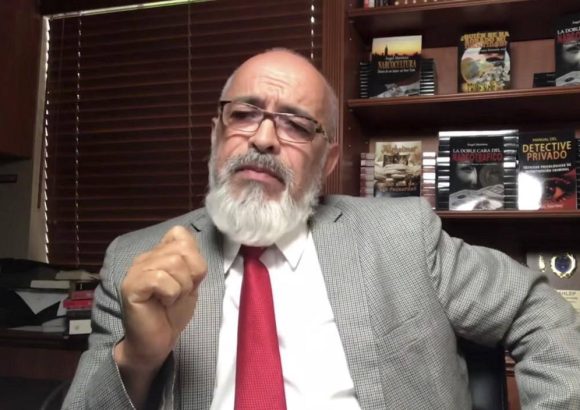
    In a legal ruling handed down Tuesday in Santo Domingo, Dominican Republic, prominent local broadcaster Ángel Martínez has been convicted on charges of defamation and slander against sitting congressman Sergio Moya, widely known by the nickname “Gory” Moya. Presiding Judge Clara Luz Almonte delivered the verdict, which handed down a three-month suspended prison sentence to Martínez and ordered him to pay 2 million Dominican pesos in civil restitution to the legislator.

    The conviction was grounded in Articles 21 and 22 of Law 53-07, the country’s landmark legislation addressing high technology crimes and digital offenses. This regulatory framework specifically imposes criminal and civil penalties for the distribution of defamatory, insulting content through electronic channels and digital social platforms, reflecting the Dominican Republic’s legal efforts to address harmful speech spread through modern digital communication tools.

    Beyond the suspended prison term and monetary award, the court’s ruling formalized the requirement that Martínez compensate Moya for lasting harm done to the congressman’s public image and professional reputation. The legal case originated from a series of unsubstantiated accusations the broadcaster made against the legislator, which ultimately led to the defamation suit that concluded this week.

  • Santiago de los Caballeros launches plan to modernize tourist horse-drawn carriages

    Santiago de los Caballeros launches plan to modernize tourist horse-drawn carriages

    In the Dominican Republic’s northern city of Santiago de los Caballeros, local municipal authorities have launched a groundbreaking new initiative designed to protect one of the city’s most cherished cultural legacies while addressing longstanding concerns over animal care and worker livelihoods. Titled “Tourist Carriages: Tradition, Well-Being and Protection”, the project marks a balanced approach to preserving a centuries-old iconic attraction that draws cultural tourists to the city, while updating outdated operating practices to meet modern animal welfare standards and support the generations of coachmen who rely on the trade for income.

    The program was formally introduced by Iris Cepín de Rodríguez at a public launch event, where she framed the initiative as a necessary response to the dual nature of horse-drawn tourism in Santiago. “The horse-drawn carriages of Santiago are part of our cultural identity and history, but they also represent an important social and urban challenge,” Cepín de Rodríguez noted. To address these challenges, the project establishes a clear set of binding rules for all operators, including designated authorized routes, mandatory regular veterinary check-ins for all working horses, strictly regulated work hours, specialized training for carriage drivers, and enforceable penalties for any documented cases of animal abuse.

    Deputy Mayor Mariana Moreno outlined the key structural changes the program will roll out to reduce strain on working animals. A core adjustment is the implementation of shorter, more manageable routes and structured, limited operating hours that cut down on overwork. Looking ahead, the municipal government also plans to gradually introduce electric or motorized support systems to further reduce the physical burden on horses. Beyond animal welfare, the initiative includes a dedicated social assistance component designed to support coachmen and their families, many of whom have long struggled with economic instability and limited access to health resources.

    Veterinarian Horacio Ceballos reported that the first phase of animal care has already been completed in the Bella Vista neighborhood, where more than 20 working horses received essential preventive care including vitamin supplements and deworming treatments. Another key welfare adjustment being rolled out is a shift in working schedules that prohibits horses from operating during the hottest midday hours, when heat exposure poses a major health risk to the animals.

    The multi-stakeholder project has brought together a cross-disciplinary team of experts to ensure its success, including legal specialists to draft and enforce regulations, experienced veterinarians to lead animal care, urban planners to map safe, appropriate routes, and sustainability specialists to guide the transition to lower-impact operations. Local tourism bodies VISIT Santiago and the Santiago Tourism Cluster have also thrown their support behind the initiative. Municipal leaders emphasize that the program’s ultimate goal is to deliver shared benefits: safeguarding a beloved cultural tradition for future generations, ensuring humane living and working conditions for the horses at the heart of the attraction, and lifting economic outcomes for the coachmen who keep the tradition alive.

  • Dominican government prepares to tax Netflix, Airbnb and other digital platforms within 60 days

    Dominican government prepares to tax Netflix, Airbnb and other digital platforms within 60 days

    The Dominican Republic’s General Directorate of Internal Taxes (DGII) is moving forward with a long-discussed plan to level the playing field between international digital service providers and local businesses, announcing it will table a formal proposal to apply the country’s 18% Tax on the Transfer of Industrialized Goods and Services (ITBIS) to foreign platforms operating within its borders within the next two months.

    Major global services including streaming giant Netflix, short-term accommodation marketplace Airbnb, and social media leader Facebook are among the entities that would fall under the new tax rule, DGII Director Pedro Urrutia confirmed during a recent industry gathering hosted by the National Organization of Commercial Enterprises.

    Urrutia emphasized that the core goal of the initiative is to establish uniform tax obligations for all businesses offering services to consumers in the Dominican Republic, eliminating the current competitive advantage that un-taxed foreign digital operators hold over domestic enterprises. Crucially, he added that the affected multinational companies have already signaled they are prepared to comply with the new requirement once a clear legal framework is put in place.

    The proposed tax would apply to a wide range of online transactions carried out by these foreign firms, including paid user subscriptions, short-term rental bookings facilitated through digital platforms, and digital advertising services sold to local clients. Right now, DGII technical teams are conducting a thorough review of the country’s existing Tax Code to determine whether current legislation already grants the agency authority to implement the tax, or if new congressional legislation will be required to move forward.

    This effort marks the resurrection of a 2025 policy attempt that ultimately failed: the original regulation, laid out in Decree 30-25, was later repealed by the Dominican government. Despite that earlier setback, Urrutia made clear the agency remains committed to advancing the policy, noting that foreign digital companies have no logical claim to tax exemption in the country. The DGII intends to finalize formal collection agreements with affected platforms regardless of whether legislative amendments are required, he added.

    Beyond the new digital tax proposal, the DGII is also pursuing broader systemic reform to modernize and simplify the Dominican national tax system. A key focus of these ongoing reforms is an overhaul of the country’s Simplified Tax Regime (RST), with the dual goal of easing compliance burdens for small and medium taxpayers and strengthening the overall competitiveness of the domestic business environment without sacrificing government revenue.