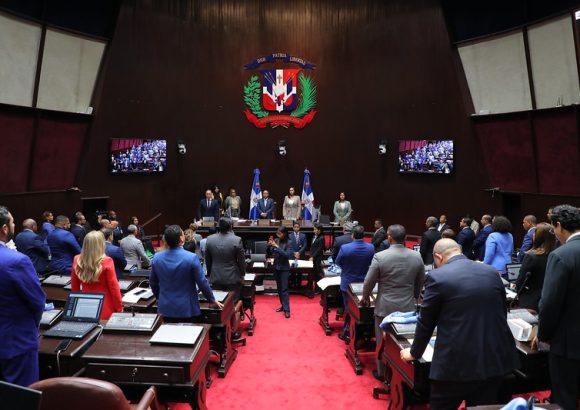
In a landmark vote held in Santo Domingo, the lower legislative chamber of the Dominican Republic, the Chamber of Deputies, has passed the first reading of a sweeping piece of legislation that overhauls the nation’s decades-old Labor Code. The bill brings targeted changes to three core areas of national labor regulation: employee leave policies, rules for temporary employment contract suspension, and mandatory workplace safety protocols for high-risk job roles. After a six-month review period carried out by a specially appointed legislative commission, the reform proposal earned full backing from all 144 deputies in attendance during the final vote. The commission’s review process was originally extended beyond initial timelines, however, due to persistent unexcused absences from participating deputies that stalled committee work for weeks. Among the most significant changes approved in the current draft is a doubling of mandatory paternity leave for new fathers, raising the allowance from two full working days to four. While legislators debated two additional popular expansions to leave policies — extending paternity leave further to seven days and introducing a new bereavement leave entitlement for workers mourning the death of a sibling — both amendments were struck down before the final vote on the full bill. The reform also codifies for the first time 13 explicit legal grounds that allow employers to temporarily suspend employment contracts. These eligible causes include national states of emergency and other official government mandates that bar employees from safely or legally accessing their workplaces. A third key provision mandates mandatory pre-employment and periodic anti-doping testing for workers holding high-risk positions. This requirement applies to roles across multiple sectors, including public and private security, all forms of commercial transportation, heavy machinery operation, work involving the handling of hazardous equipment, and any profession that requires regular direct contact with minors. The bill will now advance to a second reading for final debate and voting before moving to the Dominican Senate for further consideration.
Labor reform bill approved with new rules on leave and contract suspensions