标签: Dominican Republic

多米尼加共和国

  • Asonahores highlights potential for shopping tourism in Santo Domingo

    Asonahores highlights potential for shopping tourism in Santo Domingo

    SANTO DOMINGO – As the Dominican capital continues to see a surge in ongoing tourism-related development projects, a top industry executive is laying out a strategic roadmap to turn Santo Domingo into a leading regional destination for shopping tourism. Aguie Lendor, vice president of the Dominican Republic Hotel and Tourism Association (Asonahores), shared his vision in a recent statement, noting that the city has already built a solid foundation to compete in the fast-growing shopping tourism segment, but targeted policy advances and infrastructure upgrades are still needed to unlock its full potential.

    One of the most critical priorities on Lendor’s agenda is the formal adoption of tax-free shopping policies for international tourists. He emphasized that gaining official approval from Dominican regulatory bodies is non-negotiable to make this visitor-friendly strategy viable. If implemented, Lendor argued, the tax-free framework would act as a powerful magnet for cross-border travelers, boosting retail spending and accelerating the city’s rise as a central shopping hub for the Caribbean and Latin American region.

    Beyond the shopping tourism push, Lendor also offered praise for the current administration’s progress in expanding the country’s MICE (meetings, incentives, conferences, and exhibitions) tourism sector. He specifically commended President Luis Abinader and Tourism Minister David Collado for their sustained efforts to grow this high-value tourism segment, pointing to the nearly completed Santo Domingo Convention Center as a transformative infrastructure milestone.

    While the convention center project is approaching final completion, Lendor stressed that maintaining strict quality and safety standards throughout the remaining construction work is essential. Even if finishing touches take additional time, he said, adhering to top-tier global standards will ensure the venue delivers long-term success and allows the Dominican Republic to compete effectively for major international events in the global MICE market.

  • Viva Hotel in Bayahibe engulfed in flames as firefighters battle blaze

    Viva Hotel in Bayahibe engulfed in flames as firefighters battle blaze

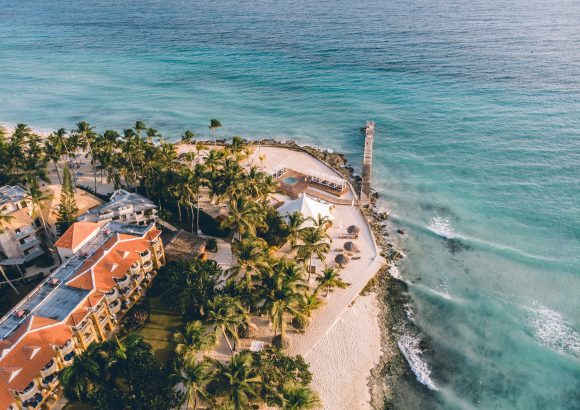
    A major uncontrolled fire has broken out at the Viva Hotel, located in the popular coastal tourist destination of Bayahibe in the Dominican Republic’s La Romana province, triggering an urgent large-scale response from local emergency services. Multiple fire crews from across La Romana province have been deployed rapidly to the scene, where firefighters are working around the clock to bring the destructive blaze under control.

    Early reports from the area confirm that dense plumes of dark smoke are billowing from the multi-building hotel complex, and user-generated footage and photos capturing the extent of the fire have spread quickly across various social media platforms, drawing widespread public attention to the incident.

    As of the latest update, local authorities have not released any confirmed information about what sparked the fire, and official investigations into the origin and cause of the emergency are still in their early stages. Crucially, there have been no official announcements of injuries, fatalities or missing persons connected to the blaze to date.

    Emergency response teams remain positioned on site, focusing both on fully extinguishing existing hotspots and stopping the fire from spreading to adjacent buildings and other properties within the larger resort area that hosts the hotel. This is an actively developing situation, and local officials have indicated that additional updates, including more details on the cause, impact and any potential casualties, will be released as emergency operations and investigative work progress.

  • U.S. Embassy and PUCMM examine impact of American independence on the Caribbean

    U.S. Embassy and PUCMM examine impact of American independence on the Caribbean

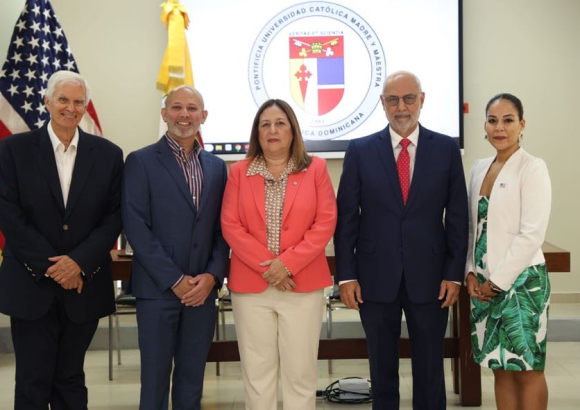
    A collaborative keynote conference hosted by the U.S. Embassy in Santo Domingo and the Pontifical Catholic University Madre y Maestra (PUCMM) has convened a diverse cross-sector audience of academics, researchers, university students, and public policy specialists to explore the far-reaching legacy of U.S. independence across the Hispanic Caribbean region.

    Leading the core discussion at the event was historian Javier Alemán Iglesias, who delivered a comprehensive breakdown of the multifaceted political, economic, and social transformations that U.S. independence set in motion for Caribbean societies. He also examined how these historical shifts have shaped the long-standing bilateral dynamics between the United States and nations across the Hispanic Caribbean. Alemán Iglesias’ address was framed as a central activity of the Freedom 250 initiative, a multi-event project created to mark the 250th anniversary of the signing of the U.S. Declaration of Independence. The initiative is designed to spark inclusive public dialogue around core principles including freedom, national self-determination, democratic governance, and grassroots civic engagement.

    After the conclusion of Alemán Iglesias’ keynote address, the historian joined a follow-up panel discussion alongside two leading Dominican scholars: sociologist Fernando Ferrán and political scientist Flavio Darío Espinal. The panel centered on unpacking the enduring economic, social, and political ripple effects of historical independence movements across the Caribbean basin and the broader Americas, drawing connections between 18th and 19th century shifts and modern regional dynamics.

    This conference marks the centerpiece of Alemán Iglesias’ three-day visit to the Dominican Republic, held from June 16 to 18, which is sponsored by the U.S. State Department’s official American Lecturers Program. Beyond the main public conference, Alemán Iglesias participated in a full schedule of closed-door workshops, smaller targeted lectures, and collaborative working meetings with local academics and researchers. All activities during the visit are aligned with broader goals of expanding bilateral educational exchange, strengthening academic ties between the two nations, and encouraging more nuanced, in-depth analysis of the deep historical connections linking the United States, Puerto Rico, and the Dominican Republic.

  • Adriano Espaillat backs deportation for immigrants convicted of violent crimes

    Adriano Espaillat backs deportation for immigrants convicted of violent crimes

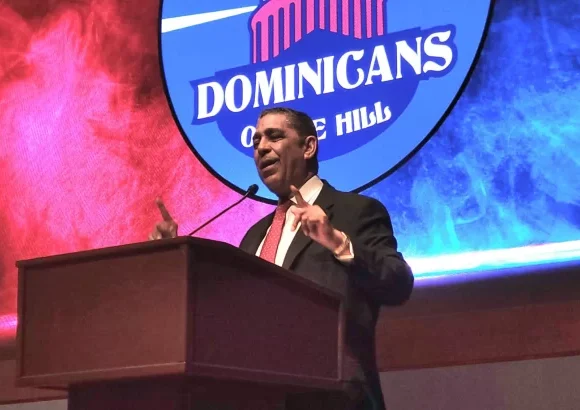
    As national conversations over U.S. immigration enforcement and deportation rules continue to roil policymakers and communities across the country, Democratic Congressman Adriano Espaillat has laid out a measured, targeted approach to how the nation should handle immigrant residents convicted of crimes. Speaking from New York in a recent televised public appearance, the lawmaker drew a clear line between immigrants who have committed violent felonies and those convicted of low-level, non-violent minor offenses, arguing that one-size-fits-all automatic deportation does not align with American legal principles.

    For immigrants convicted of severe violent crimes — including homicide and sexual assault — Espaillat affirmed that they must be held fully accountable through the existing U.S. criminal justice system. When existing federal or state law explicitly requires deportation following a conviction for such offenses, he stressed that those legal mandates must be enforced without exception. This position marks a break from more hardline progressive stances that call for sweeping rollbacks of deportation authority, positioning Espaillat as a voice seeking common ground in the polarizing immigration debate.

    When it comes to minor offenses, however, the Dominican-born congressman pushed back against mandatory automatic deportation policies. He pointed out that a large share of these low-level cases involve long-term U.S. residents and parents who have put down roots in American communities, many of whom have lived in the country for decades. Instead of permanent separation from their families and communities through deportation, Espaillat argued these individuals should be granted a meaningful chance to take accountability for their actions and rebuild their lives within the U.S.

    Espaillat brought personal context to his policy arguments, drawing on his own childhood experiences with aggressive immigration enforcement in his family. He reflected that harsh, overreaching immigration raids targeting immigrant communities were common long before the creation of U.S. Immigration and Customs Enforcement (ICE), noting that aggressive enforcement has a long and troubling history in the country that continues to shape immigrant trust in public institutions today.

    Central to Espaillat’s framework is a unwavering commitment to due process for all immigrants, regardless of the offenses they are accused of. He emphasized that deportation proceedings should never be initiated before an individual has completed their process through the criminal justice system and received a formal conviction. Any removal action, he added, must be carried out in strict compliance with existing U.S. law and the constitutional protections that apply to all people within the country’s borders, regardless of immigration status.

  • Roberto Álvarez to address Haitian crisis at OAS General Assembly in Panama

    Roberto Álvarez to address Haitian crisis at OAS General Assembly in Panama

    In an upcoming diplomatic engagement that underscores the Dominican Republic’s active role in hemispheric governance, Foreign Minister Roberto Álvarez is set to depart for Panama City to take part in the 56th Regular Session of the Organization of American States (OAS) General Assembly. Running from June 21 to 24, this year’s assembly centers on a timely and ambitious theme: “Strong Multilateralism in Defense of Democracy, Hemispheric Security and Stability in Member States.”

    The high point of Álvarez’s participation will come on June 24, when he takes the assembly floor to lay out the Dominican Republic’s official stance on a range of pressing regional challenges. Chief among these topics is the protracted humanitarian and political crisis unfolding in neighboring Haiti, which the Dominican government has repeatedly identified as a top priority on its foreign policy agenda.

    Beyond the OAS General Assembly, Álvarez carries a second important diplomatic assignment: standing in for President Luis Abinader at a series of events marking the 200th anniversary of the Amphictyonic Congress of Panama. That landmark 1826 gathering, convened by iconic Latin American independence leader Simón Bolívar, aimed to forge unity among the Americas’ recently independent nations, making its bicentennial a meaningful moment for reflection on hemispheric cooperation today.

    Álvarez’s schedule also includes a slate of supplementary activities alongside the main assembly proceedings. He will join parallel forums that bring together delegates from the private sector, civil society groups, and other non-state stakeholders, creating space for broader dialogue on hemispheric issues. Additionally, he has planned a series of one-on-one bilateral meetings with senior government representatives from across the region and leaders of key international organizations. These meetings are designed to deepen existing diplomatic ties and move forward policy priorities that align with the Dominican Republic’s national interests.

    A carefully selected delegation of senior foreign policy officials will accompany Álvarez on the trip. The group includes Rubén Silié, Vice Minister of Multilateral Foreign Policy; Mayerlyn Cordero, the Dominican Republic’s Permanent Representative to the OAS; Ambassador Francina Grullón; Counselor Pamela Polanco; and other top Foreign Ministry leaders.

  • Dominican Republic guarantees free healthcare for Santo Domingo 2026 participants

    Dominican Republic guarantees free healthcare for Santo Domingo 2026 participants

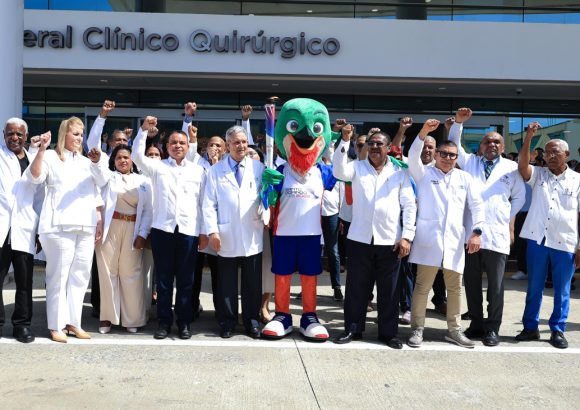
    As the Dominican Republic enters its final preparation phase for the 2026 Central American and Caribbean Games hosted in Santo Domingo, a historic symbolic gesture has put the spotlight on the country’s public health preparations: the National Health Service (SNS) has officially received the Games’ torch in a ceremony held at the Ciudad Sanitaria Dr. Luis Eduardo Aybar.

    Marking the first time the ceremonial torch has been accepted by a health institution in the history of the regional Games, the event brought together over 100 frontline and managerial healthcare professionals from the country’s public health network. In a symbolic handover, the official Santo Domingo 2026 Games mascot passed the torch to SNS Executive Director Julio Landrón, kicking off the formal rollout of the event’s medical support plan.

    During his remarks at the ceremony, Landrón emphasized the unprecedented nature of the torch handover to a health complex, noting that the moment underscores the central role the public health system will play in delivering a safe, successful competition. Scheduled to run from July 24 to August 8, 2026, the Games will draw thousands of athletes, official delegations, international visitors, and local spectators to venues across Santo Domingo, making robust and accessible medical care a top priority for organizers.

    To meet this demand, Landrón outlined that all hospitals and primary health centers located within close proximity of Games venues will be integrated into a dedicated, coordinated medical response network. This specialized system is designed to deliver rapid, efficient care in any scenario, from minor training injuries to emergency health incidents. Per explicit directives from Dominican President Luis Abinader, all medical services for participating athletes, delegation members, visiting guests, and spectators will be provided completely free of charge, reaffirming the government’s commitment to an accessible, welcoming event.

    José Joaquín Puello, a neurosurgeon and president of the Ciudad Sanitaria Dr. Luis Eduardo Aybar, echoed Landrón’s remarks, highlighting the months of advanced planning that have gone into preparing the country’s hospital network for the Games. Puello stressed that deliberate, comprehensive healthcare planning is non-negotiable for the overall success of the regional event, adding that Dominican medical teams have completed specialized training and are fully equipped to deliver high-quality care to all attendees. The goal, he noted, is to ensure every participant and visitor leaves the Games with a positive, safe experience.

    Health authorities across the country have framed infrastructure and capacity upgrades to public hospitals and specialized medical centers as one of the most critical long-term legacies of the 2026 Games. Beyond supporting the event itself, these improvements will leave a permanent enhanced health infrastructure that benefits Dominican communities for decades after the closing ceremony, turning Games preparations into a public investment that extends far beyond sports.

  • Dominican Republic hotel occupancy reaches 82% in 2026, led by La Romana and Bayahíbe

    Dominican Republic hotel occupancy reaches 82% in 2026, led by La Romana and Bayahíbe

    The Dominican Republic’s tourism sector has maintained its robust upward trajectory through the first five months of 2026, new official data from the nation’s Ministry of Tourism (MITUR) confirms, delivering strong numbers that outpace recent years and cement the country’s standing as a top Caribbean travel destination.

    Per MITUR’s latest industry report, average hotel occupancy across the country hit 82% between January and April 2026, with a 72% occupancy rate recorded in May alone. That May figure marks a multi-year high for the month, climbing four percentage points above the 68% occupancy rates the country recorded in the same month between 2023 and 2025. The steady growth underscores rising global demand for the Dominican Republic’s diverse travel offerings, which range from sun-soaked coastal getaways to premium luxury leisure experiences.

    Regional performance data breaks down the growth across the country’s most popular travel hubs, with La Romana taking the top spot for May occupancy at 91%. The coastal town of Bayahíbe followed close behind at 89%, while the renowned Bávaro-Punta Cana resort region posted a solid 77% occupancy rate. Other key destinations posted strong results as well: Samaná recorded 66% occupancy, Miches hit 63%, Juan Dolio-Boca Chica reached 60%, Puerto Plata logged 53%, and the capital city of Santo Domingo held at 51%.

    Looking at the full January-to-May period for 2026, Bayahíbe leads all national destinations with an average 92% occupancy rate. La Romana follows at 90%, with Bávaro-Punta Cana close behind at 88%. Juan Dolio-Boca Chica hit an 80% average, while both Miches and Puerto Plata reached 77% — a spread of strong results that demonstrates the Dominican Republic’s tourism strength extends beyond a handful of top resorts, drawing robust visitor demand across nearly all its major regions.

    Beyond raw occupancy numbers, MITUR’s report also highlighted extremely high satisfaction levels among international travelers. A post-visit survey conducted in May found that 94% of responding tourists already plan to return to the Dominican Republic for a future trip, while 65% stated they would actively recommend the destination to friends, family, and travel contacts. Overall visitor satisfaction scored an average 4.5 out of 5, further reinforcing the country’s reputation as one of the most desirable and welcoming travel markets in the Caribbean.

    International visitor breakdowns show that the United States continues to be the Dominican Republic’s largest single source of tourists, accounting for 46% of all arrivals in the first five months of 2026. Other top source markets, in descending order of visitor volume, include Canada, Argentina, Colombia, Puerto Rico, Mexico, Peru, Chile, and Brazil, reflecting broad-based demand from across the Americas.

  • Sky High Dominicana and Plaza de la Salud join forces to strengthen medical tourism

    Sky High Dominicana and Plaza de la Salud join forces to strengthen medical tourism

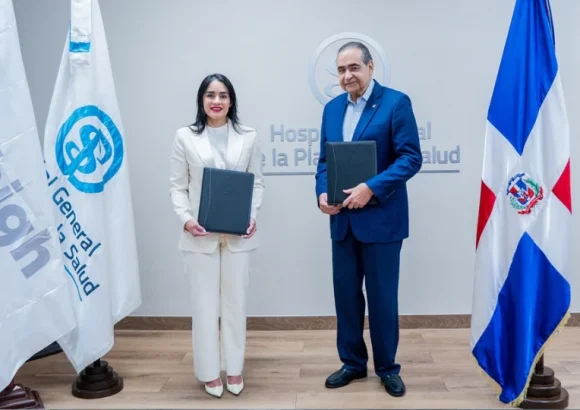
    In a move set to reshape the Caribbean medical tourism landscape, regional airline Sky High Dominicana has announced a landmark strategic alliance with Santo Domingo’s Hospital General de la Plaza de la Salud (HGPS), one of the Dominican Republic’s leading healthcare institutions. The partnership is centered on two core goals: expanding streamlined access to top-tier specialized medical care for international patients, and cementing the Dominican Republic’s standing as the Caribbean’s premier medical tourism hub.

    Under the terms of the newly signed agreement, passengers traveling across Sky High Dominicana’s extensive network spanning the Caribbean and South America will gain simplified access to HGPS’s full range of medical services, paired with exclusive, customer-focused benefits. The collaborative initiative is intentionally structured to remove travel barriers for patients traveling to the Dominican Republic to seek specialized treatment, while injecting new momentum into the country’s fast-growing health tourism economy.

    A key highlight of the partnership is the suite of exclusive perks reserved for Sky High customers. Passengers who present a valid Sky High Dominicana ticket will unlock preferential pricing and customized terms across a broad spectrum of medical offerings, including specialist physician consultations, advanced diagnostic testing, full-service clinical laboratory work, cutting-edge medical imaging, comprehensive preventive health checkups, and emergency medical care. No additional enrollment or complicated eligibility requirements are needed to access these benefits.

    Cesarina Beauchamp, a representative of Sky High Dominicana, emphasized that the cross-sector alliance underscores the airline’s long-standing commitment to expanding access to critical opportunities and essential services across the entire region. She pointed out that robust air connectivity has emerged as an increasingly critical enabler of improved healthcare access, while also driving broad-based economic and social development across Caribbean nations.

    For his part, Dr. Julio Amado Castaños Guzmán of HGPS echoed that sentiment, stressing the outsized importance of forging cross-industry partnerships that both expand access to specialized care for international patients and strengthen the overall quality and global appeal of the Dominican Republic’s healthcare ecosystem.

    Beyond patient benefits, the agreement also includes provisions for joint promotional and institutional outreach campaigns tailored to boost the Dominican Republic’s global visibility as a reliable, high-quality destination for medical travel. By combining HGPS’s advanced clinical care infrastructure with Sky High’s extensive regional air connectivity, both partner organizations aim to draw a greater volume of international patients to the country and strengthen its competitive edge in the fast-growing global medical tourism market.

  • Spain reaffirms support for Dominican efforts to protect crime victims

    Spain reaffirms support for Dominican efforts to protect crime victims

    A high-stakes bilateral meeting between senior Spanish development cooperation officials and Dominican Republic’s top prosecutorial leadership has reinforced ongoing collaborative work to advance victims’ rights and expand equitable access to justice across the Caribbean nation. Álvaro Borrega, Deputy Director of the Spanish Agency for International Development Cooperation (AECID) in charge of partnership programming with Central America, Mexico and the Caribbean, traveled to Santo Domingo to review joint initiatives and align future priorities for institutional capacity building.

    During closed-door discussions with Dominican Attorney General Yeni Berenice Reynoso, Borrega offered public praise for the transformative work the Dominican Public Prosecutor’s Office has delivered in reforming the national justice sector in recent years. He underscored the strong strategic alignment between the AECID’s development priorities and the Dominican government’s goals for institutional strengthening, reaffirming Spain’s long-standing commitment to funding programs that shield vulnerable populations and reinforce the rule of law.

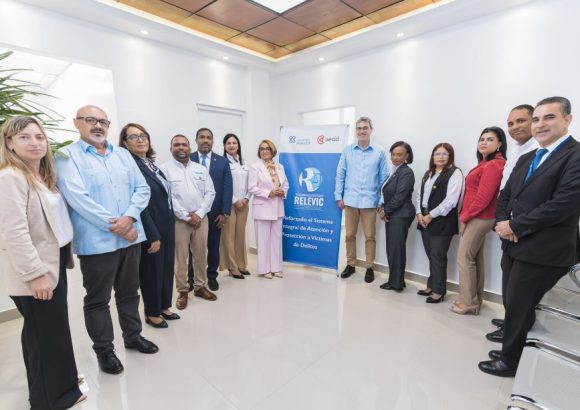
    Hosted by Spain’s Ambassador to the Dominican Republic Laura Oroz Ulibarri, Borrega took part in a series of official engagement activities, including a guided tour of the headquarters of the National Service for Legal Representation of Victims’ Rights, commonly known by its Spanish acronym Relevic. During the tour, the Spanish delegation received a detailed walkthrough of the free nationwide legal assistance services Relevic provides to people impacted by all types of crime.

    Borrega shared that he left the visit impressed by how effectively AECID funding has been deployed to advance shared goals, noting that contributions from Spanish taxpayers are being strategically invested in initiatives that directly remove barriers to justice and defend the fundamental rights of crime victims. He specifically commended Relevic’s innovative model of victim support, which prioritizes preventing revictimization by ensuring survivors receive consistent, informed legal guidance and wraparound support at every stage of judicial proceedings.

    María Rosalba Díaz Henríquez, Director of Relevic, walked the delegation through the organization’s community-centered legal representation framework, highlighting a key recent expansion of the service: the addition of 100 new criminal law specialists that has grown the institution’s total legal workforce to 142 attorneys, who now serve clients across 37 regional offices covering all major regions of the country.

    The meeting also included updates on two high-priority Dominican prosecutorial initiatives: the Attorney General’s 2026-2029 Institutional Strategic Plan, and the Vitalia Initiative, a landmark coordinated program designed to deliver comprehensive specialized support services for women survivors of gender-based violence. Closing the visit, Borrega reiterated AECID’s pledge to continue backing the Dominican Republic’s ongoing efforts to strengthen democratic institutions, expand victim support infrastructure, and make equal access to justice a reality for all citizens.

  • Dominican Republic wins Caribbean’s Highest Visitor Satisfaction Award

    Dominican Republic wins Caribbean’s Highest Visitor Satisfaction Award

    Marina del Rey, California — The Dominican Republic has cemented its status as a leading Caribbean tourist hotspot, claiming the prestigious “Destination With the Highest Visitor Satisfaction – Caribbean” title for the third straight year at the 2026 TravelAge WAVE Awards, one of North America tourism’s most respected industry honors.

    The accolade was officially presented during a gala ceremony hosted at The Ritz-Carlton, Marina del Rey, by award organizer TravelAge West. This repeat recognition shines a spotlight on the Dominican Republic’s consistent ability to deliver standout travel experiences, uphold rigorous service standards, and earn high marks from U.S. leisure and business travelers alike.

    Outcompeting a slate of other top-tier Caribbean destinations for the distinction, the award underscores the robust fundamentals of the country’s tourism ecosystem. From upgraded modern infrastructure to an unwavering industry-wide focus on quality improvement and innovative experience design, the Dominican Republic’s tourism sector has continued to outperform regional peers year after year.

    Beyond affirming the sector’s existing strengths, the honor also validates the success of the Dominican Republic’s long-term tourism strategy, which centers on boosting global competitiveness and expanding the range of experiences available to visitors. Long famous for its postcard-perfect beaches and all-inclusive resorts, the country has broadened its global appeal in recent years by building out offerings across high-growth niche segments: ultra-luxury getaways, meetings, incentives, conferences and exhibitions (MICE) travel, world-class golf courses, farm-to-table gastronomy, and immersive cultural experiences that showcase the country’s rich history and local traditions.

    Unlike many industry honors that are determined by internal panels alone, the TravelAge WAVE Awards are decided through a dual process that combines votes from practicing travel advisors across North America and rigorous independent evaluations by seasoned tourism industry experts. The awards program was created to celebrate destinations and tourism operators that demonstrate consistent excellence in service and experience delivery, while making meaningful contributions to the overall growth and evolution of the North American travel sector.