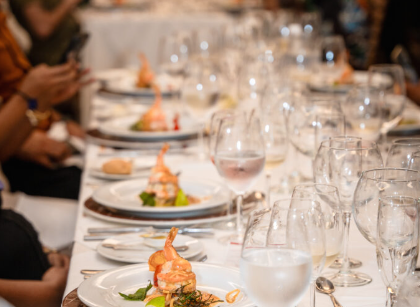
PUNTA CANA, DOMINICAN REPUBLIC – One of the Caribbean’s most iconic luxury resort destinations, Barceló Bávaro Grand Resort, is preparing to welcome food lovers from across the region and beyond for the 11th edition of its celebrated Culinary Week, running October 18 through 25. This year’s gathering will bring together 10 award-winning, internationally recognized chefs from the Dominican Republic and around the globe for a full week of immersive gastronomic celebration that showcases diverse culinary traditions from multiple world cuisines.
Unlike standard food festivals that focus on a single culinary identity, the 2025 Culinary Week program is built around a curated lineup of themed dinners and hands-on culinary experiences that highlight seven distinct culinary styles: bold Italian flavors, classic Spanish tapas and roasts, zesty Mexican street food and fine dining, refined French technique, global fusion creations, premium grilled and cured meat dishes, and vibrant, fresh Caribbean coastal cuisine. What makes this event unique is its openness to more than just resort guests: local Dominican food enthusiasts are also invited to participate in every scheduled experience, making the celebration a collaborative moment for visitors and community members alike.
This year’s program introduces several exciting new additions that set the 11th edition apart from previous years. Attendees will have the chance to enjoy an exclusive dessert tasting hosted at the resort’s popular Coffee, Rum and Cigar Lounge Bar, developed in partnership with three leading food industry brands: Levapan, Puratos and Chocolate World. To complement the sweet treats, the event will also feature guided rum tastings curated by iconic Dominican rum producer Ron Barceló, giving guests the opportunity to sample premium aged rums paired to match the week’s menu offerings.
The 2025 chef lineup features two exciting first-time participants: Luigi Puello, the esteemed Food and Beverage Director at Casa de España, and Ramsés Núñez, a sought-after private and corporate chef who specializes in custom, personalized gastronomic experiences for high-profile clients. They will be joined by a roster of veteran culinary talents, including Alejandro Abreu, president of the Dominican Association of Chefs; Liberato De Simone of renowned local Italian eatery Dolce Italia; José Lombardero of Espacio Sukaldeko; and Cristóbal Marto, corporate chef for acclaimed dining destinations La Cassina and Casa Luca. The resort’s own in-house culinary team will also contribute to the event, with four talented chefs representing Barceló Bávaro Grand Resort, Occidental Caribe and Occidental Punta Cana: Hilario Martínez, Benjamín Rodríguez, Ondry Reyes and Wilson Perdono.
The 11th Culinary Week will kick off officially on Sunday, October 18, with an opening cocktail reception that will welcome leading figures from the Dominican Republic’s gastronomy and tourism industries to mark the start of the week-long celebration. To make the event accessible to all who wish to attend, the resort has created special all-inclusive accommodation packages that combine access to all Culinary Week events with leisure stays and resort amenities, while guests staying in the resort’s Premium Level accommodations will receive exclusive, priority access to all program activities.
For local and international food lovers looking to experience the best of Dominican and global cuisine in a world-class Caribbean setting, the 2025 Culinary Week at Barceló Bávaro Grand Resort offers a one-of-a-kind opportunity to connect with top culinary talent and explore diverse flavor traditions.