标签: Dominica

多米尼克

  • DDA official advises would-be visitors of transportation options for Mas Domnik 2026

    DDA official advises would-be visitors of transportation options for Mas Domnik 2026

    The Discover Dominica Authority (DDA) has announced enhanced travel options for international visitors and diaspora communities seeking to attend Mas Domnik 2026, the nation’s premier carnival celebration. Ogelly Moses, Festivals and Events Assistant at the DDA, outlined comprehensive air and sea connectivity measures during a weekly carnival press conference held Thursday.

    Addressing historical travel challenges, Moses confirmed that ferry services remain operational via FRS Express Des Iles, creating maritime connections through Martinique, Saint Lucia, and Guadeloupe. Multiple airline partnerships have been established to improve accessibility, including Caribbean Airlines (through Trinidad), Inter-Caribbean Airways, WinAir (via St. Martin), and reactivated LIAT services offering a 20% discount on direct flights to Dominica during the carnival season.

    Additional air access includes Contour Airlines from Puerto Rico and St. Thomas, American Airlines from Miami, and United Airlines servicing the Tri-State area. Sunrise Airways is providing a 10% seasonal discount exclusively through mobile app bookings.

    Beyond transportation logistics, Moses highlighted Dominica’s unique natural attractions, including waterfalls, geothermal hot springs, and rainforest ecosystems, positioning the carnival as both a cultural event and ecotourism opportunity. The official concluded with acknowledgments to sponsors, artists, and community organizers while emphasizing commitments to safe and responsible celebrations that showcase Dominican culture globally.

  • Caribbean youth map future for progress in education

    Caribbean youth map future for progress in education

    Young voices across the Caribbean are driving a transformative educational agenda, presenting actionable strategies to reshape learning systems region-wide. Their insights, prominently featured during the Caribbean Development Bank’s (CDB) 2025 Regional Symposium and Policy Dialogue on Transforming Education in Barbados, align with UNESCO’s 2026 International Day of Education theme emphasizing youth’s role in co-creating education.

    The youth-led proposal centers on three fundamental pillars: technological innovation, mandatory vocational training, and enhanced collaborative ecosystems. Students advocate for a comprehensive digital overhaul in classrooms, leveraging tools like tablets and Google Classroom to promote inclusivity and interactive learning. Naomi Jordan, a visually impaired student and First Vice President of the Barbados National Student Council, emphasized technology’s role in accessibility: ‘Digital tools allow me to engage with lessons interactively, correct mistakes easily, and participate fully alongside my peers.’

    Despite acknowledging technology’s benefits, students identified a significant generational divide hindering progress. Many parents and educators lack familiarity with digital learning platforms, resulting in overly restrictive policies. To address this, they propose targeted digital literacy programs for adults to foster safer and more effective technology integration.

    Beyond digital transformation, youth representatives stressed the critical need for practical skill development. They called for the compulsory inclusion of Technical and Vocational Education and Training (TVET) in national curricula, arguing that hands-on learning remains severely underrepresented. Rondelle Nedd, Operations Coordinator at Guyana’s Ministry of Legal Affairs, noted: ‘Skills are wealth, yet TVET is not widely mandatory across the Caribbean. Ensuring it is part of the curriculum would provide practical opportunities for student success.’

    The symposium also highlighted findings from a 2025 regional consultation revealing that emotional support, open communication, and community engagement form essential foundations for educational achievement. Students emphasized that consistent emotional backing builds confidence and resilience, while non-judgmental dialogue empowers learners. They further advocated for strengthened collaboration between families, schools, and communities through both physical and digital channels.

    These recommendations, initially presented under the theme ‘Student and Youth Perspectives: What Helps Us Learn, What Holds Us Back,’ now gain renewed relevance as Caribbean nations seek to implement youth-driven solutions. The CDB initiative aims to incorporate these insights into policy development, creating stronger partnerships among educators, families, and policymakers to revolutionize Caribbean education systems.

  • PM says nationwide infrastructure projects will be done in phases

    PM says nationwide infrastructure projects will be done in phases

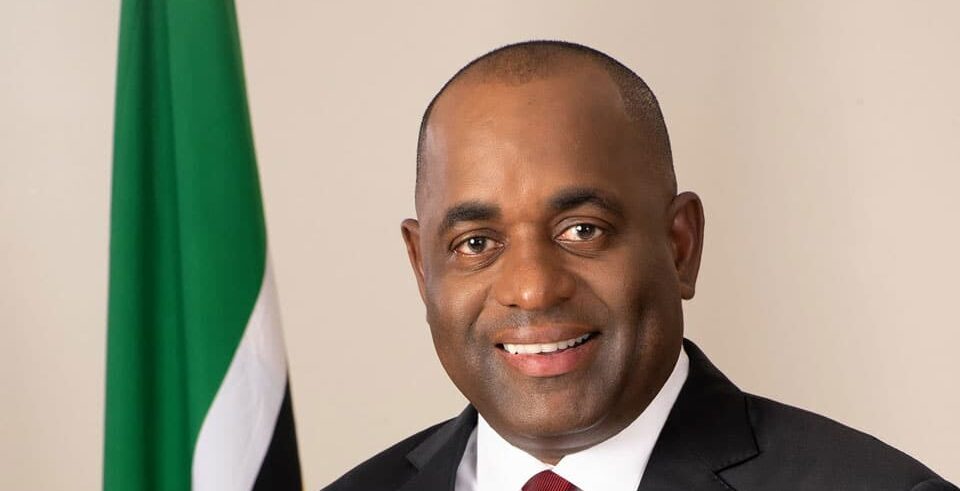
    In a significant New Year address to journalists, Dominica’s Prime Minister Roosevelt Skerrit has unveiled an extensive national infrastructure development agenda for 2026, focusing on comprehensive road rehabilitation projects across multiple communities. The ambitious initiative represents a cornerstone of the government’s economic transformation strategy.

    The administration has mandated complete resurfacing of the New Town Road stretching from New Town Savannah to the Castle Comfort bridge. Additionally, the government will execute a phased resurfacing program along the critical Roseau to Portsmouth corridor, beginning with the Pottersville to Old Mill section as the initial phase.

    Prime Minister Skerrit detailed the specific sequencing of these infrastructure improvements: “The first phase will cover the section from Pottersville bridges to Canefield, followed by the subsequent phase from Canefield to Jimmit.” The comprehensive plan further includes complete road resurfacing from Pont Casse Roundabout to Bois Diable and from Sultan junction to River ‘Glo Cho’ in the Layou Valley region.

    According to an official release from the Office of the Prime Minister, these infrastructure investments form part of the government’s central preoccupation for 2026, described as essential projects for transforming Dominica’s economic landscape and building long-term resilience for future generations. The Prime Minister concluded by noting additional focus on completing the final section in Thibaud, underscoring the nationwide scope of these developmental initiatives.

  • LIVE from 2:30PM: Inter-Secondary Schools Debating Competition Knock-Out Round 2026

    LIVE from 2:30PM: Inter-Secondary Schools Debating Competition Knock-Out Round 2026

    Microsoft has achieved a significant milestone with its AI-powered Bing Chat service, surpassing 100 million daily active users according to a recent announcement. This rapid adoption represents a substantial challenge to Google’s long-standing dominance in the search engine market.

    The conversational AI assistant, powered by advanced language models, has transformed the traditional search experience by providing direct answers, creative content generation, and interactive dialogue capabilities. The service’s growing popularity demonstrates a shifting user preference toward more intuitive and comprehensive information retrieval systems.

    Microsoft’s strategic integration of AI technology across its product ecosystem, including the Edge browser, has contributed significantly to Bing Chat’s expanding user base. Industry analysts note that this represents the most serious competition Google Search has faced in over a decade, potentially signaling a new era in the search engine landscape.

    The company’s substantial investment in artificial intelligence infrastructure and partnerships has positioned it at the forefront of the AI revolution. This user growth metric suggests that conversational AI interfaces may fundamentally reshape how people interact with information online, moving beyond the traditional list-of-links approach that has characterized search for decades.

  • Traffic accident in Antrim

    Traffic accident in Antrim

    The tranquil community of Mahaut in Dominica has been thrust into a state of emergency following a series of catastrophic flash floods that struck on January 23rd, 2026. The sudden deluge, captured in harrowing video footage and photographs, transformed streets into raging torrents, causing significant damage to infrastructure and property while sending residents into a frantic scramble for safety.

    Visual evidence from the scene depicts a landscape of devastation, with muddy, chocolate-brown waters overwhelming roadways and encroaching upon homes and businesses. The force of the floodwaters was powerful enough to dislodge vehicles and sweep away unsecured debris, highlighting the sheer intensity of the natural event. Emergency response teams were immediately deployed to the area, coordinating rescue operations and beginning preliminary assessments of the damage.

    Initial reports from local authorities indicate that the flooding was triggered by exceptionally heavy rainfall over a short period, which the existing drainage systems could not accommodate. While a comprehensive evaluation of structural impacts is still underway, community leaders have expressed grave concern over the well-being of affected residents and the long-term recovery efforts required.

    The incident has reignited critical conversations on climate resilience and infrastructure preparedness in Dominica, a nation increasingly vulnerable to extreme weather phenomena. This event serves as a stark reminder of the urgent need for enhanced disaster mitigation strategies and robust community response protocols to safeguard against future climatic emergencies.

  • PRESS RELEASE:  Dominica’s Vanya David, a community leader who champions gender equality and healthy eating,  recognized by IICA as Leader of Rurality of the Americas

    PRESS RELEASE: Dominica’s Vanya David, a community leader who champions gender equality and healthy eating, recognized by IICA as Leader of Rurality of the Americas

    ROSEAU, Dominica – From her roots in a western coastal community where fishing and agriculture defined existence, Vanya David has emerged as a formidable advocate for gender equality and sustainable development. The President of the Dominica National Council of Women draws inspiration from her family heritage—a fisherman father and farming mother—which instilled in her the core philosophy: “What you need to eat is what you grow.”

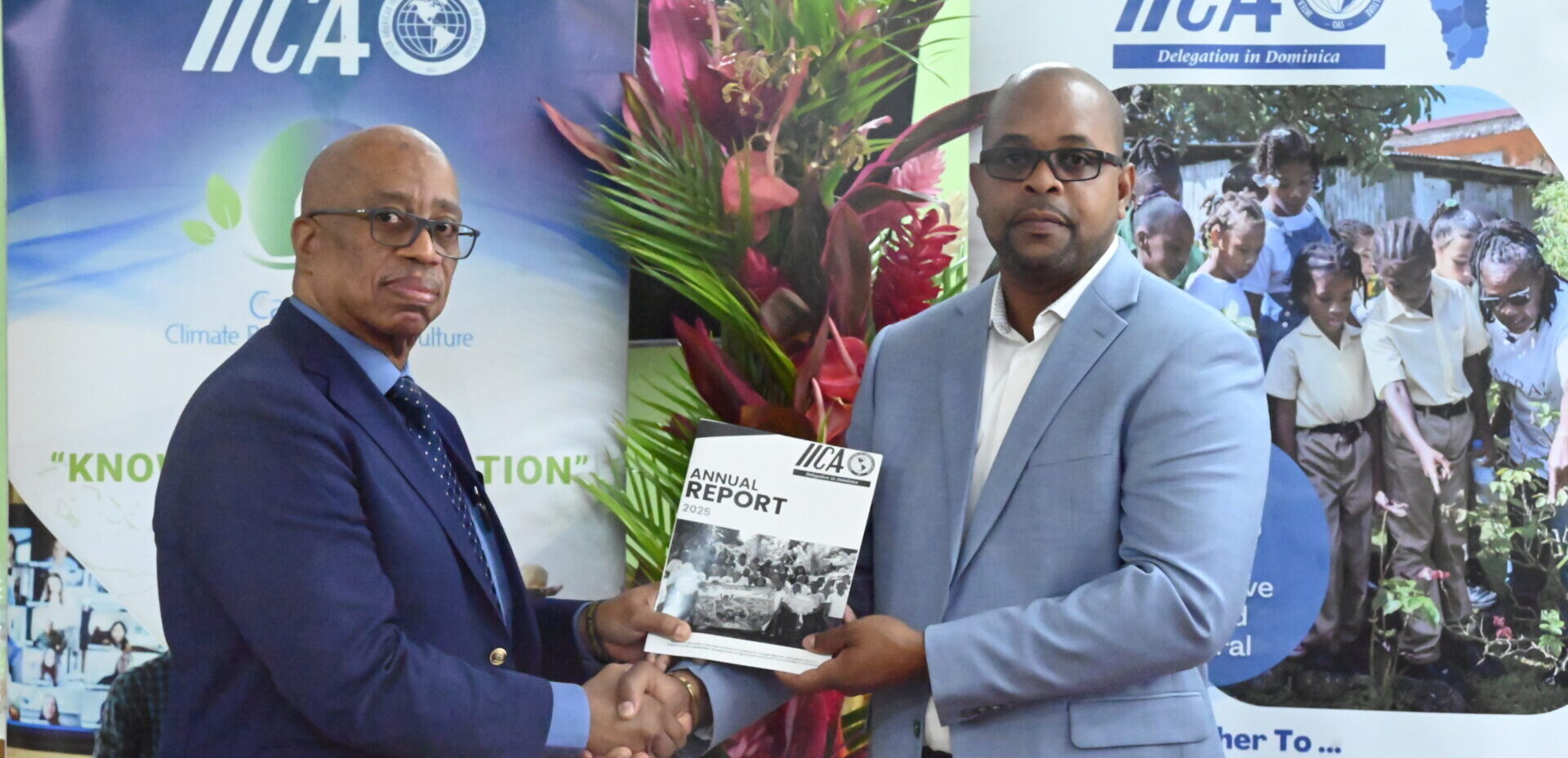
    Leading an organization with decades of impact, David coordinates crisis prevention, community strengthening, and technical training programs in partnership with Dominica’s Ministry of Agriculture and the Inter-American Institute for Cooperation on Agriculture (IICA). Her dedication recently earned her the prestigious Soul of Rurality award from IICA, recognizing her influence in advancing food security and sustainability across the Americas.

    Yet David’s vision is grounded in practical challenges. She highlights rural transportation as a critical barrier, especially for women seeking economic independence. Limited road access complicates market connectivity, increasing costs and reducing profitability. Climate volatility further strains agricultural stability, with rapid shifts between sun, rain, and wind demanding careful crop planning.

    Supported by national and international agencies, greenhouse initiatives are gradually improving resilience in suitable regions. David emphasizes that successful farming requires not only planting skills but also astute climate adaptation. Her work also extends to fisheries, training women in safe fishing practices and fish conservation while addressing logistical hurdles in product distribution.

    Addressing youth engagement, David notes that land access, startup financing, and modern tools are essential to attract new generations to agriculture. She contrasts nutrient-rich local produce with processed convenience foods dominating urban diets, advocating strongly for local production as a path to better nutrition.

    Despite acknowledging the hardships of rural life—infrastructure gaps, climate setbacks, and market barriers—David unwaveringly promotes farming as a source of autonomy, health, and environmental harmony. Her conviction echoes a lifetime of experience: “It is better to grow what you eat, and eat what you grow.”

  • Wanted man captured in Dominica and sent back home to face justice

    Wanted man captured in Dominica and sent back home to face justice

    In a significant demonstration of regional law enforcement cooperation, Dominican authorities have successfully repatriated a fugitive from Saint Lucia who was apprehended during a routine narcotics operation. Merkyle Cooper, a Saint Lucian national, was initially detained in October during ‘Operation Clean Street’ on cannabis possession charges and promptly paid a $1,100 fine.

    During subsequent investigations, the Commonwealth of Dominica Police Force (CDPF) uncovered Cooper’s status as a wanted individual in Saint Lucia for serious criminal offenses. This discovery triggered immediate custodial measures while extradition procedures were coordinated between the two nations.

    The collaborative effort culminated on January 22, 2026, when Cooper was formally transferred to Saint Lucian law enforcement officials to answer for his alleged crimes. The CDPF emphasized that this operation underscores their commitment to regional security partnerships and inter-jurisdictional justice.

    In a strongly worded statement, Dominican police issued a clear warning to international criminal elements: “Dominica is not a hiding place. Anyone who commits crimes in other countries and believes they can come here to hide or evade justice will be tracked, arrested, and returned to face the law. There is no safe haven for criminals in Dominica.”

    While officials have not disclosed the specific nature of Cooper’s alleged crimes in Saint Lucia, the case represents a successful implementation of regional security protocols between Caribbean Commonwealth nations.

  • LETTER TO THE EDITOR: ‘Deux Branches’ another betrayal of the public’s trust!

    LETTER TO THE EDITOR: ‘Deux Branches’ another betrayal of the public’s trust!

    Dominica confronts a severe crisis of public confidence as government inaction regarding illegal mining operations at Deux Branches exposes fundamental failures in governance. The situation has escalated dramatically since a foreign entity initiated unauthorized extraction activities despite a court-issued stop order that officials have conspicuously failed to enforce.

    The core issue transcends environmental concerns, striking at the heart of Dominica’s social contract. Public trust—particularly in the Ministries of Health, National Security, and Finance—has deteriorated to critically low levels. This distrust now threatens to spread to the departments of Planning, Environment, Lands & Surveys as officials demonstrate alarming indifference to both legal mandates and citizen concerns.

    What makes this case particularly troubling is the administration’s refusal to provide scientific data and factual information to concerned citizens who have themselves presented evidence-based arguments. This ‘No law, No constitution’ approach to governance has created a dangerous precedent that undermines democratic foundations.

    The ecological implications are equally grave. Deux Branches represents not just an environmental treasure but a litmus test for governmental accountability. The failure to protect this landscape could precipitate both ecological disaster and further erosion of public trust, potentially poisoning governance structures, impoverishing society, and destroying civil spirit.

    Dr. Irving ‘Eipigh’ Pascal, the author raising these concerns, maintains cautious optimism that transparent and professional management of this crisis could still reverse the damage. He emphasizes that prevention remains superior to cure, and that protecting Dominica’s natural heritage is fundamental to ensuring a just, prosperous future for the Nature Isle.

    The situation demands immediate attention as it represents a critical juncture in Dominica’s development. How authorities handle this illegal mining debacle will determine whether trust can be restored or whether collective insecurity will deepen in an increasingly challenging global landscape.

  • LETTER TO THE EDITOR: Fact Check- Anthony Astaphan’s political defense of CBI and the reality of U.S. risk

    LETTER TO THE EDITOR: Fact Check- Anthony Astaphan’s political defense of CBI and the reality of U.S. risk

    A critical examination of recent U.S. visa restrictions on Caribbean Citizenship by Investment (CBI) programs reveals a fundamental disconnect between legislative compliance and operational credibility. While Senior Counsel Anthony Astaphan accurately notes that Eastern Caribbean governments have engaged in diplomatic dialogues and enacted statutory reforms, his legalistic perspective fails to address Washington’s core security concerns.

    The United States approaches risk assessment through a practical lens rather than a legislative checklist. From this vantage point, several unresolved issues persist: historical approvals under weaker due diligence regimes remain active liabilities, enforcement consistency shows significant variation, and information-sharing reliability with international partners continues to raise questions. Additionally, concerns regarding political influence over CBI administration and broader transparency issues, including the Cuban medical brigade situation, contribute to ongoing apprehension.

    Timing emerges as a crucial factor in understanding the current impasse. Contrary to Astaphan’s portrayal of proactive governance, the implemented reforms largely constituted reactive measures following intensified U.S. visa scrutiny, prior EU warnings, and already-eroded international confidence. The December visa restrictions represent a risk management posture rather than moral condemnation, essentially communicating: “Improvement acknowledged, but reliability not yet established.”

    Particularly telling is the divergence in perspectives regarding residency requirements. Where Astaphan points to legislative changes as evidence of compliance, U.S. officials evaluate substantive residence indicators—actual physical presence, meaningful jurisdictional ties, and integration sufficient for identity verification. Many CBI residency stipulations continue to be perceived as symbolic rather than substantive, undermining confidence in identity vetting processes.

    This situation ultimately reflects contrasting professional frameworks: Astaphan argues as defense counsel by emphasizing technical compliance and minimizing structural risks, while U.S. authorities operate as risk managers who discount promises in favor of demonstrable system resilience. The path forward requires Caribbean states to complement legal reforms with verifiable compliance measures, transparent data sharing, and sustained cooperation that convinces security professionals—not just diplomats—that international standards are consistently met.

  • PRESS RELEASE: West Indies U19 secure super 6 spot with 55-run victory over South Africa

    PRESS RELEASE: West Indies U19 secure super 6 spot with 55-run victory over South Africa

    WINDHOEK, Namibia – In a decisive Group D finale at the HP Oval, the West Indies Under-19 cricket team clinched their place in the Super Six phase of the 2026 ICC Under-19 Men’s World Cup with a commanding 55-run victory against South Africa. The regional squad concluded the group stage with four points from three matches, having previously defeated Tanzania but fallen short against Afghanistan.

    The match unfolded with West Indies opting to bat after winning the toss. Openers Tanez Francis and Zachary Carter navigated the early overs steadily before Francis departed for 14 in the seventh over. Carter then seized control, delivering a spectacular display of power-hitting that featured eight fours and eight sixes on his way to a maiden Youth ODI century. Captain Joshua Dorne contributed 20 runs in a stabilizing 82-run partnership before the middle order briefly faltered.

    Jonathan Van Lange (29) and Shaquan Belle (18) provided crucial lower-order contributions to propel West Indies to a competitive total of 234 all out.

    In response, South Africa – who had posted 397 runs against Tanzania in their previous outing – were bowled out for 179, owing largely to a sensational bowling performance by Shaquan Belle. The paceman recorded tournament-best figures of 6-40, well-supported by Jakeem Pollard, Isra-el Morton, and Vitel Lawes, who each claimed a wicket. Jason Rowles top-scored for South Africa with 46, but the team struggled to build meaningful partnerships under sustained West Indian pressure.

    Zachary Carter earned Player of the Match honors for his match-defining century. Reflecting on his performance, Carter stated: “My intention was to maximize the powerplay, build momentum, and help secure the win. After a couple of low scores, this innings means the world – it proves that with fight and belief, we can go far in this tournament.”

    The West Indies now advance to the Super Six round, where they will face the first and third-placed teams from Group A. Their next match is scheduled for January 25 at the HP Oval, followed by a fixture at Harare Sports Club in Zimbabwe on January 28. Broadcast coverage will be available through ESPN Caribbean, Disney+, Willow TV, Sky Sports, and via global streaming on ICC.tv.