
In a prestigious ceremony held at the State House Conference Center on Sunday night, the Commonwealth of Dominica Police Force (CDPF) celebrated the exceptional contributions of 37 police officers. The event, which concluded Police Week 2025 under the theme “Serving with Pride Protecting with Purpose,” highlighted the dedication and professionalism of the force. Finance Minister Dr. Irving McIntyre, representing Prime Minister Roosevelt Skerrit, emphasized the noble yet demanding nature of policing in a democracy. He praised the officers for their vigilance, fairness, and moral character, noting the importance of remaining calm under pressure and upholding the rule of law. Dr. McIntyre congratulated the awardees, stating that their recognition was not only a testament to individual excellence but also a symbol of responsibility and leadership. Among the honorees were Sergeant Garvin James, recognized as Investigator of the Year, and Constable Emran Joseph, awarded Outstanding Officer of the Year in the Special Branch. The ceremony underscored the critical role of conduct, character, and consistency in effective policing.
标签: Dominica
多米尼克
-
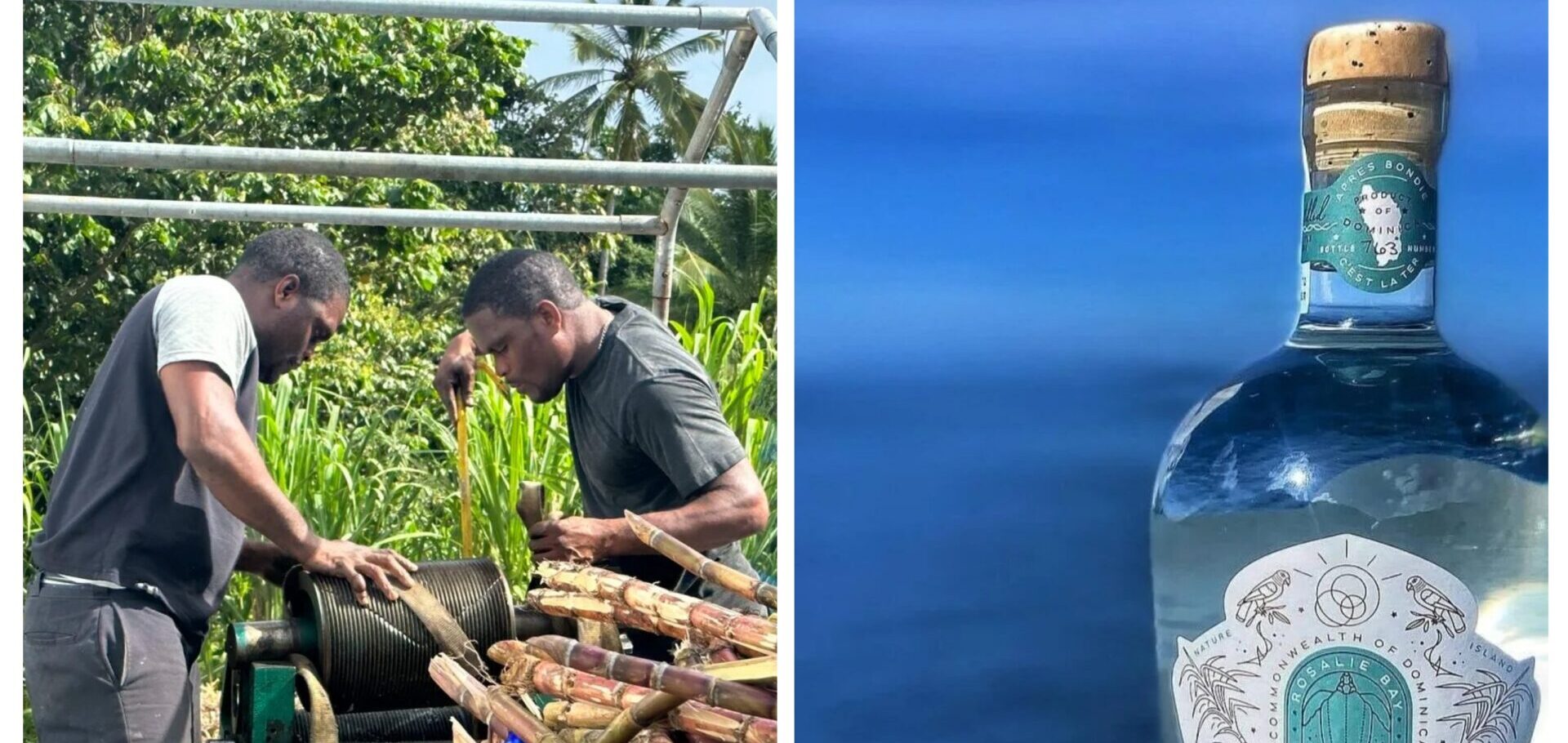
Discover Dominica extends congratulations to Rosalie Bay Distillery on Silver Anthem Award
The Ministry of Tourism and the Discover Dominica Authority (DDA) have lauded Rosalie Bay Distillery (RBD) and Oceans Forward for their Silver Award win at the 5th Annual Anthem Awards. The prestigious recognition was granted in the Sustainability, Environment & Climate – Product, Innovation or Service (Non-Profit) category, highlighting Dominica’s growing influence in environmental innovation and sustainable practices globally. Rosalie Bay Distillery, the world’s sole conservation distillery, was honored for its groundbreaking model that channels all profits into marine conservation initiatives within the local community. Located in Rosalie, the distillery produces premium craft rums with full traceability from farm to bottle, showcasing how responsible business practices can directly contribute to preserving the island’s natural environment. The distillery’s “Pour to Protect” campaign further strengthens this mission by linking rum sales to tangible marine conservation outcomes while supporting local livelihoods through jobs in sugar cane cultivation, supply chain operations, and distillery functions. According to the DDA, this innovative approach not only bolsters community resilience but also aligns with Dominica’s national priorities in environmental protection, community development, and responsible tourism. The Ministry of Tourism and DDA view this achievement as a pivotal milestone in Dominica’s sustainability journey, reinforcing the island’s commitment to a greener future.
-

Delegates from Canadian and Australian governments, and California Agriculture officials, toured IICA booth emphasizing soil vitality’s importance in shaping COP30 agenda
At the 30th Conference of the Parties (COP30) in Belém do Pará, Brazil, delegates from Canada, Australia, and California’s Department of Food and Agriculture gathered at the Inter-American Institute for Cooperation on Agriculture (IICA) pavilion to emphasize the pivotal role of soil health in achieving sustainable development. The event, which drew significant attention, highlighted the urgent need to integrate soil preservation into national climate strategies to ensure resilient food and agricultural systems.
-
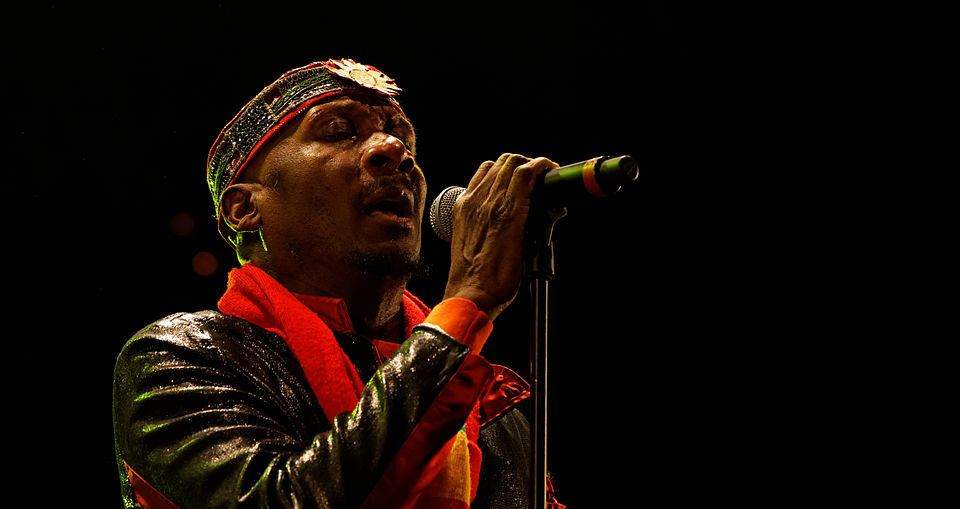
International reggae legend, Jimmy Cliff, dies at 81
The world of music mourns the loss of Jimmy Cliff, the iconic Jamaican singer, actor, and reggae ambassador, who passed away at the age of 81. His wife announced his passing in an emotional Instagram post, revealing that he succumbed to complications following a seizure and pneumonia. She expressed gratitude for the support of family, friends, and fellow artists who shared in his remarkable journey. Cliff’s career spanned over six decades, leaving an indelible mark on global music culture. His timeless hits, including “You Can Get It If You Really Want,” “Many Rivers to Cross,” and “Wonderful World, Beautiful People,” continue to resonate with audiences worldwide. Born in Saint James, Jamaica, in 1944, Cliff’s musical journey began in the early 1960s in Kingston, where he collaborated with producer Leslie Kong. His international breakthrough came with the 1972 film “The Harder They Come,” a pioneering Caribbean classic that showcased his talent and solidified his status as a reggae icon. The film’s soundtrack, featuring Cliff’s iconic songs, remains a cornerstone of reggae music. Cliff’s contributions to music were widely recognized, earning him Jamaica’s Order of Merit in 2003 and induction into the Rock and Roll Hall of Fame in 2010. In 2021, the U.S. Library of Congress preserved the soundtrack of “The Harder They Come” in the National Recording Registry. Cliff’s career also included a Grammy-winning cover of Johnny Nash’s “I Can See Clearly Now” in 1994 and the release of his final album, “Refugees,” in 2022. Jamaica’s Prime Minister Andrew Holness paid tribute to Cliff, praising his ability to inspire generations and elevate Jamaican culture globally. “Walk good, Jimmy Cliff. Your legacy lives on,” Holness wrote on X.
-
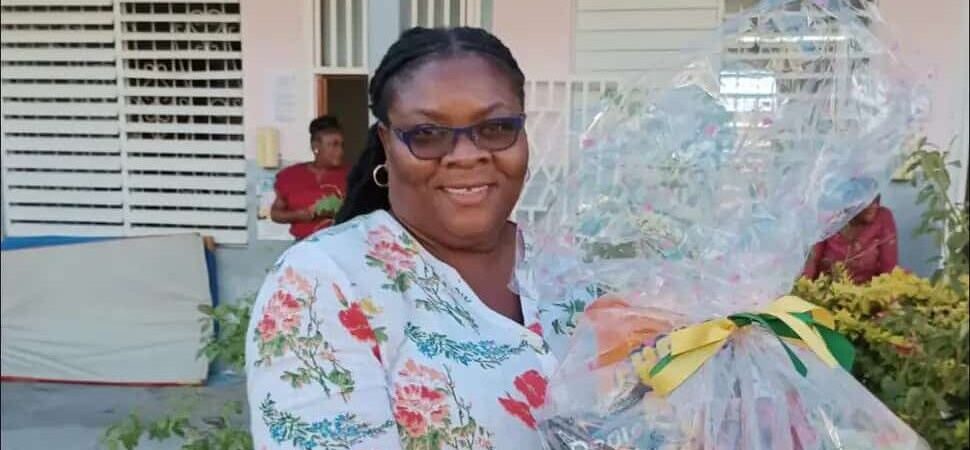
St Martin Primary School mourns the passing of Secretary – Mrs. Selena Shillingford
The St. Martin Primary School (SMPS) has announced the sad passing of their esteemed secretary, Mrs. Selena Shillingford. In a heartfelt statement, the school described Mrs. Shillingford as much more than a staff member—she was the welcoming presence in the office, a pillar of support for students, teachers, and parents, and an integral part of the SMPS community. Her kindness, dedication, and warm spirit left a lasting impact on everyone who knew her. The school extended its deepest condolences to her family, friends, and all those grieving her loss. They pledged to honor her memory and the significant contributions she made to the institution. In light of this tragic event, SMPS has declared a day of closure, with classes resuming on Tuesday, November 25, 2025. Dominica News Online (DNO) also expressed its heartfelt sympathies to the loved ones of Mrs. Shillingford, wishing her soul eternal peace.
-
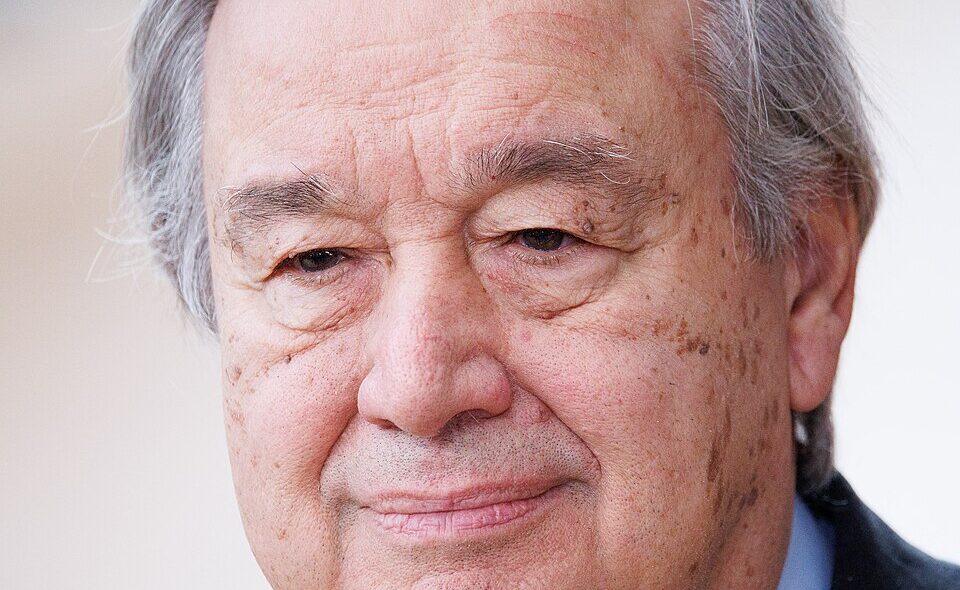
UN Secretary-General comments on closing of COP30: multilateral efforts must continue
At the close of COP30, held from November 10-21, 2025, in Belém, Brazil, United Nations Secretary-General António Guterres commended the significant strides made during the conference, underscoring the critical role of multilateral cooperation in tackling global climate challenges. Guterres extended his gratitude to Brazilian President Luiz Inácio Lula da Silva, COP30 President André de Largo, the Brazilian government, the people of Belém, and the UNFCCC Secretariat for their exceptional hospitality and tireless efforts in organizing the event.
Guterres emphasized that the conference, held at the gateway to the Amazon rainforest, showcased the enduring power of multilateralism. Nations united to address the pressing issue of climate change, demonstrating that collective action is essential in solving challenges that transcend borders.
Key achievements at COP30 included a commitment to triple adaptation finance by 2035, the establishment of a Just Transition Mechanism to support workers and communities transitioning to renewable energy, and the launch of a new dialogue to enhance international trade cooperation. Additionally, participants acknowledged the likelihood of temporarily exceeding the 1.5°C temperature rise limit, prompting the introduction of a Global Implementation Accelerator to expedite the fulfillment of Nationally Determined Contributions (NDCs).
Despite these advancements, Guterres acknowledged the limitations of COP30, noting that consensus-driven negotiations in an era of geopolitical fragmentation made comprehensive agreements increasingly difficult. He admitted that the conference fell short of addressing all necessary measures, leaving some stakeholders, particularly youth, Indigenous communities, and climate-affected populations, disappointed.
Guterres warned of the dangers of overshooting the 1.5°C threshold, urging humanity to treat it as an inviolable red line. He called for rapid emissions reductions, credible plans to transition from fossil fuels to clean energy, and enhanced climate justice, adaptation, and resilience efforts. He also stressed the urgent need for increased climate finance to support developing nations in mitigating emissions and addressing loss and damage.
While COP30 has concluded, Guterres emphasized that the global fight against climate change must continue. He pledged to advocate for higher ambitions and greater international solidarity, urging all participants to remain steadfast in their efforts. ‘History is on your side, and so is the United Nations,’ he concluded.
-

69 families receive new homes under Dominica’s Housing Recovery Project; Roberts defends programme
In a significant stride toward climate resilience, Dominica has handed over keys to 69 families for their newly constructed homes during a ceremony at the Windsor Park Sports Stadium. This initiative is part of the Housing Recovery Project, which has so far built 382 homes across the island. Minister for Housing and Urban Development, Melissa Poponne-Skerrit, emphasized the durability of these homes, stating, “Every home we build now is concrete, with a concrete roof. The hurricanes can come, they can huff and puff, but they will not blow your house down.” She highlighted the transformative impact of the project, sharing testimonials from beneficiaries, including an elderly woman who expressed how her new home has added comfort and dignity to her life. The Housing Recovery Project is unique in the Caribbean for its homeowner-driven approach, where beneficiaries actively participated in the construction process, hiring local contractors and purchasing materials. Poponne-Skerrit acknowledged the challenges faced, such as rising global costs and difficult terrain, but underscored the government’s commitment to ensuring every dollar circulated within local communities. Acting Prime Minister Gretta Roberts defended the investment in resilient housing, citing the increasing intensity of hurricanes due to climate change. She stressed that the project aims to protect vulnerable families, reduce the need for emergency shelters, and save them from the trauma of rebuilding after disasters. Roberts affirmed that resilient housing is not just a necessity but also an investment in Dominica’s people, economy, and future.
-
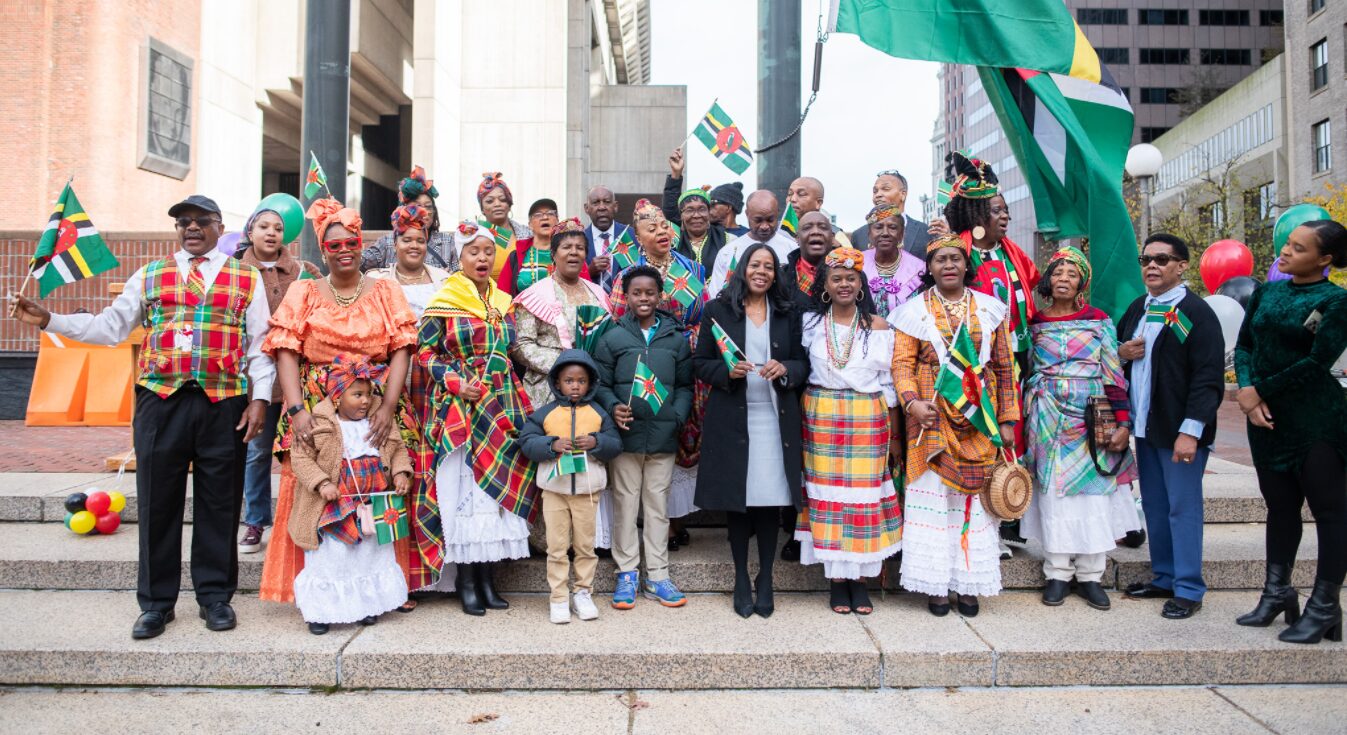
City of Boston raises Dominica flag at City Hall; mayor honors Dominican Diaspora leaders
The City of Boston honored Dominica’s rich culture, heritage, and global diaspora with a vibrant flag-raising ceremony on November 7, officially proclaimed as ‘Dominica Day’ by Mayor Michelle Wu. The event, held at City Hall Plaza, symbolized unity, recognition, and cultural pride for the Dominican community in Greater Boston. Organized by the Mayor’s Office of Arts & Culture, led by Caribbean Cultural Advisor Bianca Rose, and supported by the Equity & Inclusion Cabinet, the ceremony underscored Boston’s commitment to celebrating multiculturalism and immigrant contributions. The event featured a prayer by Pastor Cuthbert Joseph, a spoken word performance by Samirah Johnson, and a heartfelt rendition of the Dominica National Anthem by Marsha White Tucker. The raising of the Dominica flag, a powerful emblem of cultural heritage, was a highlight of the day. Consul Sheldon Peter Anthony delivered an inspiring speech on the flag’s history and symbolism, while Framingham City Councilor Leslie White Harvey and Boston City Council President Ruthzee Louijeune praised Dominican contributions to the city. Mayor Wu’s official proclamation, read by James Reginald Colimon, Director of Global Affairs, recognized the significant impact of Dominicans in Boston. Several members of the Dominican diaspora were honored with City of Boston Citations for their cultural leadership and service. Attendees enjoyed Dominican cuisine, a photo exhibition by Elizabeth Thomas, and an artifacts display curated by Lisa White and Terri-Anne Bynoe. The annual event serves as a testament to Dominica’s global presence and the enduring contributions of its people to Boston’s civic and cultural life.
-
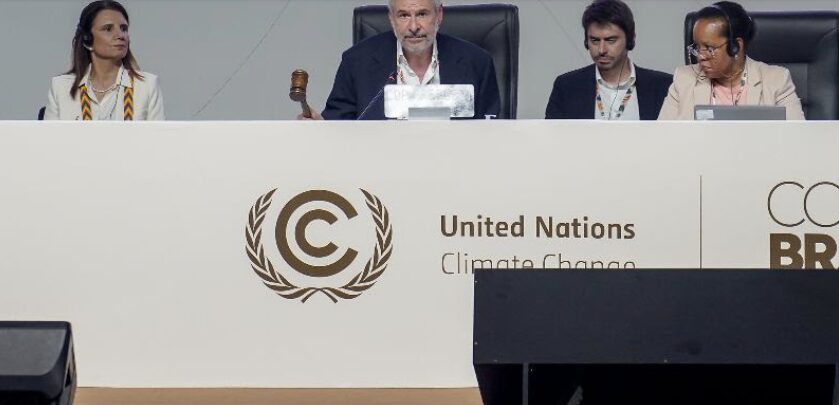
COP30 ends with incremental gains, but health risks loom without stronger action
The 30th Conference of the Parties (COP30) in Belém, Brazil, concluded with significant shortcomings, according to the Global Climate and Health Alliance. Despite high expectations, the summit failed to deliver the transformative climate action necessary to safeguard global health. Key issues included the lack of a formal agreement on phasing out fossil fuels and delays in implementing adaptation measures. Dr. Jeni Miller, Executive Director of the Alliance, expressed disappointment, stating that while some progress was made, COP30 did not mark the turning point it had promised. The Alliance, representing over 200 health and civil society organizations worldwide, emphasized that the delay in adaptation finance until 2035, instead of the requested 2030 deadline, could result in increased suffering and mortality, particularly in developing nations. These countries, already grappling with poverty, fragile health systems, and debt, are at heightened risk from escalating climate impacts. Even high-income countries are seeing their healthcare systems stretched to the limit. Brazil’s COP30 President, André Corrêa do Lago, announced plans for two roadmaps: one to halt deforestation and another to guide a just transition away from fossil fuels. However, the absence of a formal fossil fuel phaseout agreement remains a critical gap. Dr. Miller warned that without decisive action, the world risks reaching dangerous and irreversible tipping points in critical earth systems. The final text of the just transition work programme recognized the human right to health and a clean environment and established a mechanism for international cooperation and capacity-building. While these provisions were welcomed, Dr. Miller stressed the need for adequate resourcing to ensure their implementation. She called on wealthy nations to lead by example, noting that 80 countries supported a fossil fuel phaseout plan. She emphasized that leadership does not require consensus and that phasing out fossil fuels would benefit public health and reduce the financial burden on healthcare systems. Dr. Miller also reminded developed countries of their Paris Agreement commitments, calling climate finance for vulnerable nations an investment in global stability, goodwill, and cooperation. The Alliance applauded the launch of the Belém Health Action Plan but warned that without concrete implementation and sufficient climate finance, it risks remaining symbolic. Nurses and health advocates pledged to continue pressing global leaders to deliver the protections communities and future generations urgently need.
-

LIVE from 9AM: Feast of Christ the King 2025 at Our Lady of La Salette
The Feast of Christ the King 2019, a significant religious event, is set to be broadcast live for those unable to attend in person. The live video link will be accessible on the event’s official page starting at 9am. Viewers experiencing issues with the video playback are advised to refresh their browser to ensure uninterrupted access. This event, celebrated globally, holds immense spiritual importance for the Christian community, marking the culmination of the liturgical year. The live stream aims to bring the ceremony to a broader audience, allowing participants worldwide to partake in the festivities virtually. Stay tuned for the link and prepare to join this momentous occasion from the comfort of your home.