标签: Dominica

多米尼克

  • Parliament adjusts excise tax to encourage import and trading of older vehicles

    Parliament adjusts excise tax to encourage import and trading of older vehicles

    The Commonwealth of Dominica has enacted significant fiscal legislation through parliamentary approval, introducing a dual-measure approach to transportation policy. The Excise Tax Amendment for 2025 establishes a tiered taxation system for imported vehicles based on manufacturing age, while simultaneously reintroducing the Highway Maintenance Levy to fund infrastructure projects.

    Finance Minister Dr. Irving McIntyre presented the comprehensive policy framework during the 2025-2026 National Budget address. The revised excise structure maintains a minimal 1 percent charge on vehicles under five years old, while implementing progressive increases: $3,000 for vehicles aged 5-10 years, $4,000 for 10-15 years, and $10,000 for vehicles exceeding 15 years. Concurrently, the general excise tax rate for vehicles under ten years will decrease from 28 percent to 25 percent.

    Dr. McIntyre emphasized the environmental and economic rationale behind these measures. “This initiative encourages population transition toward newer, more efficient vehicles with reduced carbon emissions and lower maintenance costs,” he stated during parliamentary proceedings. The minister highlighted multiple benefits including improved road safety, reduced environmental impact, and support for local vehicle commerce.

    Separately, the government legislated the reinstatement of the Highway Maintenance Levy effective October 1, 2025. Private vehicles will incur a $100 annual charge, with motorcycles assessed at $50. Commercial vehicles face scaled rates based on weight classifications, ranging from $150 for vehicles under 6,721 pounds to $500 for those exceeding 33,600 pounds.

    The levy, originally implemented in 2015-2016 and generating $10.4 million before its 2022 suspension, previously funded critical infrastructure including the Charles Avenue rehabilitation project. Dr. McIntyre noted the initial repeal responded to fuel price surges during the Russia-Ukraine conflict, but current normalized fuel prices and substantial road infrastructure investments necessitate the levy’s restoration.

    Vehicle owners are encouraged to consider these contributions as investments in national development and infrastructure sustainability.


  • LIVE: Official Launch of Dominica Carnival 2026

    LIVE: Official Launch of Dominica Carnival 2026

    A groundbreaking shift is underway in meteorological science as artificial intelligence demonstrates unprecedented capabilities in weather prediction. Google’s DeepMind has unveiled GraphCast, an advanced AI model that is setting new benchmarks for forecasting accuracy and efficiency across global weather patterns.

    This revolutionary technology represents a paradigm shift from conventional numerical weather prediction (NWP) methods that have dominated the field for decades. Unlike traditional systems that rely on complex physics-based computations, GraphCast utilizes machine learning to analyze vast historical weather datasets, identifying patterns and relationships that enable remarkably precise forecasts.

    The AI system has demonstrated superior performance in predicting severe weather events days in advance, including the precise tracking of hurricane paths and the intensity of atmospheric rivers. Meteorological agencies worldwide are taking notice of GraphCast’s ability to provide high-resolution, medium-range forecasts with significantly reduced computational requirements compared to established systems.

    Researchers emphasize that AI doesn’t replace traditional forecasting but complements it, creating a powerful synergy between physics-based modeling and data-driven machine learning approaches. The integration of AI technology allows meteorologists to process enormous datasets more efficiently, potentially providing earlier warnings for extreme weather events that threaten communities globally.

    This technological advancement comes at a critical juncture as climate change increases the frequency and intensity of extreme weather phenomena. The enhanced predictive capabilities offered by AI systems like GraphCast could prove instrumental in improving disaster preparedness and response strategies worldwide, potentially saving lives and reducing economic impacts of severe weather events.

    The rapid development of AI weather models signals a new era in meteorological science, where machine learning algorithms work alongside human expertise to create more reliable, detailed, and accessible weather forecasts for professionals and the public alike.

  • Government of Dominica announces new minimum wage structure effective December 1, 2025

    Government of Dominica announces new minimum wage structure effective December 1, 2025

    The Commonwealth of Dominica has unveiled a comprehensive revision of its national minimum wage structure, set to become effective December 1, 2025. This landmark adjustment follows through on commitments made during the July 2025 Budget Address and represents the first major wage review since 2021.

    The government established a specialized Minimum Wage Advisory Board comprising representatives from public and private sectors, employer associations, and trade unions. This tripartite body conducted an extensive evaluation of current labor market conditions and comparative wage levels across the Organization of Eastern Caribbean States (OECS) region.

    Under the newly enacted Labour Standards (Minimum Wage) Order, 2025, cabinet has approved substantial increases across numerous occupational categories:

    Agricultural workers will see the most significant hourly raise, moving from EC$7.50 to EC$9.75 per hour—a 30% increase. Similarly, cashiers and receptionists will receive a 30% boost from EC$7.25 to EC$9.42 hourly.

    Multiple sectors including tourism, manufacturing, and service industries will benefit from 20-24% increases. Factory and tourism daily workers rise from EC$7.50 to EC$9.00 hourly, while security guards increase from EC$8.00 to EC$9.60 per hour.

    Domestic workers receive substantial weekly raises: home assistants with meals increase from EC$200 to EC$240 weekly (20%), while those without meals jump from EC$250 to EC$300 weekly (20%). Live-in home assistants rise from EC$220 to EC$264 weekly.

    Numerous positions including bartenders, servers, room attendants, groundskeepers, and janitors all move from EC$7.24 to EC$9.00 hourly—a 24% enhancement. Construction laborers and other unskilled workers increase from EC$7.50 to EC$9.00 hourly.

    This sweeping reform aims to establish a more equitable compensation framework, bolster household earnings, and strengthen social safeguards for low-income workers. The Dominican government reaffirms its dedication to fostering a labor market environment that prioritizes worker welfare and sustainable economic security.

  • STATEMENT: ERC congratulatory message to New Democratic Party and people of St. Vincent and the Grenadines

    STATEMENT: ERC congratulatory message to New Democratic Party and people of St. Vincent and the Grenadines

    In a landmark development for Caribbean politics, the Electoral Reform Coalition based in Dominica has formally applauded the New Democratic Party’s decisive victory in St. Vincent and the Grenadines’ 2025 general elections. This electoral outcome marks a profound political transformation, terminating a quarter-century of opposition status for the NDP while ushering in a new governance era under Prime Minister-elect Dr. Godwin Friday.

    The coalition’s statement emphasized the exemplary democratic exercise demonstrated by Vincentian citizens, whose peaceful electoral participation resulted in the NDP securing eleven parliamentary seats—a commanding majority enabling government formation. This political transition represents not merely a domestic power shift but signals broader implications for democratic standards throughout the Caribbean region.

    Dr. Friday, now poised to become the nation’s seventh post-independence prime minister, receives commendations for his leadership during this historic transition. The ERC’s message specifically highlighted expectations for the incoming administration to prioritize transparency, strengthen electoral integrity mechanisms, and advance socio-economic policies benefiting all citizens.

    Notably, the coalition’s commentary extended beyond congratulatory remarks to draw parallels with Dominica’s political landscape, where a similarly prolonged administration has governed for 25 years. This comparative framing suggests the Vincentian election serves as both inspiration and potential catalyst for renewed civic engagement across neighboring nations.

    The ERC concluded with expressions of optimism regarding national reconciliation efforts and reaffirmed its commitment to supporting democratic processes throughout the Caribbean community.

  • Regional leaders congratulate Dr. Godwin Friday on historic election victory

    Regional leaders congratulate Dr. Godwin Friday on historic election victory

    The Caribbean political landscape has witnessed a seismic shift as Dr. Godwin Friday’s New Democratic Party (NDP) secured a landmark victory in St. Vincent and the Grenadines’ 2025 general elections, ending a quarter-century of opposition status. The NDP captured 14 of the 15 parliamentary seats, marking one of the most decisive electoral triumphs in the nation’s history since gaining independence in 1979.

    Regional leaders have unanimously extended congratulations to Dr. Friday, who is poised to become the country’s seventh prime minister. Dominican Prime Minister Roosevelt Skerrit, speaking through official state channels, commended the democratic process and expressed eagerness to strengthen bilateral ties. “Dominica looks forward to working with Dr. Friday to reinforce the bonds of friendship and regional solidarity between our nations,” Skerrit stated.

    The sentiment was echoed by Dr. Thomson Fontaine, leader of Dominica’s United Workers Party, who characterized the outcome as “a new beginning” for Vincentians. Jamaican Prime Minister Andrew Holness similarly praised the peaceful democratic exercise, emphasizing Jamaica’s commitment to collaborative regional development. “May this new chapter bring hope, unity, and progress for all Vincentians,” Holness remarked, underscoring the collective aspiration for enhanced Caribbean resilience and prosperity.

    This electoral upset concludes the lengthy tenure of former Prime Minister Ralph Gonsalves and introduces a transformative era of governance under Dr. Friday’s leadership. The overwhelming mandate reflects public appetite for change and sets the stage for potential policy reorientation in both domestic affairs and regional diplomacy.

  • Dominica State College launches Smart Classroom and Learning Hub

    Dominica State College launches Smart Classroom and Learning Hub

    Dominica State College has inaugurated a state-of-the-art Smart Classroom and Learning Hub, marking a significant advancement in digital education infrastructure for the Caribbean nation. The transformative facility, launched on November 27th, represents a collaborative effort between the college, the Skills to Access the Green Economy (SAGE) initiative, and the Government of Canada.

    The newly unveiled hub features advanced interactive technologies, digital learning tools, and contemporary educational resources designed to revolutionize both teaching methodologies and student learning experiences. The facility aligns with DSC’s strategic mission to enhance educational accessibility, foster innovative pedagogical approaches, and develop academic infrastructure capable of meeting evolving global economic demands.

    The launch ceremony gathered college administrators, faculty members, and representatives from both SAGE and Dominica’s Ministry of Education, demonstrating shared commitment to strengthening digital literacy and workforce preparedness throughout the nation.

    Pat Bidart of SAGE emphasized the project’s significance within broader regional efforts to equip Caribbean institutions with necessary resources for driving sustainable development and environmentally conscious growth. Trudy Christian, Officer in Charge of the Office of the President, characterized the hub as a profound investment in student futures, ensuring learners possess the technological tools and environment required to excel in a modern, green-focused economy.

    This tripartite partnership continues to play a pivotal role in advancing educational innovation, climate resilience, and specialized workforce training throughout Dominica. The Smart Classroom and Learning Hub is anticipated to serve as a catalyst for enhanced collaboration, creativity, and effective technology integration within academic practices.

    DSC has formally acknowledged all contributing stakeholders while reaffirming its institutional commitment to preparing students for dynamic, sustainable professional futures.

  • Skerrit points to lesson in people-centered politics after St. Vincent election upset

    Skerrit points to lesson in people-centered politics after St. Vincent election upset

    In the wake of a seismic political transformation in St. Vincent and the Grenadines, regional leaders are contemplating the fundamental nature of democratic accountability. Prime Minister Roosevelt Skerrit of Dominica delivered a profound commentary on state-owned DBS Radio, emphasizing that “politics is about people” while extending congratulations to Dr. Godwin Friday and his New Democratic Party (NDP) for their landslide electoral triumph.

    The political landscape experienced a dramatic reversal as Dr. Friday’s NDP secured 14 of the 15 parliamentary seats, conclusively ending the two-decade governance of Dr. Ralph Gonsalves and his Unity Labour Party (ULP). This decisive outcome represents not merely a change in administration but a significant recalibration of the nation’s political direction.

    Prime Minister Skerrit articulated the delicate relationship between leadership and constituency, noting, “The power rests with people. People lend us the power… If you try to believe that it’s not being used properly, to their benefit, then they withdraw it.” His remarks served as both commentary on the election results and a cautionary note to sitting politicians throughout the Caribbean region regarding the perils of becoming disconnected from their electorate.

    The Dominican leader further warned against the tendency of officials to become inaccessible once assuming office, stating, “You always have to make time for the people. The people put you there, therefore you have to live in custody. If that is not done, then the people will relieve you of the burden.”

    Simultaneously, Skerrit extended diplomatic courtesy to the outgoing administration, acknowledging Dr. Gonsalves’ “impressive impact on the region and the world” during his lengthy tenure. The prime minister expressed anticipation for continued positive bilateral relations between Dominica and St. Vincent under the new government.

    Prime Minister-designate Friday struck a conciliatory tone in his initial address, declaring an immediate public holiday and calling for national unity. “The election is behind us now and I want to see that this country comes together,” he told reporters, emphasizing his commitment to implementing the NDP’s 60-day action plan without delay.

    This political transition marks a historic moment for the Eastern Caribbean nation, with regional observers noting the demonstration of democratic maturity through peaceful power transfer. The comprehensive nature of the electoral outcome suggests a clear public mandate for the incoming administration’s policy platform and governance approach.

  • Finance minister reports growth in National Employment Programme

    Finance minister reports growth in National Employment Programme

    Dominica’s National Employment Programme (NEP) has reached a significant milestone with 3,587 interns actively participating as of October 2025, according to Finance Minister Dr. Irving McIntyre’s recent parliamentary address. The workforce development initiative continues to demonstrate substantial impact on both individual careers and broader economic stability.

    Established as a strategic bridge between academic training and professional employment, the NEP specifically targets unemployment reduction through comprehensive skills development and job placement services. The program has received reinforced governmental backing with an additional $15 million investment beyond originally budgeted allocations for the 2024-2025 fiscal period.

    Minister McIntyre emphasized the program’s dual benefit system: “NEP stipends generate continuous economic stimulus by flowing directly into local communities, supporting consumption patterns, small business sustainability, and family livelihoods.” This injection of capital creates multiplicative economic effects throughout Dominica’s economy.

    The program’s success metrics extend beyond immediate employment figures. Between June 2024 and July 2025, 291 participants completed the program, with many transitioning into permanent positions using acquired professional competencies. The minister characterized the initiative as “an essential professional launching path” that systematically builds resumes, enhances workplace confidence, and develops critical professional networks.

    Dr. McIntyre concluded his assessment by framing the NEP as “a true pillar of support for Dominica and its people,” highlighting its sustained contribution to national socioeconomic development through multifaceted interventions that address both individual career development and broader economic stimulation.

  • CXC calls for greater accessibility in educational resources

    CXC calls for greater accessibility in educational resources

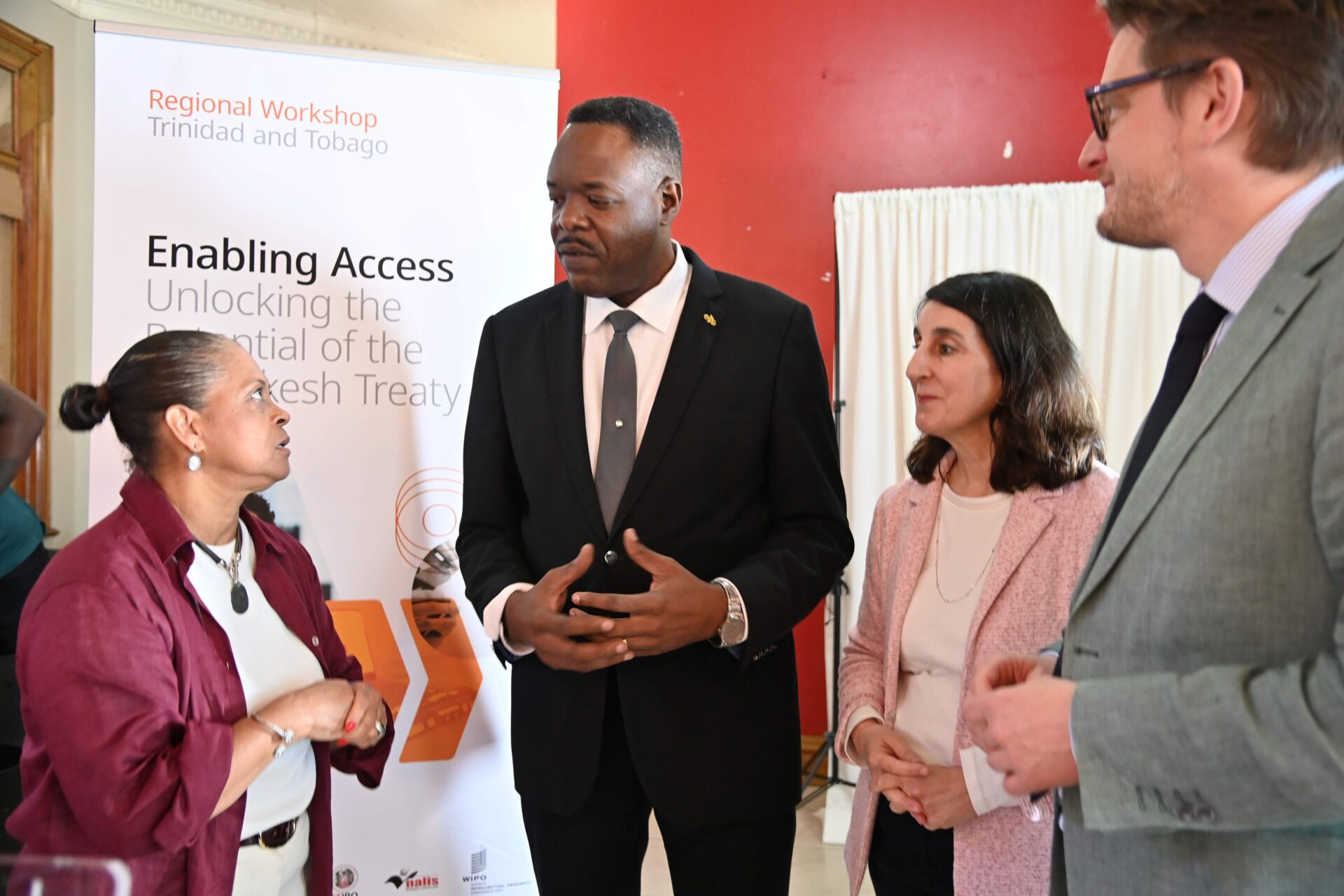
    In a groundbreaking address to educational publishers, Dr. Wayne Wesley, Registrar and CEO of the Caribbean Examinations Council (CXC), has declared accessible learning materials “a moral imperative” for the education sector. The senior official’s powerful statement came during a World Intellectual Property Organization workshop in Port-of-Spain on November 26, where he outlined transformative policy changes that will reshape educational publishing across the Caribbean region.

    Dr. Wesley emphasized the urgent necessity for learning resources in multiple accessible formats, including braille, large print, and digitally compatible editions that work seamlessly with assistive technologies. This strategic direction aligns with the international framework established by the Marrakesh Treaty, adopted in 2013 to facilitate access to published works for persons who are blind, visually impaired, or otherwise print-disabled.

    The CXC has instituted a mandatory requirement for all future contractual agreements with publishers to include the production of accessible digital formats. In a significant incentive measure, authors who demonstrate support for the Marrakesh Treaty principles will receive priority consideration when selecting prescribed texts for syllabuses across the Caribbean education system.

    Statistical evidence presented by Dr. Wesley highlighted the critical nature of this initiative. Recent data reveals that among Caribbean children aged 5 to 16, more than 0.1% experience blindness while up to 0.3% live with low vision conditions. Country-specific studies show 2.4% of Barbadian children under 18 cope with visual impairment, while 64% of high school students in Trinidad and Tobago require visual aids due to refractive errors. Hearing impairment also presents substantial challenges, with Jamaican research indicating a 4.9% prevalence rate among young students.

    The growing demand for accessibility accommodations is reflected in examination statistics. In 2025, CXC provided Special Arrangement Assessments for 3,444 candidates across CAPE, CSEC, and CCSLC examinations—a notable increase from 3,271 accommodations in the previous year.

    Dr. Wesley framed these statistics in human terms, stating, “Each data point represents an individual child whose educational journey depends on our collective commitment to accessibility. We cannot afford to fail them.”

    Looking forward, CXC will collaborate with education ministries throughout the Caribbean to encourage governments to formally sign and implement the Marrakesh Treaty. The council will also conduct comprehensive training and sensitization sessions for secondary school educators, equipping them with the skills necessary to support visually impaired and print-disabled learners effectively.

    Reaffirming CXC’s dedication to educational equity, Dr. Wesley concluded: “Accessible educational materials transcend mere legal compliance or ethical considerations—they represent a fundamental moral obligation. Fully implementing the Marrakesh Treaty’s potential will empower visually impaired persons and all learners to read, learn, and ultimately thrive.”

  • NDP secures historic victory in 2025 elections in St. Vincent and the Grenadines

    NDP secures historic victory in 2025 elections in St. Vincent and the Grenadines

    In a historic electoral upheaval, the New Democratic Party (NDP) has achieved a decisive victory in St. Vincent and the Grenadines’ 2025 national elections, conclusively terminating the Unity Labour Party’s (ULP) quarter-century grip on power. This political watershed moment positions Dr. Godwin Friday to ascend as the nation’s seventh prime minister since gaining independence in 1979.

    The electoral outcome represents a profound shift in the Caribbean nation’s governance trajectory, with Friday emerging victorious following an intensely competitive contest against incumbent Prime Minister Ralph Gonsalves, whose administration had guided the island’s destiny for over two decades. The transition marks not merely a change in leadership but potentially a comprehensive reorientation of national policy directions and international alignments.

    Throughout the capital city, jubilant NDP supporters engaged in widespread celebrations, characterizing the triumph as the culmination of persistent opposition efforts and a mandate for transformative governance. Political observers emphasize that this power transfer could precipitate substantial modifications in both domestic agenda-setting and foreign policy engagements.

    The impending swearing-in ceremony, scheduled within days, will formally inaugurate Friday’s administration, presenting the new government with the complex challenge of implementing its campaign commitments while navigating post-election expectations. This transition period generates heightened anticipation regarding policy innovations across economic management, social development, and diplomatic relations.

    Analysts project that the leadership change may stimulate recalibrations in regional partnerships and international cooperation frameworks, as the incoming administration establishes its distinctive governance approach following extensive political incubation in opposition roles.