标签: Dominica

多米尼克

  • Caribbean Customs operations intercept increasing quantities of illegal firearms, disrupting organized criminal networks

    Caribbean Customs operations intercept increasing quantities of illegal firearms, disrupting organized criminal networks

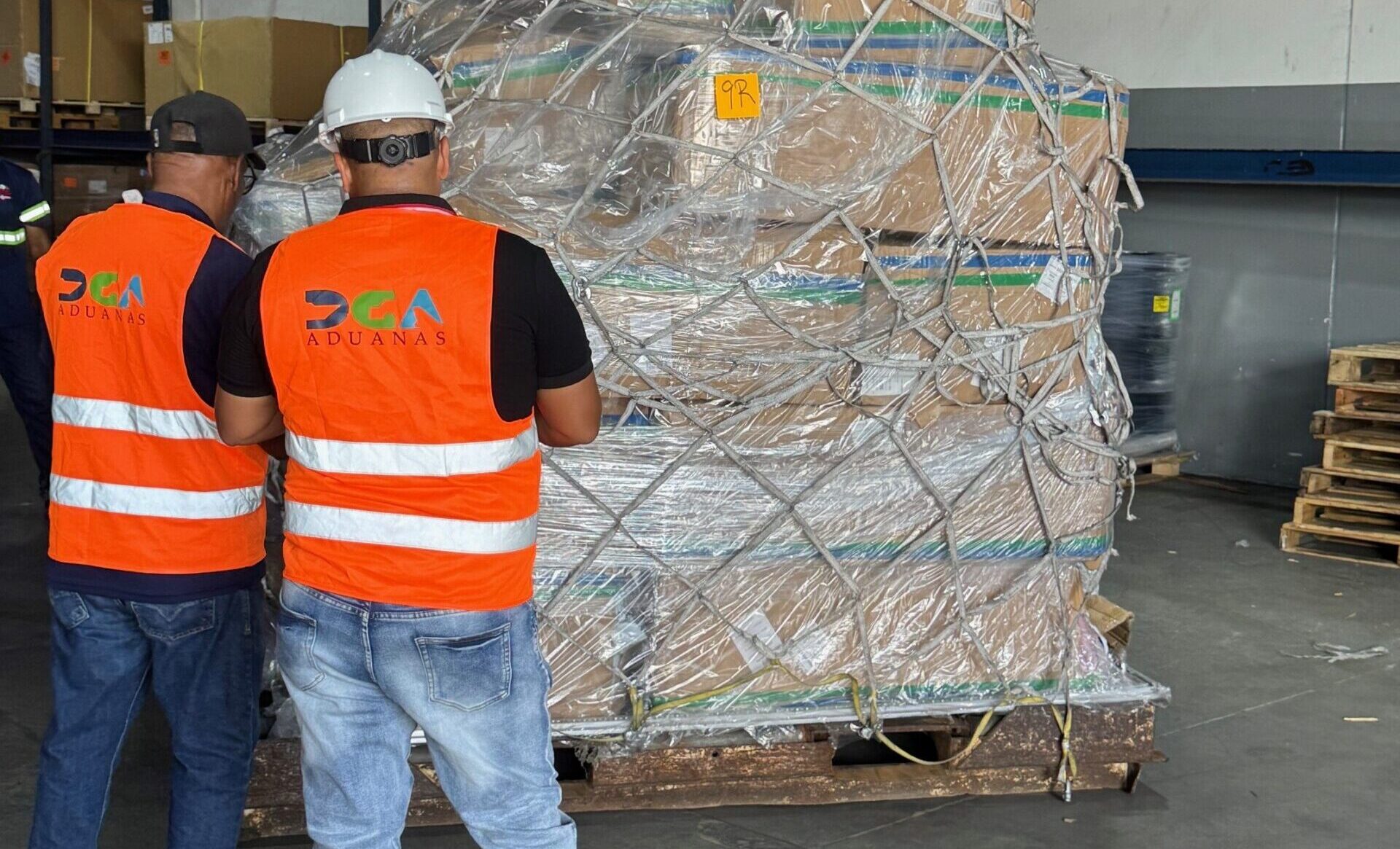
    A coordinated international customs operation across the Caribbean region has yielded substantial results in combating transnational organized crime, with authorities intercepting over 500 illicit firearms and drug shipments during a three-week security initiative. Operation CALYPSO 2, spearheaded by the World Customs Organization (WCO) in collaboration with CARICOM’s Implementation Agency for Crime and Security (IMPACS), demonstrated enhanced regional cooperation capabilities against escalating security threats.

    The intensive campaign, conducted from November 24 to December 12, 2025, represented the most successful iteration of the WCO’s Project Bolt initiative to date. Participating nations reported 402 incidents involving prohibited items, including 119 small arms and light weapons alongside 332 firearm components. Particularly alarming was the seizure of 21 military-style assault rifles—a significant increase from just six captured during the previous year’s operation.

    Enhanced intelligence sharing and coordinated enforcement actions among 22 participating countries, including 18 WCO member states and the Caribbean Joint Intelligence Office, proved instrumental in disrupting criminal networks. The operation benefited from strategic partnerships with INTERPOL, the Regional Security System, SEACOP, and the United Nations Office on Drugs and Crime, with financial backing from the U.S. Department of State’s Bureau of International Narcotics and Law Enforcement Affairs.

    Notable operational successes included the British Virgin Islands’ interception of a vessel smuggling 772 kilograms of cocaine, resulting in six arrests and significant disruption of transnational trafficking routes. Saint Lucian authorities uncovered auto-sear components concealed within baby products—devices capable of converting semi-automatic pistols into fully automatic weapons favored by criminal organizations.

    The operation employed advanced technological tools including the WCO’s CENcomm platform for real-time intelligence sharing and data visualization techniques to identify emerging threats, including rising opioid trafficking. Customs officials utilized specialized training in X-ray inspection, vehicle searches, and database management to enhance detection capabilities for weapons parts and illicit goods.

    WCO Secretary General Ian Saunders emphasized the operation’s significance: ‘Operation CALYPSO demonstrates the concrete impact Customs delivers daily to protect society. Through coordinated regional and international action, officers intercepted illicit firearms and drugs before they could reach Caribbean communities, disrupting organized crime at its source.’

    The operation’s success underscores the critical importance of international cooperation in border security, with future efforts focused on analyzing seizure data to refine risk assessments and develop regional capacity against evolving criminal methodologies.

  • STATEMENT: Electoral Office re voter registration update

    STATEMENT: Electoral Office re voter registration update

    The Commonwealth of Dominica has officially recommenced its voter registration process after a temporary pause due to updated legislative requirements. The Electoral Office, operating under the authority of the Electoral Commission, announced the resumption of voter confirmation activities effective Monday, March 9, 2026.

    This critical democratic process enables eligible citizens and qualifying Commonwealth citizens aged 18 years and above to apply for inclusion in the national Register of Electors. The registry serves as the definitive document determining voting eligibility during general elections throughout the Caribbean nation.

    The registration framework is governed by the Registration of Electors Act, which recently underwent revisions prompting the temporary suspension of voter confirmation services. These legislative enhancements aim to strengthen the integrity and transparency of the electoral system while ensuring compliance with contemporary democratic standards.

    Electoral officials have initiated public outreach efforts to inform citizens about the updated registration requirements and procedures. The Electoral Office continues to provide regular updates regarding the progression of the registration drive, emphasizing the importance of voter participation in the democratic process.

    The resumption of voter registration represents a significant step in preparing for future electoral events, ensuring that all eligible Dominicans can exercise their fundamental right to participate in the nation’s governance through free and fair elections.

  • DOMLEC, CARILEC to host Caribbean lineworkers in Dominica for regional symposium and rodeo

    DOMLEC, CARILEC to host Caribbean lineworkers in Dominica for regional symposium and rodeo

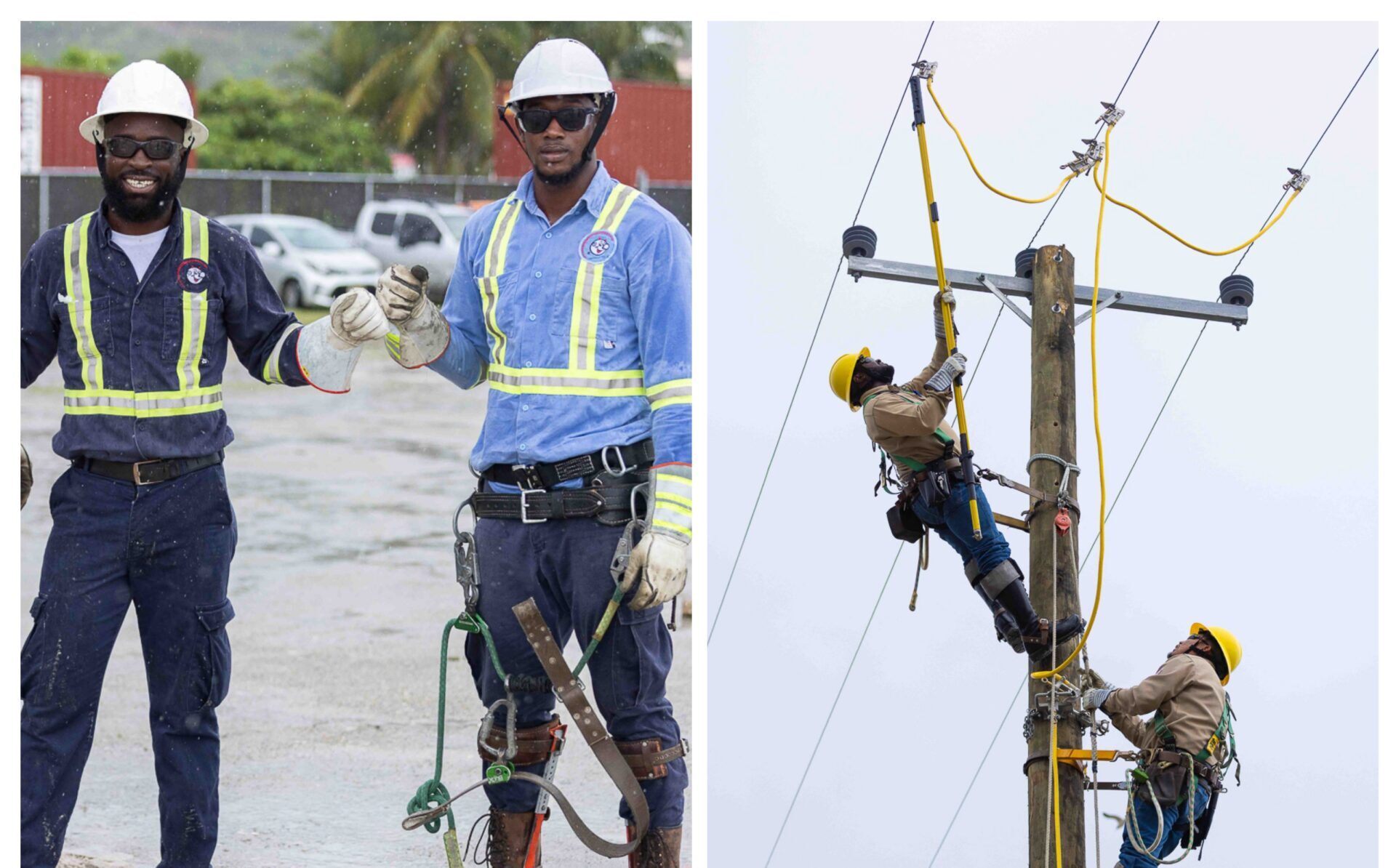
    Dominica is poised to become the epicenter of Caribbean energy sector collaboration as it prepares to host the CARILEC Lineworkers Symposium and Rodeo from April 24-26, 2026. This significant regional gathering will assemble more than 100 utility professionals from across the Caribbean basin for an event that uniquely blends educational advancement with competitive demonstration.

    The Caribbean Electric Utility Services Corporation (CARILEC), in coordination with Dominica Electricity Services Limited (DOMLEC), has designed the symposium to serve multiple purposes: enhancing professional capabilities, facilitating cross-border knowledge transfer, and strengthening regional cooperation among power infrastructure specialists. The event underscores the critical importance of safety protocols, technical proficiency, and collaborative teamwork in maintaining reliable electricity services throughout the Caribbean region.

    The program commences with comprehensive technical training sessions where participants will engage with cutting-edge industry tools, advanced safety methodologies, and emerging technological innovations. This educational component transitions into the dynamic Rodeo competition at Benjamin’s Park, where crews will face simulated real-world scenarios that test their operational precision, emergency response capabilities, and teamwork under constrained conditions.

    Organizers are actively encouraging public attendance at the competitive segment, offering Caribbean residents unprecedented insight into the sophisticated skill sets required to maintain continuous power delivery across island nations. The event highlights both the technical excellence of lineworkers and the vital role of utility organizations in regional development.

    Dr. Cletus Bertin, Executive Director of CARILEC, emphasized the symposium’s significance: ‘This gathering embodies the highest standards of regional cooperation, uniting skilled professionals to enhance safety practices, share expertise, and elevate industry benchmarks. Hosting in Dominica provides local communities with visible demonstration of the expertise necessary to maintain safe, reliable electricity systems while acknowledging DOMLEC’s crucial role in powering regional progress.’

    CARILEC, as the region’s primary energy sector association, continues to support member utilities through specialized training programs, technical collaboration, and coordinated disaster response mechanisms—all focused on improving the reliability, safety, and resilience of Caribbean power infrastructure.

  • Portsmouth Bombers unveil new website

    Portsmouth Bombers unveil new website

    Portsmouth Bombers Football Club, a prominent Dominican Premier League organization founded by Prime Minister Roosevelt Skerrit, has officially unveiled its innovative digital headquarters at www.bombersfootballclub.com. This strategic digital transformation represents a pivotal advancement in the club’s modernization initiatives, fundamentally reshaping how the organization interacts with its global supporter network.

    The newly launched platform serves as the central digital nerve center for the Bombers ecosystem, providing stakeholders including fans, athletes, corporate partners, and football enthusiasts with unprecedented access to club resources. The comprehensive portal features real-time match statistics, exclusive player profiles, historical archives, and detailed information about the club’s community outreach programs.

    Based in Portsmouth, Dominica, the Bombers have established themselves as a dominant force in national football, consistently competing at the elite level of the Dominican Premier League. The organization has gained renown for its exceptional player development system and significant contributions to football advancement throughout the island’s northern region.

    A club representative emphasized the platform’s significance: “This digital initiative enables us to authentically narrate our journey, showcase our talented athletes, and maintain transparent communication with our dedicated supporters worldwide. It’s more than a website—it’s our virtual home.”

    The platform offers multifaceted functionality including live match updates, youth program registration, exclusive event information for tournaments like the Possie Cup Invitational, high-definition match footage, community engagement calendars, and detailed partnership opportunity portals. The club actively encourages its global fanbase to explore the digital infrastructure and participate in the Bombers’ ongoing evolution through this interactive medium.

  • Dominica poised to lead Caribbean toward green energy with geothermal power and ammonia-fueled shipping

    Dominica poised to lead Caribbean toward green energy with geothermal power and ammonia-fueled shipping

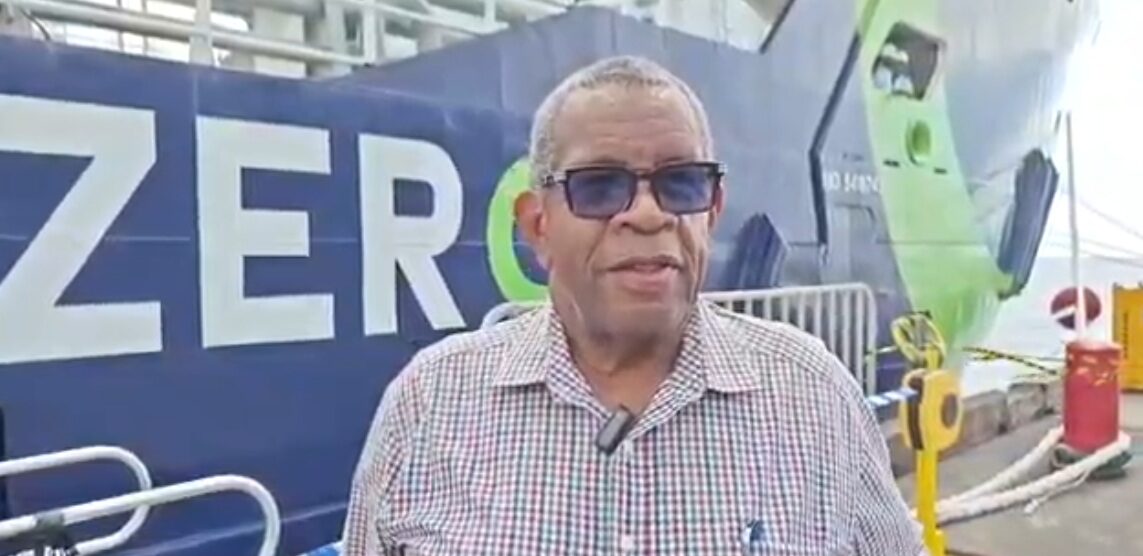
    The Commonwealth of Dominica is positioning itself as a renewable energy trailblazer in the Caribbean through its innovative geothermal-to-ammonia fuel initiative. Benoit Bardouille, Dominica’s Permanent Representative to the International Maritime Organization, revealed the nation’s groundbreaking progress during an exclusive interview with Dominica News Online.

    The development comes as the world’s first ammonia-powered vessel, the Green Pioneer, made a strategic port call at Cabrits, demonstrating practical applications for Dominica’s soon-to-be-operational geothermal plant in Laudat. Owned by West Australian mining giant Fortescue, the vessel represents a tangible step toward decarbonizing global shipping.

    Bardouille explained the significance of this convergence: “Dominica is poised to become one of the first English-speaking Caribbean islands to produce green energy through geothermal utilization. This vessel exemplifies the practical implementation—it’s the first to utilize dual fuel technology, combining diesel with low-carbon ammonia.”

    The connection between geothermal energy and maritime innovation lies in ammonia production. Once the geothermal plant becomes operational, Dominica will be capable of producing green ammonia—a renewable fuel that aligns with the International Maritime Organization’s 2050 zero-carbon emissions target.

    Beyond environmental benefits, the initiative promises substantial local development. Bardouille highlighted how this infrastructure will enable Dominica to provide both power and ammonia fuel to vessels, creating new economic opportunities while advancing climate resilience.

    This initiative directly supports Prime Minister Roosevelt Skerrit’s vision of establishing Dominica as the world’s first climate-resilient nation. The geothermal-ammonia synergy represents a concrete step toward this goal, demonstrating how natural resources can be harnessed to create environmentally friendly alternatives to traditional fossil fuels.

    Fortescue’s technological advancements further validate this approach. The company has successfully converted two of the Green Pioneer’s four engines to operate on a dual-fuel ammonia-diesel mixture, following two years of proprietary research and development. The first successful fuel transfer using this technology occurred in Singapore in 2024, marking a significant milestone in maritime decarbonization.

  • Building a stronger civil society: Successful NGO safeguarding and governance workshop in Dominica

    Building a stronger civil society: Successful NGO safeguarding and governance workshop in Dominica

    In a significant capacity-building initiative, Dominica’s non-profit sector underwent comprehensive training in governance and safeguarding protocols during a two-day workshop hosted by Lifeline Ministries. The event, held March 5-6, 2026 at the Public Service Training Building, assembled 50 representatives from approximately 30 civil society organizations nationwide.

    Funded by the UK Government through the British High Commission for Barbados and the Eastern Caribbean, the workshop addressed increasingly stringent requirements from both international donors and Dominican regulatory bodies. The curriculum provided practical tools for enhancing organizational responsibility and effectiveness across multiple operational domains.

    Technical sessions covered critical areas including sexual harassment awareness programs, policy development, and reporting procedures. Participants received specialized training on Financial Services Unit documentation protocols and compliance requirements with the Companies and Intellectual Property Office. The curriculum further addressed standards for board integrity, transparent accounting practices, and inclusive sexual education approaches for children with special needs.

    A substantial portion of discussions focused on systemic challenges within gender-based violence referral pathways, addressing child sexual abuse, rape, and intimate partner violence. Participants advocated for district-based one-stop-shop approaches to streamline support services for survivors.

    The workshop featured expert presentations from gender consultant Mrs. Renatta Langlais-Freeman, FSU representative Mr. Edd Elick, special education consultant Mrs. Beverly LeBlanc, accounting advisor Ms. Joyette Pascal, social services representative Mrs. Abigail Dorival George, and Lifeline Ministries’ Mrs. Tina Alexander.

    As a concrete outcome, organizers will produce a customized manual addressing good governance and safeguarding practices within the Dominican context. This resource will support NGOs in maintaining elevated operational standards while enhancing their eligibility for international funding opportunities.

    The initiative assumes particular significance given Dominica’s close ties with the United Kingdom and substantial resident population of British nationals. Organizational leaders emphasized that robust civil society structures serve as essential pillars for both democracy and national safety.

    Participant feedback highlighted the workshop’s immediate practical value. Representatives from the You R Queen Foundation, Dominica Council on Aging, and Dominica Cancer Society unanimously praised the training’s relevance for compliance, financial accountability, and organizational sustainability. Many noted improved understanding of regulatory requirements and enhanced collaboration pathways with social services and financial regulatory bodies.

    The overwhelming participation and positive response demonstrated the sector’s resilience and commitment to strengthening service delivery mechanisms throughout Dominica.

  • Recent report by IICA and collaborators examines necessary public policies to reshape agrifood systems and foster economic and social progress

    Recent report by IICA and collaborators examines necessary public policies to reshape agrifood systems and foster economic and social progress

    A groundbreaking report co-authored by the Inter-American Institute for Agriculture (IICA) and multiple international organizations calls for a revolutionary overhaul of agricultural policy-making across Latin America and the Caribbean. The comprehensive analysis identifies increasingly complex agrifood systems, set against a backdrop of geopolitical realignments and technological transformation, as requiring innovative governance approaches.

    The 60-page study, titled ‘Transition to a New Generation of Public Policies for Agrifood Systems,’ emerged from collaboration between IICA’s Public Policy Observatory for Agrifood Systems (OPSAa) and prestigious institutions including the World Bank, Inter-American Development Bank, and International Food Policy Research Institute. It presents a compelling case for policies that simultaneously address sustainability, social inclusion, and institutional robustness.

    Joaquín Arias, leading IICA’s policy observatory, emphasized that overcoming structural challenges—stagnant economic growth, pervasive inequality, and governance deficiencies—demands integrated solutions. The digital OPSAa platform serves as a knowledge hub facilitating dialogue among policymakers, researchers, and stakeholders across the Americas to support evidence-based decision-making.

    The publication traces the historical development of agricultural policies in the region while highlighting how modern agrifood systems now encompass vast networks from production to consumption. This complexity introduces unprecedented challenges requiring policies with long-term vision, consensus-building mechanisms, and adaptability to emerging threats including climate disruptions, sanitary crises, and cross-border pests.

    Critical findings reveal that interconnected production chains spanning diverse territories expand policy objectives while complicating implementation. Both biophysical elements (water, soil, biodiversity) and socioeconomic factors (income distribution, nutritional health) face growing vulnerability to transnational threats necessitating coordinated responses.

    The report acknowledges technological innovations potentially boosting rural productivity but cautions that global fragmentation could impede technology transfer, underscoring the importance of regional cooperation and national investments in research and development.

    Amid geopolitical tensions, market volatility, evolving consumer preferences, and environmental pressures, agriculture’s role has transformed with elevated societal expectations. While productivity gains have reduced global hunger, they’ve simultaneously created new nutritional challenges including rising obesity rates, shifting focus toward healthier diets and food safety.

    The study showcases successful national policies promoting sustainability and resilience, demonstrating that evidence-based, inclusive policies built on broad consensus are essential for food security. Effective implementation requires strengthened governance institutions with coordination extending beyond agricultural ministries to multiple sectors and stakeholders.

    A fundamental transition challenge involves moving from traditional subsidy schemes toward results-oriented incentives that deliver tangible public goods and measurable impacts on agrifood system development.

  • Nasio Fontaine and fellow activists block heavy equipment at Deux Branches quarry; demand transparency in Deux Branches quarry dispute

    Nasio Fontaine and fellow activists block heavy equipment at Deux Branches quarry; demand transparency in Deux Branches quarry dispute

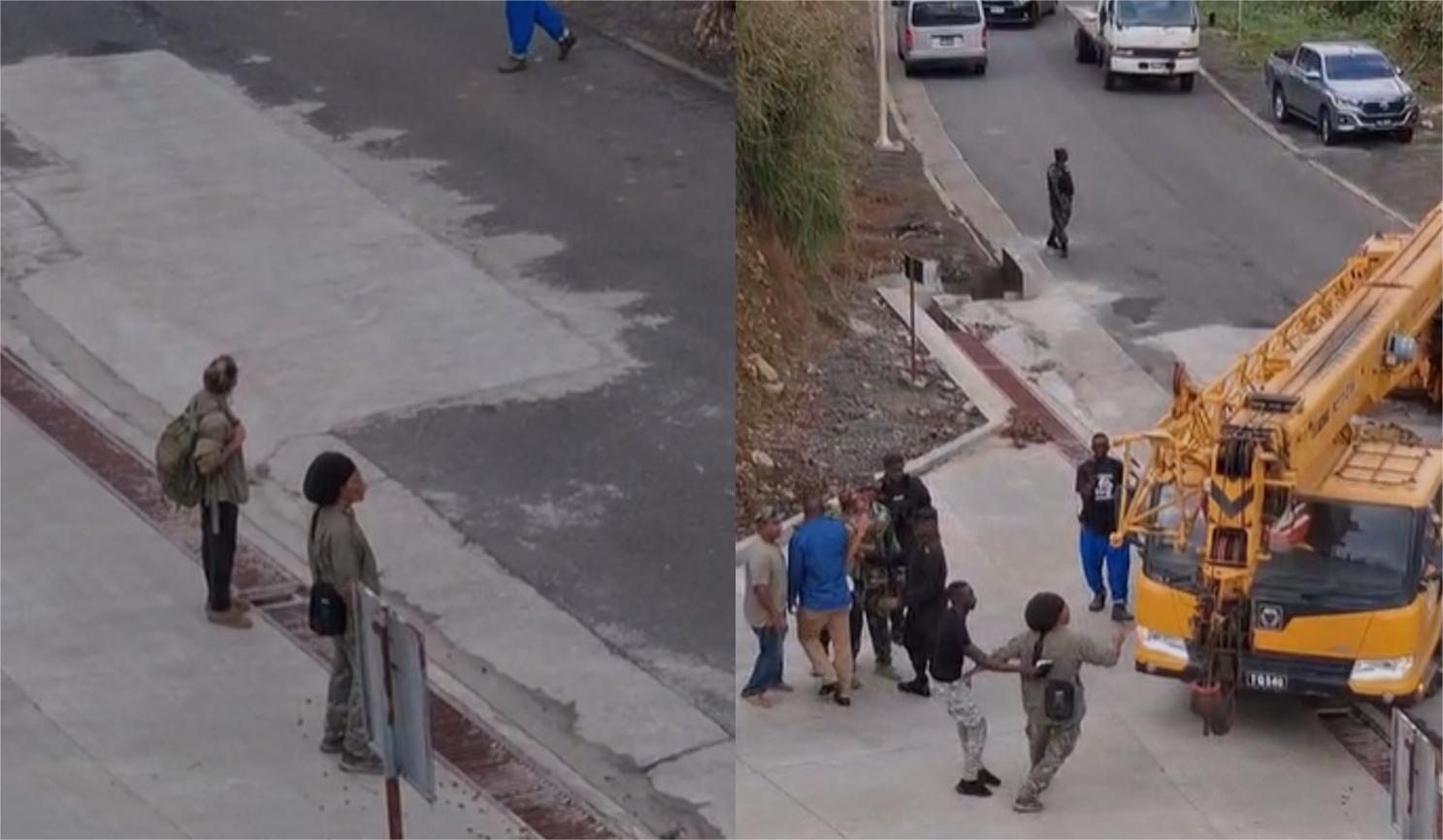
    A tense confrontation unfolded at Dominica’s Deux Branches quarry on Tuesday as environmental activists physically blocked heavy machinery from entering the contested site. The dramatic standoff, which persisted for several hours before police intervention, represents the latest escalation in an ongoing battle over quarry operations linked to the island’s international airport project.

    Prominent reggae artist and environmental advocate Nasio Fontaine emerged as a central figure in the protest, standing alongside his wife and fellow campaigners to prevent a carrier truck from delivering excavation equipment. Despite a prime ministerial stop order issued in December 2025, developers MMC and CR5 have reportedly resumed operations, prompting allegations of governmental transparency violations and environmental disregard.

    The conflict centers on scientific claims regarding the quarry’s suitability for construction purposes. An independent geological study conducted by Professor Simon Mitchell of the University of the West Indies concluded that the site’s material is “unsuitable for high-quality construction,” directly contradicting government assertions about the stone’s quality. Activists warn that continued quarrying threatens severe ecological damage to the Kalinago Territory and surrounding watersheds.

    Fontaine praised police for their professional conduct during the confrontation but sharply criticized government officials for their silence. “We would like planning to tell us in very simple terms what really happened to the terms of the stop order,” he demanded, highlighting the communication gap between authorities and concerned citizens.

    The movement has garnered substantial support, with over 3,000 signatures collected through an international petition demanding quarrying suspension. Opposition parties including the United Workers Party, United Progressive Party, and Dominica Freedom Party have united in condemning the project, citing violations of indigenous rights and environmental safeguards.

    As the Save Deux Branches Campaign pledges continued monitoring and mobilization, the dispute has evolved into a national symbol of the tension between developmental ambitions and environmental preservation. Activists vow to maintain pressure for full disclosure of permits and environmental impact assessments, framing the struggle as a fundamental test of governmental accountability and environmental stewardship.

  • Dominica Lions Club’s supports youth education with donated supplies

    Dominica Lions Club’s supports youth education with donated supplies

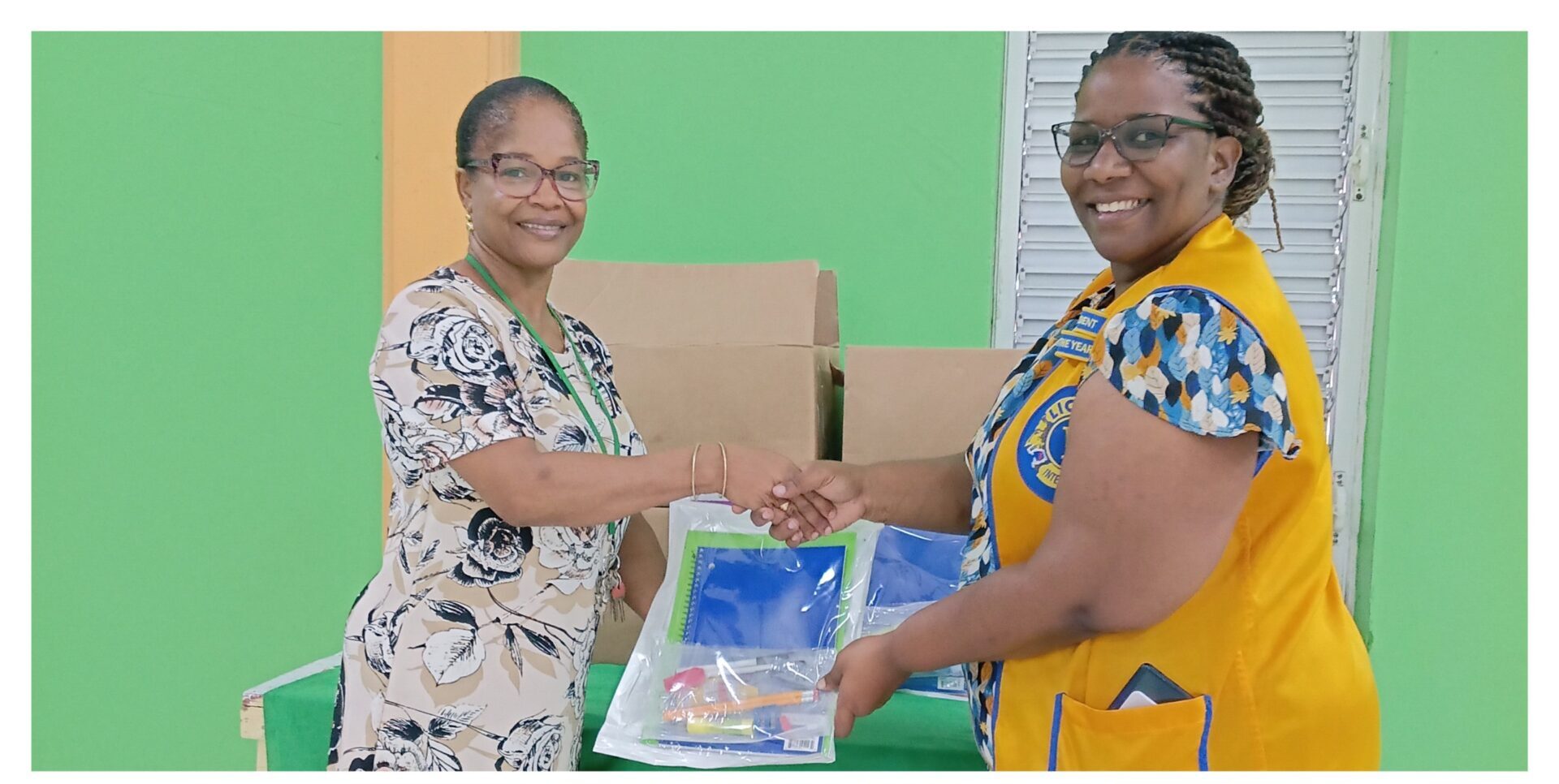
    In a significant boost for educational support, the Dominica Lions Club has executed a targeted initiative to provide critical academic resources to three primary schools on the island. The recipient institutions—Goodwill, Newtown, and Giraudel Primary Schools—received comprehensive stationery packages comprising notebooks, writing instruments, pencils, and other essential classroom materials. This philanthropic endeavor was realized through the substantial backing of benefactor Tamika Jude, whose consistent community involvement was cited as a cornerstone of the project’s success.

    The donation transcends mere material provision, strategically designed to mitigate financial pressures on both educational institutions and families while ensuring students are fully equipped for academic achievement. Club representatives articulated that this initiative is a direct manifestation of their foundational commitment to the humanitarian principles of Lions Clubs International (LCI), specifically focusing on youth development and community enrichment through practical service.

    Emphasizing collaboration, the Club publicly acknowledged Ms. Jude’s generosity and extended an open invitation to other organizations and individuals aligned with their mission. The Club advocates that such collective efforts are vital in constructing a supportive ecosystem where young learners can effectively pursue their educational aspirations. Interested parties are encouraged to initiate contact for potential partnerships or support through the Club’s official Facebook presence (@DCA Lions) or via email at [email protected].

  • UWI and Nigerian universities collaborate:  Vice-Chancellors build transformative partnership for Africa-Caribbean education

    UWI and Nigerian universities collaborate: Vice-Chancellors build transformative partnership for Africa-Caribbean education

    In a landmark move for global higher education, The University of the West Indies (UWI) and Nigeria’s Committee of Vice-Chancellors of Nigerian Universities (CVCNU) have established a transformative partnership through a signed Memorandum of Understanding. The agreement, finalized during a three-day summit at UWI’s Regional Headquarters in Jamaica, brings together 23 newly appointed Nigerian Vice-Chancellors and UWI’s senior leadership including Vice-Chancellor Professor Sir Hilary Beckles, five Campus Principals, and three Pro Vice-Chancellors.

    The strategic collaboration encompasses multiple dimensions of academic excellence, targeting enhanced international rankings, research innovation, sustainable financial models, and digital learning advancements in artificial intelligence and cybersecurity. The partnership specifically aims to strengthen cultural connections while addressing contemporary challenges through joint academic endeavors.

    Professor Beckles emphasized the historical significance of the agreement, noting its foundation in shared heritage and common vision. ‘This framework represents a pioneering model for knowledge sharing and problem-solving across the African continent and diaspora,’ he stated during the signing ceremony.

    Professor Andrew Haruna, Secretary General of CVCNU, identified the agreement as his first signed MoU since assuming office and characterized it as ‘a strategic step toward building a structured and impactful Africa-Caribbean higher education alliance.’ He highlighted the partnership’s practical focus on moving beyond historical connections to actionable collaboration in research, digital innovation, and academic exchange.

    The operational implementation will be coordinated by UWI’s Pro Vice-Chancellor for Global Affairs Ms. Sandrea Maynard and CVCNU’s Assistant Secretary-General Dr. Sylverina Olaghere. The initial three-year agreement features renewable terms based on mutual consent, ensuring long-term sustainability.

    Collaborative activities will include joint research initiatives, faculty and student exchange programs, scholarship opportunities, internship placements, and projects aligned with United Nations Sustainable Development Goals. The partnership will specifically address cross-cutting themes including climate change, health sciences, energy solutions, agricultural development, cultural studies, and digital policy formulation.

    This academic bridge between the Caribbean and African higher education sectors represents a significant advancement in South-South cooperation, creating structured mechanisms for institutional capacity building and global visibility enhancement for both regions’ academic institutions.