
The submitted content only contains social media sharing prompts including options to share, tweet, and pin an article, but no full, substantive news text is included for processing. Without core news information, it is impossible to conduct in-depth analysis of core points, background, or impacts, or to complete a structured rewritten news piece. Users are requested to provide the complete text of the news that needs to be processed to proceed with the required rewriting, classification, and analysis work.
标签: Dominica
多米尼克
-

Free green skills training by BTC to prepare 85 Dominicans for climate-resilient jobs
As Dominica advances its ambitious goal of becoming the world’s first climate-resilient nation, the Business Training Centre (BTC) has unveiled a groundbreaking eight-month training project designed to build a skilled local workforce capable of supporting the country’s fast-growing green economy. Titled Green Skills Training for Dominica’s Climate-Resilient Workforce, this initiative is made possible through full funding from the Government of Canada, delivered under the Canada Fund for Local Initiatives (CFLI) 2026-2027 programme.
Addressing a critical gap in skilled labor for green sectors, the free programme will provide Continuing Professional Development (CPD)-accredited training across six high-demand technical fields. These areas cover core green economy segments: Heating, Ventilation and Air Conditioning (HVAC), solar and thermal energy system installation, land surveying and construction cost estimation, construction project administration, green vehicle technology for motorbike mechanics, and digital green skills including cybersecurity and data entry management.
In an official statement released by BTC, Managing Director Lucia Stedman emphasized that Dominica’s national climate resilience targets cannot be achieved without a workforce equipped with the right specialized technical capabilities. This programme, she noted, delivers more than just skills training: it will open new employment pathways for 85 young Dominicans while directly building the skilled talent pool the country needs to deliver on its long-term sustainable development vision. Stedman also extended formal gratitude to the Government of Canada for its financial partnership and commitment to Dominica’s climate goals.
The initiative is open to all eligible candidates between the ages of 18 and 45 residing across any part of Dominica. To advance gender equity in green technology sectors, BTC has mandated that at least 60 percent of participants in the Digital Green Skills track will be women, creating more inclusive access to high-growth career opportunities for underrepresented groups.
All six training modules will run for three months each, led by experienced local instructors who hold recognized industry and teaching credentials. After successfully completing their programme, participants will earn an internationally recognized CPD certification, which is widely accepted by employers across the Caribbean and globally. BTC will also provide dedicated job placement support to graduates, leveraging its existing network of industry partnerships with local employers across green sectors.
The full training schedule will run from July 2026 through February 2027, concluding with a formal Green Economy Graduation Ceremony scheduled for February 19, 2027. All 85 graduates will be recognized for their achievement at the ceremony. Applications for the programme are open now, and interested candidates can access and download application forms directly through the official BTC website.
-
Team Unity Dominica names new leader, won’t contest Roseau North by-election
In a formal press conference hosted Wednesday at Dominica’s iconic Fort Young Hotel, opposition political grouping Team Unity Dominica (TUD) announced a major leadership shift: US Virgin Islands-based Petra Carbon-George will take the reins of the organization, replacing Carlos Charles, who had led the party since assuming the role in November 2022.
Carbon-George, a native of Dominica’s Capuchin community, first relocated to the U.S. Virgin Islands (USVI) roughly eight years ago to support her daughter through university studies. What began as a temporary stay to see her daughter complete her education turned into long-term residency, but she has maintained deep professional and personal ties to her home country. During the conference, she outlined her growing cross-border agricultural trade business, which ships Dominican produce to USVI supermarkets once a month. Carbon-George reported that her venture generated more than $300,000 in trade volume last year alone, and she is actively working to expand operations. To meet growing demand, she has opened new market channels for local Dominican farmers, and is currently developing a new export route for dasheen to Miami, urging local producers to scale up plantings of the crop to match incoming demand.
Addressing questions from attendees about why a resident overseas would seek national political leadership in Dominica, Carbon-George emphasized her enduring commitment to the Dominican people and the nation’s prosperity. “Yes, I live in the Virgin Islands, and people may say, ‘you live overseas; what are you coming here and do?’” she told reporters. “Well, I love you, and I want to ensure you survive…”
Alongside the leadership announcement, TUD General Secretary Alex Bruno laid out the party’s strategic electoral plan for upcoming contests, confirming that the party will strategically step aside in multiple constituencies to enable unified opposition against the incumbent ruling party. Bruno announced he would not run for the upcoming Roseau North by-election, and added that TUD would also not contest the Goodwill by-election. The party’s goal, Bruno explained, is to enable one-on-one contests between the incumbent party and a single opposition candidate in every constituency, a strategy designed to maximize the opposition’s electoral chances.
Bruno confirmed that TUD also plans to cede the Marigot and Salisbury constituencies to allied opposition partners, saying that the party has made a deliberate choice to act collaboratively rather than contest every seat. “Because this is a very fruitful hunting ground for one of our sister partners in the business,” Bruno asserted. “Not that we can’t, but we just felt sometimes you have to be gracious, so Marigot and Salisbury will not be contested by Team Unity Dominica. All other constituencies are up for grabs.”
Bruno added that the party is still in the process of finalizing its full slate of candidates across the remaining constituencies, and remains open to ongoing negotiations with other opposition groups to adjust candidate alignments in service of broader collaborative goals. The conference also confirmed the party’s current announced candidates: Sherian Austrie will stand for the Castle Bruce Constituency, outgoing leader Carlos Charles will contest the Mahaut seat, and Christine Dupuis-Dubique will run in Paix Bouche.
-

Caribbean health leaders share strategies to protect NCD patients during disasters
Across the Caribbean region, a diverse coalition of health-focused stakeholders has gathered for a targeted regional dialogue, aiming to fill a critical gap in disaster preparedness and response: meeting the unique care needs of people living with noncommunicable diseases (NCDs) when crises strike. The gathering brought together a cross-section of key players, from medical specialists and frontline healthcare workers to representatives of civil society organizations and people directly living with chronic noncommunicable conditions, all united by a shared goal of building more inclusive disaster response frameworks.
The two-hour virtual and in-person hybrid discussion centered on one of the most pressing public health challenges facing small island Caribbean nations today: the escalating impact of climate-fueled emergencies on already strained regional healthcare systems, and the disproportionate harm these disasters inflict on vulnerable populations. Unlike sudden-onset health emergencies that grab global headlines, the ongoing care needs of people living with NCDs such as diabetes, hypertension, and asthma are often overlooked in disaster response planning, a gap that can lead to preventable illness and death long after the immediate crisis passes.
During the session, participants drew on first-hand experience from past hurricane, flood, and drought events to illustrate common failures in current response frameworks, then collaborated to outline actionable solutions. The dialogue highlighted a range of practical, adaptable strategies, existing resource repositories, and targeted recommendations designed to build more resilient, patient-centered systems for NCD prevention, treatment, and continuous care across the entire disaster cycle – from pre-disaster preparedness planning through immediate response and long-term post-crisis recovery. For stakeholders across the Caribbean, the conversation marks an important step toward centering the needs of vulnerable chronic disease patients in regional climate and health policy, with the full discussion available for public viewing via an online replay.
-

Parents invited to free seminar on understanding children’s communication difficulties
Two community-focused educational groups, Education Consulting, Academic Advising and Mentoring (ECAAM) and Creative Teacher 767, have partnered to launch a valuable new initiative aimed at equipping adults who work with or care for children with the skills to address childhood communication difficulties. The organizations are opening registration for a fully free, interactive online seminar titled “Understanding Communication Difficulties in Children,” designed to deliver practical, research-backed strategies to caregivers, parents, teachers, and any other adults invested in children’s development.
Unlike generic informational sessions, this upcoming workshop centers on actionable takeaways that adults can implement immediately in everyday settings, from family homes to community activities. Organizers emphasize that communication serves as the non-negotiable foundation for nearly every critical aspect of childhood growth: it enables academic learning, fosters healthy social relationships, and supports long-term emotional well-being. Catching communication challenges early and delivering targeted, appropriate support, they note, can create transformative, lasting improvements to a child’s self-confidence and overall developmental trajectory.
During the live two-hour session on Zoom, participants will walk away with four core sets of insights. Attendees will first learn how to spot the often-overlooked early warning signs of communication difficulties in children of different ages. They will also explore the varied, non-verbal ways many children communicate beyond traditional spoken language, helping adults recognize and meet children where they are. The seminar will also introduce attendees to simple, practical techniques that can be integrated into daily routines at home to encourage more open communication, and guidance on when and how to access specialized professional support for children who need more targeted intervention.
“Clear communication helps children connect, learn, and thrive,” shared organizers in an official press release announcing the event. “This seminar is intended to empower parents and caregivers with knowledge and practical tools that can help children find their voice and participate more fully in everyday life.”
The event is the product of the two organizations’ shared long-term mission to support families through accessible education, targeted advocacy, and intentional community engagement. By opening this seminar to the public at no cost, the groups are working to break down barriers to reliable, actionable guidance for caregivers who may not have access to specialized professional development or counseling resources. Their ultimate goal is to strengthen the reciprocal communication between children and the supportive adults in their lives, creating more inclusive environments where every child can be heard.
While participation does not require any payment, attendees must complete advance registration to secure a spot. All registered participants will receive a private Zoom link directly to their email ahead of the scheduled event. Interested adults are invited to scan the QR code included on the official event flyer to complete their registration quickly.
The seminar is scheduled to take place live on Zoom on Saturday, July 25, 2026, kicking off at 3:00 PM local time. The entire session will remain free for all registered attendees.
-
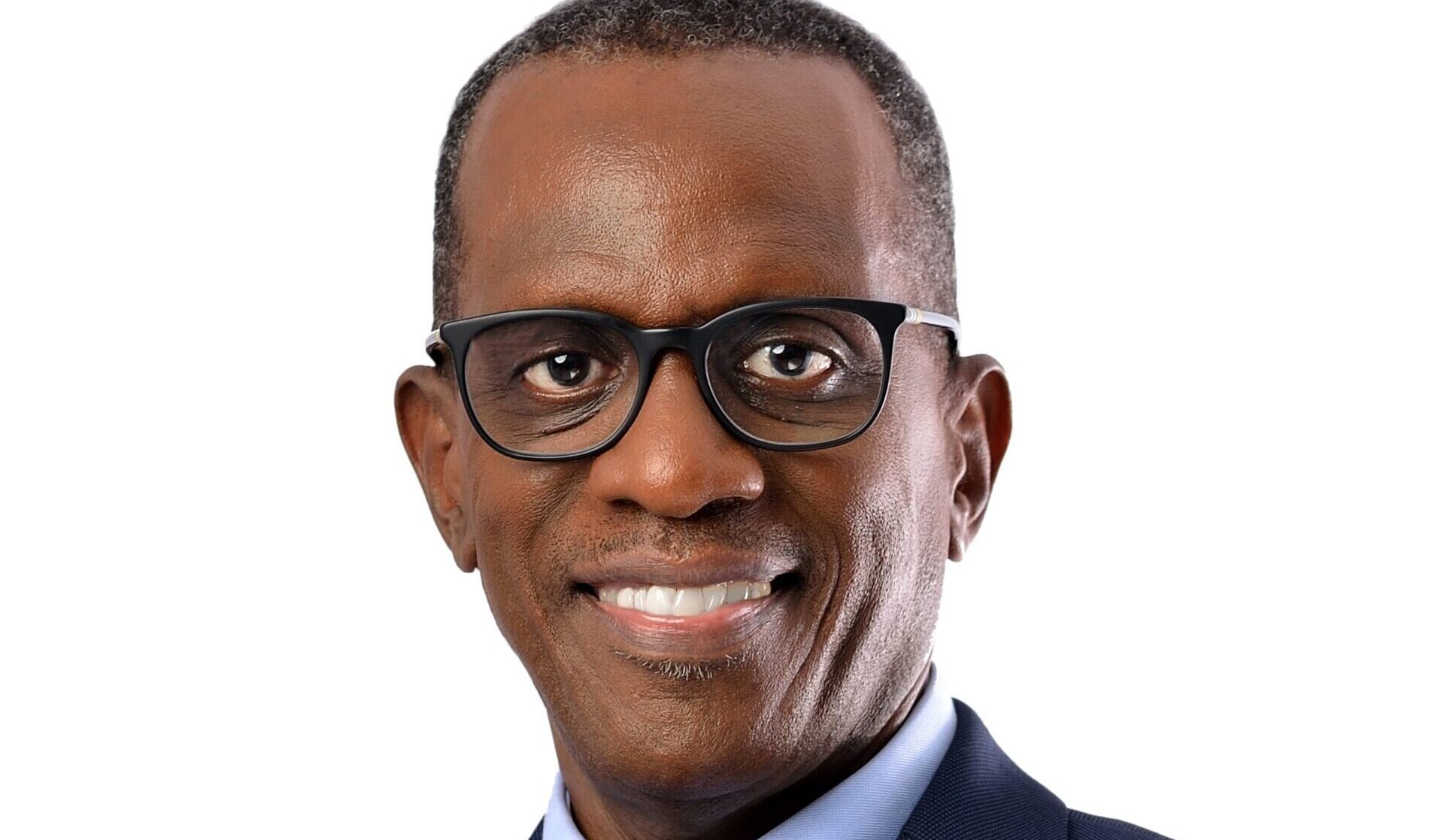
St Lucia to launch inquiry into deadly Anse Cochon boat collision
Five days after a fatal collision between two vessels off Saint Lucia’s Anse Cochon coast killed at least two local nationals, the Caribbean island nation’s government has moved quickly to launch a formal Commission of Inquiry to unpack the full details of the tragedy.
The July 18 incident sent shockwaves across the small country, prompting immediate action from Prime Minister Hon. Philip J. Pierre, who confirmed that the independent inquiry is tasked with uncovering a complete, accurate account of the events that led to the collision and developing actionable strategies to stop similar preventable deaths in the future.
Under the country’s governance framework, the inquiry body will receive its formal appointment from the Governor General. To ensure rigorous, expert-led investigation, the commission will be led by a former senior judicial officer, and will draw on cross-sector expertise including maritime operations specialists, marine safety professionals and a seasoned police investigator.
In an official statement published by the Prime Minister’s office, Pierre emphasized that the commission’s core end goal is to deliver evidence-based recommendations that will strengthen Saint Lucia’s maritime safety standards, reinforce regulatory oversight of commercial and recreational water activities, and cut the risk of future accidents across the country’s coastal and open waters.
“The entire nation has been deeply shaken by this heartbreaking loss,” Pierre said in the release. “Our government bears a fundamental responsibility to the victims, their families, and all Saint Lucians to uncover every relevant fact, and to extract every possible lesson that can help us avoid repeating this pain.”
Details of the commission’s official Terms of Reference, which will outline the scope of its investigation, powers and expected deliverables, will be disclosed to the public at a future date, according to the statement. Pierre closed by reaffirming the administration’s unwavering commitment to building safer waterways for all residents, visitors, and maritime workers who depend on Saint Lucia’s coastal waters.
-
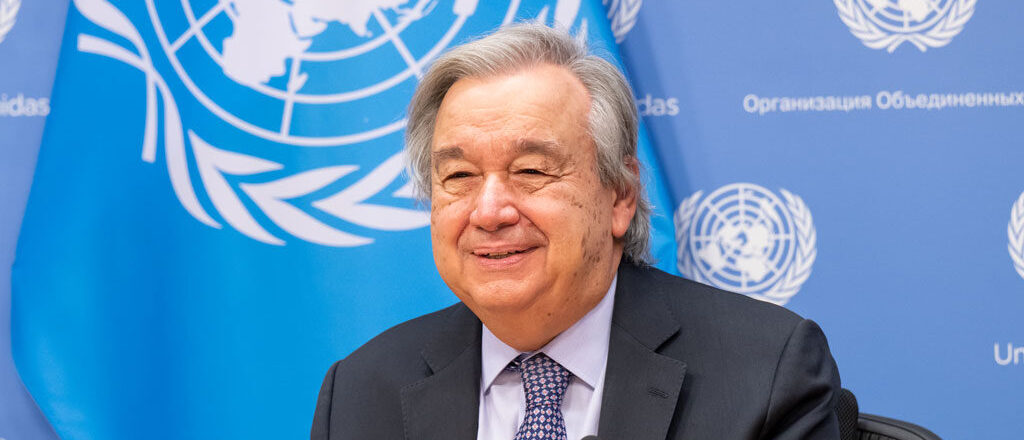
UN chief calls for stronger governance of natural resources to promote peace and security
At a landmark open debate of the United Nations Security Council held in New York on Tuesday, UN Secretary-General António Guterres delivered a stark wake-up call to the global community, demanding sweeping improvements to international natural resource governance amid a growing tide of conflict and humanitarian catastrophe driven by illegal mineral exploitation. The high-level debate, themed “Natural Resource Governance: The Foundation of Peace, Security and Prosperity”, provided a critical platform to address one of the most underrecognized drivers of global instability at a time of surging demand for critical raw materials. Guterres opened his address by acknowledging the dual nature of the global rush for minerals critical to the clean energy transition: lithium, cobalt, nickel, and rare earth elements hold unprecedented potential to drive economic growth and sustainable development in resource-rich nations, but their rising value has also amplified geopolitical tensions and created new incentives for violent competition over resource reserves. The Secretary-General pointed to urgent, on-the-ground examples of the damage caused by unregulated and illegal resource extraction. In the eastern region of the Democratic Republic of the Congo, he noted, non-state armed groups continue to generate massive profits from unlicensed mining operations and cross-border smuggling of valuable minerals, fueling years of persistent conflict that has destabilized the entire Great Lakes region. In Sudan, competition over gold reserves and gum arabic production has emerged as a core flashpoint for the ongoing civil conflict that has displaced millions of people and triggered one of the world’s worst humanitarian crises. “The greatest burden falls on the least powerful: women and children, and communities displaced from the land that holds the wealth,” Guterres emphasized, highlighting how local communities rarely share in the economic benefits of the resources extracted from their territory. Guterres recalled that the Security Council has long acknowledged the link between illicit natural resource exploitation and the financing of armed groups, pointing to existing tools the body has deployed to counter the problem: targeted sanctions, mandated peacekeeping operations that monitor resource flows, and expert panels tasked with tracing supply chains and financial networks that sustain conflict. But these existing measures are no longer sufficient to address the growing scale of the challenge, he argued, before outlining four core priorities for collective global action: advancing economic justice for producing nations, preventing conflict before it breaks out, resolving resource disputes through peaceful diplomacy, and integrating climate change into resource governance strategies. On the issue of justice, Guterres pushed for a fundamental restructuring of global resource economics, arguing that resource-rich countries – particularly across Africa, where centuries of colonial exploitation and ongoing governance gaps have left producing nations capturing just a small fraction of their resource wealth – must be guaranteed a far larger share of the economic benefits from their own natural assets. “Countries and communities must benefit – first and most – from the resources in their own backyard,” he stated. He also called for coordinated global action to strengthen oversight of transnational mineral supply chains, improve transparency around ownership and trade flows, and deepen cooperation between resource-producing, transit, and consumer nations to crack down on illicit trade and block conflict-linked minerals from entering legitimate commercial markets. Turning to conflict prevention, Guterres urged national governments to prioritize diplomatic negotiation and third-party mediation to resolve disputes over resource access, revenue sharing, and territorial control before tensions escalate into large-scale violence. He also placed particular emphasis on the intersection between climate change and resource conflict, warning that increasing frequency of extreme weather events including droughts and floods, paired with widespread environmental degradation, is intensifying competition over already strained supplies of land, fresh water, and mineral reserves. This means climate adaptation and mitigation must be core components of any effective resource governance and conflict prevention strategy, he argued. Closing his address, Guterres called for a fundamental systemic shift in how the world extracts, processes, and markets natural resources, a shift that would ensure producing countries and the local communities most affected by extraction retain a far greater share of the value generated by their resources. “No more exploitation. No more plundering,” he declared, adding a stark warning of the consequences of inaction: without bold reform, illegal resource exploitation will continue to widen global inequality, fuel widespread instability, and sustain cycles of violence that harm vulnerable communities most. He concluded by urging all Security Council members to commit to governing natural resources in a way that advances inclusive sustainable development, strengthens national and regional institutions, and builds the foundation for lasting peace. “Ultimately, this is a political choice. And I urge you, as members of this Council, to choose peace,” he said.
-
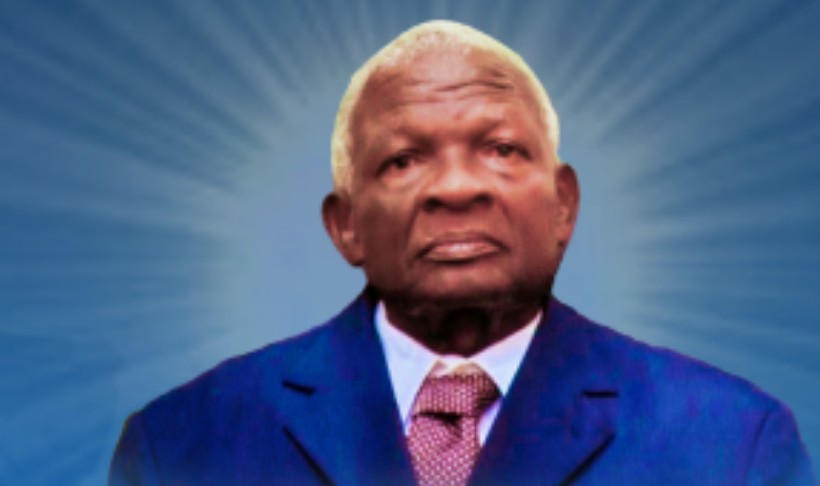
WIOC pays tribute to longtime dealer McMillan Jno-Baptiste following his passing
The West Indies Oil Company Limited (WIOC) is mourning the loss of one of its most storied partners, veteran Dominican entrepreneur McMillan Jno-Baptiste, who passed away recently, leaving behind a decades-long legacy of dedicated service to the people of Dominica.
As the owner of two McMillan Service Stations across the island nation, Jno-Baptiste held the distinction of operating the longest-standing active dealership in WIOC’s entire retail network, which spans both Antigua and Barbuda and the Commonwealth of Dominica. His professional ties to the regional energy firm date back to 1972, marking a partnership that stretched across more than 50 years of consistent, community-focused operation.
In an official statement released Wednesday, WIOC extended its deepest condolences to Jno-Baptiste’s family, friends and loved ones on behalf of the company’s board of directors, executive leadership and all staff. Over the course of his half-century career, Jno-Baptiste built a reputation for unwavering commitment to customer care that earned him widespread admiration across multiple generations of Dominicans, turning his name into a household staple across the country. “Quite simply, Mr. Mac put the service in his service stations,” the company’s tribute reads.
WIOC Chief Executive Officer Gregory F. Georges expanded on Jno-Baptiste’s impact, noting that his legacy reaches far beyond the boundaries of the petroleum retail sector. Georges described the late businessman as a man defined by core values of unshakable integrity, quiet resilience, genuine humility and consistent generosity, emphasizing that the thriving business he built, the local community he lifted up, and the countless lives he touched will ensure his memory endures for decades to come.
Georges also shared a personal reflection on a meeting he held with Jno-Baptiste just five weeks before the entrepreneur’s death. The pair spent their time swapping stories about Jno-Baptiste’s childhood in the capital city of Roseau, and his school years at the Roseau Boys School, where he attended classes alongside Georges’ own father and uncle. Georges recalled the conversation as a warm, joyful exchange filled with enthusiasm, laughter and cherished shared memories that he will hold close.
Closing the tribute, Georges offered heartfelt sympathies on behalf of the entire WIOC community, saying that the company is holding Jno-Baptiste’s family in prayer as they navigate this period of grief, asking for strength and peace to comfort them in their loss.
-

Contour Airlines announces new direct flights between Dominica and Trinidad
Regional air carrier Contour Airlines has unveiled a major expansion of its Caribbean route network, with plans to launch a new twice-weekly non-stop air service linking Douglas-Charles Airport in Dominica and Piarco International Airport in Port of Spain, the capital of Trinidad and Tobago. According to an official company press statement, the new route is scheduled to commence operations on October 5, 2026, filling a gap in direct air connectivity between two popular Eastern Caribbean travel and commerce hubs.
Beyond the core non-stop service, Contour Airlines will also add one-stop same-plane connections between Port of Spain and two major Caribbean transit points: Luis Muñoz Marín International Airport in San Juan, Puerto Rico, and Cyril E. King Airport in St. Thomas, U.S. Virgin Islands. This expanded linking structure is designed to open up more flexible travel options for passengers coming from North America and other regional points, creating a more interconnected travel ecosystem across the Eastern Caribbean.
Ben Munson, President of Contour Airlines, emphasized the strategic logic behind the network expansion in his comments on the announcement. “We are excited to continue growing our presence in the Caribbean with this new non-stop link between Dominica and Trinidad & Tobago,” Munson stated. “This route strengthens cross-regional connectivity by cutting travel time and simplifying trips for local residents, business operators, and international visitors alike. No matter if passengers are traveling for professional meetings, family visits, or a leisure getaway, they will get access to a fast, comfortable, and dependable travel option that helps build closer economic and tourism ties between these two dynamic island destinations.”
The announcement has received widespread endorsement from government officials in Dominica, who frame the new route as a significant win for the island nation’s tourism sector. Denise Charles-Pemberton, Dominica’s Minister of Tourism, called the new service a transformative upgrade for travelers moving between the two island markets. “This direct jet service to Trinidad elevates the entire visitor experience by delivering greater comfort, faster travel times, and more reliable schedules compared to previous connecting options,” Charles-Pemberton explained.
She further noted that Trinidad and Tobago stands as one of the most important source markets for Dominica’s tourism industry, highlighting that the new route will unlock new visitor segments including nature adventure seekers and cultural festival attendees. The minister pointed out that Trinidadian travelers will now have far easier access to Dominica’s world-renowned natural attractions, including its ancient rainforests, premier birdwatching sites, mountain hiking trails, pristine dive spots, and growing wellness tourism offerings. Additionally, Charles-Pemberton emphasized that the service will restore convenient transfer connections through Piarco International Airport, giving travelers from Dominica access to a wider range of onward international routes.
All flights on the new route will be operated using Contour Airlines’ fleet of modern 30-seat regional jets, which the carrier has outfitted with passenger-focused amenities including extra legroom for all seats, complimentary onboard snack service, and full inflight customer care to ensure a comfortable travel experience for all passengers.
-

CDB approves US$232,000 grant to boost financing capacity across Caribbean
The Caribbean Development Bank (CDB) has greenlit a $232,000 grant allocation through its 11th Special Development Fund (SDF) programme, as confirmed in an official press release from the institution. The funding is designated to reinforce Development Finance Institutions (DFIs) operating across CDB’s Borrowing Member Countries, backing a targeted technical assistance project focused on expanding regional DFIs’ capacity to fund high-priority sustainable development initiatives, ranging from small and medium-sized enterprises (SMEs) and renewable energy infrastructure to climate resilience projects.
Under this initiative, participating DFIs will gain access to four specialized professional training modules, alongside a cloud-based digital platform built to streamline and standardize SME credit scoring and risk rating evaluations. The training curriculum covers core priority areas: SME credit risk management, agricultural and renewable energy project financing, Environmental, Social and Governance (ESG) compliance and standards, and climate and sustainability-focused finance. The digital tool, called the eSMART credit assessment platform, is designed to help institutions make more informed, consistent lending decisions.
CDB leadership emphasized that infusing capital into regional economies alone is not sufficient to drive long-term, inclusive growth. Strong, capable local institutions are a foundational requirement to ensure financing reaches the businesses and sectors that deliver the most meaningful developmental impact. “Lending capital alone is not enough to transform economies,” noted Dr. Isaac Solomon, CDB Vice President of Operations. “Strong institutions are essential to ensuring that finance reaches the businesses and sectors that will have the greatest development impact. This initiative will equip Development Finance Institutions with the technical expertise and digital tools needed to strengthen lending decisions, support innovation, and expand financing for enterprises that contribute to resilient and inclusive growth across the Caribbean.”
The project addresses a well-documented gap in Caribbean economic ecosystems: DFIs are uniquely positioned to serve SMEs and emerging priority sectors that traditional commercial banks often overlook, due to perceived higher risk or smaller return on investment. By upgrading DFIs’ technical and digital capacity, the initiative will improve participating institutions’ ability to evaluate credit risk, structure feasible financing packages for climate and renewable energy projects, embed ESG criteria into core lending practices, and mobilize greater volumes of capital for sustainable development across the region.
The programme will be executed in collaboration with Caribbean Information and Credit Rating Services Limited (CariCRIS), blending local regional expertise with guidance from globally recognized training providers to deliver instruction tailored specifically to the unique economic and social context of Caribbean nations. Lisa Harding, CDB Division Chief for the Private Sector, echoed the bank’s commitment to inclusive growth, noting that “The Caribbean’s economic transformation will be driven by entrepreneurs, but enabled by strong institutions. Development Finance Institutions play a pivotal role in unlocking investment for businesses that generate jobs, foster innovation, and build resilience. By strengthening their capacity, CDB is helping to create a more dynamic, inclusive, and sustainable private sector across the Region.”
Per the CDB’s press release, the programme is projected to benefit a minimum of 11 regional DFIs, and will deliver specialized training to more than 300 finance professionals via a multi-session online course format. Beyond its immediate capacity-building goals, the initiative aligns with the core objectives of CDB’s 2026-2035 Strategic Plan, which prioritizes institutional strengthening, accelerated climate action, regional digital transformation, and improved economic and environmental resilience across all Caribbean member states.