标签: Dominica

多米尼克

  • Caribbean strengthens access to climate finance through loss and damage funding workshop ahead of US$250M grant window

    Caribbean strengthens access to climate finance through loss and damage funding workshop ahead of US$250M grant window

    Small island developing states across the Caribbean have emerged from a landmark capacity-building workshop with enhanced skills and clear guidance to unlock millions in dedicated climate grant funding, designed to strengthen regional resilience and address the devastating climate impacts that have long held back development across the region.

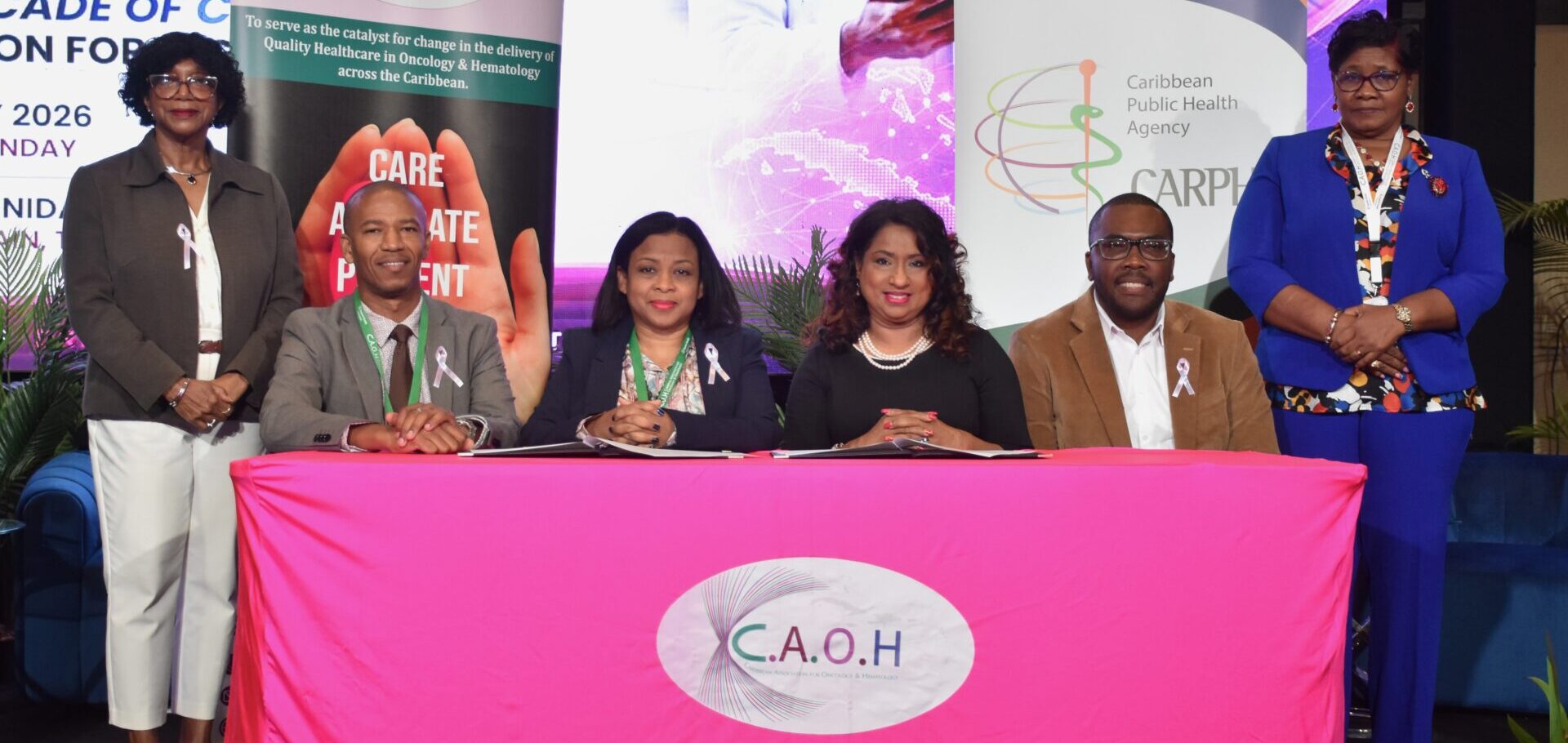
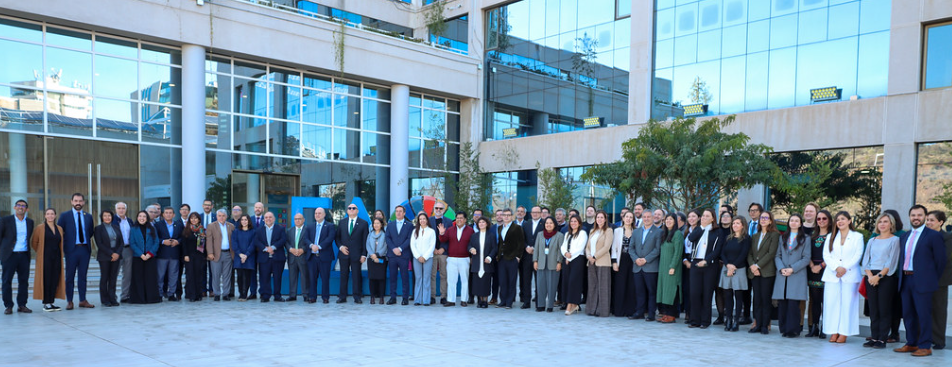
    Hosted jointly by the Caribbean Development Bank (CDB) and the UN-hosted Fund for Responding to Loss and Damage (FRLD), the two-day workshop gathered senior government officials and national focal points from 15 eligible Caribbean nations in Bridgetown, Barbados, from May 12 to 13, 2026, according to an official CDB press statement. The gathering centered on preparing competitive funding proposals for the FRLD’s ground-breaking Barbados Implementation Modalities (BIM), a $250 million pilot grant program with a final application deadline of June 15, 2026.
    CDB President Daniel M. Best opened the workshop by emphasizing the urgent need for transformative investment in climate resilience across the region. For decades, major climate-driven disasters including hurricanes Maria, Irma, Dorian, Beryl, and Melissa have inflicted catastrophic damage on Caribbean economies, pushing small nations into development reversals where total losses often amount to multiple times a country’s entire annual gross domestic product. “The real lesson extends beyond the disaster itself; our response must evolve into bankable and scalable investment pipelines that reduce future losses,” Best noted.
    With regional climate financing needs estimated at roughly $14 billion per year to address ongoing and future climate impacts, the workshop moved beyond high-level dialogue to deliver hands-on technical support. Attendees walked through proposal development requirements, eligibility guidelines, and priority intervention frameworks, equipping national teams to submit strong, fundable applications ahead of the mid-June deadline. Participating countries spanned the entire Caribbean basin: Antigua and Barbuda, The Bahamas, Barbados, Belize, Cuba, Dominica, the Dominican Republic, Grenada, Guyana, Haiti, Jamaica, Saint Kitts and Nevis, Saint Lucia, Saint Vincent and the Grenadines, and Suriname.
    FRLD Executive Director Ibrahima Cheikh Diong reaffirmed the fund’s commitment to correcting the global climate injustice that has left the Caribbean — responsible for less than 1% of global greenhouse gas emissions — bearing a wildly disproportionate share of climate harm. “The FRLD was created precisely to address the critical gap in responding to loss and damage, and the Barbados Implementation Modalities opens a clear pathway to finance,” Diong explained. “We are committed to ensuring that Caribbean countries have the knowledge and support they need to access this fund. Workshops like this one, co-designed with CDB, are central to that mission.”
    The workshop also included input and collaboration from key regional climate and disaster institutions, including the Caribbean Community Climate Change Centre (CCCCC), the Caribbean Catastrophe Risk Insurance Facility Segregated Portfolio Company, and the Caribbean Disaster Emergency Management Agency. Their participation is expected to strengthen collaborative cross-border and regional funding proposals, unlocking greater collective impact for shared climate challenges.
    Notably, CDB and the CCCCC are the only two regional Caribbean institutions accredited to both the global Adaptation Fund and Green Climate Fund, a status that positions them as trusted, accessible intermediaries for countries seeking to access FRLD resources. The BIM initiative also aligns directly with CDB’s newly launched 10-year Strategic Plan 2026–2035, branded “Transforming the Caribbean for Resilience,” which identifies scaled climate action and expanded access to climate financing as top institutional priorities for the coming decade. By building national capacity to secure and deploy loss and damage funding, CDB officials say the institution is translating its regional resilience vision into direct, tangible support for the vulnerable communities on the front lines of climate change.
    As the application deadline approaches, eligible nations are being encouraged to maintain close coordination with CDB and their national focal points to refine priority intervention plans and submit robust, competitive proposals to access the transformational funding on offer.

  • LIVE on DNO FROM 6PM: Novena in honour of Holy Spirit night 1 – Called to be ambassadors to Christ

    LIVE on DNO FROM 6PM: Novena in honour of Holy Spirit night 1 – Called to be ambassadors to Christ

    The submission received for news processing only contains social media sharing controls (including share, tweet, share, and pin options) and a link to an image hosted on an external news server. No actual text-based news content, core event details, or contextual information about the reported story was included with the submission. Without the full body of the original news article, it is not possible to conduct a complete analysis, rewrite, or contextual breakdown of the reported event. Recipients of this incomplete submission require additional information including the full text of the original news story to carry out the requested processing tasks.

  • Dominica showcases tourism growth and major development plans at CHTA Marketplace 2026

    Dominica showcases tourism growth and major development plans at CHTA Marketplace 2026

    At the 2026 Caribbean Hotel and Tourism Association (CHTA) Marketplace hosted in Antigua and Barbuda, the Caribbean island nation of Dominica has emerged as a standout high-performing travel destination, drawing industry-wide attention for its rapid tourism growth and long-term sustainable development strategy.

    As a Gold Sponsor of the region’s most influential tourism industry gathering, Dominica’s tourism leadership took center stage at an official press conference on May 14, where Marva Williams, CEO and Director of Tourism for the Discover Dominica Authority (DDA), delivered a comprehensive presentation to an audience of regional and international journalists, global travel industry partners, and cross-sector tourism stakeholders.

    Williams opened her address by framing Dominica’s current moment as an unprecedented era of transformation for its tourism sector, noting that global traveler preferences are shifting sharply toward authentic, eco-conscious, wellness-focused experiences that go beyond generic beach getaways. Positioned as the Caribbean’s premier “Nature Island,” Dominica is perfectly aligned to capture this growing global demand, she explained.

    Backing up that claim with official data, Williams revealed that total visitor arrivals to Dominica grew by an average of 15% year-over-year in 2025, climbing from 432,989 visitors in 2024 to 496,635 last year. The solid growth was driven by double-digit gains across both core segments of the island’s tourism industry: stayover travel and cruise tourism.

    Stayover arrivals, a key metric for long-term revenue generation, jumped 19% in 2025 to hit 99,846 visitors, a figure that officially surpasses Dominica’s pre-pandemic 2019 arrival numbers. Early 2026 data indicates this upward momentum is holding steady, with first-quarter stayover arrivals posting an additional 10% increase compared to the same three-month period in 2025.

    Cruise tourism, another cornerstone of Dominica’s visitor economy, also posted record-breaking results. For the 2025/2026 cruise season running from October 2025 through April 2026, the island welcomed 409,761 cruise passengers, marking a 23% increase over the prior season and delivering the strongest cruise performance Dominica has recorded since the 2010/2011 season.

    Alongside releasing the latest arrival data, Williams outlined the nation’s evolving marketing strategy designed to build on this momentum. Central to these efforts is the award-winning “Nature of Love” campaign, which frames Dominica as a top-tier destination for romantic getaways, wellness retreats, adventure travel, and immersive nature experiences that connect visitors to the island’s unspoiled ecosystems. She also launched a new seasonal push, inviting global travelers to “Summer the Nature Island Way,” highlighting the wide range of summer activities available on the island, from mountain hiking and deep-sea diving to farm-to-table culinary experiences and family-friendly cultural excursions.

    Williams also dedicated a portion of the presentation to updating attendees on the large-scale infrastructure and development projects that are set to reshape Dominica’s tourism offering in the coming year. Flagship projects highlighted include the ongoing construction of a new international airport, the development of a utility-scale geothermal energy plant to support sustainable energy access across the island, and the Dominica Cable Car project, which is on track to open in October 2026 as the world’s longest single-cable cable car system, granting visitors unprecedented access to the island’s interior mountain rainforests.

    Additional updates were shared on expansion across the marine and hospitality sectors, including plans for a new full-service marina to accommodate private yachting visitors, continued investment in luxury wellness tourism infrastructure, and the creation of the world’s first dedicated Sperm Whale Reserve, a pioneering conservation initiative that also offers ethical, low-impact whale watching experiences for visitors.

    Dominica’s growing global profile was also a key talking point: the island was recently named one of National Geographic’s Best Places to Travel in 2026, and was featured in *Caribbean Travel Trends 2026 Magazine* as one of the Caribbean’s fastest-growing tourism destinations, with the publication noting 22% year-over-year growth driven by surging demand for nature and adventure travel experiences.

    Throughout the presentation, Williams reaffirmed Dominica’s unwavering commitment to balancing tourism growth with environmental stewardship and community benefit. As the island continues to expand its tourism sector, all development is rooted in three core priorities: sustainable growth, climate resilience, and community-owned tourism initiatives that deliver broad economic benefits to local residents while protecting Dominica’s unique natural ecosystems and cultural heritage.

    Closing the presentation, the DDA expressed gratitude to the Caribbean Hotel and Tourism Association for the opportunity to participate in CHTA Marketplace 2026, and reaffirmed the authority’s commitment to deepening productive tourism partnerships across the Caribbean region and global travel markets.

  • Government reports continued recovery efforts in Salybia and Kalinago Territory after April 26 weather event

    Government reports continued recovery efforts in Salybia and Kalinago Territory after April 26 weather event

    In the wake of a destructive severe weather event that struck Dominica on April 26, 2026, the island nation’s government is ramping up coordinated recovery and relief operations across the hard-hit Salybia Constituency and Kalinago Territory, led by the Ministry of Environment, Rural Modernisation, Kalinago Upliftment and Constituency Empowerment.

    A recent official press release from the ministry outlined that it has partnered closely with national government agencies, humanitarian organizations, local governing bodies, and community leaders to deliver support to affected residents and speed the return of daily life to impacted areas. Current response efforts are centered on four key priorities: reopening blocked access routes, completing comprehensive damage assessments, supporting at-risk vulnerable households, and boosting community preparedness ahead of the upcoming Atlantic hurricane season.

    Hon. Cozier Frederick, the minister heading the ministry and parliamentary representative for Salybia, has been embedded with response teams on the ground throughout the operation, and Dominica’s Prime Minister has also traveled to the Kalinago Territory to meet directly with impacted residents and inspect storm damage firsthand. Minister Frederick reported that substantial progress has already been achieved across the constituency.

    “We have made significant progress in the Salybia Constituency,” Frederick explained in the release. “We have cleared multiple landslides to reopen access between Hatton Garden and Castle Bruce. We have also begun evaluating damage to residential properties impacted by the weather system, completed full assessments of small farms and agricultural holdings whose owners lost critical livelihoods, and we are already addressing the psychosocial trauma that storm exposure has caused for local residents.”

    A diverse coalition of response teams has been deployed to support recovery work across the region, including crews from the Ministry of Public Works, contracted private heavy equipment operators, staff from the Forestry, Wildlife and Parks Division, and teams from the National Employment Programme (NEP). Together, these groups have worked to clear storm debris, reopen closed roads, inspect damaged culverts, and resolve urgent public safety hazards across affected zones. Joint assessments have identified 18 culverts that require immediate repair, with input from four key stakeholders: the Ministry of Environment, Ministry of Public Works, NEP, and local equipment operators.

    The Forestry Division has dispatched specialized chainsaw crews to remove fallen trees, clear blocked access routes, and support slope and environmental damage assessments alongside the Office of Disaster Management (ODM). NEP teams drawn from seven communities across the island — Salybia, Delices, La Plaine, Marigot, Riviere Cyrique, Grand Fond, and Belles — have also joined ongoing community clean-up operations to speed recovery.

    On the humanitarian assistance front, support for affected households has expanded steadily over the course of the response. To date, approximately 1,041 households have received emergency food hampers through the government’s national Rapid Response Programme, with priority distribution allocated to elderly residents, households with young children, people living with disabilities, and other high-vulnerability groups.

    Mental health and psychosocial support services have also been launched to address the emotional toll of the storm. The Ministry of Health and UNICEF are providing trauma counseling for residents impacted by the disaster, and UNICEF has rolled out its specialized “Return to Happiness Programme” at three primary schools in Atkinson, Salybia, and Sineku. The program uses play-centered therapeutic activities including art and music to help children process their storm-related experiences and recover emotionally.

    Agricultural recovery efforts are also moving forward according to the official update. Assessments led by the Ministry of Agriculture have currently evaluated 100 separate agricultural holdings: 70 located within the Kalinago Territory and 30 in the neighboring community of Atkinson. Emanuel Joseph, Animal Health and Production Officer and Acting Team Leader of the East Agricultural Region, confirmed that local farmers have identified four core unmet needs: support to restore damaged farmland, livelihood assistance to offset income losses, improved access to farm areas, and investment to strengthen long-term resilience against future climate-driven extreme weather.

    Housing damage assessments are also ongoing, conducted jointly by the Ministry of Housing and Urban Development and the Kalinago Affairs Department. Oswald James, Quality Assurance Officer at the Ministry of Housing and Urban Development, shared that early assessments have already uncovered urgent housing needs across multiple affected communities. “To date, initial assessments have been completed for 26 impacted households, with 14 of these households identified as requiring urgent relocation support,” James stated. “Immediate needs we have documented include emergency construction repair materials, roof rehabilitation assistance, temporary shelter provision, and slope mitigation work around homes located at high risk of further landslides.”

    The Dominica government has emphasized that it is continuing to coordinate closely with a broad network of partner organizations and international donors to scale up relief and recovery, including UNICEF, UNDP, IsraAID, Tropical Shipping, local private sector groups, and international overseas donors. Support received so far has covered a range of critical needs: psychosocial support services, clean-up tools and heavy equipment, emergency supplies, potable water provision, and logistics support for response operations.

    For long-term recovery planning, the ministry has requested specialized technical assistance from the Economic Commission for Latin America and the Caribbean (ECLAC) to conduct a comprehensive national post-disaster damage and economic loss assessment. Per the official release, a team of six ECLAC experts is scheduled to arrive in Dominica in early June to conduct environmental and geospatial assessments that will inform evidence-based recovery planning and long-term resilience building.

    In addition to these efforts, the government has launched a local community work crew recruitment program that serves two goals: it supports ongoing clean-up, agricultural restoration, and road rehabilitation work, while also creating short-term income opportunities for residents whose livelihoods were disrupted by the storm. To date, six local residents have already been recommended for immediate hiring, with additional applications still under review.

    The Government of Dominica reaffirmed its ongoing commitment to supporting residents through every stage of the recovery process, with a core focus on rebuilding communities that are stronger, safer, and more resilient to future extreme weather events.

  • Waitukubuli Dance Theatre Company marks 55th anniversary with ‘Rhythms of Our Roots’ production

    Waitukubuli Dance Theatre Company marks 55th anniversary with ‘Rhythms of Our Roots’ production

    This May, one of Dominica’s longest-running cultural institutions is stepping into the spotlight to celebrate five and a half decades of artistic legacy. The Waitukubuli Dance Theatre Company, a cornerstone of Dominica’s performing arts scene since its founding, is bringing its decades-long journey to the stage with a special anniversary production titled ‘RHYTHMS OF OUR ROOTS’, a showcase that honors the company’s origins, evolution, and enduring impact on local Caribbean culture.

    Far from a single-genre performance, the anniversary show weaves together a diverse tapestry of movement and sound to reflect the company’s deep connection to both native heritage and global cultural exchange. Audiences can expect dynamic choreography spanning multiple styles, from soul-stirring gospel dance and vibrant Afro-beats to beloved local bouyon and kadanse traditions, with a dash of international flair from salsa. To add an authentic, immersive layer to the experience, the production will feature live drumming from the renowned Paix Bouche drumming group, alongside vocal performances from some of Dominica’s most popular contemporary artists: Janae Jackson, AbiYah Yisrael, Phael Lander, and Nyel Grove, according to an official press release from the company.

    What makes the production particularly meaningful is the coming together of the Waitukubuli Dance Theatre Company’s extended artistic family. Both current senior and junior company members will share the stage with alumni dancers who contributed to the group’s legacy over the decades. Most of the evening’s pieces were choreographed by Raymond Lawrence, the company’s long-serving Artistic Director, with additional creative work from Jaylen Olivacce, Dorelle Diolen, and other senior company members.

    In comments ahead of the show, Lawrence highlighted the company’s deep roots in Dominican Creole dance heritage, and expressed gratitude for the 55 years of opportunities the group has received. Beyond stage productions, Waitukubuli has long played an active role in the local community, organizing popular teenage pageants and completing regional performance tours that have carried Dominican culture across the Caribbean.

    Over its 55-year history, the company has earned widespread recognition for its contributions to the arts, collecting some of the region’s top cultural awards. These honors include the prestigious Golden Drum Award, which the group received in 2003, and back-to-back wins of the Edward Oliver Leblanc Trophy in 1984 and 1985. Beyond award shelves, the company has built a far-reaching performance resume, headlining major cultural festivals across Dominica and touring across 12 Caribbean nations and territories: Trinidad, Barbados, Antigua, Montserrat, St. Lucia, Martinique, Guadeloupe, St. Thomas, St. Croix, and St. Martin.

    Lawrence extended his gratitude beyond current and former company members, acknowledging the core sponsors that have made the anniversary production and the group’s ongoing work possible. Key supporters include the Dominica Lotteries Commission, OECS PEARL, ICWI, Reuben’s Bakery, the National Bank of Dominica, Republic Bank, the AID Bank, and Luxurious Loos.

    The company is now encouraging all members of the public to attend the celebratory production and support the preservation of Dominican cultural arts. ‘RHYTHMS OF OUR ROOTS’ will run for two weekends at Dominica’s St. Gerard’s Hall, with shows scheduled for 8:00 PM on Saturday, May 30, 2026, and 6:00 PM on Sunday, May 31, 2026. Ticketing options are structured to welcome the whole community: tickets for the Saturday evening performance are priced at $40 per person, while Sunday’s matinee offers $40 adult tickets and discounted $20 tickets for children under 12. Tickets are available for advance purchase at Depex and Bulls Eye Pharmacy, and will also be sold at the door at St. Gerard’s Hall on both performance nights.

  • OECS workshop advances regional agenda for port reform and maritime digitalisation

    OECS workshop advances regional agenda for port reform and maritime digitalisation

    Between April 28 and 30, 2026, key stakeholders from across the Eastern Caribbean gathered in the island nation of Saint Lucia for a landmark high-level workshop focused on catalyzing urgent reform, digital transformation, and cross-border cooperation for the region’s port and maritime sectors. Hosted at the Bay Gardens Hotel, the three-day event was coordinated by the Organisation of Eastern Caribbean States (OECS) Commission, in strategic partnership with the World Bank and the European Union, bringing together cabinet ministers, senior public servants, top port and customs officials, regional maritime and logistics industry leaders, and global technical experts.

    This workshop forms a core preparatory step for the upcoming Caribbean Connectivity and Logistics Regional Programme, a major initiative backed by World Bank financing. It also laid critical groundwork for shaping future EU investment in the region’s maritime transport sector under the bloc’s Global Gateway Strategy. Central to all deliberations were two overlapping goals: upgrading outdated Eastern Caribbean maritime infrastructure and gateways, and forging stronger, more integrated collaboration between national customs and port authorities.

    Opening the formal proceedings, Shawn Edwards, Saint Lucia’s Minister for Infrastructure, Port Services and Energy, framed port system transformation as an existential priority for small island developing states across the region. “As global shipping shifts toward larger vessels and greater industry consolidation, we are already grappling with exorbitant freight costs, limited shipping route options, and chronic infrastructural gaps,” Edwards explained. “Against this backdrop, reform, digitalization, and cross-sector cooperation are not optional upgrades—they are non-negotiable requirements for our long-term economic growth and resilience.” Edwards emphasized that regional ports must continuously evolve to keep pace with the changing demands of the global economy.

    Darwin Telemaque, Chairman of the Port Management Association of the Caribbean, echoed Edwards’ call for urgent, decisive action to overhaul outdated port operations and regulatory frameworks across the region. Telemaque noted that many Eastern Caribbean ports still operate under bureaucratic and structural systems inherited from the mid-20th century, creating unnecessary barriers to growth. “The region is crying out for sweeping regulatory reform,” he said. “It is past time to free the private sector and ordinary citizens from the outdated shackles that have held back our ports for decades.”

    Alexander Agosti, Country Representative for Eastern Caribbean Countries at the World Bank, stressed that sustained political commitment is critical to unlocking long-term gains in port efficiency. Agosti pointed out that underperforming port systems drive up the cost of doing business across the Caribbean and limit access to new economic opportunities for local communities. He reaffirmed the World Bank’s ongoing commitment to supporting regional cooperation and building the institutional capacity required to implement durable, far-reaching reforms.

    For the European Union, Ambassador-designate Fiona Ramsey used the gathering to announce new financing mobilized through the Global Gateway Strategy to support maritime transport infrastructure modernization across the Eastern Caribbean. Ramsey noted that maritime shipping is the backbone of global trade, carrying 80% of total global trade volume by measure of size—and that figure rises to 90% for intra-regional trade across the Caribbean. She emphasized that coordinated regional integration is key to avoiding wasteful duplication of costly infrastructure projects, while unlocking new economic opportunities for local businesses, smallholder farmers, and emerging entrepreneurs.

    Ricardo James, Head of Trade Policy Development at the OECS Commission, also addressed attendees, highlighting the urgent need to strengthen implementation of existing regional trade and transport agreements and frameworks, including those established under the Revised Treaties of Basseterre and Chaguaramas. “We already have strong frameworks in place—now we need to activate and reactivate them,” James said. “We must use these existing agreements to set a clear agenda and work program to address the persistent challenges facing our transport sector.”

    Over the course of the three-day workshop, participants engaged in targeted working sessions to map the full range of challenges and opportunities tied to port reform, digital innovation, and enhanced customs cooperation. Port and customs leaders from across the region shared on-the-ground experiences with technological upgrades and cross-agency operational coordination, while representatives from the World Bank, International Maritime Organization, and European Union presented findings from ongoing research and outlined the technical support packages available to OECS member states.

    By the close of the event, attendees reached a broad consensus on the need to accelerate legislative, policy, regulatory, and institutional reforms designed to improve maritime transport governance, boost operational efficiency, and attract much-needed private and public investment in port infrastructure and integrated logistics systems. Discussions also repeatedly emphasized the value of breaking down silos between customs and port operations, through updated legal frameworks, restructured core business processes, and the widespread adoption of digital, data-driven management systems.

    In their closing statement, participants reaffirmed the urgent need to roll out practical, actionable reforms to strengthen port governance, secure sustainable long-term financing, and advance digital transformation across the entire Caribbean. The workshop also underscored the critical importance of coordinated regional action among OECS members and the wider CARICOM bloc to boost connectivity, transparency, and climate and economic resilience across the regional maritime sector.

  • DOWASCO announces progress for Water Sector Strategic Development Project

    DOWASCO announces progress for Water Sector Strategic Development Project

    A critical initiative to upgrade drinking water and sewerage infrastructure across multiple communities in Dominica has logged major construction progress across all four of its project zones, though unforeseen obstacles have forced a timeline extension, the island’s state-owned water utility announced this week.

    The Dominica Water and Sewerage Company Limited (DOWASCO) shared the project update in an official post on its public Facebook page, detailing the status of the Water Sector Strategic Development Project (WSSDP), an upgrade scheme targeting improved water access and service reliability in Grand Fond/Morne Jaune, Calibishie, Castle Bruce, and the Coulibistrie/Morne Rachette/Salisbury corridor.

    As of the latest update, construction in the Grand Fond and Morne Jaune zone is already well advanced. DOWASCO confirmed that all distribution piping within Grand Fond has been fully laid, and more than 60 percent of the cross-country main supply pipeline connecting Grand Fond to Morne Jaune has been installed. Two new reinforced concrete storage tanks have also been completed and put in place: a 115,000-gallon tank serving Grand Fond, and a 70,000-gallon tank for Morne Jaune. Work is now ongoing to replace aging sections of the local distribution network in the area, with pre-delivered project piping staged at multiple points across local communities to speed up on-site work.

    Despite this measurable progress, DOWASCO acknowledged that a series of unexpected challenges have slowed construction across all project sites, pushing back the original completion deadline. The initiative was initially scheduled to wrap up all construction by the end of March 2026, but the utility has formally requested an extension to a new completion date of September 30, 2026. According to the statement, approval for the timeline adjustment is expected shortly from the Caribbean Development Bank (CDB), the primary funding body backing the WSSDP.

    Common barriers that have disrupted work schedules include recurring weather-related disruptions, difficult hilly terrain that complicates excavation and pipeline installation, unexpected equipment breakdowns, and administrative processing delays that have paused construction at multiple points. DOWASCO’s update reaffirms the project’s core goal of modernizing Dominica’s aging rural water infrastructure to reduce service outages, improve water quality, and meet growing community demand across the island’s northern and eastern rural districts.

  • CDB and EU approve new funding to strengthen flood early warning systems in Suriname

    CDB and EU approve new funding to strengthen flood early warning systems in Suriname

    The Caribbean Development Bank (CDB) has formally announced a new $698,700 grant, backed by funding from the European Union (EU), designed to shore up Suriname’s capacity to handle climate-driven flood events, the bank confirmed in an official press statement this week.

    This investment will underpin the cross-stakeholder Strengthening Flood Early Warning Systems in Suriname Project, a collaborative effort between the CDB, the EU, and the Surinamese national government. Per the CDB’s announcement, the core goal of the initiative is to boost disaster preparedness and emergency response capacity across Suriname’s high-risk regions that are regularly exposed to extreme rainfall and catastrophic flooding, while safeguarding local populations, livelihoods, and critical economic infrastructure.

    L. O’Reilly Lewis emphasized that the targeted funding will address long-standing structural gaps in the country’s existing flood monitoring and alert infrastructure. “This new investment will close critical gaps by upgrading hydrometeorological monitoring, strengthening forecasting capacity, improving inter-agency coordination, and ensuring that warnings are timely, accurate and actionable at both national and community levels,” Lewis explained.

    The project is financed through the Caribbean Action for Resilience Enhancement (CARE) Programme, which falls under the EU’s broader Intra-African Caribbean Pacific European Union Disaster Risk Reduction Programme. The CDB notes that the upgrade work will focus heavily on low-lying, flood-prone communities across the country, including Brokopondo, Sipaliwini, sections of the capital Paramaribo, the Boven-Suriname watershed, and at-risk coastal zones. These areas have repeatedly faced crippling disruptions to transportation networks, agricultural production, housing, and public services, driven by a combination of heavy rainfall, shifting river system activity, and inherent geographic vulnerability to flooding linked to climate change.

    Fiona Ramsey, speaking for the EU, underscored the urgent regional need to modernize weather forecasting and climate monitoring infrastructure across the Caribbean. “This initiative reflects the European Union’s continued commitment to strengthening climate resilience in the Caribbean, under our renewed partnership with the region on Disaster Risk Management,” Ramsey said. “By advancing weather forecasting capabilities and enhancing early warning systems, we are helping countries like Suriname better anticipate and respond to extreme weather events. Investing in reliable, science-based forecasting and timely alerts is essential to protecting lives, livelihoods and infrastructure, and to supporting sustainable development in the face of a changing climate.”

    Key deliverables for the project include the creation of high-resolution 3D hazard and flood-risk mapping, a major expansion of national meteorological and hydrological monitoring networks, upgrades to data processing and management systems, and the rollout of a standardized Common Alerting Protocol to streamline the distribution of emergency warnings to at-risk populations. The CDB also confirmed that widespread public education and community outreach campaigns will be rolled out to ensure that even residents in remote, underserved vulnerable communities can understand and act quickly on flood alerts when they are issued.

    Once fully implemented, the project is projected to cut flood-related economic and human losses, strengthen national food security, protect critical public and private infrastructure and local employment, reduce unplanned fiscal pressures tied to disaster response and recovery, and bolster investor confidence in the country’s long-term climate stability.

    On-the-ground implementation will be led by Suriname’s Ministry of Public Works and Spatial Planning through the country’s National Meteorological and Hydrological Service, using a coordinated multi-agency governance framework to ensure effective delivery.

    Stephen Tsang, representing the Government of Suriname, expressed gratitude for the collaborative support from the CDB and the EU. “The Government of Suriname welcomes this timely support from the CDB and the EU. Strengthening our flood early warning systems is a critical step in protecting our communities, infrastructure, and economy against the increasing impacts of climate variability. This initiative will enhance our national capacity to anticipate and respond to extreme weather events, while reinforcing our commitment to building a safer, more resilient and sustainable future for all Surinamese,” Tsang said.

    The CDB added that this new financing aligns fully with the institution’s 2026–2035 Strategic Plan, which prioritizes boosting social, economic, and environmental resilience across the entire Caribbean region. The investment also advances the bank’s core mission of cutting poverty and improving quality of life through resilient, inclusive, and sustainable development practices.

  • Saint-Martin proposes regional Caribbean network for film and audiovisual industries

    Saint-Martin proposes regional Caribbean network for film and audiovisual industries

    In a landmark presentation at the 49th Meeting of the Organisation of Eastern Caribbean States (OECS) Commission on April 30, 2026, Saint-Martin has put forward a bold proposal to unify the Caribbean’s fragmented film and audiovisual sectors through the establishment of a specialized regional knowledge network. The initiative, which is backed by Saint-Martin President Louis Mussington and First Vice President Alain Richardson, was laid out to assembled OECS commissioners by Saint-Martin’s representative Cyrielle Cuirassier.

    Drawing on latest data from three leading United Nations agencies – UNESCO, the World Intellectual Property Organization, and the United Nations Conference on Trade and Development – Cuirassier highlighted the rapidly expanding global footprint of cultural and creative industries. She underscored that the creative sector has outpaced long-standing traditional industries including automotive manufacturing and pharmaceuticals in annual growth, both on a global scale and within France, setting the context for the Caribbean region to capture similar economic gains.

    “The Caribbean holds unmatched cultural richness and untapped creative potential,” Cuirassier told the full commission. “Film and audiovisual production are powerful catalysts for inclusive economic growth, local job creation, and the strengthening of regional cultural identity. Now is the moment for our bloc to build a coordinated institutional structure that allows us to unlock the full value of this opportunity.”

    As part of the proposal, Cuirassier called for an initial regional benchmarking assessment to map existing production resources, institutional governance frameworks, and key industry stakeholders across all OECS member territories. To kick off the collaborative process, she asked attending commissioners to share dedicated institutional contacts, laying the groundwork for future broad consultations on the plan.

    Cuirassier also held bilateral discussions with OECS Director General Didacus Jules and his senior leadership team, connecting the new proposal to the organization’s existing creative industries study completed in August 2025. She clarified that Saint-Martin’s targeted initiative, focused exclusively on film and audiovisual work, is designed to complement rather than replace the broader creative economy agenda already being advanced by the OECS.

    For Saint-Martin, which gained official Associate Member status in the OECS just over a year ago in March 2025, the proposal is a core component of a wider strategic push to establish the territory as a leading regional hub for film and audiovisual production. According to the joint press release announcing the plan, the initiative will evolve into a formal network cooperation agreement, which will be tabled through official OECS institutional channels following consultations with interested member states. The presentation at the commission meeting also served to reaffirm Saint-Martin’s commitment to active regional engagement, developing cross-border projects that deliver shared economic and cultural benefits across the entire Caribbean.

    Addressing the longstanding challenge of limited regional scale, Cuirassier emphasized: “Individually, Caribbean creative industries do not have the critical mass required to compete effectively in the global marketplace. Working together, we can reverse that reality, and the OECS provides the natural institutional framework to turn this vision into action.”

    The 49th OECS Commission Meeting brought together Director General Dr. Jules, senior OECS leadership, and ambassador-level commissioners from all member governments. The session followed the 3rd Meeting of OECS Associate Members held on March 31, 2026, which Cuirassier also attended as part of Saint-Martin’s delegation.

  • PM Skerrit lauds Bahamian leader Phillip Davis’s historic re-election

    PM Skerrit lauds Bahamian leader Phillip Davis’s historic re-election

    In a post-election message released across social media platforms, Dominica’s Prime Minister Roosevelt Skerrit has officially extended warm congratulations to Prime Minister Philip Davis of the Bahamas following Davis’ decisive victory in Tuesday’s general election.

    Speaking on behalf of both the Dominican government and the Caribbean island nation’s general public, Skerrit offered his sincerest well wishes for ongoing advancement and shared prosperity for all Bahamian people. He emphasized that Davis’ successful re-election arrives at a critical juncture for the entire Caribbean region, noting close regional ties and shared priorities that unite the two nations.

    Looking ahead to the next five-year term, Skerrit shared that he eagerly anticipates deepening ongoing collaboration and dialogue between Dominica and the Bahamas. This continued partnership, he noted, will focus on advancing collective regional priorities and driving forward inclusive, sustainable development that improves outcomes for citizens of both nations.

    Local Bahamian political reporting from bahamaspress.com highlights that Davis’ election win is more than a routine democratic outcome — it marks a historic milestone for the Bahamas. Davis is set to become the first Bahamian head of government to secure back-to-back full terms in office, a feat not achieved by any sitting prime minister in nearly 30 years.

    For decades, Bahamian electoral politics have followed a consistent pattern: voters have regularly chosen to oust incumbent governments at the end of every five-year legislative cycle. Davis’ re-election breaks this long-standing tradition, signaling a measurable shift in voter sentiment toward the ruling Progressive Liberal Party (PLP).

    Davis’ path to re-election was shaped by a bold strategic move earlier this year. On April 8, the prime minister called an early snap election, moving to dissolve the national parliament months before its scheduled end of term. According to analysis from bahamaspress.com, this proactive political gambit reflects a broader transformation in the Bahamas’ modern political landscape. The outcome of the early vote suggests that the PLP successfully reconnected with the electorate and effectively communicated its first-term policy achievements to win over voters for a second consecutive term.