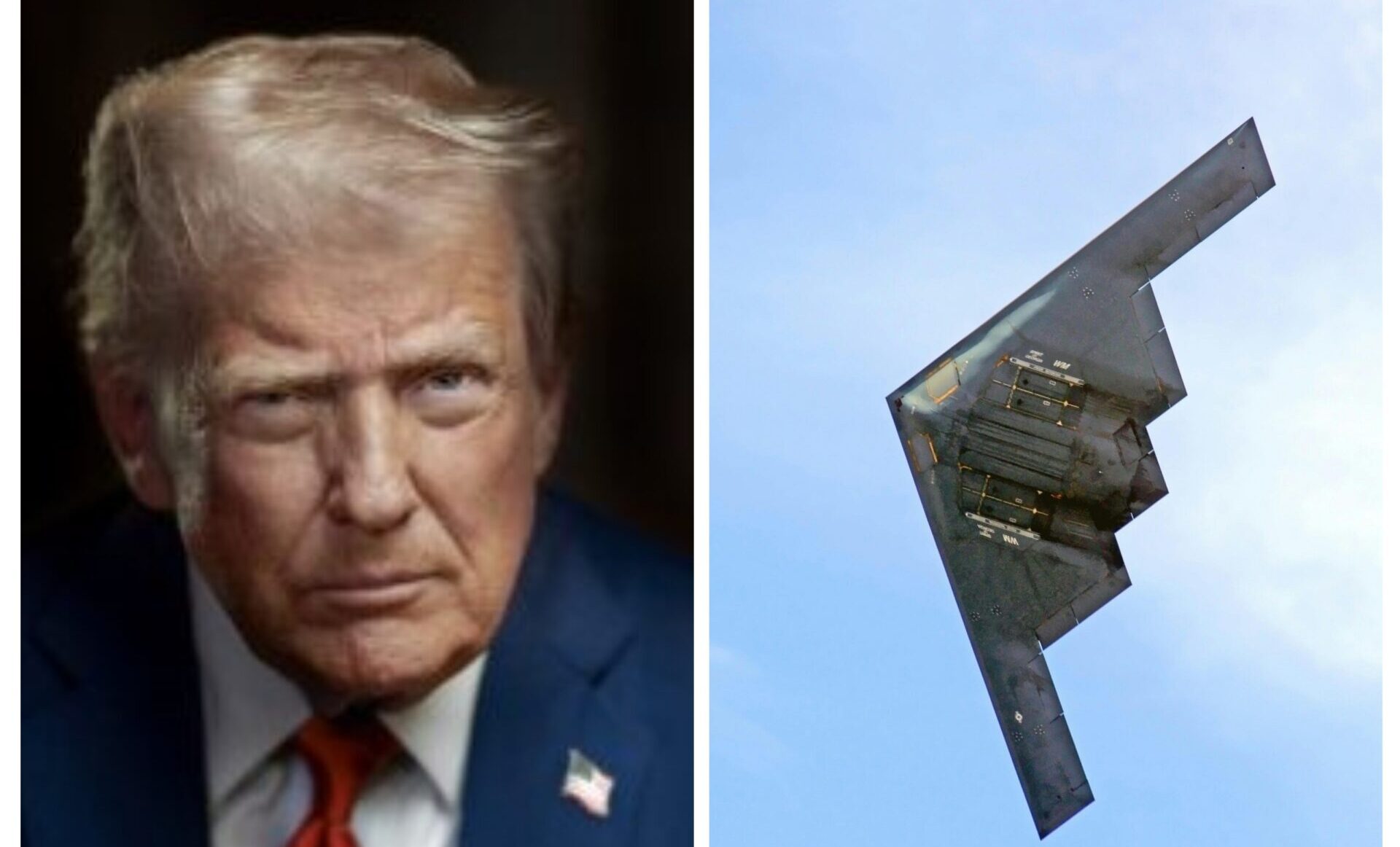
In a dramatic escalation of rhetoric, Ali Larijani, Secretary of Iran’s Supreme National Security Council, has issued a grave warning to former U.S. President Donald Trump through social media platform X. The statement addresses the alleged targeted killing of Iran’s Supreme Leader Ayatollah Ali Khamenei on February 28, which Larijani claims will trigger severe consequences.
Larijani’s message, reported by Iran International, accused Trump of being manipulated by Israeli Prime Minister Benjamin Netanyahu into initiating what he termed an ‘unjust war’ against Iran. ‘Mr. Trump, with Netanyahu’s clownish games, you dragged the American nation into an unjust war with Iran,’ Larijani declared in his post, characterizing the actions as reckless and influenced by Israeli leadership.
The Iranian official made the extraordinary claim that over 500 U.S. military personnel have died in recent hostilities—a figure that dramatically contradicts official Pentagon reports acknowledging six American service member fatalities to date. Larijani posed a provocative question: ‘Now calculate whether, with more than 500 American troops killed in these past few days, it is still America First or Israel First?’
The communication concluded with an ominous warning: ‘The story is not over. The martyrdom of Imam Khamenei will have a heavy price for you.’
Separately, an Islamic student organization at London University has publicly memorialized the late leader, describing him as a ‘beloved’ figure despite Western documentation of human rights violations during his leadership. The student group characterized Khamenei’s death as an ‘unimaginable loss.’
Khamenei’s political career spanned decades, serving as Iran’s president from 1981 to 1989 before assuming the role of Supreme Leader—combining political and religious authority—from 1989 until his recent death. Within Shia Islam, martyrdom against oppression represents a central tenet of faith, considered an honorable passage that may influence the conflict’s symbolic dimensions.