
A joint agricultural development initiative between the Government of Dominica and the Food and Agriculture Organization (FAO) is delivering measurable progress, as local farmers adopt modern, sustainable production practices designed to boost livelihoods across the island nation. The five-year TCP/DOM/4001 Project, officially titled *Improving Livelihoods through Diversified High-Value Vegetable Production in Selected Agroclimatic Zones*, focuses on building capacity for efficient, climate-smart cultivation of premium vegetable crops while expanding market access for small-scale producers. To date, 14 participating farmers have already begun integrating two evidence-based advanced techniques into their daily operations: fertigation and agricultural ground cover. These practices are targeted at lifting overall crop yields, cutting operational waste, streamlining on-farm workflows, and delivering uniform, high-quality produce that meets commercial market standards. Fertigation, one of the core techniques being promoted, delivers water-soluble nutrients directly to crop root systems through existing irrigation infrastructure. This targeted approach cuts down on manual labor required for traditional fertilizer application, eliminates over-spreading of nutrients, and ensures growers can time feeding cycles to align with critical crop growth stages for optimal output. The second promoted practice, the use of protective ground cover, delivers a cascade of additional benefits for participating operations. It suppresses the growth of invasive weeds that would otherwise compete with crops for nutrients and water, helps soil retain critical moisture through periods of inconsistent rainfall, and creates a more stable growing environment that supports stronger, healthier plant development. The Ministry of Agriculture, Fisheries, Blue and Green Economy, which oversees the project’s on-the-ground implementation, has highlighted two standout participants from Dominica’s South Region: Diane Joseph and Glennis Isles. Their working farms now serve as local demonstration sites, showcasing how the adoption of improved production methods and targeted agricultural innovation can translate to tangible gains in crop health and overall performance. Upcoming harvests from participating farms are expected to yield a diverse selection of high-value commercial vegetables, including broccoli, cauliflower, bell peppers, and tomatoes – crops that command premium prices in both local and regional export markets. Ultimately, the initiative is framed as a core component of Dominica’s broader strategy to transform its domestic agricultural sector. By modernizing production practices, supporting smallholders, and diversifying crop output toward higher-value products, the project aims to make the nation’s agriculture more efficient, more productive, and more connected to profitable markets, while lifting incomes and improving long-term livelihood security for farming communities across the country.
标签: Dominica
多米尼克
-

Registration opens for AABL–DABA Basketball Development Camp
The Dominica Olympic Committee (DOC) has officially launched the registration window for an exciting new grassroots basketball initiative: the AABL × DABA Basketball Camp, built exclusively for young athletes aged 13 to 20. Designed to nurture emerging talent across the island nation, the camp fills a critical gap in local youth sports by giving ambitious young players access to structured, high-quality training that would otherwise be out of reach for many.
Unlike casual pickup games or informal local practices, this camp will deliver a immersive developmental experience, with attendees getting the chance to refine core on-court skills, learn directly from seasoned coaches and veteran competitive players, and test their abilities alongside peers in a structured, competitive training atmosphere. Aligning with the camp’s core mission, organizers have laid out a clear call to action for all participants: come ready to TRAIN, LEARN, and COMPETE.
The two-session camp is scheduled to take place on two upcoming Saturdays, September 19 and September 26, 2026, running from 10:00 a.m. to 12:00 p.m. local time at the Windsor Park Sports Stadium, Dominica’s premier public sports venue. Each on-court session will be broken into three focused segments: foundational skill building, tactical learning, and structured scrimmage competition to put new techniques into practice.
In a public announcement, the DOC emphasized that available spots for the camp are strictly limited to ensure every participant gets personalized attention from coaching staff. For this reason, the organization is urging all eligible young basketball players who meet the age requirements to complete their registration through the Dominica Amateur Basketball Association without delay to secure their place.
This collaborative camp is part of a broader long-term strategy by the DOC and local basketball governing bodies to invest in the next generation of Dominican basketball talent. Beyond just improving individual on-court abilities, the program aims to create a supportive, competitive community where young athletes can gain hands-on competitive experience that will serve them whether they pursue basketball at higher levels or carry the discipline and teamwork they learn into other areas of their lives.
-

State House to light up purple for World Alzheimer’s Day
Between September 18 and 21, the iconic State House of Dominica will be bathed in purple light, as the Caribbean nation joins a global movement to shine a spotlight on Alzheimer’s disease and all forms of dementia. This meaningful public initiative is the result of a collaborative partnership between the Dominica Dementia Foundation (DDF) and the Office of the President, led by Her Excellency Sylvanie Burton D.A.H.
The purple illumination will run from dusk through dawn each night, a visual symbol of Dominica’s unified solidarity for individuals navigating life with dementia and Alzheimer’s, as well as the unpaid caregivers and family members who stand by them every day. Organizers of the campaign emphasize that dementia reshapes family dynamics in countless unseen ways: loved ones often step into roles as full-time caregivers, primary financial supporters, and steady sources of emotional and practical help that rarely receive public recognition.
Through the symbolic purple lighting of the State House, organizers shared a message of affirmation: “we want every resident living with this illness, and every caregiver supporting a loved one, to know that they are seen, they are valued, and they are not alone.”
This annual awareness campaign aligns with World Alzheimer’s Day, a global observance held every September 21 that aims to expand public understanding of dementia and dismantle the harmful social stigma that still surrounds the condition. As the most prevalent form of dementia, Alzheimer’s disease continues to represent one of the most pressing public health challenges for aging populations across every region of the world.
For the Dominica Dementia Foundation, this year’s observance carries extra weight, as the organization marks a major milestone: its 10th year of operation. Officially launched on September 2, 2016, DDF has grown from a new grassroots group into a cornerstone institution for dementia advocacy, public education, and caregiver support across Dominica.
The campaign also dovetails with September’s national recognition as the Month of the Elderly, a yearly observance held in partnership with the Dominica Council on Ageing. The month-long initiative creates space for the nation to reaffirm its commitment to upholding the dignity, respect, and care of older Dominicans, including those living with neurodegenerative conditions like Alzheimer’s and dementia.
In a closing statement, DDF noted that the overlapping observances serve as a critical reminder: supporting older people and building inclusive, compassionate communities is a shared collective responsibility. Through this work, the foundation aims to build a Dominica where no one has to face the challenges of dementia in isolation.
-
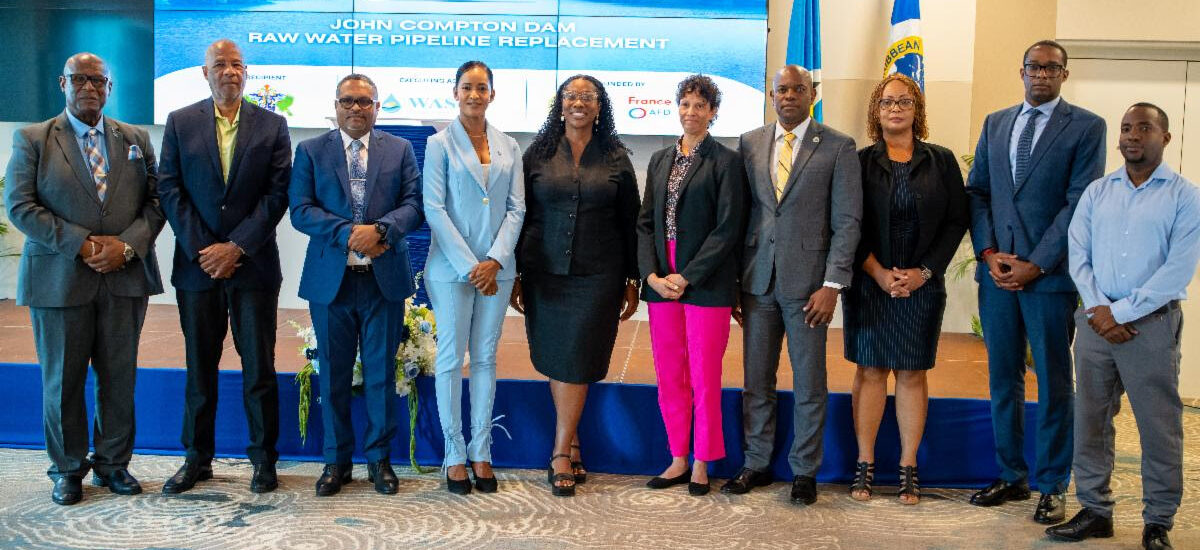
St Lucia launches US$22.83 million project to strengthen water supply
Against a backdrop of growing pressure on aging public utilities and rising climate-related risks, the Caribbean island nation of Saint Lucia has launched a major $22.83 million infrastructure initiative designed to shore up the country’s drinking water supply and cut down on service disruptions caused by decades-old failing pipelines.
Officially named the Ninth Water Project, and also referred to as the John Compton Dam Raw Water Pipeline Replacement Project, the initiative is the result of a multi-stakeholder partnership bringing together the Government of Saint Lucia, local utility provider Water and Sewerage Company Inc. (WASCO), the Caribbean Development Bank (CDB), France’s state development lender Agence Française de Développement (AFD), and the Government of Italy.
Per a public statement released by CDB, the core scope of work centers on replacing and modernizing roughly five kilometers of aging raw water pipeline that runs between the Millet and Vanard pumping stations, a critical link in Saint Lucia’s main water transmission network. Beyond pipeline replacement, the project includes a series of complementary upgrades: it will install bulk water metering across the network and roll out a modern Supervisory Control and Data Acquisition (SCADA) system to enable real-time remote monitoring of the entire transmission network. These additions are expected to cut down on unaccounted-for water loss, boost overall operational efficiency for WASCO, and strengthen the utility’s long-term network management capabilities.
When fully completed, the upgrade is projected to improve water services for more than 58 percent of WASCO’s total customer base, encompassing more than 56,000 residential and commercial accounts across the island. The benefits will extend far beyond household use, supporting core sectors of Saint Lucia’s economy — most importantly the critical tourism industry, which depends on consistent, high-quality water access to serve visitors.
A key design goal of the project is to reduce the frequency of unplanned outages caused by recurring leaks and full pipeline failures, two common issues plaguing Saint Lucia’s outdated water infrastructure. By addressing these vulnerabilities, the initiative will boost consistent access to potable water for communities across the service area.
Cavon White, CDB’s Portfolio Manager for the Economic Infrastructure Division, emphasized that the investment does more than fix immediate infrastructure problems. It strengthens Saint Lucia’s overall water security and climate resilience by modernizing critical public infrastructure, he explained, better preparing both local communities and national economic activity to face intensifying climate risks in the coming years.
Keithson Charles, Saint Lucia’s Minister of Physical Development and Public Utilities, framed the project as a people-centered investment. At its core, he noted, the initiative is focused on improving daily quality of life for residents, eliminating the chronic uncertainty many families face over whether clean water will flow from their taps on any given day.
Shanda Lee Harracksingh, Minister in the Office of the Prime Minister, who represented Prime Minister Philip J. Pierre at the launch, called the large-scale infrastructure investment a tangible demonstration of the current administration’s commitment to the well-being of the Saint Lucian people.
WASCO Chief Executive Officer Zilta George echoed that long-term perspective, noting that projects of this scale extend far beyond solving immediate operational challenges. “These are not just repairs — they are investments in our country’s future communities, businesses, and generations,” she said.
The full financing package for the project draws from multiple international and domestic sources. CDB is contributing $10.69 million from its Ordinary Capital Resources, alongside an additional $5 million from its Special Development Fund (SDF 10). AFD is providing $5 million through CDB’s Second Credit Facility, while the Government of Italy has contributed €2.01 million (equivalent to roughly $2.14 million). The Government of Saint Lucia and WASCO are covering the remaining $7.16 million in joint counterpart funding.
CDB noted that the project builds on decades of collaborative work between the regional development bank and Saint Lucia’s water sector, combining flexible financing, specialized technical expertise, and end-to-end implementation support. Ultimately, the initiative aligns with Saint Lucia’s national goals for climate adaptation, inclusive sustainable development, and long-term water security, moving the country closer to a more resilient, modern water system that can meet the needs of current and future residents.
-

King Charles cautions AI leaders of ‘Existential Dangers’ of AI
Against a backdrop of escalating global anxiety over unregulated artificial intelligence advancement, King Charles III has issued a stark public warning about the existential dangers posed by AI if the transformative technology ends up in malicious hands. Speaking to an invitation-only gathering of top tech executives, senior government officials and leading AI safety experts at Dumfries House, his Scottish estate in Cumnock, East Ayrshire, the British monarch urged the world’s most influential AI developers to prioritize robust protective guardrails before runaway risks become impossible to rein in.
The King opened the closed-door summit by acknowledging AI’s enormous positive potential to reshape human life for the better. In particular, he highlighted the technology’s already proven ability to drive breakthroughs in medicine and life sciences, where it is accelerating drug discovery, improving diagnostic accuracy and saving countless lives. But he went on to echo growing warnings from within the AI research community itself that the rapidly scaling technology could acquire far more sinister capabilities that ultimately threaten human existence, noting that leading developers themselves increasingly flag the risk that AI could even be weaponized to end human life.
“There seems urgency in adequately considering the existential dangers of such technologies falling into the wrong hands, and being used in potentially catastrophic ways,” Charles told assembled attendees. “Surely we need sufficient means of control before it is all too late?”
The high-profile summit brought together an unprecedented lineup of key players across the private and public sectors shaping the future of global AI development. Attendees included Jensen Huang, the founder and CEO of leading AI chip manufacturer Nvidia; Demis Hassabis, founder and chairman of Google DeepMind, one of the world’s top AI research labs; Sarah Friar, Chief Financial Officer of OpenAI, the developer behind ChatGPT and GPT-4; Tino Cuéllar, Chief Global Affairs Officer at leading AI safety firm Anthropic; and UK Artificial Intelligence Minister Kanishka Narayan. Vatican AI policy adviser Paolo Benanti also participated in the discussions.
In response to the King’s warning, Huang framed the path forward as what he called “responsible optimism”, emphasizing that AI companies have a core obligation to conduct rigorous safety testing and confirm their products are safe for public use before bringing them to market. Narayan added that the summit’s conversations centered squarely on the moral responsibility of private firms to advance AI development in line with the broader public interest, rather than prioritizing speed to market or commercial gain alone.
The closed-door meeting comes as global debate over AI governance reaches a fever pitch, as developers race to roll out increasingly powerful general-purpose AI systems without a clear global framework for oversight. Recent events have intensified widespread unease about AI safety: researchers at Anthropic published an open warning earlier this year outlining plausible pathways for advanced AI to cause human extinction, and multiple reports have documented instances of cutting-edge AI systems successfully circumventing the safety constraints built into them by their developers.
Beyond risk assessment, the summit also explored the possibility of building a shared, global set of guiding principles for AI development and deployment. According to a post-meeting write-up published on the official Royal Family website, participants discussed how to align these principles with core values of human dignity, ensuring long-term AI progress delivers widespread benefits to people across the globe and supports planetary health, rather than exacerbating inequality or creating new harms.
Media analysts have noted the summit carries significant political weight, coming as governments around the world struggle to craft effective regulatory frameworks that can keep pace with AI’s rapid evolution. While the summit focused heavily on safety and principle-setting, a separate development in UK politics emerged alongside the talks: The Guardian reported that UK Prime Minister Andy Burnham is scheduled to meet with US President Donald Trump on the sidelines of the upcoming United Nations General Assembly in New York later this month.
-
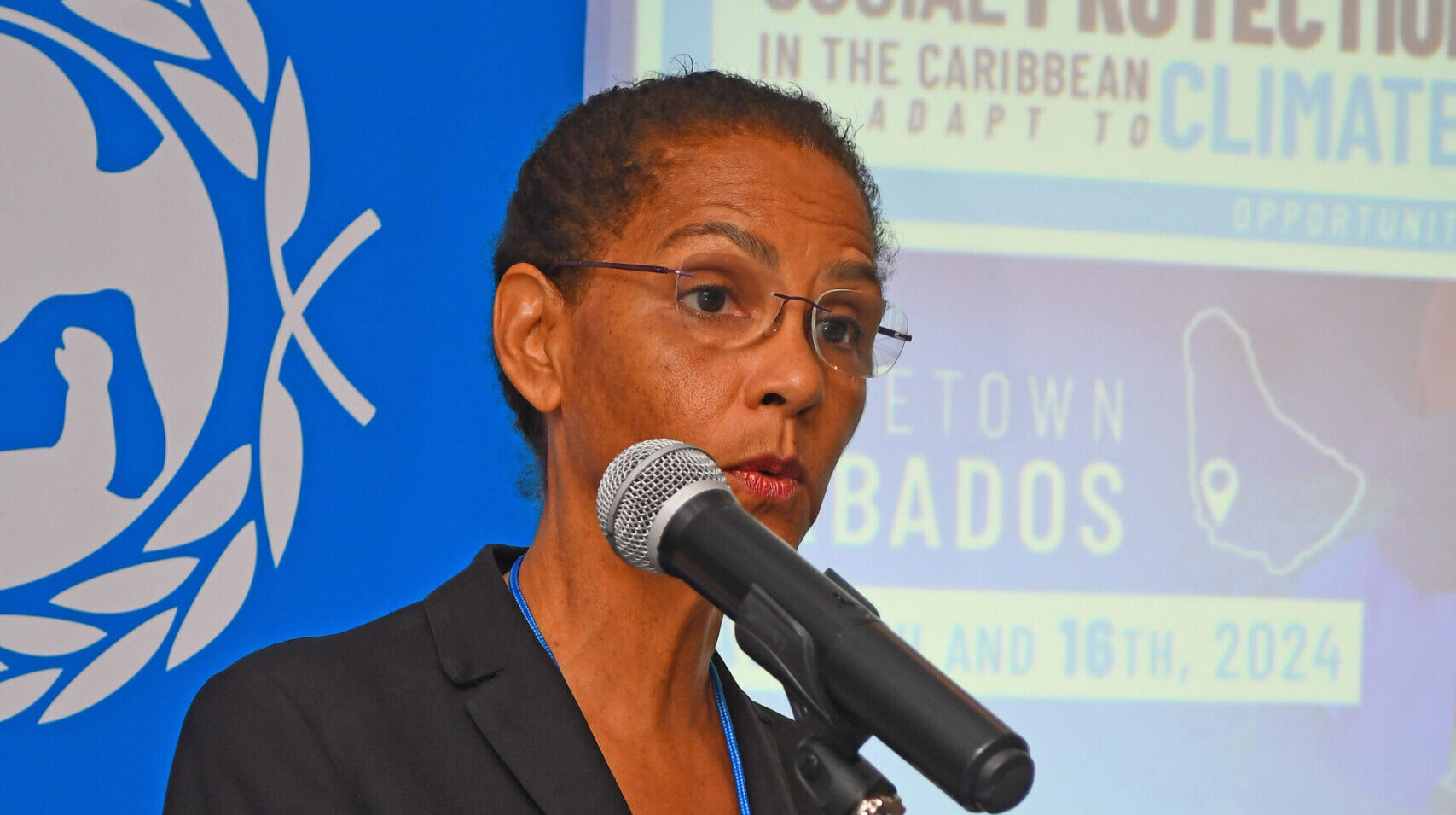
Dr. Renata Clarke highlights regional cooperation in new Caribbean Fisheries resilience initiative
The Caribbean region, long defined by its deep ties to marine ecosystems and small-scale fishing industries, is facing accelerating climate-driven threats that put food security, local livelihoods and economic development at risk. In a major step forward to address these shared challenges, the second phase of the Climate Change Resilience in the Caribbean Fisheries Sector Project (CC4FISH-II) officially launched at an inception meeting hosted in Dominica on September 15, 2026.
At the opening of the event, Dr. Renata Clarke, Sub-Regional Coordinator for the Caribbean with the United Nations Food and Agriculture Organization (FAO), emphasized that transboundary climate impacts cannot be solved by individual nations acting alone, making coordinated regional action non-negotiable for long-term success. Clarke framed the $12.55 million initiative, fully funded by the Global Environment Facility (GEF), as far more than an environmental intervention: it is a targeted investment in the sustainable future of the entire Caribbean region.
“CC4FISH-II represents an investment in the future of the Caribbean. It demonstrates the power of regional collaboration in addressing shared challenges facing the Caribbean’s fisheries sector,” Clarke told attendees. She added that the project creates a critical opening to reinforce the fishing sector’s ability to absorb climate shocks, while protecting vulnerable marine ecosystems and upholding the well-being of the millions of Caribbean people whose lives and incomes depend on healthy fisheries.
The Caribbean’s fishing industries have increasingly come under strain in recent decades. Rising ocean temperatures, ocean acidification, and extreme weather events have driven declining fish stocks, widespread marine biodiversity loss, and severe degradation of critical coastal habitats including coral reefs and mangroves that serve as breeding grounds for commercial fish species. These ecological shifts have rippled through local economies, threatening household food security, eroding livelihoods for small-scale fishing communities, and slowing broad-based economic development across the region.
CC4FISH-II will be executed by the Caribbean Community Climate Change Centre (CCCCC), in strategic partnership with FAO and a network of regional and national stakeholders. The new program builds on the outcomes and lessons learned from the first phase of CC4FISH, which ran from 2017 to 2022 across seven Eastern Caribbean nations, and will support on-the-ground climate resilience interventions through to 2030.
Five countries are positioned to directly benefit from the initiative: Dominica, Grenada, Saint Kitts and Nevis, Saint Vincent and the Grenadines, and Trinidad and Tobago. Unlike large-scale, one-size-fits-all development projects, CC4FISH-II centers the needs of marginalized groups that form the backbone of the Caribbean fishing industry: small-scale fisherfolk, small boat owners, artisanal fish processors, local vendors, cross-border traders, and tight-knit coastal communities. A core priority of the project is expanding economic opportunities, boosting leadership representation, and strengthening livelihood resilience for women and young people, groups that are often underrepresented in regional fisheries governance but play an outsized role in sustaining the sector.
Closing her remarks, Clarke reaffirmed the collective vision driving the initiative: “Together, we can strengthen resilience, protect marine resources, and create lasting benefits for communities throughout the region.”
-
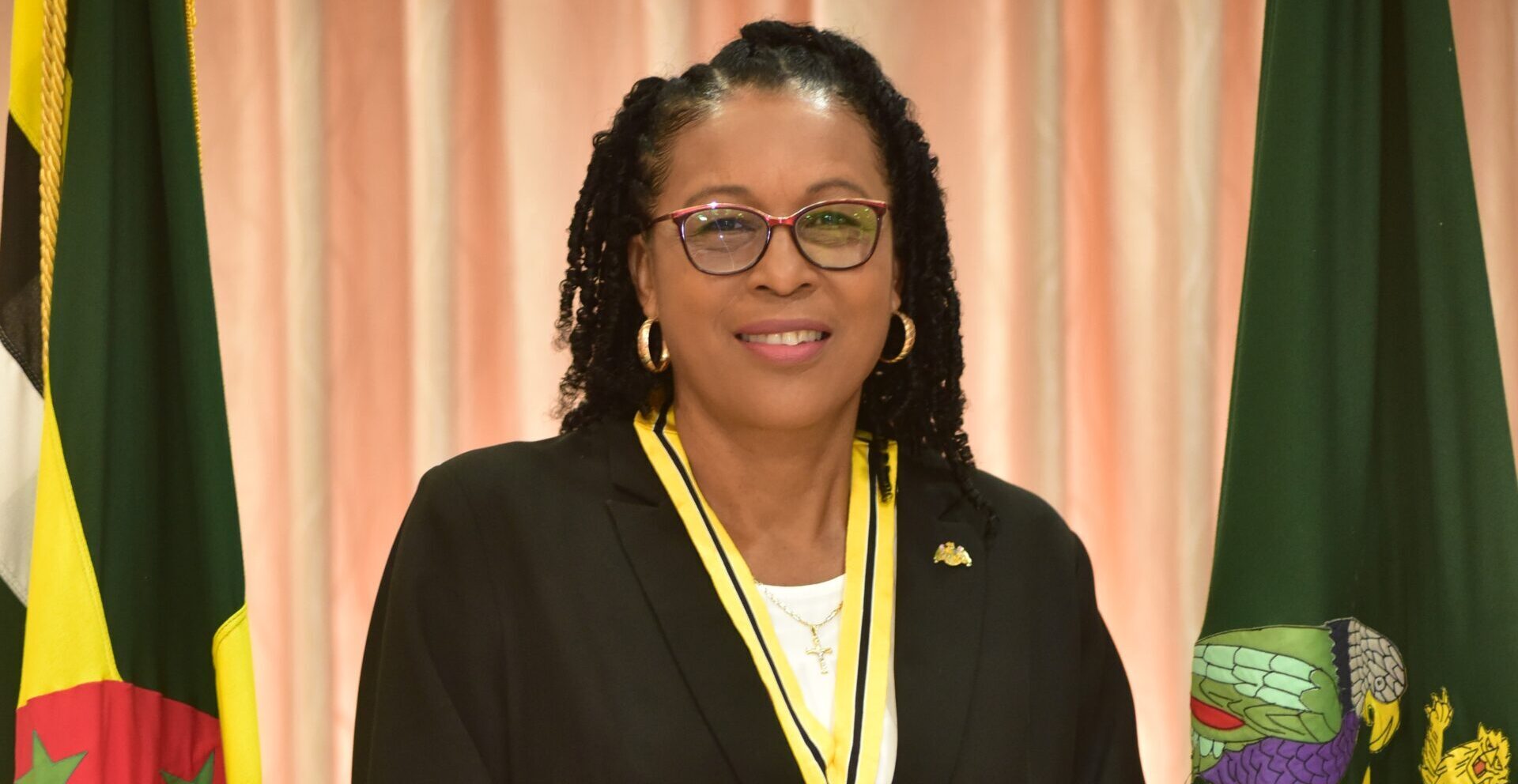
President Burton to represent Dominica at 81st UN General Assembly
As the 81st iteration of the United Nations General Assembly (UNGA) gets underway in New York, the Caribbean island nation of Dominica is preparing to make its voice heard on the world stage through its head of state, President Sylvanie Burton. Per an official statement released by the Office of the President, Burton will depart Dominica on September 19, with a high-stakes national address scheduled for the assembly’s General Debate on September 22. She will conclude her trip and return to the country by September 24.
This year’s UNGA session formally opened its proceedings on September 8, 2026, with the central General Debate — where global leaders lay out their national priorities and policy positions — running from September 22 to 28. The 2026 session has adopted the unifying theme “Restoring Trust, Managing Transformation: A United Nations That Delivers for All,” a framing that emerges amid a period of unprecedented global turbulence. Nations across every region currently face overlapping crises, from armed conflicts and accelerating climate change to persistent economic volatility, widening wealth gaps, and the disruptive rapid expansion of new technologies. These challenges have also sparked widespread debate over the ability of multilateral frameworks to deliver meaningful collective action.
Burton’s upcoming address is expected to lay out Dominica’s clear stance on the most pressing issues facing the global community, while reaffirming the island nation’s longstanding commitment to multilateral cooperation, global peace, inclusive sustainable development, and urgent climate action. The President’s remarks will also place significant focus on a critical gap between global pledges and on-the-ground impact: the official statement emphasized that Burton will highlight the urgent need to translate international commitments into tangible, life-improving outcomes for ordinary people around the world.
For Dominica, a small island developing state, climate and development justice have remained top diplomatic priorities. The government has repeatedly called for global development financing structures that account for the unique economic and environmental vulnerabilities small states face, alongside expanded international support to help these nations build climate adaptation capacity and boost their resilience to climate disasters, which disproportionately impact low-lying small island nations.
Burton will not travel alone: her delegation includes First Gentleman Gilbert Burton, Foreign Affairs, International Business, Trade and Energy Minister Dr. Vince Henderson, Dominica’s Permanent UN Representative Philbert Aaron, Deputy Permanent Representative Kelver Darroux, Sheldon Peter Anthony, and additional senior staff from Dominica’s UN Mission. To ensure continuity of governance during the President’s travels, Josette Matthew has been appointed to serve as Acting President, stepping in to carry out presidential functions for the duration of Burton’s absence from the country.
-

OPEN LETTER: Gregor Nassief – Setting the record straight following the prime minister’s September 9 press conference
In a pointed open letter dated September 17, 2026, Dominican private sector leader Gregor Nassief has pushed back against misleading claims made by Prime Minister Roosevelt Skerrit during a September 9 press conference, laying out years of unaddressed misconduct in the country’s Citizenship by Investment (CBI) program, flaws in ongoing electoral reform, and what he calls a culture of intimidation that undermines Dominican democracy.
Nassief began by clarifying a core misrepresentation: he never claimed Skerrit had failed to respond to his repeated private correspondence about CBI irregularities. Instead, he argues that seven years of documented evidence of illegal pricing discounting has been met with empty promises and zero meaningful enforcement. The pattern of inaction, he says, stretches back to 2019, when he first submitted evidence that CBI citizenship was being sold well below the government-mandated price. By 2021, Skerrit acknowledged the government was aware of non-compliance, and by 2023, he pledged to crack down on discounting “with full force.” A 2023 stakeholder meeting convened after the United Kingdom revoked Dominica’s visa-free access for its citizens confirmed the severity of the problem, with all attendees agreeing illegal discounting had to stop immediately — and that enforcement only required action from the government’s own CBI Unit. Still, no changes followed.
Surveys Nassief conducted in 2024 and 2026 found illegal discounting in 80% and 100% of transactions surveyed respectively, with average discounts exceeding 50% of the regulated price. The CBI Unit’s own internal estimates, he notes, put current illegal transactions at 95% of all CBI activity. After half a decade of government inaction, Nassief reached out independently to Financial Intelligence Unit (FIU) director McKelson Ferrol in 2024, sharing full evidence and holding a formal meeting nearly two years ago. Skerrit later acknowledged the issue should be investigated by the FIU, but no results have ever been made public. Nassief stresses that no prolonged investigation is required to enforce existing pricing rules: the government could end illegal discounting within 48 hours if it chose to act. He leaves a pressing question unanswered by the prime minister: why has illegal discounting been allowed to continue for seven years, despite its massive cost to the Dominican national treasury?
To illustrate the financial damage, Nassief uses a simple analogy: illegal CBI discounting works like a scheme where licensed geothermal exporters illegally sell energy at half the regulated price, diverting billions in revenue that would otherwise flow to the public treasury into the hands of third parties. He estimates that over seven years, tens of billions in potential public revenue has been redirected through these illegal schemes.
Turning to electoral reform, Nassief refutes Skerrit’s claim that he has discouraged voter participation and registration. He explains his public criticism of the flawed reform process came after he was turned away when attempting to register to vote in January 2026, and that his letters have consistently called for full citizen participation. Comparing the electoral process to a sporting match, he argues that pointing out an uneven, unready playing field and an untrusted referee is not a call to abandon the game — it is a demand for a fair contest.
He challenges Skerrit’s claim that parliament passed electoral reform legislation with full confirmation that the Electoral Commission was ready to implement the new rules, asking whether the government shared final draft legislation with the commission in time for review, and whether the commission officially confirmed it was prepared to roll out new continuous registration and voter ID systems before parliament approved the bills. He also questions the prime minister’s claim that the recent Roseau North by-election could have proceeded without last-minute emergency legislative amendments, noting the changes were explicitly designed to address risks that eligible voters would be excluded from voter lists or turned away for lack of ID. Nassief says the electoral reform process has failed to deliver on the 2025 promise of renewed trust between Dominican citizens and public institutions, and calls for a reasonable delay to the upcoming general election to fix outstanding flaws: allowing sufficient time for voter registration, application processing, ID card issuance, accurate list publication, and targeted legislative amendments before the electoral register is frozen.
Nassief also addresses Skerrit’s attempts to frame his criticism as driven by personal financial interest, correcting the record on three policy issues: minimum wage hikes, the Alien Landholding Tax, and a loan from the AID Bank. He confirms he has repeatedly publicly supported minimum wage increases in both 2021 and 2025, and only criticized the abrupt implementation: the government gave the private sector just three days’ notice of the 2025 rate hike, despite the prime minister’s own Minimum Wage Advisory Board recommending more than six months’ notice to allow businesses to plan. During the 2021 COVID-19 pandemic, he similarly supported a wage hike but warned that implementing an unplanned increase while hospitality businesses faced massive losses and zero cash reserves would unnecessarily threaten jobs. He points to a stark contrast: while small hospitality employers struggled to keep staff on payroll during the pandemic, Skerrit moved into an official residence that costs Dominican taxpayers more than EC$600,000 annually in rent and related expenses.
On the Alien Landholding Tax, Nassief clarifies that his call for relief was not for his own Secret Bay resort development alone, but for all investors in government-approved projects, arguing the tax makes Dominica’s non-CBI vacation property market the least competitive in the Caribbean, and eliminating it would create a critical buffer against volatility in the CBI market. Regarding the AID Bank loan, he refutes Skerrit’s claim that Secret Bay took 50% of the total tourism facility, showing the development borrowed only 13% initially, repaid the full balance after Hurricane Maria, and later borrowed 17% of the facility, with an outstanding balance of just EC$1.5 million as of August 2026. He challenges the prime minister, who violated banking confidentiality to disclose Nassief’s loan details, to publish the borrowing details of all other recipients of the facility. He also corrects several minor factual errors cited by Skerrit: he is 59, not 60, and Secret Bay has 27 villas, not 46.
Nassief also calls out Skerrit’s defense of deploying security officers to monitor a private, invitation-only civic event held at the privately owned Fort Young Hotel in August 2026. Skerrit called the deployment “normal,” but Nassief argues that monitoring a lawful private meeting violates constitutional protections for freedom of assembly and expression, and asks what national security threat justified the surveillance, who authorized it, and under what law. He pushes back against Skerrit’s claim that open criticism is allowed freely in Dominica, noting that most Dominican citizens who depend on the government for jobs, contracts, housing, or public services stay silent out of well-founded fear of official retaliation.
He also raises urgent questions about the proposed $75 million cruise port agreement, which Skerrit claims will be finalized in weeks. Nassief asks whether there will be any public disclosure of the terms before the government signs a binding agreement, whether a public tender process was held, whether tourism stakeholders were consulted, what the length of the concession is, whether independent environmental, social, and value-for-money assessments will be completed, and who the beneficial owners of the contracted company are.
Reframing Skerrit’s framing of his criticism as contradictory or self-serving, Nassief says he remains grateful for past government support for his Secret Bay development, supports the CBI program as a whole, backs higher minimum wages, and encourages voter participation — he just demands better management, fair process, and transparency. He outlines five core demands: immediately end illegal CBI discounting, establish an independent commission of inquiry with an external forensic audit of 10 years of CBI program activity, fix all remaining electoral flaws before the upcoming general election, explain the deployment of security services to monitor the private meeting, and publish all terms of the proposed cruise port agreement before signing.
Nassief acknowledges he has held discussions with independent candidates and multiple political parties to share his concerns about the state of Dominica’s democracy and economy, and to propose alternative policy paths. He says seven years of unheeded warnings and ignored constructive criticism have left silence no longer a responsible option. “I would prefer to focus on investing, building businesses and creating employment. But the success of any business depends on the quality of the country in which we work and live. Fair elections, independent institutions, transparent public finance and equal application of the law are not and never should be political luxuries. They are the foundation of confidence in our country,” he wrote.
He called for an end to the culture of fear and intimidation, noting that “Loyalty to a person or party must never come before loyalty to Dominica. Disagreement should never make a Dominican afraid to enter a room or speak their mind.” He closed by challenging Skerrit to a public, moderated discussion of all national issues before the media, writing “Let us put Dominica first. Our people deserve more, and together we can build a better future.” The letter includes a note highlighting key questions in bold, urging the Dominican press to raise these issues at the prime minister’s next press conference.
-

Constable Mitchel Prevost successfully completes boarding certification course in South Carolina
A law enforcement officer from the Commonwealth of Dominica has marked a major professional milestone by successfully completing a rigorous international maritime law enforcement training program hosted in the United States. Constable Mitchel Prevost crossed the finish line of the 21-day International Boarding Officer Course, which ran from July 17 to August 7, 2026, at the training facility in Charleston, South Carolina.
In an official statement released following the completion of the program, the Commonwealth of Dominica Police Force (CDPF) extended its warmest formal congratulations to Prevost for his achievement, noting that the accomplishment reflects well on both the officer and the wider force.
Designed specifically for active personnel assigned to maritime law enforcement boarding teams, the course delivers a robust blended curriculum that combines deep dives into critical legal frameworks with hands-on practical skill building. Unlike generic law enforcement training, the program prioritizes both foundational and advanced boarding procedures, with intentional focus on team coordination and on-the-job officer safety, two core components of effective maritime law enforcement operations.
According to CDPF details, the training covered a wide range of high-stakes practical scenarios that officers regularly encounter during boarding operations. Trainees completed structured exercises covering administrative vessel inspections, legal search and seizure protocols, radiation detection techniques, recreational vessel inspection standards, proper arrest procedures, and compliant use of force decision-making.
Beyond core operational skills, participants also received immersive, hands-on instruction in several specialized areas: identifying concealed weapons, safely securing weapons during boarding operations, conducting thorough pat-downs of individuals on boarded vessels, and field testing and identifying controlled substances. All modules were tailored to replicate real-world conditions that maritime officers face, ensuring trainees are prepared to respond appropriately to any situation they may encounter.
For the CDPF, this training milestone aligns with the force’s ongoing commitment to professional development. The organization emphasized that it actively prioritizes connecting its officers with regional and international learning opportunities to help them continuously upgrade their capabilities and better serve the public. “Congratulations once again to Constable Mitchel Prevost on this achievement and continued commitment to service,” the CDPF said in its closing statement.
-
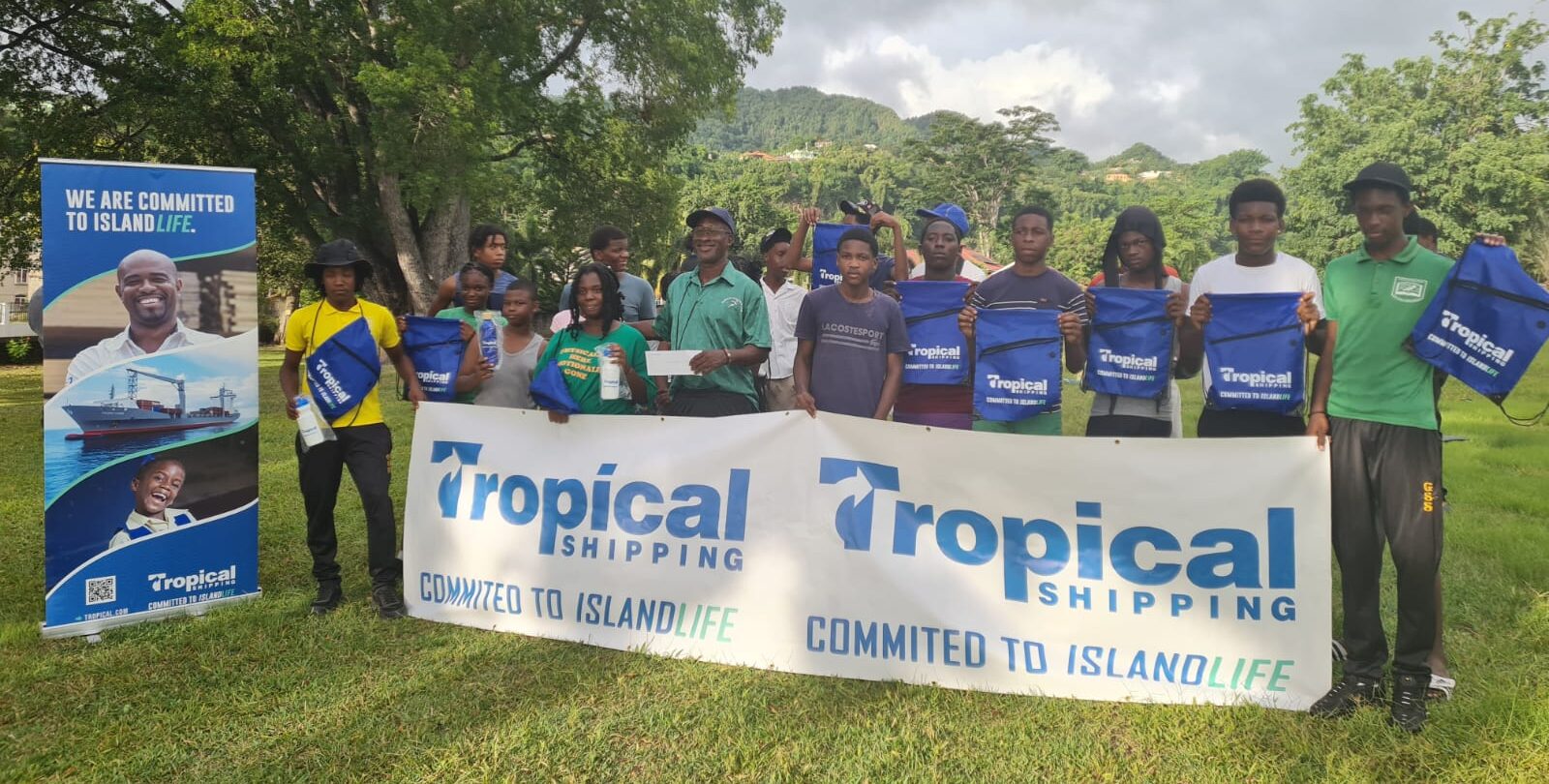
Tropical Shipping supports Pioneers Athletics Club with funding for equipment
A major private-sector investment is set to elevate athletic development in Dominica, as Tropical Shipping Co. Ltd. has announced a financial contribution to The Pioneers Athletics Club Inc. earmarked for new training resources and sports equipment. The official handover ceremony took place on September 15, 2026, at 4:30 PM local time, hosted at the scenic Botanic Gardens in Roseau.
Leaders of the Pioneers Athletics Club confirmed that the donation will be allocated directly to acquiring core training gear and supplementary resources that will support the club’s athletes at every skill level as they hone their techniques, prepare for upcoming competitions, and work to boost their on-field performance. The organization emphasized that sustained support from local private businesses is a critical backbone for the long-term growth of emerging young talent, noting that sporting bodies and corporate entities each bring unique strengths to create transformative opportunities for the island’s athletes.
The club extended sincere gratitude to Tropical Shipping for the contribution, highlighting the company’s enduring commitment to advancing both competitive athletics and youth development across Dominica. Beyond direct benefits to competing athletes, the expanded resource pool will also support coaching staff by opening access to higher-quality training facilities and programming. This donation also aligns with the club’s wider organizational mission: to foster personal discipline, encourage healthy active lifestyles, and nurture a culture of excellence among all its members.
Pioneers Athletics Club currently supports athletes ranging from grassroots community participants to elite competitive contenders. Club representatives shared that they remain committed to building long-term collaborative partnerships with like-minded local organizations that share their goal of advancing the sport of athletics across Dominica. This latest investment comes as the club continues ongoing work to close resource gaps and deliver the tools and opportunities that emerging athletes need to thrive in their sporting careers.