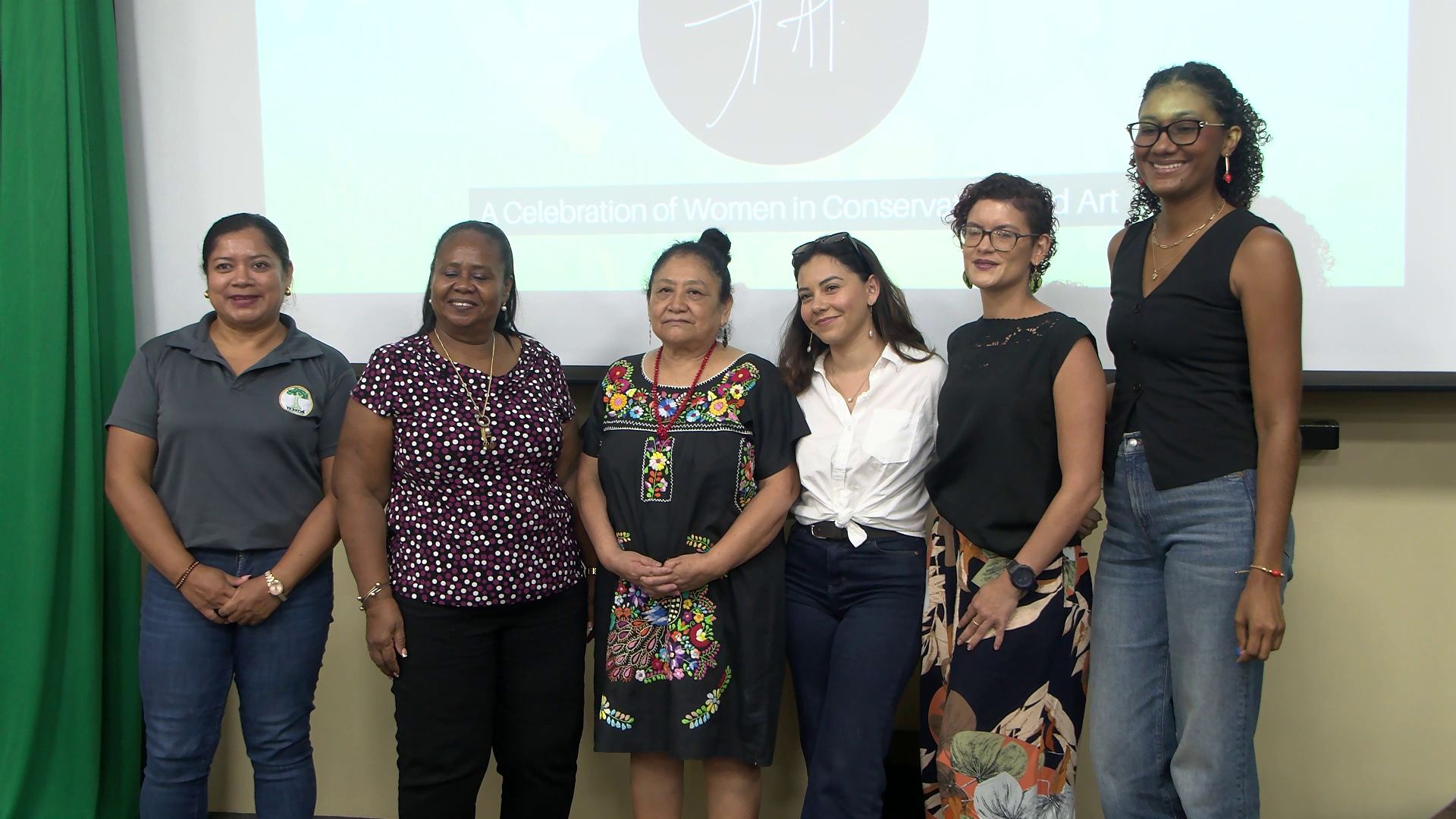
As the Protected Areas Conservation Trust (PACT) of Belize enters its fourth decade of protecting the country’s biodiverse natural landscapes, the organization is centering the long-overlooked contributions of women to local conservation through a unique, month-long anniversary celebration that merges environmental advocacy, community storytelling, and local artistic craft.
Titled “Rooted and Rising,” the signature event of PACT’s anniversary calendar was born from a collaborative partnership between the trust and three of Belize’s most talented female artists and creative entrepreneurs. The project pairs each creator with a trailblazing female conservation leader, tasking artists to translate the decades of work, personal journeys, and lasting impact of these environmental champions into one-of-a-kind, custom art pieces.
For generations, women have formed the quiet backbone of Belize’s conservation movement, often leading community-led initiatives that balance local livelihoods with ecosystem protection. This showcase brings their stories out of the background and into public view. PACT Executive Director Abil Castañeda explained the core vision behind the cross-sector collaboration, noting that the project was designed to honor the lifetime of dedication these women have poured into protecting Belize’s natural heritage. “We took their life, their careers and their profession in conservation, and asked some of our brightest minds in creative arts to develop products that commemorate that life, to commemorate that dedication that they have shown over decades,” Castañeda shared.
Three standout conservation leaders were featured in the showcase: Jessie Young of the Women’s Conservation Group at the Community Baboon Sanctuary, Maria Garcia of the Itzamna Society, and Christina Garcia of the Ya’axche Conservation Trust. Young detailed the extraordinary progress her community-led group has achieved in protecting Belize’s black howler monkey population: when the sanctuary launched in 1985, only 800 monkeys remained in the area. Today, thanks to decades of consistent on-the-ground work led by local women, that population has surged to more than 6,000. Young added that managing a community-based conservation organization comes with unique complexities, but as women born and raised in the region, the team brings inherent insight into local needs and the resilience to see long-term conservation goals through. “We believe as women we have the strength that it takes to manage anything, and so we stepped in, and the landowners gave us permission to take over the management,” Young said.
The three participating artists — Zyania Alonzo, Aesha Garel, and Landee Longsworth — each poured hours of detailed work into pieces that reflect their paired conservationist’s mission. Alonzo, who collaborated with Maria Garcia, created a handcrafted tote bag that draws direct inspiration from forest ecosystems. “I wanted to do something that represents the forest and its intricacy, so the body of the bag represents the root system that is in the forest. And then I also wanted to add the handles from the forest as well, which is made from supa seeds,” Alonzo explained, noting that the printing process for the bag’s body alone takes roughly 14 hours, with hand-braided tassels and hand-finished satin lining adding to the piece’s one-of-a-kind craftsmanship.
Belize’s Minister of Sustainable Development Orlando Habet attended the opening of the showcase, and emphasized that the event marks a growing national recognition of women’s irreplaceable role in conservation. Today, more women than ever hold leadership, management, and technical roles across Belize’s entire network of protected areas, and the initiative also opens new pathways for local artisans to contribute to the country’s growing orange economy — the sector that encompasses cultural, creative, and heritage-based economic activity. Habet called for broader cross-government participation to support the growth of the orange economy, noting that it centers people, culture, history, and untapped creative potential that drives both economic and environmental progress.
The showcase concluded with a public pop-up marketplace that gave visitors the chance to view and purchase the custom works. To continue supporting the featured conservation work, half of all proceeds from art sales will be donated directly to the participating conservation organizations to fund their ongoing environmental initiatives across the country.