标签: Belize

伯利兹

  • Nah Trial Stalls Again as Judge Weighs No‑Case Bid

    Nah Trial Stalls Again as Judge Weighs No‑Case Bid

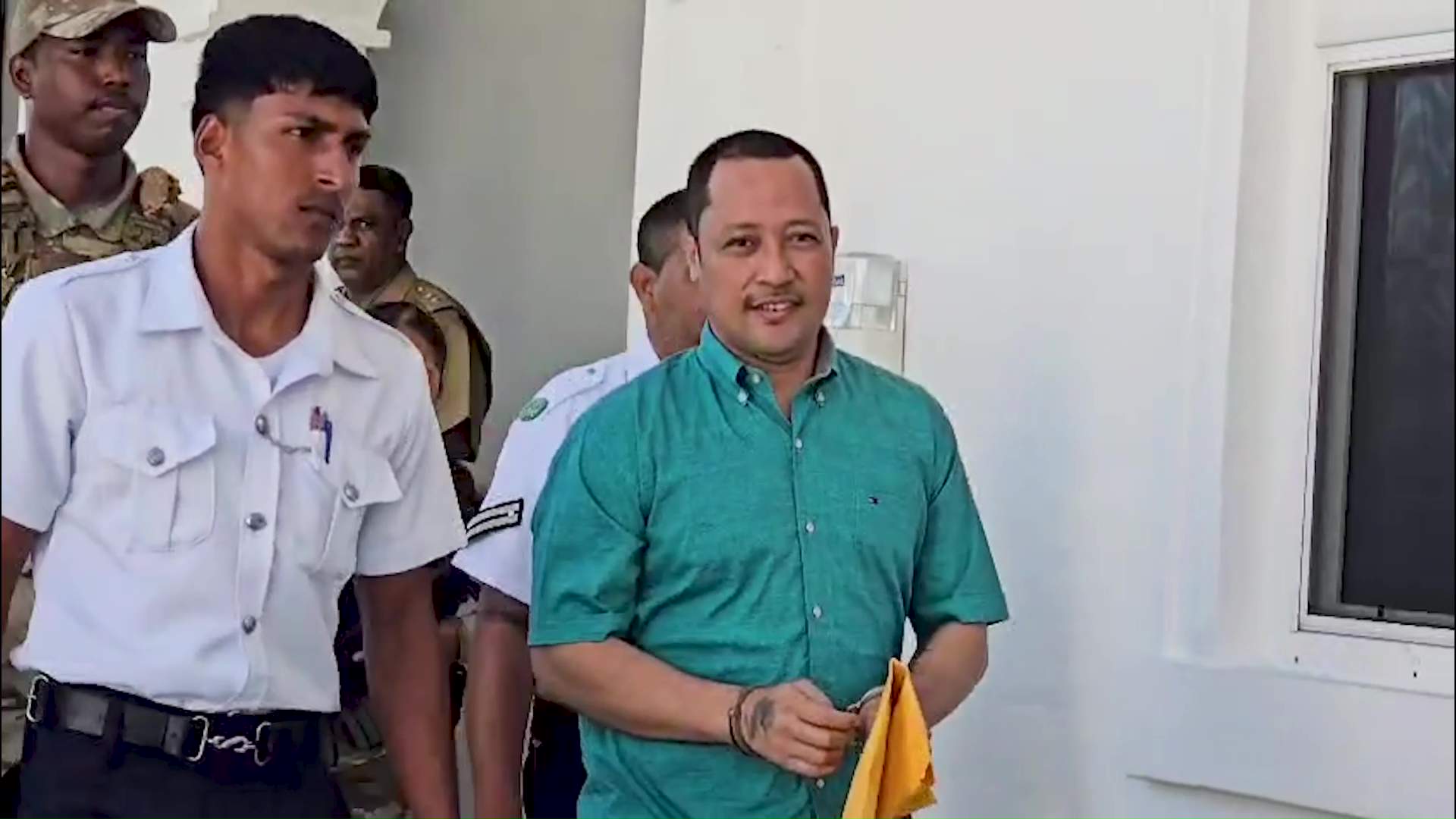
    The protracted triple-homicide trial of Elmer Nah encountered another procedural postponement on February 9, 2026, as judicial authorities deferred proceedings to evaluate a comprehensive no-case submission. Presiding Justice Nigel Pilgrim authorized the adjournment following the formal submission of a 328-page defense motion filed by Nah’s legal representative, Dr. Lynden Jones.

    This development occurred immediately after the conclusion of the prosecution’s case, which spanned several months and culminated in a voir dire hearing that resulted in the judicial admission of critical evidence. The admitted materials include the posthumous witness statement of Vivian Ramnarace alongside substantial physical evidence—specifically, a pair of boots allegedly recovered from Nah’s pickup truck and a headlamp purportedly found on his person, both items believed connected to the criminal acts.

    The defense’s central contention maintains that despite the evidence being deemed admissible, the prosecution has failed to establish proper identification of the accused, thereby necessitating dismissal of charges without requiring a defense presentation. Both legal teams concurred that oral arguments were unnecessary, opting instead for written submissions.

    Justice Pilgrim has scheduled his ruling on the no-case motion for 9:00 a.m. the following day, simultaneously advising defense counsel to prepare for potential trial continuation contingent upon the judicial decision. The defendant has been remanded to Belize Central Prison pending the court’s determination.

  • Canadian Alfred Pleil Still Missing, Some Belongings Found

    Canadian Alfred Pleil Still Missing, Some Belongings Found

    Authorities in Punta Gorda, Belize, report significant advancements in the investigation concerning the disappearance of Canadian national Alfred Pleil. The case has entered a critical phase with law enforcement officials confirming the recovery of personal belongings connected to the missing man and the detention of multiple individuals for questioning.

    Assistant Superintendent of Police Stacy Smith, serving as Staff Officer, addressed media representatives on February 9, 2026, acknowledging substantial developments while maintaining the investigation’s sensitive nature. “During the course of that investigation, police had uncovered several items of interest and had detained several persons,” ASP Smith stated during the press briefing.

    Despite these breakthroughs, investigative teams remain guarded regarding specific evidentiary details. Police representatives declined to confirm whether financial instruments such as credit or bank cards were among the recovered possessions. Similarly, authorities refrained from identifying any primary persons of interest currently under scrutiny.

    ASP Smith characterized the investigative progress as “steady” while emphasizing the operational need for discretion. “As it relates to the investigation pertaining to Mr. Pleil, I must advise that it’s an ongoing investigation,” Smith reiterated to journalists, committing to future media updates as developments warrant.

    The case continues to generate significant public interest both locally and internationally, with concerned communities awaiting resolution regarding Pleil’s whereabouts and circumstances surrounding his disappearance.

  • Over 170 Former BTL Workers Still Await Severance

    Over 170 Former BTL Workers Still Await Severance

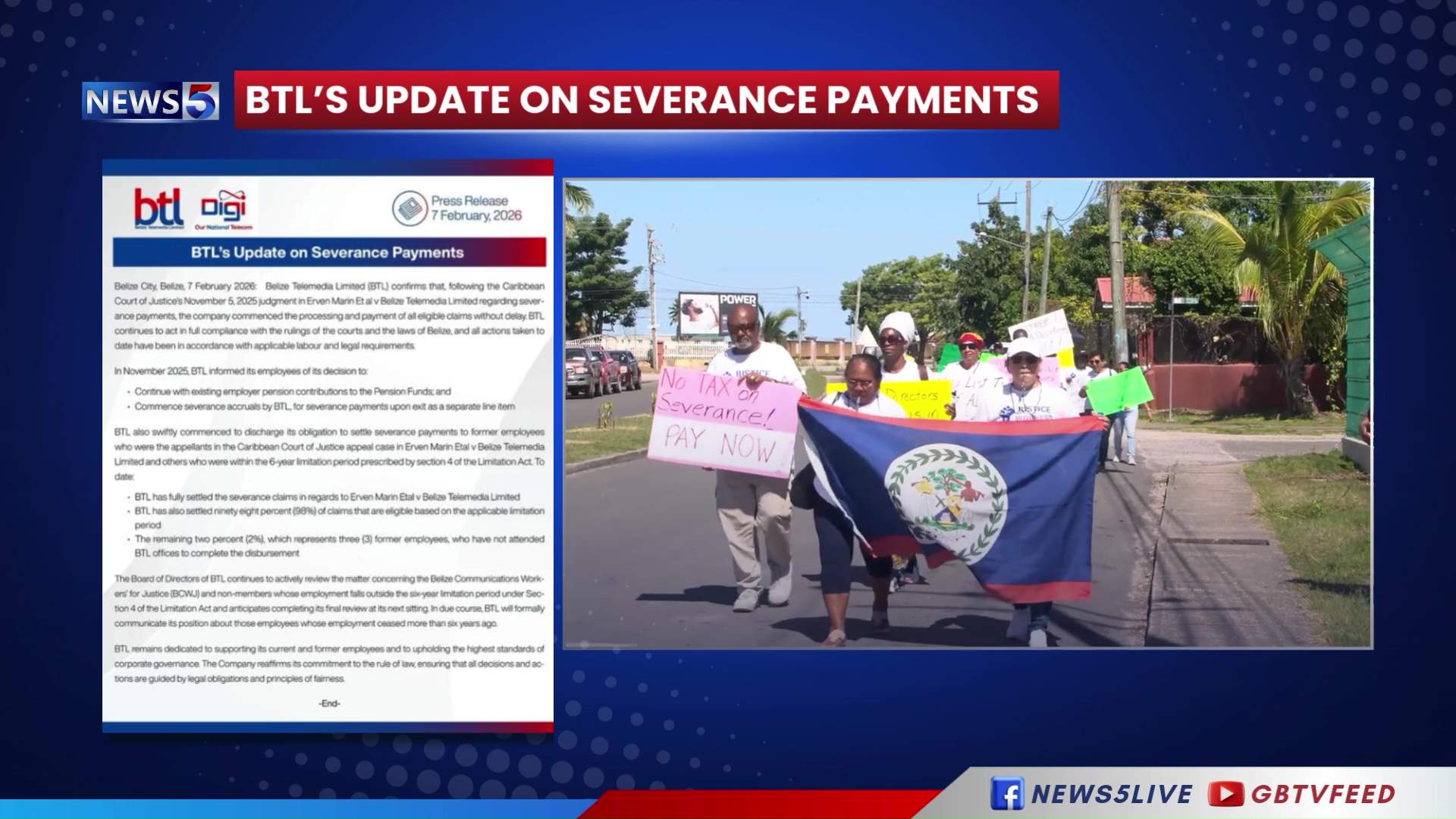
    A contentious labor dispute continues to simmer in Belize as more than 170 former telecommunications workers remain entangled in a complex severance payment battle with Belize Telemedia Limited (BTL), despite a landmark Caribbean Court of Justice ruling intended to resolve such claims.

    While BTL maintains it has substantially complied with the CCJ’s 2025 decision—asserting that 98% of eligible former employees have received their severance packages—the Belize Communications Workers for Justice (BCWJ) union contends that dozens of workers are being unjustly excluded due to contested statutory limitations.

    The crux of the disagreement centers on Belize’s six-year limitation period for simple contracts, which BTL insists invalidates claims from workers who departed before 2019. However, affected former employees argue that the CCJ ruling specifically supersedes these domestic limitations, creating a legal paradox that has left them in financial limbo.

    Emily Turner, former BCWJ president, expressed profound disappointment with BTL’s position: “We have engaged BTL previously in very diplomatic ways, expecting favorable feedback, especially after both the Minister of Labor and Prime Minister stated that statute of limitations doesn’t apply. Yet they continue dragging their feet.”

    The timing of the dispute coincides with BTL’s prospective acquisition of Speednet, prompting weeks of organized protests across Belize. Demonstrators have demanded settlement of all outstanding severance claims before the company proceeds with its expansion plans.

    Notably, many affected workers are senior citizens who had their severance benefits converted to pension plans over three decades ago—a practice the CCJ subsequently deemed illegal. Paul Perriott, a former BTL employee, emphasized the broader implications: “This isn’t just about BTL workers. This covers other unions that signed agreements exchanging severance for pension—all things the judge declared illegal.”

    The BCWJ has threatened to escalate the matter internationally through their affiliations with global labor organizations if domestic resolution proves impossible. Turner affirmed their determination: “We’re disappointed, but we are not gonna give up. If we must take this internationally, we will.”

    With BTL’s board expected to review the matter in their upcoming meeting, the standoff represents a critical test for labor rights jurisprudence in the Caribbean region, potentially establishing precedent for how international court decisions interface with domestic statutory limitations.

  • BEL Lights Up Indian Church and San Carlos

    BEL Lights Up Indian Church and San Carlos

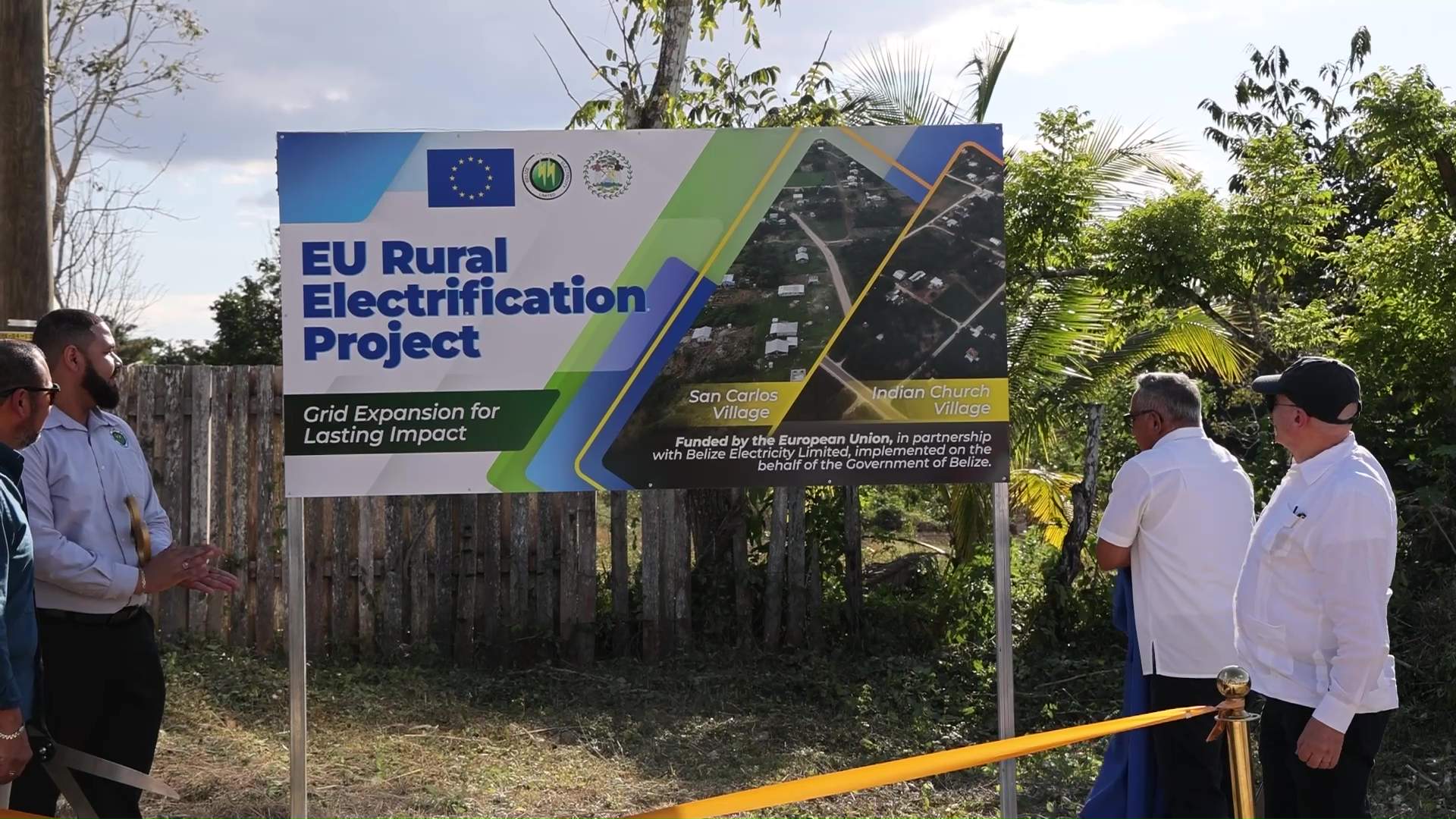
    In a landmark development initiative, the remote Belizean villages of Indian Church and San Carlos have transitioned from darkness to reliable electricity through a transformative rural electrification project. This strategic partnership between the European Union, Belize Electricity Limited (BEL), and the Government of Belize has successfully connected these previously underserved communities to the national power grid.

    The comprehensive electrification effort addresses longstanding challenges faced by residents, where nightfall traditionally meant halted educational activities, constrained agricultural operations, and limited economic prospects. The newly established infrastructure now delivers safe and consistent electricity to households, agricultural operations, and emerging small businesses.

    During the official inauguration ceremony in Indian Church, key stakeholders emphasized the project’s profound implications. Karique Marin, General Manager for Distribution and Energy Solutions at BEL, characterized the initiative as more than mere infrastructure development. “We are celebrating what is possible when people, institutions and community work together towards a shared goal,” Marin stated. He highlighted the collaborative nature of the project, noting its alignment with BEL’s commitment to sustainable and inclusive community service.

    Michel Chebat, Belize’s Minister of Public Utilities, reinforced the government’s dedication to nationwide electrification. “Access to electricity is fundamental to improving lives,” Chebat declared. “This project demonstrates that rural communities matter and that development must reach every corner of our nation.” The Minister emphasized how electricity would enhance safety, facilitate education, improve communication capabilities, and foster entrepreneurial opportunities in these communities.

    The successful implementation marks a significant milestone in Belize’s broader commitment to ensuring no village remains without power, representing both a technical achievement and a testament to international cooperation in development projects.

  • New Water System for San Estevan Village

    New Water System for San Estevan Village

    The Belizean government has inaugurated a comprehensive water system modernization project for San Estevan village in the Orange Walk District, marking a significant advancement in rural infrastructure development. This initiative follows closely on the heels of recent electrical grid improvements in the region, representing the second phase of essential service enhancements for rural communities.

    Under the direction of the Ministry of Rural Transformation, the project features extensive network expansion using premium-grade piping materials and incorporates robust backup power solutions including industrial-grade diesel generators. This infrastructure ensures continuous water supply during electrical outages, addressing a critical vulnerability in rural service delivery.

    Prime Minister John Briceño and Minister Oscar Requena personally oversaw the equipment handover ceremony, engaging directly with local community leaders. During the proceedings, Briceño emphasized the administration’s philosophical shift from traditional rural development approaches toward what he termed “rural transformation”—a comprehensive strategy addressing multiple infrastructure dimensions simultaneously.

    “Our urban populations frequently take fundamental services for granted,” Briceño stated. “This administration is committed to ensuring rural communities receive equivalent opportunities and services through transformative rather than incremental development.”

    The water system upgrade constitutes one component of a broader national rural transformation strategy that encompasses transportation networks, agricultural support systems, educational facilities, healthcare access, and economic market development. This integrated approach represents the first comprehensive national framework specifically designed for rural community advancement in Belize’s history.

  • Shoreline Rescue Effort Begins in Monkey River

    Shoreline Rescue Effort Begins in Monkey River

    A significant shoreline stabilization initiative has commenced in Monkey River Village, the northernmost community in Toledo, marking a critical response to years of devastating coastal erosion exacerbated by climate change. The $306,000 government-funded project represents a long-awaited intervention for a village where relentless erosion has consumed land, destroyed homes, and displaced families.

    The comprehensive plan unfolds in two distinct phases. The initial phase, currently underway with a $206,000 allocation, focuses on installing specialized bollards to mitigate wave impact and counteract the complex interplay of river outflow and tidal forces. Notably, the approach prioritizes natural mitigation methods, expressly avoiding concrete or piling structures to minimize environmental impact.

    Phase two, budgeted at $100,000, will extend protection to the community’s endangered burial ground, where erosion threatens areas containing residents’ departed loved ones. The entire project, under the direction of experienced contractor Albert Lowens who previously worked on similar climate mitigation efforts in Sarstoon, is scheduled for completion by month’s end.

    Concurrently, plans are advancing for establishing a community-co-managed wildlife sanctuary, creating dual benefits of environmental conservation and new economic opportunities through sustainable tourism. Toledo East Area Representative Dr. Osmond Martinez emphasized the project’s cost-effectiveness, noting its potential to preserve homes and community infrastructure at a fraction of typical mitigation costs.

  • Highway Tragedy: Elderly Pedestrian Run Over

    Highway Tragedy: Elderly Pedestrian Run Over

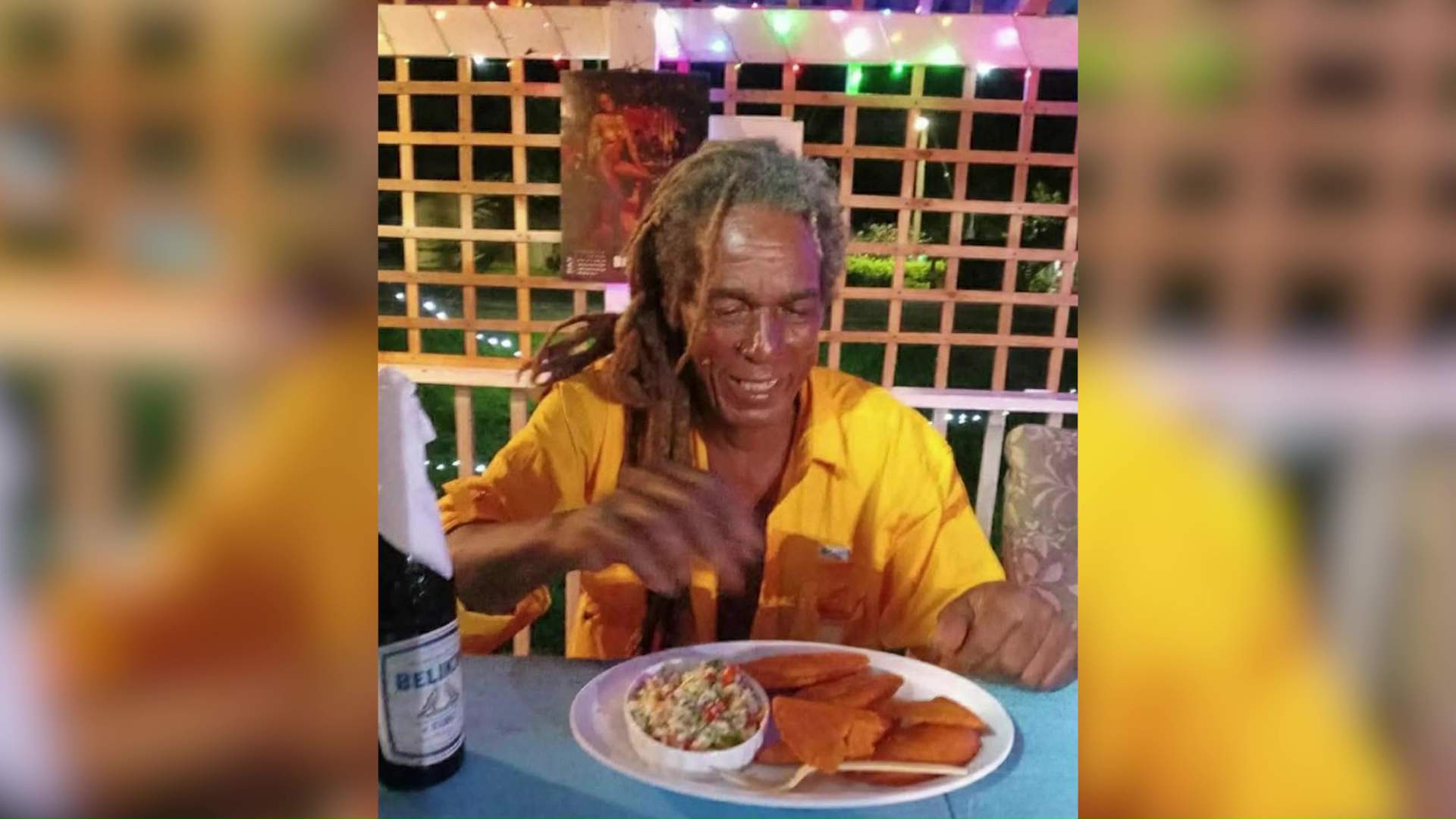
    A tragic roadway incident in southern Belize has culminated in the issuance of a Notice of Intended Prosecution to Juan Lionardo, a 44-year-old resident of Duck Run Village. The driver stands accused of fatally striking 68-year-old Houston Reynolds on the Thomas Vincent Ramos Highway this past Friday evening. The victim was reportedly traversing the route on foot toward Kendall Village when the collision occurred in the Maya Center vicinity. Preliminary police investigations indicate the incident transpired between miles thirteen and fourteen at approximately 7:15 p.m., resulting in Reynolds’ instantaneous demise. Critical examination of the circumstances reveals a confluence of contributing elements, notably the severely compromised visibility along unilluminated road sections and the pedestrian’s impaired state due to alcohol consumption. Accounts from local residents confirm Reynolds had been observed sleeping on the asphalt surface approximately an hour preceding the accident, with attempts made to relocate him to safety. The deceased, remembered by longtime companion Algin Logan as an avid farmer and produce vendor originally from Sittee River, becomes another statistic in the ongoing discourse surrounding roadway safety and public welfare. Authorities continue investigating the precise sequence of events while the community mourns the loss of a lifelong resident.

  • Mullins River Motorcyclist Dies After Crash

    Mullins River Motorcyclist Dies After Crash

    Authorities in Stann Creek District are conducting a thorough investigation into a tragic traffic incident that resulted in the death of 28-year-old Jesse Palacio from Mullins River Village. The fatal collision occurred on Mullins River Road at approximately 10:40 p.m. on Sunday, February 8, 2026.

    According to ASP Stacy Smith, Staff Officer with the local police force, officers responded to alerts regarding an injured individual on the roadway. Upon arrival at the scene, they discovered Palacio with significant facial and bodily injuries alongside a heavily damaged scooter. Emergency medical services promptly transported the critically injured man to Southern Regional Hospital for urgent treatment.

    Despite extensive medical intervention, Palacio succumbed to his injuries shortly after 11:00 p.m. the same evening. Police investigators have indicated that determining the precise circumstances leading to the crash remains challenging without conclusive evidence.

    The case now hinges on pending toxicology analysis, which investigators believe will provide crucial insights into potential contributing factors. When questioned about possible alcohol involvement, ASP Smith stated that the toxicological examination would need to clarify that aspect of the investigation.

    The community awaits further developments as forensic experts work to establish the sequence of events that led to this fatal roadway incident. Police continue to gather evidence and interview potential witnesses to reconstruct the circumstances surrounding Palacio’s untimely death.

  • Free Movement Nears Reality as Belize Tables CARICOM Mobility Legislation

    Free Movement Nears Reality as Belize Tables CARICOM Mobility Legislation

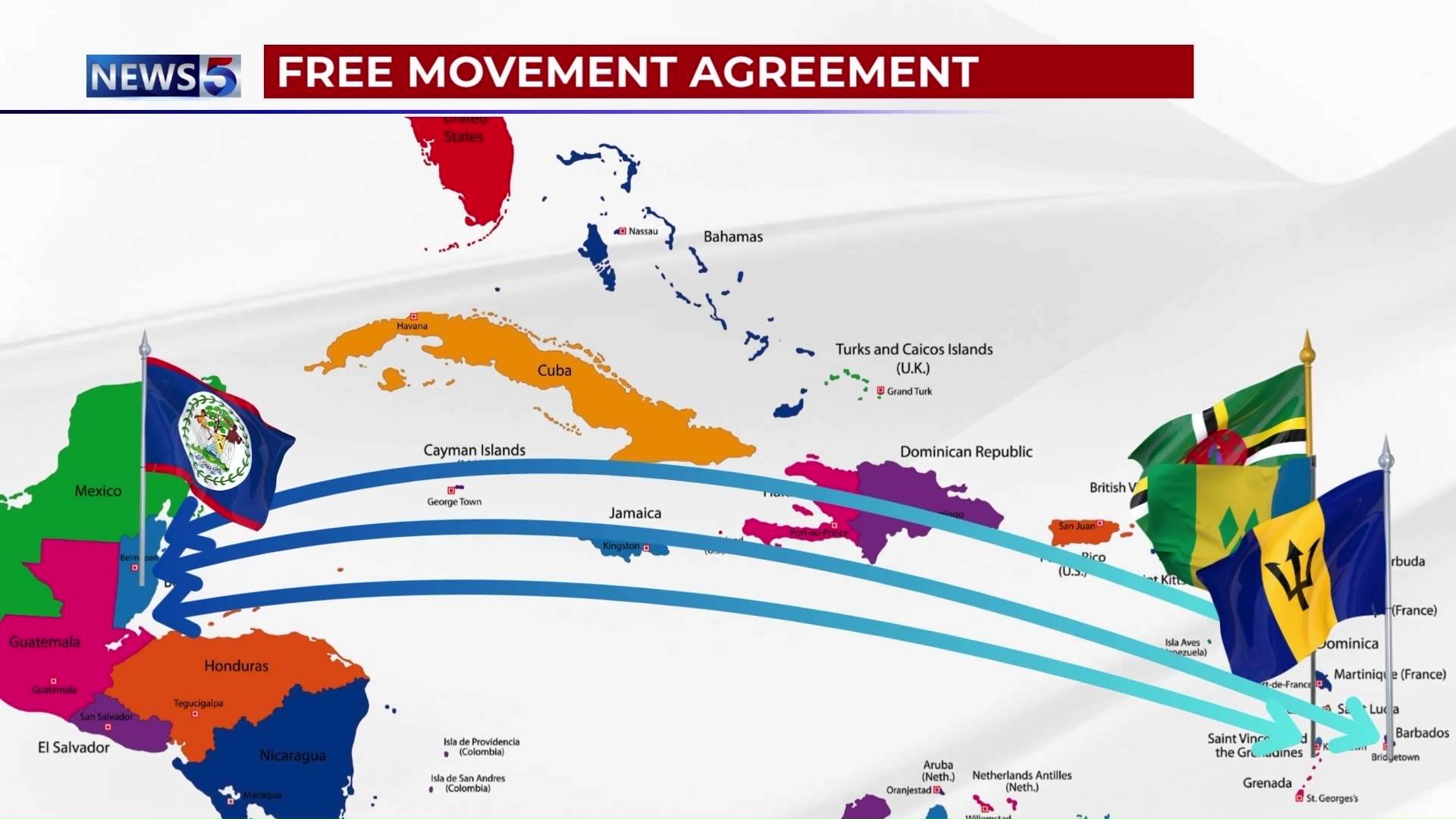
    The Belizean government has taken a decisive step toward regional integration by formally tabling legislation that implements a groundbreaking free movement agreement within the CARICOM bloc. This legislative action, presented to the House on February 9, 2026, transforms the previously operational arrangement into binding law, setting the stage for full implementation by October 1, 2025.

    The pioneering initiative, initially endorsed during the 49th Meeting of the Conference of Heads of Government of CARICOM in July 2025, establishes a comprehensive legal framework enabling citizens of Belize, Barbados, Dominica, and Saint Vincent and the Grenadines to reside, seek employment, and pursue economic opportunities across participating nations without requiring special permits.

    Foreign Affairs Minister Francis Fonseca emphasized the legislation’s significance in providing “clarity for Belizeans, certainty for institutions, and consistency in the administration of free movement.” The bill effectively codifies arrangements that had been functionally operational but lacked formal legal standing.

    Official data reveals that 83 CARICOM nationals have already entered Belize under the preliminary framework, primarily comprising business professionals, athletes, and short-term visitors. Notably, only two individuals currently maintain indefinite residence status in Belize, indicating the program’s measured implementation without straining public services or compromising national order.

    This legislative milestone represents the most substantial advancement in Caribbean regional mobility since the original CARICOM framework’s establishment, potentially serving as a model for expanded integration throughout the broader Caribbean community.

  • PM Briceño Unveils Bold Overhaul of NHI System

    PM Briceño Unveils Bold Overhaul of NHI System

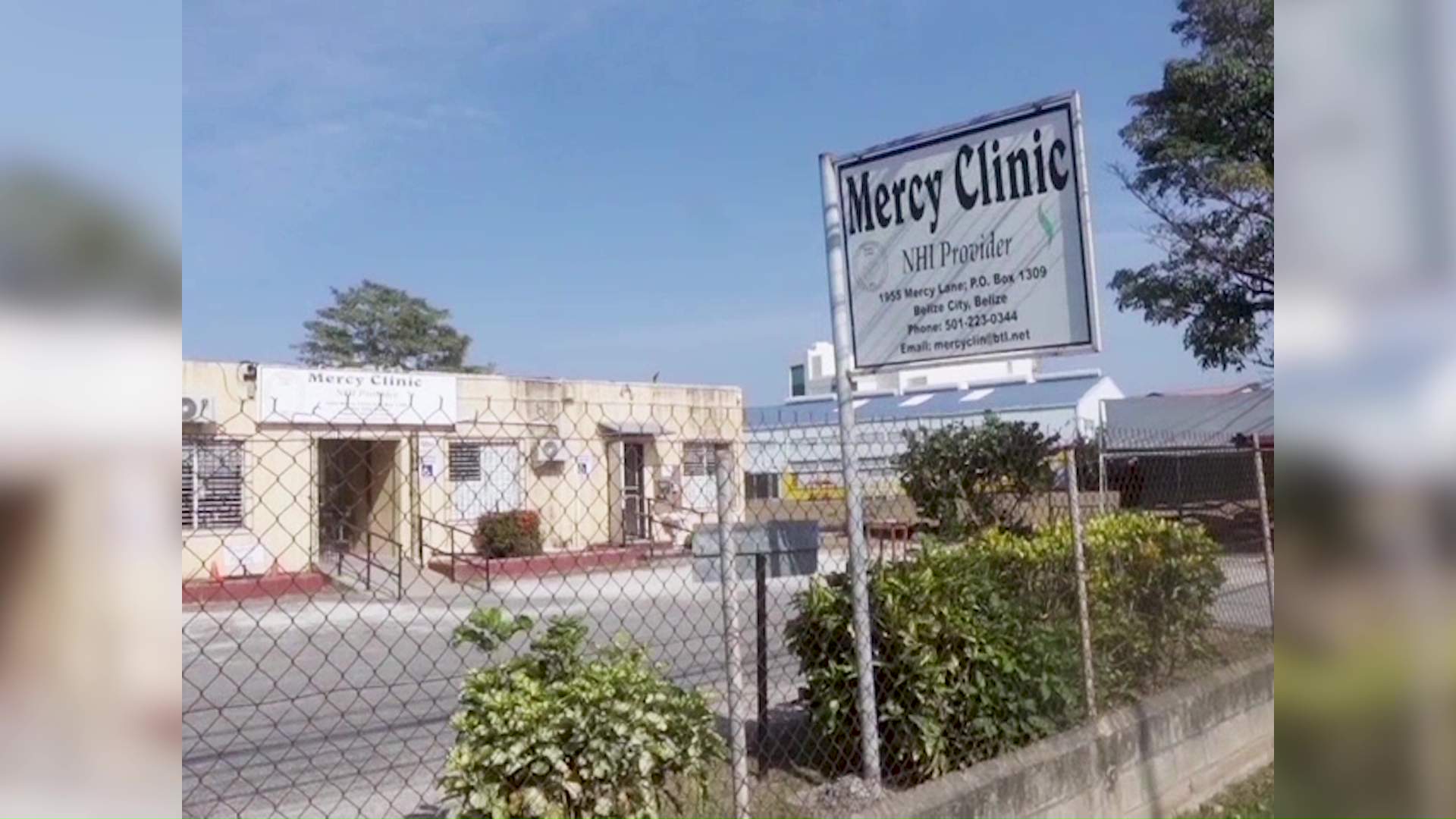
    In a landmark legislative session on February 9, 2026, the Briceño administration unveiled two transformative policy initiatives that signal a new era for regional integration and healthcare reform in Belize. The government first presented the Free Movement Bill, formalizing an agreement that will enable citizens of Belize, Barbados, Dominica, and Saint Vincent and the Grenadines to live and work across borders starting in 2025, establishing clear rights and responsibilities within this new framework. Subsequently, Prime Minister John Briceño introduced the groundbreaking National Health Insurance Authority Bill, heralding it as the most substantial restructuring of Belize’s healthcare system in decades. This proposed authority is designed to enforce price transparency across medical services, regulate pharmaceutical costs, and direct increased funding toward community health centers. The comprehensive reforms aim to make healthcare more affordable and accountable for approximately eighty thousand Belizeans. Prime Minister Briceño emphasized the historical significance of this initiative, noting its origins during Said Musa’s first administration and highlighting immediate tangible benefits already being realized by citizens. He cited specific examples, including reduced medication costs from $600 to under $50 monthly for patients with hypertension and diabetes, underscoring the government’s philosophy that preventive care through accessible healthcare is more economically sustainable than treating advanced illnesses.