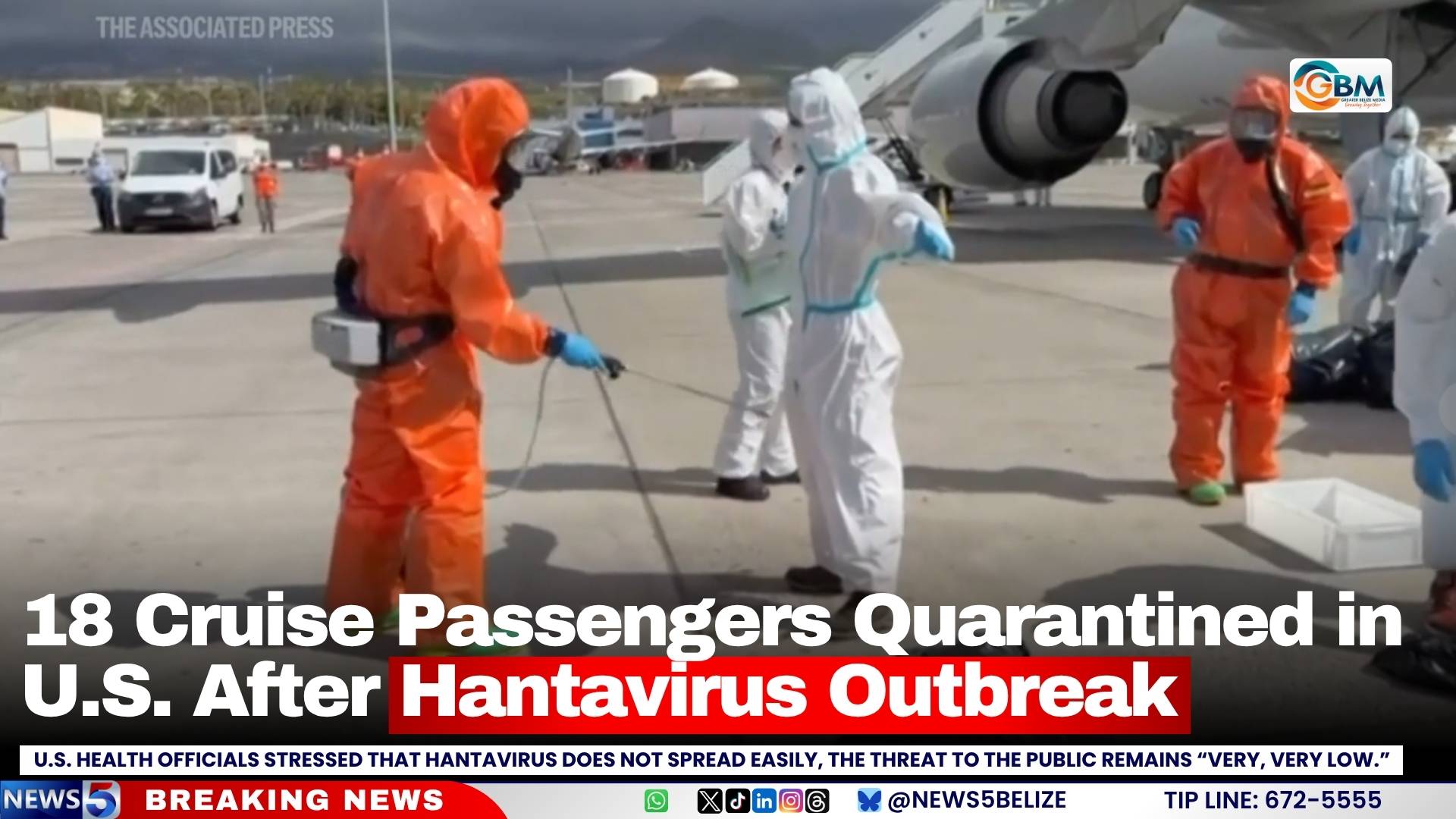
A multi-state public health monitoring and quarantine operation is underway in the United States, after 18 passengers exposed to a hantavirus outbreak linked to an international cruise ship returned to American soil, according to updates from U.S. public health authorities. As of May 11, 2026, these passengers have been placed under targeted medical observation as officials work to stop further spread of the rare but dangerous pathogen and calm public anxiety over broader community transmission.
Sixteen of the 18 monitored individuals, which includes at least one person who has already tested positive for hantavirus, are being held at the University of Nebraska Medical Center, one of the nation’s leading facilities for treating and isolating emerging infectious diseases. The remaining two passengers have been transferred to Emory University Hospital in Atlanta for more in-depth clinical evaluation and specialized care.
Health officials confirmed that all 16 patients in Nebraska currently show no signs of hantavirus infection. However, at least one of the two patients receiving care in Atlanta is already exhibiting hallmark symptoms of the virus. Patients range widely in age, from people in their late 20s to those in their early 80s.
The outbreak is traced back to the expedition cruise vessel MV Hondius, with the first cases emerging shortly after the ship began its voyage in mid-April 2026. To date, three passengers connected to the outbreak have died, and multiple other people who were aboard the vessel have developed confirmed or suspected infections. The World Health Organization has noted that while hantavirus is most commonly transmitted to humans from rodent excrement, the crowded enclosed environment of the cruise ship may have allowed for limited person-to-person spread of the Andes strain of the virus involved in this outbreak.
U.S. health leaders have moved quickly to address widespread public concern over the outbreak, emphasizing repeatedly that the overall risk of hantavirus transmission to the general American public remains extremely low. Dr. Brian Christine, a senior official with the U.S. Department of Health and Human Services, emphasized the low risk in a public statement, noting that the Andes strain requires extended, close intimate contact with an infected symptomatic person to spread between people. Casual contact in public spaces does not pose a meaningful transmission risk, he explained.
The U.S. Centers for Disease Control and Prevention confirmed that all U.S.-based passengers who returned home from the MV Hondius are under daily active monitoring by state and local public health departments. Officials have also prepped protocols to immediately isolate any individual who develops hantavirus symptoms while completing their monitoring period at home, to prevent secondary spread.
Beyond the 18 passengers placed in dedicated medical facilities, an additional nine people across six U.S. states are also undergoing routine monitoring after potential exposure to the virus through their connection to the outbreak, CNN reported. Public health agencies have not released further details about the identities of the exposed individuals to protect patient privacy.
Hantavirus infections, while rare, can cause severe respiratory and systemic illness with a relatively high mortality rate, which has prompted the proactive, precautionary response from global and U.S. health authorities in this outbreak.